

25 November 1975: the paratroopers' revolt that ended the revolution
Paratroopers seized air bases before dawn, a captain took over the television studios and the President declared a state of siege. Within two days the radical wing of the army had lost, and Portugal was on its way to a parliamentary constitution.
At a glance
- Before dawn on 25 November 1975, paratroopers from the Tancos training base occupied the Air Region Command at Monsanto, in Lisbon, and air bases including Tancos, Monte Real and Montijo, in protest at plans to disband their unit.
- Moderate officers of the Armed Forces Movement, grouped around the “Group of Nine”, answered with a plan prepared in advance. Lieutenant-Colonel António Ramalho Eanes directed the operations from the Commando Regiment at Amadora.
- President Costa Gomes declared a state of siege in the Lisbon Military Region that afternoon. On 26 November commandos besieged the Military Police barracks at Calçada da Ajuda, where two commandos and a military police officer cadet were killed.
- Historians agree that the paratroopers' move set events off, but not on whether it was an attempted coup by the far left or an action provoked to force a showdown. The Communist Party has always denied planning it.
- The revolutionary period known as the PREC ended. A new constitution was approved on 2 April 1976, and Eanes was elected President on 27 June 1976.
Danny Kaye on the evening news
On the evening of Tuesday 25 November 1975, viewers of Portuguese television watched an army captain talking straight to camera from RTP's studios at Lumiar, in the north of Lisbon. He was Manuel Duran Clemente, political coordinator at the Military Administration School (EPAM), and his unit had occupied the studios at three that afternoon. Two paratrooper sergeants had already read out a statement explaining why their comrades had seized Air Force bases.
Clemente held the studios, but not the transmitters. Commandos controlled RTP's broadcasting antennas and could cut him off at any moment. Clemente told Diário de Notícias in 1995 that he kept the Monsanto antenna until about eight in the evening only because a Communist Party member had fooled the commandos. He improvised for about ten minutes, and towards the end he could only look worried as “technical” faults broke up the picture. Then the broadcast was switched to Porto, and the MFA's last images gave way to a film starring the American comedian Danny Kaye.
That cut was replayed for years as a gag. For RTP, Clemente's face was the last image of the revolution to stick in the public memory. By the time he went off air, the President of the Republic had declared a state of siege in the Lisbon region, the commander of the radical security force COPCON was at the presidential palace and out of contact with his troops, and the moderate officers were taking control.
A revolution split three ways
On 25 April 1974 a coup by the Armed Forces Movement (MFA), a network of officers, ended the Estado Novo dictatorship. The officers promised to settle the colonial war and, within a year, to call an elected assembly to write a constitution. On 25 April 1975, 91.66% of registered voters turned out to elect it.
The streets moved faster than the assembly. After a failed coup attempt by General António de Spínola on 11 March 1975, banks and insurance companies were nationalised and large estates in the Alentejo and Ribatejo were occupied under a land reform. The Portuguese call this stretch the PREC, the Processo Revolucionário em Curso (“revolutionary process under way”). In the “hot summer” that followed, bombs destroyed Communist Party offices in the north and centre of the country.
The armed forces split too. Vasco Lourenço, one of the officers involved, later described three factions inside the MFA: the “Gonçalvists”, around the former prime minister Vasco Gonçalves and influenced by the Portuguese Communist Party (PCP); the followers of Otelo Saraiva de Carvalho, further to the left; and the moderates, who said they stood by the MFA's original programme.
| Camp | Leading figures | Forces and allies |
|---|---|---|
| Gonçalvists | Officers close to the former prime minister Vasco Gonçalves | Influenced by the PCP; some officers more radical than the party |
| Military populist left | Otelo Saraiva de Carvalho, commander of COPCON | Units of the Lisbon region, soldiers' committees (SUV), far-left groups such as the PRP/BR, UDP and MES |
| Moderates | The Group of Nine: Melo Antunes, Vasco Lourenço and seven others; Ramalho Eanes as operational planner | Backed by the Socialist Party and the PPD; eventually by President Costa Gomes |
| Military right (on the moderates' flank) | Jaime Neves of the Commando Regiment; Pires Veloso, commander in the north | The 123 officers who had left Tancos; Spínola's MDLP |
Simplified from the factions described by Maria Manuela Cruzeiro and Vasco Lourenço. Cruzeiro stresses that on the day itself these alliances were loose and contained very different people.
In early August 1975 nine members of the Council of the Revolution, the MFA's ruling body, put their names to a document whose main author was Major Ernesto Melo Antunes. The Document of the Nine called for socialism reached without violating the will of the majority, rejected “a totalitarian conception” of society as well as anarchic populism, and said the current leadership lacked credibility. Within weeks Gonçalves had lost power, and the signatories became known as the Group of Nine.
By the autumn, newspapers announced coups from left and right almost daily. On 9 November a canister of tear gas or smoke went off at a rally in Lisbon's Terreiro do Paço for the Sixth Provisional Government, and its prime minister, Admiral José Pinheiro de Azevedo, told the crowd “O povo é sereno” (“The people are calm”) and that it was only smoke. Three days later construction workers besieged the Constituent Assembly. On 20 November his government suspended its own work, in effect going on strike.
The paratroopers of Tancos
The spark came from the paratroopers at the Base-Escola de Tancos, in the Ribatejo. Earlier in November they had blown up the transmitters of the Catholic station Rádio Renascença on government orders, and they resented being used. Then 123 of the base's officers walked out, with the backing of the Air Force chief of staff, General Morais e Silva. He ordered the unit wound down: its privates were to be sent home, its sergeants and officers back to their original units.
According to Cruzeiro, he also froze the rebels' pay and had their food, water and electricity cut off. President Costa Gomes later told her that Morais e Silva had “great responsibility” for 25 November because of the way he handled the paratroopers.
At the same time the moderates moved against Otelo. The Council of the Revolution decided to replace him as commander of the Lisbon Military Region with Vasco Lourenço of the Group of Nine. That would take away COPCON's authority over the most revolutionary units in the capital. After days of back and forth, Otelo accepted the decision at a council meeting that ran late into the night of 24 November.
On his way home, Otelo stopped at COPCON headquarters. There, at about 4.30 in the morning, Costa Martins, an Air Force officer and former minister, told him the paratroopers would not accept this and were about to occupy the air bases. Otelo says two Air Force officers promised to stop them and persuaded him to go to bed. He later said his regret was not phoning the President to warn him.
Twenty-four hours in the Lisbon Military Region
In the early hours the paratroopers moved. They took the Air Region Command at Monsanto, on the wooded hill above Lisbon, and Air Bases 3, 5 and 6 at Tancos, Monte Real and Montijo. Later accounts speak of up to six bases. At Monsanto they threatened to kill General Pinho Freire, the air region commander, but held him in a room that happened to have a telephone, which he used to tell the Group of Nine what was happening.
“We state at once that this was not a military coup, as we are being accused. No longer able to accept the positions of the Air Force chief of staff, contrary to the interests of the Portuguese people, we decided to prove our operational readiness and revolutionary discipline in a vast operation to neutralise the main units of the Air Force.”
The General Staff of the Armed Forces (EMGFA) replied that the rebels' grievance against the Air Force generals was a pretext. Its first communiqué said no order to use force had yet been given, to avoid “grave situations”, but warned that one might follow.
“The situation is not entirely clear, and the attitude of these soldiers is so senseless that it is certain they are the victims of criminal manipulation.”
The moderates had a plan ready. For months Lieutenant-Colonel António Ramalho Eanes, Vasco Lourenço's deputy, had been preparing a response to an expected coup from the radical left, and on the 25th he directed operations from the Commando Regiment at Amadora, just outside Lisbon. The commandos, under Jaime Neves, were his main strike force.
Everything depended on President Francisco da Costa Gomes, a general who negotiated with every side. In Belém he stalled, talked to the revolutionary officers and pressed the Communists not to bring their supporters onto the streets. Otelo, woken at about 11.30 by his own account (other versions have him reaching COPCON only around 2.30 in the afternoon), went first to COPCON, where the commander of the marines offered to go and destroy the commandos at Amadora. Otelo sent him back to barracks and drove to Belém, where he stayed, cut off from his headquarters.
The left's other units hesitated. Otelo later said the commander at the fort of Almada phoned to report some 10,000 shipyard workers from Setenave and Lisnave at the gates, asking for weapons; he told him not to hand out “even a penknife”. A group of unions in Lisbon's industrial belt, backed by the Intersindical confederation, said afterwards that the coup had failed for lack of an operational command.
Late that afternoon Costa Gomes signed Decree 670-A/75, declaring a state of siege in the Lisbon Military Region under a 1956 law. A curfew followed, troops patrolled the streets and newspapers were stopped from appearing. It is the only state of siege declared in Portugal since 1974; rights were not suspended again until the state of emergency of March 2020.
Night of 24 November
Council of the Revolution confirms Vasco Lourenço as commander of the Lisbon Military Region
Otelo gives way to the Group of Nine.
c. 4.30 am, 25 November
Costa Martins warns Otelo that the paratroopers will move
Before dawn
Paratroopers occupy the Air Region Command at Monsanto and the bases at Tancos, Monte Real and Montijo
Morning
Eanes runs the moderates' operation from the Commando Regiment at Amadora
c. 11.30 am
Otelo, by his own account, is woken, goes to COPCON, then to the President at Belém
3 pm
EPAM troops under Duran Clemente occupy the RTP studios at Lumiar
Late afternoon
Costa Gomes declares a state of siege in the Lisbon Military Region
Evening
RTP is switched to Porto; a Danny Kaye film replaces Clemente
26 November
Commandos besiege the Military Police at Calçada da Ajuda; three men are killed
26 November
Melo Antunes appears on television and says the PCP is needed in the new democracy
Shots at the Calçada da Ajuda
At Monsanto, when the commandos arrived, they met no resistance. Captain Sousa Gonçalves, who led the assault there, later said the “miracle” of 25 November was the other side's unwillingness to fight and risk death. The only fighting came on 26 November.
The Military Police were another matter. Their barracks at the Calçada da Ajuda, in western Lisbon, was held by the rebels, and the commandos surrounded it. Jaime Neves led the attack. Vasco Lourenço tried to mediate from Belém, but shots were fired, and three men died: two commandos, Lieutenant José Coimbra and Furriel Joaquim Pires, and a Military Police officer cadet, José Bagagem. Neves obtained the surrender of the Military Police commanders.
- Date
- 25 and 26 November 1975
- Rising
- Paratroopers of the Base-Escola de Tancos, with EPAM and Military Police units in Lisbon
- Bases occupied
- Air Region Command (Monsanto), Tancos, Monte Real and Montijo; up to six bases in some accounts
- Response
- Commando Regiment of Amadora and allied units, operations directed by Lt-Col Ramalho Eanes
- State of siege
- Decree 670-A/75, Lisbon Military Region, declared on 25 November
- Deaths
- Three, all on 26 November at the Calçada da Ajuda
The same day, Melo Antunes went on television. He criticised radicalism, called for “a pluralist society, in peaceful transition to socialism”, and said the PCP was an essential part of that path. The broadcast pulled Cunhal's party towards the winners' side, and the more hawkish victors openly rejected it.
Coup or provocation?
Fifty years on, the basic question is still open. The historian Maria Inácia Rezola, in the Dicionário de História de Portugal, writes that historians agree the military moves were set off by the paratroopers and were more than a corporate grievance. There is no consensus on whether there was an attempted coup, or on who was responsible. Other disagreements, including whether it was a coup attempt or an action provoked to clarify the political and military situation, come back to one unanswered question: who ordered the paratroopers out.
The moderates' version is that they foiled an attempt to seize power. Eanes, in 2025, called it an armed insurrection that the “moderate, democratic and legalist” part of the armed forces defeated. Vasco Lourenço calls it an “action of force” to change the balance inside the Council of the Revolution, which the moderates treated as a coup attempt.
In Lourenço's account, Otelo had let the paratroopers send teams to other units to explain their cause, and people linked to the PCP, at first without the party leadership's knowledge, turned them into a show of force; when Costa Gomes confronted Álvaro Cunhal, the party pulled back.
“25 November appears as a response to a desperate attempt by the far left, which allied itself provisionally, and to some extent precariously, with certain forces of the Communist Party. I say certain because I don't think it was the party as a whole.”
The PCP has always said it had nothing to do with it. When the Constituent Assembly met on 2 December, the PPD, the PS and the CDS accused it, and the far-left UDP attacked it from the other side for abandoning the paratroopers; only the small MDP/CDE held back. The PCP deputy Carlos Brito replied that there had been no insurrection, only “a convergence, for different reasons and with different aims, of acts of military revolt”.
Álvaro Cunhal later called 25 November an anticommunist coup and said the Socialists' alliance with the right had been decisive for its success.
“And now there are those who claim that 25 November was also a PCP coup. That is called doing the harm and then crying foul.”
Who gave the order is argued over to this day. The official report on the events, for which Major Marques Júnior was responsible, said the action was launched from COPCON with an order to occupy the bases; the officers it implicated have called it full of lies. Eanes believes Otelo gave the order or covered it, and Diniz de Almeida, second-in-command of the RALIS artillery regiment, has said he saw Otelo order the paratroopers out to lure the left into a trap. Otelo always denied it.
Raimundo Narciso, then the PCP leader in charge of the party's links with the military, has said the order came from the military left with the party's approval, which Cunhal denied. Otelo himself told RTP in 2015 that the PCP may not have taken an active part but “must have given the green light”.
Others on the left see a trap set by the moderates. Duran Clemente, a Communist sympathiser, told RTP that the paratroopers acted without a political plan, over a quarrel with their chief of staff, and “fell into the snare” the Group of Nine had laid. As evidence of premeditation he points out that his own unit had been left without its commander at the decisive moment.
Maria Manuela Cruzeiro, a researcher at the Centro de Documentação 25 de Abril who interviewed Costa Gomes and Melo Antunes, concluded that several plans were in play and that the moderates' was the most complete. In her reading the moderates had been acting to provoke their opponents, and the paratroopers handed them their pretext “on a plate”; the military left answered that last provocation with a stake it then found it could not sustain.
Cruzeiro also points to a plan within the moderates' plan: lists of officers to arrest drawn up behind the backs of Belém and Amadora, calls to bomb the paratroopers and the RALIS artillery regiment, and talk of extending the state of siege and banning the PCP.
From the PREC to the Constitution
The state of siege did not bring a purge of the government. President Costa Gomes and Pinheiro de Azevedo's cabinet stayed in office, including the Communist minister Veiga de Oliveira, who kept his post until the government ended on 23 July 1976. The winners debated outlawing the PCP and some far-left parties, then dropped the idea. Diário de Notícias, one of the papers stopped by the state of siege, was not allowed out again until 22 December.
In the barracks the change was sharper. Otelo was removed. Eanes, given the rank of general and made Army chief of staff, spent the following months dismantling the revolutionary army of assemblies, motions and show-of-hands votes. The historian Rui Ramos credits him with freeing the country from the “uniformed gangs” that had run everything in the summer of 1975.
The parties used the new balance to renegotiate their pact with the military. A second MFA-parties agreement, signed on 26 February 1976 by the MFA and the CDS, MDP/CDE, PCP, PPD and PS, abolished the MFA Assembly as an organ of sovereignty, cut the powers of the Council of the Revolution and provided for a President elected by universal suffrage rather than by a college.
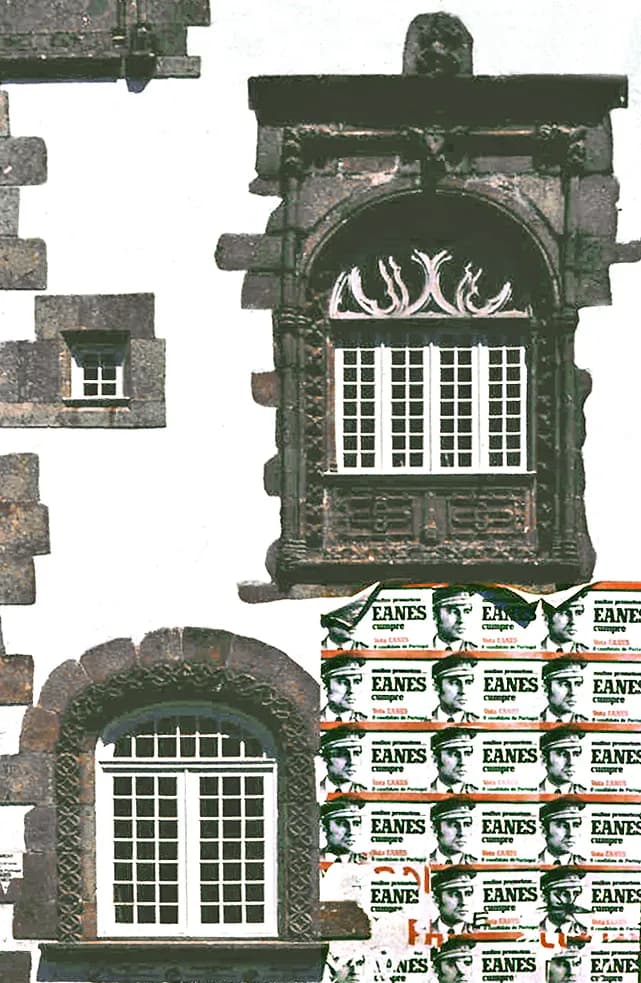
The Constituent Assembly approved the Constitution on 2 April 1976. It came into force on 25 April, the day Portugal elected its first Assembly of the Republic. The Socialists won again, with 34.87%, but the conservative CDS more than doubled its 1975 share, and the PCP rose slightly. On 27 June Eanes, backed by the PS, the PPD and the CDS, was elected President with 61.59% of the vote.
Vote share of the four main parties, 1975 and 1976
% of votes cast
- Constituent Assembly, 25 April 1975
- Assembly of the Republic, 25 April 1976
Both years from the official national results maps published by the Comissão Nacional de Eleições. Jornal Económico gives slightly different 1976 percentages (for example PS 34.89%). In 1976 the PS won 107 seats, the PPD 73, the CDS 42 and the PCP 40.
Show the data
| Constituent Assembly, 25 April 1975 | Assembly of the Republic, 25 April 1976 | |
|---|---|---|
| PS | 37.9 | 34.9 |
| PPD | 26.4 | 24.4 |
| CDS | 7.6 | 16 |
| PCP | 12.5 | 14.4 |
The military did not leave politics at once. The Council of the Revolution survived as the President's advisory body, guardian of the Constitution and legislator on military matters until the first constitutional revision, completed in August 1982, abolished it. The Council of State and the Constitutional Court took over its functions.
A date that still divides
25 April is a national holiday; 25 November is not, and how to remember it has become a dividing line in Portuguese politics. For years the right asked for it to be commemorated and the left refused. In 2019 Parliament approved a CDS vote of greeting, with the Communists and the Left Bloc voting against and most Socialists abstaining.
On 25 November 2024 the Assembly of the Republic held its first solemn session to mark the date, with military honours; the PCP stayed away. For the 50th anniversary in 2025 there was another session and a military parade in the Praça do Comércio. Vasco Lourenço, now president of the Associação 25 de Abril, called the government's celebrations a farce. Eanes, in a message read at the parade, said the point was not to celebrate but to remember.
“25 November was a fracturing moment, and I believe we should not commemorate it. Fracturing moments are not commemorated; they are remembered, and remembered only to reflect on them.”
Underneath the argument about holidays is an argument about what Portugal's democracy is. For the right, and for many moderates, 25 November completed 25 April by returning power to elected parties. For the PCP it opened the way to counter-revolution. Pedro Tadeu, a Diário de Notícias columnist, put the case against celebrating it bluntly in 2023: perhaps it had been a necessary day, but it was an ugly one, nobody sang in the streets, and there was no art.
FAQs
What happened in Portugal on 25 November 1975?
Paratroopers from the Tancos base occupied the Air Region Command at Monsanto and several air bases. Moderate officers around the Group of Nine, with operations directed by Lieutenant-Colonel Ramalho Eanes from the Commando Regiment at Amadora, regained control, and President Costa Gomes declared a state of siege in the Lisbon Military Region. It ended the most radical phase of the revolution.
Was 25 November 1975 a communist coup?
Historians do not agree. The moderates saw an attempted seizure of power by the far left with parts of the PCP. The PCP has always denied any part in it and called 25 November a counter-revolutionary coup, and some officers on the left say the paratroopers fell into a trap set by the Group of Nine. Nobody has established who ordered the paratroopers out.
How many people died on 25 November 1975?
Three, all on 26 November, when commandos besieged the Military Police barracks at the Calçada da Ajuda in Lisbon: Lieutenant José Coimbra and Furriel Joaquim Pires of the Commandos, and José Bagagem, an officer cadet of the Military Police.
What was the Group of Nine?
Nine members of the Council of the Revolution who in August 1975 signed the Document of the Nine, with Melo Antunes as one of its main authors, against the line of Vasco Gonçalves's government: Vasco Lourenço, Vítor Alves, Canto e Castro, Franco Charais, Vítor Crespo, Pezarat Correia, Costa Neves, Sousa e Castro and Melo Antunes. They led the moderate camp on 25 November.
Is 25 November a public holiday in Portugal?
No. Since 2024 the Assembly of the Republic has marked the date with a solemn session, and in 2025 there was a military parade in Lisbon for the 50th anniversary, but proposals to make it a holiday remain disputed.
On the timeline
Open the timelineNearby moments from revolution and democracy (1974–1986).
At a mass rally in Lisbon's Terreiro do Paço in support of his Sixth Provisional Government, Prime Minister Admiral José Pinheiro de Azevedo is interrupted when gas canisters go off in the crowd. His unflappable 'O povo é sereno' ('The people are calm'), and his assurance that it was only smoke, became one of the best-remembered lines of the revolutionary period.
At midnight in Luanda, Agostinho Neto of the MPLA proclaims the independence of the People's Republic of Angola, ending nearly five centuries of Portuguese rule, as the rival FNLA and UNITA declare their own states in Ambriz and Huambo. Neto becomes the country's first president.
Tens of thousands of demonstrators, most of them construction workers demanding a collective labour agreement, surround the Constituent Assembly at São Bento, keeping the deputies inside for some 36 hours and holding Prime Minister Pinheiro de Azevedo in his official residence next door until the government gives in to their demands. The siege marked the final phase of the revolution, ended by the events of 25 November.
25 November 1975
Units loyal to the moderate wing of the Armed Forces Movement, with Lieutenant-Colonel Ramalho Eanes directing operations, put down an uprising by left-wing paratroopers who had seized air bases. A state of siege is declared in the Lisbon region, and the defeat of the radical left ends the revolutionary period and sets Portugal on course for parliamentary democracy.
Fretilin unilaterally proclaims the independence of the Democratic Republic of East Timor in Dili, with Francisco Xavier do Amaral as president. Nine days later Indonesia launched its full-scale invasion, and the territory regained its independence only in 2002, after a 24-year occupation.
Nine days after Fretilin declared East Timor's independence, Indonesia launches a full-scale invasion of the former Portuguese colony with an assault on Dili. The occupation lasted 24 years; East Timor's truth commission later documented at least 102,000 conflict-related deaths between 1974 and 1999, most from hunger and disease.
The Constituent Assembly approves the Constitution of the Portuguese Republic, founding the democratic regime that followed the Carnation Revolution. It enters into force on 25 April.
Coming up in history
All long reads 27 November 2011Fado becomes world heritage: UNESCO's verdict in Bali, 27 November 2011
 28 November 1975Fretilin proclaims East Timor's independence, 28 November 1975
 29 November 1807The day the Portuguese court sailed for Brazil: 29 November 1807
 30 November 1935The death of Fernando Pessoa, the poet who was many, 30 November 1935
24 sources
Archives, scholarship and reporting this article was checked against.
- 1
25 de Novembro: quantos golpes afinal? (Maria Manuela Cruzeiro)Centro de Documentação 25 de Abril, Universidade de Coimbra
- 2
25 de Novembro: o epílogo de um processo de alta tensão política e militarRenascença, 25 November 2024
- 3
A “dramática aventura” do 25 de Novembro que ditou o fim da RevoluçãoLusa, in DNOTICIAS.PT, 24 November 2019
- 4Otelo: motivos de “arrependimento” no 25 de NovembroRTP Notícias, O outro lado do 25 de Novembro (2015)
- 5
O Conselho da Revolução (Maria do Céu Filipe)Arquivo Nacional Torre do Tombo, 2014
- 6
Estado democráticoAssembleia da República
- 7PCP ficou isolado na Constituinte no rescaldo das “horas dramáticas” do 25 de NovembroLusa, in Observador, 24 November 2024
- 8Duran Clemente conta como caiu numa “esparrela” em 25 de NovembroRTP Notícias, O outro lado do 25 de Novembro (2015)
- 9
Mapa nacional da eleição para a Assembleia Constituinte, 25 de Abril de 1975 (Diário do Governo, II série, suplemento ao n.º 115, 19 May 1975)Comissão Nacional de Eleições
- 10
- 11
Documento Melo Antunes ou Documento dos «Nove», 6 de Agosto de 1975Marxists Internet Archive, transcribed from the Centro de Documentação 25 de Abril
- 12Eanes, o Presidente do 25 de Novembro (Rui Ramos)Observador, 25 November 2017
- 13
“O povo é sereno”RTP and Instituto de História Contemporânea (NOVA FCSH), Memórias da Revolução
- 14
- 15
Declaração do estado de emergênciaAbreu Advogados, March 2020
- 16O dia 25 de Novembro de 1975 foi um dia bonito? (Pedro Tadeu, opinion)Diário de Notícias, 11 October 2023
- 17Perfil: o “comando” do 25 de Novembro que chegou a generalDiário de Notícias, 27 January 2013
- 18
Ramalho Eanes saúda “decisão política e militar de rememorar” 25 NovembroJornal de Negócios (Lusa), 25 November 2025
- 1944 anos depois, o 25 de Novembro continua a suscitar polémicaDiário de Notícias, 25 November 2019
- 20O PCP? Não teve nada a ver com o golpe de 25 de novembroObservador, 24 November 2015
- 21
- 22
Legislativas: da Constituinte de 1975 às eleições antecipadas de 2024Jornal Económico, 18 May 2025
- 23
- 24
Image credits
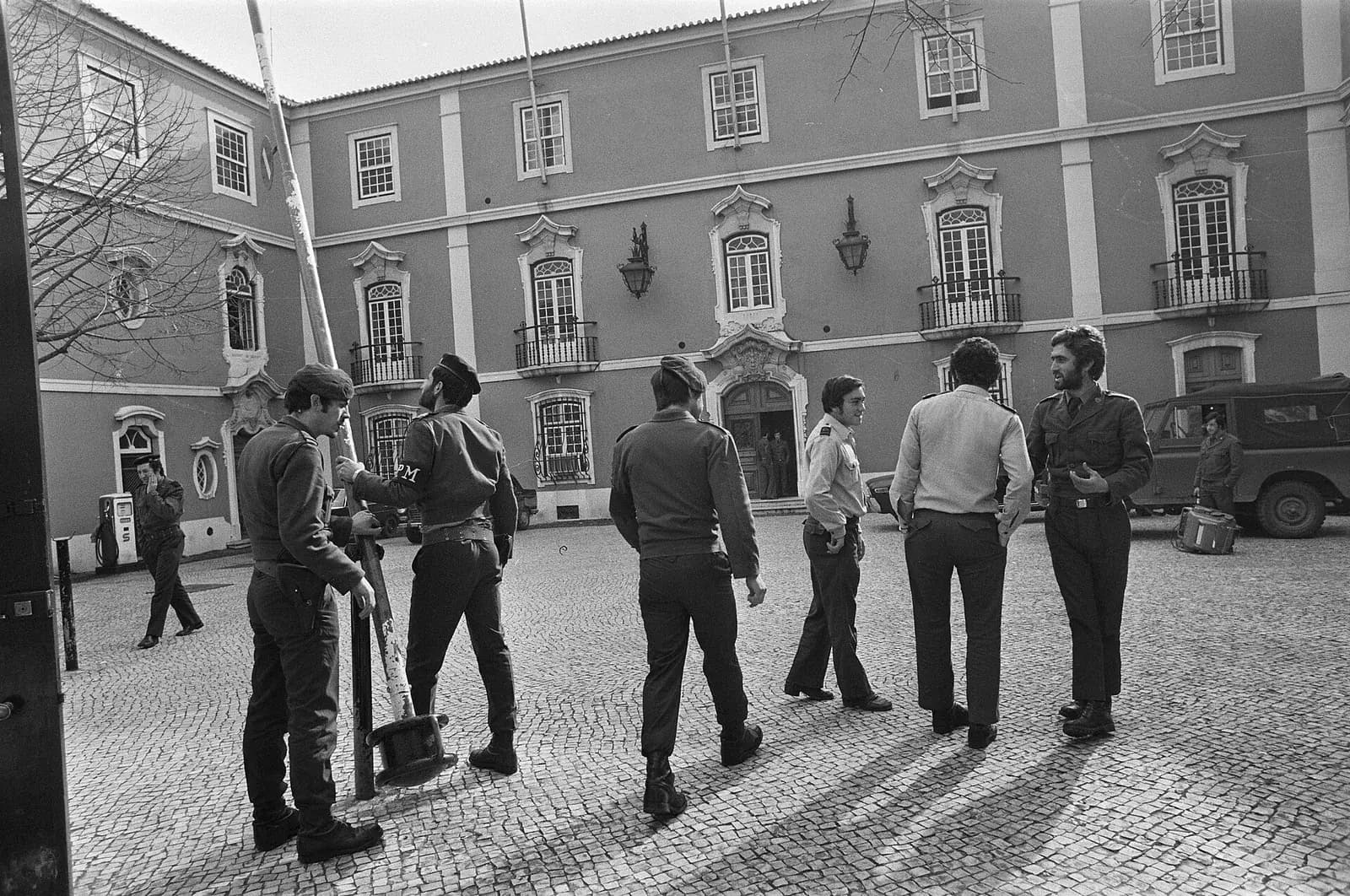
- Soldiers in a Lisbon courtyard on 11 February 1975, one of them wearing the armband of the Military Police (PM), photographed by Rob Mieremet for the Dutch agency Anefo. The archive's caption places them at the Praça do Comércio. By November the armed forces had split into rival camps. Rob Mieremet / Anefo, CC0, via Wikimedia Commons.
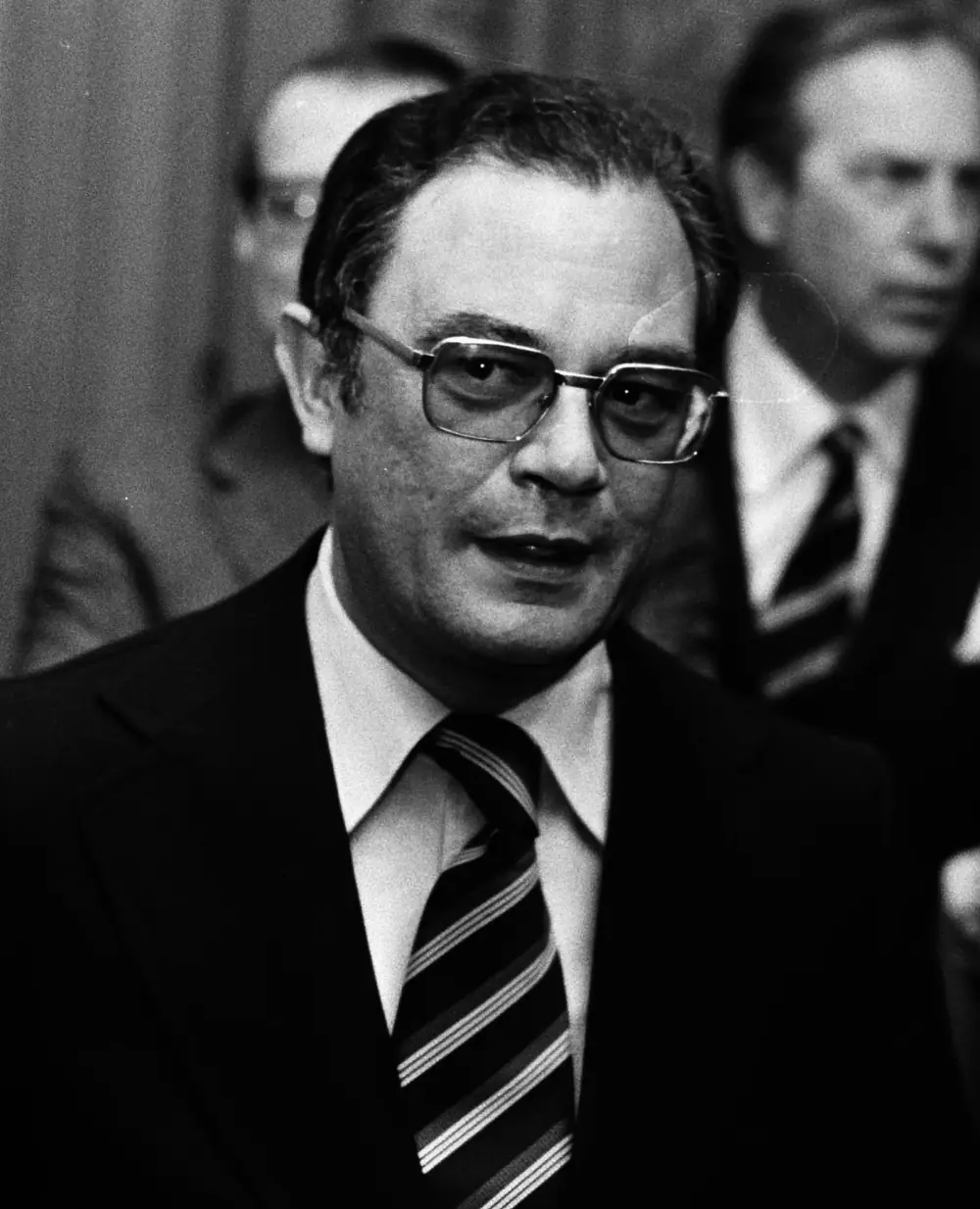
- Ernesto Melo Antunes, then Portugal's foreign minister, photographed by the Dutch agency Anefo on 21 May 1975, with the Dutch deputy foreign minister Brinkhorst behind him. That August he was one of the main authors of the Document of the Nine. Fotocollectie Anefo, CC BY 4.0, via Wikimedia Commons.
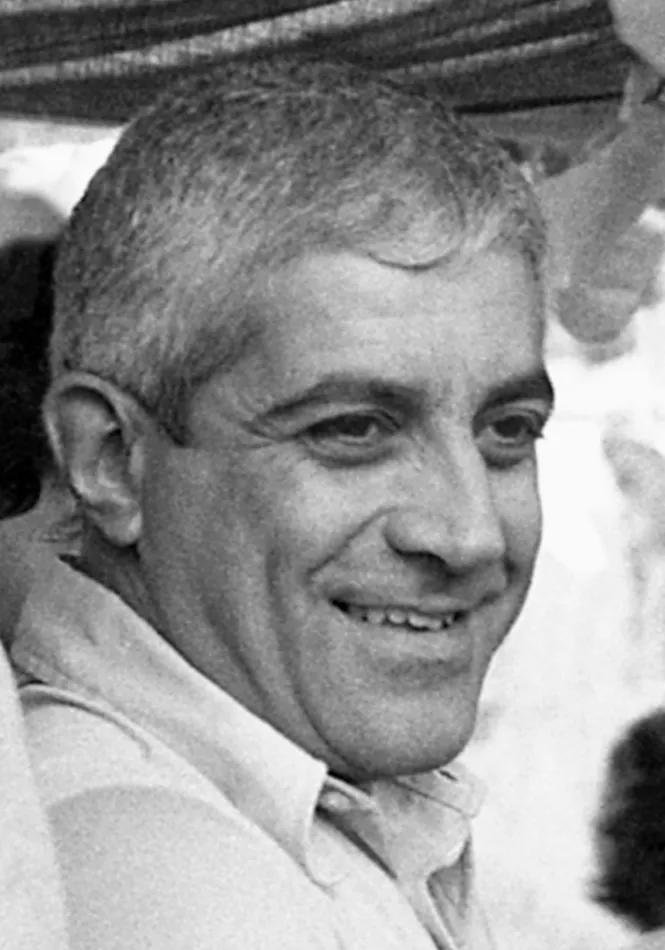
- Otelo Saraiva de Carvalho in 1976. The commander of COPCON, who had planned the coup of 25 April 1974, lost his commands after 25 November and stood for President the following June. Manuelvbotelho, CC BY-SA 4.0, via Wikimedia Commons.
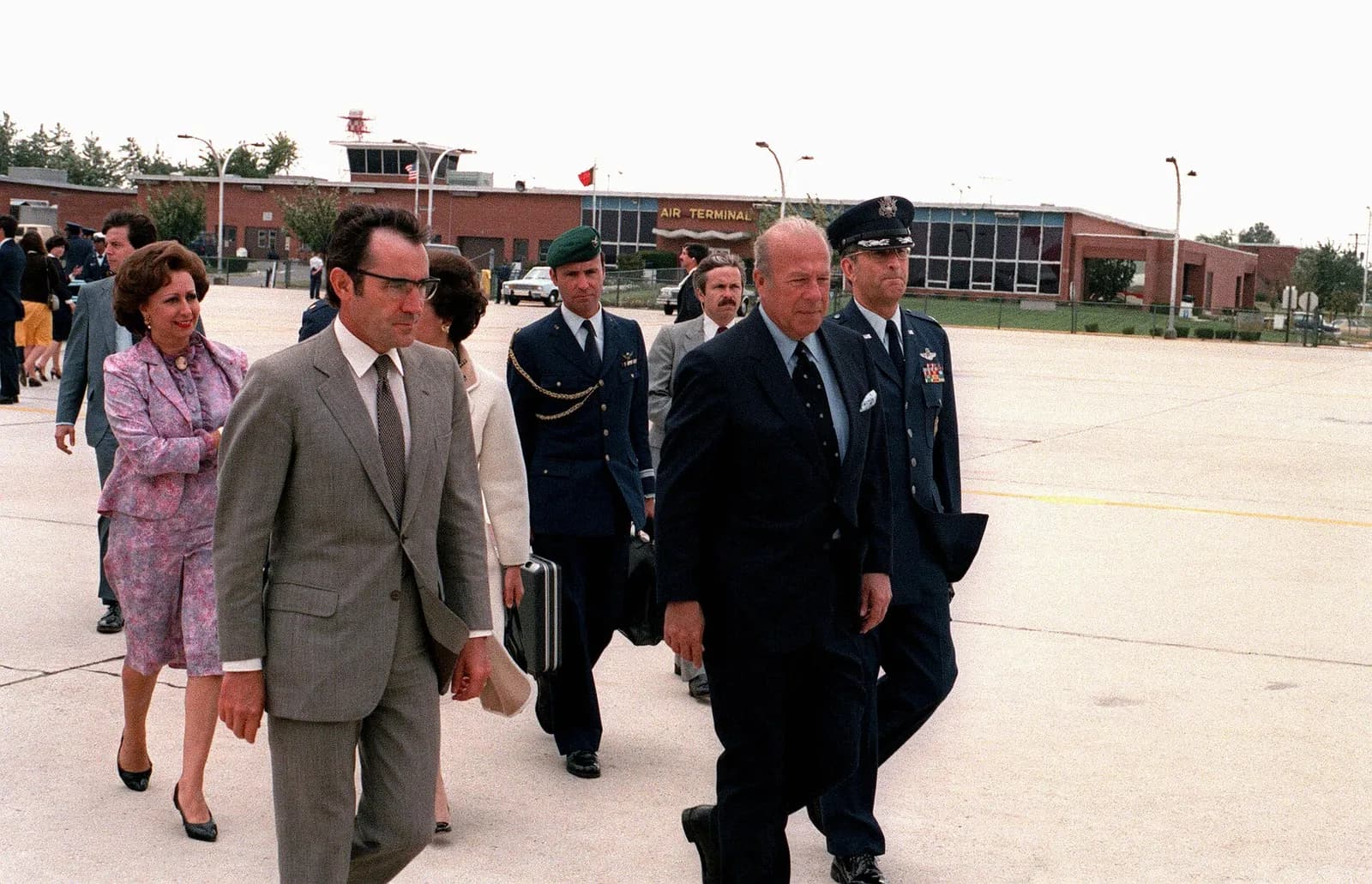
- President Ramalho Eanes (front left, in grey) leaving the United States after a state visit on 14 September 1983, with the US Secretary of State George Shultz on the right. Eanes was President from 1976 to 1986. TSgt James F. Clawson, US Air Force, Public domain, via Wikimedia Commons.
- Posters for Ramalho Eanes's presidential campaign, with the slogan “Eanes cumpre” (“Eanes delivers”), still on the front of the Casa dos Coimbras in Braga in August 1976, two months after his election. LBM1948, CC BY-SA 4.0, via Wikimedia Commons.