

Spínola resigns as President, 30 September 1974
Five months after taking the old regime's surrender, the general with the monocle told the Council of State that Portugal was sliding into anarchy, and resigned. In Washington, Henry Kissinger called the weekend “won by the left”.
At a glance
- General António de Spínola resigned as President of Portugal on Monday 30 September 1974, after 138 days in office, in a message to the Council of State broadcast on radio and television.
- He had been the best-known soldier of the regime that fell on 25 April 1974; his book Portugal e o Futuro, published on 22 February 1974, said the African wars could not be won by arms alone.
- As President he clashed with the Armed Forces Movement (MFA) over the pace of decolonisation and over who held power, and twice appealed to Portugal's 'silent majority' to wake up.
- A rally in his support called for Saturday 28 September was stopped by left-wing barricades on the roads into Lisbon and by arrests; on 29 September the Council of State refused him a state of siege.
- The junta chose General Francisco da Costa Gomes to succeed him the same day. Spínola later backed the failed coup of 11 March 1975, went into exile, came home in 1976 and died in Lisbon in 1996.
Monday at Belém
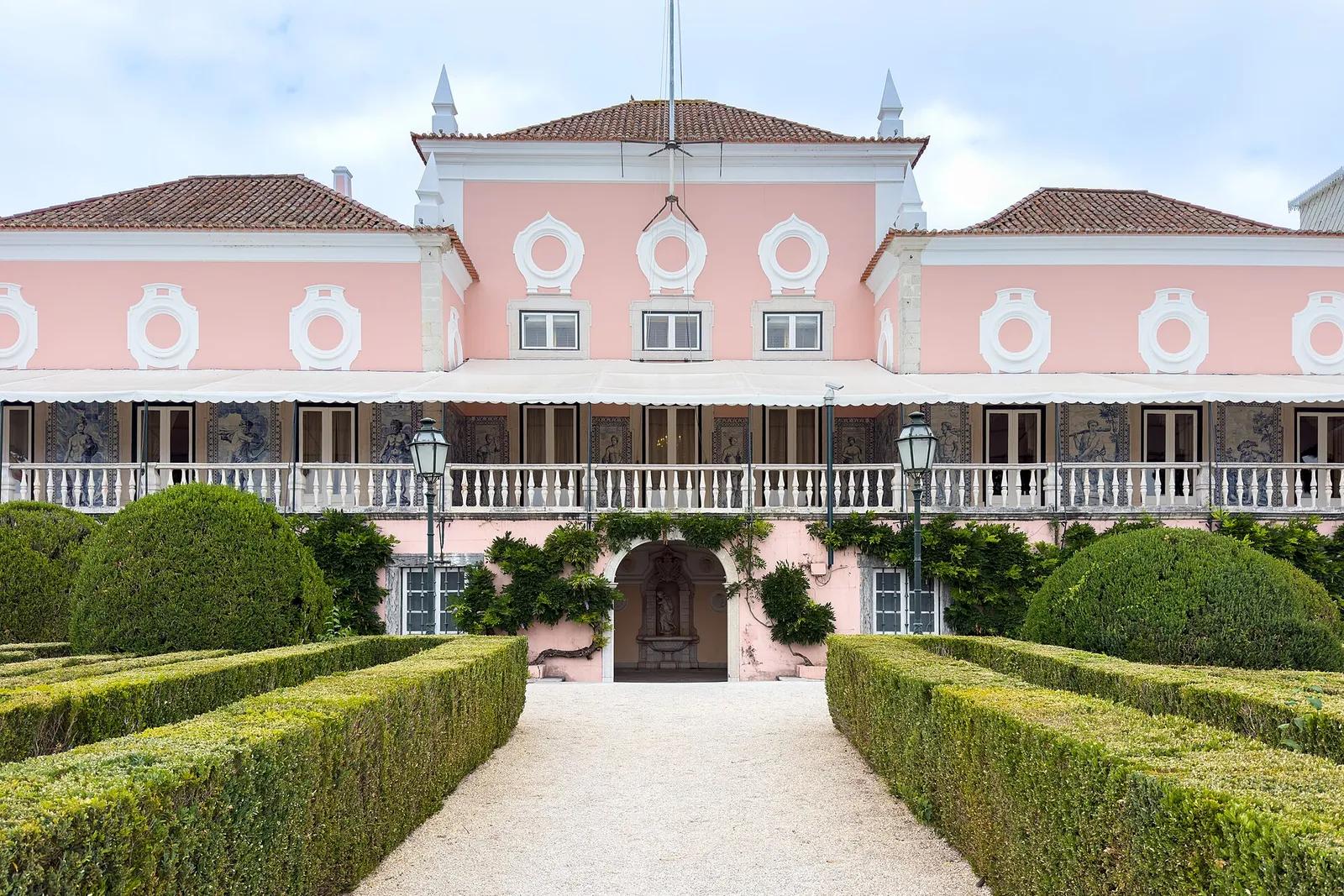
“Senhores conselheiros de Estado. Portugueses.” On Monday 30 September 1974 General António de Spínola, 64 years old, President of Portugal for 138 days, began to read a long text to the Council of State at the Belém Palace in Lisbon. Radio and television carried it to the country.
He did not sound like a man saying goodbye. He spoke of decolonisation “distorted” into anti-democratic measures, of demands forged for the workers by “frustrated bourgeois of the old regime”, of inflation, unemployment and laws mocked with impunity. Then he came to the point.
“In this general climate of anarchy, in which everyone lays down his own law, crisis and chaos are inevitable. […] Under these conditions, and faced with the total impossibility of building an authentic democracy in the present climate, I resign the office of President of the Republic.”
Within hours the Junta of National Salvation, the seven-man military council that had held supreme power since the revolution, named his old friend General Francisco da Costa Gomes in his place. Costa Gomes was sworn in before the junta and kept Brigadier Vasco Gonçalves as prime minister. In Washington, Henry Kissinger told President Gerald Ford that the weekend had been a test of strength, “won by the left”.
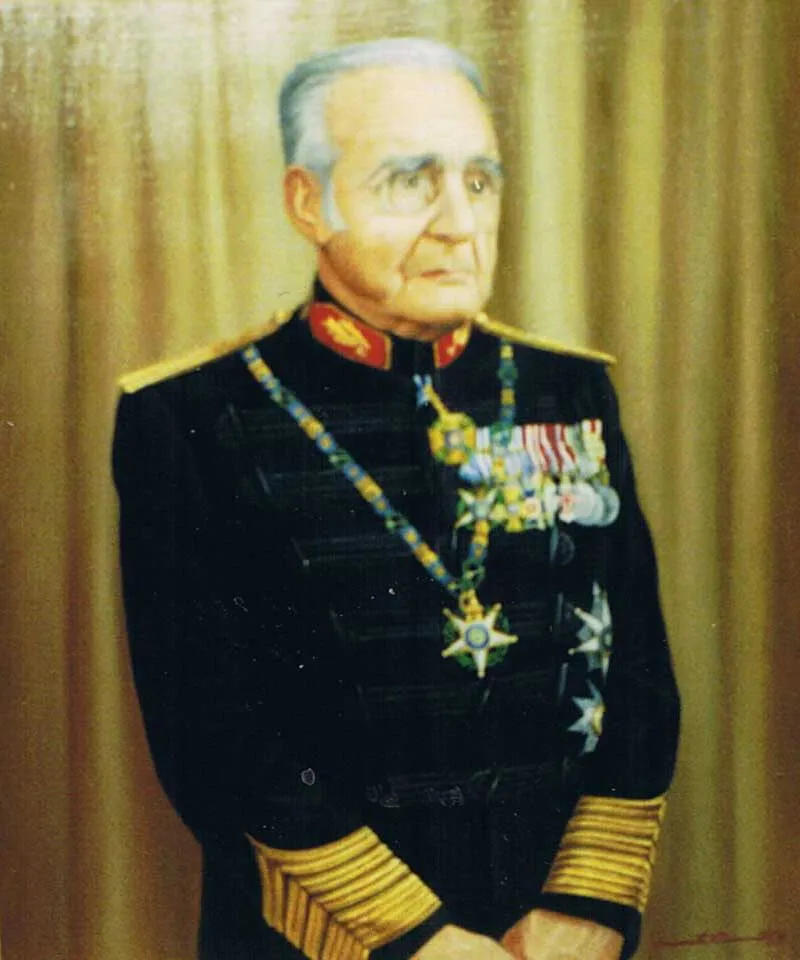
The general with the monocle
Spínola was born in Estremoz, in the Alentejo, on 11 April 1910, to parents from Madeira. He entered the Colégio Militar in Lisbon at ten and became a cavalry officer. In the 1930s he escorted food convoys for Franco's side in the Spanish Civil War, and at the end of 1941, on a study mission to Germany, he visited the German-Soviet front at Leningrad.
The colonial wars made his name. In November 1961 he left for Angola at the head of Cavalry Battalion 345. In May 1968 he became governor and commander-in-chief of Portuguese Guinea, where he fought the PAIGC guerrillas under the slogan “a better Guinea”. He came to argue that the war would be settled in the political field, and in November 1973 he turned down Prime Minister Marcelo Caetano's offer of the overseas ministry.
- Born
- 11 April 1910, Estremoz
- Arm
- Cavalry
- Guinea
- Governor and commander-in-chief, 1968 to 1973
- President
- 15 May to 30 September 1974 (138 days)
- Successor
- General Francisco da Costa Gomes
- Died
- 13 August 1996, Lisbon, aged 86
On 17 January 1974 Caetano made him deputy chief of the general staff of the armed forces, under Costa Gomes. Five weeks later, on 22 February, his book Portugal e o Futuro (Portugal and the Future) reached the bookshops. Its premise, in Spínola's words, was that “a purely military victory is not feasible”. He proposed instead a federation linking Portugal and its African territories.
Its publisher, Paradela de Abreu, had the final proofs worked on in a rented flat above the Apolo 70 shopping centre in Lisbon, split the printing between five print shops and sent a copy to Paris in case the book was banned. It sold out fast: 100,000 copies in under a month, by one count. Caetano read it as a warning.
“And on closing the book I had understood that the coup d'état was inevitable.”
In March Caetano summoned the military chiefs to a public show of loyalty to his colonial policy, mocked as the “rheumatic brigade”. Spínola and Costa Gomes stayed away, and both were dismissed on 14 March. Six weeks later the young officers of the Armed Forces Movement (MFA) overthrew the regime.
A president and a movement
On 25 April 1974, at the Carmo barracks in Lisbon, Caetano handed power to Spínola as the MFA's representative. That night Spínola was named head of the Junta of National Salvation, and on 15 May he took office as President of the Republic. The captains had wanted Costa Gomes as President, but Costa Gomes himself proposed Spínola, the general the public knew.
The alliance did not last the summer. Spínola wanted a gradual decolonisation, with the colonies' future settled by referendums and, if possible, inside a federation with Portugal; the MFA's coordinating committee wanted a quick break. As President he also shared power with the junta, a Council of State created on 31 May, and an MFA that watched his every decision.
Kissinger's briefing for Ford put it plainly: the two had been fighting over decolonisation and domestic policy, but “the central issue, however, was authority”. Spínola could not stand having his decisions monitored, and the MFA was determined that its programme be followed to the letter.
Spínola lost round after round. On 8 July the Council of State threw out the proposals of his prime minister, Adelino da Palma Carlos, to strengthen the presidency and put off the elections for a constituent assembly, and the next day Palma Carlos resigned. The MFA imposed one of its own, Colonel Vasco Gonçalves, as his successor, and on 18 July, swearing him in, Spínola first called on the country's “silent majority” to wake up. On 27 July, under MFA pressure, he announced Law 7/74, which recognised the colonies' right to independence.
Calling the silent majority
On 10 September 1974 Spínola spoke as Portugal formally recognised the independence of Guinea-Bissau, the colony he had governed. The speech was mostly about Africa, but towards the end he turned to Portugal itself, where, he said, groups outside any legal order were storming the centres of decision.
“The silent majority of the Portuguese people will therefore have to wake up and actively defend itself against the extremist totalitarianisms that are fighting each other in the shadows.”
Sources disagree on when he said it. The 1975 collection of revolutionary documents and RTP's chronology give 10 September; the Presidency Museum dates a televised appeal to 11 September, and Observador places the same words in a speech of 21 September.
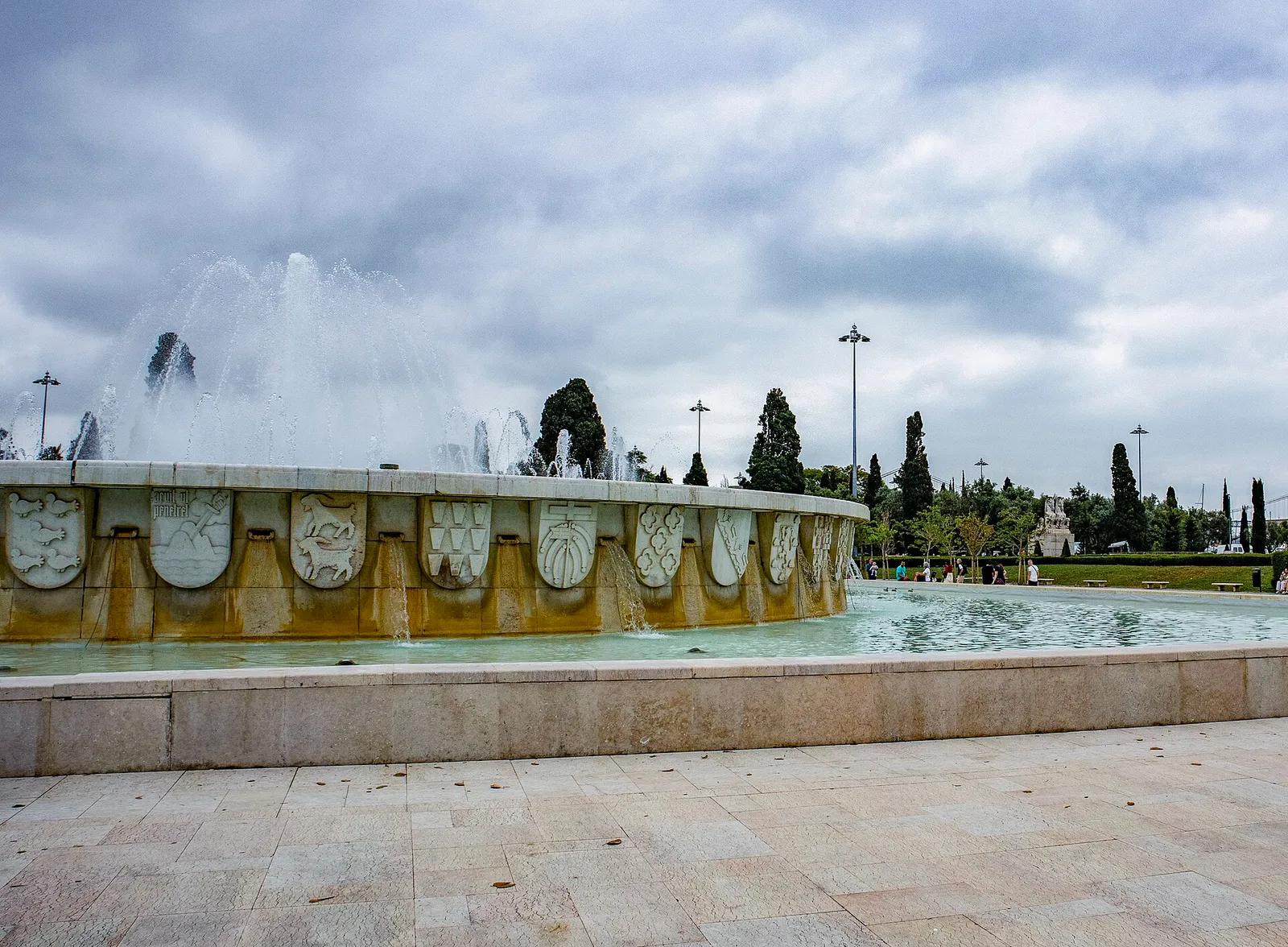
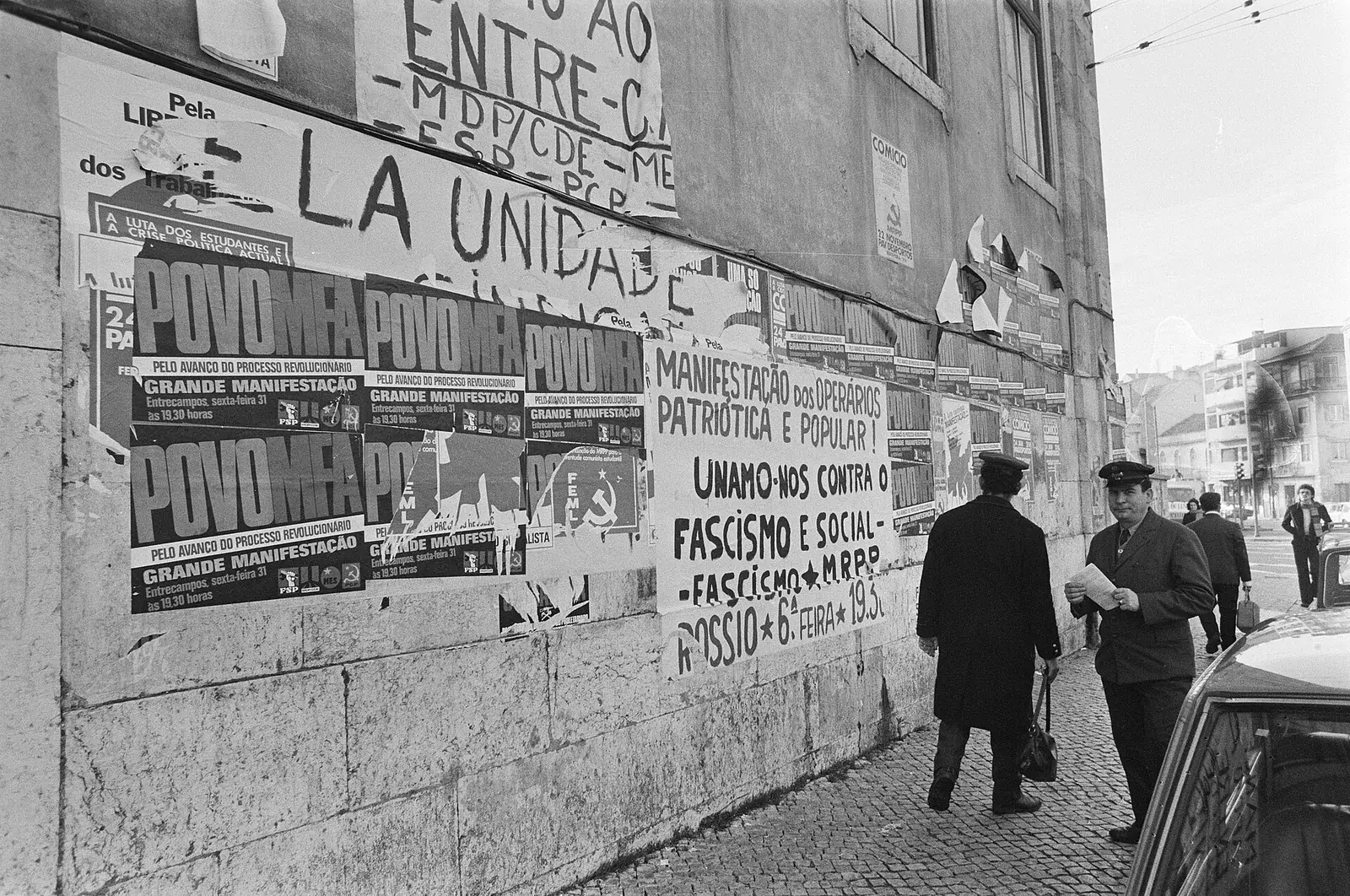
On the night of 18 to 19 September posters went up in Lisbon calling the “silent majority” to Praça do Império, the square in front of the Jerónimos monastery beside the Belém Palace. On the 25th the date was announced: Saturday 28 September. Light aircraft dropped leaflets. The left answered with posters of its own; one, from the MDP-CDE, showed Spínola with a swastika on his chest.
Who was behind the rally is still disputed. The fullest account is a report by an MFA commission of inquiry, written after March 1975 and hostile to Spínola. It names a small right-wing party, the Partido Liberal, as the organiser, General Kaúlza de Arriaga among the men who found the money, and the Banco Espírito Santo as the channel for it. It says 750 contos (750,000 escudos) were sent to Porto as a deposit on a thousand buses from the north.
The same report says the colonel who chaired the organising committee asked Spínola first and came away believing the President agreed, while Costa Gomes raised objections. The Presidency Museum's biography says Spínola made his appeal in order to call a rally that would let him declare a state of siege. In his memoirs he wrote that he found the rally ill-timed but felt he could not refuse a show of support for his office. He never banned it.
On Thursday 26 September Spínola and Gonçalves went to a bullfight at the Campo Pequeno in aid of the Liga dos Combatentes, the veterans' league. The crowd cheered the President and booed the prime minister, and the stands chanted “Ultramar, Ultramar”, the overseas territories. The rally was announced over the loudspeakers. Outside, Spínola's supporters fought communist students until the GNR, the gendarmerie, restored order around dawn.
Barricades on the roads into Lisbon
On Friday 27 September the government told Spínola it opposed the rally. That evening unions and left-wing parties called their members out over the radio, and by night civilians had put up barricades on the roads into Lisbon, stopping and searching cars and even trains. In Porto people were urged to watch the Arrábida and D. Luís bridges.
At the Belém Palace that night the junta met with Gonçalves. According to the MFA's report, General Galvão de Melo shouted at the prime minister, and two other generals of the junta demanded his resignation. The palace ordered the radio stations off the air and had their guards replaced. Costa Gomes, the navy chief Pinheiro de Azevedo and Brigadier Otelo Saraiva de Carvalho, deputy commander of the new Continental Operations Command (COPCON), were held in the palace for hours, and Otelo was twice stopped from leaving. Outside, the MFA wondered whether Spínola was staging a coup.
The units held for the MFA. Artillery from RAL 1 occupied the television studios, the MFA's coordinating committee sent an ultimatum for Otelo's release, and at dawn COPCON began arresting people it linked to the old regime and the rally. Around 1 p.m. on the 28th Spínola's office said the rally should not go ahead; minutes later the MFA announced it was cancelled.
Thu 26 Sept
Campo Pequeno
Spínola is cheered and Gonçalves booed at a bullfight; fighting outside.
Fri 27 Sept
Barricades
The government opposes the rally; barricades go up on the roads into Lisbon. The junta and the prime minister clash at Belém.
Sat 28 Sept, small hours
Night at Belém
Radio stations go off the air; by the MFA's account Costa Gomes, Pinheiro de Azevedo and Otelo are held at the palace. COPCON begins arrests at dawn.
Sat 28 Sept, about 13:00
Rally called off
The Presidency says the rally should not take place; the MFA announces it is cancelled.
Sun 29 Sept
Council of State
Spínola asks for a state of siege and is refused. The three generals leave the junta. In the evening he says he will resign.
Mon 30 Sept
Resignation
Spínola reads his message; the junta names Costa Gomes; the Third Provisional Government takes office.
The MFA later published what it said was found at the roadblocks: 1,765 weapons, most of them shotguns and coshes, and 9,885 rounds of ammunition. Its report also says that on the 27th an officer who had infiltrated an arms-dealing ring was asked for a hundred automatic weapons that same night. The figures are the MFA's own, and nobody has checked them independently.
Weapons seized at the roadblocks into Lisbon, September 1974 (MFA count)
items
Counts given in the report of the MFA's commission of inquiry into 28 September, published in 1975: 1,765 items in all, plus 9,885 rounds of ammunition. The report was written to show that the rally was a cover for a coup.
Show the data
| Items seized | |
|---|---|
| Shotguns | 699 |
| Coshes and similar | 549 |
| Knives and blades | 332 |
| Pistols and revolvers | 118 |
| Air rifles | 44 |
| Alarm pistols | 23 |
| What | Figure | Source |
|---|---|---|
| Copies of Portugal e o Futuro sold | 100,000 in under a month | Diário de Notícias (João Céu e Silva), 2024 |
| Copies of Portugal e o Futuro sold | 230,000 in two months | Diário de Notícias interview with Céu e Silva, 2024 |
| Copies of Portugal e o Futuro sold | 230,000 by the end of 1974 | Diário de Notícias (Bruno Horta), 2024 |
| People detained on 28 September | “Some dozens” | MFA communiqué, 28 September 1974 |
| People detained on 28 September | 62, among them General Kaúlza de Arriaga | Observador, 2014 |
| People detained on 28 September | More than a hundred people linked to the old regime | RTP chronology |
| Spínola's threats to resign | 29 September was “the sixth time” | MFA commission report, 1975 |
Vasco Lourenço told Observador that the MFA's coordinating committee first planned about 20 arrests and that the final number was three or four times that; arrests went on for months.
A state of siege refused
On Saturday evening Spínola met Gonçalves and Costa Gomes. The MFA offered a deal: the three generals would leave the junta, Major Sanches Osório would give up the ministry of social communication, and the President would keep out of the government's business. Spínola refused and offered to hand power to Costa Gomes. During the meeting came news of a large, orderly pro-MFA demonstration in Porto.
On Sunday 29 September, with the junta and the MFA's coordinating committee at Belém, an officer brought word that civilians were attacking GNR posts south of the Tagus. Spínola called in the Council of State, which was waiting next door, and asked for a state of siege.
Costa Gomes went to check the story and came back with a minor incident in the town of Moita, already over. According to Observador, he said he would not answer for public order without the support of the civilians at the barricades.
The council, its civilian members included, refused the state of siege.
Spínola agreed to let the three generals go. Early that evening he told Gonçalves he would resign. According to the MFA report, he promised Costa Gomes a short, harmless statement, and the speech he gave the next morning astonished the council.
The junta acted under article 5 of Law 3/74, which gave it the choice of President. It named Costa Gomes, who took the oath before it at once and confirmed Gonçalves under article 7. Gonçalves's second cabinet, the Third Provisional Government, took office the same day. Costa Gomes, 60, addressed the country later that day and spoke warmly of the man he replaced.
“Fate has willed that I succeed in this office a great man, a true soldier, to whom I am bound by half a century of the most fruitful friendship.”
He also rejected Spínola's picture of the country. There had been no departure from the MFA programme in decolonisation, he said, and few revolutions anywhere had been so deep and so little marked by blood. He promised to honour the Lusaka agreement with Frelimo and Portugal's treaties, NATO among them, and its trade and financial commitments.
Tancos, Rio and home
Spínola did not retire. From his home in Massamá, outside Lisbon, he kept in close touch with officers and politicians, weighing a legal road back, as a presidential candidate backed by the parties to the right of the Communists, against a coup. On the night of 10 to 11 March 1975 he went to the Tancos air base for a coup attempt that collapsed within hours, and escaped by helicopter to Spain, then to Brazil.
In exile he led the Democratic Movement for the Liberation of Portugal (MDLP), founded in May 1975, which plotted against the revolutionary governments. In March 1976 a German journalist, Günter Wallraff, posing as a backer, recorded him in Düsseldorf accepting support for an armed operation. Switzerland expelled him, and he dissolved the MDLP from Rio de Janeiro on 29 April 1976, four days after Portugal's first parliamentary election under the new constitution.
He landed at Portela airport on 10 August 1976 and spent two days in the Caxias military prison being questioned about 11 March. He returned to the army reserve in 1978 and retired in 1980. In December 1981 the Council of the Revolution made him a marshal, and in February 1987 President Mário Soares gave him the Grand Cross of the Order of the Tower and Sword.
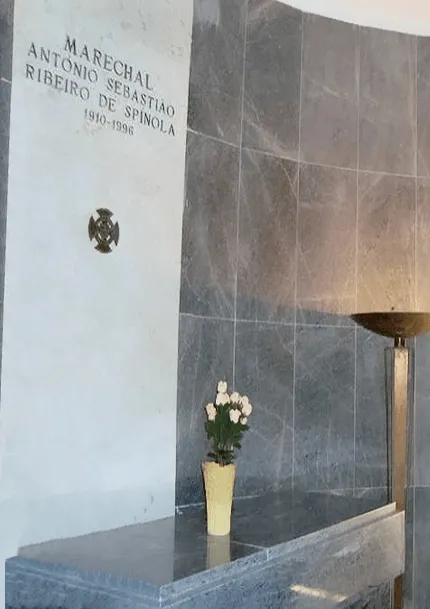
Spínola died after a respiratory illness in a Lisbon hospital on 13 August 1996, aged 86. The government declared two days of national mourning, and President Jorge Sampaio called him a charismatic man.
Why it still matters
Spínola's fall ended his plan for a slow, federal end to the empire. Under Costa Gomes decolonisation ran on the MFA's timetable: at Alvor in January 1975 Portugal and Angola's three liberation movements agreed on independence for 11 November that year. Kissinger's verdict, sent to Ford on 30 September, was that Portugal was “moving inexorably in a leftist direction”, and on 16 October the CIA director proposed covert help to build up the Socialist Party and a centrist group against the Communists.
The weekend also changed the revolution's methods. Civilians at the barricades had acted alongside the MFA, and the MFA's report praised them for it. The arrests of 28 September went on for months; in 1976 a later commission found they had no criminal basis. Each side still reads the weekend its own way: as a failed coup from the right, or as a peaceful rally broken up by the left.
Spínola's reputation is argued over too. In July 2023 President Marcelo Rebelo de Sousa gave him and Costa Gomes the Order of Liberty posthumously, but the honour was left off the presidency's website until a newspaper reported it in April 2024. Historians and left-wing figures had signed an open letter in 2022 opposing the Order of Liberty for him.
FAQs
Why did Spínola resign as President of Portugal?
He had lost a months-long struggle with the Armed Forces Movement over decolonisation and over who held power. When a rally of his supporters on 28 September 1974 was stopped by barricades and arrests, and the Council of State refused him a state of siege on 29 September, he resigned on 30 September, saying Portugal was sliding into anarchy.
What was the 'silent majority' demonstration of 28 September 1974?
A rally of support for President Spínola called for Praça do Império in Belém after he urged the 'silent majority' to wake up. Left-wing parties and unions saw it as cover for a right-wing coup and put up barricades on the roads into Lisbon; the MFA arrested dozens of people and cancelled the rally.
Who replaced Spínola?
General Francisco da Costa Gomes, his friend and former superior as chief of the general staff, chosen by the Junta of National Salvation on 30 September 1974. He was President until 14 July 1976.
What was Portugal e o Futuro?
Spínola's book, published on 22 February 1974 while he was deputy chief of the general staff. It argued that the colonial wars could not be won by arms alone and proposed a federation of Portugal and its territories. It sold out within weeks, and Caetano dismissed Spínola in March.
What happened to Spínola after 1974?
He backed the failed coup of 11 March 1975, fled to Spain and Brazil and led the exile MDLP. He came home in August 1976, was made a marshal in 1981 and died in Lisbon on 13 August 1996, aged 86.
On the timeline
Open the timelineNearby moments from revolution and democracy (1974–1986).
Portugal and FRELIMO sign the Lusaka Accord, by which Portugal recognises Mozambique's right to independence after a decade of colonial war; independence followed on 25 June 1975.
At Belém Palace, President António de Spínola signs the protocol by which Portugal formally recognises the independence of Guinea-Bissau, the first of Portugal's African colonies to have its independence recognised after the Carnation Revolution.
The planned 'silent majority' demonstration in support of President António de Spínola is called off after left-wing militants set up barricades on the roads into Lisbon and in Porto, and COPCON, the revolution's military security command, arrests suspected organisers. Isolated within the armed forces, Spínola resigned two days later.
Spínola's resignation
General António de Spínola resigns as President of Portugal, two days after the failure of the 'silent majority' demonstration, citing the country's leftward drift. General Francisco da Costa Gomes succeeds him as head of state, and decolonisation accelerates under his presidency.
The Alvor Agreement is signed in the Algarve between Portugal and Angola's three liberation movements, formally ending the Angolan War of Independence and setting 11 November 1975 as independence day. The transitional government it created soon collapsed, plunging Angola into a civil war that lasted until 2002.
A right-wing military coup attempt led by General António de Spínola is defeated in Lisbon. The failed coup pushes the Portuguese Revolution sharply to the left, leading to the creation of the Council of the Revolution and the nationalisation of banks and major industries.
On the revolution's first anniversary Portugal elects its Constituent Assembly, the first election in its history held by truly universal suffrage. Turnout reaches 91.7%. The Socialist Party of Mário Soares wins the most votes and 116 of the 250 seats, a key step in Portugal's transition to democracy.
Coming up in history
All long reads 2 October 1969Mr Five Per Cent's museum: the Gulbenkian opens in Lisbon, 1969
 3 October 1910Miguel Bombarda: the shooting at Rilhafoles on the eve of the Republic
 4 October 1582The ten days Portugal never had: the calendar change of October 1582
 5 October 1910The morning Portugal became a republic: 5 October 1910
20 sources
Archives, scholarship and reporting this article was checked against.
- 1
O 28 de Setembro, in Textos Históricos da Revolução (organised by Orlando Neves, 1975)Diabril, 1975; transcription in the Marxists Internet Archive (Creative Commons)
- 2
António de Spínola (biography and presidential term)Museu da Presidência da República
- 3
Memorandum from Kissinger to President Ford: Assessment of events in Portugal, undated [late September or early October 1974] (FRUS 1969-1976, vol. E-15, part 2, doc. 137)Office of the Historian, US Department of State
- 4A maioria silenciosa (Catarina Falcão)Observador, 28 September 2014
- 5
António de Spínola no exílio: a estadia no Brasil (Luís Nuno Rodrigues)História (São Paulo), vol. 33, no. 1, 2014, pp. 66-96
- 6
António de Spínola (former President of the Republic)Presidência da República Portuguesa
- 7Um esquema para proteger Portugal e o Futuro (João Céu e Silva)Diário de Notícias, 10 February 2024
- 825 de Abril. Os anos da Revolução dos Cravos (chronology)RTP Notícias, compiled from the Centro de Documentação 25 de Abril (University of Coimbra) chronology and other works
- 9
- 10
Spinola, first president of democratic Portugal, diesThe Irish Times, 14 August 1996
- 11Spínola não era o general preferido pelo MFA, mas sim Costa Gomes (Leonídio Paulo Ferreira, interview with João Céu e Silva)Diário de Notícias, 10 February 2024
- 12Marcello Caetano fala para o Brasil (Bruno Horta)Diário de Notícias, 13 March 2024
- 13
Forças Armadas: demissões, 14 March 1974 (chronology entry)Associação 25 de Abril
- 14
- 15
Diário do Governo, I série, n.º 174, suplemento, 27 July 1974: Lei n.º 7/74Imprensa Nacional-Casa da Moeda, via Diário da República Eletrónico
- 16
Tomada de posse do III Governo ProvisórioRepública Portuguesa, Arquivo Histórico do Governo
- 1711 de Março, o dia de todas as tensões que só se resolveu a 25 de Novembro (Vítor Moita Cordeiro)Diário de Notícias, 10 March 2025
- 18
- 19Marcelo Rebelo de Sousa condecorou Spínola sem divulgar no site da Presidência. Marcelo admite falhaObservador, 10 April 2024
- 20
Image credits
- The Belém Palace in Lisbon, the President's official seat. Here the junta and the prime minister argued through the night of 27 to 28 September 1974, and here Spínola announced his resignation two days later. Kent Wang, CC BY 4.0, via Wikimedia Commons.
- Marshal António de Spínola in an oil portrait by Duarte Pimentel, recorded on Commons as hanging in the Belém Palace. The monocle was his trademark. Duarte Pimentel, CC BY-SA 3.0, via Wikimedia Commons.
- The fountain in Praça do Império, Belém, in 2024. The “silent majority” was called to gather in this square at 3 p.m. on 28 September 1974. Cristina Morettini 95, CC BY-SA 4.0, via Wikimedia Commons.
- Posters for a Povo-MFA (People-Armed Forces Movement) rally “for the advance of the revolutionary process” at Entrecampos, on a Lisbon wall photographed on 11 February 1975. Rob Mieremet / Anefo, CC0, via Wikimedia Commons.
- Spínola's tomb in the Alto de São João cemetery, Lisbon, photographed in 2021. António Fragoso, CC BY 2.0, via Wikimedia Commons.