

Wiriyamu, 1972: the Mozambique massacre Portugal took 50 years to own up to
In December 1972 a Portuguese commando operation near Tete, in colonial Mozambique, left hundreds of villagers dead. Lisbon denied it for months, buried its own inquiries, and only in 2022 did a prime minister apologise.
At a glance
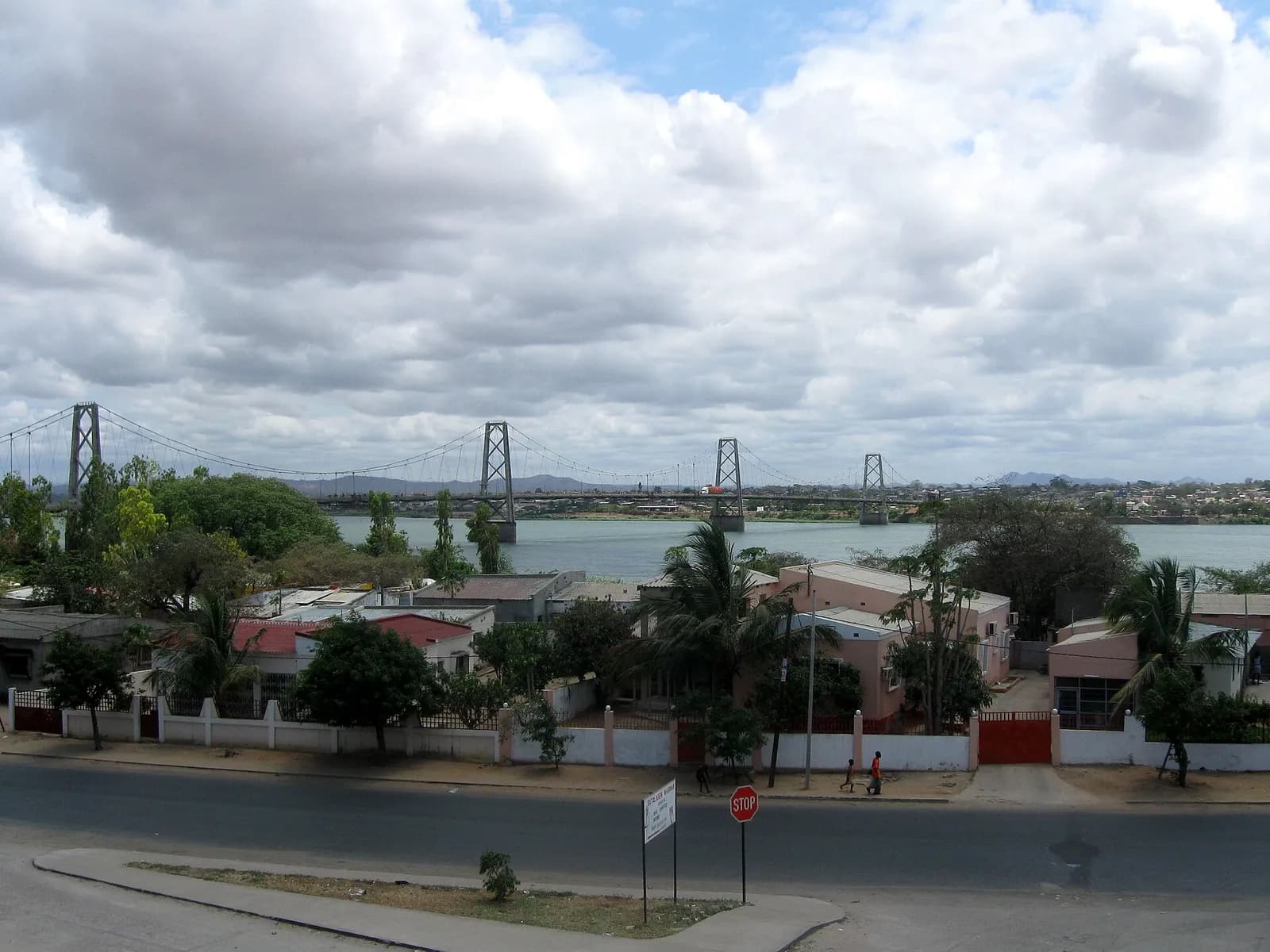
- On 16 December 1972, in Operation Marosca, Portuguese commandos backed by aircraft and guided by DGS secret-police agents attacked Wiriyamu, Chawola, Juwau and nearby hamlets south of Tete, in Mozambique.
- Counts of the dead range from 20 in the Portuguese army's first report, raised to 63 by its own inquiry, to more than 400 in the missionaries' report; the historian Mustafah Dhada has named 385 victims from 216 families.
- Catholic missionaries gathered the survivors' testimony, and the British priest Adrian Hastings published it on the front page of The Times on 10 July 1973, a week before Marcelo Caetano's official visit to Britain.
- Lisbon first denied the massacre and said the village did not exist; in August 1973 it admitted “reprehensible acts” by some soldiers, but its military inquiries ended without anyone being tried.
- On 2 September 2022, in Maputo, Prime Minister António Costa called the massacre “an inexcusable act that dishonours our history”, reported as the first official recognition by a Portuguese government.
A front page in London
At half past nine on the morning of Tuesday 10 July 1973, a colleague handed Mustafah Dhada a copy of The Times. Dhada was 22, a student in London who had left Mozambique in 1964 after the Portuguese authorities classed him as “not assimilated”. On the front page was a report headlined “Portuguese massacre reported by priests”.
It was signed by Adrian Hastings, a British Catholic priest who had worked as a missionary in Africa. He described an attack seven months earlier on a village called Wiriyamu, south of the town of Tete, by Portuguese commandos working with agents of the DGS, the secret police. His article drew on a confidential report by two Spanish missionaries who had collected the testimony of survivors. They counted more than 400 dead and identified 120 of them by name, most of them women, children and old people.
Dhada thought of his own village, Búzi, and how much it must have resembled Wiriyamu. He promised himself a doctorate at Oxford on the massacre. He did take an Oxford doctorate, in 1987, but on Amílcar Cabral and the war in Guinea-Bissau; his history of Wiriyamu took more than four decades.
The timing mattered. A week later Marcelo Caetano, who had succeeded Salazar as head of Portugal's dictatorship, was due in Britain on an official visit to mark the 600th anniversary of the Anglo-Portuguese alliance. Instead of a celebration, he arrived to protests.
Tete, 1972: a war moves south
By 1972 Portugal was fighting three colonial wars at once: in Angola since 1961, in Guinea since 1963 and in Mozambique since September 1964. In Mozambique Portugal faced FRELIMO, the Mozambique Liberation Front, founded in Dar es Salaam in 1962. Mozambique had some 200,000 settlers, and the regime treated its African territories as an inseparable part of the nation.
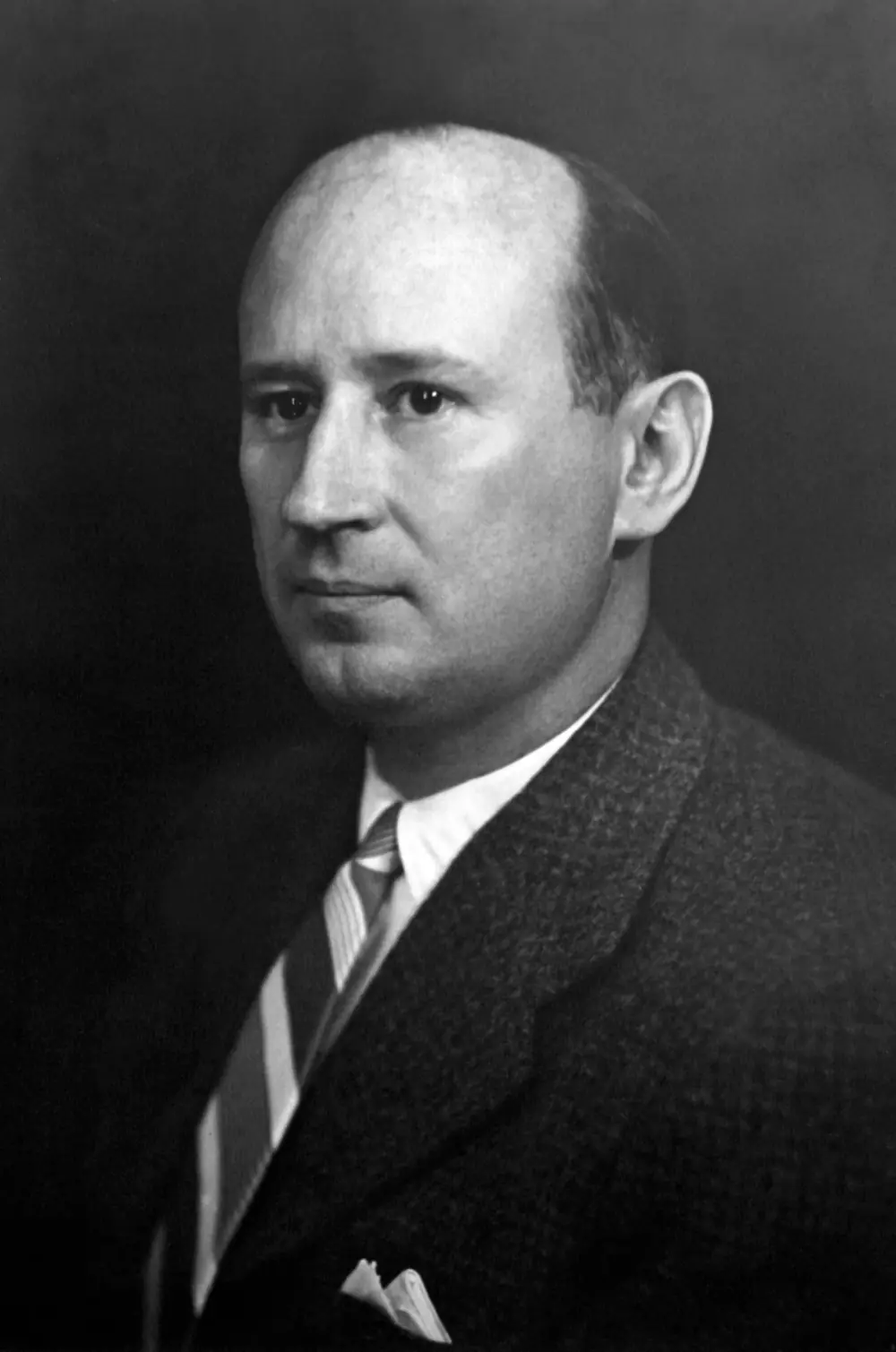
For its first six years the war was fought mainly in Cabo Delgado, the far north, on the border with Tanzania. In 1970 General Kaúlza de Arriaga became commander-in-chief. He wanted a quick, decisive victory, and in July 1970 launched Operation Gordian Knot against FRELIMO's northern bases with some 8,000 men, the largest Portuguese force used in a single operation in any of the wars.
While Portuguese troops were concentrated in the north, FRELIMO shifted its effort to the centre of the country, and above all to Tete. The district was a wedge of Mozambican land surrounded by other African states, easy to infiltrate across the borders. It was also where Portugal had chosen to build one of the world's largest dams, on the Zambezi at Cahora Bassa.
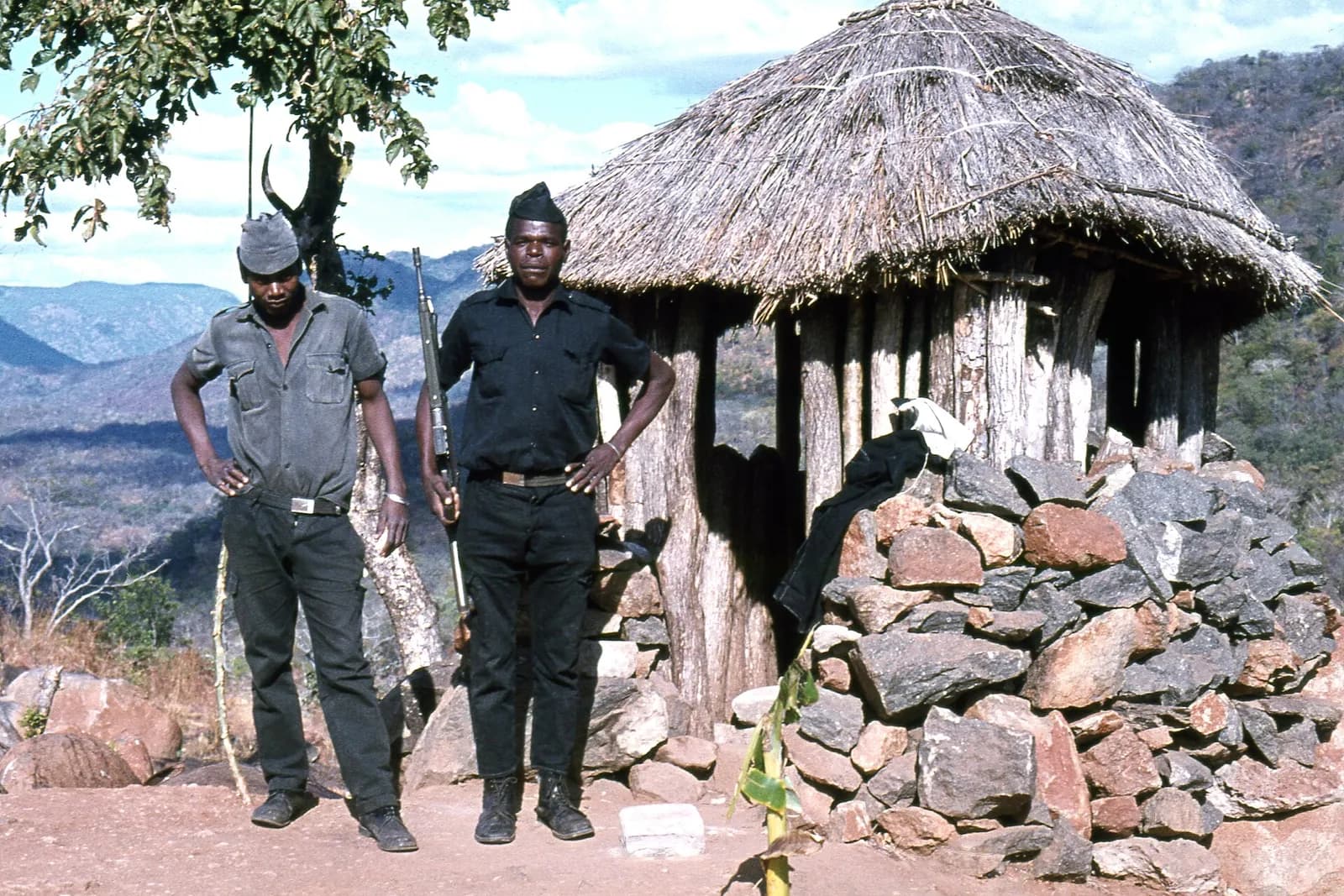
The dam was meant to show the world that Portugal intended to stay in Africa. The contract went to the ZAMCO consortium in 1969 and building began in 1970. Guarding the site and the long supply roads to it took troops that Arriaga complained he did not have.
By late 1972 guerrillas were operating within reach of the town of Tete itself, and the DGS office there described the situation as “simply chaotic”. White settlers wanted a harder line. On 9 December 1972 a Portuguese electrician wrote to Caetano “on behalf of the entire population of the city of Tete”, complaining that soldiers were forbidden to shoot guerrillas and demanding that they be “eliminated once and for all”.
“In this kind of war what matters most to us is to win the hearts of the living and not to cut off the heads of the dead.”
Operation Marosca
On 14 December 1972 a civilian aircraft was shot at near Tete. A DGS team went to question the villagers south of the town and learned nothing. When it returned the next day with an army patrol, the patrol was ambushed by FRELIMO on its way back and suffered six casualties.
The commandos were told that a FRELIMO leader called Raimundo had a base with an estimated 300 fighters somewhere between “Fumo Williamo” and “Cantina Raul”. The orders for the operation, codenamed Marosca, set three aims: capture Raimundo, capture or destroy his guerrillas, and remove the population from FRELIMO's control. There were three briefings the day before; at the one held at 18:30, DGS guides were assigned to the combat groups.
The assault force was drawn mainly from the 6th Commando Company, a unit of Portuguese and locally recruited volunteers, with the 17th Light Infantry Battalion, the Air Force and DGS agents. According to Dhada, its commander was ill that day, and the company was led on the ground by a 21-year-old alferes (second lieutenant), Antonino Melo, named António Melo in some accounts.
- Date
- Saturday 16 December 1972 (one DGS report gives the 15th)
- Place
- Wiriyamu, Chawola, Juwau and nearby hamlets, about 25 km south of Tete, between the Zambezi, the Luena and the Tete to Changara road
- Operation
- Marosca: air strikes followed by commandos landed by helicopter
- Units
- 6th Commando Company, with the 17th Light Infantry Battalion, the Air Force and DGS guides
- Dead
- From 20 (army report), revised to 63 (army inquiry), to more than 400 (missionaries' report); 385 named by Mustafah Dhada
- Made public
- The Times, London, 10 July 1973
The attack began with two Portuguese jets bombing. According to the DGS's own report, the bombs did not fall on the hamlet itself: the DGS had wanted the Air Force to strike it first, but the military chose to bomb around it, hoping to take Raimundo alive. Commandos were then landed by helicopter. No guerrilla was killed or captured and no weapons were found.
What followed is known mainly from survivors. The missionaries' report, written from the testimony of people who reached the São Pedro mission hospital, described soldiers looting and burning huts, women raped, people suffocating inside burning huts, villagers executed and others beaten to death. Most of the victims, it said, were women, children and the elderly.
Survivors and later accounts gave a central role to an African DGS agent, Chico Kachavi (also spelt Cachave), who is said to have urged the soldiers on and carried out killings himself. Melo later told interviewers he had orders to kill everyone.
The historian Andreas Zeman, using army and secret-police files, argues that it was all too easy for the commandos to blame the notorious DGS and its agent afterwards. Kachavi, who worked for the DGS as a prison guard in Tete, was killed by FRELIMO in August 1973, and the DGS's own report on the operation blamed the army.
Dhada found that the killing spread over five settlements in what he calls the Wiriyamu triangle: Wiriyamu, Djemusse, Riacho, Juwau and Chawola. His count does not include people killed in the three days of “clean-up” that followed, or during interrogations.
Counting the dead
Nobody knows exactly how many people died, and the figures depend on who was counting and why. The army's action report, dated 21 December 1972, listed 102 huts destroyed and 20 “collaborators of the enemy” killed. The DGS chief in Tete was blunter in his report for the second half of December: about a hundred members of the population had been killed.
“We therefore consider the lack of capture or killing of terrorists and the massacre of the population to be failures.”
The report went on to regret that no guerrillas had died alongside the villagers, which would have given the “moral consolation” of blaming their presence for the deaths. It also saw a positive side: the operation had given the European population some confidence and cut FRELIMO off from the people of the Rego and Gandar chiefdoms.
| Source | When | Dead | Notes |
|---|---|---|---|
| Army action report (17th Light Infantry Battalion) | 21 December 1972 | 20 | “Collaborators of the enemy”; also 102 huts destroyed |
| DGS sub-delegation, Tete | 2 January 1973 | About 100 | Internal report calling it a massacre |
| Doctor from Tete hospital, with a Red Cross representative | About 20 days after | About 200 | Unpublished report, known from later citations |
| Burgos Fathers' report | Early 1973 (made public July 1973) | More than 400 | 120 identified by name |
| Army inquiry ordered by Kaúlza de Arriaga | 29 May 1973 | 63 | Found the action report had understated the dead, and no wrongdoing |
| Portuguese officials, to the Daily Telegraph | August 1973 | 98 | Chawola only |
| Mustafah Dhada | 2016 | At least 385 | All named, from 216 families; about a third of the 1,350 people in five villages |
Figures as reported by Zeman (2023) from the army, DGS and inquiry files; by Reis and Oliveira (2012) for the doctor's visit, the Daily Telegraph and the missionaries; and by Público and Expresso (2015) for Dhada. Elsewhere in their article Reis and Oliveira say about half of the missionaries' roughly 400 dead were named. Zeman notes that some accounts put the toll as high as 500.
How many died at Wiriyamu? Estimates by source
people killed
In the order they were made. The DGS, doctor and missionary figures are approximate (“about 100”, “about 200”, “more than 400”); Dhada's 385 are the victims he could name. Sources: Zeman (2023) for the army, DGS and inquiry figures; Reis and Oliveira (2012) for the doctor, the officials and the missionaries; Público and Expresso (2015) for Dhada.
Show the data
| Estimated dead | |
|---|---|
| Army report, Dec 1972 | 20 |
| DGS report, Jan 1973 | 100 |
| Tete doctor, Jan 1973 | 200 |
| Missionaries, early 1973 | 400 |
| Army inquiry, May 1973 | 63 |
| Officials, Aug 1973 (Chawola only) | 98 |
| Dhada, 2016 (named) | 385 |
From a mission hospital to The Times
The first written account came from Father Domingos Ferrão, a Mozambican priest from Tete who spoke the local language, Nyungwe. With Domingo Kansande he drew up a list of the victims and passed it to Spanish and Dutch missionaries. Two priests of the Burgos Fathers, a Spanish missionary society, at São Pedro mission, José Sangalo and Vicente Berenguer, took about three days to write their report on Chawola and three more weeks for Wiriyamu.
The Church tried to act quietly. According to the memoir of the Jesuit José Augusto Alves de Sousa, published in 2015, he and the Burgos superior handed a report with the victims' names to the secretary of the papal nunciature at an episcopal ordination the day after the massacre, asking him to pass it to the nuncio. The Bishop of Tete sent a doctor and a Red Cross representative, who found many unburied bodies, and the bishops asked the governor-general for an inquiry. For months nothing happened.
Copies were smuggled out to Madrid and to Rome, where Father Cesare Bertulli of the White Fathers, an order that had left Mozambique after clashing with the authorities, sent the material to Amnesty International in London in June 1973. Hastings read the reports at a religious meeting in Spain and persuaded The Times they were genuine. Its editorial compared the killings to My Lai, the American massacre in Vietnam.
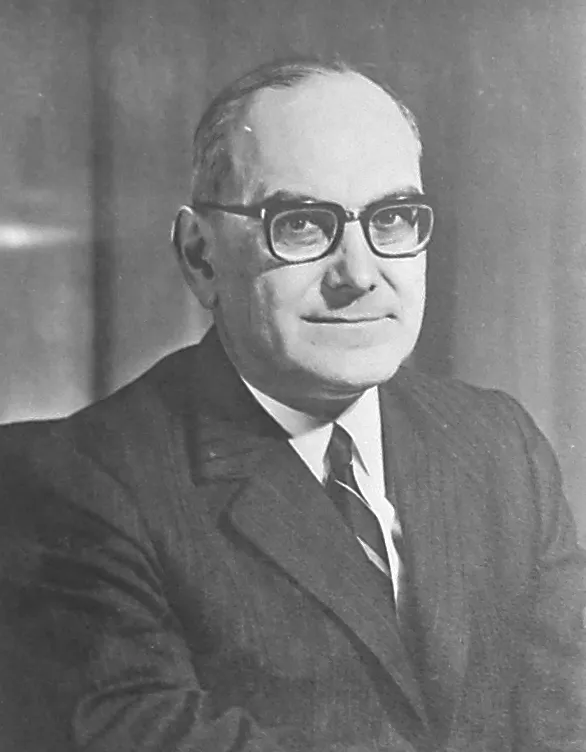
When Caetano reached London in mid-July, he was met with hostility and a demonstration near the Portuguese embassy. Harold Wilson, the Labour leader, spoke of genocide. In private the British government took the reports seriously: a Foreign Office brief of 27 July concluded that, although there was no physical evidence, it was highly probable that they had some basis in fact.
Denial, then a partial admission
Lisbon's first answer was flat denial. Hastings's article had placed Wiriyamu imprecisely, and the government argued that the village did not exist. The settlements were too small to appear on most maps. Yet the army knew the place: the 17th Light Infantry Battalion had mentioned it in reports as early as August 1972.
Journalists went to look. Peter Pringle of The Sunday Times was harassed by DGS agents and expelled after three days, but he managed to see maps and documents showing that Wiriyamu, or “Williamo”, existed, and he interviewed a teenage survivor of Chawola, António. On 5 August his paper ran the boy's story under the headline “I survived the Mozambique massacre”.
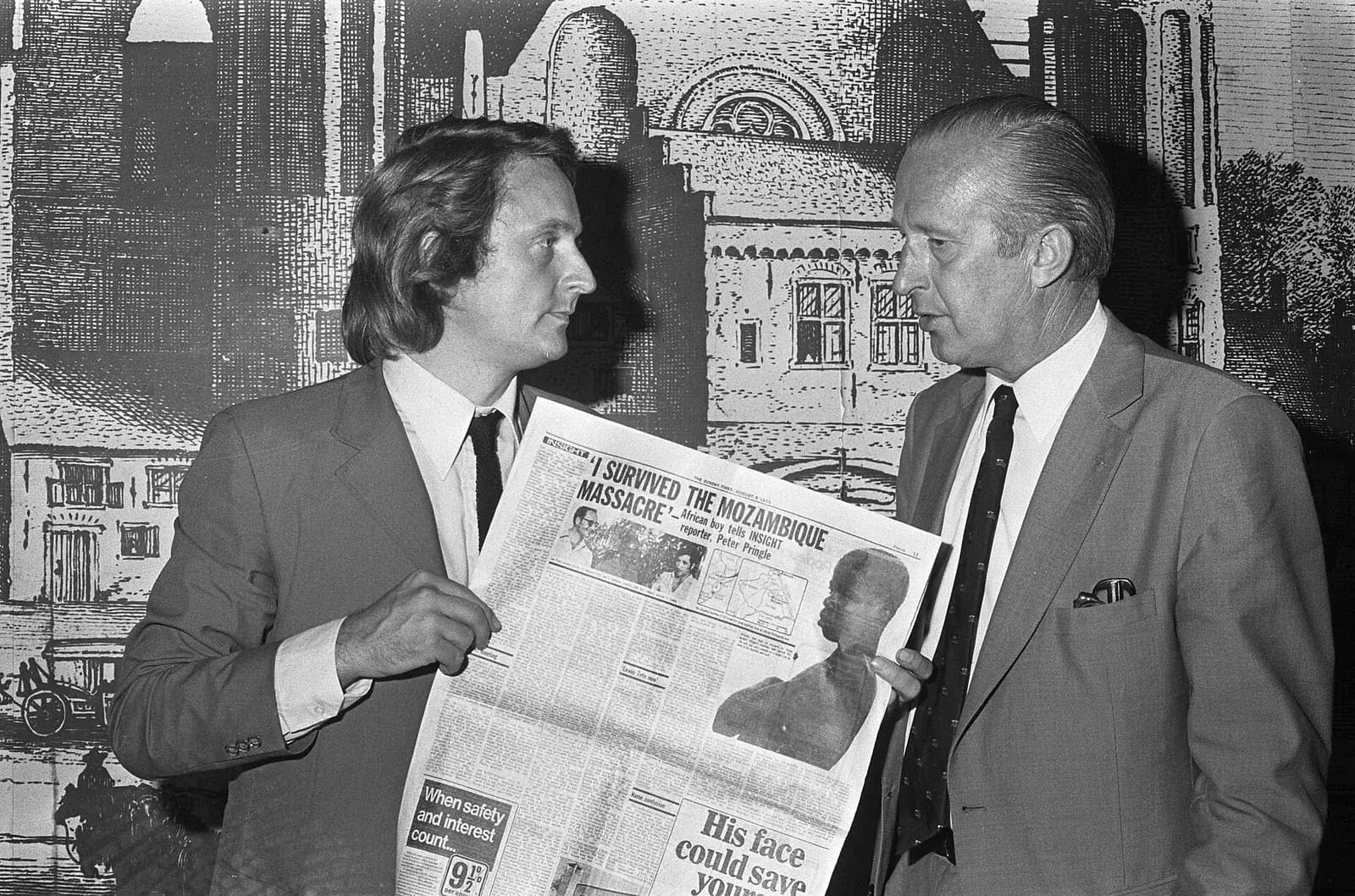
Caetano asked Jorge Jardim, an influential settler businessman, to find out what had happened. Jardim visited Tete in August with three journalists and, according to Zeman, found clear proof of a massacre. The Ministry of Defence then issued a statement admitting wrongdoing by some soldiers, and Portuguese officials told the Daily Telegraph that 98 villagers had died in a raid on Chawola.
“Some elements of the armed forces on detachment had, disregarding standing orders, committed reprehensible acts.”
The army had already investigated itself. Arriaga ordered an inquiry in March 1973; it reported on 29 May that 63 people had died, not 20, but found nothing wrong: the villagers had run away despite orders to stop, so the troops had been “right” to treat them as the enemy.
A second inquiry, prompted by Jardim's findings and led by Brigadier Henrique Nunes da Silva in September 1973, looked only at Chawola. For a time it became a judicial case against two suspects, Melo among them. Nunes da Silva accepted that there had been acts of violence against the local people that “might have been partly avoided”. He then advised dropping the case, because it would bring the affair back into the public eye and might frustrate the soldiers. The defence minister agreed, calling some of the soldiers' actions “reprehensible” but blaming the tense situation on the ground.
The DGS reported in August 1973 that, although the governor of Tete, Colonel Armindo Videira, had twice sent troops to remove all evidence, bodies still lay on the ground at Chawola eight months after the attack. Videira, who held both civil and military power in Tete, was removed after the scandal broke. Arriaga left Mozambique at the end of August 1973.
Abroad the pressure grew. On 12 December 1973 the United Nations General Assembly set up a five-member Commission of Inquiry on the Reported Massacres in Mozambique and asked Portugal to cooperate. Portugal did not. In its report of 22 November 1974 the commission found that between 1971 and 1973 personnel “for whose acts the Portuguese colonial Government is responsible” had committed atrocities in Mozambique, naming Chawola, João (Juwau) and Wiriyamu in the chiefdom of Gandali.
Revolution, independence and silence
On 25 April 1974 junior officers of the Armed Forces Movement overthrew the dictatorship, known as the Estado Novo. Wiriyamu had fed their unease: on 23 April, two days before the coup, The Guardian published a report on the massacre compiled by dissident officers in Mozambique. Portugal and FRELIMO signed the Lusaka Accord on 7 September 1974, and Mozambique became independent on 25 June 1975.
Under the dictatorship the Lisbon press kept attacking Hastings. In January 1974, when he turned to criticising the aldeamentos, the Diário de Notícias, relaying the regime's news agency, carried a Mozambican Catholic paper's charge that his eyes were clouded by malice and that his claims were lies. Democracy did not bring a reckoning either: neither the dictatorship nor the governments after 1974 allowed an independent inquiry into Operation Marosca.
14–15 December 1972
A civilian plane is shot at near Tete; an army patrol is ambushed
16 December 1972
Operation Marosca: Wiriyamu, Chawola, Juwau and nearby hamlets are attacked
2 January 1973
The DGS in Tete reports about a hundred civilians killed
29 May 1973
Arriaga's inquiry finds 63 dead and no wrongdoing
June 1973
Father Cesare Bertulli sends the missionaries' reports to Amnesty International
10 July 1973
Adrian Hastings's report appears on the front page of The Times
Mid-July 1973
Marcelo Caetano visits London amid protests
5 August 1973
The Sunday Times publishes Peter Pringle's interview with a survivor
August 1973
The Ministry of Defence admits “reprehensible acts” by some soldiers
September 1973
Brigadier Nunes da Silva advises closing the case
12 December 1973
The UN General Assembly creates a commission of inquiry
25 April 1974
The Carnation Revolution ends the dictatorship
25 June 1975
Mozambique becomes independent
2016
Mustafah Dhada publishes his history of the massacre
2 September 2022
António Costa apologises in Maputo
What historians have found since
In 2012 Bruno Cardoso Reis and Pedro Aires Oliveira, historians in Lisbon, published a detailed study in the journal Civil Wars, drawing on missionary, Portuguese, British and FRELIMO sources. They concluded that there was enough evidence to prove a mass killing of civilians by a company of Portuguese commandos. But they wrote that the exact location, even the existence of a place called Wiriyamu, and the scale of the killing remained contentious. Dhada replied sharply in the same journal in 2013, and they answered him.
Dhada, by then a professor of history at California State University, spent almost a year in the field interviewing survivors and one of the commando officers. His book, The Portuguese Massacre of Wiriyamu in Colonial Mozambique, 1964–2013, launched in Coimbra in November 2015 and published by Bloomsbury in 2016, won the American Historical Association's Martin A. Klein Prize in 2017. A volume of oral testimony followed in 2020.
Dhada argues that the troops acted on the orders of the regime and the Portuguese state, and that the massacre was “planned and executed as planned”. Zeman, writing in 2023, doubts that. Both Dhada and Reis and Oliveira had written as if the Portuguese archives held little or nothing on Wiriyamu. Zeman pointed to a 222-page file in the Torre do Tombo, mostly press cuttings and church reports, and found the operation's own papers in the military archive.
Those papers, Zeman argues, show that the killing of civilians was seen as a problem inside the army and the secret police in 1972, even though the internal inquiries later shielded those responsible.
The archives are silent on one thing. Zeman notes that the Portuguese forces showed no interest in the names and lives of the dead. Those names survive because priests at the time and Dhada decades later wrote down what survivors told them.
An apology in Maputo
In 2015 Dhada told Público that he had written his book for the Portuguese people and their politicians, in the hope that the state would one day put it on record that Wiriyamu existed and that Portuguese troops had killed its people.
“What I demand is not apologies, it is recognition.”
Seven years later a Portuguese prime minister offered both. On 2 September 2022, at the end of a two-day visit to Mozambique for a Portuguese-Mozambican summit, Prime Minister António Costa hosted a dinner for President Filipe Nyusi in Maputo and spoke about the massacre.
“In this year of 2022, almost 50 years after that terrible day of 16 December 1972, I cannot fail to recall and bow before the memory of the victims of the Wiriyamu massacre, an inexcusable act that dishonours our history.”
Costa added that between friends, the side that had done wrong had a duty never to forget it and to do penance before history. The Mozambican news agency AIM reported that it was the first time any Portuguese government had officially recognised that the massacre took place.
FAQs
What was the Wiriyamu massacre?
The killing of villagers at Wiriyamu, Chawola, Juwau and nearby hamlets, about 25 kilometres south of Tete in Mozambique, on 16 December 1972. Portuguese commandos, supported by aircraft and guided by DGS secret-police agents, carried it out during Operation Marosca, a hunt for FRELIMO guerrillas during the colonial war.
How many people died at Wiriyamu?
The figures vary widely. The Portuguese army first reported 20 dead and its own inquiry later counted 63; the DGS in Tete reported about 100, a Tete hospital doctor about 200 and the missionaries more than 400. The historian Mustafah Dhada named at least 385 victims from 216 families, without counting those killed in the following days.
How did the world find out about Wiriyamu?
Mozambican and Spanish Catholic missionaries collected survivors' testimony and smuggled their reports out. The British priest Adrian Hastings published the story on the front page of The Times on 10 July 1973, a week before Marcelo Caetano's official visit to Britain.
Has Portugal apologised for Wiriyamu?
Yes. On 2 September 2022, in Maputo, Prime Minister António Costa bowed before the memory of the victims and called the massacre “an inexcusable act that dishonours our history”. It was reported as the first official recognition of the massacre by a Portuguese government.
Was anyone punished for the Wiriyamu massacre?
No. Two Portuguese military inquiries in 1973 found no one to blame, and a judicial inquiry against two men was dropped. The governor of Tete was removed. Neither the dictatorship nor the democratic governments after 1974 ordered an independent inquiry.
On the timeline
Open the timelineNearby moments from dictatorship and the estado novo (1926–1974).
Death of António Silva, the irascible, bumbling star of the golden age of Portuguese film comedy. From 'A Canção de Lisboa' (1933) to 'O Pátio das Cantigas' (1942) and 'O Leão da Estrela' (1947), his films remain much-loved classics of Portuguese cinema.
Jorge Costa is born in Porto. Nicknamed 'Bicho', the tough centre-back captained FC Porto to the UEFA Cup in 2003 and the Champions League under José Mourinho in 2004, and died in August 2025, aged 53, after collapsing at the club's training ground while serving as its director of football.
Luís Figo is born in Almada. The winger starred for Sporting, Barcelona, Real Madrid and Inter Milan, won a then-record 127 caps for Portugal and is regarded as one of the finest players of his generation.
The Wiriyamu massacre
Portuguese commandos, guided by DGS secret-police agents, kill villagers at Wiriyamu and the nearby settlements of Chawola and Juwau, in Mozambique's Tete district. The secret police's own report counted about 100 dead and the missionaries more than 400; the historian Mustafah Dhada later named 385. Lisbon denied it after the British priest Adrian Hastings exposed it in 'The Times' in 1973; in 2022 Prime Minister António Costa called it 'an inexcusable act that dishonours our history'.
The first issue of the weekly 'Expresso', founded by Francisco Pinto Balsemão, goes on sale. Testing the limits of Marcelo Caetano's censorship, it became one of Portugal's most influential newspapers and is still published weekly half a century later.
Amílcar Cabral, the Cape Verdean-Guinean agronomist who co-founded and led the PAIGC and its armed struggle against Portuguese rule in Guinea, is shot dead in Conakry by members of his own movement; the role of Portugal's PIDE secret police has long been debated. Guinea-Bissau declared independence eight months later.
In Bad Münstereifel, a spa town in West Germany, Mário Soares and fellow exiled and clandestine opponents of the Estado Novo turn the Acção Socialista Portuguesa into the Partido Socialista. A year later the PS would become one of the pillars of the new democracy.
Coming up in history
All long reads 18 December 1914Naulila, 1914: Portugal's first battle with Germany, fought in Angola
 19 December 1961The end of Portuguese India: Goa, Daman and Diu, December 1961
 20 December 1999The Macau handover: Portugal's last flag in China comes down, 1999
 21 December 1939Carlos do Carmo, born 21 December 1939: a life in Lisbon fado
15 sources
Archives, scholarship and reporting this article was checked against.
- 1
Cutting Heads or Winning Hearts: Late Colonial Portuguese Counterinsurgency and the Wiriyamu Massacre of 1972 (Bruno Cardoso Reis and Pedro Aires Oliveira)Civil Wars, vol. 14, no. 1 (2012), pp. 80–103; copy in the digital library of the Centro de Documentação 25 de Abril, Universidade de Coimbra
- 2
Wiriyamu and the Colonial Archive: Reading It Against the Grain? Along the Grain? Read It at All! (Andreas Zeman)History in Africa, vol. 50 (2023), pp. 206–236, Cambridge University Press (open access)
- 3
Wiriamu: a vida antes e durante o massacre (Catarina Gomes)Público, 30 November 2015 (press-cutting copy, Centro de Estudos Sociais, Universidade de Coimbra)
- 4
- 5
Wiriamu MassacreMuseu do Aljube Resistência e Liberdade, Lisbon, 16 December 2020
- 6
Resolution 3114 (XXVIII): Establishment of the Commission of Inquiry on the Reported Massacres in Mozambique, 12 December 1973United Nations General Assembly
- 7
Visita a Moçambique «foi francamente positiva em todos os domínios»Governo da República Portuguesa, 2 September 2022
- 8
- 9
Sobre nósHidroeléctrica de Cahora Bassa (HCB)
- 10
Cases of practice: Commission of Inquiry on the Reported Massacres in Mozambique (1973–1974)United Nations University, Assembly for Peace handbook
- 11
Chapo considera 7 de Setembro data para moçambicanos celebrarem a vitóriaAIM, Agência de Informação de Moçambique, 7 September 2024
- 12“Mais uma aleivosia do padre Hastings” (João Pedro Henriques)Diário de Notícias, 7 January 2024
- 13
Mustafah Dhada distinguido com o Prémio Martin A. KleinCentro de Estudos Sociais, Universidade de Coimbra, October 2017
- 14“Ato indesculpável”: António Costa pede desculpa a Moçambique por massacre de Wiriyamu em 1972Observador, 2 September 2022
- 15
Mozambique: Portuguese PM apologises for colonial massacre (AIM)Club of Mozambique, September 2022
Image credits
- The Samora Machel bridge over the Zambezi at Tete in 2009. Wiriyamu, Chawola and Juwau, the villages attacked in December 1972, lay about 25 kilometres south of the town. Erik Cleves Kristensen, CC BY 2.0, via Wikimedia Commons.
- Kaúlza de Arriaga in a portrait dated 1961, when he was Salazar's secretary of state for the Air Force. As commander-in-chief in Mozambique from 1970 to 1973 he favoured large airborne operations by paratroopers and commandos. Unknown author, Public domain, via Wikimedia Commons.
- Guards at the gate to Songo, the construction town of the Cahora Bassa dam in Tete district, in 1974. Protecting the dam site tied down troops across the district. Herbert Hönigsperger, CC BY-SA 4.0, via Wikimedia Commons.
- Marcelo Caetano in a portrait dated 1969, the year after he succeeded Salazar as head of government. Unknown author (Agência Nacional collection, Arquivo Nacional, Brazil), Public domain, via Wikimedia Commons.
- Peter Pringle (left) holds The Sunday Times report “I survived the Mozambique massacre” on 7 August 1973, two days after it was published. The Dutch agency Anefo identified the man on the right only as Waalkens. Bert Verhoeff for Anefo, CC0, via Wikimedia Commons.