

Carlos do Carmo, born 21 December 1939: a life in Lisbon fado
The son of a fado singer and a bookseller, he came home from a Swiss hotel school to run the family's fado house in the Bairro Alto. Over 55 years on stage he gave Lisbon some of its best-known songs.
At a glance
- Carlos do Carmo was born in Lisbon on 21 December 1939, the only child of the fadista Lucília do Carmo and Alfredo de Almeida, a bookseller and businessman.
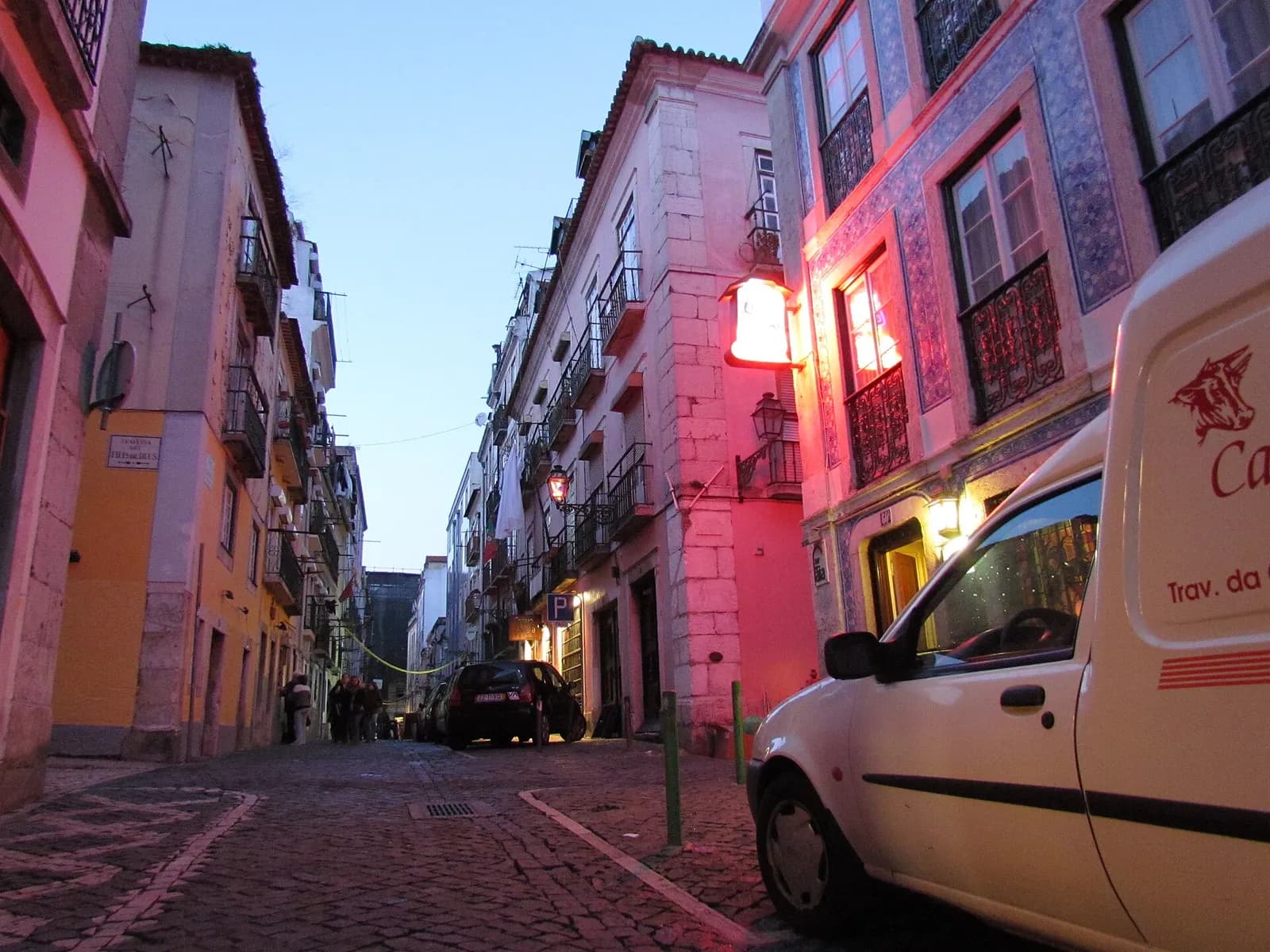
- In 1947 his parents opened a fado house on Rua da Barroca in the Bairro Alto, later renamed O Faia. He ran it from his father's death in 1962 until the end of 1979.
- He recorded his first EP in 1963 and turned professional in 1964. In 1976 he sang all eight songs in Portugal's Eurovision selection and finished 12th in The Hague.
- His 1977 album Um Homem na Cidade, all poems about Lisbon by José Carlos Ary dos Santos, is counted among the landmarks of modern fado.
- In 2014 he became the first Portuguese artist to receive the Latin Grammy Lifetime Achievement Award. He left the stage in November 2019 and died in Lisbon on 1 January 2021.
A last night at the Coliseu
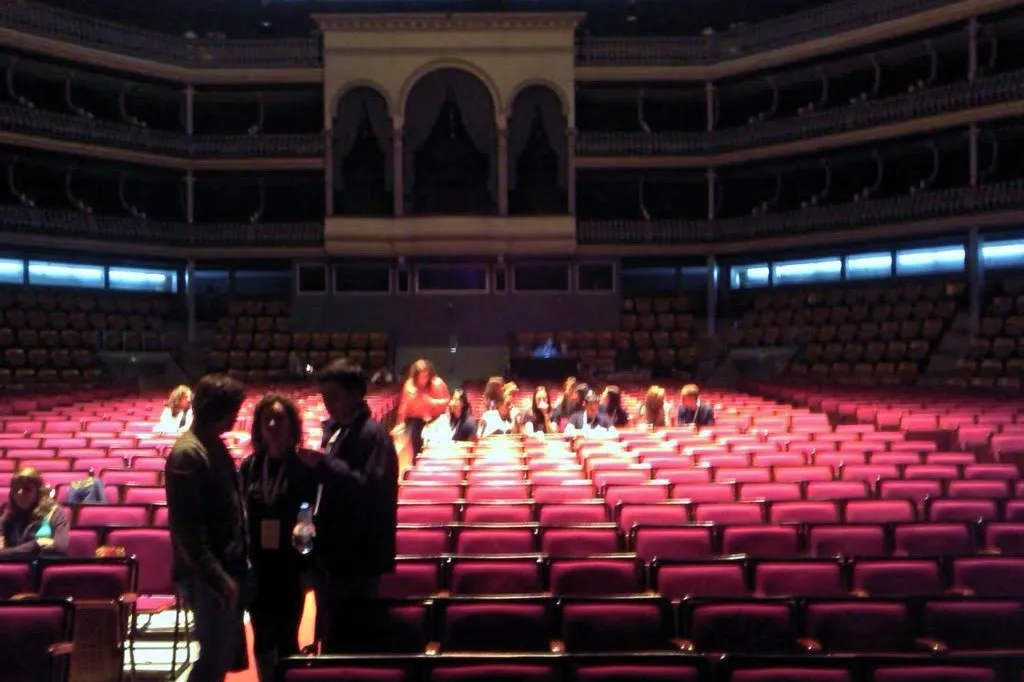
On Saturday 9 November 2019, Carlos do Carmo walked onto the stage of the Coliseu dos Recreios in Lisbon to say goodbye. He was six weeks short of his 80th birthday. The show was called “Obrigado!”, Portuguese for “Thank you!”, and the hall had been sold out since February, when he announced in a video recorded at home that he was leaving the stage.
A week earlier, on 2 November, he had said goodbye at the Coliseu do Porto. In Lisbon the city gave him its key that night. He had been singing professionally since 1964. He said he might still perform live, but only on special occasions.
“This will be the year of farewell. It will be the year of farewell without bitterness, without resentment. It will be the year of farewell with much, much gratitude to all the people who have given me so much joy and so much generosity throughout my life.”
He died 14 months later. In more than 55 years on stage he had sung in Paris, Frankfurt and Rio de Janeiro, recorded with an orchestra and with jazz and classical pianists, and represented Portugal at Eurovision. His story began in the Bairro Alto, where he grew up around his parents' fado house.
Born into fado
Carlos do Carmo was born in Lisbon on 21 December 1939, and the fado newspaper Guitarra de Portugal reported the birth. He sang under his mother's surname, do Carmo, rather than his father's, Almeida, and he told the Museu do Fado that he began listening to fado in her womb.
Lucília do Carmo was born in Portalegre, in the Alentejo, on 4 November 1919. She got her professional singer's card on 29 March 1937, aged 17, and made her professional debut three days later at the Café Mondego in Lisbon. Radio made her name: she sang on the state broadcaster, Emissora Nacional, and on smaller stations. In the 1940s she also sang in Mozambique and toured Brazil. Her husband, Alfredo de Almeida, was a bookseller and businessman. Carlos was their only child.
In 1947, the year Carlos turned eight, his parents opened their own house on Rua da Barroca, in the heart of the Bairro Alto. It started as the Adega da Lucília and was later renamed O Faia. Alfredo Marceneiro, Tristão da Silva and Beatriz da Silva sang there, and guests included the Italian actor Marcello Mastroianni.
His parents worked nights, and he remembered that family birthdays were hard to celebrate. He loved the radio and the popular songs on it, and from the age of 12 he admired Frank Sinatra. Before his teens he went with his parents to street festivals to hear the old fadistas, and their melodramatic tales of crime and passion, “histórias de faca e alguidar” (literally, stories of knife and basin), fascinated him.
A Swiss hotel school and the family business
His father sent him to a boarding school in Switzerland, where he studied hotel management, with accounting and languages. A 2020 interview put his age when he left at 17. He came back speaking French, English, German, Italian and Spanish, and later joked that his father, who had little money to spare, had sent his son to “the most expensive school in the world”.
At the school he sang for pleasure with the Brazilian musician Francis Hime, who lived on the top floor of his house, and he first heard Tony Bennett. The school took its pupils into town for concerts by musicians such as the guitarist Andrés Segovia.
In 1962 his father died suddenly of a brain aneurysm. Carlos was 22 and, he later said, still a student in Switzerland. He took over O Faia, where about 30 people worked, and paid back the money his father owed to friends “to the last penny”. He managed the house alongside his singing until the end of 1979.
He had come home, by his own account, rather full of himself (“armado em snob”), and only then did fado enter his life. The old masters Alfredo Marceneiro and the songwriter Frederico de Brito became his mentors. In 1963 he sang “Loucura”, a fado from his mother's repertoire, at a friend's house, and the praise was such that he recorded it on an EP with the musician Mário Simões and his quartet.
The song did well on the radio, and in 1964 he recorded with Joaquim Luiz Gomes's orchestra; Lusa dates the start of his professional career to that year. His first LP, O Fado de Carlos do Carmo, came out on the Alvorada label in 1969.
His sound was new. The Enciclopédia da Música Portuguesa no Século XX, quoted by Lusa, traces the changes he brought to fado to tastes that reached far beyond it, from Brazilian bossa nova to Sinatra, Jacques Brel and Elis Regina. The culture minister's statement on his death said he bridged traditional fado and less orthodox forms without ever trying to break with tradition. In 1973 he gave his first concert in Brazil, singing with Elis Regina at the Copacabana Palace in Rio de Janeiro.
1976: one voice for eight songs
Two years after the revolution, two senior figures at the state broadcaster RTP, Luís Andrade and José Nuno Martins, rang him with an unusual offer. They wanted one singer to perform every song in the Festival da Canção, the contest that chose Portugal's Eurovision entry, as the British did. He asked for time to think and rang back two days later to accept.
The eight songs were presented on 22 February 1976, and the final, with the results, followed on 7 March, both in RTP's Studio 1. To avoid any charge of favouritism, he learned who had written each song only when he first sang it on television. Viewers voted by cutting coupons out of newspapers and magazines and posting them to RTP.
Party politics ran through the contest. The legislative elections of 25 April 1976 were weeks away, and the two favourites came from writers linked to rival parties: Manuel Alegre and José Niza, linked to the Socialist Party, with “Uma Flor de Verde Pinho”, and Ary dos Santos and Fernando Tordo, linked to the Communist Party, with “Novo Fado Alegre”. Alegre's poem, written in exile and set to music by Niza without his knowledge, won.
- Contest
- 21st Eurovision Song Contest, 18 countries
- Date and place
- 3 April 1976, The Hague, Netherlands
- Song
- “Uma Flor de Verde Pinho”
- Words and music
- Manuel Alegre (words), José Niza (music)
- Result
- 12th, with 24 points; France gave it the maximum 12
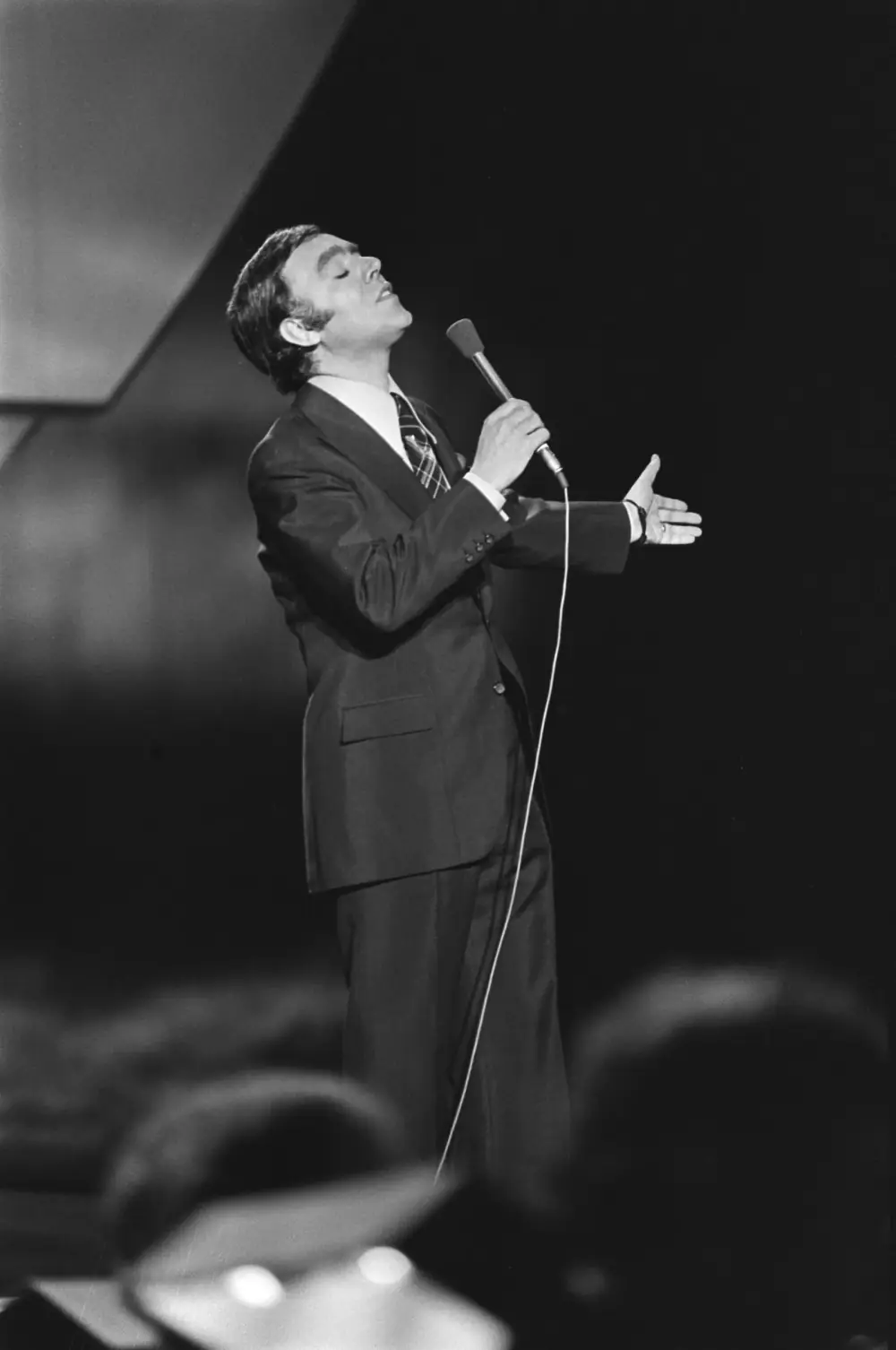
Portugal finished 12th in The Hague and had to wait until 2017, and Salvador Sobral, for its first win. The festival gave Carlos do Carmo something more lasting. While the eight finalists were being chosen, he heard a simple melody he liked, attached to words he thought weak. The song was not picked, but he kept the tune in his head and asked Ary dos Santos for new lyrics.
The result was “Lisboa, Menina e Moça”, whose title calls the city a girl and a young woman. Only afterwards did he learn that the melody was Paulo de Carvalho's, and the two went on to make more hits together, among them “Os Putos” and “O Homem das Castanhas”.
Accounts of the song's first outing differ. Time Out wrote in 2021 that it was first heard at the 1976 festival, and the Museu do Fado lists it on that year's record of festival songs, Uma Canção para a Europa, although it was not one of the eight in the contest. The credits for the words vary too: some add Fernando Tordo to Ary dos Santos.
Ary dos Santos and “Um Homem na Cidade”
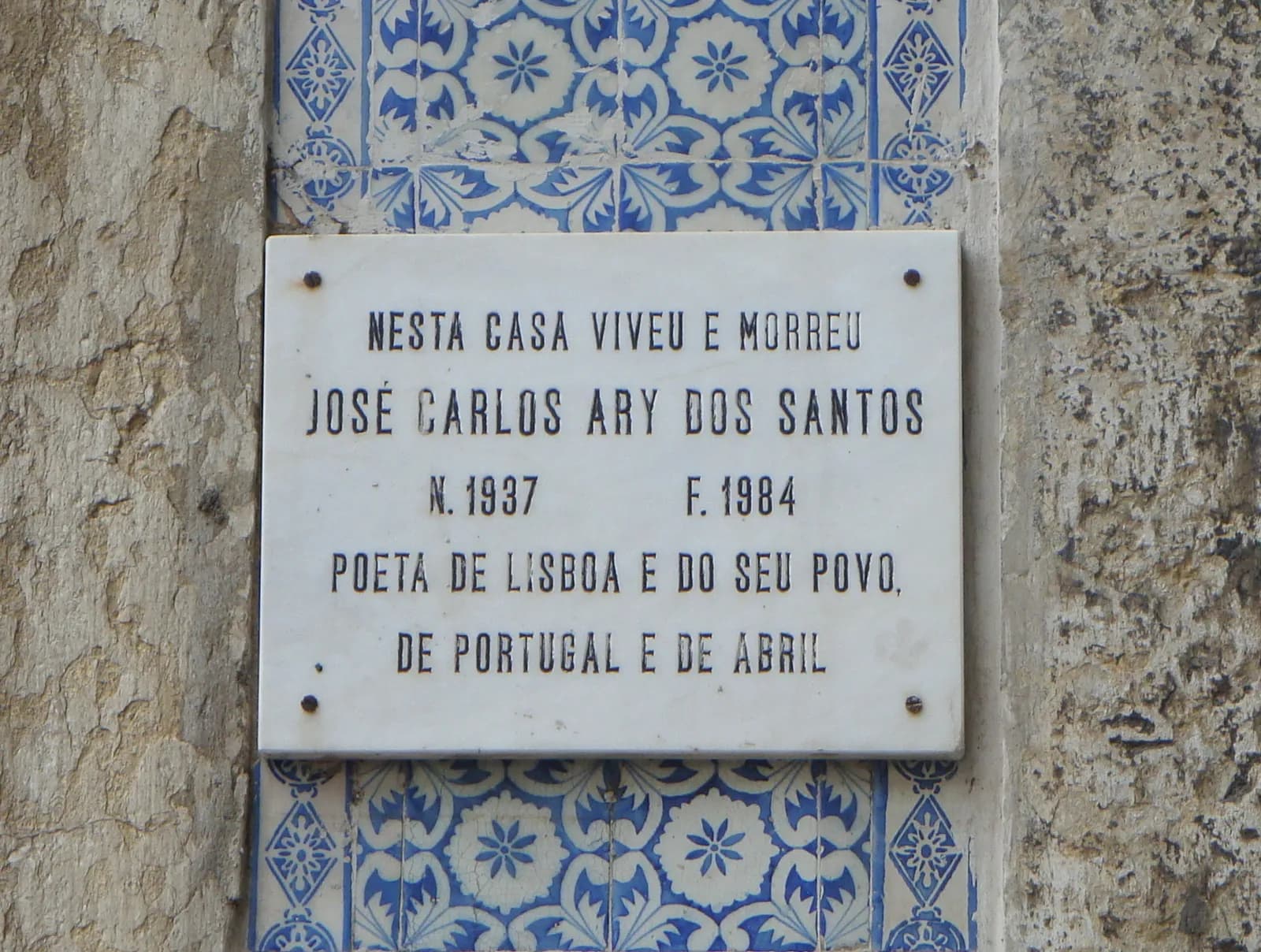
José Carlos Ary dos Santos, born in Lisbon on 7 December 1937, was a poet who made his living in advertising from 1958 and recorded his own verse in a theatrical voice. He entered politics in 1969 with the opposition's Democratic Electoral Committee (CDE) campaign and joined the Portuguese Communist Party. Asked in 2020 whether Ary had been his main partner, Carlos do Carmo answered: “Without a doubt.”
Their great work together came out on the Trova label in 1977. Um Homem na Cidade (A Man in the City) is made up entirely of Ary's poems, fados about Lisbon set to new music by José Luís Tinoco, Paulo de Carvalho, António Victorino d'Almeida, Martinho d'Assunção and Fernando Tordo.
The Museu do Fado calls the album a landmark in the history of fado, and obituaries in 2021 named it as a key work of “fado novo”, new fado. A sequel, Um Homem no País (A Man in the Country), followed in 1984, with Ary's lyrics again set by several composers. It was the first CD released by a Portuguese artist.
Ary died of cirrhosis on 18 January 1984, aged 46, the year the sequel came out. “His death was a very hard blow for me, for my wife and for my children,” Carlos do Carmo said 36 years later.
| Year | Record | Notes |
|---|---|---|
| 1963 | EP with “Loucura” | His first recording, with Mário Simões and his quartet; the song came from his mother's repertoire |
| 1969 | O Fado de Carlos do Carmo (Alvorada) | His first LP |
| 1976 | Uma Canção para a Europa | Songs from that year's Festival da Canção, with “Lisboa, Menina e Moça” |
| 1977 | Um Homem na Cidade (Trova) | All poems about Lisbon by Ary dos Santos |
| 1984 | Um Homem no País | More Ary dos Santos lyrics; the first CD by a Portuguese artist |
| 2013 | Fado É Amor | An album of duets |
| 2021 | E Ainda... | Released in April 2021, after his death; planned and recorded in his lifetime |
A man of the left
Carlos do Carmo never hid his politics. He sympathised with the Communist Party, sang for it unpaid all over the country and was a friend of its leader, Álvaro Cunhal, whose life Lisboeta tells in a separate article. “I sang for the Portuguese Communist Party thousands of times,” he said in 2019, adding that he never took a cent and was never a member.
He recalled that, as the owner of a fado house, he answered to the regime's propaganda office, the SNI, yet he signed a petition to keep the protest singer Zeca Afonso out of prison. In 2019 he still spoke of censorship in the strongest terms.
“Censorship is the greatest aggression that can be done to the intelligence of the human being.”
Democracy did not end his troubles. In 2008 he told Diário de Notícias that he had felt badly treated after the revolution, and that he was a man of the left and hoped to die one. In 2019 he described the 1980s as a decade in which he was “persecuted, very persecuted” for being on the left, and said he went five years without singing on RTP, then the only television channel. By then, he said, politics was no longer black and white for him.
From the Olympia to Las Vegas
He sang at the Olympia in Paris in 1980 and the Alte Oper in Frankfurt in 1982, and toured five continents. At the start of the 1990s he fell about five metres from a stage in Bordeaux and needed a long recovery; he was back on stage at the Casino Estoril in March 1991. In 1997 and 1998 he presented his own television talk show. An aneurysm in 2001 and heart surgery in 2007 followed.
His “Fado da Saudade”, sung in the Spanish director Carlos Saura's film Fados, won the Goya award for best original song in 2008. In the 2010s he recorded with the pianists Bernardo Sassetti and Maria João Pires.
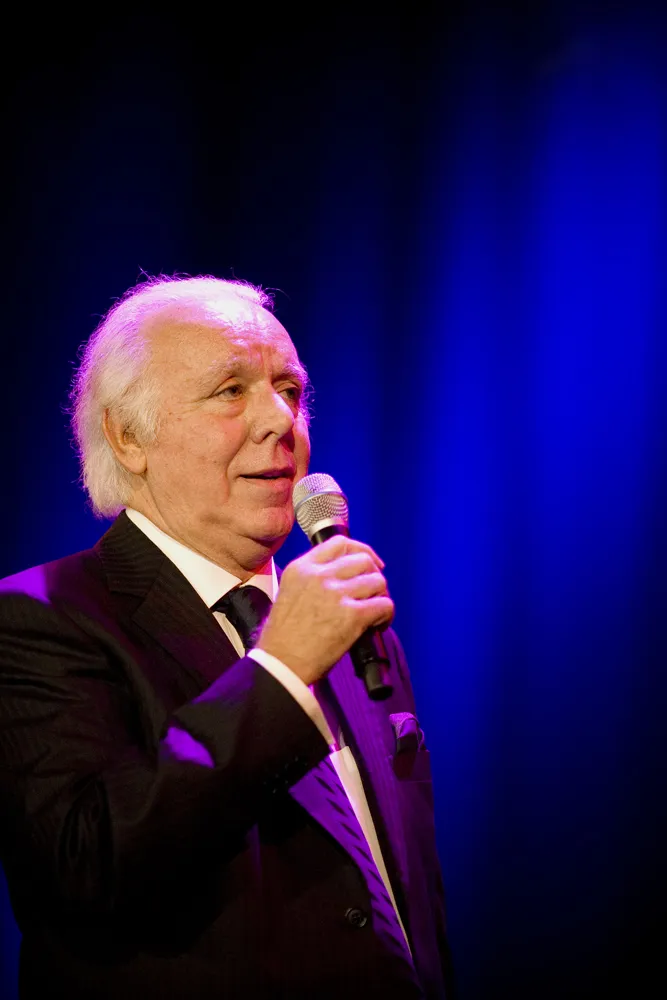
He was also one of the faces of the campaign to put fado on UNESCO's list of the intangible heritage of humanity, as the bid's ambassador alongside the singer Mariza. He later recalled seven years of work. On 27 November 2011, at a meeting in Bali, UNESCO's committee inscribed fado on its Representative List, a story Lisboeta tells in a separate article. After the emotion, he told Antena 1 radio, he would see whether he still had the voice to sing.
In 2014 the board of trustees of the Latin Recording Academy unanimously chose him for its Lifetime Achievement Award. He was honoured in Las Vegas in November, during the week of the 15th Latin Grammy Awards, in the same class as the Brazilian singer Ney Matogrosso. He said he hoped the award would bring some joy to his people at a time of suffering, though he knew it would not end hunger or create jobs.
The state honoured him too. He was made a Commander of the Order of Prince Henry in 1997 and a Grand Officer of the Order of Merit in 2016, and received the Medal of Cultural Merit in 2019. The city of Paris gave him its Grande Médaille de Vermeil in 2015.
Death, and a song for the city
Carlos do Carmo was taken to the Hospital de Santa Maria in Lisbon on 31 December 2020; Expresso and RTP reported an aortic aneurysm. He died there on the morning of 1 January 2021, aged 81. The same day the government approved a decree declaring Monday 4 January a day of national mourning. His funeral service was held at the Basílica da Estrela on that Monday.
Within days, Lisbon's city executive agreed unanimously to make “Lisboa, Menina e Moça” the city's official song. The mayor, Fernando Medina, called it the best tribute the city could pay to Carlos do Carmo, “for years the great ambassador of fado”. By March 2021 the artist Mário Belém had finished a mural inspired by the song on a library wall in Alvalade.
His last album, E Ainda..., was planned and recorded in his lifetime and released in April 2021. In its statement on his death the government credited him with helping to carry fado from its association with the dictatorship into democratic Portugal, which drew new composers, poets, singers and audiences to it. In 2008 he had told Diário de Notícias that he hoped to be remembered as someone who gave himself to fado as a cause.
21 December 1939
Born in Lisbon to Lucília do Carmo and Alfredo de Almeida
1947
His parents open the Adega da Lucília, later O Faia, on Rua da Barroca
1962
His father dies; he takes over O Faia
1963
First EP, with “Loucura”
1964
Turns professional
1969
First LP, O Fado de Carlos do Carmo
3 April 1976
Sings “Uma Flor de Verde Pinho” at Eurovision in The Hague; 12th place
1977
Um Homem na Cidade, with poems by Ary dos Santos
1980
Sings at the Olympia in Paris
2008
Goya award for “Fado da Saudade”
27 November 2011
Fado inscribed by UNESCO; he was one of the bid's ambassadors
November 2014
Latin Grammy Lifetime Achievement Award, Las Vegas
9 November 2019
Farewell concert at the Coliseu dos Recreios, Lisbon
1 January 2021
Dies in Lisbon, aged 81
FAQs
When and where was Carlos do Carmo born?
He was born in Lisbon on 21 December 1939, the only child of the fado singer Lucília do Carmo and Alfredo de Almeida, a bookseller and businessman. In 1947 his parents opened the fado house later called O Faia in the Bairro Alto.
Was Carlos do Carmo the first Portuguese artist to win a Grammy?
Not quite. In 2014 he became the first Portuguese artist to receive the Latin Grammy Lifetime Achievement Award. The soprano Elisabete Matos had already shared the Latin Grammy for Best Classical Album in 2000, and the Latin Grammys are separate from the Recording Academy's Grammys.
What are Carlos do Carmo's best-known songs and albums?
His 1977 album Um Homem na Cidade, with poems about Lisbon by Ary dos Santos, is his best-known record. “Lisboa, Menina e Moça”, with a melody by Paulo de Carvalho and words by Ary dos Santos, became Lisbon's official song in January 2021.
Did Carlos do Carmo sing at Eurovision?
Yes. In 1976 he sang all eight songs in Portugal's selection contest, and the winner, “Uma Flor de Verde Pinho” by Manuel Alegre and José Niza, took him to The Hague on 3 April 1976, where it finished 12th with 24 points.
When did Carlos do Carmo die?
He died at the Hospital de Santa Maria in Lisbon on 1 January 2021, aged 81, after being admitted the day before. The government declared 4 January 2021 a day of national mourning.
On the timeline
Open the timelineNearby moments from dictatorship and the estado novo (1926–1974).
Portugal and Spain sign the Treaty of Friendship and Non-Aggression (Iberian Pact) in Lisbon, each promising to respect the other's borders and not to help an attacker. Salazar later used it to press Franco's Spain to stay out of the Second World War.
As Germany invades Poland, António de Oliveira Salazar's government announces that Portugal's centuries-old alliance with Britain remains intact but that, since London has not asked for its help, the country will stay neutral — a position the Estado Novo maintained throughout the Second World War.
Jorge Sampaio, lawyer, opponent of the Estado Novo dictatorship and later Mayor of Lisbon and President of Portugal from 1996 to 2006, is born in Lisbon.
Carlos do Carmo, Lisbon's fadista
Carlos do Carmo is born in Lisbon, the son of the fadista Lucília do Carmo, and grows up around his parents' fado house, O Faia. His 1977 album 'Um Homem na Cidade' became a landmark of modern fado, and in 2014 he became the first Portuguese artist to receive the Latin Grammy lifetime achievement award.
Portugal and the Holy See sign a Concordat and a Missionary Agreement in the Vatican. Settling the conflict opened by the First Republic's 1911 separation of Church and State, the deal recognised the Church's legal personality and gave it a central role in the empire's missions. It also barred couples married in church from civil divorce, a rule changed only in 1975.
The Exposição do Mundo Português opens in Belém, Lisbon, marking eight centuries of independence and three of the Restoration. Its original Padrão dos Descobrimentos and colonial 'villages' — some peopled with men, women and children brought from Africa and Asia to be put on display — stage the Estado Novo's vision of a pluricontinental empire as war rages across Europe.
A violent cyclone sweeps across mainland Portugal, uprooting trees by the thousands, tearing roofs from buildings and wrecking boats in the Tagus and along the coast. Remembered simply as 'o ciclone de 1941', it remains one of the most destructive storms ever recorded in the country.
Coming up in history
All long reads 23 December 1534The Treaty of Bassein, 1534: how Portugal came to hold Bombay
 24 December 1524Vasco da Gama dies in Cochin, three months into his viceroyalty
 25 December 1968Christmas 1968: RTP's second channel goes on air in Lisbon
 26 December 2022António Mega Ferreira and Expo '98: how Lisbon rebuilt its eastern riverside
27 sources
Archives, scholarship and reporting this article was checked against.
- 1
Carlos do CarmoMuseu do Fado, Lisbon
- 2
- 3Um homem, oito músicas e dois partidos: 1976 e as histórias do mais insólito Festival da Canção (Diogo Lopes)Observador, 3 March 2018, republished 1 January 2021
- 4Carlos do Carmo: “As histórias de faca e alguidar do fado fascinavam-me” (interview by Nicolau Santos, 19 November 2020)Diário de Notícias, republished 1 January 2022
- 5Carlos do Carmo em entrevista. “Vou dizer-lhe uma coisa: detesto vedetas” (interview by Tiago Pereira)Observador, 1 November 2019
- 6
Comunicado do Conselho de Ministros eletrónico de 1 de janeiro de 2021XXII Governo Constitucional, portugal.gov.pt
- 7Carlos do Carmo deseja que Grammy Latino seja “uma alegria” para os portugueses (Lusa)RTP Notícias, 16 November 2014
- 8
- 9
Os fados da minha vida: o adeus de Carlos do Carmo aos palcosTime Out Lisboa, 8 November 2019
- 10
Carlos do Carmo anuncia fim da carreiraDN Madeira (dnoticias.pt), 8 February 2019
- 11
- 12Morreu o fadista Carlos do Carmo. Cerimónias fúnebres na segunda-feiraDiário de Notícias, 1 January 2021
- 13
- 14Carlos do Carmo, vida feita em história do fadoDiário de Notícias, 1 January 2021
- 15
- 16
História do FadoMuseu do Fado, Lisbon (EGEAC)
- 17
O Estado Novo (1933-1974)Assembleia da República
- 18
Decision 6.COM 13.39: Fado, urban popular song of PortugalUNESCO Intergovernmental Committee for the Safeguarding of the Intangible Cultural Heritage, sixth session, Bali, 2011
- 19
Restaurante Típico O FaiaTurismo de Lisboa (Visit Lisboa)
- 20Portugal, 12 pontos: do melhor ao pior na EurovisãoObservador, May 2018
- 21
- 22Fado passa a ser Património Imaterial da HumanidadeRTP Notícias, November 2011
- 23
Lifetime Achievement AwardsThe Latin Recording Academy
- 24
Entre passos e emoções: uma viagem de sentimentos com a internacional soprano Elisabete Matos (Maria do Rosário Barardo)Faces de Eva. Estudos sobre a Mulher 51, Universidade NOVA de Lisboa
- 25
- 26
- 27
Image credits
- Rua da Barroca in the Bairro Alto, January 2010. Lucília do Carmo and her husband opened their fado house on this street in 1947; as O Faia, it is still there today. Gabriel Perazzo from Sao Paulo, Brazil, CC BY 2.0, via Wikimedia Commons.
- The stalls and galleries of the Coliseu dos Recreios, Lisbon, photographed in 2010. Carlos do Carmo gave his farewell concert here on 9 November 2019. Diogomedina, CC0, via Wikimedia Commons.
- Carlos do Carmo singing for Portugal at the Eurovision Song Contest in The Hague, 3 April 1976. Rob Mieremet / Anefo, CC0, via Wikimedia Commons.
- The plaque on the Lisbon house where Ary dos Santos lived and died calls him “poet of Lisbon and of its people, of Portugal and of April”, a reference to the revolution of 25 April 1974. Photographed in 2008. Acscosta, CC BY-SA 3.0, via Wikimedia Commons.
- Carlos do Carmo on stage at the Pavilhão Atlântico in Lisbon, 8 November 2007. José Goulão from Lisbon, Portugal, CC BY-SA 2.0, via Wikimedia Commons.