

António Sérgio dies in 1969: essayist, minister, exile, co-operativist
He was a minister for 73 days, spent years in exile and was arrested five times. What lasted was his habit of arguing in public, and his idea that a country has to learn to think before it can reform.
At a glance
- António Sérgio died in Lisbon at about 7 pm on 24 January 1969, aged 85. Police charged the crowd at his funeral on 26 January.
- Born in Damão, in Portuguese India, on 3 September 1883, he was a naval officer who left the navy after the 1910 revolution to work as a writer and educator.
- He was Minister of Public Instruction from 18 December 1923 to 28 February 1924, and later spent about seven years in exile in Paris and a shorter spell in Madrid.
- His eight volumes of Ensaios (1920 to 1958) and his articles in the review Seara Nova argued for critical reason, school reform and co-operatives.
- In 1957 and 1958 he was the main civilian organiser behind General Humberto Delgado's presidential campaign against the Estado Novo.
A funeral the police charged
António Sérgio died at about seven in the evening on 24 January 1969, in the Red Cross nursing home in Lisbon. He was 85. Two days later his coffin was taken to the Prazeres cemetery, and the cortège turned into a civic and political demonstration. Riot police charged the crowd more than once along the way.
The historian of education Rogério Fernandes noted how many ordinary, anonymous people walked behind the coffin. The man they buried had never held a university post in Portugal and had been a minister for 73 days. His influence came from writing: eight volumes of Ensaios (Essays), published between 1920 and 1958, more than 300 articles in the review Seara Nova, and decades of campaigning for co-operatives.
“withdrawn at home, having come to the strange conclusion that his work had failed”
Portugal had a new head of government. In September 1968 President Américo Tomás had replaced the incapacitated António de Oliveira Salazar with Marcelo Caetano, but the dictatorship Sérgio had opposed for more than 40 years was still in place.
Four regimes in one life
- Born
- 3 September 1883, Damão, Portuguese India
- Died
- 24 January 1969, Lisbon, aged 85
- Navy
- Naval School 1901; unlimited leave November 1910; resigned June 1915
- Minister
- Public Instruction, 18 December 1923 to 28 February 1924
- Exile
- Paris, January 1927 to 1933; Madrid, December 1935 to 1936
- Main work
- Ensaios, eight volumes, 1920 to 1958
A naval officer from Damão
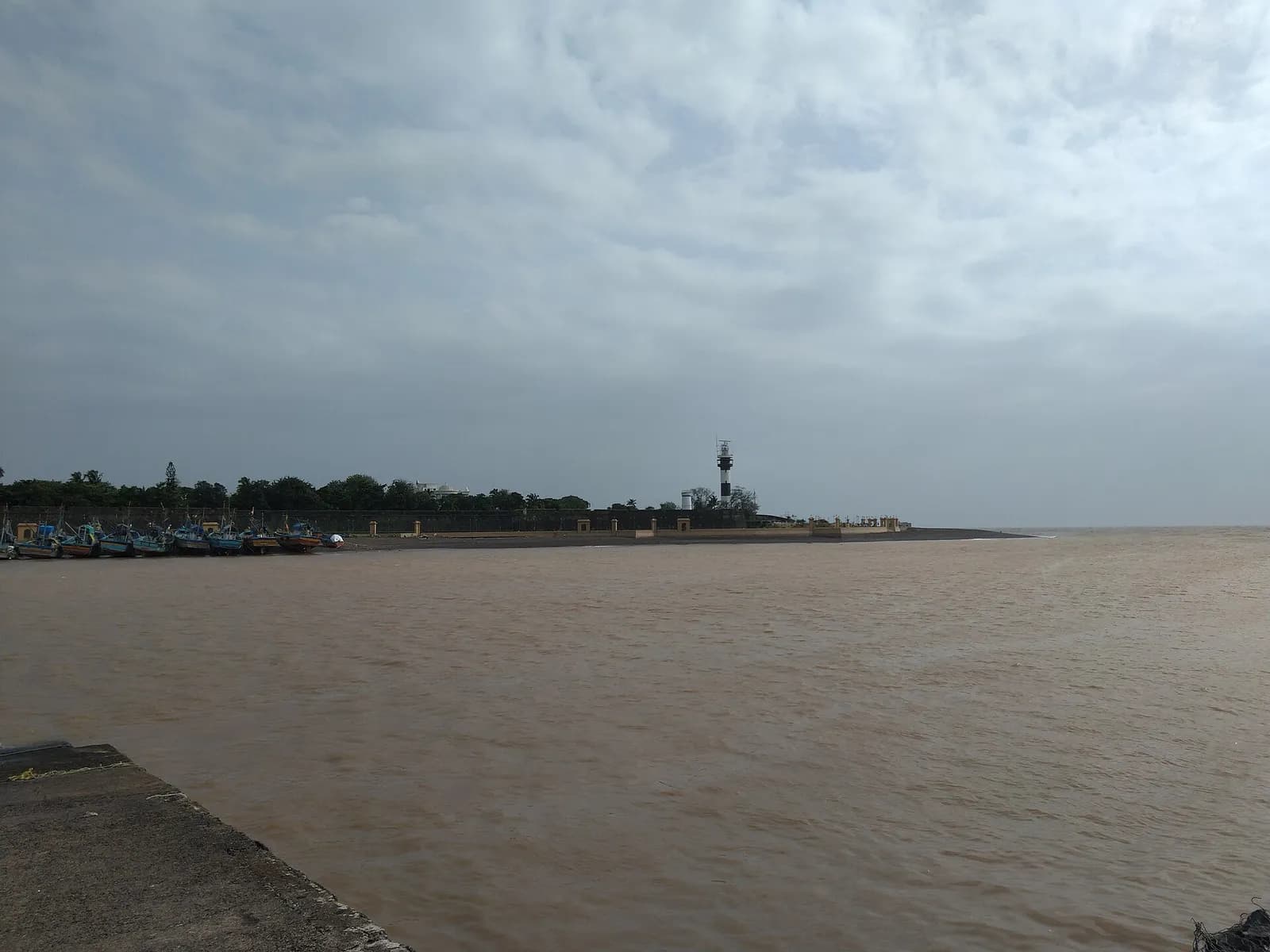
António Sérgio de Sousa was born on 3 September 1883 in Damão, a Portuguese enclave on the west coast of India; it is now the Indian town of Daman, and Portugal held it until December 1961. His father and grandfathers were naval officers and colonial governors. From the age of three until nearly ten he lived in the Portuguese Congo, where his father was governor, and he said he never set foot in a school before he was ten.
Back in Lisbon he entered the Colégio Militar in 1894, spent a preparatory year at the Escola Politécnica and moved to the Naval School in 1901. In October 1904 the new midshipman sailed for Macau on the gunboat Lima. His first book, a collection of poems called Rimas, came out in 1908.
His family were close to the crown: his father was an honorary aide-de-camp to the king. Yet the young officer refused to be presented at court, and he disliked republican propaganda as much as monarchist politics. The revolution of 5 October 1910 made him a suspect. In a letter of 1923 to the poet Afonso Lopes Vieira he said he had spent three days “in the irons of the Republic”, held as a dangerous “talassa”, slang for a monarchist.
On 11 November 1910 he asked for, and was given, unlimited leave from the navy. He resigned for good in June 1915, as he noted himself a few months later in the students' Livre d'Or (golden book) of an institute in Geneva.
“I left the Navy when the Republic was established, determined to keep my freedom to criticise and to devote myself to what seemed to me my vocation: teaching the people to govern themselves, by modern methods of education and new social and economic practices.”
Saudade against reason
To make a living he worked from 1910 for an American firm that sold large reference works in Portuguese, which sent him to London and, in January 1913, to Rio de Janeiro. In the spring of 1914 he and his wife, Luísa, went to study at the Instituto Jean-Jacques Rousseau in Geneva, the school of education founded by the psychologist Édouard Claparède, and they returned as regular students for 1915-1916.
He had also been involved from the start in the Renascença Portuguesa (Portuguese Renaissance), a cultural society set up in Porto in 1912 to raise the culture of the people through lectures, books, popular universities and the review A Águia (The Eagle). In the first issue of A Águia's second series, in January 1912, the poet Teixeira de Pascoaes announced a programme he called saudosismo.
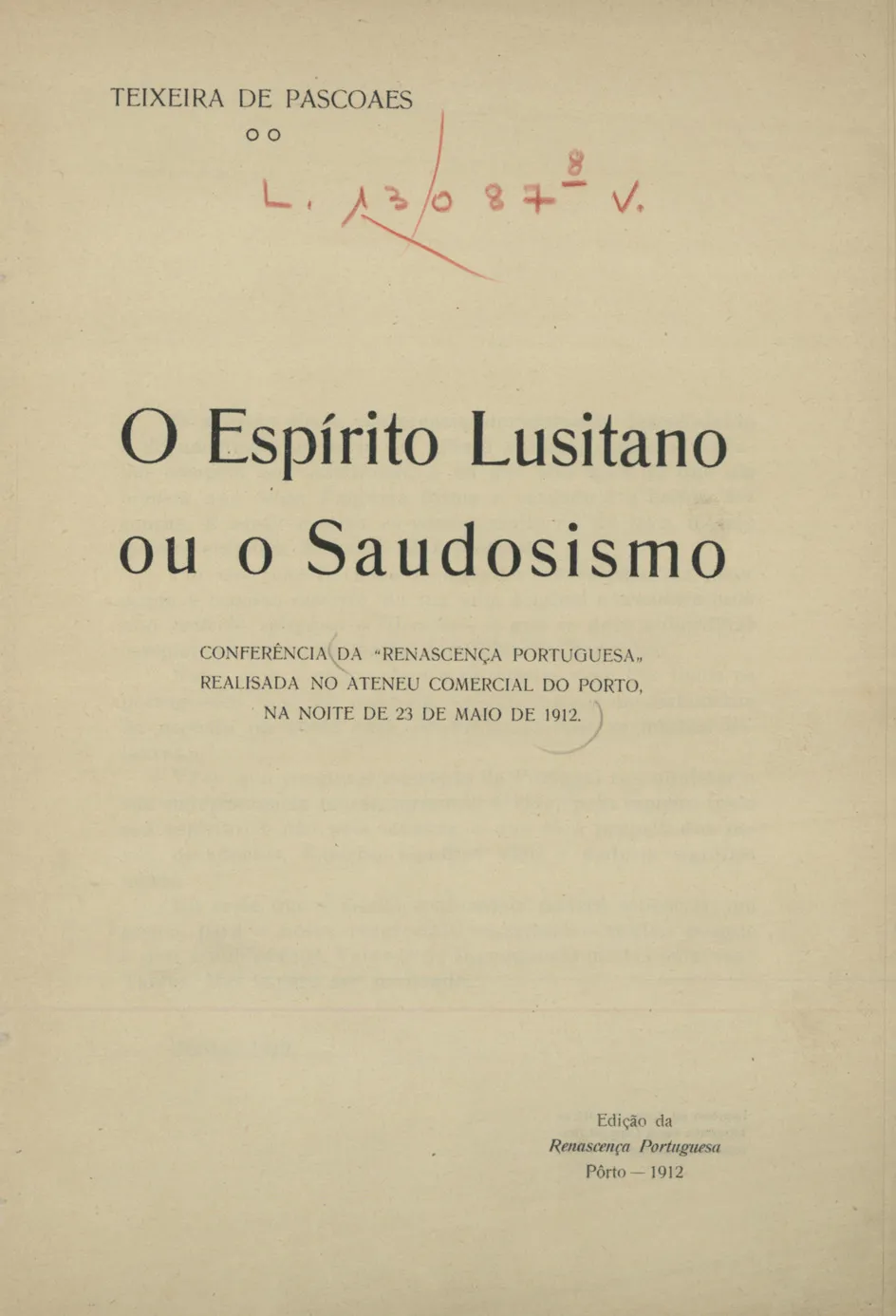
Sérgio wanted Portugal to reason its way out of its problems, and saudosismo looked to him like the sentimental, anti-rationalist patriotism he would fight for the rest of his life. In October 1913 A Águia printed his “Epístolas aos saudosistas” (Letters to the saudosistas), with Pascoaes's reply to “the two letters of António Sérgio” in the same issue. The quarrel ran into 1914.
“When saudosismo appeared, I did not attack it; I fled, and stopped writing for A Águia. Saudosismo carried on, and I fled further, and left the Renascença.”
The two men stayed civil. In a postscript to the same letter Sérgio sent the poet his “homage as a personal friend and literary dissident”. Pascoaes eventually stepped back from his claims, and the Lisbon group around Sérgio and the writer Raul Proença later carried the rationalist side of the argument into a new review, Seara Nova.
In March 1918 he founded his own review, Pela Grei (For the People), to form “a conscious public opinion”. On 21 December 1918, in the riots at the funeral of the assassinated president Sidónio Pais, he was badly wounded and needed surgery. The newspaper O Século reported that he had been hit by four bullets; Rogério Fernandes writes of a bomb blast.
Seara Nova and 73 days as minister
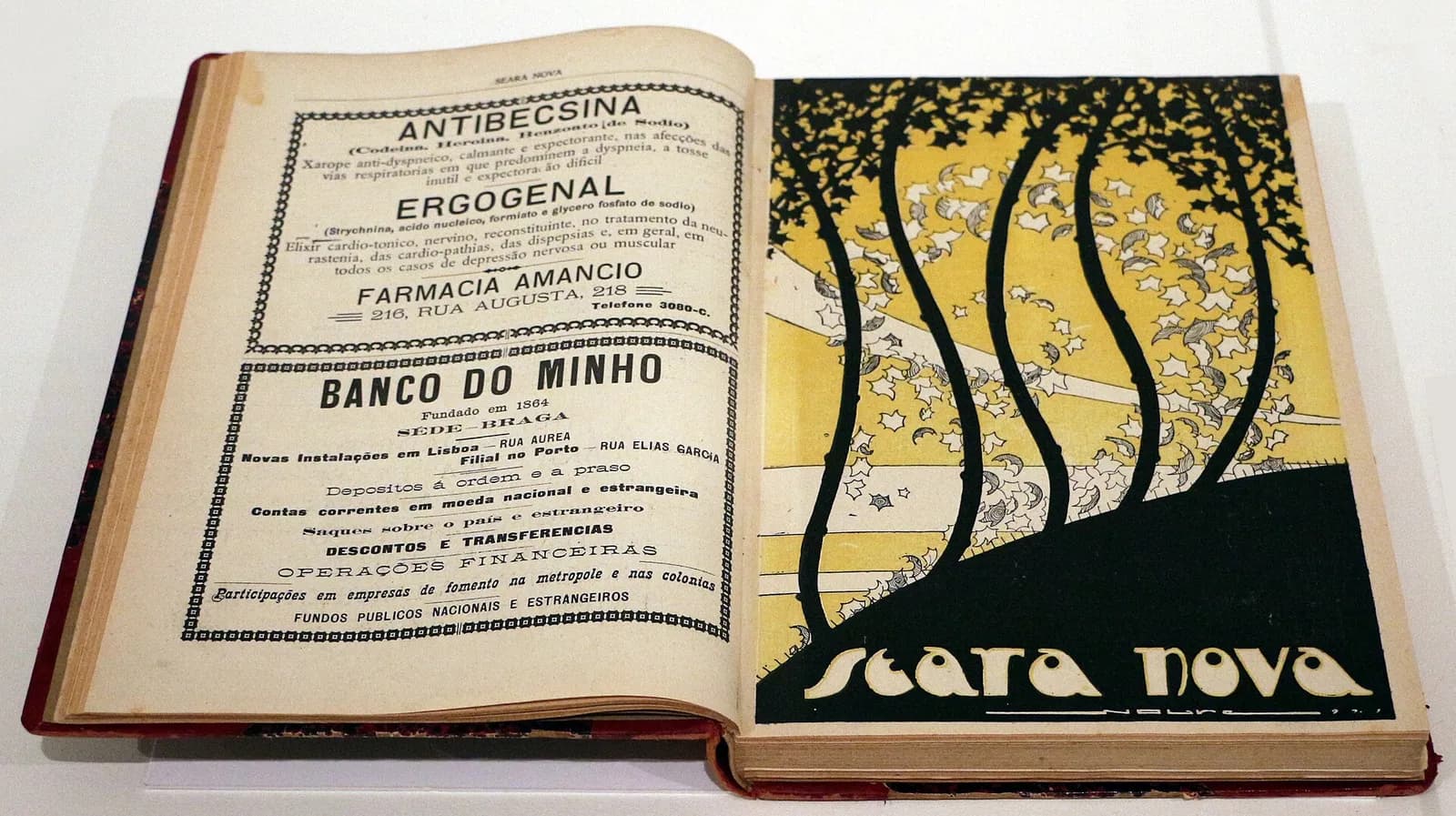
The first issue of Seara Nova came out in Lisbon on 15 October 1921. Its group included Raul Proença, Jaime Cortesão, Raul Brandão, Aquilino Ribeiro and Luís da Câmara Reys, and it called itself a review “of doctrine and criticism”. It began as a fortnightly with a print run of 8,000 copies. Sérgio was in Brazil, running a publishing house, when it was founded. The review's online archive counts him among the founders, but he joined its editorial group only in April 1923.
“Seara Nova represents the effort of a few intellectuals, standing apart from the political parties but not from political life, to raise, above the wretched circus where the unconfessable interests of clienteles and plutocratic oligarchies are fought over, a purer atmosphere in which the protest of the proudest consciences can be heard, and in which, through broad and deep propaganda, the reforms necessary to the life of the nation can be formulated and imposed.”
In December 1923 the reformers got their chance. Álvaro de Castro formed a government on 18 December with Sérgio as Minister of Public Instruction. Decrees he signed, published in the official gazette on 29 December, created a Portuguese Institute for the Study of Cancer, the origin of today's Portuguese Institute of Oncology, and a Junta de Orientação dos Estudos, a board to award state study grants and fund research.
“I was Minister of Instruction in 1923 (despite my loathing for the functions of power, real or fictitious) solely to found the Junta I refer to in this lecture. I published the decree that set it up and at the same time presented Parliament with a bill to create the revenue it needed. As Parliament, busy with truly petty little questions, never discussed the bill, I did not appoint the people who were to form the Junta (it would have been pointless).”
He left office on 28 February 1924, after 73 days. The idea survived him: in 1929 the Military Dictatorship set up a similar body, the Junta de Educação Nacional, and many of the young scholars it sent abroad thought of it as Sérgio's creation.
Exile, prison and exile again
The coup of 28 May 1926 ended the First Republic. Seara Nova stopped appearing between August 1926 and April 1927, saying it could not live with “the censoring pencil of the officers”. In January 1927, to avoid arrest, Sérgio left the country.
In Paris he joined other exiled republicans, among them Afonso Costa, Álvaro de Castro and Jaime Cortesão, in the League for the Defence of the Republic, known as the Paris League. Sérgio wrote its founding manifesto, “Ao País” (To the Country), published in July 1927. It called for reform of parliamentary institutions, the economy and education. The League also campaigned against a large loan the dictatorship sought through the League of Nations, which Lisbon finally turned down in 1928 because of the conditions attached.
He earned his living in publishing, by teaching private pupils and, from about 1930, as a dialogue director at the Paramount studios at Joinville, adapting early sound films into Portuguese. In a letter of February 1932 he described leaving home at 7.30 in the morning for the studios, teaching until 10.30 at night and correcting the proofs of the third volume of his Ensaios on the Métro.
An amnesty let him come home in 1933. On 10 July that year he was arrested because he was with a former lieutenant-colonel, Aragão, when the police captured him, and was released the same day. On 27 August 1935 the PVDE arrested him again. He was held in the Lisbon penitentiary, the infirmary of the Limoeiro jail and the Aljube, and on 21 December 1935 he was put across the border, banished for an indefinite period. He went to Madrid until another amnesty brought him back in 1936.
| Date | Circumstances | Outcome |
|---|---|---|
| Autumn 1910, soon after the revolution | Held by the new Republic as a suspected monarchist | Three days in custody |
| 10 July 1933 | Found with a former officer at the moment the police arrested him | Released the same day |
| 27 August 1935 | Arrested by the PVDE (political police) | Held until 21 December, then banished from Portugal; went to Madrid |
| 19 August 1948 | Held for questioning, apparently by the PIDE; taken to the Aljube | Released the same day; he linked it to Norton de Matos's presidential campaign |
| 26 November 1958 | Detained with Jaime Cortesão, Vieira de Almeida and Azevedo Gomes | Released on 28 November |
Dates from the Casa António Sérgio chronology, which draws on Jacinto Baptista's study of his prison file. The 1910 arrest appears in Baptista's study and in Sérgio's own letter of 1923, but not in his naval service record. For 1935 the prison record gives almost four months in custody; the Grande Enciclopédia Portuguesa e Brasileira and Rogério Fernandes say eight.
Eight volumes and a method
The first volume of Ensaios came out in 1920, while he was living in Brazil; the eighth in 1958. Across more than 35 essays they cover history, culture, religion, politics, philosophy and science. Most were written against someone, though without the personal abuse common in Portuguese polemics.
In the first volume he reread the chronicler Gomes Eanes de Zurara's account of the Portuguese capture of Ceuta, in Morocco, in 1415. Against the traditional picture of a knightly blow struck at Islam, he argued that the merchants of the ports wanted the African and Eastern trade that reached Ceuta, and Morocco's grain. Later he drew a line he returned to again and again, between a “policy of transport”, living off trade, and a “policy of fixation”, settling the land and creating wealth by work.
He never called himself a historian. He wrote history, he said, quoting Goethe, because “to write history is a way of freeing ourselves from the past”. What held his work together was a method more than a doctrine, an attitude that, in a phrase of the philosopher Vasco de Magalhães Vilhena quoted by Augusto Fitas, affirmed “the primacy of reason” in every field. The philosopher João Príncipe calls it an “open rationalism” that valued practice, human work and technique.
The method made enemies. He quarrelled with Carlos Malheiro Dias over King Sebastião and the cult of his return in 1924 and 1925, with António Sardinha over the seventeenth century, a dispute ended only by Sardinha's death, and with followers of Henri Bergson in the 1930s. In 1941 the censors had the first volume of his História de Portugal withdrawn from sale.
| Year | Work or post | What it was |
|---|---|---|
| 1908 | Rimas | First book, a collection of poems |
| 1913 | Epístolas aos saudosistas | Open letters in A Águia against Pascoaes's saudosismo |
| 1914 | O problema da cultura e o isolamento dos povos peninsulares | Lecture on the isolation of the Iberian peoples |
| 1915 | Educação cívica | On training citizens through self-government at school |
| 1918-1919 | Pela Grei | Review he founded and edited |
| 1920-1958 | Ensaios, volumes I to VIII | His collected essays |
| 1923 | Bosquejo da história de Portugal | Short history; English edition 1928, Spanish 1929 |
| 1923-1924 | Minister of Public Instruction | 18 December 1923 to 28 February 1924 |
| 1923-1939 | Seara Nova | Member of the editorial group and director; left the direction on 2 June 1939 |
| 1937 | Introdução actual ao Programa Cooperativista | Introduction to Charles Gide's co-operative programme |
| 1948 | Confissões de um Cooperativista | Book on the co-operative movement |
| 1951-1958 | Boletim Cooperativista | Bulletin he designed and ran; it lasted until 1975 |
| 1952-1955 | Cartas de Problemática | Letters on the theory of knowledge to a group of science students |
A nation of co-operators
Back from Madrid, Sérgio put more and more of his energy into co-operatives. In 1937 he published an introduction to the co-operative programme of the French economist Charles Gide, and in 1948 his Confissões de um Cooperativista (Confessions of a Co-operator). According to two younger followers, he told them that, of everything he had done, his theory and defence of co-operativism was what he expected to last.
His thinking changed over time. He started from Gide's “co-operative nation”, in which consumer co-operatives would take over the economy in three stages. He ended with Georges Fauquet's idea of a co-operative sector alongside the public and private ones, open to every kind of co-operative, farmers' co-operatives included. In 1951 he designed and ran the Boletim Cooperativista, and in December 1955 he was the main force behind the founding of Unicoope.
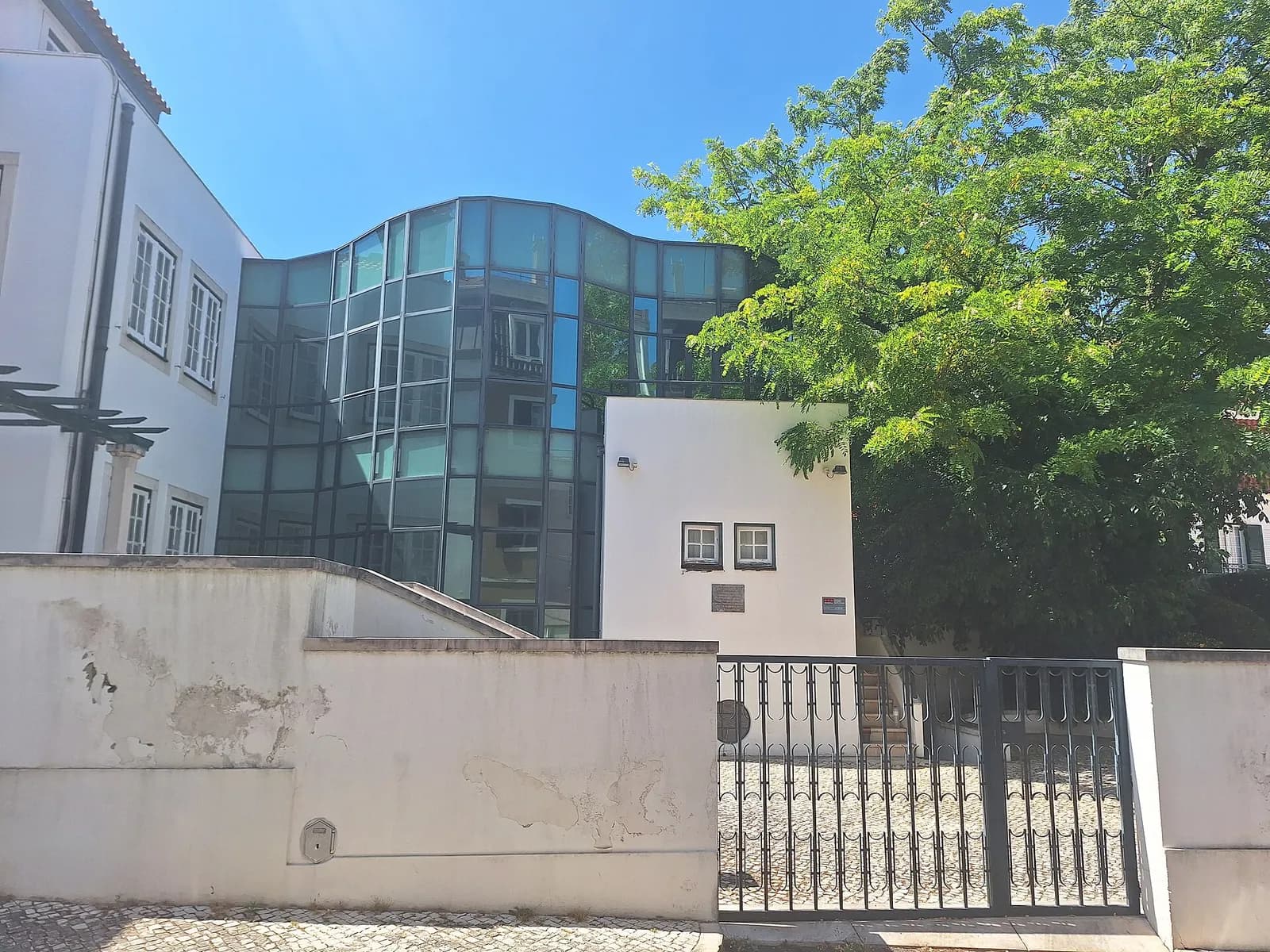
On Saturday afternoons his small house in the Travessa do Moinho de Vento, in Lapa, built to a design by the architect Raul Lino, filled with younger visitors: Agostinho da Silva, Álvaro Salema, Natália Correia, José-Augusto França and the co-operative pioneer Fernando Ferreira da Costa. His wife, Luísa, was the host.
From Norton de Matos to Delgado
After the Second World War Sérgio took part in nearly every open campaign of the opposition. In February 1947, with General Norton de Matos, Mário de Azevedo Gomes and Bento de Jesus Caraça, he wrote demanding an inquiry into the Tarrafal prison camp. When Norton de Matos withdrew from the 1949 presidential election, Sérgio founded the Directório Democrato-Social with Azevedo Gomes and Cortesão. In 1953 he chaired the Comissão Promotora de Voto, which sought guarantees for honest voter registration and counting.
“The idea of the greatest possible autonomy of pupils may be taken as a fundamental principle of modern pedagogy … whereas what fundamentally inspires the Government is the diametrically opposite concept, that of heteronomy, or of authoritarianism, not only where schoolchildren are concerned but even where adult citizens are concerned.”
His last campaign was the boldest. According to the historian David Raby, the idea came from Henrique Galvão, a dissident officer held in Peniche prison, who suggested to General Humberto Delgado on 25 October 1957 that he stand for president. Delgado had backed the coup of 1926 and served the regime for three decades. Galvão then contacted Sérgio, who became the main organiser of civilian support for Delgado. Sérgio already believed that a dissident officer was the way to split the regime; one opposition group had even proposed him as a possible candidate.
Delgado's campaign in May and June 1958 drew huge crowds, above all in Porto on 14 May. After the vote of 8 June the official count gave the regime's candidate, Rear-Admiral Américo Tomás, 758,998 votes and Delgado 236,528. The opposition contested the figures.
Official result of the presidential election of 8 June 1958
votes
Official figures, as published by the regime and reproduced by the Hemeroteca Municipal de Lisboa. The opposition contested them, and the Panteão Nacional says Delgado lost the election fraudulently.
Show the data
| Votes | |
|---|---|
| Américo Tomás | 758,998 |
| Humberto Delgado | 236,528 |
On 26 November 1958 a government note announced that Sérgio, Cortesão, Vieira de Almeida and Azevedo Gomes had been detained because their signatures appeared on “subversive manifestos”. Sérgio said the real reason was that they had invited the British Labour politician Aneurin Bevan to lecture in Portugal. They were freed two days later.
After that he went quiet. His wife died on 29 February 1960, and through the 1960s he gave up almost all public activity.
What Sérgio left
Five years after his funeral, the revolution of 25 April 1974 ended the dictatorship. The Constitution of 1976 gave co-operatives a sector of ownership of their own alongside the public and private sectors, as Sérgio had argued. Today's text calls it the co-operative and social sector and, in Articles 80 and 82, tells the state to protect it.
The first constitutional government named its new co-operative institute after him, the Instituto António Sérgio do Sector Cooperativo, and its first president was his disciple Fernando Ferreira da Costa. Its successor, the Cooperativa António Sérgio para a Economia Social (CASES), looked after his archive and library and awarded the António Sérgio Prize. In September 2026, after the state withdrew from it, its members voted to dissolve it.
Seara Nova, the review he helped turn into a voice of the democratic opposition, published 1,604 issues between 1921 and 1984, and the Museu do Aljube noted in 2020 that it was still being published. In 2019, for the 50th anniversary of his death, exhibitions on his life opened at the Sociedade Portuguesa de Autores and in the parliament building at São Bento.
FAQs
When and where did António Sérgio die?
He died at about 7 pm on 24 January 1969 in the Red Cross nursing home (Casa de Saúde da Cruz Vermelha) in Lisbon, aged 85. He was buried in the Prazeres cemetery on 26 January, and police charged the crowd that followed the coffin.
Why is António Sérgio important in Portugal?
He was one of the leading Portuguese essayists of the twentieth century. His eight volumes of Ensaios and his articles in Seara Nova argued for critical reason, school reform and co-operatives, and he spent more than 40 years in the democratic opposition to the dictatorship. The co-operative sector written into the 1976 Constitution follows his ideas.
Was António Sérgio a government minister?
Yes, briefly. He was Minister of Public Instruction in Álvaro de Castro's government from 18 December 1923 to 28 February 1924, 73 days in all. He created a board to award state study grants and fund research, and an institute for cancer research, the origin of today's Portuguese Institute of Oncology.
How many times was António Sérgio arrested?
Five times: in 1910, by the new Republic, as a suspected monarchist; and in 1933, 1935, 1948 and 1958 by the dictatorship. The 1935 arrest ended with his banishment to Spain. He also spent from 1927 to 1933 in exile in Paris to avoid arrest.
What did António Sérgio have to do with Humberto Delgado?
After Henrique Galvão suggested to General Delgado in October 1957 that he run for president, Galvão contacted Sérgio, who became the main organiser of civilian support for the 1958 campaign.
On the timeline
Open the timelineNearby moments from dictatorship and the estado novo (1926–1974).
António de Oliveira Salazar falls from a deckchair at his summer residence in Estoril, striking his head. The resulting brain injury led to his replacement as Prime Minister by Marcello Caetano the following month, ending his decades-long rule.
Marcelo Caetano takes office as President of the Council of Ministers, succeeding António de Oliveira Salazar, who had been incapacitated by illness. Caetano would be the Estado Novo's last leader, governing until the Carnation Revolution of 1974.
RTP's second channel, the 'Segundo Programa', goes on air on Christmas Day from a new UHF transmitter at Monsanto, reaching only the Lisbon area for a few hours each evening, mostly with repeats. It reached Porto in 1970; today it is RTP2.
Death of António Sérgio
Essayist and educationalist António Sérgio dies in Lisbon aged 85. Born in Damão, in Portuguese India, he was briefly education minister in 1923–24, was jailed and twice exiled by the dictatorship, championed the co-operative movement, and through his eight volumes of 'Ensaios' shaped generations of Portuguese democrats.
In the early hours, a magnitude 7.8 to 8.0 earthquake under the Atlantic southwest of Cape São Vicente shakes Lisbon and the Algarve, the strongest to hit the mainland in the 20th century. It cuts power and phone lines and raises a small tsunami. At least 13 people die on the mainland, most of them in the panic.
Birth in Montijo of Dulce Pontes, whose soaring reworkings of traditional song helped drive the 1990s revival of Portuguese music. Her 'Canção do Mar' found its way onto the soundtrack of the Hollywood film 'Primal Fear', and she later recorded and toured with Ennio Morricone.
At the inauguration of Coimbra University's new Mathematics building, student union president Alberto Martins asks President Américo Tomás for permission to speak and is refused. The snub sparks the 1969 academic crisis — months of strikes and exam boycotts that became one of the boldest challenges to the late Estado Novo.
Coming up in history
All long reads 26 January 1531The Lisbon earthquake of 1531 and Gil Vicente's rebuke to the friars
 27 January 1757Gomes Freire de Andrade: the Vienna-born general Lisbon hanged in 1817
 28 January 1908The plot at the library lift: Lisbon's failed coup of 28 January 1908
 29 January 1678Jerónimo Lobo, the Lisbon Jesuit who saw the springs of the Blue Nile
26 sources
Archives, scholarship and reporting this article was checked against.
- 1
À procura de António Sérgio: ensaio cronológico através de documentação bibliográfica e arquivística (Sónia Queiroga)Casa António Sérgio, CASES, January 2019
- 2
António Sérgio: notas biográficas (Rogério Fernandes)Revista Lusófona de Educação, 12 (2008), pp. 13-28
- 3
Sérgio [de Sousa], António (Damão, 1883 – Lisboa, 1969)Dicionário de Historiadores Portugueses, Biblioteca Nacional de Portugal
- 4
Da ciência à razão, da razão à filosofia: António Sérgio (chapter 5 of Filosofia e História da Ciência em Portugal no século XX)Augusto Fitas, Universidade de Évora (author's page)
- 5
O problema da unidade antifascista: o PCP e a candidatura do general Humberto Delgado, em 1958 (David L. Raby)Análise Social, vol. XVIII (72-73-74), 1982, pp. 869-883
- 6
Seara Nova: foreword, “The democratic monument” (Luís Andrade)Revistas de Ideias e Cultura
- 7
Autobiografia inédita de António Sérgio, escrita aos 32 anos no Livre d'Or do Instituto Jean-Jacques Rousseau (Daniel Hameline and António Nóvoa)Revista Crítica de Ciências Sociais, 29 (1990), pp. 141-177
- 8
Diário do Governo, I série, n.º 229, 27 September 1968: Decreto n.º 48 597Imprensa Nacional, via Diário da República Eletrónico
- 9
O Essencial sobre a PIDE (Irene Flunser Pimentel)Imprensa Nacional, 2023
- 10
Operation VijayMuseu do Aljube – Resistência e Liberdade, Lisbon, 18 December 2020
- 11
- 12
- 13
Letter from António Sérgio to Jaime Cortesão, 26 October 1913Revistas de Ideias e Cultura (document collection)
- 14
- 15
- 16
- 17
Iniciativas em Lisboa assinalam 50 anos da morte de António SérgioSábado (Lusa), 23 January 2019
- 18
- 19
António Sérgio: a técnica, o trabalho e as origens do conhecimento científico humano (João Príncipe)Trans/Form/Ação, vol. 44 (2021), supplement 1, pp. 53-74
- 20
- 21A casa de António Sérgio (Guilherme d'Oliveira Martins)Diário de Notícias, 6 October 2026
- 22
Humberto Delgado: biografia, by Rita CorreiaHemeroteca Municipal de Lisboa
- 23
Humberto DelgadoPanteão Nacional
- 24
Constituição da República Portuguesa (current text), articles 80 and 82Tribunal Constitucional
- 25
Casa António SérgioCASES, Cooperativa António Sérgio para a Economia Social
- 26
Image credits
- A bound volume of Seara Nova from its first year, 1921, open at one of its illustrated covers, on show at the Calouste Gulbenkian Museum in Lisbon in 2016. The review published 303 articles by Sérgio, some of them after his death, between 1923 and 1972. Sailko, CC BY 3.0, via Wikimedia Commons.
- The mouth of the Damanganga river at Daman, in western India, with the walls of the Portuguese fort of Moti Daman and the lighthouse beyond, in 2021. Sérgio was born in the town in 1883, when it was Portuguese Damão. Nizil Shah, CC BY-SA 4.0, via Wikimedia Commons.
- Title page of Teixeira de Pascoaes's O Espírito Lusitano ou o Saudosismo (The Lusitanian Spirit, or Saudosismo), a lecture he gave for the Renascença Portuguesa in Porto on 23 May 1912 and published the same year. Unknown author, Public domain, via Wikimedia Commons.
- The Casa António Sérgio at Travessa do Moinho de Vento 4, in Lapa, in 2024, when it housed the library of the co-operative named after him, with a modern glass wing beside the house. JnpoJuwan, CC0, via Wikimedia Commons.