

The plot at the library lift: Lisbon's failed coup of 28 January 1908
Republicans, a secret society and a breakaway monarchist party planned to seize Lisbon's town hall and its dictator. The police found the leaders waiting at a broken-down public lift, and four days later the king was dead.
At a glance
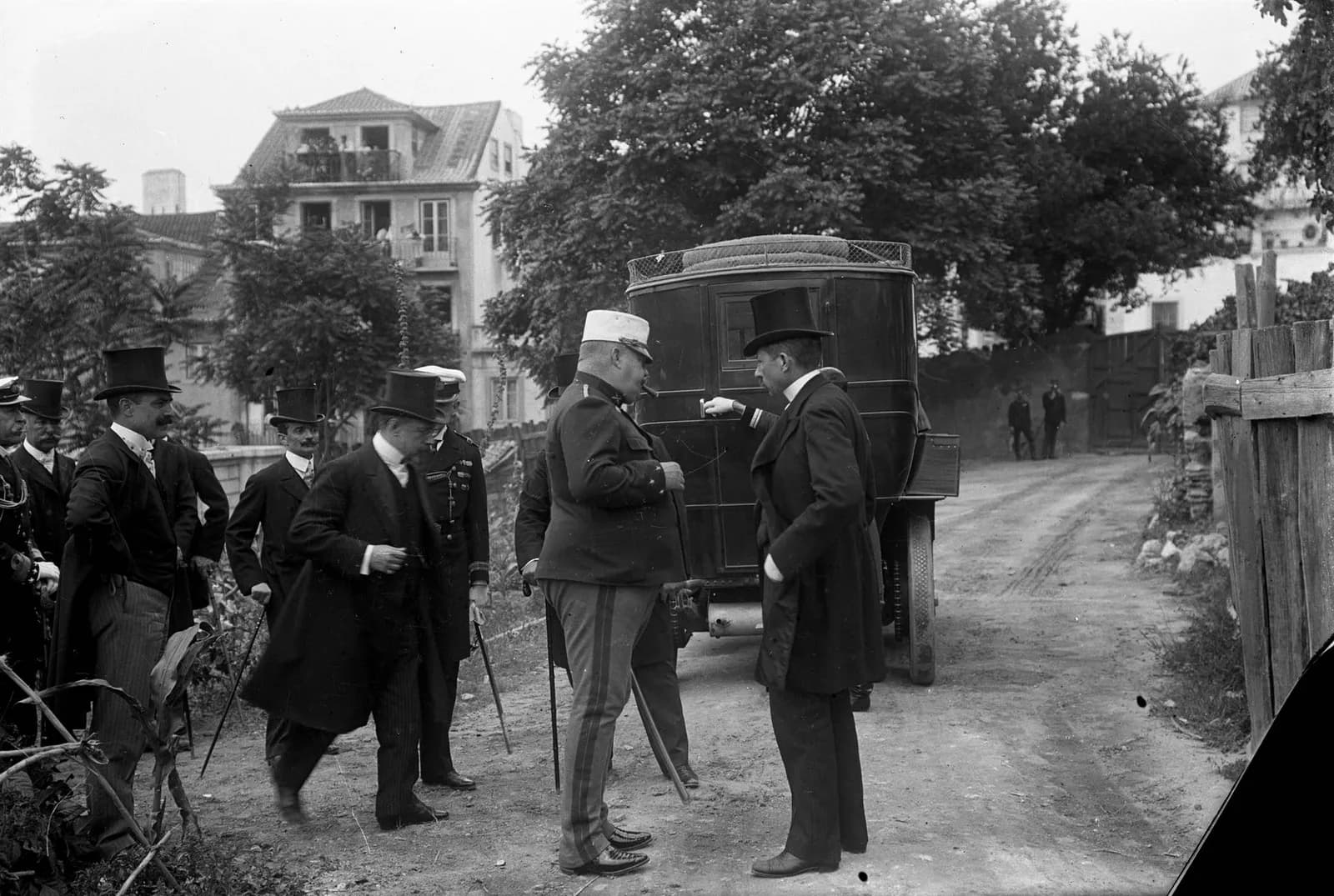
- On 28 January 1908, republicans, the secret society known as the Carbonária and José Maria de Alpoim's Dissidência Progressista, a breakaway monarchist party, tried to overthrow João Franco, who had governed Portugal without a parliament since May 1907.
- The plan was to seize Franco at about 4 pm and raise army and navy units, while Alpoim's group stormed the Lisbon town hall from the Elevador da Biblioteca, a public lift close by.
- A police informer had exposed part of the plot. João Chagas, Luz de Almeida, António José de Almeida and others were arrested in the week before, and the seizure of Franco that was to start the rising never happened.
- That evening police caught Afonso Costa, Egas Moniz and the Viscount of Ribeira Brava at the lift, while Alpoim escaped to Spain. Sources put the number detained at between 93 and 120.
- A decree dated 31 January, which King Carlos signed at Vila Viçosa, let the government banish conspirators to the colonies. On 1 February gunmen killed the king and his heir in the Terreiro do Paço.
Waiting in the lift
At two in the afternoon of Tuesday 28 January 1908, José Maria de Alpoim walked into the Elevador da Biblioteca in Lisbon with a group of friends. Alpoim was a monarchist politician who had led a faction out of the Progressive Party, and he had come to help overthrow the government. With him, according to the republican journalist Jorge d'Abreu, were João Pinto dos Santos, the doctor Egas Moniz, Cassiano Neves and Batalha de Freitas.
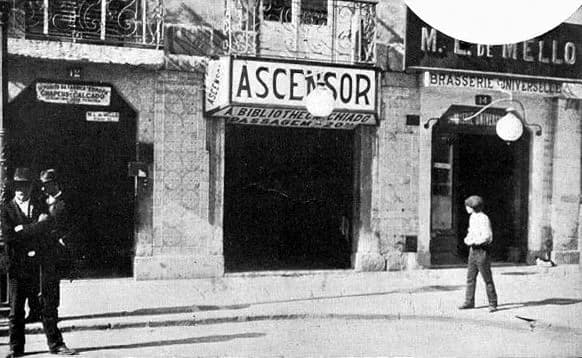
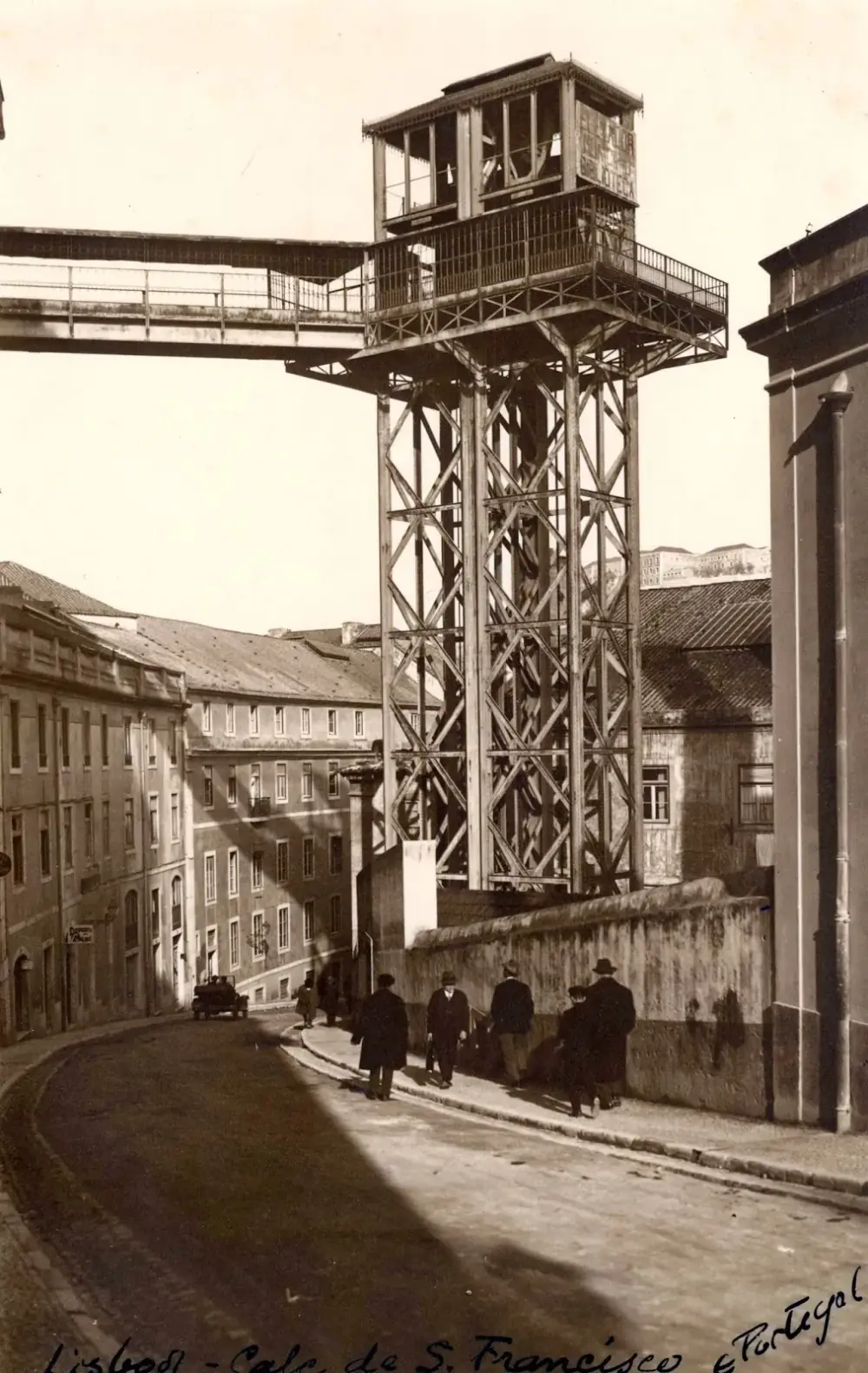
It was Lisbon's first open-air vertical lift, and it carried passengers between the Largo de São Julião, beside the town hall, and the Largo da Biblioteca on the slope above. It had been out of order for days. The men shut themselves in a small room, with a lookout at the door who was relieved at regular intervals.
They were waiting for a car. When it drove through the Largo do Pelourinho, the square in front of the Câmara Municipal, carrying the republican leader Afonso Costa, they were to run with their weapons to the town hall, take it with him and proclaim a provisional government. The order had come in writing the night before.
“Mr José d'Alpoim, with his friends, will take up position at the Biblioteca lift, so that from there, in the company of Afonso Costa and the people, they may storm the Câmara Municipal and proclaim the Republic there. For the revolutionary committee, Afonso Costa and Ribeira Brava.”
Four o'clock, the hour set for the rising, came and went. Towards evening Lieutenant-Colonel Amâncio de Alpoim came in to tell them the revolt had failed and the police were on their trail. By nightfall the police were closing in, and some of the plot's leaders were walking into a trap.
A king, his prime minister and a closed parliament
Portugal was a constitutional monarchy, and for most of the reign of Carlos I, king since 1889, the Regeneradores and the Progressistas had taken turns in office. Between 1901 and 1906 this rotativism came apart. João Franco left the Regeneradores to found his own party, Alpoim took a group out of the Progressistas to form the Dissidência Progressista, and a new generation revived the Portuguese Republican Party.
In May 1906 the king made Franco prime minister, although he had no majority in parliament. Franco promised clean government, then ran into the question of the advances: loans that earlier governments had made to the royal household. In November the monarchist opposition, including men who had authorised such loans in the past, attacked his government over them, and the republicans used the row to attack the monarchy itself.
“For far fewer crimes than those committed by Dom Carlos I, the head of Louis XVI rolled on the scaffold in France.”
In the spring of 1907 the Progressistas withdrew their support. Instead of replacing Franco, the king dissolved parliament without calling elections, and Franco ruled by decree. Historians call the months from May 1907 to January 1908 the dictatorship of João Franco. The press laws were tightened, newspapers were suspended, and a student strike at Coimbra turned into a protest against the government.
The quarrel over money went on. A decree of 30 August 1907 wrote off the royal household's debts, although Monico notes that Carlos himself disagreed with it. Then, in an interview with the Paris daily Le Temps in November 1907, the king backed Franco and mocked the old parties and parliament. On 24 December elections were called for 5 April 1908. The government party always won elections, so the prospect frightened both the monarchist opposition and the republicans.
May 1906
Carlos I appoints João Franco prime minister
Franco has no majority of his own in parliament.
20 November 1906
Afonso Costa expelled from the chamber
During the row over the advances to the royal household.
Spring 1907
Parliament dissolved
The Progressistas drop Franco; he governs by decree from May.
July 1907
Republicans and dissidents agree to conspire
By the Viscount of Ribeira Brava's account, a committee first meets at his house.
30 August 1907
Decree writes off the royal household's debts
24 December 1907
Elections called for 5 April 1908
6 January 1908
The king leaves for Vila Viçosa
20 January 1908
Police raid the Armazéns Leal
The weapons hidden there have already been removed.
21 January 1908
João Chagas and França Borges arrested
25 January 1908
Luz de Almeida arrested in the Largo da Estrela
28 January 1908
The rising fails
Arrests at the Elevador da Biblioteca and skirmishes in the city.
31 January 1908
Deportation decree dated
Signed by the king at Vila Viçosa.
1 February 1908
Regicide in the Terreiro do Paço
4 February 1908
Ferreira do Amaral forms a new government
Republicans, rebel monarchists and the Carbonária
By the Viscount of Ribeira Brava's own account, the plot began in July 1907. Of all Alpoim's friends he was the one most ready to give up on the monarchy. When the republican Alberto Costa urged him to lead a revolt, he answered that the popular support was all in the Republican Party, and agreed to meet the republican journalist João Chagas. They met at midnight by the bandstand on the Avenida, on 10 July, he thought. The National Library's chronology of 1908 instead dates a discussion of the plans between Chagas and Ribeira Brava to 10 January 1908.
The next day a committee met at his house: Afonso Costa, Alexandre Braga, Egas Moniz, França Borges, Mascarenhas Inglês, Marinha de Campos and Alpoim. Two committees then ran the conspiracy. The civilian one included Bernardino Machado and António José de Almeida from the party's directorate, with Chagas, Afonso Costa and Augusto José da Cunha; the military one included the naval officer Cândido dos Reis and Álvaro Pope.
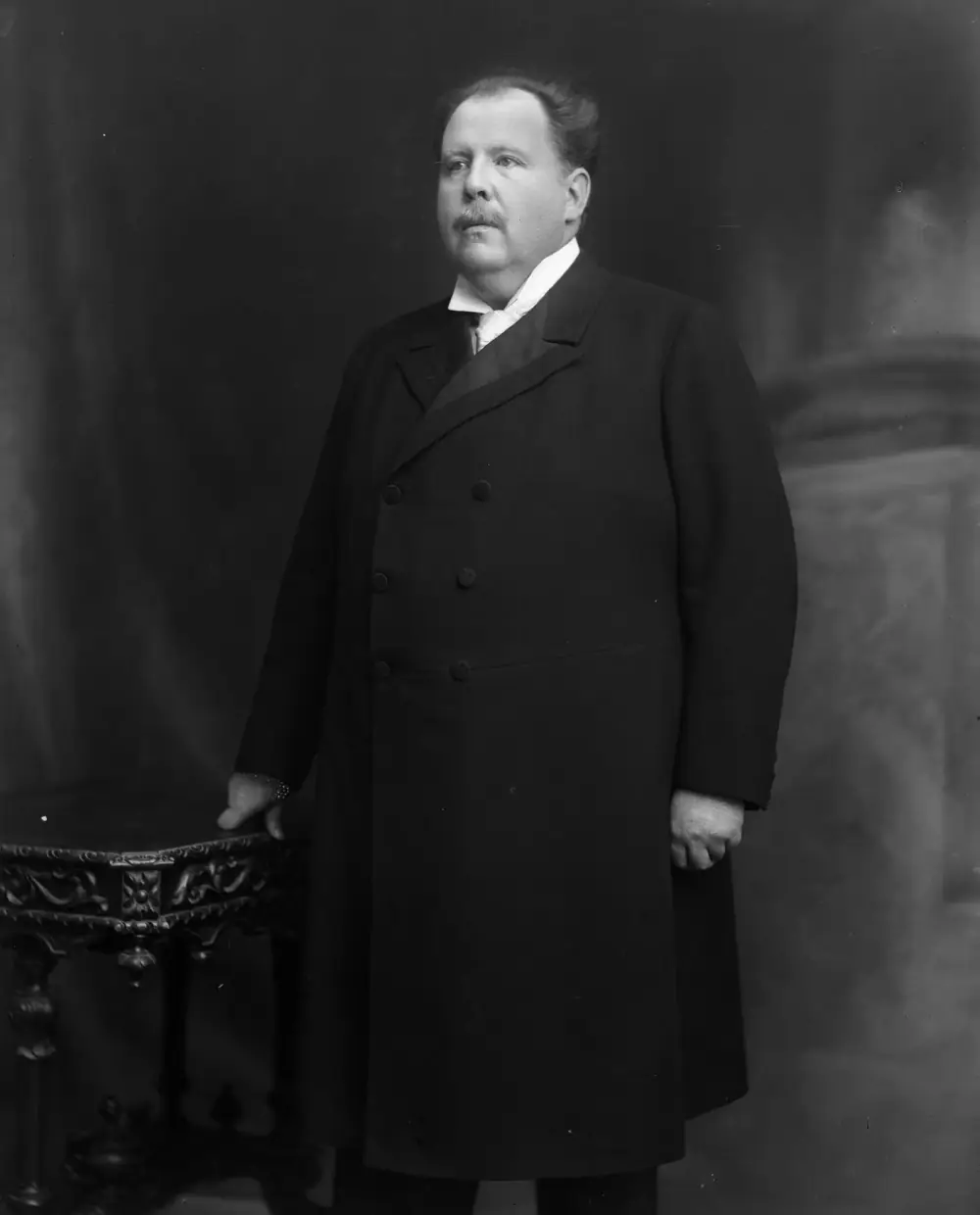
The dissidents brought money and guns. Abreu, who wrote in 1912 from conspirators' accounts, says Alpoim and his friends raised funds, paid for arms and helped smuggle them into Lisbon. Alpoim never joined the Republican Party. Days before the rising, Afonso Costa and Chagas pressed him to. He said he could not abandon followers who were mostly monarchists, but would give the revolution his person, his son and his money.
“Was the Republic coming? Anything was preferable, anything at all, to the continuation of this state of affairs, which was a national disgrace.”
The third partner was the Carbonária, the secret society where the most radical republicans gathered. Luz de Almeida led its high lodge, the Alta Venda, and the writer Aquilino Ribeiro, then a young conspirator, describes him as António José de Almeida's lieutenant for the civilian side of the rising. Alfredo Costa, a former travelling salesman from the Alentejo, was in a group meant to attack the royal palace and, after a change of plan, the Municipal Guard barracks at the Lóios.
Seize the dictator, then the city
Abreu admits that the plan cannot be reconstructed in full, and it changed several times. A radical minority wanted to attack the Necessidades palace and force the king abroad. The majority preferred to strike while the royal family was out of Lisbon, and after Carlos left for his estate at Vila Viçosa, in the Alentejo, on 6 January 1908, an officer of the general staff drew up the final scheme.
Everything hung on one act. Between 4 and 6 pm a civilian group was to seize Franco as he left his house at the top of the Avenida for the Terreiro do Paço and take him aboard the fishing steamer Dinorah, then to a warship in revolt. Only when they saw the signal of his capture would the army and navy units in the plot rise.
Naval officers were then to take the sailors' barracks, the Navy Arsenal and the warship São Gabriel. Ribeira Brava's men would occupy the arch of the Rua Augusta and the roofs of the ministries on the Terreiro do Paço, and teams with dynamite would keep the Municipal Guard shut in its barracks at the Carmo.
To attack the barracks, João Chagas organised civilian groups of 30 to 60 men, doctors, engineers, lawyers and shop workers among them. Each group was named after a flower, and its members wore a painted cardboard disc inside their coats, to be shown only to a comrade or a leader. Abreu saw Chagas's pencilled list: seven groups, 280 men, armed with revolvers and automatic pistols with 50 rounds each.
João Chagas's seven flower groups for the attack on the barracks
men
Strength of each group as given in a pencilled note by João Chagas, transcribed by Jorge d'Abreu in 1912: 280 men in all. Each group knew in advance which regiment it would help. The English flower names in brackets are Lisboeta's glosses, not part of the note.
Show the data
| Men in each group | |
|---|---|
| Malmequer (daisy) | 60 |
| Rosa (rose) | 30 |
| Violeta (violet) | 40 |
| Cravo (carnation) | 60 |
| Saudade (scabious) | 20 |
| Crisântemo (chrysanthemum) | 40 |
| Papoula (poppy) | 30 |
Arms were bought from pawnshops and gunsmiths, paid for by the party directorate, the landowner José Relvas and others, and stored at the Armazéns Leal, a shop in the Rua de Santo Antão. Even Abreu, who admired the plotters, thought too many people knew the secret and that the arms were handed out too early.
A policeman, a hidden arsenal and the first arrests
The leak came from below. Victor de Sousa, who led one of the civilian groups, recruited a policeman who was a friend of his and, it seems, on duty at Franco's door. He showed him the weapons at his house in the Rua Luz Soriano and named Chagas and Alfredo Leal, the owner of the Armazéns Leal, as the men handing out arms. Victor de Sousa was arrested the next morning.
Afonso Costa and Chagas heard in time and telephoned Leal. On 20 January, while police watched the front of the shop, Leal, his son and a trusted servant carried the remaining guns out through a small door onto the steps opposite the Coliseu, rolled in rugs, to a carriage where Ribeira Brava waited to hide them at his house on the Avenida da Liberdade. The police search found nothing.
The arrests began anyway. Leal was taken at Dafundo, and Chagas as he left the Charcuterie Française in the Rua Nova do Carmo, where the two had dined. The National Library's chronology of 1908 puts the arrest of Chagas and the journalist França Borges on 21 January and that of Luz de Almeida, in the Largo da Estrela, on 25 January. António José de Almeida was taken too.
The plotters hurried instead of stopping, convinced that Franco would show them no mercy. Afonso Costa took charge with Ribeira Brava, Álvaro and Ernesto Pope, Marinha de Campos and Artur Cohen, from a house in the Rua do Desterro where dozens came for arms and instructions. The password was Jasmim, jasmine.
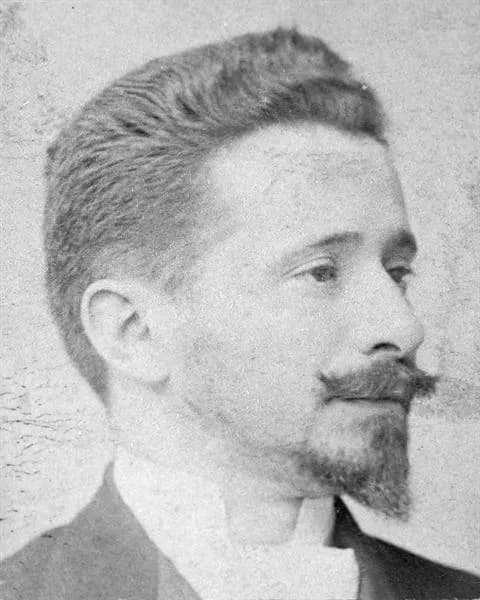
On 27 January an anonymous letter threatened to denounce them, and Costa rented another house at 32 Rua de São Julião, close to the lift. He and Ribeira Brava sat up writing orders on scraps of paper until dawn. The hour was fixed at 4 pm on the 28th, when the streets were busiest and the barracks least watchful.
28 January: the trap at the lift
- Date
- Tuesday 28 January 1908; the rising was set for 4 pm
- Place
- Lisbon; the dissidents waited at the Elevador da Biblioteca, by the town hall
- Plotters
- Portuguese Republican Party, Carbonária and Alpoim's Dissidência Progressista
- Arrested at the lift
- Afonso Costa, Egas Moniz and the Viscount of Ribeira Brava
- Detained in all
- 93 to 120, depending on the source
- Killed
- One policeman, in an attack on the Rato police station
Franco was never seized, so the signal never came. In the late afternoon a rumour spread that the rising had been put off again. Marinha de Campos, Álvaro Pope and the Viscount of Pedralva drove round the barracks with arms and ammunition. The dissidents left the lift when they heard the revolt had failed, then regrouped an hour later in a Lieutenant Furtado's house next door.
How the police found them is told in two ways. Reto Monico writes that the building's guard grew suspicious at so many people going into a lift that had been broken for days; Time Out Lisboa's history of the lift says a policeman noticed and called his colleagues. Egas Moniz, told that Afonso Costa and Ribeira Brava had gone into the lift, went to join them and was caught with them. Costa drew a revolver, Abreu writes, and Ribeira Brava stopped him firing it.
Alpoim got away. The porter showed the dissidents a narrow door and a dark corridor full of cobwebs that led down to the Calçada de São Francisco; the lock had not been turned for years, and outside there was not a single policeman. The Viscounts of Ameal and Pedralva fled towards Spain by train. Alpoim spent the night at the house of the politician Teixeira de Sousa, moved the next evening to the mansion of Henrique de Mendonça and escaped from there to Spain by car.
Elsewhere the rising broke up into skirmishes: an attack on the police station at the Rato, where a policeman was killed, shooting in the Rua da Escola Politécnica, an attempt on the Campo de Santana police station and clashes in Alcântara. Aquilino Ribeiro writes that a group of about twenty under Alfredo Costa and the primary school teacher Manuel Buíça came under fire from the Guard near the Rua de Santa Bárbara while they waited for a mortar to give the signal.
The sources differ on how many were detained: Time Out says 93 conspirators, Monico 120 people. Abreu describes the civil governor's building filling up overnight, batches of prisoners sent to the forts and troops policing the streets from the early hours of the 29th. Egas Moniz was held in the jail at the Lóios.
The decree of 31 January and the Terreiro do Paço
Franco answered with a decree. Prepared on 29 January, it was taken to Vila Viçosa by the Minister of Justice, Teixeira de Abreu, for the king to sign. Carlos hesitated, writes Jorge Couto, then director of the National Library, but signed. The decree was dated 31 January. In Aquilino Ribeiro's summary of its terms, it let the government expel from the kingdom, or 'transport' to an overseas province, people recognised as guilty by the competent judicial authority whom the security of the state required it to remove. It also denied parliamentary immunity to anyone acting against the state.
Republicans read it as a sentence of exile on the men in the forts. In Aquilino Ribeiro's memoir the talk was that Franco had already chartered two liners to fill Timor with republicans. Couto writes that the decree caused great agitation among republicans, above all in the Carbonária. Alfredo Costa told Aquilino on the morning of 1 February that the king was now even more to blame than Franco.
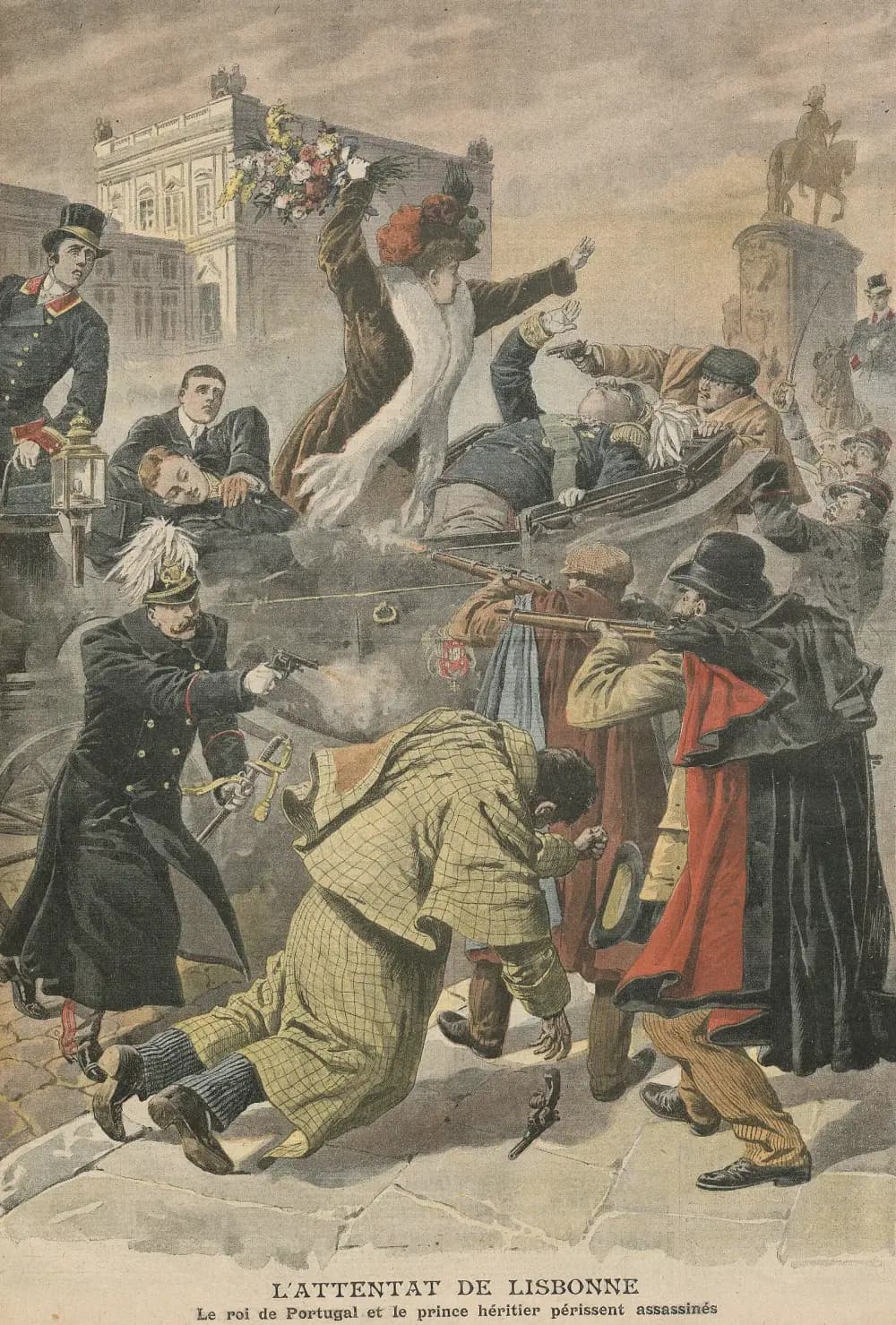
At about 5 pm that day the royal family landed at the river station on the Terreiro do Paço, back from the Alentejo. As their open landau reached the corner of the Rua do Arsenal, Buíça fired with a Winchester carbine and Costa, on the carriage step, with a pistol. Carlos and his heir, Luís Filipe, were killed and the younger son, Manuel, was wounded in the arm; Queen Amélia was unhurt. Police shot both gunmen dead and killed a bystander, João Sabino da Costa.
Who planned what
The plot of 28 January is fairly well documented. Its link to the regicide is not. The case file on the killings disappeared, Monico notes, and the governments that followed showed little wish to find out more, perhaps because an inquiry might have touched politicians now in power.
| Account | What the plotters meant to do with Franco | Was the king a target? |
|---|---|---|
| Jorge d'Abreu, republican journalist, 1912 | Seize him and hold him on the steamer Dinorah | Not in the plan of 28 January; the regicide grew out of the anger that followed |
| Alpoim, as reported by Abreu | Leaned to the view that Costa's group set out to kill him on 1 February | No plan before the 28th, since the rising was timed for the royal family's absence |
| Police report after the regicide, as described by Abreu | Not stated | Yes: two or three dozen men posted from the Terreiro do Paço to the Necessidades |
| Aquilino Ribeiro, memoir published 1974 | The military committee wanted him eliminated | Costa and Buíça turned on the carriage when Franco slipped past them |
| A. H. de Oliveira Marques, 1991, as cited by Mónico | A conspiracy to kill him | Hit in desperation when Franco could not be reached |
| Rui Ramos, 1995, as quoted by Mónico | Not addressed in the passage quoted | Yes: the killers shot whom they meant to; Costa and Alpoim probably knew |
| Jorge Couto, National Library catalogue, 2008 | Not stated | Yes: planned once the king's return was announced, with Ribeira Brava buying the rifles |
Abreu and the historian Vítor Neto both list the Viscount of Ribeira Brava among the men arrested on 28 January, which sits uneasily with Couto's statement that he obtained the rifles for 1 February.
Abreu, writing with the conspirators' help, argued that the regicide was no part of the plan of 28 January. He cites Alpoim's points that the rising was timed for the royal family's absence and that Buíça only got his carbine after it had failed.
Aquilino Ribeiro tells the same story from inside, from what one of the plotters and others told him. Costa's group of five waited for Franco in the Rua Alexandre Herculano, then at the Terreiro do Paço, but he slipped in through the Navy Arsenal. Costa's last message to Buíça was that Franco had escaped them again, and then, as the royal carriage came on at a slow trot, he asked whether they should finish off the whole lot.
“The attack on the royal family was not an accident. The assassins carried out exactly the mission of killing those whom it was in their interest to kill. Franco could not make another Dom Carlos, but Dom Carlos could make another João Franco.”
Mónico divides Portuguese historians into two camps: those who see the regicide as the isolated act of Buíça and Costa, and those who see a conspiracy of the Republican Party and the monarchist opposition. Either way, the failed plot of 28 January armed hundreds of men, jailed their leaders and produced the decree that enraged the Carbonária.
Freed prisoners and a republican town hall
The decree was never applied. Manuel II, aged 18, sent for Franco the next day and asked him not to stand in the way of a new government, and Franco left the country days later. On 4 February Rear-Admiral Ferreira do Amaral formed a cabinet of the old parties, known as the government of acalmação, or appeasement. It restored press freedom, released the republican leaders and annulled Franco's decrees.
On 5 February the Ministry of Justice asked the Crown's attorney-general, António Cândido Ribeiro da Costa, whether the government could annul Franco's press decree of 20 June 1907 and his decrees of 21 November 1907 and 31 January 1908 on crimes against the security of the state. In his opinion of 28 February he called the dictatorship and its decrees unlawful, issued in plain breach of the Constitutional Charter.
The men of 28 January did well out of the new mood. In April 1908 the republicans won the parliamentary election in Lisbon, and in November they won the city council, so the Câmara Municipal that Alpoim's men had meant to storm from the lift passed to them by vote. On 5 October 1910 José Relvas proclaimed the Republic from its balcony.
In the provisional government that followed, Afonso Costa took Justice and António José de Almeida the Interior. Egas Moniz, the dissident held at the Lóios, became Foreign Minister in October 1918 and won the Nobel Prize in medicine in 1949. The revolution itself is told in our article on 5 October 1910.
FAQs
What was the Elevador da Biblioteca coup?
A failed rising in Lisbon on 28 January 1908 against the government of João Franco, who ruled without parliament with King Carlos I's support. Republicans, the Carbonária and José Maria de Alpoim's breakaway monarchist party planned it. Arrests before and on the day stopped it.
Why is it named after a lift?
Alpoim's group was to wait at the Elevador da Biblioteca, a public lift beside Lisbon's town hall, and storm the building when the rising began. The lift had been out of order for days, the gathering drew attention, and Afonso Costa, Egas Moniz and the Viscount of Ribeira Brava were arrested there.
Did the plotters of 28 January plan to kill King Carlos?
The evidence is disputed and the case file is lost. Republican accounts say the plan was to seize or kill Franco while the king was away, and that the regicide was improvised on 1 February. Historians such as Rui Ramos argue the king was the intended target and that Afonso Costa and Alpoim probably knew of the preparations.
What was the decree of 31 January 1908?
A decree drafted by Franco's government after the failed rising and signed by the king at Vila Viçosa. It allowed the government to expel from Portugal, or send to an overseas colony, people who acted against the security of the state; in Aquilino Ribeiro's summary of its terms, a court had first to find them guilty. It was annulled after the regicide.
What happened to Afonso Costa and the other prisoners?
They were released after the regicide, when the new government of Ferreira do Amaral annulled Franco's decrees. Afonso Costa and António José de Almeida joined the provisional government formed after the revolution of 5 October 1910, Costa at Justice and Almeida at the Interior.
On the timeline
Open the timelineNearby moments from regeneration and the last kings (1851–1910).
The café A Brasileira opens in Lisbon's Chiado, founded by Adriano Telles to sell coffee from Brazil. It became a meeting place for writers and artists, and since 1988 a bronze statue of its most famous regular, Fernando Pessoa, has sat at a table on the terrace.
Miguel Torga (Adolfo Correia da Rocha), doctor and writer regarded as one of the greatest Portuguese authors of the twentieth century, is born in São Martinho de Anta, Trás-os-Montes.
Hermínia Silva, the fado singer and revue actress whose humorous style made her one of the most beloved performers of Lisbon's stage in the 1930s and 1940s, is born at the Hospital de São José in Lisbon.
The Elevador da Biblioteca coup
Republicans and dissident monarchists attempt a coup against João Franco's dictatorship, the 'Elevador da Biblioteca' plot, but it is betrayed and leaders including Afonso Costa are arrested. The crackdown that followed helped set the stage for the regicide four days later.
King Carlos I and Crown Prince Luís Filipe are assassinated by republican revolutionaries at Terreiro do Paço in Lisbon, in what became known as the Lisbon Regicide.
Manuel II takes his oath before the Cortes in Lisbon at his formal acclamation as King of Portugal, three months after inheriting the throne through the assassination of his father Carlos I and elder brother Luís Filipe. He would be Portugal's last king.
Birth in Funchal of Fernão de Ornelas, the lawyer who as president of the city council from 1935 to 1946 led a sweeping programme of public works that modernised Madeira's capital. Ousted after a clash with the island's governor, he was posthumously awarded Funchal's Medal of Honour in 2008.
Coming up in history
All long reads 30 January 1574After the Inquisition: the death of Damião de Góis, 30 January 1574
 31 January 189131 January 1891: the sergeants' revolt that proclaimed a republic in Porto
 1 February 1908Shots in the Terreiro do Paço: the Lisbon regicide of 1 February 1908
 2 February 1542Cristóvão da Gama storms Baçente: Portugal's war in Ethiopia, 1542
11 sources
Archives, scholarship and reporting this article was checked against.
- 1
A Revolução Portugueza: O 5 de Outubro (Lisboa 1910), by Jorge d'AbreuLisbon, 1912 (Project Gutenberg edition)
- 2
1908: do Regicídio à ascensão do Republicanismo (exhibition catalogue, with an essay by Jorge Couto and a chronology of January 1908)Biblioteca Nacional de Portugal, 2008
- 3
A tragédia do Terreiro do Paço na imprensa rio-grandina (fevereiro de 1908), by Reto MonicoHistoriæ (Universidade Federal do Rio Grande), vol. 7, no. 1 (2016), pp. 175–202
- 4
O Regicídio na Imprensa Suíça, by Reto MónicoCaleidoscópio: Revista de Comunicação e Cultura, no. 5/6 (2005), Universidade Lusófona
- 5
O atentado de 1 de Fevereiro de 1908 (Regicídio) na versão de Aquilino Ribeiro, extracts from Um Escritor Confessa-se (1974)Associação República e Laicidade
- 6
O Pátio das Antigas: o elevador do golpe de Estado republicano, by Eurico de BarrosTime Out Lisboa, 15 February 2023
- 7
José Relvas: um político republicano, by Vítor NetoRevista de História das Ideias, vol. 34 (2016), Universidade de Coimbra
- 8
Eleições legislativas no Porto (1895 e agosto de 1906), by Tiago ReisOmni Tempore: Atas dos Encontros da Primavera 2020, Faculdade de Letras da Universidade do Porto (2021)
- 9
Cronologia (Egas Moniz chronology)Casa-Museu Egas Moniz, Câmara Municipal de Estarreja
- 10
Opinion of the Procurador-Geral da Coroa on annulling the dictatorial decrees of 20 June 1907, 21 November 1907 and 31 January 1908 (PT/AHPGR/PGR/06/10/14/114)Arquivo Histórico do Ministério Público, Procuradoria-Geral da República
- 115 de Outubro. A “aliança da carbonária com o republicanismo radical” que derrubou a monarquia, by Rui Miguel GodinhoDiário de Notícias, 5 October 2025
Image credits
- King Carlos I, in uniform, with his prime minister João Franco and officials on the site of the future Passos Manuel lyceum in Lisbon, 1907. From May 1907 Franco governed without parliament, with the king's backing. Alberto Carlos Lima, Public domain, via Wikimedia Commons.
- José Maria de Alpoim (1858–1916), leader of the Dissidência Progressista. He helped pay for the plot's arms, waited at the lift on 28 January and escaped to Spain by car. Unknown author, Public domain, via Wikimedia Commons.
- Afonso Costa, republican deputy, photographed before 1910. He ran the conspiracy in its last days and was arrested at the lift on 28 January. Unknown author, Public domain, via Wikimedia Commons.
- The lower entrance of the Elevador da Biblioteca at 13 Largo de São Julião, in a photograph published by the magazine Illustração Portugueza on 24 February 1908, four weeks after the arrests. Unknown author, Public domain, via Wikimedia Commons.
- The Elevador da Biblioteca, also called the Elevador de São Julião, seen from the Calçada de São Francisco in the 1920s. Eduardo Portugal, Public domain, via Wikimedia Commons.
- The killing of King Carlos and Prince Luís Filipe as imagined for the front of the illustrated supplement of the Paris paper Le Petit Journal, 16 February 1908. It is an artist's reconstruction, not a record. Le Petit Journal, Public domain, via Wikimedia Commons.