

Gomes Freire de Andrade: the Vienna-born general Lisbon hanged in 1817
He grew up at the Habsburg court, stormed a Turkish fortress for Catherine the Great and governed Dresden for Napoleon. Two years after coming home, Portugal's regency hanged him as the head of a liberal plot he may never have led.
At a glance
- Gomes Freire de Andrade was baptised in St Stephen's Cathedral, Vienna, on 27 January 1757, the son of Portugal's envoy to the Austrian court and a Bohemian countess. He first set foot in Portugal at 24.
- He fought Algerian corsairs in 1784, stormed Ochakov for Catherine the Great in 1788, served against revolutionary France in the Roussillon campaign of 1793–94 and, from 1808, in Napoleon's Portuguese Legion, governing Dresden in 1813.
- Back in Lisbon in 1815, he became Grand Master of the Grande Oriente Lusitano, Portugal's main Masonic body, while the king stayed in Brazil and the British marshal William Carr Beresford ran the army.
- Arrested in May 1817 as the alleged head of a plot to overthrow the regency and arrest Beresford, he was hanged at the Fort of São Julião da Barra on 18 October 1817. Eleven co-defendants were hanged the same day at Campo de Santana in Lisbon.
- The evidence against him rested mainly on informers, and historians still argue over whether he led the plot. Liberals made him a martyr after 1820, and the square of the executions has been called Campo dos Mártires da Pátria since 1879.
A Saturday at São Julião
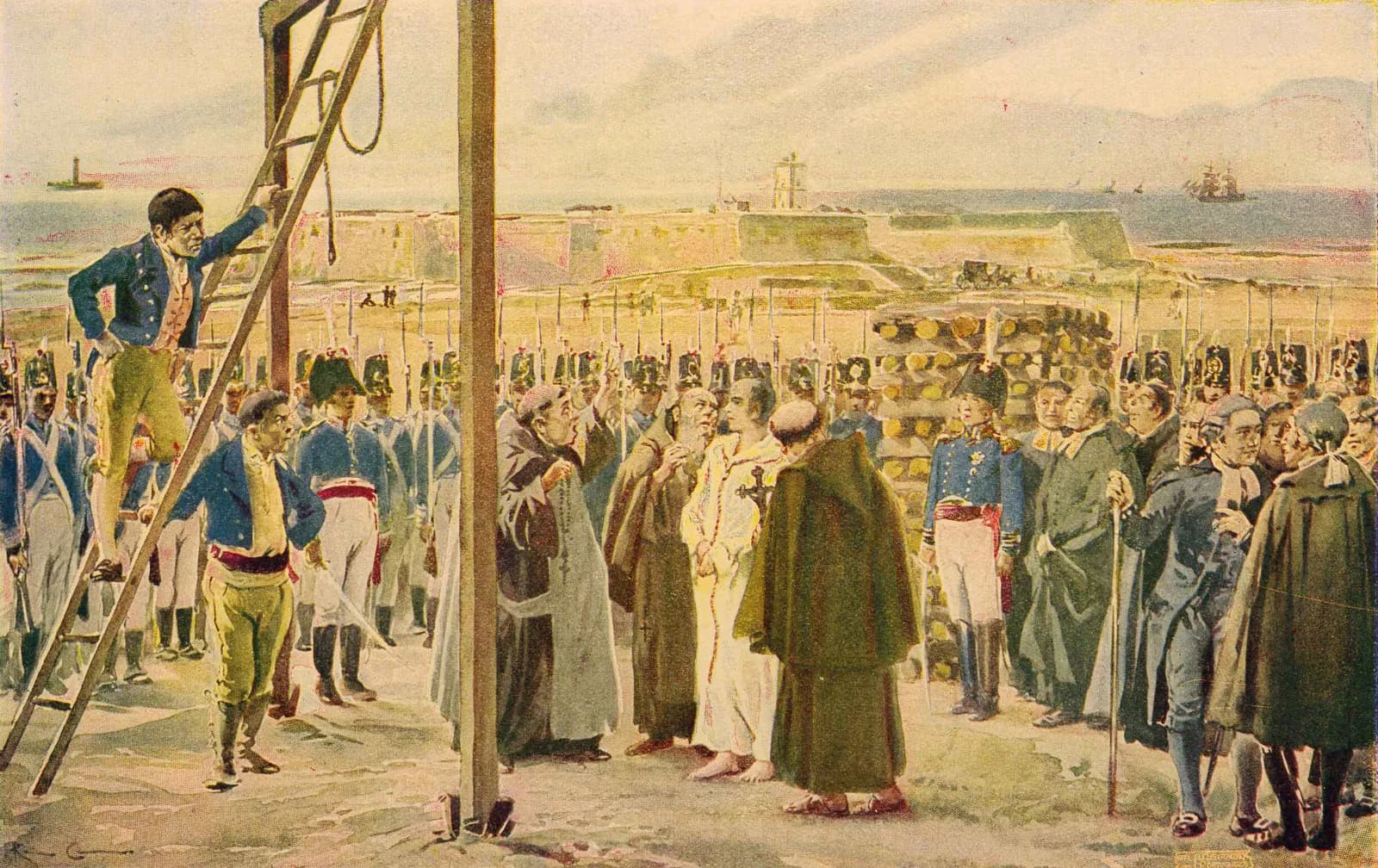
On Saturday 18 October 1817, Lieutenant General Gomes Freire de Andrade shaved and put on his full uniform. He was 60, and for almost five months he had been held alone in the Fort of São Julião da Barra, the fortress at the mouth of the Tagus at Oeiras. He was not allowed to wear the uniform for long.
The sentence required him to die in the white robe of the condemned. He fainted and was revived. Once the sentence had been read he steadied himself, and then he waited, barefoot, for several hours. Lieutenant Colonel Robert Haddok, one of the British officers at the fort, was later investigated, to no effect, for greeting the prisoner when he fetched him from his cell and for lending him a pair of shoes so that he would not wait barefoot.
Five companies of the 19th Infantry Regiment from Cascais formed the cordon around the gallows, and they were ordered to face away from it. When the general tried to speak to the soldiers, the priests attending him shouted so that his words could not be heard. Two days earlier he had asked to be shot, as befitted his rank. The request was refused, and he was hanged.
His body was burned with tar sent from the Royal Arsenal on the personal order of Miguel Pereira Forjaz, the regency's secretary for war, and the ashes were thrown into the sea. That same day, in Lisbon, eleven men convicted with him were hanged at Campo de Santana.
A Portuguese boy at the Habsburg court
His father, Ambrósio Freire de Andrade e Castro, was a cavalry officer whom Sebastião José de Carvalho e Melo, the future Marquis of Pombal, sent to Vienna as minister plenipotentiary, Portugal's envoy, to fill the post Carvalho himself had left in 1749. Ambrósio presented his credentials to the Emperor Francis I in May 1752. In July 1754 he married Maria Anna Elisabeth, Countess of Schaffgotsch, a Bohemian noblewoman then 15 years old.
Their son was baptised Gomes Pereira Freire de Andrade e Castro in St Stephen's Cathedral on 27 January 1757. His father wrote at once to Carvalho e Melo with the news, offering the boy as “one more servant”, and asked the minister to take him under his protection.
“May Your Excellency take him under your protection, as I beg you; from today and for ever I hand him over and commend him to you.”
No Viennese school records him, so he was probably taught at home. By 13 he was riding at the Spanish Riding School and helping his father translate documents and draft dispatches. Ambrósio died on 14 November 1770, leaving debts, and the widow wrote to Pombal for help. In 1771 the crown granted the family the income of a commandery, the estate of Mendo Marques.
At 18 he told the Portuguese embassy that he wanted to serve in the Portuguese army. In 1780 Queen Maria I made him a knight of the Order of Christ, and Joseph II, the emperor, told the ambassador that the young man was well brought up and of good reputation. He left Vienna on 5 December 1780 and reached Portugal, a country he had never seen, in February 1781. In Vienna he had also joined a Masonic lodge, Zur gekrönten Hoffnung.
A soldier for hire, and for Portugal
He enlisted as a cadet in the Peniche infantry regiment in 1782 and was commissioned an ensign the same year, at 25. In 1784 he volunteered for the Portuguese squadron sent to join Spain's bombardment of Algiers, the corsair base, and commanded one of the gunboats that attacked the harbour in repeated sorties. By 1788 he was a major.
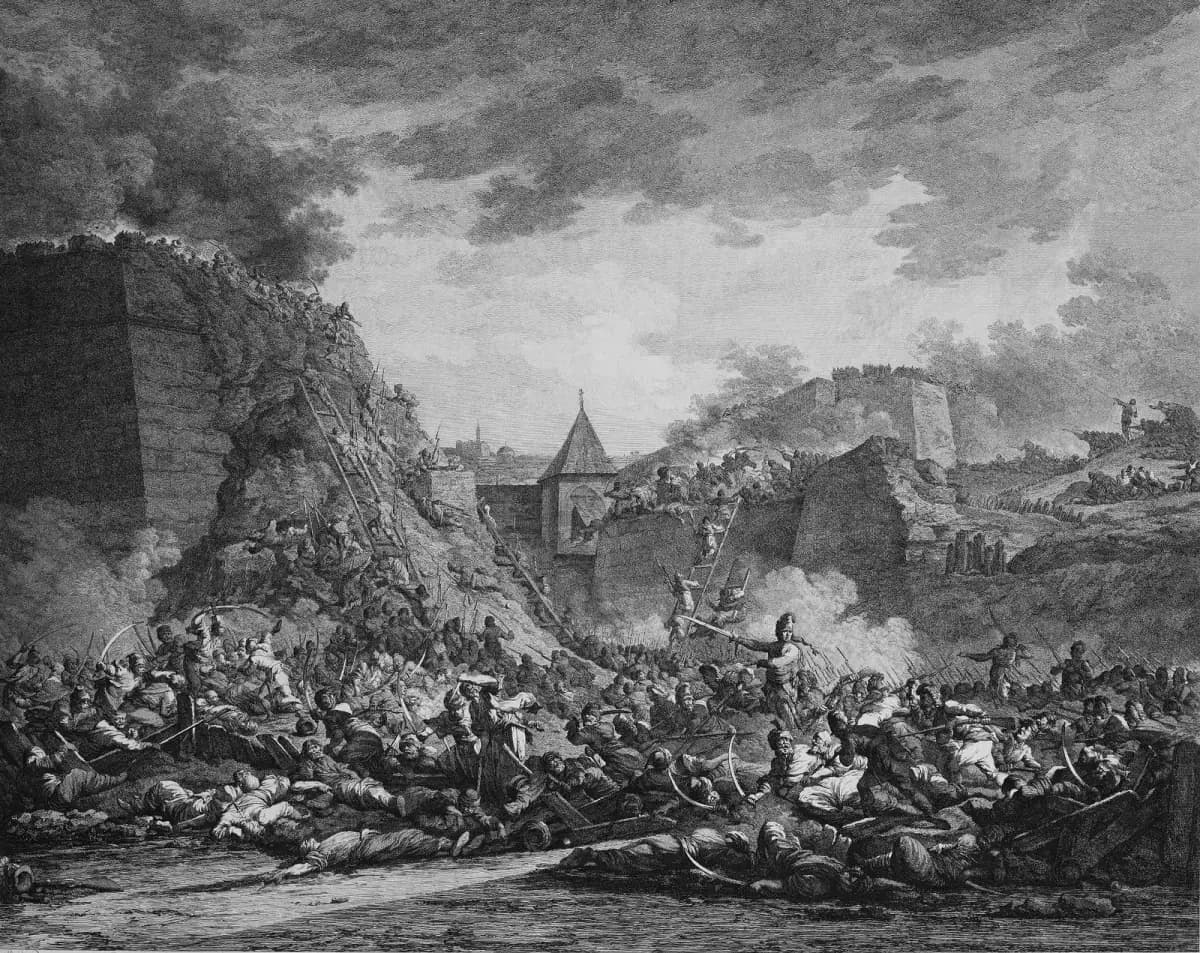
That year he went to Russia as a volunteer and joined Prince Grigory Potemkin's army besieging Ochakov, the Ottoman fortress at the mouth of the Dnieper. He fought with the light infantry in the assault of 17 December 1788 (6 December by the Russian calendar), which took the fortress in about two hours. Catherine the Great gave him the Order of St George. In July 1790 he commanded a floating battery against the Swedes at Svensksund, a Russian defeat, and survived when it sank under him.
He served with the Prussians against revolutionary France before coming home in 1793 to command the Lisbon garrison regiment, known after him as “Freire's regiment”. Portugal had joined Spain against France, and in September 1793 a 6,000-strong Portuguese division left for the Roussillon campaign in the eastern Pyrenees. Gomes Freire followed at the head of his regiment; by one account he was back from Prussia too late to sail with the fleet and went overland.
At Céret, on 26 November 1793, he led about 200 men forward to hold the position when the Spanish lines gave way. He quarrelled with his superiors, among them Forjaz, then an aide to the division's commander, and was sent home in 1794.
Promoted marechal de campo, roughly a major general, in 1795, he drew up a plan for the defence of Lisbon in 1799 and was the quartermaster of the northern army in the brief War of the Oranges against Spain in 1801. In 1806 he published a 400-page essay on reorganising the army, arguing that soldiers should serve for a fixed term near their homes so they could go back to their fields. He was made a lieutenant general in 1807.
| Years | Army or navy | Where | What he did |
|---|---|---|---|
| 1784 | Portuguese navy | Algiers | Commanded a gunboat in the allied bombardment |
| 1788–1790 | Russian army and fleet | Ochakov, Moldavia, the Baltic | Light infantry at Ochakov; floating battery at Svensksund; promoted colonel |
| 1792–1793 | Prussian army | France | Volunteer against the French Republic |
| 1793–1794 | Portuguese army | Roussillon and Catalonia | Colonel of the Lisbon regiment, then brigade commander, until sent home |
| 1801 | Portuguese army | Trás-os-Montes and Galicia | Quartermaster general of the northern army |
| 1808–1814 | French Grande Armée | Spain, France, Switzerland, Russia, Germany | Second-in-command of the Portuguese Legion; garrison commands; governor of Dresden |
In Napoleon's service
When General Junot's French army entered Lisbon on 30 November 1807, the royal family and court had sailed for Brazil the day before, leaving a regency behind. Gomes Freire was commanding the defence of the south bank of the Tagus and Setúbal. The Marquis of Fronteira, dictating his memoirs in 1861, said Gomes Freire had told him he watched the fleet sail from Cascais without knowing where it was going. Eunice Relvas notes that other evidence places him at Setúbal at the time.
Junot disbanded most of the Portuguese army and in 1808 sent its best units to France as the Portuguese Legion, about 8,000 men under the Marquis of Alorna, with Gomes Freire as second-in-command. Napoleon wanted them out of the country, where they might have risen against the occupation. Some 1,300 deserted on the march through a Spain in revolt. Gomes Freire later said he had stalled, hoping for a British landing that never came. He obtained a month's leave and set out only on 10 April 1808, when his division had already reached Salamanca.
The Legion fought at Wagram in 1809 and in 1812 marched into Russia, where its regiments fought at Smolensk and Borodino and were all but destroyed in the retreat. Gomes Freire mostly held garrison posts behind the front. He refused to join Masséna's invasion of Portugal in 1810 and asked, without success, to return to Russian service.
In 1812 he followed the Grande Armée as governor of the district of Drisna and fell ill at Smolensk during the retreat. In 1813 he commanded the garrison of Jena and in June became governor of Dresden, where he saw Napoleon's victory of 27 August and the siege that followed. He was taken prisoner when Dresden fell in late 1813 and held in Hungary until Napoleon's defeat. He reached Paris on 5 June 1814.
Home to a country without a king
He sailed from London and landed in Lisbon on 25 May 1815. Anyone who had served Napoleon was suspect, and he spent some days locked in the Tower of Belém before a court found no crime and freed him. He was paid a lieutenant general's salary but never given a command. On 4 April 1817 he declined an invitation to meet Beresford, pointing out that a year earlier he had asked for the regency to tell the marshal officially that the king counted him a lieutenant general of the army.
Gomes Freire settled in the Rua do Salitre, near the Rato fountain, with Matilde de Faria e Melo, his companion. Old comrades came to the house, among them officers left unpaid; one militia colonel, Manuel Monteiro de Carvalho, had not been paid for thirty months. At the end of 1815 the Grande Oriente Lusitano, the main body of Portuguese Freemasonry, chose Gomes Freire as its Grand Master. He took office early in 1816, on 1 March by one account, and held the post until his death.
The plot and the arrests
The conspirators called themselves the Supreme Regenerating Council of Portugal, Brazil and the Algarves. Most were junior officers or former officers, and their plan was simple. Troops would gather in Lisbon one night and seize Beresford. The next day, as the soldiers made their demands, Gomes Freire would step in, take control and set up a provisional government to summon the Cortes, the old parliament, which would choose a constitutional king.
Three men who had got inside the society went to Beresford instead: two officers, José de Andrade Corvo and Pedro Pinto de Morais Sarmento, and a lawyer, João de Sá Pereira Ferreira Soares. From mid-April 1817 he had them report on the plotters. On the night of 22 May he took advice from three senior officials at his house, and the next day he handed the papers to the regency. One study dates the handover a few days earlier, to 18 May.
On the afternoon of 25 May, at a friend's palace, Gomes Freire said he expected to be arrested that night. The arrest party came at two in the morning of 26 May 1817; some studies put the arrests on the night of 24 to 25 May. They found him in undress uniform, with a travel bag, his wallet and two loaded pistols on the table. About thirty men were seized in a few hours, while artillery stood ready on the Lisbon quays.
He alone was taken to São Julião da Barra and kept there without contact with the other prisoners. For his first six days nobody paid for his food, and the fort's British governor, Archibald Campbell, fed him at his own cost. He was refused a razor for weeks.
The trial and the evidence
The case was heard by the Juízo da Inconfidência, the special court for crimes against the crown. Judges questioned Gomes Freire in his cell with only a clerk present, and he was never confronted with the informers or the co-defendants who accused him. No compromising paper was found on him. The prosecution rested almost entirely on what the informers said.
On 24 June he handed Campbell a written protest for the king and for the Duke of Sussex, a son of George III who had encouraged his book on the army. Beresford passed it to the regency instead, and it never reached Rio. Once Gomes Freire knew what had become of his papers, he told Campbell he would be “hanged like a dog near the Tower”, as the fort was also called.
In a letter of 16 October, two days before he died, he wrote that the marshal had only lately told him the protest had gone to the governors, not to Brazil.
- Charge
- Lèse-majesté of the first degree and high treason
- Sentence
- 15 October 1817; the defence's objections were rejected on 17 October
- Executed
- 12: Gomes Freire at São Julião da Barra and 11 others at Campo de Santana, all on 18 October
- Others
- Several defendants sentenced to transportation; the Prussian-born Baron von Eben expelled from Portugal
- Not allowed
- An appeal to the king, although a 1777 decree reserved death sentences on colonels and above for him
Whether he led the plot is still argued. José Manuel Lopes Cordeiro reads the plan as one that would bring in Gomes Freire only after the coup, and notes that the conspirators were condemned without conclusive proof. Manuel Pinto dos Santos names an officer, José Ribeiro Pinto, as its main organiser. Colonel António José Pereira da Costa concludes that Gomes Freire knew of the plot and did not denounce it, but took no part.
Beresford's share of the blame is disputed too. He uncovered the plot and organised the arrests. Cordeiro writes that he followed the trial closely; Pereira da Costa sees him keeping his distance and acting only through official channels. Attacked when the liberals reviewed the trial in 1821–22, Beresford gave his copies of the papers to Joaquim Ferreira de Freitas, a former priest living in London, for a memoir in his defence published in 1822. Simão José da Luz Soriano, using Beresford's letters to the police, rejected that defence in the 1880s.
Pereira da Costa points instead to Portuguese enemies, above all Forjaz, who had loathed Gomes Freire since the Roussillon campaign and who once rebuked Beresford for writing about the prisoner's treatment.
Two gallows
The sentence ordered death by the garrotte on a gallows built at São Julião, and his head cut off and burned with his body. In the event he was hanged. Eight of the condemned were given this death with infamy. Gomes Freire was kept apart from the others to the end, perhaps because the authorities feared a rescue.
In Lisbon the eleven were hanged at Campo de Santana, and the bodies of several were burned on pyres whose glow could be seen across the capital. The sentence was printed only after the executions; the Gazeta de Lisboa announced on 20 October that it would be out soon.
“The city seemed deserted, and only the rabble applauded this act of barbarism.”
From traitor to martyr
On 30 March 1818 João VI banned all secret societies on pain of death, and the Grande Oriente Lusitano suspended its lodges. Lisbon stayed quiet. When an emissary of the Sinédrio, a secret society founded in Porto in January 1818, sounded out the capital in 1819, he found people still cowed by “the terrible example of Campo de Santana”, in the words of the historian José de Arriaga (1886).
The revolution came from Porto, on 24 August 1820. Within three years the trial's meaning had flipped, and the new liberal regime honoured the condemned as founders of its cause. In 1821 João Domingos Bomtempo rededicated his Requiem to the “martyrs of the fatherland” and conducted its first performance at a memorial mass in the church of São Domingos. The liberal regime reviewed the trial and the sentence was annulled. Survivors who had been transported or had fled came home under the amnesty of 1821, except Baron von Eben, who died in Colombia.
Civil war and the reign of Dom Miguel silenced the memory for a time. In 1853 General Cabreira, governor of São Julião, raised a monument on the esplanade where Gomes Freire died. In 1879 Lisbon renamed Campo de Santana the Campo dos Mártires da Pátria, the Field of the Martyrs of the Fatherland, and named the Rua Gomes Freire beside it.
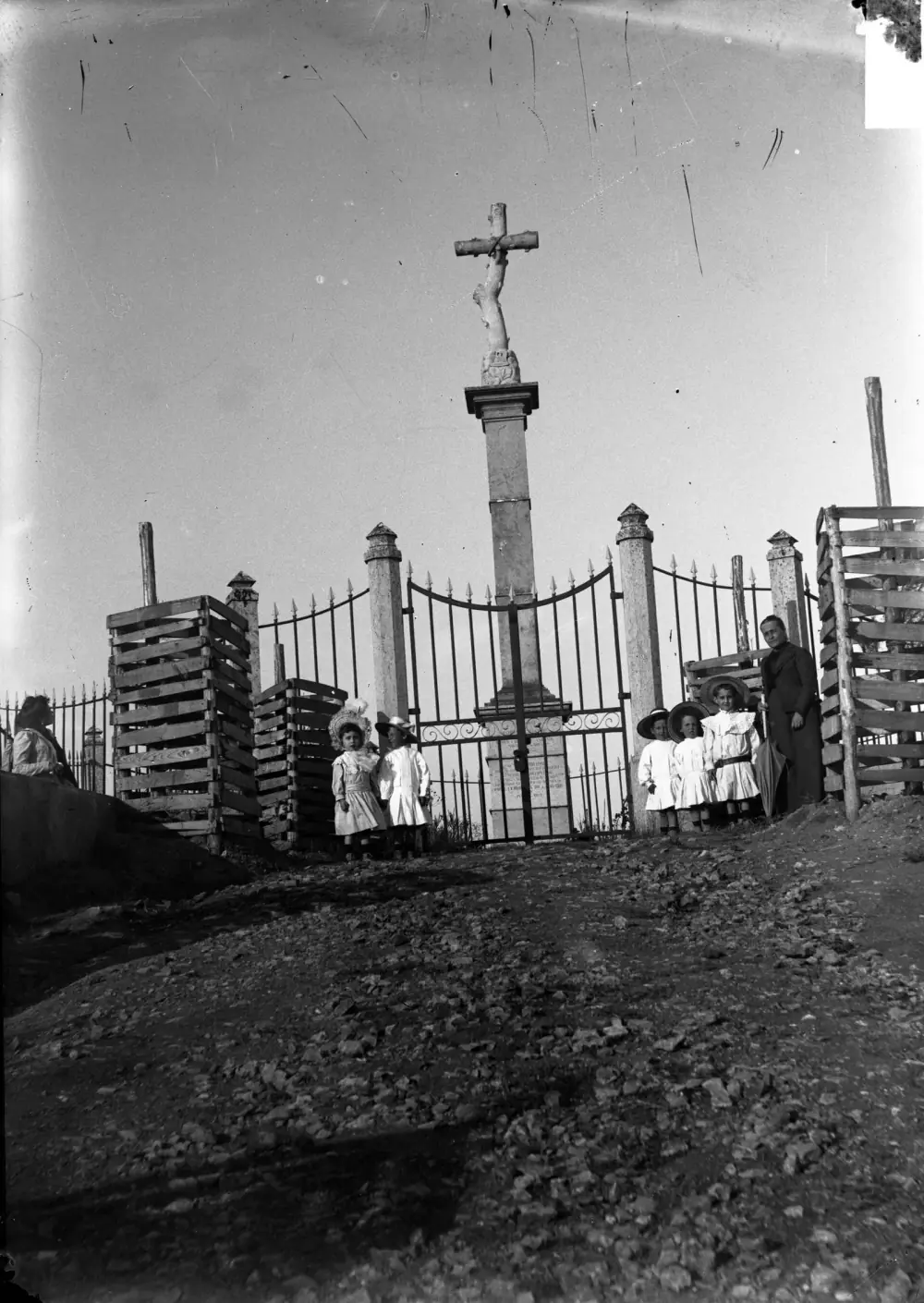
The First Republic made 18 October 1917, the centenary, a national holiday by a decree of 6 September. That day a procession went from Oeiras station to the monument at São Julião, where the war minister, Norton de Matos, spoke.
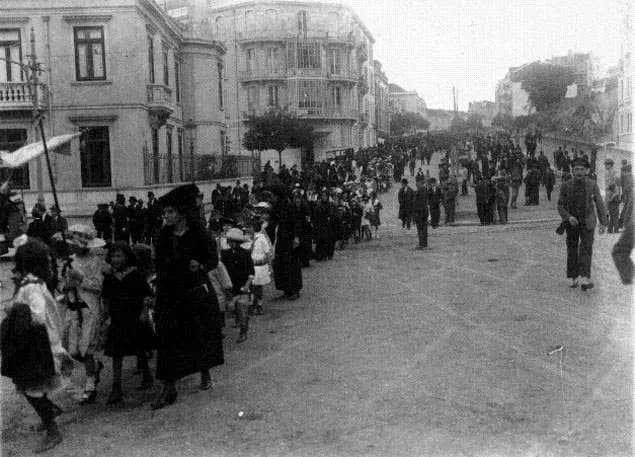
On 28 October Lisbon unveiled a plaque on the house in the Rua do Salitre where he had been arrested, and a second procession marched to the Campo dos Mártires da Pátria, where another plaque honoured the eleven. In the Revista Militar, Eduardo Noronha called the execution one of the most abject judicial crimes in the history of political killings.
Under the Estado Novo dictatorship, Luís de Sttau Monteiro's play Felizmente Há Luar! (1961) turned Gomes Freire into a symbol of resistance. He never appears on stage. The title, “Luckily there's moonlight”, comes from a phrase attributed to Forjaz in 1817. The play was first staged in Paris in 1969, and in Portugal only in 1975. It is now read in secondary schools.
Where Gomes Freire spent his 60 years
years
Lisboeta's own calculation, rounded to a tenth of a year, from the dates of his baptism (27 January 1757), departure from Vienna (5 December 1780), arrival in Portugal (February 1781), departure for Russia (May 1788), return (September 1793), departure for France (10 April 1808), return to Lisbon (25 May 1815) and execution (18 October 1817); where only the month is known, the middle of the month is used. The Portugal bars include short campaigns abroad, such as Algiers in 1784 and Roussillon in 1793–94. He lived about as long in Vienna as in Portugal.
Show the data
| Years | |
|---|---|
| Vienna, 1757–1780 | 23.9 |
| Portugal, 1781–1788 | 7.2 |
| Russian and Prussian service, 1788–1793 | 5.3 |
| Portugal and Roussillon, 1793–1808 | 14.6 |
| Napoleon's service and captivity, 1808–1815 | 7.1 |
| Lisbon, 1815–1817 | 2.4 |
27 January 1757
Baptised in St Stephen's Cathedral, Vienna
5 December 1780
Leaves Vienna for Portugal
1782
Enlists in the Peniche infantry regiment
17 December 1788
Storming of Ochakov, in Russian service
1793–1794
Serves in the Roussillon campaign until sent home
10 April 1808
Leaves Portugal to join the Portuguese Legion
June 1813
Governor of Dresden
25 May 1815
Returns to Lisbon
1815–1816
Chosen Grand Master of the Grande Oriente Lusitano; takes office early in 1816
26 May 1817
Arrested in the Rua do Salitre
15 October 1817
Sentenced to death
18 October 1817
Hanged at São Julião da Barra; 11 others hanged at Campo de Santana
24 August 1820
Liberal revolution in Porto
1853
Monument raised at São Julião
1879
Campo de Santana renamed Campo dos Mártires da Pátria
18 October 1917
Centenary kept as a national holiday; procession to São Julião
FAQs
Did Gomes Freire de Andrade really lead the 1817 conspiracy?
It is not proven. The plotters planned to bring him in after seizing Beresford, no compromising paper was found on him and the case rested on informers. Some historians think he knew of the plot without taking part; others name José Ribeiro Pinto as its organiser.
Why was he executed at São Julião da Barra and not in Lisbon?
He had been held there alone since his arrest, and the sentence ordered a gallows built at the fort. Keeping him away from the city and from the other prisoners may have reflected fear of a rescue. The other eleven were executed at Campo de Santana the same day.
Why is it called Campo dos Mártires da Pátria?
Lisbon renamed Campo de Santana the Field of the Martyrs of the Fatherland in 1879, in memory of the eleven men executed there on 18 October 1817. The Rua Gomes Freire beside it was named the same year.
Why was a Portuguese general born in Vienna?
His father, Ambrósio Freire de Andrade, was Portugal's envoy at the Austrian court from 1752 to 1770 and married a Bohemian countess there. Gomes Freire grew up in Vienna and only came to Portugal in 1781, aged 24.
What is Felizmente Há Luar!?
A play by Luís de Sttau Monteiro, published in 1961, about the persecution of Gomes Freire, who never appears on stage. It was read as an attack on the Salazar dictatorship and was first performed in Portugal in 1975.
On the timeline
Open the timelineNearby moments from earthquake and enlightenment (1750–1807).
At about 9.40 on the morning of All Saints' Day, with many people at Mass, a massive earthquake devastates Lisbon. Roughly 45 minutes to an hour later a tsunami surges up the Tagus into the lower town, and fires burn for days; modern estimates of the dead in Lisbon alone run from about 10,000 to 40,000.
By royal charter, King José I and his minister Sebastião José de Carvalho e Melo, the future Marquês de Pombal, create the Companhia Geral da Agricultura das Vinhas do Alto Douro to control the port wine trade. Its granite boundary stones, the 'marcos pombalinos', went on to mark out what is considered the world's oldest demarcated wine region.
Gomes Freire de Andrade
Gomes Freire de Andrade is born in Vienna, son of Portugal's ambassador to the Austrian court. A soldier of fortune who fought for Catherine the Great against the Turks and marched into Russia with Napoleon, he was hanged in 1817 as the alleged leader of a liberal plot against the British-dominated regency; Lisbon's Campo dos Mártires da Pátria honours the conspirators.
King José I survives an assassination attempt when horsemen ambush his carriage outside Lisbon, wounding him in the arm and shoulder; the affair leads to the trial and brutal execution of the Távora family, strengthens the hand of the future Marquês de Pombal and paves the way for the expulsion of the Jesuits a year later.
The Duke of Aveiro and leading members of the Távora family, condemned for the September 1758 attempt on King José I's life, are executed on a scaffold at Belém, most of them broken on the wheel. Many historians doubt the Távoras' guilt, and some suspect the future Marquis of Pombal of using the case to break the old aristocracy.
The Jesuit priest Gabriel Malagrida is garrotted in Lisbon's Rossio square and his body burned, hours after his sentence was read at an Inquisition auto-da-fé in the cloister of São Domingos. He had been condemned as a heretic at the instigation of Carvalho e Melo, the future Marquis of Pombal, whom he had enraged by preaching that the 1755 earthquake was God's punishment for Lisbon's sins.
Coming up in history
All long reads 29 January 1678Jerónimo Lobo, the Lisbon Jesuit who saw the springs of the Blue Nile
 30 January 1574After the Inquisition: the death of Damião de Góis, 30 January 1574
 31 January 189131 January 1891: the sergeants' revolt that proclaimed a republic in Porto
 1 February 1908Shots in the Terreiro do Paço: the Lisbon regicide of 1 February 1908
15 sources
Archives, scholarship and reporting this article was checked against.
- 1
O bicentenário do processo de Gomes Freire de Andrade e seus companheiros (Miriam Halpern Pereira)Ler História 72 (2018), pp. 219–226
- 2
Conspirou? Certamente, mas… (António José Pereira da Costa)Revista Militar 2605/2606 (February–March 2019), pp. 305–323
- 3
Lisboa e a Revolução Liberal de 1820 (José Manuel Lopes Cordeiro)A Construção da(s) Liberdade(s): Congresso Comemorativo do Bicentenário da Revolução Liberal de 1820, Faculdade de Letras da Universidade do Porto
- 4
- 5
- 6
- 7
- 8
A conspiração de 1817: quem matou Gomes Freire (Raul Brandão)Porto, 1914; University of Toronto copy digitised by the Internet Archive
- 9
- 10
- 11
A Revolução Liberal de 1820 (José Luís Cardoso)CTT Correios de Portugal, 2020 (bilingual edition, preview)
- 12
- 13
- 14
- 15
Entre o “drama histórico” e o “teatro épico”: uma “peça histórica” sobre Gomes Freire de Andrade e Castro (Eugénia Vasques)Escola Superior de Teatro e Cinema and Biblioteca do Exército; Repositório Científico do Instituto Politécnico de Lisboa
Image credits
- The execution of Gomes Freire de Andrade outside the Fort of São Julião da Barra on 18 October 1817, as Roque Gameiro imagined it for the album Quadros da História de Portugal (1917). The firewood stacked behind the soldiers was for burning his body. Roque Gameiro, Public domain, via Wikimedia Commons.
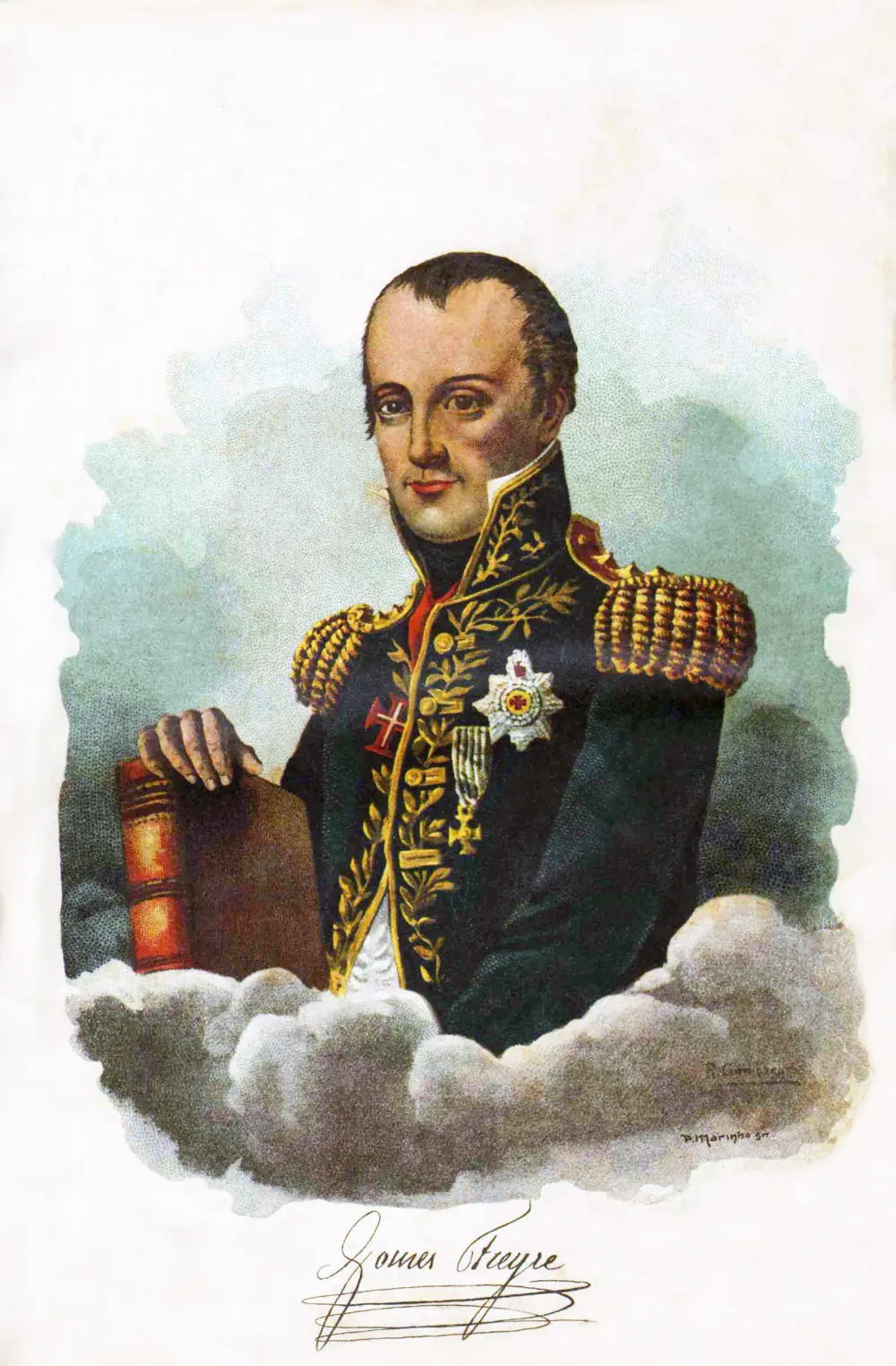
- Gomes Freire de Andrade in a Portuguese general's uniform, with his signature. Colour print signed by Roque Gameiro, undated, made long after the sitter's death. Roque Gameiro, Public domain, via Wikimedia Commons.
- The Russian storming of Ochakov in December 1788, the assault in which Gomes Freire fought. Engraving by Adam Bartsch after Francesco Giuseppe Casanova, 1792. Francesco Giuseppe Casanova / Adam Bartsch, Public domain, via Wikimedia Commons.
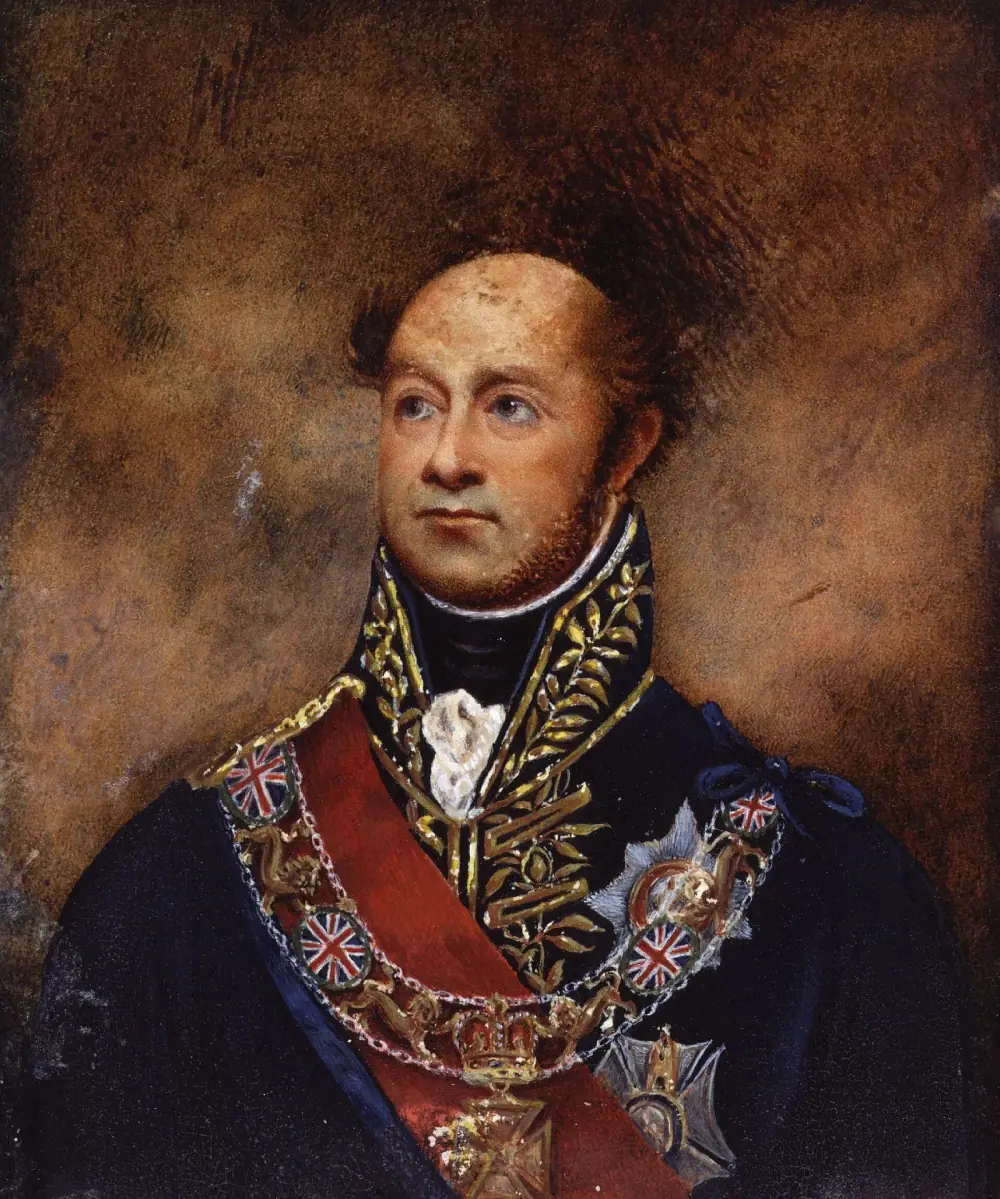
- William Carr Beresford, the British marshal who commanded the Portuguese army from 1809. Portrait by Sir William Beechey, 1815, based on a work of 1812–14. William Beechey, Public domain, via Wikimedia Commons.
- The monument to Gomes Freire on the esplanade of São Julião da Barra, raised in 1853, photographed by José Artur Leitão Bárcia around 1900. José Artur Leitão Bárcia, Public domain, via Wikimedia Commons.
- The centenary procession on its way to the Campo dos Mártires da Pátria, Lisbon, 28 October 1917; the Lisbon municipal archive places it in the Rua Braamcamp. Photograph by Joshua Benoliel, published in Ilustração Portuguesa on 5 November 1917. Joshua Benoliel, Public domain, via Wikimedia Commons.