

31 January 1891: the sergeants' revolt that proclaimed a republic in Porto
A year after the British Ultimatum, sergeants marched their men out of Porto's barracks, a lawyer proclaimed the Republic from the town hall and a band played A Portuguesa. Then the Municipal Guard opened fire on the Rua de Santo António, and by mid-morning the revolt was over.
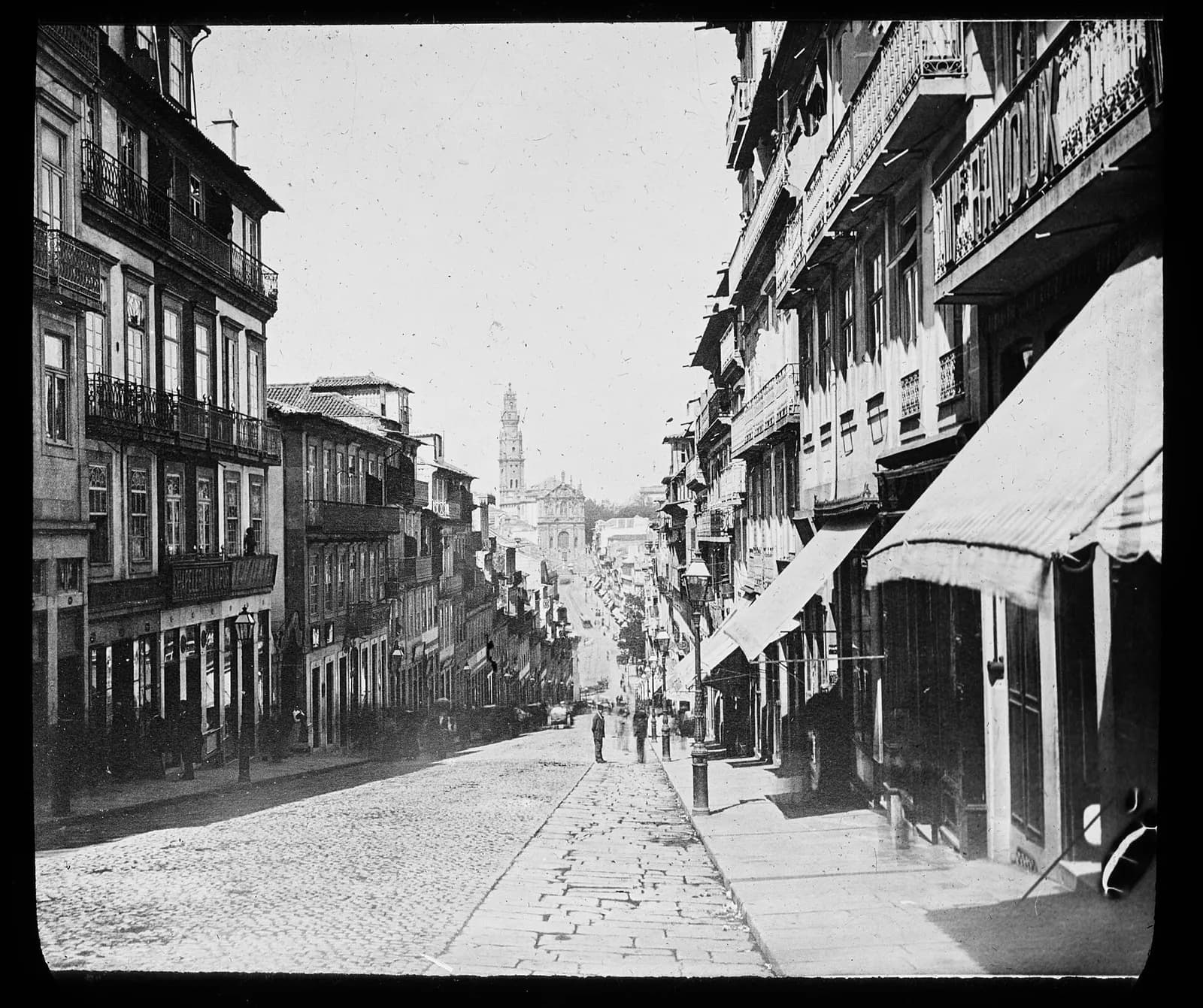
At a glance
- Before dawn on 31 January 1891, two Porto regiments led by their sergeants, with only three junior officers, rose against the monarchy: the first armed attempt to make Portugal a republic.
- The revolt grew out of the anger at the British Ultimatum of January 1890 and was planned by Porto radicals, chiefly the lawyer Alves da Veiga and the journalist Santos Cardoso, against the wishes of the Republican Party's new leadership.
- Shortly after six in the morning Alves da Veiga proclaimed the Republic from the town hall on the Praça de D. Pedro, while a regimental band played A Portuguesa, the march that later became the national anthem.
- When the column climbed the Rua de Santo António, the Municipal Guard opened fire. Twelve dead and about 40 wounded is the usual count, but contemporaries thought it too low; a republican writer in 1912 put the dead at more than 12 but no more than 50.
- Courts-martial held on ships off Leixões convicted about 240 to 270 people. The street where the guard fired, then the Rua de Santo António, is now the Rua de 31 de Janeiro.
Down the Rua do Almada behind a band
At about six on the morning of Saturday 31 January 1891, a column of soldiers came down the Rua do Almada in Porto. The night's fog was lifting. At its head the band of the 10th Infantry Regiment, with some musicians of the 9th, played A Portuguesa, a patriotic march written the year before, and on both sides of the long, narrow street the windows were open.
People leaned out to cheer the army and the Republic. Women waved handkerchiefs. Civilians walked alongside the troops, sure the 18th Infantry was coming over too. Few of the men in the ranks had an officer over them: sergeants had led them out of their barracks in the dark.
“A magnificent spectacle which, I confess, could not rid me of the impression of the final disaster, which drew closer every moment.”
He was right. Within a few hours the revolt was over, its dead lying on the Rua de Santo António and its survivors hiding or under arrest. It was the first attempt to overthrow the Portuguese monarchy by force. The monarchy fell nineteen years later, and the street where the shooting happened now carries the date.
A country insulted, a party divided
On 11 January 1890 Britain demanded that Portugal pull its forces out of the Shire region and the lands of the Makololo and Mashona, near Mozambique. The government gave way quickly, and the humiliation turned much of the country against the politicians and the young king, Carlos I. The ultimatum itself has its own article on this site.
The republicans made the wounded nation their cause. Students founded papers with names like O Ultimatum, edited by Afonso Costa and António José de Almeida, the generation that would make the revolution of 1910. The proclamation of a republic in Brazil on 15 November 1889 encouraged them, and the Anglo-Portuguese treaty of 20 August 1890, which many thought gave away too much, brought the protests back. On 17 September Municipal Guards burst into the Café Martinho in Lisbon and fired on the customers.
The party was growing, but slowly. Portugal had 69 republican centres between 1885 and 1891, five of them in Porto. Most citizens could not vote, yet republicans had won a Porto seat several times since 1878, and in 1890 Lisbon elected three republican deputies. Outside the two big cities the cause had made little headway.
Its leaders believed the Republic would come by evolution: through schools, newspapers and elections. Their directory, dominated by José Elias Garcia, kept to that line in public, to the fury of a younger, radical wing that saw 1890 as the moment to strike.
In private, though, the directory agreed late in 1890 to coordinate with the Porto plotters and sent one of its members, General Francisco de Sousa Brandão, north to look at their preparations. At the party congress in Lisbon on 4 to 6 January 1891, Elias Garcia and Sousa Brandão lost their seats on the directory, and the new strongman, Francisco Homem Cristo, ruled out any revolutionary action.
On 25 January the directory warned members to leave “any disruptive group” to its “selfish isolation”. Two days later an article by Homem Cristo in the republican paper Os Debates suggested that the rumoured rising in Porto was a monarchist provocation.
Sergeants, editors and a lawyer
João Chagas, a young journalist, later explained the choice of Porto. Lisbon was too large and divided; Porto, the city of the liberal revolution of 1820, seemed “the only centre of Portuguese population capable of letting out the first cry of liberty”. The historian Fernando de Sousa thinks the real reason was simpler. Since the 1870s Porto had a small radical group that wanted revolution, led by the lawyer Augusto Alves da Veiga and the journalist Henrique dos Santos Cardoso.
Santos Cardoso, a big, combative man, had been calling for revolution by arms for ten years in his paper A Justiça Portuguesa. Chagas had founded A República Portuguesa in Porto. From September 1890 sergeants and soldiers of the garrison crowded into both newsrooms and into Santos Cardoso's house. Alves da Veiga, a lawyer, journalist and teacher with great standing among Porto republicans, became the civilian chief. The writers Basílio Teles and Sampaio Bruno helped prepare the movement.
The sergeants were the driving force. The Ultimatum had stung their pride as soldiers, and a recent law had made it harder for them to rise to officer. Santos Cardoso had written that the Republic would be made “with the non-commissioned officers and with the soldiers, hand in hand with the popular alliance”. Few officers shared that view.
“It was discussed everywhere, above all in the cafés; and revolutionary opinions were aired in the most public places. Soldiers mixed with civilians; people conspired in the open air. […] The sergeants went about the streets in groups, in uniform. No precautions were taken, no secret kept.”
Secrecy failed in January 1891. The sergeants planned to send the government a written ultimatum of their own on promotions; an informer at the meeting gave the list of signatories to his superiors in the 18th Infantry, and orders went out to transfer sergeants away from Porto. In a panic they told Veiga and Santos Cardoso they would rise at once. Veiga wanted more time to link up with plotters elsewhere. Basílio Teles warned them it would be an isolated, purely military attempt. They would not wait.
Veiga gave in. On 30 January he persuaded a retired general, José Maria Correia da Silva, to take military command if no more senior officer came forward. Two days before the rising Elias Garcia, in Lisbon, received a letter from Veiga saying the date had been brought forward against his will and asking for one or two regiments to rise there too; Garcia's circle sent a sergeant north to stop the rising, who found the troops already in the streets. Chagas was not even free: he was in jail for a press offence.
The night at Santo Ovídio
At about two in the morning of 31 January, the 9th Caçadores (light infantry) and the 10th Infantry marched out of their barracks for the Campo de Santo Ovídio, today's Praça da República. Only two officers came with them, Captain António Amaral Leitão and Lieutenant Manuel Maria Coelho. A second lieutenant, Augusto Malheiro, joined on the way with the detachment guarding the Relação prison. Leitão, by Sousa's account, had only been told that his regiment was going out.
The square faced the barracks of the 18th Infantry, whose men the rebels hoped to win over, and about a hundred customs guards of the Guarda Fiscal joined them there. So little had been kept secret that reporters and onlookers were already waiting. The church bells nearby rang the alarm. Civilians hacked a hole in the barracks gate with axes and poured in, and in the confusion the colonel, João de Lencastre e Meneses, told Leitão that his regiment would soon follow.
30 January
Veiga recruits a retired general
José Maria Correia da Silva agrees to lead if no senior officer comes forward. He never appears.
c. 02:00
Two regiments leave their barracks
The 9th Caçadores and 10th Infantry march to the Campo de Santo Ovídio. Chagas, in jail, had been told it would start at 03:00.
c. 03:00 to 06:00
Three hours at the 18th Infantry's gate
Customs guards join; the crowd breaks into the barracks; the colonel promises support.
c. 06:00
March down the Rua do Almada
The band of the 10th, with some musicians of the 9th, plays A Portuguesa.
Just after 06:00
The Republic proclaimed
Alves da Veiga speaks from the town hall on the Praça de D. Pedro; the actor Miguel Verdial reads out a provisional government.
Morning
Volleys on the Rua de Santo António
The Municipal Guard fires on the column climbing towards the Praça da Batalha.
c. 09:00 to 10:30
The town hall falls
Artillery from the Serra do Pilar shells the building; Jorge d'Abreu says the fight was over by about 9, the Gaia municipal archive says 10, and the Assembleia da República's account 10 to 10:30.
c. 15:00
The last holdout surrenders
Sergeant Galho gives up the 9th Caçadores' barracks.
Same day
State of siege
The government dissolves the 9th Caçadores and 10th Infantry.
A republic proclaimed from the town hall
At about six the rebels gave up waiting and marched for the city centre, following the route of the liberals of 1820. On the Praça de D. Pedro, now the Praça da Liberdade, stood the old town hall, since demolished. The troops formed up around the square, and civilians led by Santos Cardoso appeared at the windows. A man with a rifle fetched the red and green flag of a Porto republican club, the Centro Democrático Federal 15 de Novembro, and Santos Cardoso had it run up the flagpole.
Alves da Veiga spoke from the balcony and proclaimed the Republic. When he began to read the names of the provisional government, the actor Miguel Verdial took the paper from his hands and read it out. It named Porto worthies, among them José Joaquim Rodrigues de Freitas, the first republican elected to parliament, the banker Licínio Pinto Leite and General Correia da Silva. Of those named, Sousa notes, only Veiga was there. The others later denied ever agreeing, and four said so in the papers.
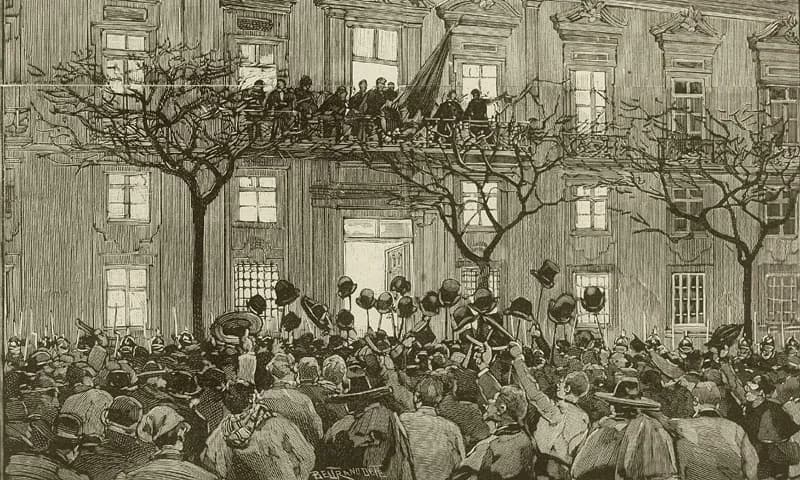
The music mattered. A Portuguesa, by the composer Alfredo Keil and the poet Henrique Lopes de Mendonça, had been written in 1890 as a protest against the Ultimatum, and the monarchy had banned it. After the rebels marched to it in Porto, it became the hymn of the Republican Party.
Volleys on the Rua de Santo António
Then nothing happened. The 18th Infantry did not come, and no other officers appeared. “We have been betrayed,” Leitão told Coelho. Someone in the crowd warned him that the Municipal Guard, the armed police, was holding the Praça da Batalha above, where the military headquarters and the telegraph office stood. The three officers decided against splitting their force to surround it. They were sure the guard would change sides once it saw the army and the people united.
Leitão led the column up the Rua de Santo António, band in front, intending to present himself to the general. The crowd made it feel like a victory parade. At the top, Major José Maria da Graça had drawn up the guard on the stepped terrace of the church of Santo Ildefonso. Halfway up, the people at the front hesitated. Leitão stopped two customs guards from shooting, then raised his arms to show the guard he meant no harm.
The guard fired a volley, aiming low. Why it fired has never been settled. Revez writes that it opened fire without warning; the Gaia municipal archive says two shots, thought to have come from the crowd, were heard first. Jorge d'Abreu adds that the guard's buglers had sounded the halt, which Leitão could not hear over the band.
“No one can describe, or imagine, what the Rua de Santo António was at that moment. The onlookers, most of whom were following the movement out of simple curiosity, fell back headlong, falling, trampling and crushing one another, rushing into stairways and open doors, rolling down the steps of the Passagem do Príncipe Real. In the roadway lay some corpses; the wounded dragged themselves along. The paving was strewn with hats, weapons, helmets, women's shawls, shoes of every kind.”
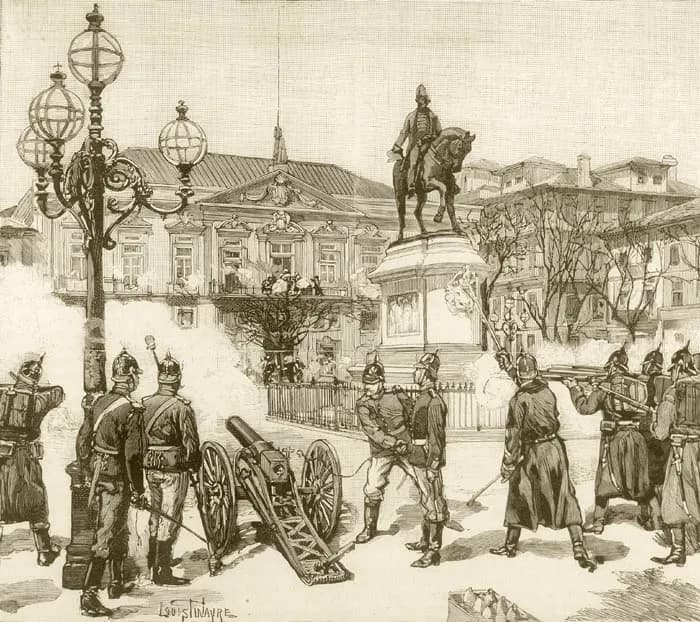
The column dissolved. The 10th Infantry, at the rear, fell back to the town hall; Coelho and Malheiro were trapped in the houses where they had taken cover, and Leitão, grazed on the head, reached the square only later by climbing over garden walls. Some soldiers and customs guards fired back from doorways and from the windows of the Café Suisso on the square until their ammunition ran out.
The government's forces then brought up two guns from the Serra do Pilar, across the river. About 300 rebels were barricaded in the town hall when a cannon shot broke open its door. Basílio Teles and two companions tried to get a socialist leader to bring the workers out and barricade the outer streets, but the factories were shut and there was no time. By mid-morning it was over.
How many died
The authorities never published a reliable count. A day after the revolt the figure going round was twelve dead, most of them municipal guards, and twelve dead and about 40 wounded is the number repeated today. Porto did not believe it: for a long time people said the rebels' bodies in the city cemeteries ran into the hundreds.
| Source | Dead | Wounded | Comment |
|---|---|---|---|
| Figure circulating 24 hours later, reported by Jorge d'Abreu (1912) | 12, mostly municipal guards | Not given | d'Abreu thought it too low |
| O Primeiro de Janeiro, 1 February 1891, lists reprinted by d'Abreu (Lisboeta's count) | 11 listed, in hospitals and in the streets | 36 seriously wounded listed in three hospitals | Many of the wounded later died |
| Jorge d'Abreu's own estimate (1912) | Not more than 50 buried | Not given | Rumour in Porto spoke of hundreds |
| Ricardo Revez, Assembleia da República (2021) | 12 | 40 | “Probably far below the reality” |
| Gaia municipal archive (2021) | 12 | About 40 | Wounded taken to the Misericórdia, Terço and military hospitals |
The figures for O Primeiro de Janeiro are Lisboeta's count of the entries in the lists d'Abreu reprints: 11 dead (1 at the Terço hospital, 4 at the Misericórdia, 6 in the streets) and 36 wounded (17 at the Terço, 14 at the Misericórdia, 5 at the military hospital); a few entries give no name. A police note listing 147 rifles and 92 helmets picked up afterwards shows how many men dropped their weapons in the panic, not how many died, as d'Abreu points out.
The newspaper lists show who stood in the street. Among the wounded were soldiers, municipal and customs guards, a cork worker, a cigar maker, a mason, a tailor, a hatter, a student and a newspaper editor. Maria Custódia Alves, a seamstress, was hit in the neck as she watched from a window. On Sunday crowds walked the Rua de Santo António and the squares to look at the damage.
Courts-martial on a winter sea
Porto was put under a state of siege the same day, and the two rebel regiments were disbanded. Forty-eight hours later decrees gave military courts sole jurisdiction over the crime of rebellion. There were jails enough in the city, but the government feared the public would take too close an interest in the trials, so it held them at sea.
Three ships were anchored at Leixões, the harbour then being built near Porto: the navy transport Índia, the corvette Bartolomeu Dias and the mail steamer Moçambique, with an old hulk for the overflow. The Moçambique took Chagas, Santos Cardoso, Leitão, Coelho, Homem Cristo, whom Santos Cardoso had named as an arms supplier, and the civilians. The courts sat at the end of February. The exiles later wrote of trials held on a sea “beset by an exceptional winter”, and of a ship that broke loose one stormy night.
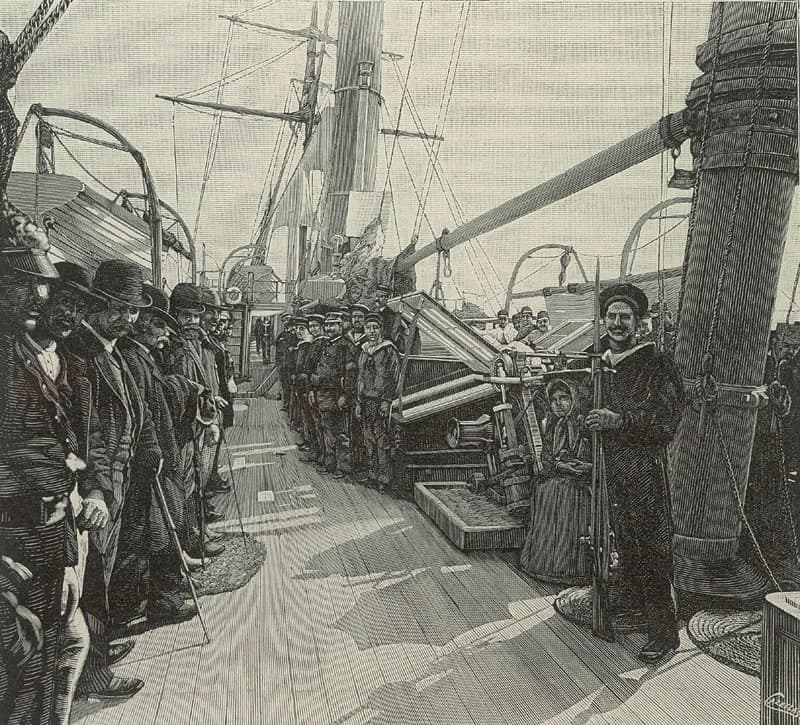
Few doubted, d'Abreu wrote, that the verdicts had been settled in advance. Some defendants answered back. First Sergeant Abílio of the 9th Caçadores, who by d'Abreu's account had raised the first cry of “Viva a República” in his barracks that night, was asked whether he was a republican of evolution, one of those who hoped to win a majority of the nation peacefully through propaganda. He replied:
“No, sir. I am convinced that by evolution we shall not have the republic in Portugal even a century from now.”
Counts of the accused and convicted differ a little. Maria Antonieta Cruz gives 505 soldiers charged and 238 convicted, plus 22 civilians accused; A. H. de Oliveira Marques gives 480 tried and 268 convicted, 7 of them civilians. The Gaia archive sums them up as about 250 people sentenced to terms of 18 months to 15 years.
The heaviest sentences were years of cellular prison, followed by or exchangeable for degredo, penal exile overseas. D'Abreu believed only one of those sentenced to prison was ever taken to the Lisbon Penitentiary; the rest were shipped to penal settlements in the colonies.
Soldiers convicted after the revolt, by rank
people
The 238 soldiers convicted out of 505 charged, as given by Maria Antonieta Cruz (2010). A. H. de Oliveira Marques gives 2 officers (Second Lieutenant Malheiro had escaped), 22 sergeants and 237 corporals and soldiers, plus 7 civilians.
Show the data
| Convicted by the courts-martial | |
|---|---|
| Officers | 3 |
| Sergeants | 23 |
| Corporals | 49 |
| Soldiers | 163 |
| Name | Role | Outcome |
|---|---|---|
| Captain António Amaral Leitão | Senior officer with the rebels | 6 years' prison and 10 years' degredo |
| Lieutenant Manuel Maria Coelho | Officer with the rebels | 5 years' degredo, served in full |
| Henrique dos Santos Cardoso | Journalist, A Justiça Portuguesa | 4 years' prison and 8 years' degredo; amnestied 1893 |
| João Chagas | Journalist, A República Portuguesa; in jail on the day | 4 years' prison, or 6 years' degredo; amnestied 1893 |
| Miguel Verdial | Actor who read the government list | 2 years' prison |
| Felizardo de Lima | Journalist, O Radical | 18 months' prison |
| Francisco Homem Cristo | Republican Party leader, accused of supplying arms | Acquitted |
| Aurélio da Paz dos Reis | Photographer, later a cinema pioneer | Acquitted |
| Augusto Alves da Veiga | Civilian chief, proclaimed the Republic | Escaped to Paris; returned after 1910 |
| Second Lieutenant Augusto Malheiro | Officer with the rebels | Escaped to Brazil by way of Spain |
Sentences as given by Cruz, Sousa and d'Abreu. Cruz gives Chagas 4 years' prison plus 6 years' degredo; d'Abreu's list of sentences gives the degredo as the alternative. Basílio Teles and Sampaio Bruno also went into exile.
Exile, amnesty and a street name
In Madrid, Sampaio Bruno wrote a manifesto for the exiles, signed by Veiga, Teles, the lawyer António Claro and 46 others. It denied rumours that the rebels had meant to loot the city or sell out Portugal to Spain, and it answered the charge that the rising had come too soon. Had it been untimely, they asked, because it tried to end the monarchy before its time? “It will only be time when the monarchy has finished off Portugal.”
Almost everyone else disowned the revolt. The Republican Party stressed that it had no part in it, and the masonic Grande Oriente Lusitano suspended Veiga and any brother implicated. Porto's council condemned the rising on 12 February while blaming “errors of many years” for it, and when Carlos I visited the city that November he was cheered.
Clemency came unevenly. An amnesty in 1893 let civilians such as Chagas and Santos Cardoso come back from degredo, and Teles and Bruno from exile, but it did not cover the soldiers. The Republican Party went through a crisis and only regained weight about a decade later.
Historians still argue about what the revolt achieved. Rui Ramos sees its contribution to the Republic as insignificant; Fernando Catroga calls it premature and in the wrong place. For Sousa it was the first and most important forerunner of 5 October 1910, because it showed the republicans that power would come through revolution, not the ballot box.
After the Republic was proclaimed in Lisbon on 5 October 1910, the Provisional Government began restoring the expelled soldiers of 1891 to the army, with compensation that some thought unfair. A Portuguesa became the national anthem on 19 June 1911. The new flag was green and red, and Sousa argues those colours won because the Porto rebels had fought under them. Chagas became prime minister in September 1911, and Coelho led a short-lived government in October and November 1921.
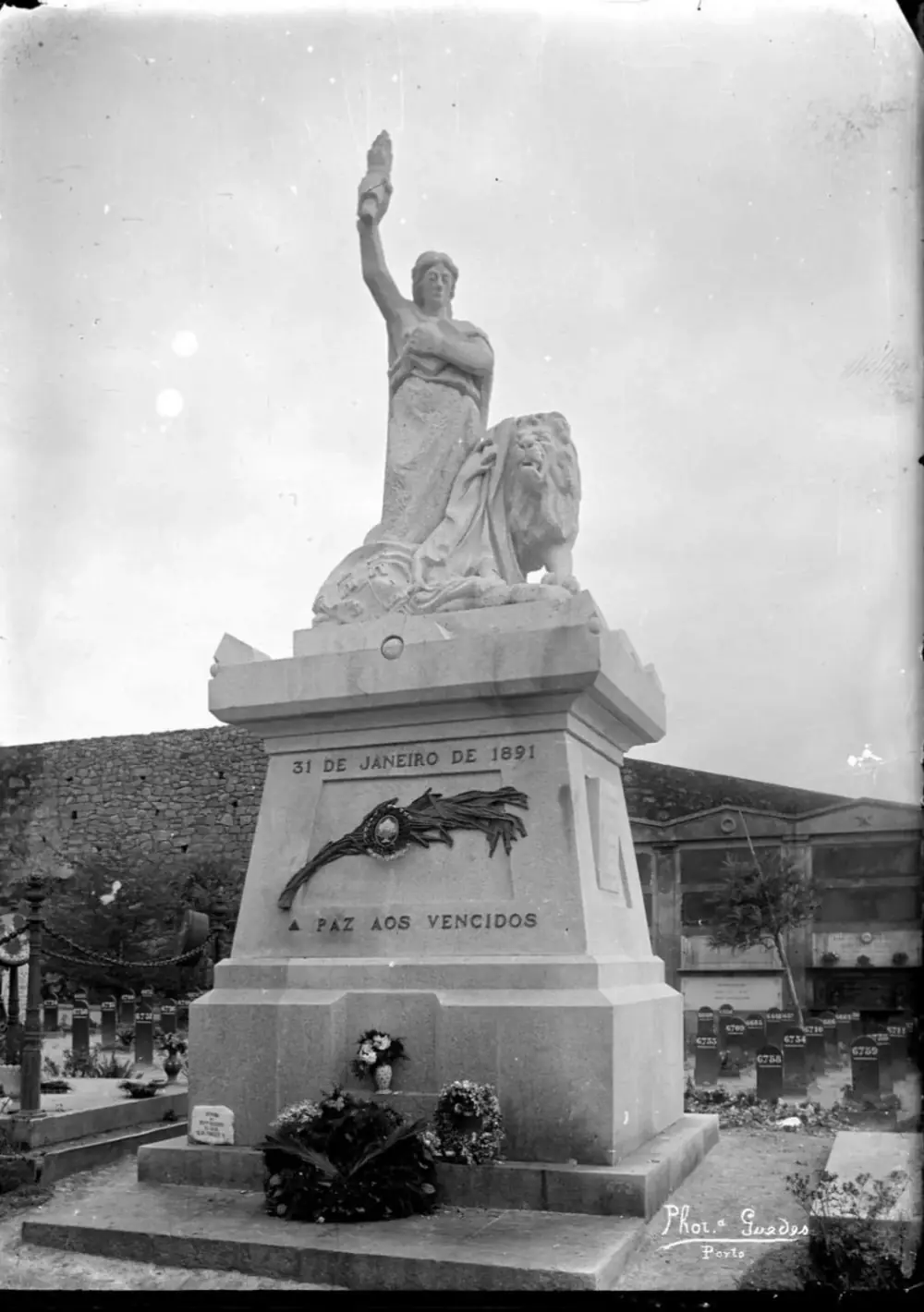
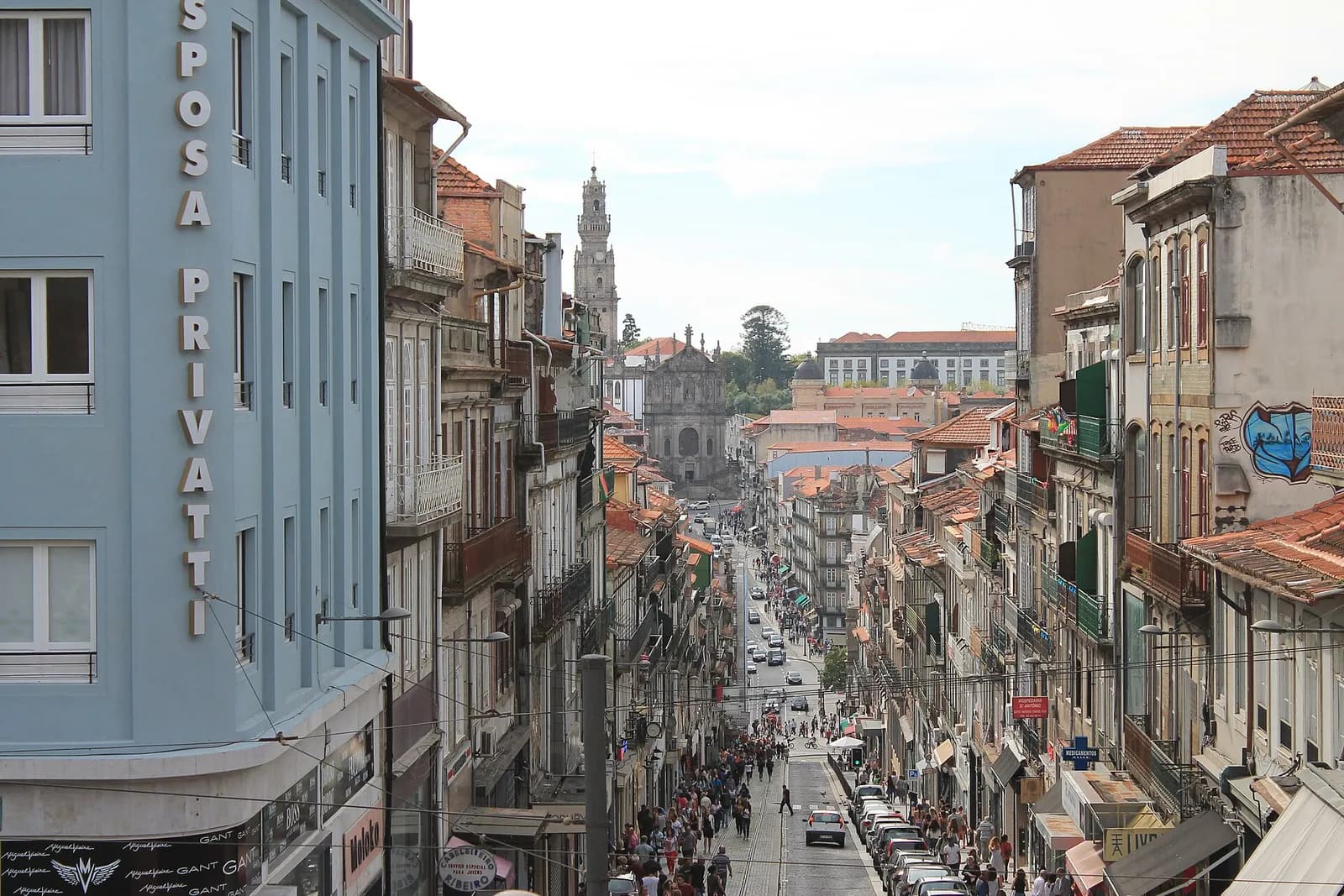
Porto kept the memory. The Rua de Santo António became the Rua de 31 de Janeiro; according to the local historian Lynne Booker, writing in Portugal Resident, the new republican council renamed it soon after the Republic was declared. From 1911, Sousa notes, 31 January was kept as Sergeants' Day. A benefit association founded after the revolt raised a monument to the dead in the Prado do Repouso cemetery, and under the Estado Novo dictatorship democrats gathered there on the anniversary, often in the face of police repression.
FAQs
What happened in Porto on 31 January 1891?
Two regiments of the Porto garrison, led mostly by sergeants and joined by customs guards and civilians, rose against the monarchy. They proclaimed the Republic from the town hall, but the Municipal Guard fired on their column on the Rua de Santo António and artillery forced the last rebels out of the town hall by mid-morning.
Why did the revolt fail?
The sergeants brought it forward when some of them were about to be transferred, so it was unprepared. Only three junior officers joined, the 18th Infantry never came out, the Republican Party's leaders opposed it, Lisbon did not rise, and the column marched up the Rua de Santo António expecting the Municipal Guard to change sides.
How many people died in the 31 January revolt?
The figure usually given is 12 dead and about 40 wounded, but it comes from the day after the revolt and contemporaries thought it too low. A newspaper listed 11 dead and 36 seriously wounded, and the republican writer Jorge d'Abreu estimated in 1912 that more than 12 but no more than 50 were buried.
Why is a street in Porto called Rua 31 de Janeiro?
It was the Rua de Santo António, where the Municipal Guard shot down the rebel column, and it now carries the date of the revolt. According to the local historian Lynne Booker, Porto's new republican council renamed it soon after the Republic was established in 1910.
On the timeline
Open the timelineNearby moments from regeneration and the last kings (1851–1910).
Death of Camilo Castelo Branco at his home in Seide, near Vila Nova de Famalicão. Facing progressive blindness from neurosyphilis and overwhelmed by years of personal misfortune, the prolific Romantic novelist takes his own life with a revolver. His vast catalogue — more than 260 works, including 'Amor de Perdição' — secures his reputation as one of the founders of the modern Portuguese novel.
The Coliseu dos Recreios, Lisbon's great iron-domed performance hall on the Rua das Portas de Santo Antão, is inaugurated with a performance of Franz von Suppé's operetta 'Boccaccio'.
In the aftermath of the British Ultimatum, Portugal and Britain sign the Treaty of London defining the frontiers of Angola and Mozambique; public outrage prevents its ratification in Lisbon, brings down the government, and forces its replacement by a new treaty in 1891.
The Porto revolt of 31 January 1891
In the first attempt to found a republic in Portugal, soldiers led mostly by sergeants rise in Porto, angered by the monarchy's surrender to the British Ultimatum. They proclaim the republic from the windows of the town hall before the Municipal Guard crushes the revolt; the street where the fighting raged is now Rua 31 de Janeiro.
The poet Antero de Quental, a central figure of the Generation of '70, dies by suicide in Ponta Delgada on his native island of São Miguel in the Azores.
The Campo Pequeno bullring is inaugurated in Lisbon. Designed by the architect António José Dias da Silva in neo-Moorish style with red-brick towers, it remains the city's principal arena for bullfights and concerts to this day.
Birth of Aníbal Augusto Milhais — better known as 'Soldado Milhões' ('Soldier Millions') — in Valongo, near Murça in Trás-os-Montes, a village later renamed Valongo de Milhais in his honour. In April 1918, at the Battle of the Lys, the lone private covers the retreat of his Portuguese and British comrades with a Lewis gun, earning the Tower and Sword on the battlefield.
Coming up in history
All long reads 2 February 1542Cristóvão da Gama storms Baçente: Portugal's war in Ethiopia, 1542
 3 February 1488Bartolomeu Dias passes the Cape unseen and lands at Mossel Bay, 1488
 4 February 1961The night Luanda's prisons were attacked: 4 February 1961
 5 February 1570Gaspar da Cruz, the plague friar who wrote Europe's first book on China
10 sources
Archives, scholarship and reporting this article was checked against.
- 1
A revolta republicana de 31 de Janeiro de 1891, by Ricardo RevezComunicAR, Assembleia da República, July 2021
- 2
A Revolta de 31 de Janeiro de 1891, by Fernando de SousaFaculdade de Letras da Universidade do Porto, Estudos em homenagem a João Francisco Marques
- 3
O golpe de 31 de Janeiro de 1891: uma ousadia breve?, by Maria Antonieta CruzRevista da Faculdade de Letras: História, Universidade do Porto, III série, vol. 11 (2010), pp. 11–31
- 4
A Revolução Portugueza: O 31 de Janeiro (Porto 1891), by Jorge d'AbreuCasa Alfredo David, Lisbon, 1912 (Project Gutenberg edition)
- 5
- 6
31 de Janeiro de 1891: vale a pena assinalar a audácia democrática 130 anos depoisCâmara Municipal de Vila Nova de Gaia, Arquivo Municipal Sophia de Mello Breyner, 2021
- 7Rua de 31 de Janeiro: the story behind the street name, by Lynne BookerPortugal Resident, 13 January 2021
- 8
“Bretões” ou “canhões”? A história do hino de PortugalRFM
- 9
Chefes do Governo desde 1821República Portuguesa, Governo de Portugal
- 10
Rua 31 de JaneiroVisit Porto, Câmara Municipal do Porto
Image credits
- The Rua de Santo António in Porto, looking down towards the Clérigos tower, in a photograph from Alexandre Boutroue's French mission to Portugal, shown at his lecture to the Société de Géographie in Paris in June 1891. On 31 January that year the Municipal Guard fired down this street on the rebel column. It is now the Rua de 31 de Janeiro. Boutroue, Alexandre (1846-1899). Chef de la mission. Auteur de la conférence. Photographe présumé Molteni. Photographe présumé, Public domain, via Wikimedia Commons.
- The proclamation of the Republic from the balcony of Porto's town hall on 31 January 1891, in an engraving of the same year by Tony Beltrand and Eugène Dété. Tony Beltrand & Eugène Dété, Public domain, via Wikimedia Commons.
- Municipal guards, with a field gun, attack the rebels holding the town hall on the Praça de D. Pedro, beside the equestrian statue of Pedro IV. Engraving by Louis Tinayre, 1891. Tinayre, Louis, 1861-1941, Public domain, via Wikimedia Commons.
- Prisoners of the 31 January revolt under guard on the deck of the transport Índia at Leixões, in an engraving published in 1891. Unknown author, Public domain, via Wikimedia Commons.
- The monument to the dead of 31 January 1891 in the Prado do Repouso cemetery, Porto, photographed in the 1910s. The inscription reads “A paz aos vencidos”, peace to the defeated. Foto Guedes. 1885-1932, Public domain, via Wikimedia Commons.
- The Rua de 31 de Janeiro in 2016, seen from the church of Santo Ildefonso, where the Municipal Guard stood in 1891, with the Clérigos tower in the distance. John Samuel, CC BY-SA 4.0, via Wikimedia Commons.