

The attack on Tite and Portugal's war in Guinea, 1963 to 1974
Half an hour of gunfire at a barracks in the south of Portuguese Guinea opened an 11-year war. The officers who fought it went on to bring down the dictatorship, and Portugal recognised the state the guerrillas had proclaimed.
At a glance
- In the early hours of 23 January 1963, PAIGC guerrillas fired on the Portuguese barracks at Tite, in the south of Portuguese Guinea; the PAIGC and Portuguese military historians both date the war from that night.
- The PAIGC, led by the agronomist Amílcar Cabral, had turned to armed struggle after police and soldiers fired on striking sailors at the Pidjiguiti quay in Bissau on 3 August 1959.
- By 1972 a UN mission found that Portugal no longer had effective control of large areas of the colony; from 1968 General António de Spínola tried to win back the population with his “Better Guinea” programme.
- Cabral was shot dead in Conakry on 20 January 1973, but the PAIGC proclaimed independence at Madina do Boé on 24 September 1973, after Soviet Strela missiles had challenged Portugal's command of the air.
- Officers serving in Guinea started the protests that became the Armed Forces Movement; after the revolution of 25 April 1974, Portugal recognised Guinea-Bissau on 10 September 1974.
A quarter to two at Tite
Gabriel Moura was on sentry duty at Tite when the shooting started, in the small hours of 23 January 1963. Tite, a small post in the southern region of Quinara, held the headquarters of a Portuguese infantry battalion, a mortar platoon and a maintenance detachment. Moura, a soldier from Gondomar, was the first to fire back. By his fellow veterans' account, he emptied his magazines, probably three, and threw both of the grenades he had been issued.
The attackers were men of the PAIGC, the African Party for the Independence of Guinea and Cape Verde. The historian José de Matos, drawing on the governor's telegram to Lisbon that day, counts 15 to 20 of them. They kept the barracks under heavy fire for about half an hour.
One Portuguese soldier died: Veríssimo Godinho Ramos, a driver from Vale de Cavalos, near Chamusca. Veterans still do not know whether the shot that killed him came from the attackers or from his own side. Matos gives one Portuguese dead and two wounded, and three attackers killed. A 1981 summary of the battalion's record, quoted by veterans, counts one dead and one wounded, and eight attackers confirmed dead.
- Date
- Before dawn on 23 January 1963; about 01:45, by the attackers' later account
- Place
- Portuguese barracks at Tite, Quinara region, Portuguese Guinea (now Guinea-Bissau)
- Garrison
- Command of Caçadores Battalion 237, Mortar Platoon 19 and a maintenance detachment
- Attackers
- 15 to 20 PAIGC guerrillas, by José de Matos's count; led by Arafan Mané
- Duration
- About half an hour
- Dead
- 1 Portuguese soldier; 3 to 8 attackers, depending on the source
It was a small fight, but both the PAIGC and Portugal's own commission for the history of the African campaigns date the war in Guinea from Tite. It lasted until 1974.
A small colony and a new party
Portuguese Guinea was a small, flat, river-cut territory on the West African coast between Senegal and the French colony of Guinea, which became independent in 1958. Portugal was ruled by the Estado Novo, the dictatorship built by António de Oliveira Salazar, and it treated its colonies as overseas provinces that could never be given up. In 1961 war had broken out in Angola; Guinea followed in 1963 and Mozambique in 1964.
The man who organised the revolt was Amílcar Cabral, born in Bafatá on 12 September 1924. He won a scholarship to the Instituto Superior de Agronomia in Lisbon in 1945, where he joined other African students searching for their roots, and went home as an agronomist to carry out Guinea's agricultural census. The colonial authorities soon allowed him to stay in Guinea only once a year.
According to the accepted account, Cabral proposed a party for the independence of Guinea and Cape Verde to a circle of friends in Bissau on the afternoon of 19 September 1956. It was called the African Party for Independence (PAI). The PAIGC still celebrates that date: it marked its 70th anniversary in Lisbon on 19 September 2026, naming six founders, among them Cabral, his brother Luís Cabral and Aristides Pereira.
The shooting at Pidjiguiti
The turning point came on the Bissau waterfront. In July 1959 the sailors and dockers of the river boats, most of them Manjaco men who also loaded and unloaded cargo, demanded higher pay from the trading house Casa Gouveia. On the morning of 3 August a meeting with its manager, António Carreira, failed, and the boat captains called a gathering on the Pidjiguiti quay for three in the afternoon to hand back the boats.
At about four, a police chief ordered the men back to work, pushed them and slapped one. The sailors fought back with oars, sticks, iron bars and harpoons. Police reinforcements arrived and an order to fire was given, by the military commander or, in other accounts, by a police lieutenant. For about five minutes police and soldiers fired and threw grenades at strikers trying to escape through the quay's closed gates, and kept firing at those who fled into the water and across the mud.
Nobody agrees how many died. The colonial inquiry named nine dead and fourteen wounded; an account based on the Catholic mission counted 13 to 15 bodies on the quay and more carried away by the river. In January 1960 an anti-colonial manifesto spoke of 50 dead, and that figure, never proved and blurring dead, wounded and missing, became the one repeated ever since.
Deaths at Pidjiguiti, 3 August 1959, as counted by different sources
dead
All figures as given in António Duarte Silva's study. The mission-based account counted 13 to 15 dead on the quay plus an unknown number in the river. Cabral wrote of 7 dead in a letter of 7 August and of 24 dead and 35 wounded after visiting Bissau in September. The 50 of the anti-colonial manifesto of January 1960 does not distinguish dead from wounded and missing.
Show the data
| Dead reported | |
|---|---|
| Cabral, 7 Aug 1959 | 7 |
| Colonial inquiry | 9 |
| Naval command report | 9 |
| Le Monde | 12 |
| Mission account (quay only) | 13 |
| Mário Dias, soldier | 16 |
| Cabral, 24 Sep 1959 | 24 |
| Manifesto, Jan 1960 | 50 |
The PAI does not seem to have been behind the strike. The historian Leopoldo Amado, quoted by Duarte Silva, credits activists of a rival group, the Movement for the Liberation of Guinea, and says the PAIGC claimed the day as its own only later. But Cabral drew the lesson. At a meeting in Bissau on 19 September 1959 the nationalists decided to stop urban protests, organise the peasants, prepare for armed struggle and move part of the leadership abroad, with Cabral going to Conakry, capital of independent Guinea.
From Conakry the party trained cadres and looked for weapons. Czechoslovakia became an early sponsor in 1961, providing arms, cash and training; Cabral preferred smuggling guns in through Morocco and Algeria to the sabotage his Czechoslovak sponsors urged on him. In early 1963 the Guinean government agreed to let arms reach the PAIGC freely through Conakry.
From Tite to Cassacá
The PAIGC presented Tite as the start of a war launched by decision of the party. Arafan Mané, who led the attack and is said to have fired the first burst, told a different story in 2001, in an interview with the Guinean armed forces' paper O Defensor. As summarised by Portuguese veterans, he described a haphazard raid by young fighters, with no clear command and without the approval of the party's leadership. He was perhaps 17 at the time.
The guerrillas spread fast in the south. Carlos Fabião, who served in Guinea as a major under Spínola and headed its government in 1974, wrote that Portugal lost control of the south and centre-west of the colony in the first months of fighting, keeping the east, where the Fula people stayed loyal, and the island of Bissau. Attempts to retake the south in 1964 to 1967 ended in defeats, he wrote, starting on the island of Como.
In January 1964 Portugal launched Operation Tridente on the Como islands, which José de Matos calls the largest operation ever mounted in Guinea. A pro-PAIGC account in Ghanaian newspapers that year said the force of some 3,000 men withdrew in April, leaving Como in guerrilla hands. Meanwhile, from 13 to 17 February 1964, Cabral held the party's first congress at Cassacá, in the liberated south; his biographer Carlos Comitini calls it a decisive change in the course of the struggle.
The congress also dealt with abuses. José Teixeira, a Portuguese veteran who later spoke to men on both sides, writes that some guerrilla chiefs recruited by force and killed village heads who refused, and that Cassacá was called partly to end such abuses and win back the people's trust. By November 1965 the party's watchwords called for political committees of commissars and commanders in every unit of the People's Army.
“We must combat the mania of militarism and make each combatant an exemplary militant of our Party.”
Liberated zones, napalm and foreign help
By the late 1960s the PAIGC ran what it called liberated areas, with their own schools, health services, administration and courts. In December 1968 Cabral claimed they covered about 60 per cent of the territory and half the population. Portugal dismissed such claims; in October 1973 its foreign minister, Rui Patrício, told the Americans that the PAIGC's claim to control three-quarters of the country was “a complete lie”.
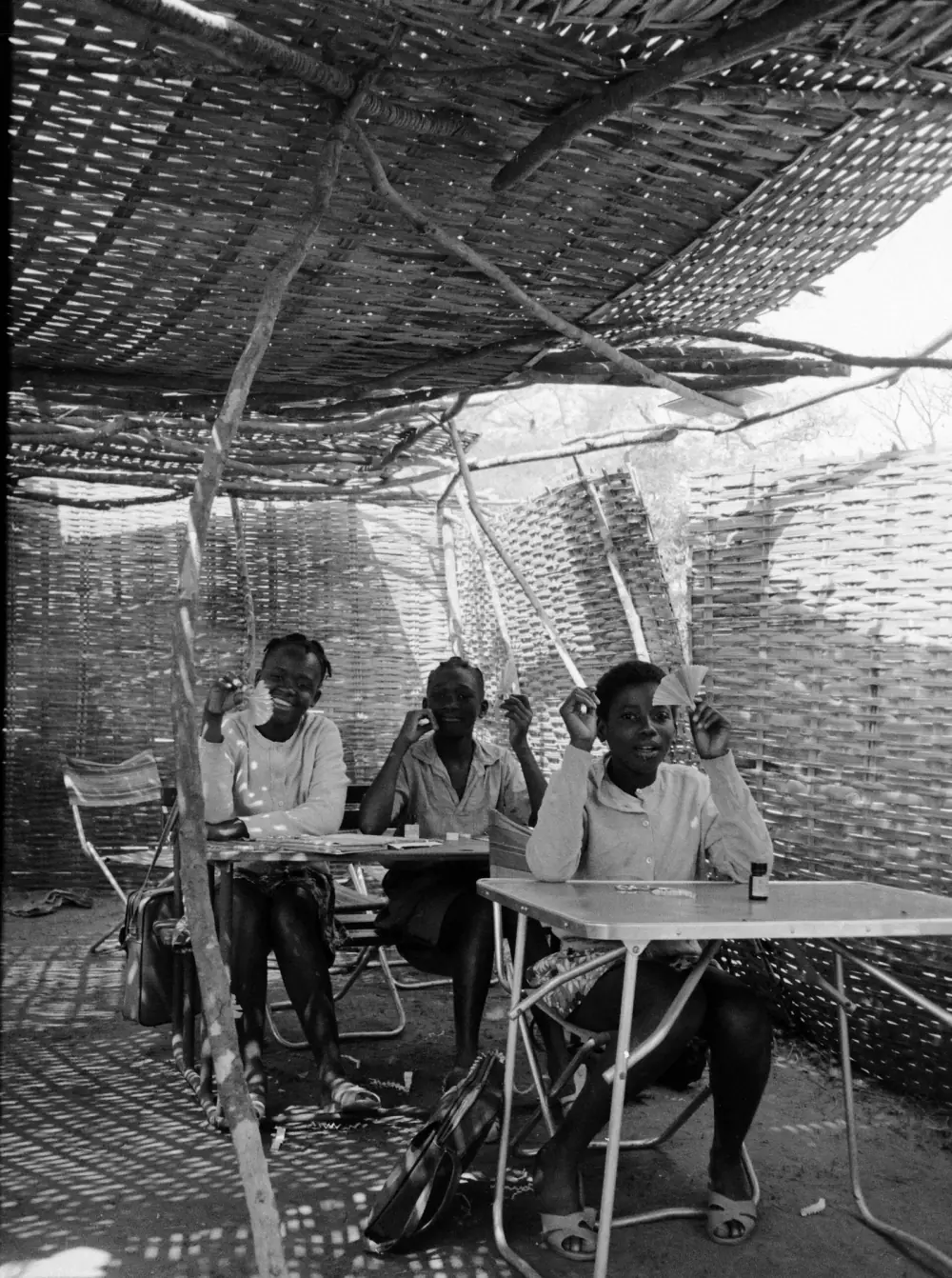
In April 1972 three UN diplomats from Ecuador, Sweden and Tunisia crossed from Guinea-Conakry and spent six nights in the liberated areas. They visited a school hidden in the forest for fear of air attack, where 65 children learned in temporary huts, and recorded the PAIGC's claim of more than 200 schools with over 20,000 pupils. Their report concluded that Portugal “no longer exercises any effective administrative control in large areas” of the territory.
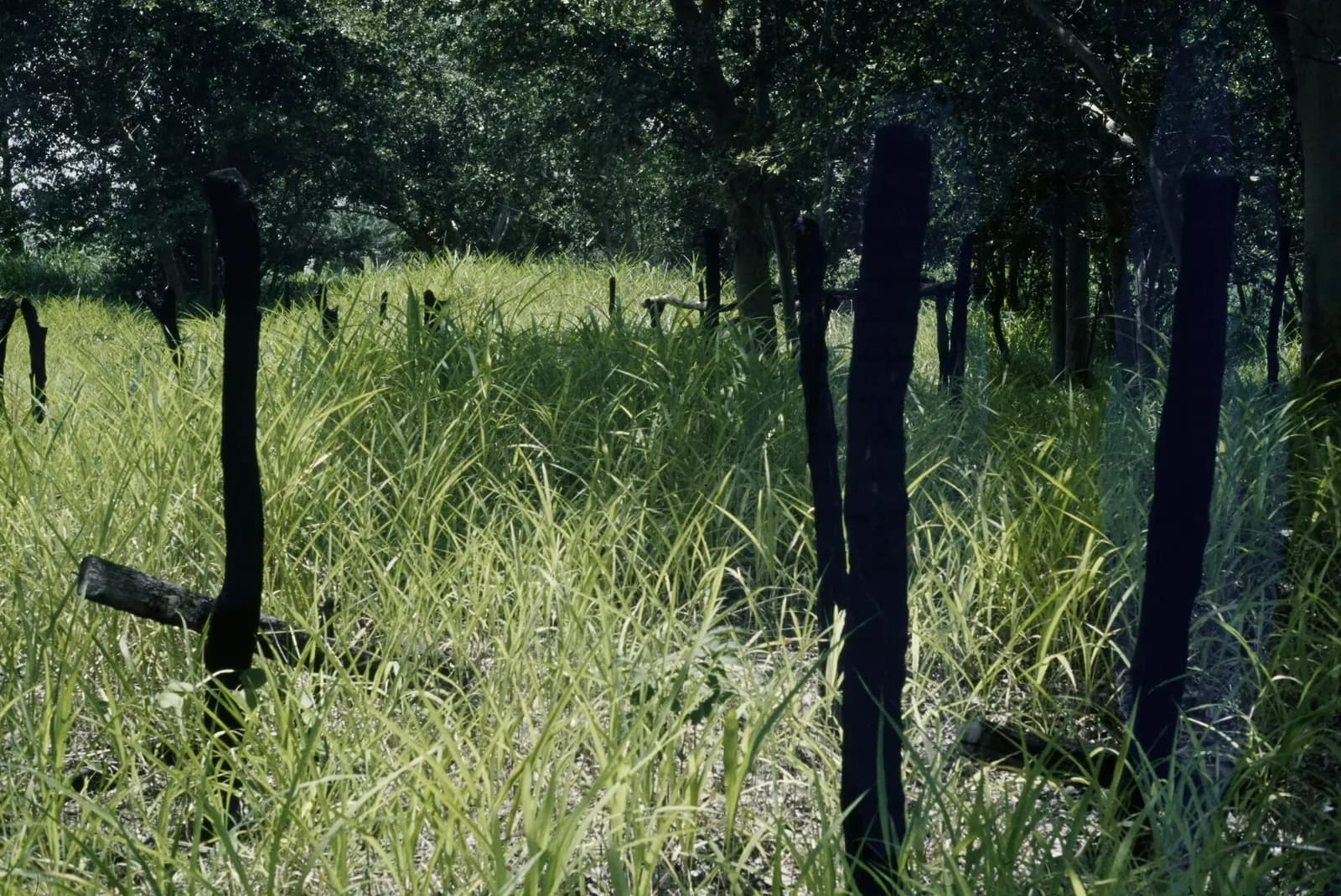
The war fell hard on villagers. The UN mission reported “widespread and indiscriminate bombing of villages and the use of napalm to destroy crops”. Four villages in its vicinity were destroyed during the visit, and the PAIGC said Portuguese forces had destroyed two hospitals, a health centre and three schools and killed 25 people in the area during those days. Former PAIGC fighters have told Portuguese veterans of terror by Portuguese troops in inland villages that drove them into the bush and into the war.
The PAIGC's weapons came mostly from the Soviet bloc. The historian Natalia Telepneva puts Soviet aid between 1963 and 1973 at 21.7 million roubles in military help and 4.4 million in humanitarian aid. Cuban advisers arrived in large numbers after 1966, though Cabral often disagreed with them over strategy.
The PAIGC freed captured Portuguese soldiers in 1968, and Cabral urged the people of Portugal to demand their sons back from “an unjust cause”.
“We have always clearly proclaimed that we never confuse the people of Portugal with Portuguese colonialism.”
Spínola's “Better Guinea”
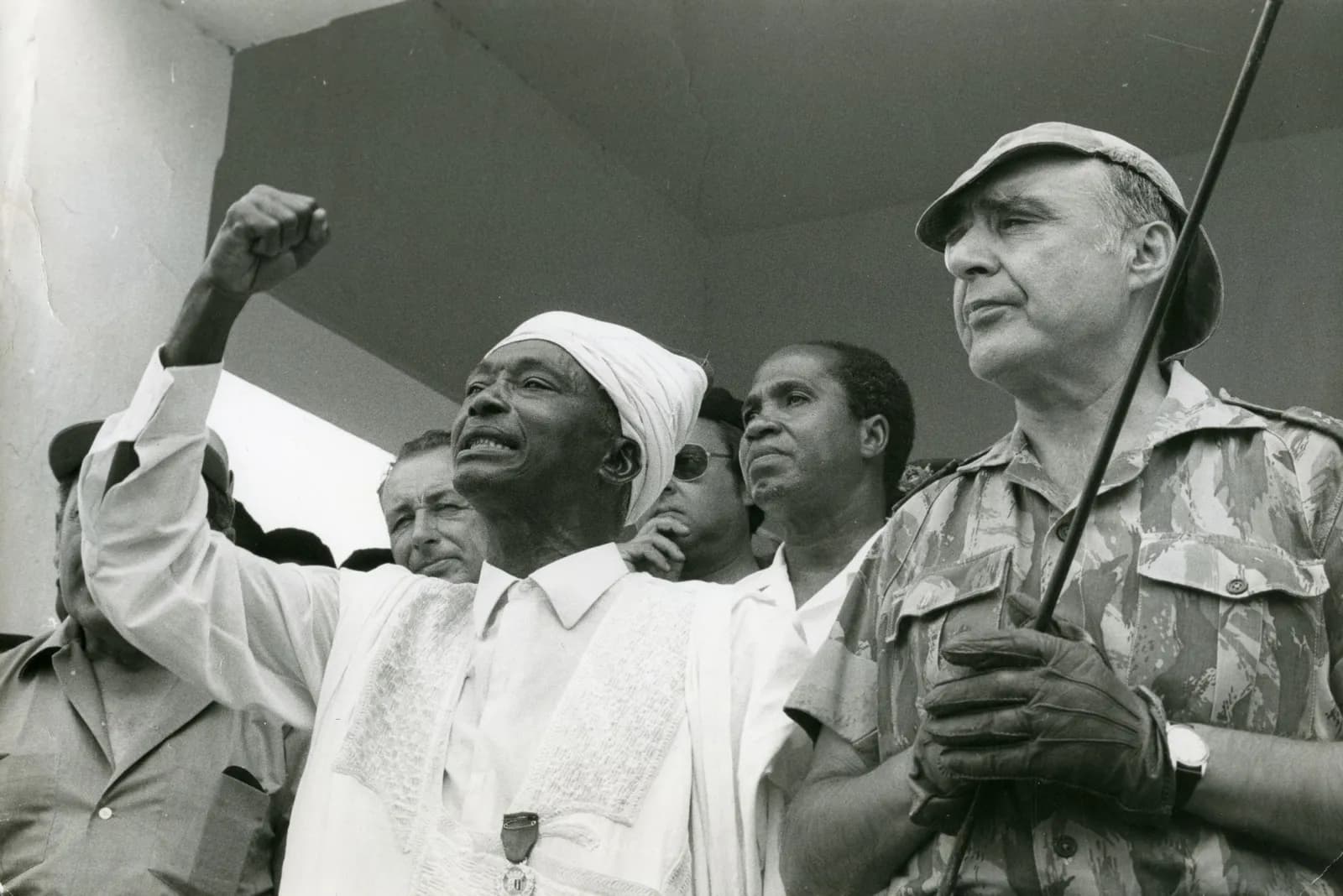
At the end of May 1968 Brigadier António de Spínola arrived in Bissau as both governor and commander-in-chief. He found the PAIGC in control of the whole south and pressing on the west, and he sent several senior commanders home. Then he gathered his unit commanders in the governor's palace and set out his plan.
“A subversive war is not won militarily; therefore he was not going to ask the soldiers to win it, only to ask them not to lose it; victory would have to be achieved by the government in the political field.”
Under the slogan “Por uma Guiné Melhor”, for a better Guinea, Spínola promised schools, health posts and cheap housing. He wrote that the war would be won by “the force of reason” more than by arms. People's congresses, whose final sessions in Bissau grouped delegates by ethnic group, advised the government. An African Force of local troops and militias defended the new villages.
The core of the plan was resettlement. Scattered hamlets were concentrated into strategic villages, the reordenamentos, which were easier to defend and to supply. At Nhabijões, near Bambadinca, about 2,000 people from four villages were moved into a camp of 300 houses between 1969 and 1971. Officially nobody was forced; colonial reports, the researcher Francesca Vita found, describe people reluctant to leave their sacred land, and old villages destroyed once they had gone.
Spínola also gave up posts he could not hold, among them Madina do Boé, in the east. He tried force beyond the border: in November 1970 a Portuguese raid on Conakry freed 26 prisoners but failed to topple the Guinean government. And he tried talks, through President Léopold Senghor of Senegal, who proposed a ceasefire, autonomy and eventual independence. According to Fabião, Marcelo Caetano, Salazar's successor, stopped the contacts, saying Portugal could accept a military disaster in Guinea but never a political concession.
Murder in Conakry
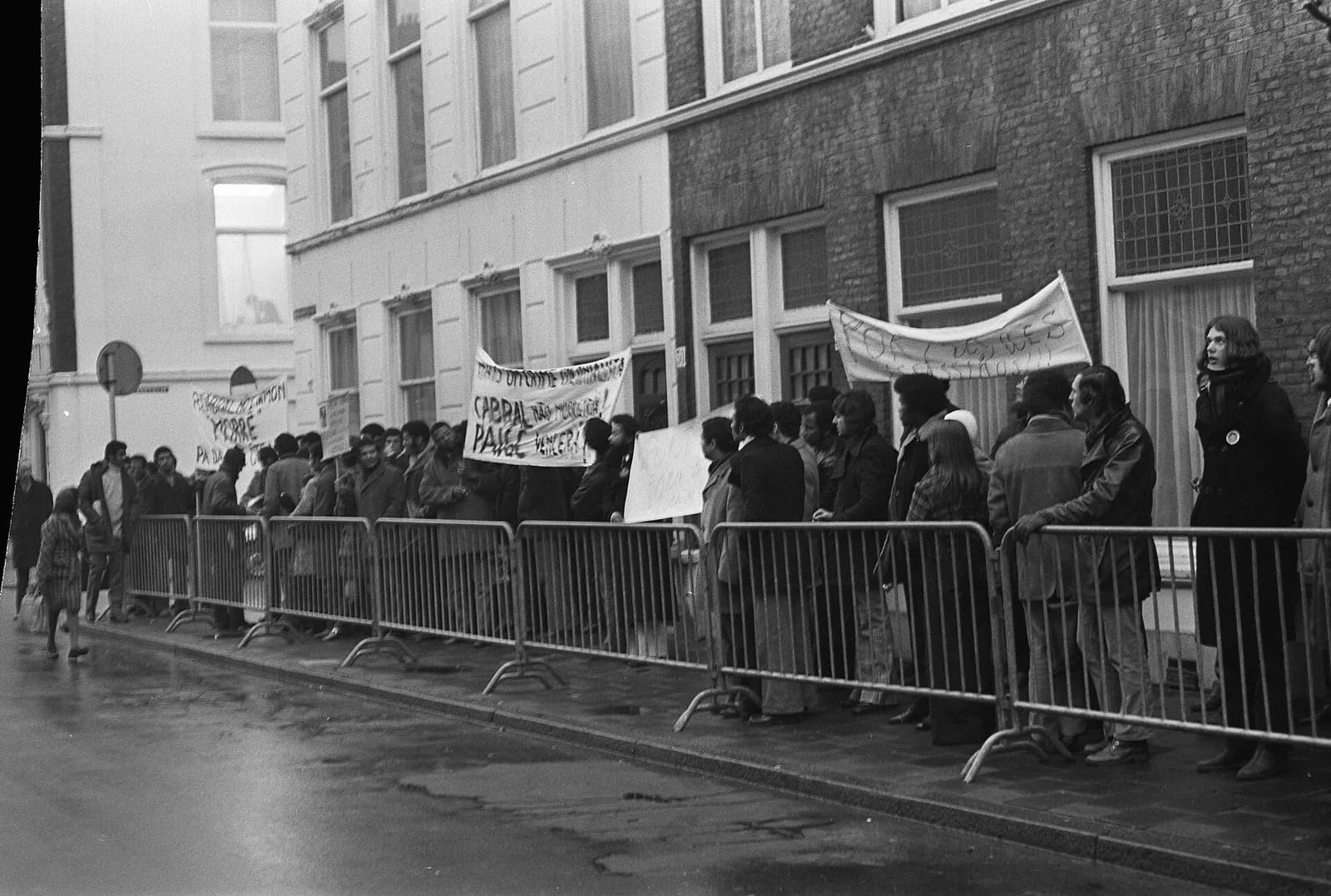
On the evening of Saturday 20 January 1973, Cabral left a reception at the Polish embassy in Conakry and drove home. At about half past ten, as he got out of his car, a group of PAIGC men seized him. Cabral resisted and was shot dead, by Comitini's account by Inocêncio Kani, a former commander of the party's navy who had been removed for serious misconduct. He was 48.
The killers tied up his deputy, Aristides Pereira, and other leaders and took them to sea in PAIGC patrol boats. President Ahmed Sékou Touré ordered the port closed, and the boats were stopped with the help of a Soviet destroyer. Captured, the plotters said in recorded statements that they had worked for the Portuguese. Lisbon called the killing “a grave and condemnable act” and denied any part in it.
Who stood behind Kani is still argued over. The US State Department's analysts thought the confessions of doubtful value and saw signs of a feud between Cape Verdeans and mainland Guineans in the party, without ruling out Portuguese complicity. An RTP history series by Fernando Rosas says Guineans killed him in a plot with the PIDE, the political police; that has never been proved. The Diário de Notícias notes that several historians blame opponents inside the party. Some of the accused were executed summarily; others were pardoned.
Missiles, a declaration and a vote
Cabral's death did not stop the plan he had prepared. Late in March 1973 the PAIGC fired its first Soviet Strela shoulder-launched missiles, and several Portuguese aircraft were shot down in quick succession that March and April. Fabião called it the end of Portugal's command of the air, the advantage on which every operation in Guinea depended. The US embassy in Lisbon reported in September that new Portuguese tactics had since blunted the weapon.
From May the guerrillas besieged the border post of Guidage and pressed Gadamael, and the garrison of Guileje was withdrawn. Without air cover, supply and medical evacuation became hard; Lusa later wrote that the effect on the troops' morale was devastating. Spínola went home that year and was replaced by General Bettencourt Rodrigues, whose orders, Fabião wrote, were to resist until his means ran out.
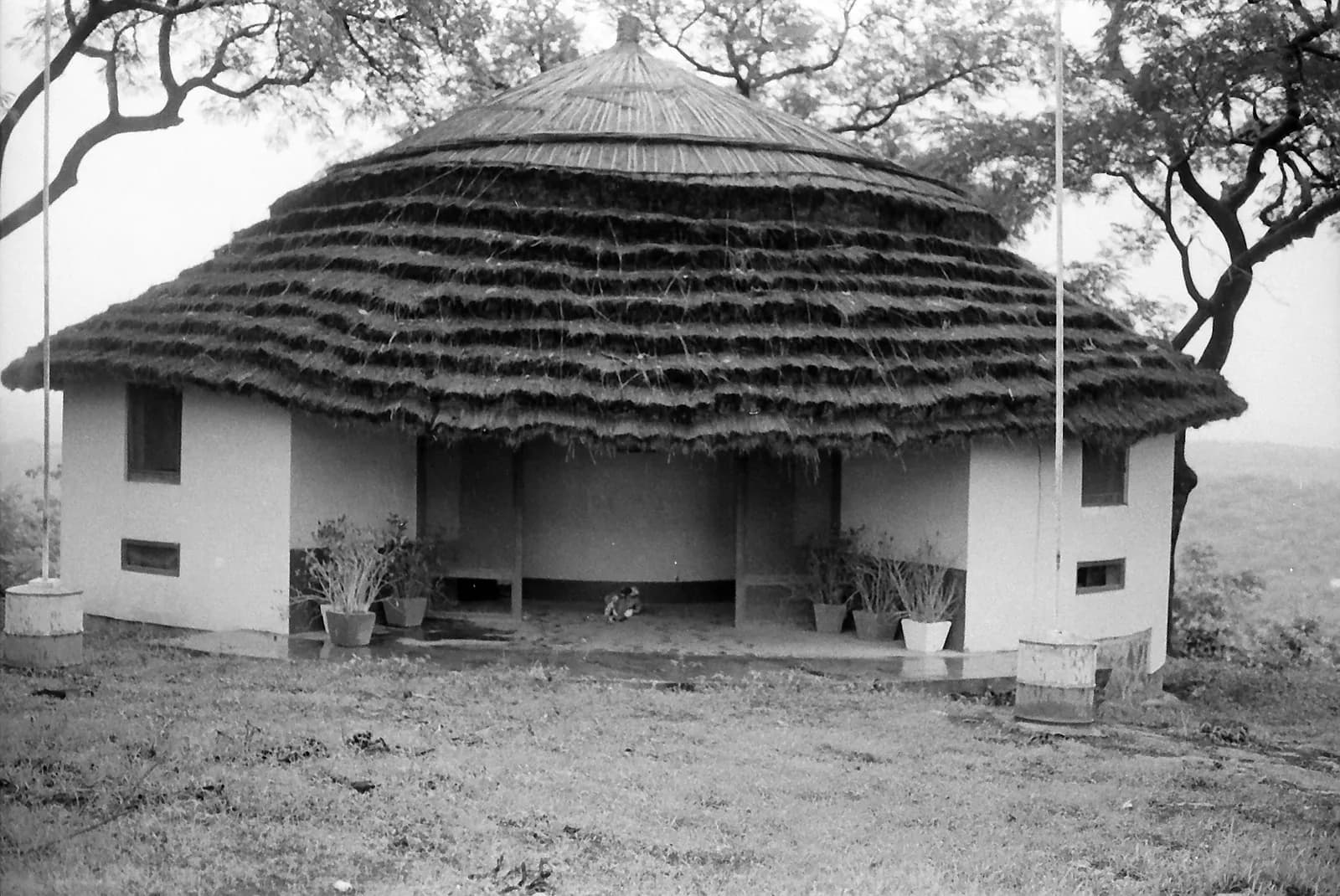
On 24 September 1973, in the liberated region of Madina do Boé, the People's National Assembly, elected in the liberated areas at the end of 1972, proclaimed the Republic of Guinea-Bissau. By Fabião's count, 86 countries soon recognised it, more than had diplomatic relations with Portugal. Luís Cabral, Amílcar's brother, became its president.
On 2 November 1973 the UN General Assembly welcomed “the recent accession to independence of the people of Guinea-Bissau” and condemned Portugal's “illegal occupation” of parts of the new state. Portugal, South Africa, Spain, the United Kingdom, the United States, Brazil and Greece voted against.
UN General Assembly vote on resolution 3061, 2 November 1973
member states
Recorded vote at the 2163rd plenary meeting. Most Western European states, Canada and Japan abstained; Portugal's NATO allies Britain and the United States voted against.
Show the data
| Votes | |
|---|---|
| In favour | 93 |
| Against | 7 |
| Abstaining | 30 |
From Bissau to Lisbon
The revolt that ended the war began among the officers who fought it. On 13 July 1973 a decree let conscript officers with a tour of duty behind them join the regular officer corps after a two-semester course, overtaking graduates of the Military Academy. On 21 August, 51 regular officers met secretly in Bissau and on 28 August sent a protest to the President and the Prime Minister. On 9 September, 136 officers met at Alcáçovas, near Évora, the meeting later counted as the birth of the Armed Forces Movement.
On 22 February 1974 Spínola published Portugal e o Futuro, which admitted that Portugal could not win its wars by arms. On 25 April the Armed Forces Movement overthrew Caetano, and Spínola received power from him at the Carmo barracks in Lisbon. In Guinea, Fabião recorded 102 actions between 25 April and 31 May, costing the Portuguese five dead and 79 wounded.
Talks in London and Algiers followed. On 26 August 1974 in Algiers the two sides agreed that Portugal would recognise Guinea-Bissau on 10 September and withdraw all its forces by 31 October. The recognition was signed by the President of the Republic, the same António de Spínola.
“It is declared that Portugal solemnly recognises the independence of the Republic of Guinea-Bissau.”
The Portuguese side's losses are better documented. The army's official history, as quoted by the Algarve paper Barlavento, counts 2,070 Portuguese servicemen dead in Guinea out of 8,290 in all three African wars. The sources used here give no comparable count for PAIGC fighters or Guinean civilians.
| Measure | Figure | Source |
|---|---|---|
| Portuguese military deaths in Guinea, 1963 to 1974 | 2,070 | Army's Resenha Histórico-Militar, as quoted by Barlavento, 2019 |
| Portuguese military deaths in Angola, Guinea and Mozambique | 8,290, of whom 4,027 killed in combat | John Cann, as cited by Observador, 2021 |
| Guinea's share of Portuguese deaths in Africa | About 30 per cent | Fernando Rosas, RTP, 2017 |
| Portuguese casualties, 25 April to 31 May 1974 | 5 dead, 79 wounded in 102 actions | Carlos Fabião |
| Soviet aid to the PAIGC, 1963 to 1973 | 21.7 million roubles military, 4.4 million humanitarian | Natalia Telepneva |
| PAIGC schools in the liberated areas, 1972 | More than 200, with over 20,000 pupils | PAIGC claim, reported by the UN mission |
The 2,070 deaths are about 25 per cent of 8,290; RTP's programme gives 30 per cent. Neither figure separates combat from accidents and disease. A list of names from the Liga dos Combatentes, published by Correio da Manhã in 2013 and quoted by veterans, has 3,046 servicemen dead in Guinea.
19 September 1956
Official founding date of the PAI in Bissau
3 August 1959
Police and soldiers fire on striking sailors at Pidjiguiti
19 September 1959
Bissau meeting turns to the countryside; Cabral moves to Conakry
October 1960
The PAI becomes the PAIGC at a conference in Dakar
23 January 1963
Attack on the barracks at Tite
13 to 17 February 1964
First PAIGC congress at Cassacá
May 1968
Spínola arrives as governor and commander-in-chief
22 November 1970
Portuguese raid on Conakry, Operation Green Sea
2 to 8 April 1972
UN Special Mission visits the liberated areas
20 January 1973
Amílcar Cabral is killed in Conakry
Late March 1973
First Strela missiles fired at Portuguese aircraft
21 August 1973
51 officers meet secretly in Bissau
24 September 1973
Independence proclaimed at Madina do Boé
2 November 1973
UN General Assembly welcomes independence, 93 to 7
25 April 1974
Carnation Revolution in Lisbon
26 August 1974
Algiers declaration between Portugal and the PAIGC
10 September 1974
Portugal recognises Guinea-Bissau
Why it still matters
Guinea-Bissau marks 23 January as the Day of the Combatants for the Freedom of the Homeland. In 2025 the government decorated about 70 veterans in Bissau, while their spokesman complained of abandonment and the PAIGC criticised the removal of the date from the official holidays.
The Guineans who fought for Portugal paid a price of their own. About 600 men served in three companies of African commandos; after independence the Portuguese army left them behind, and many were persecuted and shot. In 1977 the Portuguese commandos' association brought out about 90 who had fled to Senegal.
Cabral's house in Conakry, where he was killed, is now Guinea-Bissau's embassy there.
FAQs
When and how did the war in Guinea-Bissau begin?
The PAIGC and Portuguese military historians date it from the early hours of 23 January 1963, when 15 to 20 PAIGC guerrillas fired on the Portuguese barracks at Tite, in the south of the colony, for about half an hour. There had been smaller clashes in 1961 and 1962.
Who killed Amílcar Cabral?
He was shot outside his home in Conakry on 20 January 1973 by a group of PAIGC men; his biographer names the gunman as Inocêncio Kani, a former commander of the party's navy. The plotters said they worked for the Portuguese, and Portugal denied it. Historians still disagree over whether the PIDE or rivals inside the party were behind it.
How many people died in the war in Guinea?
The Portuguese army's official history, as quoted in the press, counts 2,070 Portuguese servicemen dead in Guinea between 1963 and 1974, out of 8,290 in all three African wars; a Liga dos Combatentes list of names published in 2013 has 3,046. The sources used here give no comparable count for PAIGC fighters or Guinean civilians.
When did Guinea-Bissau become independent?
The PAIGC proclaimed independence at Madina do Boé on 24 September 1973, and the UN General Assembly welcomed it on 2 November 1973. Portugal recognised the new state on 10 September 1974, after the revolution of 25 April and an agreement signed in Algiers on 26 August.
What did the war in Guinea have to do with the Carnation Revolution?
Officers serving in Guinea held the first secret protest meeting of what became the Armed Forces Movement, in Bissau on 21 August 1973. Spínola, the former governor of Guinea, argued in February 1974 that the wars could not be won by arms, and the movement overthrew the regime on 25 April 1974.
On the timeline
Open the timelineNearby moments from dictatorship and the estado novo (1926–1974).
In the early hours of New Year's Day, several dozen civilian and military rebels led by Captain João Varela Gomes and Manuel Serra storm the 3rd Infantry Regiment barracks in Beja, hoping to spark a rising against Salazar. General Humberto Delgado had slipped secretly into Portugal to lead it, but the assault fails and Varela Gomes is gravely wounded.
The Salazar regime bans the 'Dia do Estudante' (Students' Day) celebrations in Lisbon, setting off the 1962 academic crisis — months of strikes, protests and police charges that shaped a generation of opponents of the dictatorship. Portugal still marks 24 March as National Student Day.
Benfica retain the European Cup, beating Real Madrid 5–3 in the final at Amsterdam's Olympic Stadium. Despite a Puskás hat-trick for the five-time champions, two goals from the 20-year-old Eusébio seal Benfica's second consecutive title.
The war in Guinea begins
Before dawn, PAIGC guerrillas fire on the Portuguese barracks at Tite, in Portuguese Guinea. The PAIGC and Portuguese military historians date the war from that night, though there had been smaller clashes in 1961 and 1962.
Birth in Beira, Mozambique, of José Rodrigues dos Santos, who became one of Portugal's best-known television journalists as an RTP news anchor and, alongside it, one of the country's best-selling novelists.
Sporting CP win the European Cup Winners' Cup, beating MTK Budapest 1–0 in a replay in Antwerp after a 3–3 draw in Brussels two days earlier. The winner is João Morais's celebrated goal scored direct from a corner.
Death in Lisbon, aged 70, of Marshal Francisco Craveiro Lopes, President of the Republic from 1951 to 1958. His cool relations with Salazar and his sympathy for opponents of the regime cost him a second term, and he was later linked to the failed Botelho Moniz coup attempt of April 1961.
Coming up in history
All long reads 25 January 1554A thatched hut on the plateau: the founding of São Paulo, 25 January 1554
 26 January 1531The Lisbon earthquake of 1531 and Gil Vicente's rebuke to the friars
 27 January 1757Gomes Freire de Andrade: the Vienna-born general Lisbon hanged in 1817
 28 January 1908The plot at the library lift: Lisbon's failed coup of 28 January 1908
36 sources
Archives, scholarship and reporting this article was checked against.
- 1
Guiné-Bissau: a causa do nacionalismo e a fundação do PAIGC (António E. Duarte Silva)Cadernos de Estudos Africanos 9/10 (2006), ISCTE-IUL
- 2
A descolonização na Guiné-Bissau. Spínola: a figura marcante da guerra na Guiné (Carlos Fabião)Associação 25 de Abril
- 3
Report of the Special Mission established by the Special Committee at its 840th meeting on 14 March 1972 (A/AC.109/L.804)United Nations General Assembly, 3 July 1972
- 4
‘Code Name SEKRETÁŘ’: Amílcar Cabral, Czechoslovakia and the Role of Human Intelligence during the Cold War (Natalia Telepneva)The International History Review (2019), author's accepted manuscript, University of Strathclyde
- 5
“Uma Guiné Melhor”: the psychological action and the spatialization of population control in rural areas. The strategic villages in Guinea-Bissau between 1968-1973 (Francesca Vita)Africana Studia 39 (2023), Centro de Estudos Africanos da Universidade do Porto
- 6
Intelligence Note RAAN-4, “Portuguese Guinea: The PAIGC After Amilcar Cabral”, 1 February 1973 (FRUS 1969-1976, vol. E-6, doc. 66)Office of the Historian, US Department of State
- 7
A primeira reunião do Movimento dos Capitães, Alcáçovas, 9 de setembro de 1973Comissão Comemorativa 50 Anos 25 de Abril, 2024
- 8
Texto da declaração Portugal-PAIGC (Algiers, 26 August 1974) and Declaração sobre a independência da República da Guiné-Bissau (10 September 1974)Textos Históricos da Revolução, ed. Orlando Neves, reproduced by the Marxists Internet Archive
- 9
Guiné 63/74, P10990: 50 anos da guerra colonial no CTIG? 23 de janeiro de 1963 (José Martins and Carlos Silva)Luís Graça & Camaradas da Guiné (Portuguese veterans' blog), January 2013
- 10
- 11
O início da guerra na Guiné (1961-1964) (José Matos)Revista Militar 2566, November 2015
- 12
Amílcar Lopes CabralMuseu do Aljube Resistência e Liberdade
- 13A última guerra de Portugal (Xavier de Figueiredo)Observador, March 2021
- 14
Operation “Mar Verde”, by Aniceto Afonso and David Martelo, in Le Operazioni Interforze e Multinazionali nella Storia Militare, Acta of the XXXIX Congress of the International Commission of Military History, Turin 2013, vol. I, pp. 604–610Commissione Italiana di Storia Militare, Ministero della Difesa
- 15
- 16PAIGC celebra 70 anos com eventos em Lisboa e outros locais fora do paísRTP Notícias / Lusa, 19 September 2026
- 17
Cartas de Carlos Fabião a Luís Reis Torgal (1973-1984), with an introduction by Luís Reis TorgalCentro de Documentação 25 de Abril, Universidade de Coimbra
- 18
- 19
- 20
- 21
- 22
- 23
- 24Em Conacri, a PIDE ainda matou Amílcar CabralDiário de Notícias, 20 January 2023
- 25
Do Mar Verde a Madina do Boé (História a História: África, episode 11, Fernando Rosas)RTP Ensina
- 26Morreu um dos presumíveis assassinos de Amílcar CabralRTP Notícias / Lusa
- 27
- 28Batalha de Guidage, uma das mais dramáticas da guerra colonialRTP Notícias / Lusa, July 2008
- 29
Guiné-Bissau 1973/74: Independência (photographs and text by Captain Duran Clemente)Centro de Documentação 25 de Abril, Universidade de Coimbra
- 30
- 31
- 32‘Portugal e o Futuro’ de Spínola “funcionou como uma verdadeira pedrada no charco” (Leonídio Paulo Ferreira)Diário de Notícias, 20 February 2024
- 33
- 34
CDU Lagos vê aprovado Memorial às vítimas da Guerra ColonialBarlavento, 12 May 2019
- 35Dia dos que fizeram a luta com queixas de ex-combatentes e do PAIGC na Guiné-BissauRTP Notícias / Lusa, January 2025
- 36Comandos africanos nas Forças Armadas Portuguesas. Histórias de abandono e traição (Valentina Marcelino)Diário de Notícias, 28 September 2021
Image credits
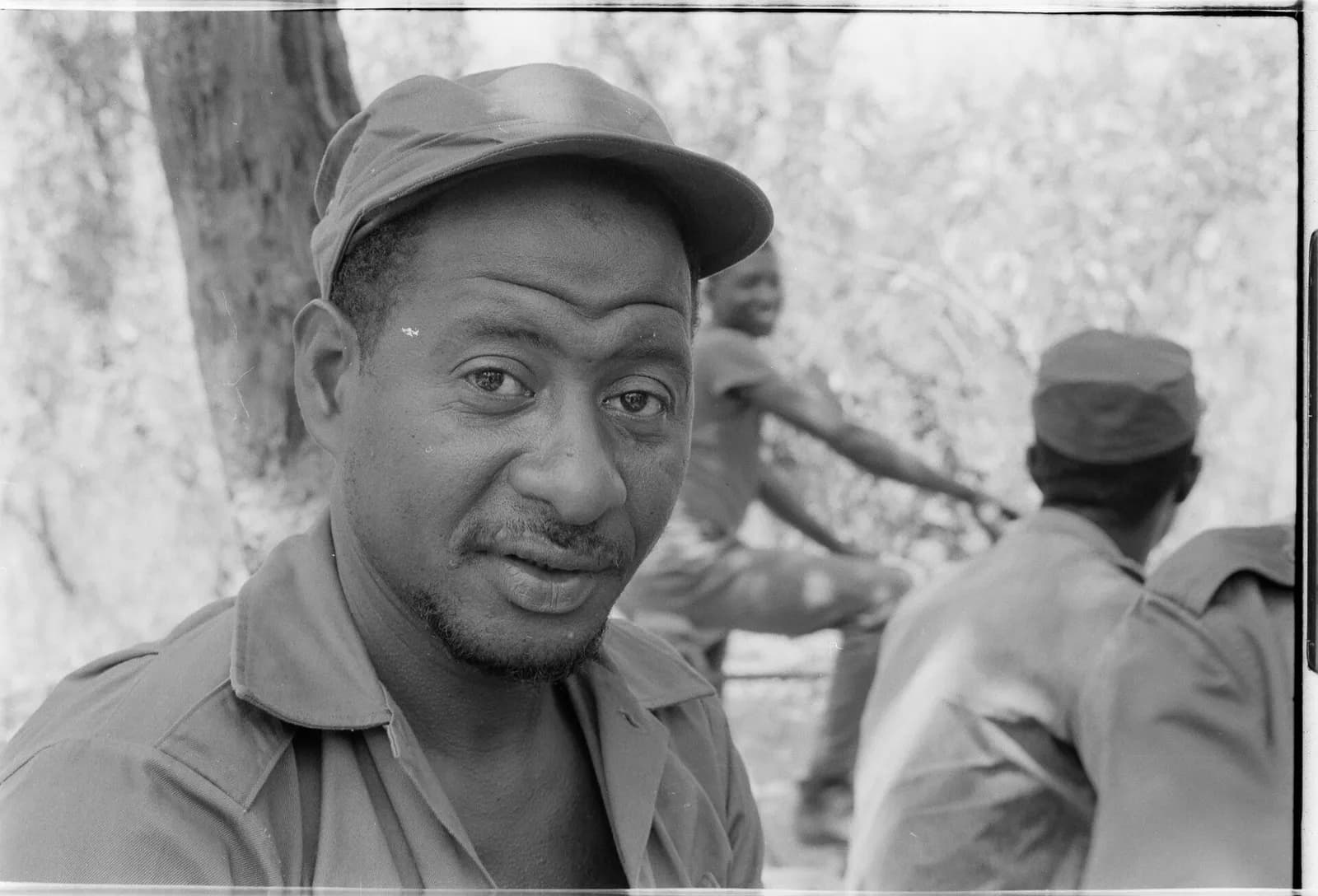
- A PAIGC fighter, with comrades behind him, in Guinea-Bissau in 1973, photographed by Roel Coutinho. Roel Coutinho, CC BY-SA 4.0, via Wikimedia Commons.
- Pupils at a PAIGC primary school in the liberated areas in April 1974, under a roof of woven matting. Roel Coutinho, CC BY-SA 4.0, via Wikimedia Commons.
- The remains of a village that, according to the archive's description, the Portuguese had burnt down, photographed by Roel Coutinho in 1974 on a walk from Canjambari to Sara. Roel Coutinho, CC BY-SA 4.0, via Wikimedia Commons.
- António de Spínola (right), governor and commander-in-chief, beside a Guinean leader making a speech in 1968, his first year in Bissau. Unknown author, Public domain, via Wikimedia Commons.
- Protesters outside the Portuguese embassy in The Hague on 23 January 1973, three days after Amílcar Cabral was killed in Conakry. Rob Mieremet (ANEFO), CC BY 4.0, via Wikimedia Commons.
- The memorial at Madina do Boé to the proclamation of independence of 24 September 1973, photographed in the 1980s. Gadogado123, CC BY-SA 4.0, via Wikimedia Commons.