

Operation Dulcineia: Galvão's rebels seize the liner Santa Maria
A former colonial inspector who had escaped from prison took a Portuguese liner in the Caribbean in the name of Humberto Delgado. One officer died, a US Navy squadron followed, and the story ended in Recife with asylum from Brazil's new president.
At a glance
- In the early hours of 22 January 1961 a commando of about two dozen Portuguese and Spanish exiles seized the Portuguese liner Santa Maria in the Caribbean, after boarding as passengers at La Guaira (Venezuela) and Curaçao.
- The leader was Henrique Galvão, 65, a former army captain and colonial inspector who had denounced forced labour in Angola in 1947, been jailed by the Estado Novo and escaped from a Lisbon hospital in 1959.
- The third officer, João José do Nascimento Costa, was shot dead on the bridge and two other men were wounded. About 600 passengers and 300 to 371 crew were aboard.
- Lisbon called it piracy; Galvão called it a political rebellion in the name of General Humberto Delgado. The US Navy found and shadowed the ship, but President Kennedy said it had no orders to board.
- The ship anchored at Recife on 2 February. Brazil's new president, Jânio Quadros, had promised the rebels asylum; his decree of 3 February recorded that it had been granted and handed the Santa Maria back to Portugal.
Shots on the bridge
In the early hours of 22 January 1961, men in khaki uniforms without insignia gathered on the promenade deck of the Portuguese liner Santa Maria. Some sat on the edge of the swimming pool, others leaned on the rail. The ship had left the Dutch island of Curaçao the previous evening and was steaming across the Caribbean towards Florida, its passengers asleep.
Their leader had sat up until 01:15 reading Missão em Portugal, a new book by Álvaro Lins, the Brazilian ambassador who had sheltered Humberto Delgado in his Lisbon embassy two years before. At 01:45, by his own account, Henrique Galvão gave the order to attack. One group, led by a Spanish former naval officer who called himself Jorge de Sottomayor, made for the radio room and the bridge. Galvão's group went for the officers' cabins on the second deck.
On the bridge the officer of the watch, third officer João José do Nascimento Costa, resisted and was killed. Galvão wrote only of a brief exchange of shots in the darkness of the bridge; José Mota Belo, whose 2009 study drew on declassified Portuguese files, says one of the Spanish group shot him. An apprentice officer, João António Lopes de Sousa, was hit by three bullets, and Cícero Campos Leite, the doctor who looked after the emigrants aboard, was reportedly shot in the back as he tried to get away. Time magazine reported that the takeover was over in ten minutes.
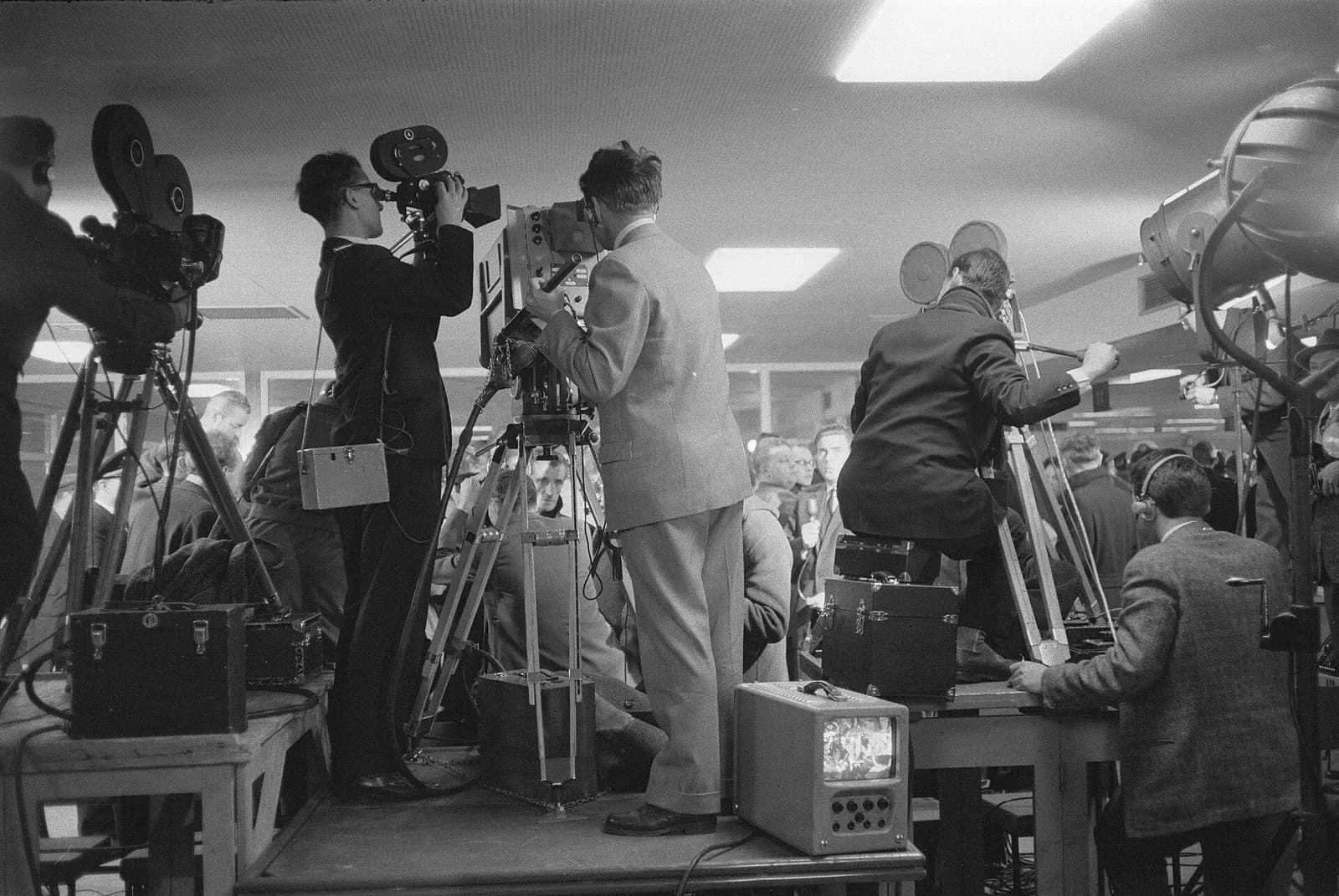
The Santa Maria, which the historian José Freire Antunes called the best ship in Portugal's merchant fleet, now belonged to a band of exiles who had come aboard with guns in their luggage. Most historians date the seizure to the night of 21 to 22 January. Time, which placed it on Monday morning, the Dutch Anefo photo archive and Ocean Liners Magazine put it on the 23rd, the day the news reached the world.
From Salazar's colonial inspector to his prisoner
Portugal had been a dictatorship since a military coup on 28 May 1926. Under António de Oliveira Salazar the Estado Novo, or New State, kept power with censorship and a political police, the PIDE, while ruling a large empire in Africa and Asia. Its opponents at home were jailed or driven abroad, many of them to Brazil.
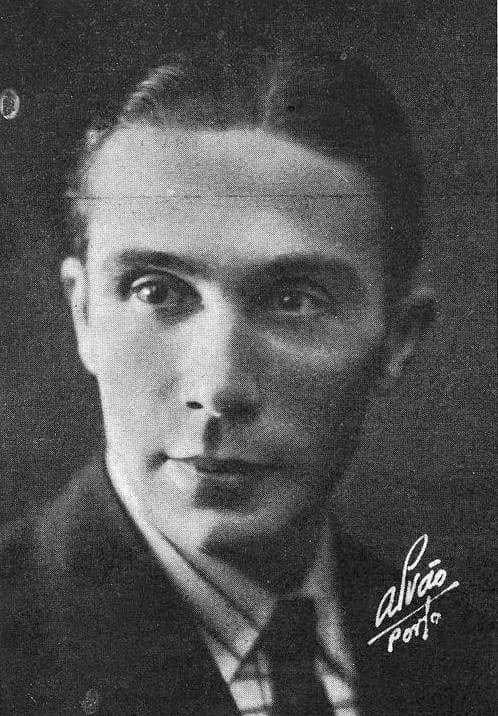
Galvão had once been one of the regime's own men. Born in Lisbon in 1895, he was an army officer who backed the 1926 coup, held posts in Angola, became the first director of the state radio, Emissora Nacional, in 1934 and organised the colonial sections of the great exhibitions of 1934 and 1940. He sat in the National Assembly as a deputy for Angola and rose to be a senior inspector of the colonial administration.
In 1947 he used the Assembly to attack the government's colonial policy, and that year he delivered a report on the “native problems” of Angola and Mozambique. It condemned the forced labour imposed on Africans and the profit some officials made from it. The report stayed confidential until the clandestine Communist Party printed it as a pamphlet in 1949.
“In some respects, the indigenous inhabitants required to perform forced labour are worse off than in the days of slavery.”
His break became open in 1951, when he ran the campaign of the opposition presidential candidate Admiral Quintão Meireles. On 7 January 1952 the PIDE arrested him for plotting to overthrow the government. A military court gave him three years; a further trial in 1958, over pamphlets he had smuggled out of prison, took his combined sentence to 18 years by Mota Belo's reading of the court ruling, or 19 by the Museu do Aljube's count. He passed through Peniche, the Aljube and Caxias, and his friend Humberto Delgado was one of the few officers who visited him.
Moved under guard to the Hospital de Santa Maria in Lisbon, he walked out in the early hours of 16 January 1959 in a doctor's white coat and a false moustache. After four weeks in hiding he entered the Argentine embassy on 17 February dressed as a porter, carrying an empty crate past the PIDE men watching the door. In May he flew to Buenos Aires with a safe conduct, and in November 1959 he settled in Caracas.
A pact in Caracas and a plan for Africa
Venezuela had about 60,000 Portuguese residents and many Spanish Republican exiles. Early in 1960 supporters of Delgado's movement and Spanish opponents of Franco founded the Directório Revolucionário Ibérico de Libertação, the DRIL, to bring down both Iberian dictatorships by armed action. Galvão signed for the Portuguese side on Delgado's behalf. The Spanish leaders were Xosé Velo Mosquera, a Galician teacher in whose flat the group was born, and José Fernández Vázquez, the “Comandante Sottomayor”, a veteran of the Republican navy.
It was an uneasy alliance. The Spanish members were Marxists who wanted the colonies freed; Galvão was an anti-communist who wanted democracy in Portugal, and the Portuguese Communist Party denounced the DRIL as adventurist. The group set off bombs in Madrid in February 1960, but it never acted on Portuguese soil.
Galvão said the idea came to him while reading a newspaper notice that the Santa Maria was due at La Guaira, the port of Caracas. A ship at sea counted as a piece of its nation's territory, so he asked why an uprising should not begin “on one of these floating pieces” of Portugal. He chose the Santa Maria because a small, plain ship would never have the same effect on world opinion. He named the plan after Don Quixote's lady: “we too were romantics fighting for our lady, Liberty”.
- Ship
- Santa Maria, steel-hulled liner of the Companhia Colonial de Navegação, Lisbon
- Built
- John Cockerill yard, Hoboken, Belgium, with her sister Vera Cruz
- Size and speed
- 20,906 tons; about 20 knots cruising, 22 maximum
- January 1961 voyage
- Lisbon, Vigo, Tenerife, La Guaira, Curaçao, then Port Everglades in Florida
- Fate
- Sold for scrap and broken up at Kaohsiung, Taiwan, in 1973
The plan, as Galvão later described it, was to take the ship after Curaçao and sail her secretly to Spanish Fernando Pó in the Gulf of Guinea, seize weapons and boats there, and then attack Luanda with local rebels to set up a government in Angola. He reckoned he needed 120 trained men and $30,000. The group never raised more than $10,000. After repeated postponements, Galvão had a heart attack on 10 December.
One event gave him hope. In October 1960 Jânio Quadros, whom Galvão had met in Caracas that April, won Brazil's presidential election. A friendly Brazil meant a possible refuge at the end.
On 20 January 1961 most of the commando boarded at La Guaira as third-class passengers. The weapons, taken apart and packed in three suitcases, passed with the help of a bribed customs officer and were hidden in cabin 358. The youngest man was 18. Galvão, whose name on a passenger list would have alarmed the crew, flew to Curaçao and came aboard there on 21 January. Mota Belo counts 26 men: 12 Portuguese, 13 Spaniards and a Venezuelan. Galvão's own book speaks of 24, of whom, he wrote, only the 14 oldest carried firearms.
Twelve days at sea
The secret did not last. To save the two wounded men the rebels stopped off the British island of Saint Lucia on 23 January and put them ashore with several crew members. Galvão later wrote that a strictly military mind would have let them die; Sottomayor claimed that Galvão argued for exactly that, and Camilo Mortágua, Galvão's right-hand man, told the historian Heloísa Paulo that Galvão had opposed the landing. The second purser, Valentim dos Reis, landed with them, reached the British frigate HMS Rothesay and radioed the owners in Lisbon.
Now hunted, the rebels put up a sign in red letters on the forecastle, Santa Liberdade (Holy Liberty), and called the ship the first free piece of Portuguese territory. Lisbon asked its allies for help. The Pentagon sent destroyers and the Admiralty a frigate, and the foreign minister warned the Americans that the rebels might set up a government “of the Fidel Castro type” in Portuguese Africa. Portugal flew paratroopers to Sal in Cape Verde and to São Tomé and sent warships south.
On 24 January Galvão spoke to the world by radio, through Agence France-Presse, United Press and NBC. He said he had seized the ship in the name of Delgado, whom he called the president-elect of Portugal cheated of office by Salazar, declared hostilities against the regime and promised to land the passengers at the first neutral port that guaranteed their safety.
The next afternoon a US Navy patrol plane found the liner in the open Atlantic and passed on the fleet's demand that she sail to Puerto Rico. Galvão refused: he would not be treated as a pirate or take orders from a foreign country. That day, at his first press conference as president, John F. Kennedy was asked whether the Navy could board her.
“The Santa Maria has been located by Navy P2V aircraft, and the position is approximately 600 miles north of the mouth of the Amazon River. ... Now, there are Americans involved; and their lives are involved. But we have not given any instructions to the Navy to carry out any boarding operations.”
Washington's attitude had shifted. According to the historian Luís Nuno Rodrigues, as summarised by Mota Belo, the State Department's lawyers argued that a ship taken by people already aboard was not a case of piracy; the administration also feared for the American passengers and did not want to be seen siding with a dictator. In London the Labour leader Hugh Gaitskell questioned the hunt, and the Rothesay went back to Barbados, citing a shortage of fuel.
9 January 1961
The Santa Maria sails from Lisbon on her regular Caribbean run
20 January
Most of the commando boards at La Guaira, Venezuela
21 January
Galvão boards at Curaçao; the ship sails that evening for Florida
22 January, about 01:45
Seizure; third officer Nascimento Costa killed, two men wounded
23 January
Wounded landed at Saint Lucia; the news breaks and the ship is renamed Santa Liberdade
24 January
Galvão's radio messages to AFP, United Press and NBC, in Delgado's name
25 January
US Navy aircraft find the ship; Kennedy says the Navy has no orders to board
27–28 January
Admiral Dennison offers talks; Rear Admiral Allen E. Smith is named to negotiate
29 January
First reporters reach the ship off Brazil, one of them by parachute
31 January
Smith meets Galvão aboard; Jânio Quadros takes office in Brazil
1 February
Quadros promises asylum by radiogram; Delgado visits the ship
2 February
The ship anchors at Recife; passengers begin to land and the rebels hand over their arms
3 February
Brazilian decree records the asylum and places the ship at Portugal's disposal
Pirates or rebels?
For Lisbon the answer was simple. The government denounced the “wicked act committed by this gang of pirates”, in Time's translation, pressed its allies to treat the seizure as piracy, and the censored Portuguese press printed only the official line. Franco's papers ABC, Ya and Arriba presented it as piracy and terrorism, the work of international communism directed from Cuba. A local weekly in Amares, near Braga, put it this way.
“A defenceless private property was assaulted; the defenceless third officer of a liner was treacherously murdered at his post of duty, and some of his equally defenceless companions were wounded ... international law was gravely offended, and into a world gone mad and prone to every aberration was cast the most dangerous germ of a revived crime: piracy.”
Galvão's answer was the opposite. In his account, no ship had attacked another; Portuguese citizens had risen against their government on a piece of Portuguese territory, and the action had only political aims. He asked the UN Secretary-General and the State Department to recognise his men as political rebels at war, and received no answer. From São Paulo, Delgado told Washington and London that the seizure “does not represent mutiny or piracy but only the seizure of Portuguese transport by Portuguese to fulfill Portuguese political objectives”.
The press made up its own mind. The French photographer Gil Delamare parachuted into the sea beside the ship for Paris Match. The exiled journalist Miguel Urbano Rodrigues radioed Galvão from Recife, hired a boat and, after a stormy night, reached the liner on 29 January. In Brazil the press baron Assis Chateaubriand, a friend of Salazar's regime, banned his papers from printing another line about it, for or against.
“If it was conceived as a rebellion, it was a flop. But if it was a publicity stunt, it was imbued with idealism and conducted with a flamboyance that forced the world's attention on an issue that the world had long ignored.”
Recife and a new president
With the Americans shadowing him and no hope of reaching Africa unseen, Galvão turned towards Brazil. Juscelino Kubitschek, still president until 31 January, said the ship would be seized and the rebels detained if they entered a Brazilian port. Galvão waited for his successor.
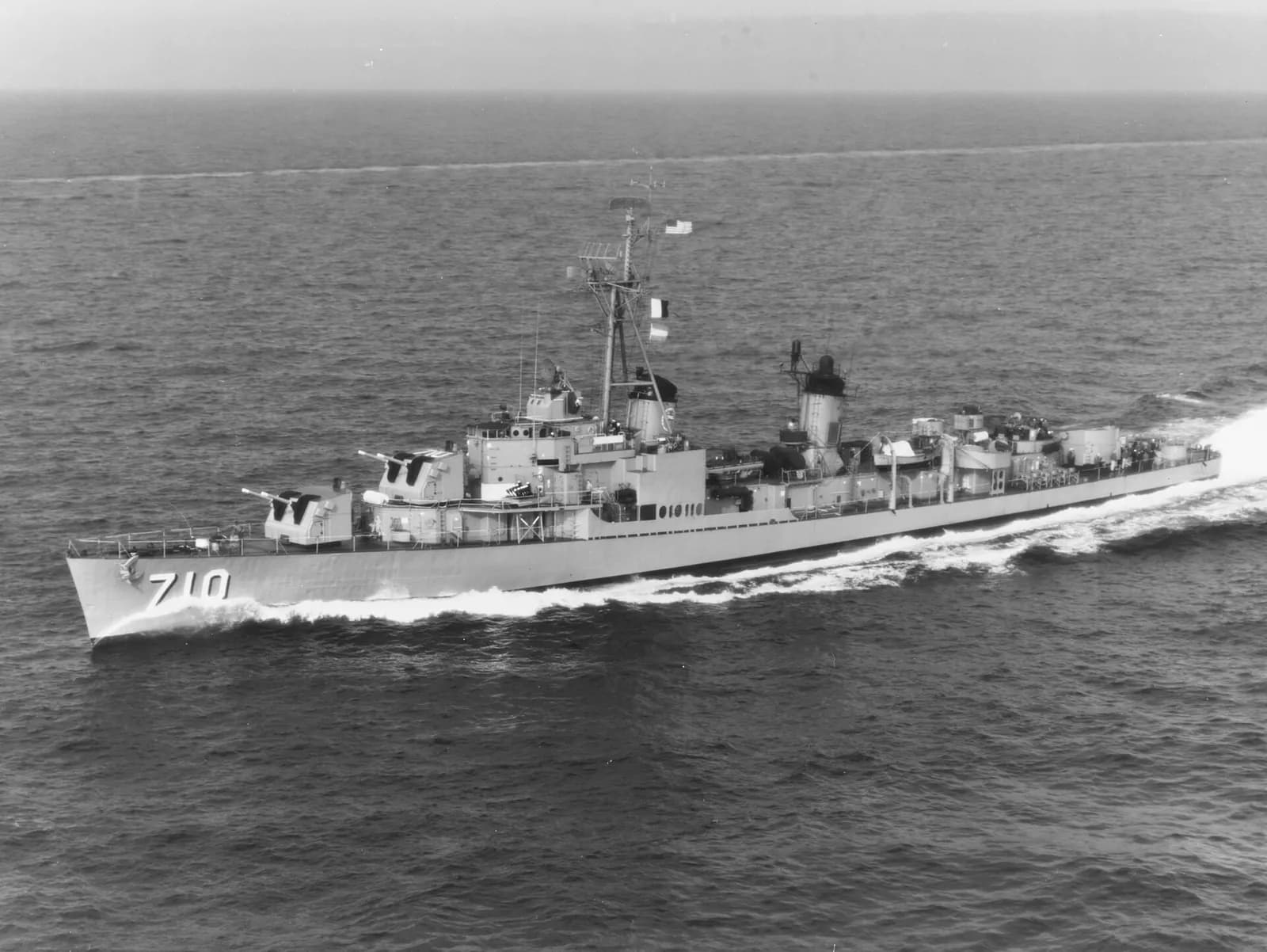
At 06:45 on 31 January Rear Admiral Allen E. Smith came aboard about 50 miles off Recife and was received with military honours. Sixty-six journalists from NBC, CBS, Life, the New York Times, Paris Match and others had come out with him on the destroyer Gearing and waited in the ballroom. In three hours of talks Galvão promised not to harm the passengers and to free them as soon as he could. That same day Quadros was sworn in.
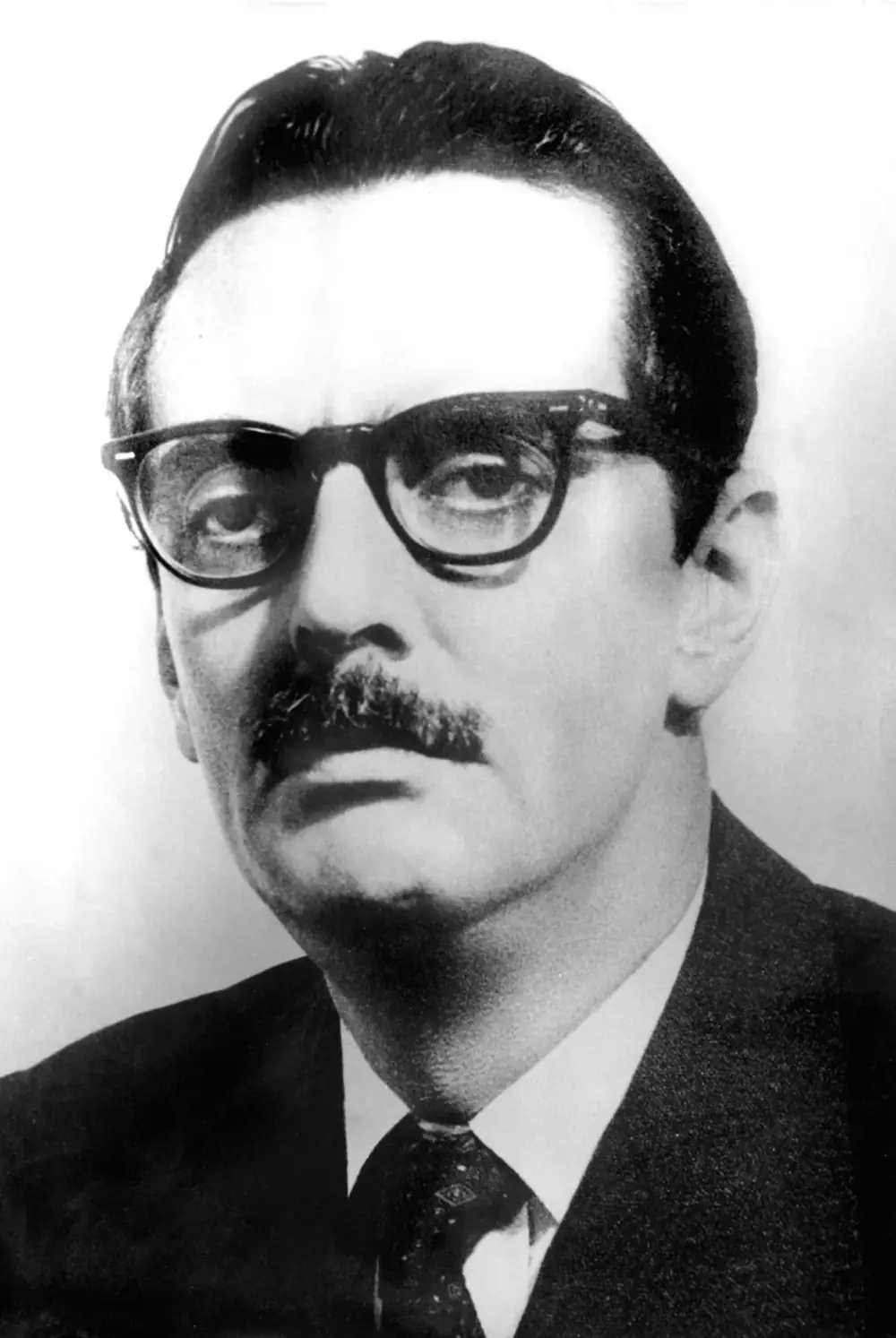
“Remembering our meeting in Caracas, I again affirm my unshakeable loyalty to our democratic way of life. ... You may be certain that, in the exercise of my constitutional powers, you will be guaranteed the right of asylum in our national territory and everything else that the laws and treaties in force allow me.”
Delgado came out on 1 February in a fishing boat hired by reporters from Time and Life. He had known little of the operation, but he inspected the men like a commander-in-chief. Camilo Mortágua later said that Galvão had to calm Sottomayor and other Spaniards who wanted to throw the general overboard.
Aboard, tempers were short. The air conditioning had broken down at Caracas and food and water were rationed. Some passengers protested and demanded to leave at once. Galvão described a small disturbance broken up without force. Sottomayor later wrote of a revolt put down with rifle butts, and Miguel Urbano Rodrigues of weapons used to hold back an angry crowd of crew and passengers.
On 2 February the Santa Maria anchored at Recife. A Brazilian naval commander came aboard with marines and took charge. In front of the cameras the rebels filed into the lounge, laid their machine guns, rifles, pistols and knives on a sofa and went ashore by launch. Five crew members went with them. The next day Quadros signed a decree recording that the Brazilian navy had finished landing the passengers and crew, that the occupants had been granted asylum, and that the ship was placed at the disposal of the Portuguese government.
| Group | Figure | Source |
|---|---|---|
| Passengers | 580 | Time, 3 February 1961 (on arrival at La Guaira) |
| Passengers | About 600 | Ocean Liners Magazine, 2021; Museu do Aljube, more than 600 |
| Passengers | 607, including 42 Americans | UPI, 1985 |
| Passengers | About 612 | Pedro Manuel Ferreira, quoted by Mota Belo |
| Crew | 300 | Ocean Liners Magazine, 2021 |
| Crew | About 350 | Galvão; Pedro Manuel Ferreira, quoted by Mota Belo |
| Crew | About 360 | UPI, 1985 |
| Crew | 371 on leaving Vigo | Vice-Admiral José Mexia Salema, quoted by Mota Belo |
| Commando | 24 | Recio García, 2005; Miguel Urbano Rodrigues; Galvão's book, quoted by Mota Belo |
| Commando | 26 (12 Portuguese, 13 Spanish, 1 Venezuelan) | Mota Belo, 2009 |
| Commando | 30, including six crew members | UPI, 1985 |
| Commando | 70 | Time, 3 February 1961 (a contemporary estimate) |
Mota Belo records five crew members who joined the rebels and went ashore with them at Recife; Miguel Urbano Rodrigues remembered about a dozen. UPI's 1985 figure of 30 probably counts such recruits.
Passengers of the Santa Maria by nationality
people
Breakdown by Vice-Admiral José Mexia Salema in the Anais do Clube Militar Naval, as given by Mota Belo (p. 56), who introduces it as passengers and crew. It can only cover the passengers: the 599 people listed match the passenger counts of 580 to 612, and Salema himself counts 371 crew, all but nine of them Portuguese, more than the 189 Portuguese in the list. Other counts of Americans aboard run from 36 to 42.
Show the data
| People listed | |
|---|---|
| Spanish | 237 |
| Portuguese | 189 |
| Venezuelan | 87 |
| Dutch | 44 |
| American | 34 |
| Cuban | 4 |
| Brazilian | 2 |
| Italian | 1 |
| Panamanian | 1 |
Aftermath: Salazar's year of crises
Most passengers were transferred to the sister ship Vera Cruz on 5 February and reached Lisbon on the 14th. The Santa Maria left Recife on 7 February and on the 16th tied up at the Rocha do Conde de Óbidos quay in Lisbon, dressed with flags, before a large crowd. Salazar came to meet her. A Lisbon court later tried the rebels in their absence, for the killing of Nascimento Costa among other crimes, and sentenced Galvão to 22 years and Delgado, Sottomayor and Velo to 19 each.
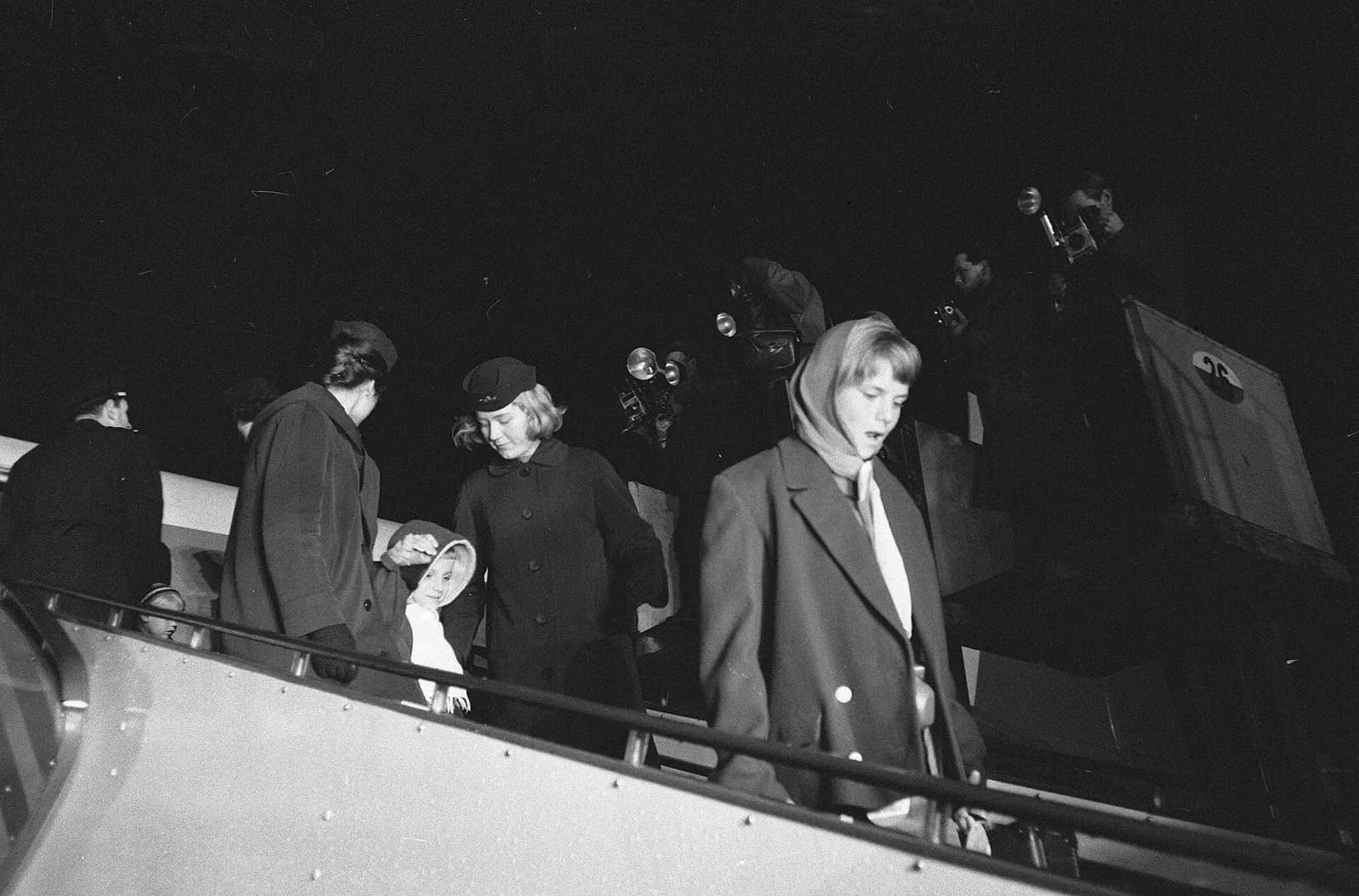
The episode did not end with the ship. Foreign reporters had flown to Luanda in case the rebels made for Angola. On 4 February, with the press still in town, armed men attacked the prisons of Luanda, the start of the armed struggle in Angola. In Luís Nuno Rodrigues's reading, the Portuguese authorities then tried to tie the Luanda attacks to the Santa Maria and to an international communist plot. The cotton growers of the Baixa de Cassanje had already risen that January.
The rest of 1961 went no better for Salazar. In April the defence minister, General Júlio Botelho Moniz, tried and failed to push him out. In November Hermínio da Palma Inácio's commando hijacked a TAP airliner to drop leaflets over Portuguese cities. In December India took Goa, Daman and Diu, the subject of a separate article in this series, and on the night of 31 December rebels attacked the barracks at Beja, which also has its own article.
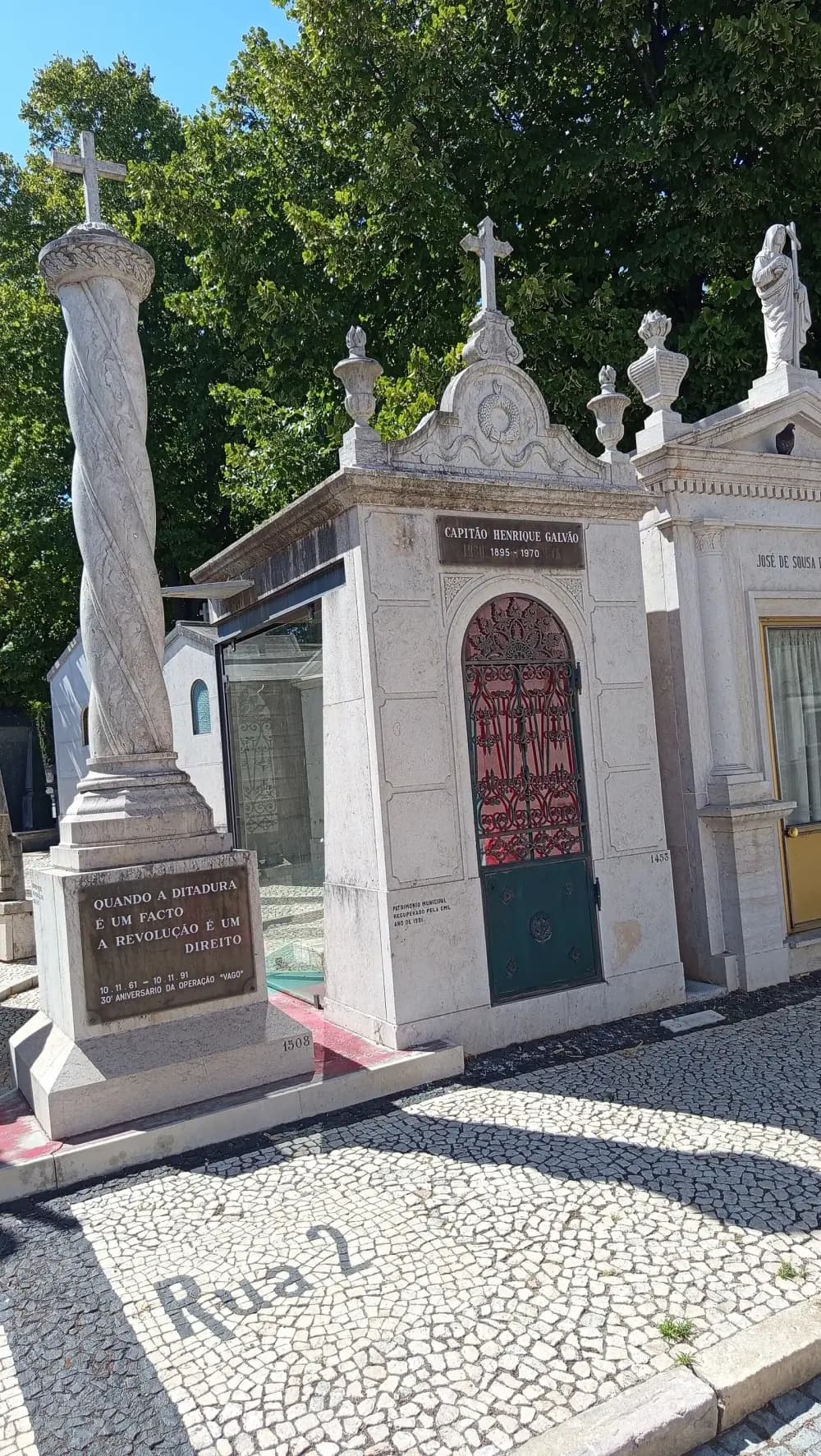
The DRIL itself fell apart within months. Galvão and Delgado quarrelled over who led the opposition, and most of the Spaniards went back to Venezuela. Galvão stayed in Brazil, watched by the São Paulo political police despite his anti-communism. He died poor and ill in a São Paulo hospital on 25 June 1970, a month before Salazar. His remains were brought back to Lisbon in 1991.
Why it still matters
The hijacking freed no one and toppled nothing. But for twelve days a regime that depended on silence was on front pages and television screens across the world, and its oldest ally, Britain, and its NATO partner, the United States, declined to treat the rebels as pirates. In the reading of historians cited by Mota Belo, the affair exposed how isolated Salazar had become; the historian Dawn Linda Raby judged that the affair did more to draw international attention to the Portuguese resistance than anything else in those years, while its effect inside Portugal was less clear.
Not everyone in the opposition agreed. José Freire Antunes found that the affair created no new momentum at home, where the Communist Party rejected Galvão's direct action. Heloísa Paulo shows how the memoirs still compete for credit: Galvão's book, written in the heat of the moment, left out comrades he had fallen out with, while Sottomayor's memoir sets out to restore the Spanish role that Galvão's fame had eclipsed.
FAQs
Was anyone killed in the Santa Maria hijacking?
Yes. The third officer, João José do Nascimento Costa, was shot dead on the bridge when he resisted the rebels in the early hours of 22 January 1961. An apprentice officer and the ship's emigration doctor were wounded and put ashore at Saint Lucia the next day.
Why was it called Operation Dulcineia?
Henrique Galvão named it after Dulcinea, the lady Don Quixote fights for in Cervantes's novel. He said the rebels were romantics fighting for their own lady, Liberty, and that many of his men and helpers were Spanish speakers.
Did the US Navy try to stop the Santa Maria?
At first the United States sent ships and aircraft to look for it at Portugal's request. Once the ship was found on 25 January, President Kennedy said the Navy would follow it but had no orders to board. Rear Admiral Allen E. Smith then negotiated the release of the passengers with Galvão off Recife on 31 January.
How did the Santa Maria hijacking end?
The ship anchored at Recife, Brazil, on 2 February 1961. The rebels handed it to the Brazilian navy and went ashore under the asylum that President Jânio Quadros had promised them. On 3 February Quadros signed a decree recording that asylum had been granted and placing the ship at Portugal's disposal. It was back in Lisbon on 16 February.
What happened to Henrique Galvão afterwards?
He stayed in exile in Brazil, broke with Delgado and the Spanish DRIL leaders, and was sentenced in his absence in Lisbon to 22 years in prison. He died in São Paulo on 25 June 1970. His remains were brought to the Cemitério dos Prazeres in Lisbon in 1991.
On the timeline
Open the timelineNearby moments from dictatorship and the estado novo (1926–1974).
RTP broadcasts the first edition of the Telejornal at half past eight in the evening, presented by the journalists Mário Pires and Alberto Lopes. Subject to the Estado Novo's censors in its early years, it is today the longest-running programme in the history of Portuguese television.
The Lisbon Metro is inaugurated after more than four years of work, opening to the public the next day. The first network had 11 stations on a Y-shaped line running from Restauradores, splitting at Rotunda towards Sete Rios and Entre Campos, served by two-carriage trains. Almost every station carried azulejos by the painter Maria Keil.
Cotton growers in the Baixa de Cassanje, in Angola's Malanje region, rise against the forced-cultivation regime of the Cotonang company, refusing to work and burning their seed. The colonial repression that follows kills hundreds, by some estimates thousands, and 4 January is now marked in Angola as the Day of the Martyrs of Colonial Repression.
The Santa Maria hijacking
Exiled opposition leader Henrique Galvão and a band of Portuguese and Spanish rebels seize the liner 'Santa Maria' in 'Operation Dulcineia', killing one officer. Broadcasting denunciations of Salazar's dictatorship from the ship, they hold the world's attention for eleven days before landing at Recife on 2 February and receiving asylum in Brazil.
About 200 men armed mostly with machetes attack the São Paulo prison, the military prison and a police barracks in Luanda, trying to free political prisoners. Claimed by the MPLA, whose role historians dispute, the attack is regarded as the start of the Angolan War of Independence and of Portugal's 13-year Colonial War.
The UPA (Union of the Peoples of Angola) launches a large-scale uprising in northern Angola, killing settlers and African workers on the coffee farms. Six weeks after the Luanda attacks of 4 February, it turns the revolt into full-scale war, the first front of Portugal's 13-year Colonial War.
After seeing off an attempted coup by his defence minister, Júlio Botelho Moniz, Salazar takes over the defence portfolio himself and, in a broadcast address, says the aim is to move 'rapidamente e em força' — rapidly and in force — to defend Angola, at the start of 13 years of colonial war.
Coming up in history
All long reads 24 January 1969António Sérgio dies in 1969: essayist, minister, exile, co-operativist
 25 January 1554A thatched hut on the plateau: the founding of São Paulo, 25 January 1554
 26 January 1531The Lisbon earthquake of 1531 and Gil Vicente's rebuke to the friars
 27 January 1757Gomes Freire de Andrade: the Vienna-born general Lisbon hanged in 1817
19 sources
Archives, scholarship and reporting this article was checked against.
- 1
Santa Maria – o paquete rebelde (Operação Dulcineia), José António Dias Mota Belo, master's dissertation in History, Defence and International Relations, January 2009ISCTE – Instituto Universitário de Lisboa and Academia Militar (ISCTE repository)
- 2
1961: O assalto do Santa Maria e o desmoronar do regime salazarista em Portugal, Heloísa Paulo, História Revista 16:1 (2011), pp. 53-80Universidade Federal de Goiás
- 3
Decreto nº 50.264, de 3 de Fevereiro de 1961 (publicação original)Câmara dos Deputados do Brasil, Legislação Informatizada
- 4
The President's News Conference, 25 January 1961The American Presidency Project, University of California, Santa Barbara
- 5
Portugal: Revolt on the High Seas, Time, 3 February 1961Time
- 6
El secuestro del Santa María en la prensa del régimen franquista, Armando Recio García, Historia y Comunicación Social 10 (2005), pp. 157-177Universidad Complutense de Madrid
- 7
Iberian Revolutionary Liberation Directory (DRIL)Museu do Aljube Resistência e Liberdade
- 8
The Santa Maria HijackingOcean Liners Magazine
- 9
O Santinho em cuecas: dissidência política de Henrique Galvão em “Carta Aberta a Salazar” (1959), André Luiz dos Santos Vargas, Revista Cantareira 15 (2011)Universidade Federal Fluminense
- 10
Security Council, 954th meeting, 8 June 1961 (S/PV.954)UN Project (text of the official United Nations record)
- 11
- 12
Humberto DelgadoPanteão Nacional
- 13Homenageado na Galiza o “cérebro” do assalto ao Santa Maria, José VeloRTP Notícias
- 14
Assalto ao “Santa Maria” há 50 anos (interview with Miguel Urbano Rodrigues, 2011)Marxists Internet Archive, Portuguese section
- 15
- 16
Tribuna Livre (Amares), no. 264, 11 February 1961Aqualibri, digital library of the Comunidade Intermunicipal do Cávado
- 17
Piracy siege mirrors 1961 case, UPI, 8 October 1985UPI Archives
- 18
- 19
S.M. (Santa Maria) (1961) by Joaquim RodrigoMuseu Nacional de Arte Contemporânea – Museu do Chiado, on Google Arts & Culture
Image credits
- Newsreel and television cameramen film the arrival of 42 passengers of the Santa Maria at Schiphol airport, Amsterdam, on 3 February 1961. The hijacking had been front-page news around the world for 11 days. Anefo, CC0, via Wikimedia Commons.
- Henrique Galvão in 1934, the year he became the first director of Portugal's state radio and organised the Colonial Exhibition in Porto. The photograph was printed in the Galician magazine Vida Gallega. Vida Gallega, 10-8-1934, p. 17, Public domain, via Wikimedia Commons.
- The destroyer USS Gearing in the Mediterranean in February 1960. A year later she carried Rear Admiral Allen E. Smith and 66 journalists out to the Santa Maria off Recife. Unknown author, Public domain, via Wikimedia Commons.
- Jânio Quadros, president of Brazil from 31 January to 25 August 1961, in his official photograph. The day after taking office he promised the Santa Maria rebels asylum. Governo do Brasil, Public domain, via Wikimedia Commons.
- Passengers of the Santa Maria come down the aircraft steps at Schiphol, Amsterdam, on 3 February 1961, the day after the ship reached Recife. The Dutch photo agency Anefo recorded 42 passengers arriving that day. Harry Pot for Anefo, CC0, via Wikimedia Commons.
- Henrique Galvão's tomb in the Cemitério dos Prazeres, Lisbon, photographed in 2025. The column beside it carries a plaque for the 30th anniversary of Operação Vago, the 1961 TAP hijacking. DavidFerreira20048, CC BY-SA 4.0, via Wikimedia Commons.