

Goa Revolution Day: Lohia and Menezes defy the ban in Margão, 1946
An Indian socialist came to a Goan village to rest. Eight days later he stood up in Margão to address a meeting the Portuguese authorities had not allowed, and Goa still marks the day.
At a glance
- On the afternoon of Tuesday 18 June 1946, the Indian socialist Ram Manohar Lohia and the Goan doctor Julião Menezes arrived by horse carriage at the municipal ground in Margão to address a meeting the Portuguese authorities had not allowed.
- Under Salazar's Estado Novo, Goans needed the governor's permission for any political meeting, newspapers were censored and, Nehru said, not even a wedding card could be printed without police permission.
- Both men were arrested within minutes, with ten others. Goa answered with a general strike and street protests; Menezes was freed and Lohia was put over the border within two days.
- The civil-liberties campaign that followed led to more than 500 arrests by Lohia's count at the time, or about 1,500 by November 1946 according to the official Goa gazetteer, and to sentences of eight years or more for its leaders, some served at Peniche, north of Lisbon.
- Goa marks 18 June as Goa Revolution Day. The protests and border marches it set off ran until 1955, and Indian troops ended Portuguese rule in December 1961.
A carriage in Margão, a quarter past four
The two men came into Margão at about a quarter past four on the afternoon of Tuesday 18 June 1946, in a victoria, a light horse-drawn carriage. Julião Menezes, a Goan doctor who lived in Bombay, had brought his friend Ram Manohar Lohia to his family's house in the village of Assolna to rest. Now they were heading for the municipal ground of Margão, the main town of Salcete, where a crowd was waiting for a meeting the colonial authorities had not permitted.
As they climbed down, the local administrator, Captain Miranda, hurried over and asked them to get back in and go home. They walked on towards the crowd. When a few Goans came forward with garlands for Lohia, Menezes wrote, the captain pulled out his revolver and pointed it at them, his hand shaking. Lohia took hold of the hand, told him to be calm, brushed him aside and began to speak.
He did not get far. The police commissioner arrived and took both men into custody. Others stepped forward to be arrested with them, and by nightfall the police held twelve people. One was a girl, Vatsala Kirtane, who had shouted the nationalist slogan “Jai Hind”. Asked why, she told the commissioner that if “Viva Salazar” brought pride to his heart, “Jai Hind” gave her the spirit to fight for her freedom.
The historian Prajal Sakhardande calls her the first woman arrested in Goa's freedom struggle. Crowds filled the streets around the police station, and at midnight, in pouring rain, the two men were driven to the capital, Panjim. Goa still marks the date as Goa Revolution Day.
- Date
- Tuesday 18 June 1946, about 16:15
- Place
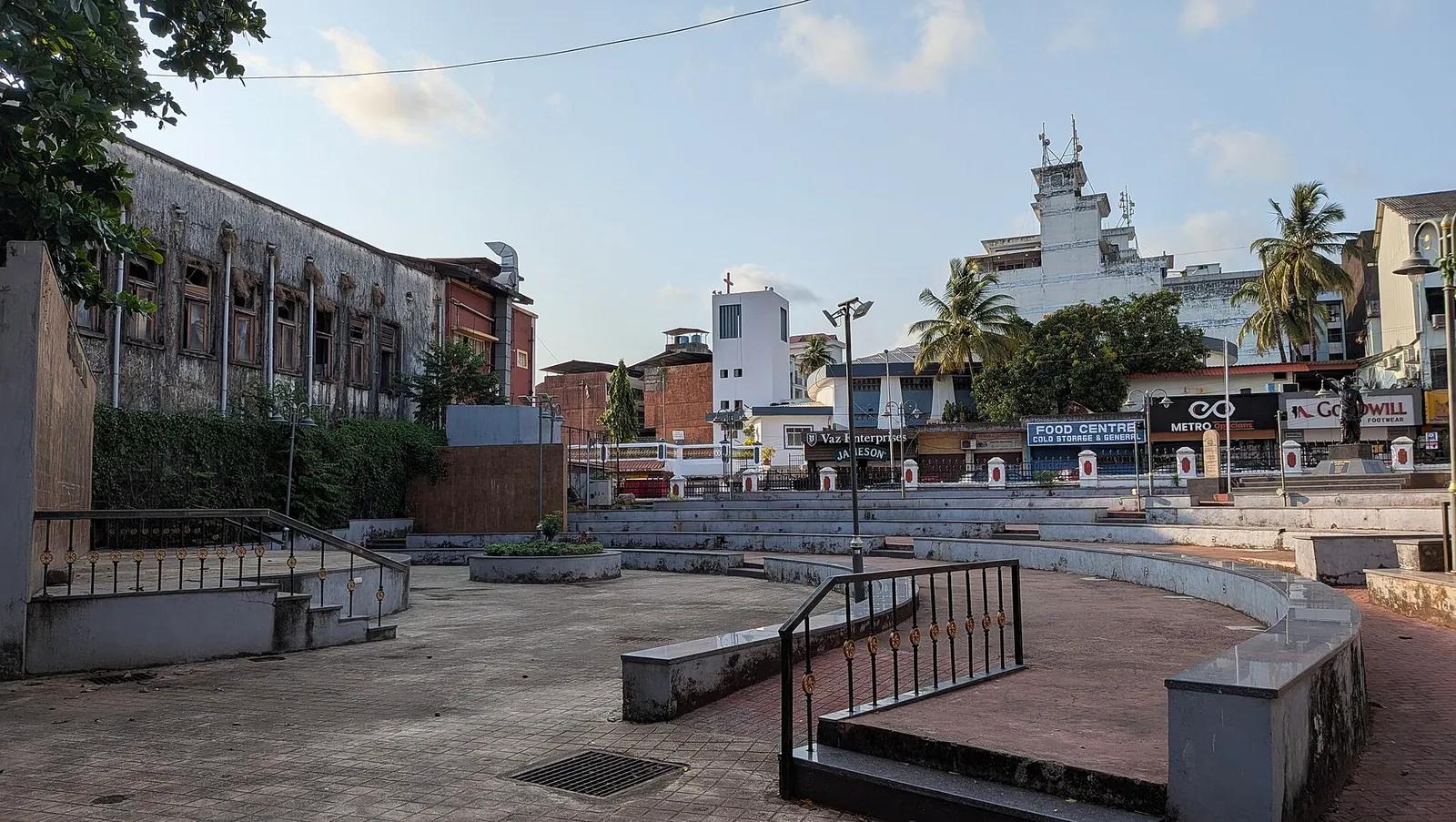
- Municipal ground, Margão (now Lohia Maidan), Salcete, Goa
- Who
- Ram Manohar Lohia and Julião Menezes; the meeting was organised by Purushottam Kakodkar
- What they defied
- The rule that any public political meeting needed the governor's prior permission
- Arrests that day
- 12, by Menezes's count, including Vatsala Kirtane
- Goa then
- About 500,000 people, with more than 100,000 Goans elsewhere in India (Lohia's figures)
A Portuguese enclave in a country about to be free
Portugal had ruled Goa since Afonso de Albuquerque took it in 1510. By 1946 its Estado da Índia, the State of India, was down to Goa on India's west coast, the towns of Daman and Diu further north and two small inland enclaves, Dadra and Nagar Haveli. All around, British India was negotiating its independence. The young Goans who crowded around Lohia in June 1946 wanted to know about the British cabinet's proposals and about Goa's place in a free India.
Portugal itself was a dictatorship, the Estado Novo (New State) of António de Oliveira Salazar. In Goa, any public political meeting needed the governor's prior permission, and the local administrator had to be told about any other gathering. The governor had to approve the titles of books and periodicals, and newspapers were censored. Jawaharlal Nehru complained in July 1946 that nothing could be printed in Goa, “even a wedding card”, without police permission.
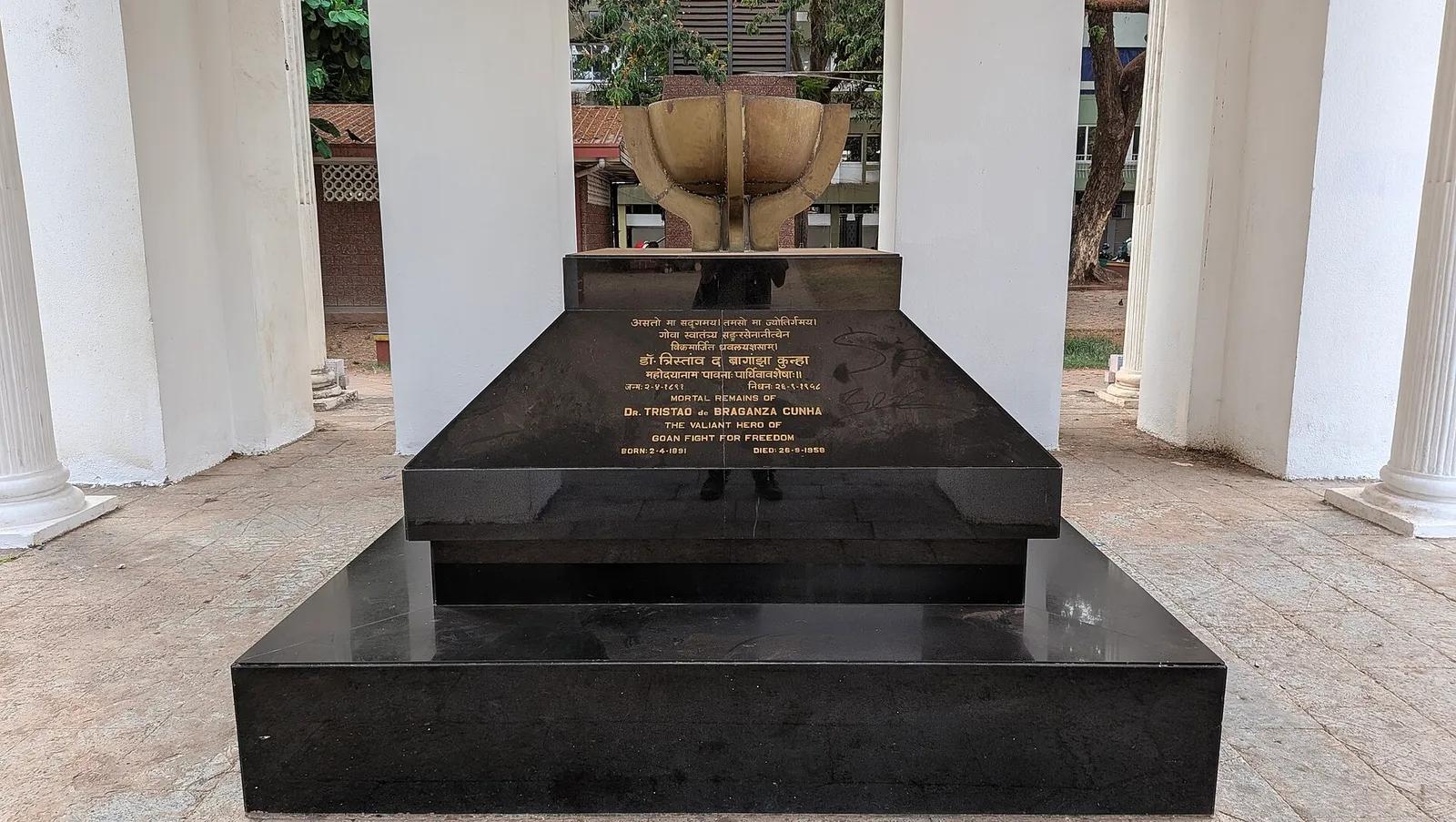
Goans had organised against these rules before. Tristão de Bragança Cunha, an engineer trained in Paris, founded a Goa Congress Committee in 1928 on the lines of the Indian National Congress. Much of the organising happened in Bombay, where nearly 100,000 Goans lived by 1950 and where committees and newspapers could work in the open. Inside Goa, the official gazetteer says, the laws left Congress workers little room to act.
Eight days in Assolna
Lohia reached Assolna on the evening of 10 June. Once the journalist Evágrio Jorge reported his arrival in the Goan daily O Heraldo, the visitors began. From 12 June they came every day: teachers, clerks, small traders, mechanics, workers and a policeman or two, nearly 150 people in all by Menezes's count. They were angry, he wrote, but doubted they could take on a state armed to the teeth.
On 13 June Lohia decided that Goans should break the law in the open, because only action would end their hesitation. Before Margão he spoke to activists in Panjim, at a private meeting so full that it spilled into the road; accounts date it anywhere from 15 to 18 June, and one adds a visit to the port of Mormugão. Purushottam Kakodkar was given the job of organising the Margão meeting.
“This meeting is held with a very limited purpose. It is an invitation to you to speak and act as if these laws did not exist.”
He chose his aim with care. He was not asking Goans to overthrow Portuguese rule, he said; that would come in its own time once Britain left India. The demand was civil liberty: the right to meet, to organise and to publish. Gandhi, who backed him in his weekly paper Harijan, wanted the campaign kept to that single issue and run openly and without violence, with independence left until the rest of India had won it.
10 June
Lohia arrives at Assolna
He stays at Julião Menezes's family house.
12–14 June
A stream of visitors
On 13 June Lohia decides on open defiance of the laws on meetings.
15–18 June
Meetings with activists
Including a packed private meeting in Panjim; the accounts disagree on dates.
18 June, c. 16:15
Margão
Lohia and Menezes arrive by victoria and are arrested with ten others. At midnight they are driven to Panjim.
19 June
Hartal
Shops and offices close across Goa. Menezes counts more than 6,000 people marching in Margão; police charge crowds there and in Panjim.
19–20 June
Release
Menezes is freed in Margão. Lohia is driven to the frontier and freed at Collem, on the 20th by Menezes's account, the evening of the 19th by O Heraldo's.
20 June
No apology
A message from Menezes denying that either man had apologised is read to a meeting in Margão.
A strike, a release and a letter from Gandhi
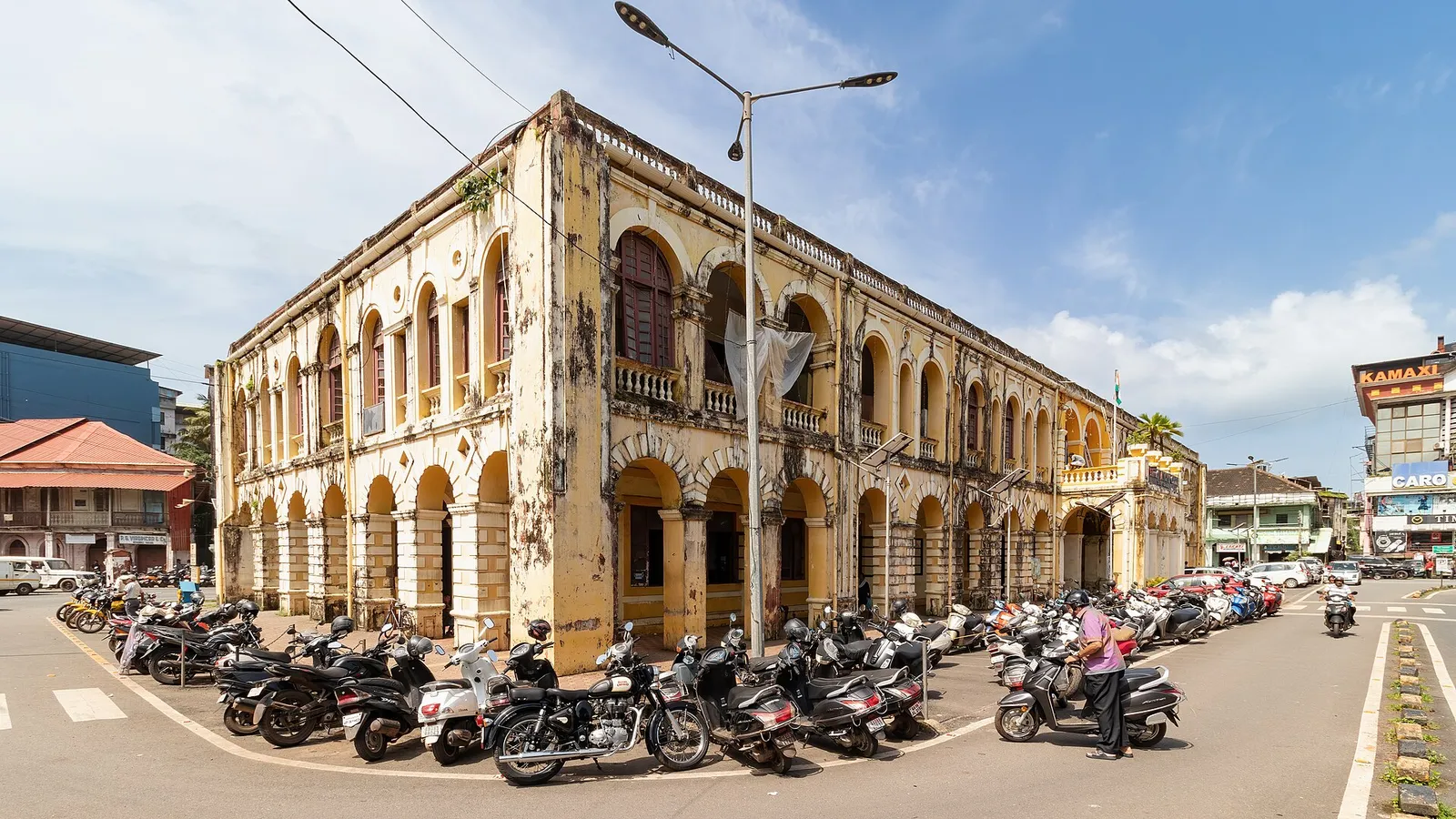
News of the arrests went round Goa overnight, and on 19 June towns and villages shut down in a hartal, a general strike. Menezes counted more than 6,000 people parading through Margão, though troops with machine guns had been posted around the town. That evening a crowd sat down outside the Câmara Municipal, the council house of Salcete, chanting for the two men's release, and stayed put when soldiers tried to clear it.
In the police station the commandant made Lohia an offer: the administration would let him tour Goa and speak as often as he liked, if he would only ask permission first. Lohia refused. According to Menezes, the commandant even agreed that most of the people's demands could be met, though not at once, because the prestige of the administration was involved.
The authorities decided to let the men go, but not to let Lohia loose inside Goa. According to Menezes, Lohia was driven towards the frontier on the evening of the 19th, brought back when the road to Castle Rock proved impassable, and freed the next morning at Collem, near the border; O Heraldo puts his release at Collem on the evening of the 19th. Menezes was freed in Margão. Before returning to Bombay he denied rumours that they had apologised to get out, in a message read to a meeting in Margão on 20 June.
“In free India, Goa cannot be allowed to exist as a separate entity in opposition to the laws of the free State.”
In the same article Gandhi told Goans to “shed fear of the Portuguese Government”, as the rest of India had shed its fear of the British. Citing Lohia's statement that for 18 years Goans had been robbed of the right to hold meetings and form organisations, he wrote that Lohia had naturally defied the order and had rendered a service to civil liberty.
The Portuguese case survives mostly in its critics' replies. The governor-general, José Bossa, answered Gandhi in a letter of 18 July. Gandhi's reply of 2 August shows what Bossa had argued: that Portugal governed for philanthropic purposes and had abolished caste distinctions, that there was “full liberty” in Goa and the agitation was the work of “a few malcontents”, and that Lohia was a “stranger”. Lohia said the government had declared him an alien, whom international law allowed it to expel.
In late August the head of the government information bureau in Nova Goa, as Panjim was officially called, wrote to Harijan that Portuguese India had for more than 400 years identified its destiny with the “Motherland”, and that “the totality of the inhabitants” wished to remain under Portuguese administration. The authorities also denied Gandhi's account of how Kakodkar, the organiser of the Margão meeting, was being treated in prison; Gandhi stood by it.
The Jai Hind summer
What began in Margão went on through the summer and autumn. Men, women and students broke the ban at fixed times and places, shouting Jai Hind, and the campaign became known as the Jai Hind movement. Hindus and Catholics took part side by side. About 1,500 Goans were arrested between June and November 1946, according to the official gazetteer published in 1979; Lohia, writing at the time, counted more than 500 arrests, a number of them repeat arrests of the same people.
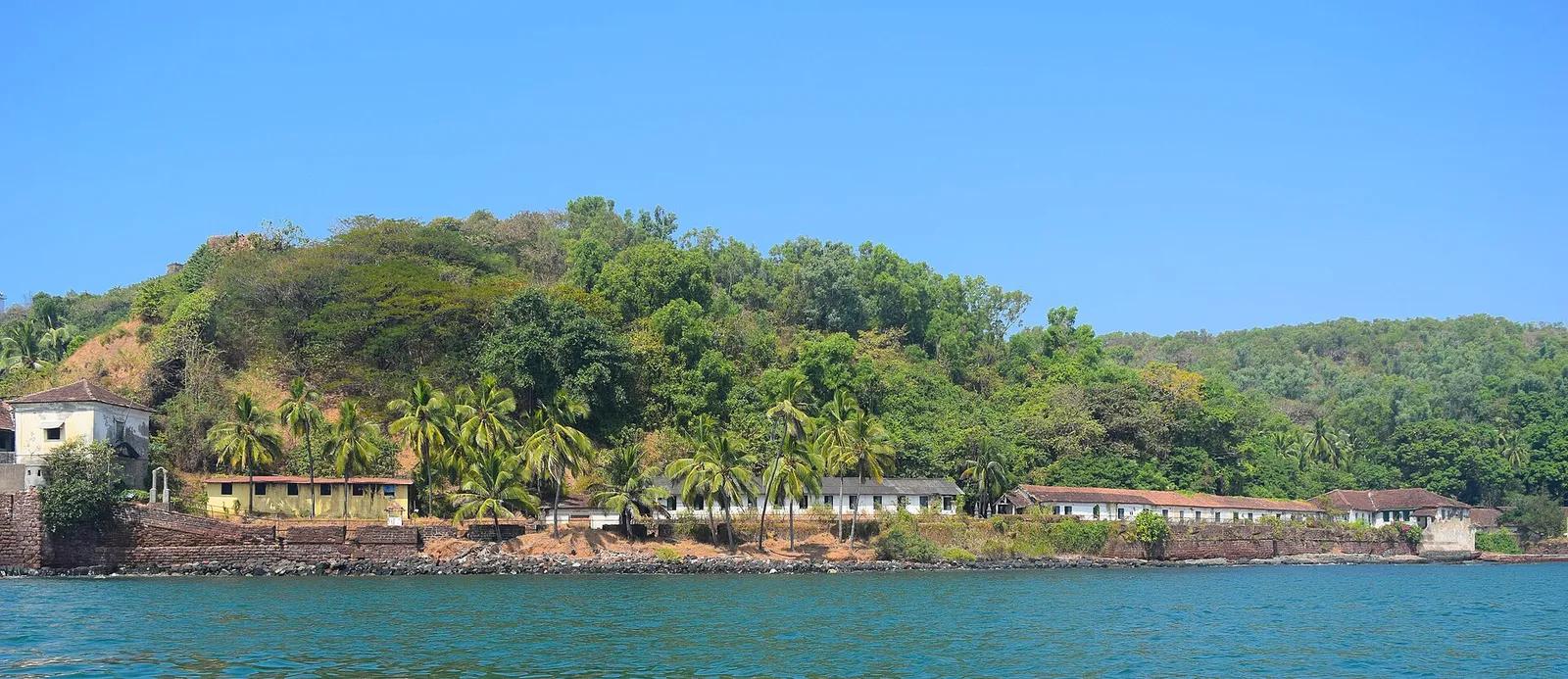
The authorities then moved against T. B. Cunha, aged 55. Days after Lohia's meeting he made a protest speech in Margão himself and was badly beaten by the police. On 12 July he was arrested at Margão railway station and shut in a dark, damp cell at Fort Aguada, a Portuguese fortress on the coast used as a military prison. A military tribunal, the first to try a civilian in Goa according to accounts of his life, sentenced him to eight years. Gandhi asked in Harijan why a law-abiding citizen should be thought so dangerous.
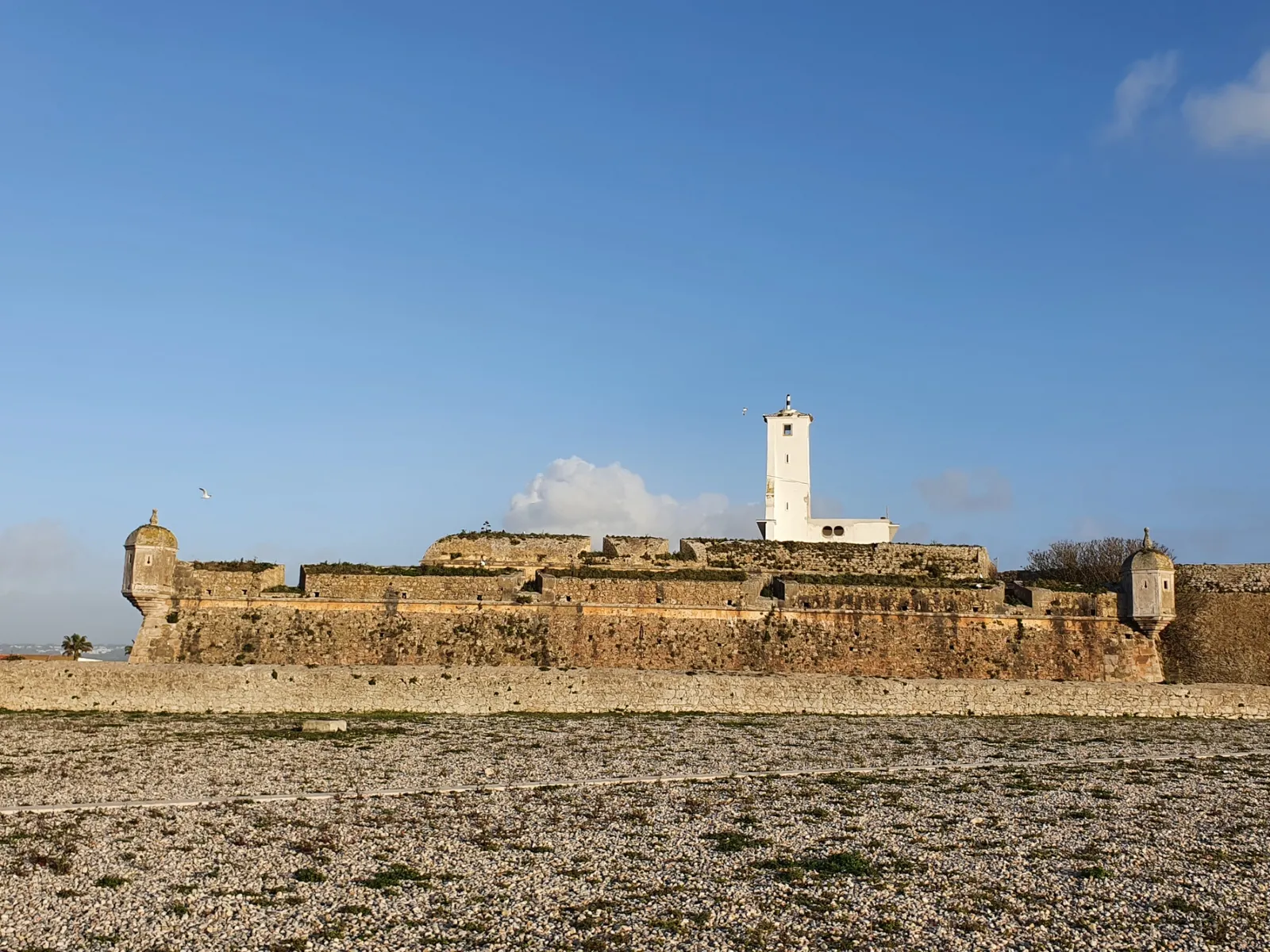
Others followed him into the military courts. Purushottam Kakodkar, who had organised the Margão meeting, was sentenced by court martial on 28 September to nine years' transportation. Cunha was shipped to Lisbon, held for a few days in the Aljube prison and then in the fortress of Peniche, on the coast north of Lisbon, where he found Kakodkar, Laxmikant Bhembre, José Inácio Loyola and Rama Hegde among his fellow prisoners.
| Who | When | Sentence | Sent to |
|---|---|---|---|
| T. B. Cunha | Arrested 12 July 1946 | 8 years, military tribunal | Peniche, Portugal |
| Purushottam Kakodkar | Sentenced 28 September 1946 | 9 years' transportation, court martial | Portugal |
| Leaders of the 1946 campaign | 1946 | At least 8 years, special military tribunal | Peniche, or Angola |
| Ordinary satyagrahis | 1946 | At least 6 months | Not stated |
| President of the 1948 National Congress (Goa) session, Carambolim | 1948 | 15 years | Angola |
| Leaders arrested for satyagrahas on 18 June, 15 August and 2 October | 1947 to 1953 | 15 to 28 years | Angola, Cape Verde |
Cunha's sentence is from Gandhi's Harijan of 11 August 1946 and the Janata essay; Kakodkar's from the editors' note to Nehru's Selected Works reprinted in Janata; the other rows from the 1979 gazetteer, which was compiled by the Indian administration and cites Goan nationalist chronologies. Portuguese court records were not consulted.
Lohia had promised to be back within three months, and he kept his word. On 29 September he was arrested on the train to Margão and held in solitary confinement at Fort Aguada. After eight days he was put over the border again, banned from Goa for five years. On 15 October Nehru wired him: “Please refrain from going to Goa or taking any precipitate action.” In a letter the same day he explained that he was dealing with the matter officially and was taking steps to appoint an Indian consul in Goa.
In August 1946 Goan activists meeting at Londa, just across the border, founded the National Congress (Goa) to run the campaign on Gandhian lines. In November India's delegate to the United Nations, Vijaya Lakshmi Pandit, opposed Portugal's application to join, telling the General Assembly that civil liberties in Goa were severely curtailed and opponents were tried by court martial and given inhuman sentences.
From satyagraha to the border, 1947 to 1961
Within a year the movement split. At the second session of the National Congress (Goa), in April 1947, a group broke away to form the Azad Gomantak Dal (Free Goa Party), which raided police posts and cut telephone lines. Inside Goa, satyagrahas were held on chosen days: 18 June, 15 August, India's independence day, and 2 October, Gandhi's birthday.
Indian independence in August 1947 changed the stakes. New Delhi wanted to negotiate a transfer of Portugal's territories; the talks failed, and India withdrew its mission from Lisbon in June 1953. On 18 June 1954, the eighth anniversary of Margão, the Portuguese arrested more than 75 Goan lawyers, doctors and professors to head off a satyagraha planned for 15 August. That summer activists took the enclaves of Dadra and Nagar Haveli, a dispute Portugal carried to the International Court of Justice.
The last mass march came on 15 August 1955, when several thousand unarmed satyagrahis from across India crossed the border at points including Patradevi and Castle Rock, and Portuguese police and soldiers opened fire. The 1979 gazetteer reports 32 dead on the spot in Goa; an Indian army account gives a cumulative 22 without saying for what period, and the Goa government counts around 74 over the whole campaign.
India closed its consulate in Goa on 1 September 1955 and stopped its own citizens from crossing. Indian troops ended Portuguese rule in Goa, Daman and Diu on 18 and 19 December 1961, a story told in a separate article.
Why it still matters
Goa calls 18 June Goa Revolution Day, or Kranti Din. The governor and chief minister lay wreaths at the Martyrs' Memorial on Azad Maidan in Panjim, and ministers lead smaller ceremonies at Lohia Maidan in Margão, as the municipal ground is now called, and at Kranti Maidan in Ponda. A road in Panjim is named 18th June Road.
O Heraldo wrote in 2015 that the day had been celebrated every year since 1980, though Goans marked it long before that: satyagrahas were held on 18 June from 1947, and a silver-jubilee volume appeared in 1972. In 2025 the governor said the two men had lit the torch of freedom in Margão that resulted in liberation on 19 December 1961, and a minister announced plans to conserve the memorials at Lohia Maidan and Azad Maidan.
Some Goans read the day as a rebuke to the present. An O Heraldo feature in 2024 argued that 1961 freed Goa from Portugal but did not bring independence in the true sense, and that Goa needed another revolution in how it is governed.
In Portugal the trace is at Peniche. Cunha, Kakodkar, Laxmikant Bhembre, José Inácio Loyola and Rama Hegde, sentenced for the 1946 campaign, were held in the fortress on the coast north of Lisbon where the Estado Novo kept its Portuguese political prisoners from 1934 to 1974. The fortress now houses the Museu Nacional Resistência e Liberdade.
Cunha was freed in an amnesty after about four and a half years but confined to Lisbon under police watch; he slipped away to Paris and was back in Bombay in September 1953. He died there in 1958. Lisbon refused to recognise the loss of Goa until the Estado Novo fell, and a treaty of 31 December 1974 finally recognised Indian sovereignty.
FAQs
What is Goa Revolution Day?
Goa Revolution Day, or Kranti Din, is held every 18 June to mark the day in 1946 when Ram Manohar Lohia and Julião Menezes defied the Portuguese ban on public meetings in Margão and were arrested. The state ceremony is at the Martyrs' Memorial on Azad Maidan in Panjim, with others at Lohia Maidan in Margão and Kranti Maidan in Ponda.
Why was Ram Manohar Lohia arrested in Goa?
Under Portuguese rule any public political meeting in Goa needed the governor's prior permission. Lohia set out to address a meeting in Margão on 18 June 1946 without asking for it, as an invitation to Goans to act as if the restrictions did not exist. He was arrested at once, held overnight and expelled from Goa, and arrested again when he came back by train on 29 September.
Who was Julião Menezes?
Julião Menezes was a Goan doctor from Assolna who had studied in Berlin, where he met Lohia. He invited Lohia to rest at his home in June 1946, was arrested with him in Margão, then returned to Bombay, where he campaigned through his paper Gomantak, wrote Goa's Freedom Struggle (1947) and helped found the National Congress (Goa). He died in Bombay on 2 July 1980.
How did the Portuguese respond to the 1946 movement?
With arrests and military courts, while insisting that Goa enjoyed full liberty and that the agitation was the work of a few malcontents, as the governor-general put it in a letter to Gandhi. The official Goa gazetteer of 1979 counts about 1,500 arrests between June and November 1946. Leaders such as T. B. Cunha and Purushottam Kakodkar received sentences of eight and nine years and were sent to Portugal, several to the fortress of Peniche; later activists were sent to Angola and Cape Verde.
When did Portuguese rule in Goa end?
Indian troops entered Goa, Daman and Diu on 18 December 1961, and the governor-general surrendered on 19 December, which India marks as Goa Liberation Day. Portugal recognised Indian sovereignty only in a treaty signed on 31 December 1974, after the fall of the Estado Novo.
On the timeline
Open the timelineNearby moments from dictatorship and the estado novo (1926–1974).
The poet Eugénio de Castro, whose 1890 collection 'Oaristos' introduced Symbolism into Portuguese literature, dies in his native Coimbra at the age of 75.
Birth of António Variações in Fiscal, Amares, in the Minho. A barber who worked in one of Lisbon's first unisex salons before opening his own shop, he became one of the most original voices of 1980s Portuguese pop, mixing Minho folk, fado and new wave in hits like 'O Corpo É Que Paga' and 'Canção de Engate'. He died in Lisbon in 1984, aged 39; AIDS was widely believed to be the cause, but no official document names it.
Portugal holds its first legislative election after the Second World War. The opposition Movimento de Unidade Democrática, formed in October amid hopes of liberalisation, had withdrawn a week earlier over the lack of free conditions, and Salazar's União Nacional takes all 120 seats in the National Assembly.
Goa Revolution Day, 1946
In Margão, the Indian socialist Ram Manohar Lohia and the Goan doctor Julião Menezes defy the Portuguese colonial ban on public meetings and are arrested with ten others. Goa marks the date as Goa Revolution Day, the start of a civil-liberties campaign; Portuguese rule ends only when India takes the territory in December 1961.
Birth of Xanana Gusmão in Laleia, Manatuto, Portuguese Timor. Educated by Jesuits at Dare, he led the armed resistance to the Indonesian occupation that followed Portugal's hasty withdrawal in 1975, spent nearly seven years in Indonesian custody, and in 2002, as independence was restored, became East Timor's first elected president.
TAP (Transportes Aéreos Portugueses) opens its first commercial route, between Lisbon and Madrid, flown with a Douglas DC-3. The airline had been created the year before on the orders of Humberto Delgado, then head of civil aviation and later the 'fearless general' who challenged Salazar.
Carlos Lopes is born in Vildemoinhos, near Viseu. A late bloomer, he won the Olympic marathon in Los Angeles at 37 — Portugal's first Olympic gold medal — and the following year set a world marathon record of 2:07:12 in Rotterdam.
Coming up in history
All long reads 20 June 1924Seventy-four days to Macau: the 1924 flight of the Pátria
 21 June 1813Vitoria, 21 June 1813: the Portuguese army that helped drive Joseph out of Spain
 22 June 1874The cable that put Brazil a day from Europe: Carcavelos, 22 June 1874
 23 June 1940The Exposição do Mundo Português: Salazar's empire on show in Belém, 1940
22 sources
Archives, scholarship and reporting this article was checked against.
- 1
Gazetteer of the Union Territory Goa, Daman and Diu: District Gazetteer, Part I: Goa (executive editor V. T. Gune)Gazetteer Department, Government of the Union Territory of Goa, Daman and Diu, Panaji, 1979 (Digital Library of India copy)
- 2
Janata, vol. 76, special issue on the Goa liberation movement, 4 July 2021Janata weekly, Mumbai (PDF hosted by Lohia Today)
- 3
Foreign settlements in India: (a) Goa, from The Mind of Mahatma GandhiBombay Sarvodaya Mandal and Gandhi Research Foundation (mkgandhi.org)
- 4
Goa Revolution Day: honoring heroes and historyO Heraldo (Herald Goa), 18 June 2024
- 5
Reading letters to my parents from TB Cunha, the ‘Father of Goan nationalism’ (Luis Dias)Scroll.in, 18 June 2025
- 6
Goa Revolution Day at Azad Maidan on June 18Department of Information and Publicity, Government of Goa, 7 June 2024
- 7
Goa Revolution Day: a forgotten storyLive History India, 18 June 2021
- 8
Right of Passage over Indian Territory (Portugal v. India): summary of the Judgment of 12 April 1960International Court of Justice
- 9
- 10
Operation Vijay: The Liberation of ‘Estado da India’ – Goa, Daman and Diu (Brigadier A. S. Cheema)Journal of the United Service Institution of India, vol. CXLIII, no. 594, October–December 2013 (PDF)
- 11
Milestones of GoaDepartment of Information and Publicity, Government of Goa
- 12
- 13
- 14
- 15
- 16
Prisão políticaMuseu Nacional Resistência e Liberdade, Peniche
- 17
Museu Nacional Resistência e LiberdadeMuseus e Monumentos de Portugal
- 18
India–Portugal RelationsEmbassy of India, Lisbon
- 19
On Dual Citizenship (Eduardo Faleiro)Mainstream, vol. LII, no. 12, 15 March 2014
- 20
- 21
Aguada jail museum to open for public from Sept 1The Goan, 12 August 2022
- 22
Image credits
- Lohia Maidan in Margão, the municipal ground where Lohia and Menezes defied the ban on 18 June 1946, photographed in May 2026. Lohia's statue stands at the far right. SerChevalerie, CC BY-SA 3.0, via Wikimedia Commons.
- The municipal building in Margão, seat of the council of Salcete, in 2024. Menezes wrote that the 18 June meeting was called in front of the municipal building; the next evening, according to O Heraldo, crowds sat in the road outside the Câmara to demand the prisoners' release. iMahesh, CC BY-SA 4.0, via Wikimedia Commons.
- The jail buildings of lower Fort Aguada, at the mouth of the Mandovi, seen from the water in 2016. Cunha was held in the fort in 1946, and Lohia spent eight days in solitary confinement there that autumn. The old jail is now a museum. Nikhilb239, CC BY 3.0, via Wikimedia Commons.
- The fortress of Peniche, on the Portuguese coast north of Lisbon, in 2023. The Estado Novo held political prisoners there from 1934 to 1974, Goans sentenced in 1946 among them. It now houses the Museu Nacional Resistência e Liberdade. GualdimG, CC BY-SA 4.0, via Wikimedia Commons.
- The urn holding the remains of Tristão de Bragança Cunha on Azad Maidan, Panjim, photographed in May 2026. The inscription gives his dates, 2 April 1891 to 26 September 1958, and calls him the valiant hero of the Goan fight for freedom. SerChevalerie, CC BY-SA 4.0, via Wikimedia Commons.