

José Mário Branco, the Porto singer who fled a war and came back to sing
Jailed by the political police at 19, he slipped out to Paris rather than fight in Africa, made his first records in exile and came home five days after the revolution. Later he turned his disappointment into a 25-minute monologue that Portugal still quotes.
At a glance
- José Mário Monteiro Guedes Branco was born in Porto on 25 May 1942, the son of two primary school teachers, and grew up between Porto and Leça da Palmeira.
- The PIDE, the Estado Novo's political police, arrested him for Communist Party activity on 28 April 1962, aged 19, and held him for about five months. On 10 June 1963, facing call-up for the colonial wars, he left for Paris.
- In exile he recorded Mudam-se os Tempos, Mudam-se as Vontades (1971) and arranged José Afonso's Cantigas do Maio, the album with ‘Grândola, Vila Morena’. He flew home on 30 April 1974.
- After the revolution he founded the GAC – Vozes na Luta, worked in the theatre companies A Comuna and Teatro do Mundo, and in February 1979 wrote FMI, a 25-minute monologue released in 1982.
- He became one of Portugal's most sought-after record producers, and from 1995 he produced the fado singer Camané's albums. He died in Lisbon of a stroke on the night of 18 to 19 November 2019, aged 77.
A text written in one night
José Mário Branco sat on a Lisbon stage with an acoustic guitar. Before he began, he warned the audience that the text he was about to perform had been written in one burst, on a night in February 1979, and that some of its details were no longer current. Then he told them its title: FMI, the Portuguese initials of the International Monetary Fund.
What followed lasted about 25 minutes. It began as satire, mocking the Fund's men with their attaché cases and the politicians at home, and ended as something close to a breakdown in public. Branco later said that he had started the text in an ironic tone and been caught by it as he wrote, and that the audience went through the same process: some of them cried.
“I'm Zé Mário Branco, 37 years old, from Porto, much more alive than dead; count on me for singing and for the rest.”
By then Branco had been a prisoner of the PIDE, a deserter in Paris, the arranger of the song that signalled the Carnation Revolution and a full-time militant of the revolution itself. FMI was his reckoning with all of it.
- Born
- 25 May 1942, Porto
- Full name
- José Mário Monteiro Guedes Branco
- Parents
- Two primary school teachers; his father was António Cândido Guedes Branco (1912–1978)
- Exile
- France, 10 June 1963 to 30 April 1974
- Best-known works
- the album Mudam-se os Tempos, Mudam-se as Vontades (1971); the song A Cantiga É Uma Arma (with the GAC, 1975); FMI (1982)
- Died
- Night of 18 to 19 November 2019, Lisbon, aged 77
A teachers' son in Salazar's Porto
José Mário Monteiro Guedes Branco was born in Porto on 25 May 1942. Both his parents were primary school teachers, and he grew up between the city and Leça da Palmeira, a seaside town just to the north. His father introduced him to classical music.
He met censorship early. As a pupil at the Liceu D. Manuel II, a state secondary school in Porto, he worked on a one-off school paper called Alfa, funded by the cultural section of the regime's own youth movement. It was banned within a week because it carried an article about Picasso. At the Cineclube do Porto he saw what he later called films of resistance, and at the Teatro Experimental do Porto he saw plays.
At 17 he took his first paid job, as a radio announcer. He chose the music for a three-hour programme and had to read a six o'clock bulletin written by the regime's propaganda office. He read it without any punctuation so that listeners could not follow it, until his employer told him the office had phoned to complain.
He had been a leader in Catholic Action, the Church's lay movement, before he moved to the clandestine Portuguese Communist Party (PCP). “I swapped one church for another,” he joked later. According to his PIDE file, a friend, Fernando de Vasconcelos, recruited him in May 1961. Later that year Vasconcelos took part in the hijacking of a TAP airliner to drop leaflets over Lisbon.
Prisoner 25,222
The PIDE first noticed him in April 1961, when he and four other students hitchhiked from Porto to Peroguarda, a village in the Alentejo, for their holidays. The local PIDE chief found it suspicious that university students should spend a festive season in a place with no attractions. They claimed, he reported, to be passionate about Alentejo singing.
That year the colonial war began in Angola, and student protest spread through the universities. Branco, now studying history in Coimbra, organised secondary school pupils for the party under the code name Bento. At 7.30 in the morning of 28 April 1962, Salazar's 73rd birthday, PIDE agents arrested him at his parents' flat in Porto. Arrests before 1 May were usual, he said later, to head off demonstrations.
“I entered the prison and I saw the 21 people who were the CP structure in Coimbra. We looked at each other and we thought: they know everything.”
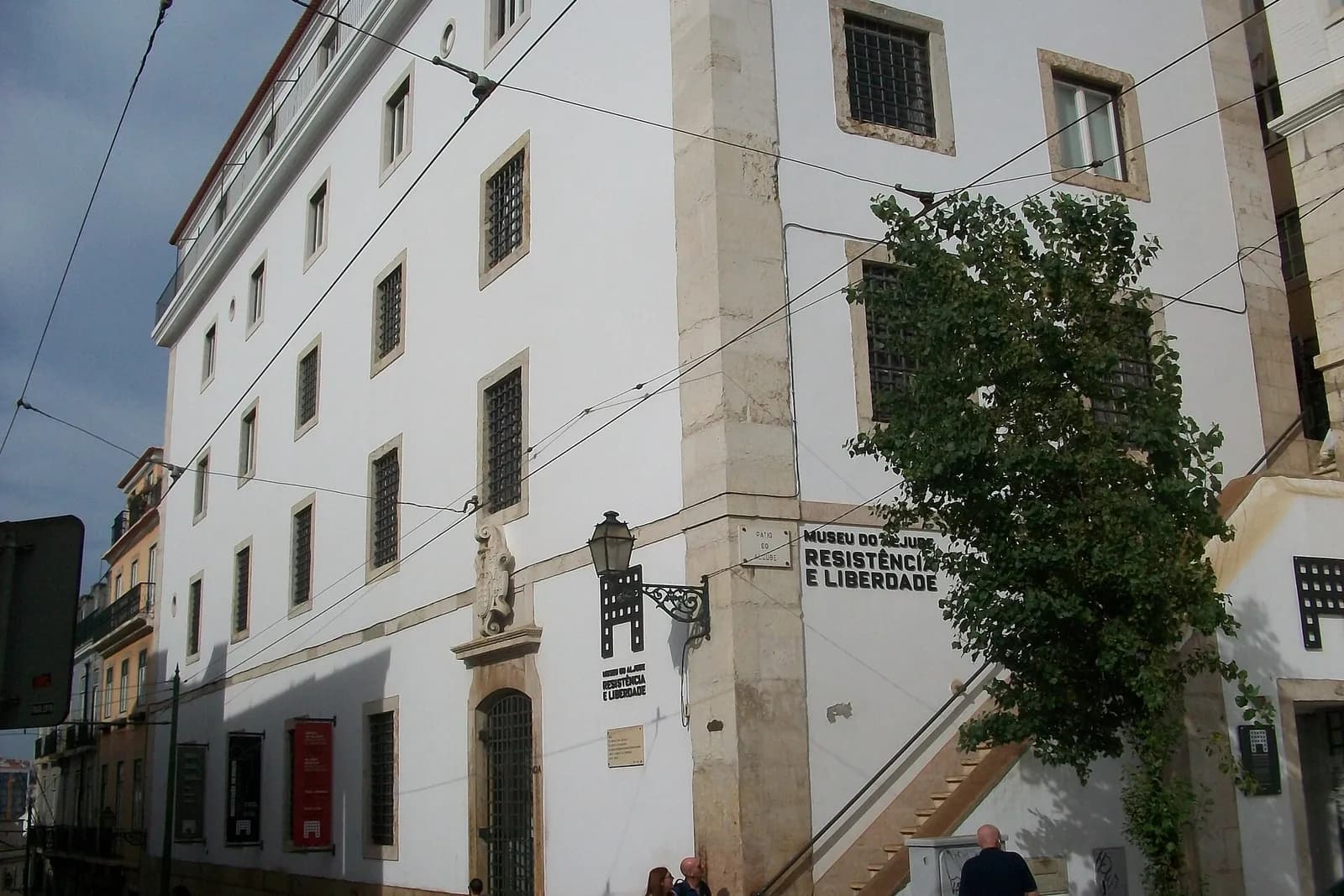
He spent a night at the PIDE office in Coimbra and was then taken to the Aljube, the political prison beside Lisbon Cathedral, where he was registered as prisoner number 25,222. He turned 20 in a cell, receiving telegrams from friends and from his girlfriend, Isabel. After a month he admitted his links to the party. In September he was moved to Caxias prison, and about five months after his arrest he was released for lack of evidence.
He enrolled at the Faculty of Letters in Porto, but the police kept an informer there. In February 1963 the informer named him as the student to watch: “This one is the chief.” By then Branco faced a more immediate problem. He had been called up, and young conscripts were being sent to fight in Angola.
“Doing my military service was already out of the question. I took the decision not to fight in this war and was ready to bear the consequences of my decision.”
On 10 June 1963, aged 21, he left for Paris. The informer reported his flight more than two weeks late. Back home after the revolution, Branco told RTP that he had been one of about 107,000 young Portuguese men who refused to serve in the army the government had sent to the colonies; that figure is his own.
Songs from the Gare d'Austerlitz
Isabel followed him. They married in France on 20 October 1963, when she was 17, and stayed together for almost fourteen years.
Politics came first. Branco broke with the PCP soon after arriving and in 1964 joined the Comité Marxista-Leninista Português, a pro-Chinese splinter group that the police dismantled in 1966. With other exiles he worked among the many thousands of Portuguese emigrants in and around Paris, and among the deserters and draft-dodgers from the colonial army.
Music began as paid work arranging other people's songs. In 1967 he recorded an EP, Seis Cantigas de Amigo, released the next year by Arquivos Sonoros Portugueses, the label of the folk music collector Michel Giacometti. A single followed in 1969, Ronda do Soldadinho, about a soldier sent to war. Emigrant associations helped pay for it, and two or three thousand copies were smuggled into Portugal.
May 1968 opened the exile's shell, as he put it. He joined Organon, an artists' cooperative, and played with French musicians in occupied factories and schools. In Paris he also met Sérgio Godinho, another young man from Porto, and they began writing songs together for what became the first album of each.
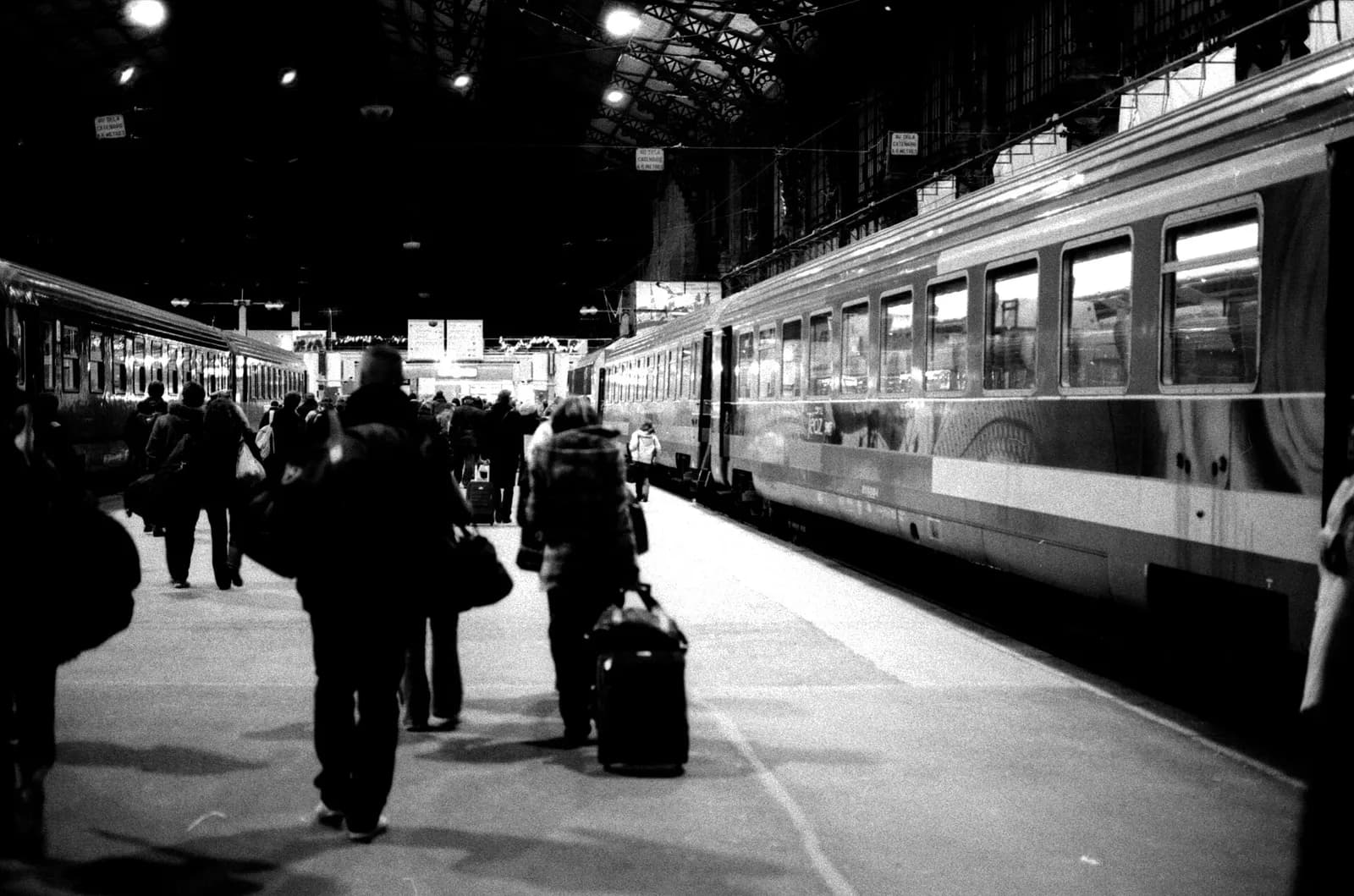
His own first album, Mudam-se os Tempos, Mudam-se as Vontades (“Times change, wills change”), came out in 1971. Its title song set a poem by the sixteenth-century poet Luís de Camões; other lyrics were by Natália Correia, Alexandre O'Neill and Godinho. It opened with an accordion and the noise of the Gare d'Austerlitz, the Paris station on the Sud-Express route from Lisbon, where trains arrived full of Portuguese and Spanish emigrants.
“When family came to Paris, friends, Zeca himself, that is where they went to catch the train back to Portugal. And I didn't. I stayed on the platform waving goodbye.”
The same year he arranged José Afonso's album Cantigas do Maio, recorded at the Château d'Hérouville outside Paris; its song ‘Grândola, Vila Morena’ became the radio signal for the revolution of 25 April 1974, a story told in our article on Afonso's death. His second album, Margem de Certa Maneira, was recorded in the same studio and is dated 1972 or 1973 depending on the source.
Home on 30 April 1974
At first the exiles in Paris distrusted the news of a military coup, then realised the regime had really fallen. On 30 April 1974 Branco and the singer Luís Cília flew into Lisbon on the plane that also carried Álvaro Cunhal, the Communist leader. José Afonso, Adriano Correia de Oliveira, José Jorge Letria and the poet Ary dos Santos were waiting, and they sang ‘Grândola’ together in the airport with their fists raised.
That night, at a meeting in his father's house, the singers founded the Colectivo de Acção Cultural. Branco wrote most of its manifesto and read it himself on 6 May at a packed concert in Porto's Pavilhão dos Desportos, his first appearance on a Portuguese stage, in front of about 6,000 people. The collective did not survive the month: its members belonged to rival parties, and Branco's hard line was not theirs.
He founded instead the Grupo de Acção Cultural, GAC, with Fausto Bordalo Dias, Afonso Dias and Tino Flores. It became a choir-based collective called GAC – Vozes na Luta (“Voices in the Struggle”) and in May 1975 a cooperative. Its best-known song, A Cantiga É Uma Arma, “the song is a weapon”, became a slogan. The GAC backed the far-left UDP, founded in December 1974, whose national bodies Branco joined.
Sources count the GAC's output differently. João Madeira, a historian, gives 500 performances in just over two years and 1,300 by the time the group broke up in early 1979, with up to 80 members, which let it play several venues at once. Diário de Notícias gives more than 500 shows between 1974 and 1977. Branco himself remembered doing 1,100 free shows in two or three years, sometimes three a day.
25 May 1942
Born in Porto
28 April 1962
Arrested by the PIDE in Porto
Held in the Aljube and Caxias for about five months.
10 June 1963
Leaves for Paris to avoid the colonial war
1967
Records his first EP, Seis Cantigas de Amigo
1971
First album; arranges Cantigas do Maio for José Afonso
30 April 1974
Returns to Lisbon after the revolution
1974–1979
GAC – Vozes na Luta
1977
Joins the theatre company A Comuna
January 1979
Co-founds Teatro do Mundo
February 1979
Writes FMI
Recorded live and released in 1982.
1995
Produces Camané's first album
18–19 November 2019
Dies in Lisbon after a stroke, aged 77
A Comuna and the Teatro do Mundo
In 1976 the UDP sent him to Porto, and his part in the GAC shrank. By 1977 he had left both the group and the party behind it and joined A Comuna, a theatre company founded on 1 May 1972 by João Mota, Carlos Paulo, Manuela de Freitas, Melim Teixeira and Francisco Pestana. Its home is a pink house on the Praça de Espanha in Lisbon.
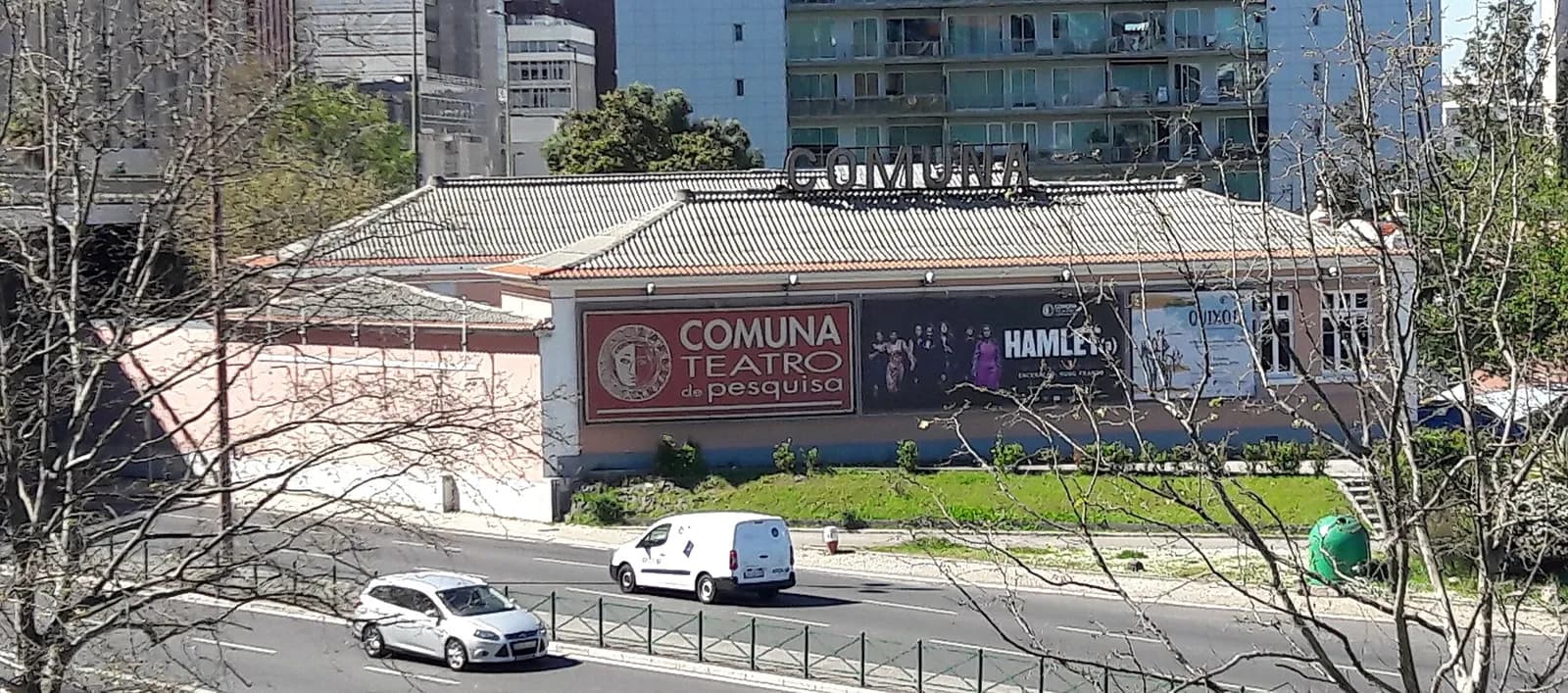
At A Comuna he wrote the music for Bertolt Brecht's play The Mother, directed by João Mota, and acted alongside Carlos Paulo, Manuela de Freitas and others. The songs came out in 1978 as the album A Mãe. Falling in love with Manuela de Freitas, a fado enthusiast, and moving to Lisbon drew him into the city's fado houses. He had rejected fado as the song of fate and resignation that the regime promoted.
After he left A Comuna, he and Manuela de Freitas founded a company of their own in January 1979, the Teatro do Mundo, with Gabriela Morais, António Branco, Cucha Carvalheiro, Jean-Pierre Tailhade and Fernanda Neves. Its first play, A Secreta Família, opened that July.
FMI
In February 1979, living at his brother's home in Lisbon, he wrote the text of FMI in a single night. “I had just been thrown out of the Teatro da Comuna, and we were still living through the ebb of the PREC,” he told the news agency Lusa decades later. The title pointed at the International Monetary Fund, which Portugal had turned to twice in the previous two years.
Prices had been rising fast since the revolution. In April 1977 Portugal signed a stand-by arrangement with the IMF for 42.4 million SDR, the Fund's unit of account, and drew all of it; a second arrangement for 57.35 million SDR followed in June 1978, though none of it was drawn. Inflation, as measured by the national statistics office, was 26.7% in 1977 and still 21.7% in 1979.
Consumer price inflation in Portugal, 1973 to 1985
% change on previous year
Annual change in the consumer price index, from PORDATA (source: INE). The highlighted years are those in which Portugal agreed stand-by arrangements with the IMF: April 1977, June 1978 and October 1983. Branco wrote FMI in February 1979.
Show the data
| Consumer price index, total | |
|---|---|
| 1973 | 13 |
| 1974 | 26.2 |
| 1975 | 17.3 |
| 1976 | 19.9 |
| 1977 | 26.7 |
| 1978 | 20.8 |
| 1979 | 21.7 |
| 1980 | 16.1 |
| 1981 | 19.2 |
| 1982 | 21.5 |
| 1983 | 24 |
| 1984 | 28.5 |
| 1985 | 19.5 |
In Joaquim Anacleto's 2021 study of the song, the Fund is only a pretext. The first part names politicians, among them President Ramalho Eanes and the former prime minister Pinheiro de Azevedo, and turns its sarcasm on the left, including Branco's own side, for its rhetoric and its refusal to let anyone be happy until everyone is. The second part slows into something much more private.
Record companies turned it down, so he performed it live first. Anacleto dates the live recording to 1981; Lusa places it at the Teatro Aberto in Lisbon in 1982. It came out in 1982 as a maxi-single, released at the same time as the double album Ser Solid(t)ário, and filled a whole side of vinyl: 25 minutes and one second, by Anacleto's count, or about twenty in press reports.
Its fame made him uneasy. The American poet Allen Ginsberg once asked to translate it into English, and Branco said no, because it was “not a text, it is a stage catharsis”. He later asked radio stations to stop playing it. The double album also held two of his most-sung songs, Inquietação and Eu Vim de Longe, Eu Vou Pra Longe.
Fado, Camané and the producer's chair
The 1980s disappointed him. He called his album of the decade A Noite, “The Night” (1985), and said later that the decade had emptied people's musical taste. His next album, Correspondências (1990), was a set of open letters in song to figures such as Chico Buarque, José Afonso and Hannah Arendt.
Fado drew him in. He wrote his first fado in 1979, with Manuela de Freitas finishing the words, and it was recorded in 1981. After fado sessions at A Comuna in which both took part, a young singer, Camané, asked him to produce his first record. Branco agreed, nervous because his generation had been against fado, and produced Camané's albums from 1995 onwards. Katia Guerreiro, Amélia Muge and others followed. He warned Guerreiro that he was unbearable to work with.
| Year | Album | Note |
|---|---|---|
| 1971 | Mudam-se os Tempos, Mudam-se as Vontades | Recorded in exile in France |
| 1972 or 1973 | Margem de Certa Maneira | Recorded at the Strawberry Studio, Hérouville |
| 1978 | A Mãe | Music for Brecht's The Mother at A Comuna |
| 1982 | Ser Solid(t)ário | Double album; FMI issued at the same time as a maxi-single |
| 1985 | A Noite | |
| 1990 | Correspondências | Some sources give 1991 |
| 1997 | Ao Vivo | Recorded over five nights in Porto, Lisbon and Coimbra |
| 2004 | Resistir É Vencer | His last album of new songs |
Excludes the 1967 EP, singles, the GAC albums and film and theatre music. A double album of unreleased songs and rarities recorded between 1967 and 1999 came out in 2018.
He also wrote for the cinema, notably for the director Paulo Rocha, composing the music for O Rio do Ouro (1998), in which he briefly appears, and A Raiz do Coração (2000). In 2009 he toured with Sérgio Godinho and Fausto Bordalo Dias as Três Cantos, then tired of singing old songs to crowds holding up lighters and phones.
He refused public honours. President Marcelo Rebelo de Sousa said after his death that he had tried to decorate him while he was alive, but that Branco had always been averse to decorations and public recognition. He did receive the Prémio José Afonso, a music prize named after his friend, twice.
Carnations and silence
José Mário Branco died in Lisbon on the night of 18 to 19 November 2019, after a sudden stroke. He was 77. Sérgio Godinho called him a brother in arms. Rádio Universidade de Coimbra, the student station, played FMI on a loop for twelve hours the next day.
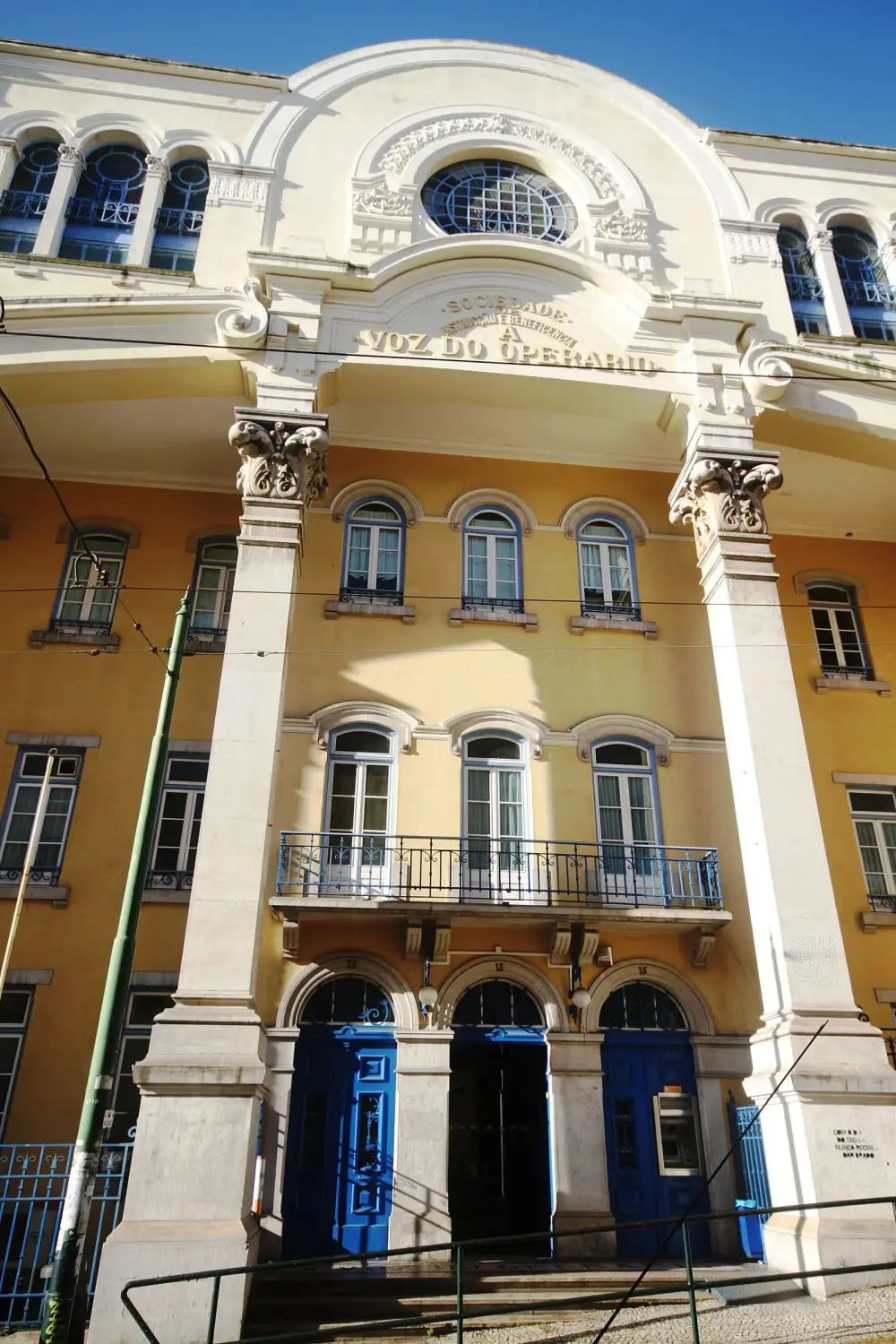
His body lay at the Voz do Operário, a workers' educational society in the Graça district, in a hall decorated with red carnations. At the wake on the Wednesday, former members of the GAC began to sing A Cantiga É Uma Arma and the mourners joined in. On 21 November his family handed out the carnations from the coffin, and ten minutes of applause ended with ‘Grândola, Vila Morena’.
Then the cortege walked in silence to the cemetery of Alto de São João. The only sign was a banner with a line from FMI, “We want everything too, damn it!” At the crematorium the crowd sang Eu Vim de Longe, Eu Vou Pra Longe as the coffin went in.
Why it still matters
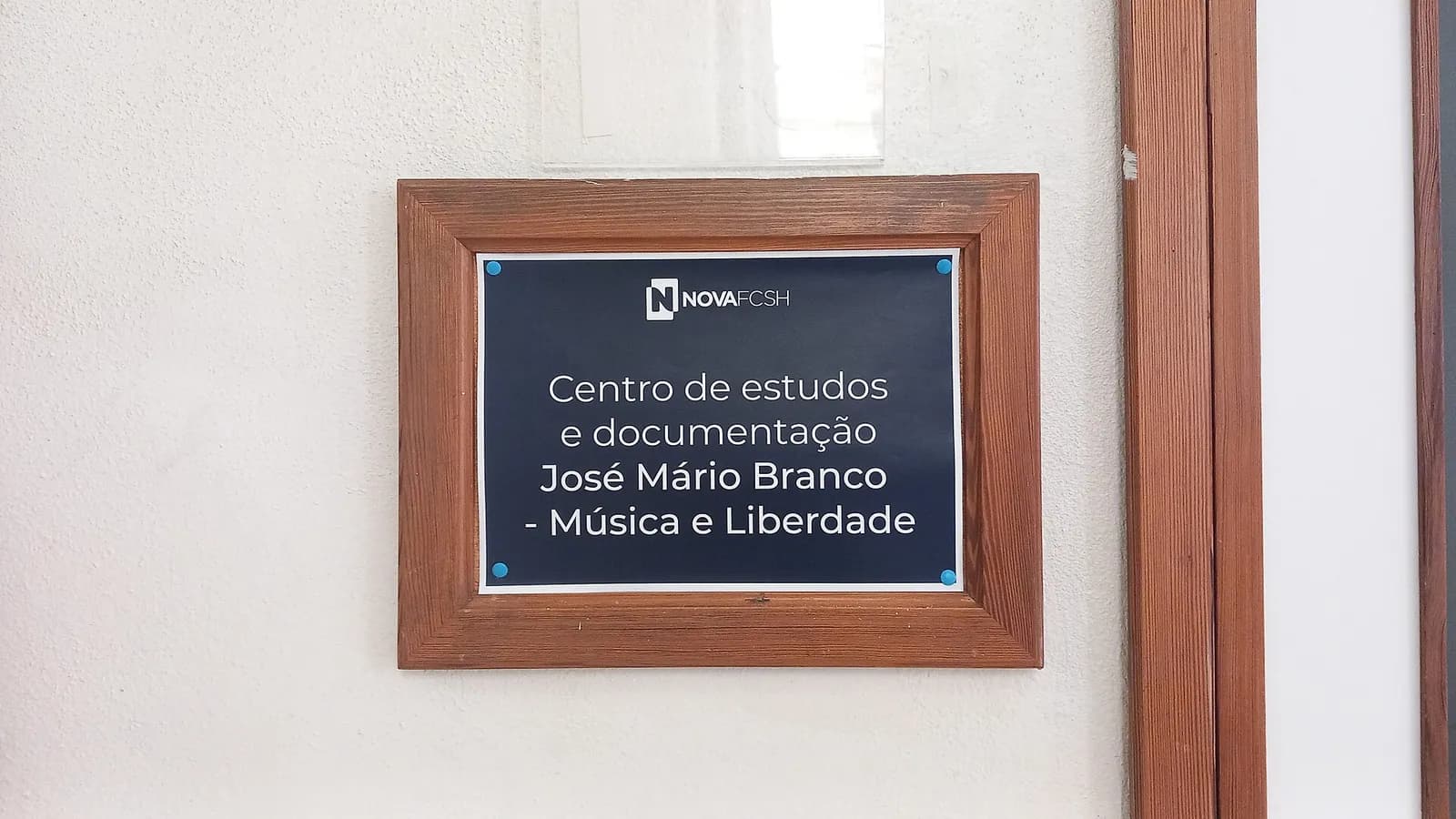
Branco left an archive of thousands of documents, recordings and pictures, including his notes on his records and shows. After his death his family deposited it at the Faculty of Social Sciences and Humanities of NOVA University Lisbon, which in 2021 set up the José Mário Branco Studies and Documentation Centre – Music and Freedom to look after it.
In March 2026 the centre opened an online catalogue, cedjmbbase.pt, which reproduces his folders in the order he kept them. A book of his press interviews from 1970 to 2019 came out in 2025, a musical biography based on about 100 hours of conversations with him is in preparation, and the family plans a foundation, as he wished.
His songs travel without him. Inquietação is among his most covered songs, and in 2001 Camané recorded A Cantar É Que Te Deixas Levar, which Branco and Manuela de Freitas had written for the Teatro do Mundo. The documentary Mudar de Vida, which two students started filming in 2005 and finished with crowdfunding, opened in 2014. In April 2022 the Cinemateca, Portugal's film museum, showed it in a programme called José Mário Branco: A Morte Nunca Existiu (“Death never existed”).
FAQs
When and where was José Mário Branco born?
In Porto, on 25 May 1942. His full name was José Mário Monteiro Guedes Branco, and his parents were primary school teachers.
Why did José Mário Branco go into exile?
The PIDE had arrested him in 1962 as a Communist Party activist, and in 1963 he was called up for military service while Portugal was fighting colonial wars in Africa. He refused to fight and left for Paris on 10 June 1963, returning only on 30 April 1974.
What is FMI about?
FMI, the Portuguese initials of the International Monetary Fund, is a monologue of about 25 minutes that Branco wrote in one night in February 1979, after Portugal's IMF agreements of 1977 and 1978. It uses the Fund as a pretext to attack the politics of the post-revolution years, the left included, and ends as a personal confession. It was recorded live and released in 1982.
What did José Mário Branco have to do with ‘Grândola, Vila Morena’?
He arranged José Afonso's 1971 album Cantigas do Maio, recorded near Paris, which includes the song, and directed its recording. The song is Afonso's.
How did José Mário Branco die?
He died of a sudden stroke in Lisbon on the night of 18 to 19 November 2019, aged 77. His body lay at the Voz do Operário and was cremated at the Alto de São João cemetery on 21 November.
On the timeline
Open the timelineNearby moments from dictatorship and the estado novo (1926–1974).
Birth in Póvoa de Varzim of Diogo Freitas do Amaral, founder and first leader of the Christian-democratic CDS after the Carnation Revolution. He lost the 1986 presidential run-off to Mário Soares by barely two points and remains the only Portuguese to have presided over the United Nations General Assembly, in 1995–96.
Cesária Évora, the 'barefoot diva' of Cape Verdean morna, is born in Mindelo on the island of São Vicente, then a Portuguese colony. Singing in Creole, she found international fame only in her late forties and won a Grammy in 2004.
Eusébio da Silva Ferreira is born in Lourenço Marques (today Maputo), in Portuguese Mozambique. The Benfica striker would become the first global star of Portuguese football and one of the best players the world has seen.
José Mário Branco is born
Birth in Porto of José Mário Branco, one of the great voices of Portuguese protest song. In exile in France he arranged José Afonso's 1971 album 'Cantigas do Maio', which includes 'Grândola, Vila Morena', the song broadcast as a signal for the Carnation Revolution; his own epic 'FMI' (1982) voiced the disillusion that followed it.
Birth in Lisbon of António Lobo Antunes, psychiatrist turned novelist whose books drawing on the colonial war in Angola made him one of Portugal's greatest modern writers; he was awarded the Prémio Camões in 2007.
Birth in Bengo province, near Luanda, of José Adelino Barceló de Carvalho — Bonga. Recruited by Benfica, he became Portugal's 400-metre record holder while secretly carrying messages for Angolan independence fighters, then went into exile in the Netherlands, where his 1972 debut album 'Angola 72' became a landmark of the independence struggle.
Pan Am's 'Yankee Clipper' flying boat crashes while landing on the Tagus in Lisbon, wartime Europe's gateway to America. Twenty-four of the 39 people aboard die; Broadway singer Jane Froman, travelling to entertain US troops, survives badly injured — a story Hollywood retold in 'With a Song in My Heart'.
Coming up in history
All long reads 27 May 1987Madjer's back-heel: FC Porto beat Bayern to win the 1987 European Cup
 28 May 1926The coup of 28 May 1926: how a rising in Braga ended the First Republic
 29 May 1385The Battle of Trancoso: how feuding Beira lords stopped a Castilian raid
 30 May 1834The decree that shut Portugal's monasteries: 30 May 1834
24 sources
Archives, scholarship and reporting this article was checked against.
- 1O cerco da PIDE ao miúdo José Mário Branco, o “Bento” do PCP, que se tornou suspeito por gostar de cante alentejanoObservador, 20 November 2019
- 2
“Tudo depende da raiva e da alegria”: os cantores de intervenção na Revolução de Abril (João Madeira)Perseu: História, Memória e Política, no. 14 (2017), Fundação Perseu Abramo
- 3
A canção como arma: José Afonso, Sérgio Godinho e José Mário Branco, entre Cantigas do Maio (1971) e FMI (1981) (Joaquim Anacleto, MA dissertation)Universidade Aberta, 2021
- 4José Mário Branco (1942-2019): professor, amante de música, subversivo, “muito mais vivo do que morto”Observador, 19 November 2019
- 5
Interventivo, inquieto, militante: adeus, José Mário BrancoSábado (Lusa), 19 November 2019
- 6Para ele a cantiga era uma arma: morreu José Mário Branco (Maria João Caetano)Diário de Notícias, 19 November 2019
- 7Arquivo “muito rico” de José Mário Branco tem nova plataforma online de consultaRTP Notícias (Lusa), 17 March 2026
- 8
José Mário Branco: authority recordCentro de Estudos e Documentação José Mário Branco – Música e Liberdade, NOVA FCSH
- 9Morreu o cantor, músico e produtor José Mário BrancoObservador, 19 November 2019
- 10Funeral de José Mário Branco realiza-se hoje a partir da Voz do OperárioRTP Notícias (Lusa), 21 November 2019
- 11
Lives in the Resistance: José Mário BrancoMuseu do Aljube Resistência e Liberdade, event of 15 May 2019
- 12A inquietação de uma vida inteira: 13 canções para recordar José Mário BrancoObservador, 19 November 2019
- 13
José Mário Branco: a liberdade passou por aquiTime Out Lisboa
- 14“É preciso ser menos artista e mais político”: como o 25 de Abril criou uma rutura na canção portuguesaObservador, 9 November 2025
- 15
A “dramática aventura” do 25 de Novembro que ditou o fim da RevoluçãoLusa, in DNOTICIAS.PT, 24 November 2019
- 16Teatro do Mundo, por João Carlos CallixtoRTP Memória, Gramofone
- 17
- 18
Portugal: history of lending arrangementsInternational Monetary Fund
- 19
- 20
Taxa de inflação (taxa de variação do índice de preços no consumidor): total e por consumo individual por objetivoPORDATA (source: INE), last updated 11 February 2026
- 21
Mudar de Vida: José Mário Branco, vida e obra (programme note by Maria João Madeira)Cinemateca Portuguesa – Museu do Cinema, 12 April 2022
- 22Marcelo admite condecoração póstuma de José Mário BrancoDiário de Notícias, 19 November 2019
- 23
- 24
Conference of the José Mário Branco Studies and Documentation Centre – Music and FreedomINET-md, NOVA FCSH
Image credits
- A platform at the Gare d'Austerlitz in Paris in 2009. In Branco's exile the station received trains full of Portuguese emigrants, and he opened his first album with its sounds. boklm, CC0, via Wikimedia Commons.
- The former Aljube prison beside Lisbon Cathedral, now the Museu do Aljube Resistência e Liberdade, which opened in 2015. Branco was held here from April to September 1962. Hipersyl, CC BY-SA 4.0, via Wikimedia Commons.
- The home of A Comuna – Teatro de Pesquisa on the Praça de Espanha in Lisbon, in March 2019. Branco wrote music for its Brecht productions in the late 1970s. Hipersyl, CC BY-SA 4.0, via Wikimedia Commons.
- The headquarters of the Sociedade A Voz do Operário in Graça, Lisbon, in January 2013. Branco's body lay here before his funeral in November 2019. José Luiz, CC BY-SA 3.0, via Wikimedia Commons.
- The sign at the entrance of the José Mário Branco Studies and Documentation Centre, in the Colégio Almada Negreiros of NOVA FCSH at Campolide, Lisbon, in March 2023. Girassolei, CC BY-SA 4.0, via Wikimedia Commons.