

A. H. de Oliveira Marques, historian of Portugal
He wrote a pioneering history of everyday life in medieval Portugal, resigned from the University of Lisbon after siding with striking students, and began in America a history of Portugal that Portuguese schools and universities used for decades.
At a glance
- António Henrique Rodrigo de Oliveira Marques was born in São Pedro do Estoril, in the municipality of Cascais, on 23 August 1933, into a family that lived in Lisbon.
- In 1962 he took the students' side in the academic crisis. His competition for a professorship at the University of Lisbon was suspended twice, and on 17 November 1964 he resigned in protest.
- From 1965 to 1969 he taught in the United States, at Auburn and the University of Florida, and began the History of Portugal that Columbia University Press published in 1972.
- His A Sociedade Medieval Portuguesa (1964), translated in 1971 as Daily Life in Portugal in the Late Middle Ages, opened the study of medieval food, dress, hygiene, love and death in Portugal.
- After the 1974 revolution he ran the National Library, helped found the social sciences faculty of Nova University and wrote standard works on the First Republic and freemasonry. He died in Lisbon in January 2007, aged 73.
A thesis nobody examined
In May 1962 a 28-year-old lecturer at the Faculty of Letters in Lisbon handed in the printed copy of his dissertation. It was called Introdução à História da Agricultura em Portugal, a study of cereal growing in medieval Portugal, and it was meant to win him a post as professor extraordinário, the step below a full chair.
Around him the university was in revolt. Since the police broke up their Students' Day in late March, students had been boycotting classes, and that month some went on hunger strike. António Henrique de Oliveira Marques took what his colleague Armando Luís de Carvalho Homem later called “a position on the side of the students against the government”.
The public examinations for his post never took place.
The competition was suspended in May 1962 and again in November 1964, and on 17 November 1964 he resigned his post as an assistant lecturer and, with it, his place in the civil service. He was 31. Within a year he was teaching medieval history in Alabama.
His “American exile”, as the historian Maria Helena da Cruz Coelho called it, did not end his work. The History of Portugal he began in America went through 15 Portuguese editions, and Lisbon now has a street, a school and a research collection in his name.
From stamp albums to the Hanseatic League
He was born in São Pedro do Estoril, on the coast west of Lisbon, on 23 August 1933, although his family lived in the capital. He grew up in the city's educated middle class and went to two Lisbon state secondary schools, the Liceu Camões and the Liceu Gil Vicente.
“My interest in history dates back to primary school. I invented countries and the history of those countries, and I wrote their history from pre-history to the present day.”
He also collected stamps. He wrote his first paper, on philately, at 18, and published a História do Selo Postal Português three years later. He kept at it all his life: one count of his writings lists more than 765 titles, from books and articles to translations and reviews, plus 272 studies and notes on philately.
In 1950 he enrolled to study economics at the Instituto Superior de Ciências Económicas e Financeiras, then switched in 1952 to history and philosophy at the Faculty of Letters of the University of Lisbon. His supervisor was Virgínia Rau, an economic historian. He graduated in 1956 with a dissertation on Portuguese society from the twelfth to the fourteenth century, which he had been writing since his second year.
That October he left for Würzburg in West Germany to work with Hermann Kellenbenz on Portugal's medieval trade with the Hanseatic League, the alliance of north German trading towns. He searched archives in both Germanys, England, France, Belgium, the Netherlands and Spain, and defended Hansa e Portugal na Idade Média in Lisbon in 1960, scoring 18 out of 20.
By then he was teaching. In November 1957 the Faculty of Letters hired him as a second assistant, and his doctorate made him first assistant in 1960. He taught palaeography and medieval history and ran a student seminar on the Black Death in Portugal, a subject then little known.
1962: on the students' side
Portugal in 1962 was the Estado Novo (New State), António de Oliveira Salazar's dictatorship, with censorship, a political police and no right to strike. On 24 March riot police broke up a Students' Day in Lisbon that the government had banned. The students answered with a luto académico, an “academic mourning” that was in practice a strike. When the government overruled him in April, the rector, Marcelo Caetano, resigned. In May the students extended the strike to exams.
Some teachers backed the students. Oliveira Marques was one, and so was Joaquim Veríssimo Serrão, the other candidate in the same professorship competition. Both men's examinations were put off. The second suspension, in November 1964, came with what Homem calls an internal “intrigue” at the faculty, and Oliveira Marques resigned in protest.
Alabama, Florida and a history for Columbia
Auburn University in Alabama hired him as an associate professor for 1965 to 1966. From 1966 to 1969 he was a full professor at the University of Florida in Gainesville. He taught Byzantium and Islam, medieval cities and trade in northern Europe, the origins of European expansion and the history of Portugal from 1890 to 1940, and lectured at Yale, Columbia, Virginia, New Mexico and Queens College in New York.
Far from the Portuguese archives, he could not work on medieval documents, so he turned to printed sources on the twentieth century. For an opponent of the dictatorship, the First Republic of 1910 to 1926, which that dictatorship had overthrown, was an obvious subject. Homem writes that he “assumed from the outset a militant stance (studying the Republic as a way of attacking the regime that came afterwards)”, but that this did not turn the work into biased history.
Columbia University Press asked him for a history of Portugal in English. He saw no up-to-date general history of the country, and wrote one. In July 1969, the year after Marcelo Caetano succeeded Salazar, he went home for personal reasons, though he returned to America to teach at Minnesota from March to June 1970 and to lecture in 1973.
Back in Lisbon he had no university post. The education minister, José Veiga Simão, gave him a research grant and a seat on a committee to reform arts degrees. It was in these years, Homem writes, that he was initiated as a freemason, in an organisation the regime had outlawed since 1935.
Daily life and a history of Portugal
His undergraduate dissertation became A Sociedade Medieval Portuguesa: Aspectos de Vida Quotidiana, published by Sá da Costa in Lisbon in 1964. Its ten chapters dealt with the table, dress, the house, hygiene and health, affection, work, the child, culture, pastimes and death. In the preface he called it a pioneering work, with the inexperience that opening new paths brings.
“Man needs, before anything else, to feed himself, to dress and to find shelter. So as not to die, he binds himself to certain habits of cleanliness and tries to preserve his health. Afterwards he loves, works, prays, learns and amuses himself. Finally he dies and is buried.”
The book made little impression in the 1960s and 1970s, when economic and social history was only beginning in Portugal. In the 1980s, as historians turned to mentalities, behaviour and feelings, it became, in the words of the Coimbra historian Maria Helena da Cruz Coelho, almost “a Bible”. The University of Wisconsin Press published S. S. Wyatt's English translation in 1971 as Daily Life in Portugal in the Late Middle Ages.
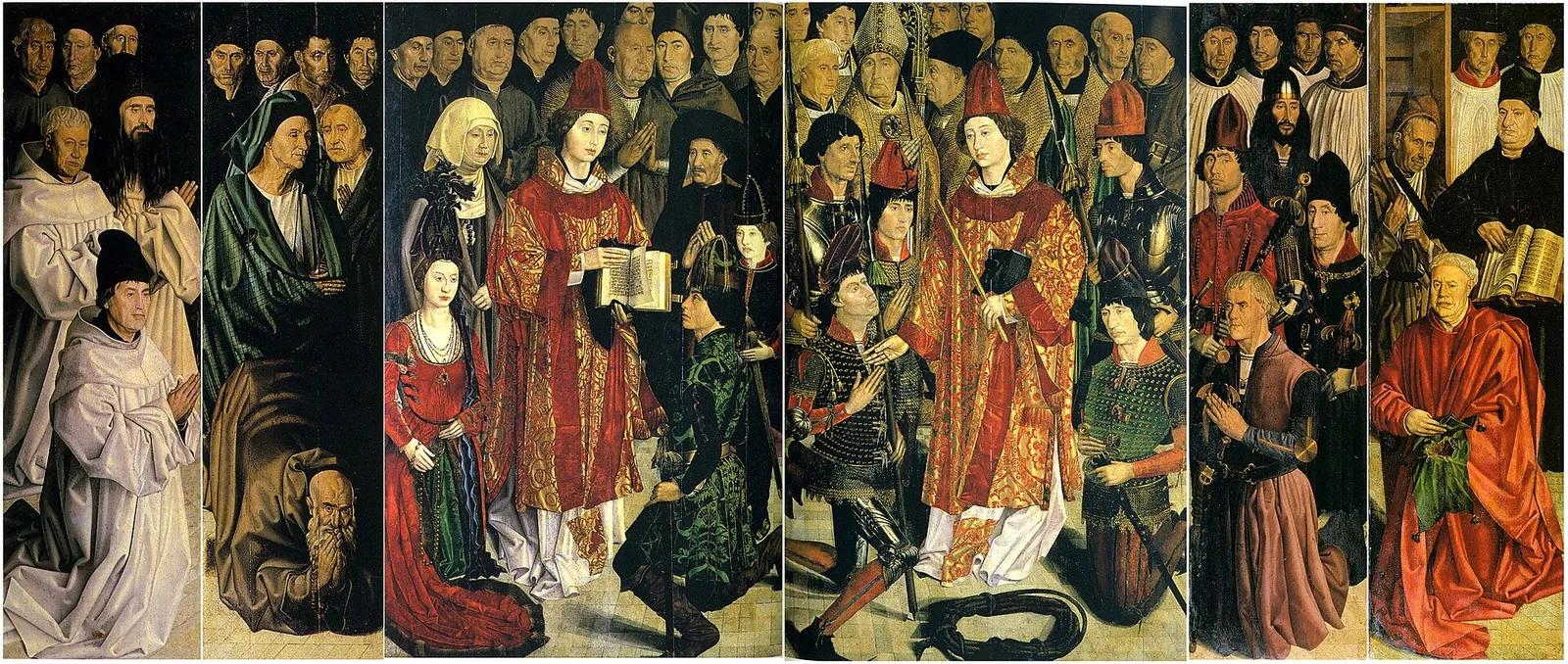
His History of Portugal came out in 1972, in two volumes, from Columbia University Press in New York and London, and at the same time in Portuguese in Lisbon. It filled a gap left by general histories that were long out of date, and gave space to population, the economy, society and culture as well as politics. It questioned ideas of the official historiography, from the meaning of the Reconquest to whether Portugal had ever been feudal, and carried the story to the government of Marcelo Caetano, then in office.
Expanded to three volumes, the Portuguese edition reached 15 editions by 2010 and was used in secondary schools as well as universities. It was translated into French, Japanese, Spanish and Polish, and shorter versions appeared in further languages, including Chinese, Italian and Romanian.
| Book | First published | Subject | What happened to it |
|---|---|---|---|
| Hansa e Portugal na Idade Média | 1959 (doctorate, 1960) | Portugal's trade with the Hanseatic towns | Revised second edition in 1993 |
| Introdução à História da Agricultura em Portugal | 1962 | Grain growing and the grain trade in the Middle Ages | Editions in 1968 and 1978; a model for later studies of rural history |
| A Sociedade Medieval Portuguesa | 1964 | Daily life from the twelfth to the fifteenth century | English translation 1971; sixth Portuguese edition 2010 |
| A Primeira República Portuguesa | 1971 | The structures of the First Republic, 1910 to 1926 | Several more editions up to 2010 |
| History of Portugal / História de Portugal | 1972 | From the earliest times to the government of Marcelo Caetano | 15 Portuguese editions by 2010; English editions in 1972 and 1976; translated into French, Spanish, Japanese and Polish |
| História da Maçonaria em Portugal | 1990 | The history of Portuguese freemasonry | Planned in four volumes; the second appeared in two parts in 1996 and 1997 |
Dates and editions from the Dicionário de Historiadores Portugueses entry, which is not always consistent: its text gives the second edition of Hansa e Portugal as 1993 (as does Homem) and its bibliography 1983, and its text dates A Sociedade Medieval Portuguesa to 1962 where its bibliography, Homem and Coelho give 1964. Shorter versions of the History of Portugal appeared in other languages.
The Republic and the lodges
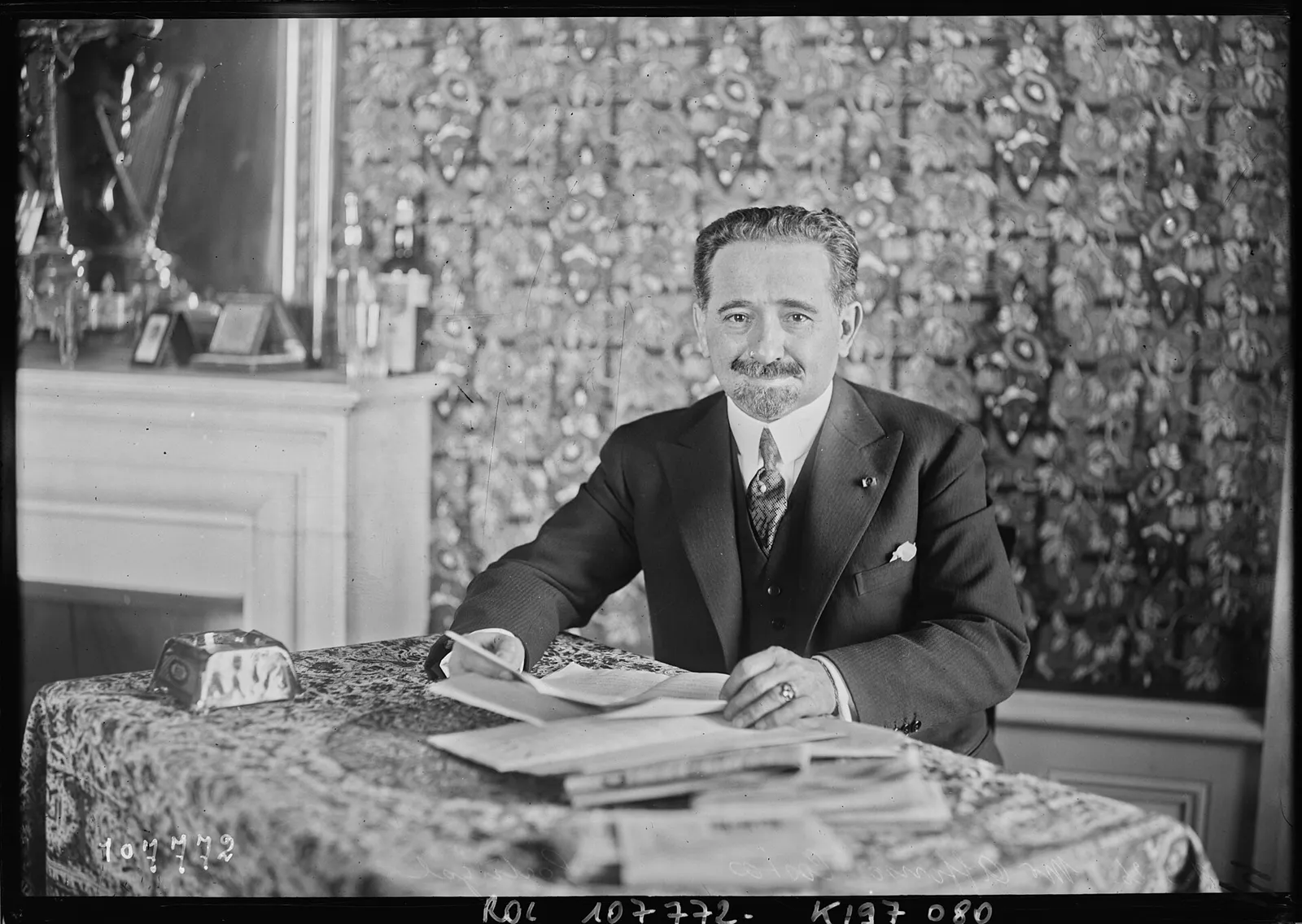
Under the Estado Novo the First Republic was a silenced and distorted period. Oliveira Marques worked through the archive of one of its leading politicians, Afonso Costa, and in 1971 published A Primeira República Portuguesa: Para uma Visão Estrutural. Between 1972 and 1979 he led a team that produced a fuller História da Primeira República Portuguesa, and in 1981 a guide to its sources.
“On the historical knowledge of the First Republic, there is a before and after the work of Oliveira Marques.”
Other scholars built on his counts. Kathleen Schwartzman, writing in the journal Análise Social in 1981, followed what she called Oliveira Marques's convention to count 45 governments in the 16 years of the Republic.
Many republicans had been freemasons, and so was he. The Estado Novo had banned secret societies by Law 1901 of 21 May 1935, which also made state employees declare on their honour that they did not belong to one. He joined in 1973, while freemasonry was still clandestine, and after the revolution rose to Deputy Grand Master (1984 to 1986) and Sovereign Grand Commander of the Supreme Council of the 33rd degree (1991 to 1994).
He also became its historian. A Maçonaria Portuguesa e o Estado Novo appeared in 1975, a two-volume Dicionário da Maçonaria Portuguesa in 1986 and the História da Maçonaria em Portugal from 1990, which he never finished.
After the revolution: a library and a new faculty
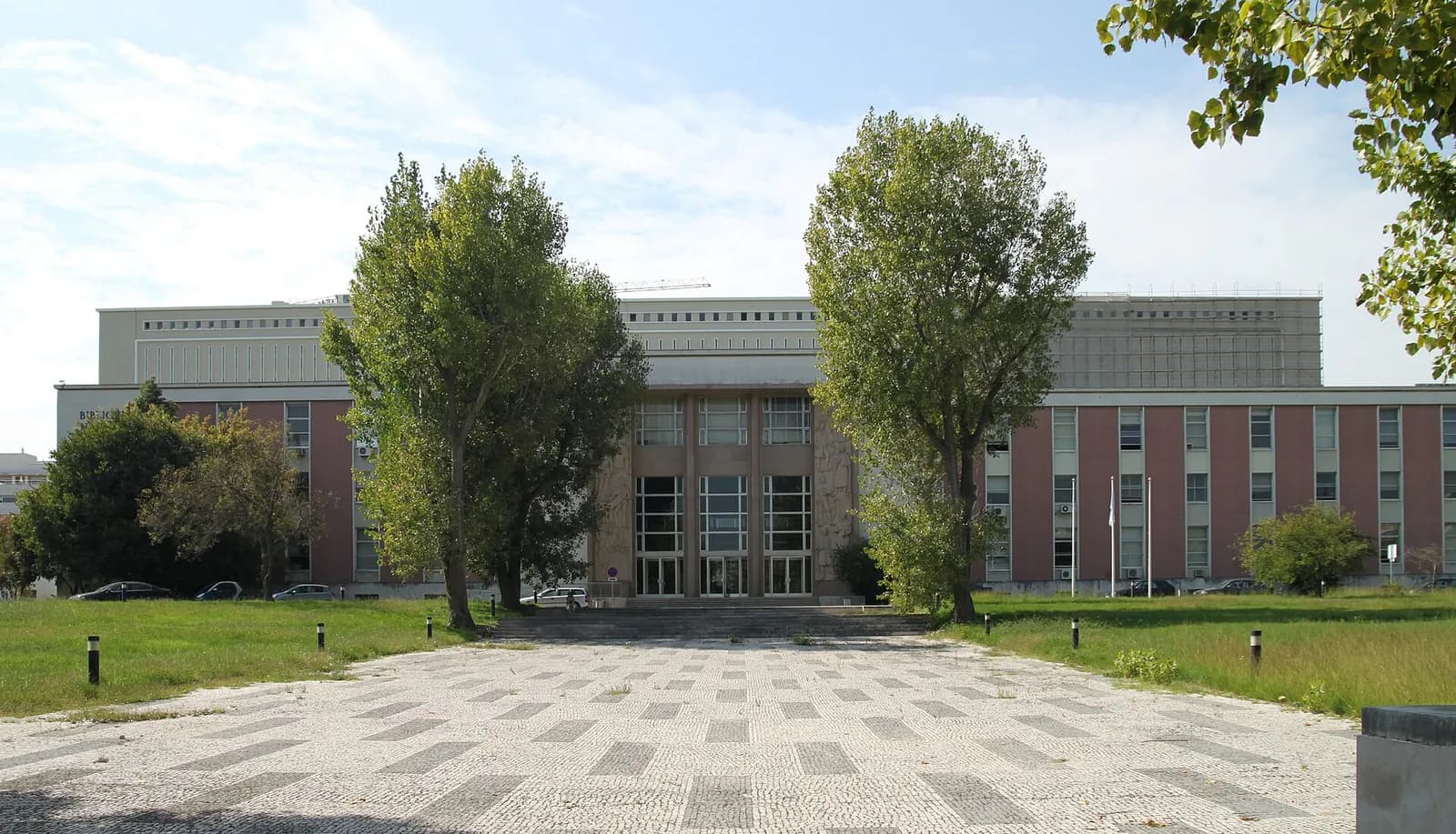
The revolution of 25 April 1974 reopened Portuguese universities to him. He went back to the Faculty of Letters in October, but the revolutionary turmoil there made him give up. The minister of education, the historian Vitorino Magalhães Godinho, made him director of the National Library in Lisbon instead. He opened the general catalogue to all readers but, amid labour unrest at the library, could not carry out the reforms he had planned.
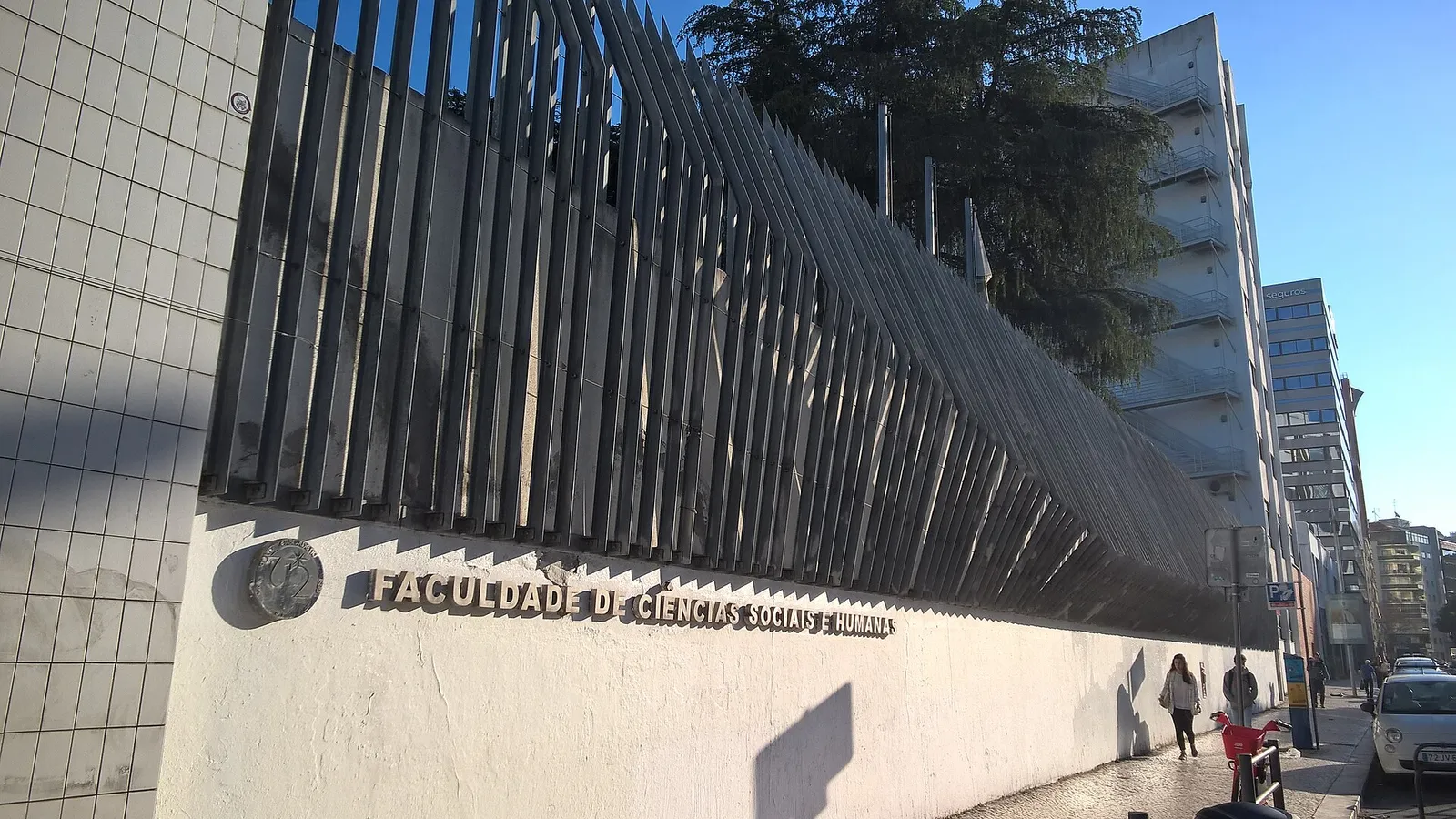
In July 1976 he joined the Universidade Nova de Lisboa as a full professor. From late 1977 to October 1980 he chaired the committee that set up its Faculty of Social and Human Sciences (FCSH), and he twice chaired its scientific council. There he started master's degrees in medieval history and in nineteenth- and twentieth-century history, and sent students to write the history of Portugal's medieval towns, from Aveiro to Silves.
In 1980 he founded the Centro de Estudos Históricos at the Nova and ran it until 1992. It began printing the records of Portugal's medieval kings in the series Chancelarias Portuguesas and the proceedings of the Cortes, the old parliaments, in Cortes Portuguesas. With Joel Serrão he directed two multi-volume collective works, the Nova História de Portugal and the Nova História da Expansão Portuguesa. He wrote volume IV of the first, on the crisis of the fourteenth and fifteenth centuries, alone; it appeared in 1987.
23 August 1933
Born in São Pedro do Estoril, Cascais
1956
Graduates in history at the Faculty of Letters, Lisbon, and leaves for Würzburg
November 1957
Hired as an assistant at the Faculty of Letters
1960
Doctorate on Portugal and the Hanseatic League
May 1962
Hands in his professorship dissertation; the competition is suspended during the student strike
1964
Publishes A Sociedade Medieval Portuguesa
17 November 1964
Resigns from the Faculty of Letters
1965 to 1969
Teaches at Auburn and the University of Florida
1971
Daily Life in Portugal in the Late Middle Ages published in the United States
1972
History of Portugal published by Columbia University Press
1973
Becomes a freemason while freemasonry is still banned
1974 to 1976
Director of the National Library (exact dates differ by source)
July 1976
Full professor at the Universidade Nova de Lisboa
1980
Founds the Centro de Estudos Históricos
1998
Grand Cross of the Order of Liberty
2003
Reaches the civil-service age limit and retires
23 or 24 January 2007
Dies in Lisbon, aged 73
2 August 2013
Lisbon names the Rua Prof. Oliveira Marques
Last years and conflicting dates
La Trobe University in Melbourne made him an honorary doctor in 1997, and in 1998 the President of the Republic gave him the Grand Cross of the Order of Liberty. The Association for Spanish and Portuguese Historical Studies, in the United States, named a prize for the best work on Portuguese history after him.
He had heart surgery in 1997 and was often ill after he retired in 2003. He spent his last years editing the memoirs of his father and grandfather and the plays of his great-grandfather. On 11 December 2006 he attended a session in his honour at the Biblioteca-Museu República e Resistência in Lisbon, frail but talkative.
He died in Lisbon on 23 or 24 January 2007, aged 73. His colleague Homem heard the news “as the day of 24 January 2007 was dawning”.
The newspaper Público headlined its obituary “the last of the positivist historians”; one of the young historians it quoted explained the label by his close attention to documents. Homem disputed it.
| Question | One version | Another version |
|---|---|---|
| How he left the University of Lisbon | Removed (afastado) in 1962 for joining the strike; “dismissal” in the Institute's English note (Institute of Medieval Studies; Lisbon city council) | Resigned on 17 November 1964 after his competition was suspended twice (Dicionário de Historiadores Portugueses; Homem; Coelho) |
| When he came home from America | July 1969 (Homem; Dicionário) | September 1970, after a term at Minnesota (Coelho, Medievalismo); 1970 (Institute of Medieval Studies; Lisbon city council) |
| Director of the National Library | October 1974 to April 1976 (Institute of Medieval Studies; Lisbon city council) | November 1974 to December 1975 (Homem); February to December 1975 (Dicionário) |
| Date of death | 23 January 2007 (Coelho; Lisbon city council) | 24 January 2007 (Homem) |
The two dates for his return from the United States can both be true: Homem has him back in Portugal in July 1969 and teaching at Minnesota again from March to June 1970.
Why he still matters
The research centre he founded has gone on publishing royal chancery records and Cortes proceedings since his death, and since 2021 his collection of medieval sources has been online through the Institute of Medieval Studies. The Institute credits him with introducing or spreading in Portugal subjects that are thriving today: everyday life, medieval towns, the history of techniques, climate and animals, the First Republic and freemasonry.
For siding with his students, a promising medievalist lost his promotion and left the civil service, and he began his best-known book abroad. The revolution brought him back to the university, and he spent the next three decades building a new faculty and training historians.
- Full name
- António Henrique Rodrigo de Oliveira Marques
- Born
- 23 August 1933, São Pedro do Estoril (Cascais)
- Died
- 23 or 24 January 2007, Lisbon, aged 73
- Universities
- Lisbon (1957 to 1964), Auburn and Florida (1965 to 1969), Nova de Lisboa (1976 to 2003)
- Best-known book
- History of Portugal / História de Portugal (1972)
- Output
- More than 60 books and 1,000 articles by one count; more than 765 titles plus 272 on philately by another
FAQs
Who was A. H. de Oliveira Marques?
António Henrique Rodrigo de Oliveira Marques (1933 to 2007) was a Portuguese historian of the Middle Ages and the First Republic. He wrote a widely read History of Portugal, first published in 1972, and helped found the Faculty of Social and Human Sciences of the Universidade Nova de Lisboa.
Was Oliveira Marques dismissed from the university in 1962?
Not exactly. He sided with the students in the 1962 academic crisis, and his competition for a professorship was suspended in May 1962 and again in November 1964. He resigned in protest on 17 November 1964. Some short notes say he was removed or dismissed in 1962.
What is Oliveira Marques's History of Portugal?
A general history of Portugal from the earliest times, written at the invitation of Columbia University Press and published in 1972 in English and Portuguese. Unusually for its time it covered population, the economy and society as well as politics. The Portuguese edition grew to three volumes and 15 editions.
What is Daily Life in Portugal in the Late Middle Ages?
The 1971 English translation, by S. S. Wyatt for the University of Wisconsin Press, of A Sociedade Medieval Portuguesa (1964). It covers food, dress, housing, hygiene, love, work, children, culture, pastimes and death in Portugal from the twelfth to the fifteenth century.
Was Oliveira Marques a freemason?
Yes. He joined in 1973, when freemasonry was banned in Portugal, and later served as Deputy Grand Master and as Sovereign Grand Commander of the Supreme Council of the 33rd degree. He also wrote several histories of Portuguese freemasonry.
On the timeline
Open the timelineNearby moments from dictatorship and the estado novo (1926–1974).
The Estado Novo is formally established in Portugal following the approval of the new constitution by plebiscite on March 19, consolidating Salazar's authoritarian corporatist regime.
Birth in Lisbon of Celeste Caeiro, the restaurant worker who gave the Carnation Revolution its name. On 25 April 1974 her restaurant cancelled its first-anniversary party, for which it had bought carnations; she took the metro to Rossio and walked up to the Chiado, where a soldier on an armoured car asked her for a cigarette. She gave him a carnation instead, which he slipped into the barrel of his rifle.
Birth of Álvaro Siza Vieira in Matosinhos. Portugal's most celebrated architect and winner of the 1992 Pritzker Prize, his works — from the Boa Nova Tea House to the rebuilt Chiado and the Portuguese Pavilion at Expo '98 — define modern Portuguese architecture.
Historian A. H. de Oliveira Marques
The historian A. H. de Oliveira Marques, author of landmark histories of Portugal and pioneering studies of daily life in the Middle Ages, is born in São Pedro do Estoril, near Lisbon.
A decree-law creates the PVDE (Polícia de Vigilância e Defesa do Estado), the Estado Novo's political police and forerunner of the PIDE, which would enforce the dictatorship's repression for four decades.
'A Canção de Lisboa', the first sound feature film made entirely in Portugal, premieres at the São Luiz theatre in Lisbon. Directed by José Cottinelli Telmo and starring Vasco Santana, Beatriz Costa and António Silva, its comedy of a medical student fooling his rich aunts left lines and songs the Portuguese still quote.
An insurrectionary general strike against the Estado Novo's corporatist labour laws is attempted across Portugal, most dramatically in Marinha Grande, where glassworkers cut roads, telephone lines and the railway and seize the post office and GNR post; some accounts add the town hall and a short-lived “soviet”. The revolt is crushed within hours and followed by mass arrests, and the regime uses it to justify deeper repression of the labour movement.
Coming up in history
All long reads
16 sources
Archives, scholarship and reporting this article was checked against.
- 1
MARQUES, António Henrique Rodrigo de Oliveira (Maria Helena da Cruz Coelho), English versionDicionário de Historiadores Portugueses, Biblioteca Nacional de Portugal
- 2
A. H. de Oliveira Marques (1933-2007): Historiography and Citizenship (Armando Luís de Carvalho Homem)e-Journal of Portuguese History, vol. 5, no. 2 (Winter 2007); copy in the Repositório Aberto da Universidade do Porto
- 3
António Henrique Rodrigo de Oliveira Marques (obituary by Maria Helena da Cruz Coelho)Medievalismo, no. 16, Sociedad Española de Estudios Medievales / Universidad de Murcia
- 4
A vida quotidiana medieval portuguesa: percurso historiográfico (Maria Helena da Cruz Coelho)Imago Temporis. Medium Aevum, IX (2015), pp. 343-359; Estudo Geral, Universidade de Coimbra
- 5
Oliveira Marques Collection: about the digital collection (biographical note)Instituto de Estudos Medievais, NOVA FCSH
- 6
Tribute to a Portuguese historian: a foreign historian's perspective on Oliveira Marques' principal historical studies in English (Douglas L. Wheeler)e-Journal of Portuguese History, vol. 5, no. 2 (Winter 2007), abstract on CEPESE
- 7
O ativismo estudantil no IST (1945-80) (Luísa Tiago de Oliveira, with Marta Silva)Repositório ISCTE-IUL, 2013 (book chapter, ISBN 978-989-732-153-5)
- 8O dia em que o regime perdeu o futuro (with “A Universidade contra o regime” by José Medeiros Ferreira and a chronology of 1962)Correio da Manhã, Domingo magazine, 18 March 2012
- 9
Junto à Torre do Tombo, a rua do historiador A. H. de Oliveira Marques, da História de PortugalToponímia de Lisboa (Lisbon City Council toponymy blog), 5 July 2018
- 10
A.H. de Oliveira Marques, the Historian's Legacy (Maria Helena da Cruz Coelho)e-Journal of Portuguese History, vol. 5, no. 2 (Winter 2007), abstract on CEPESE
- 11
- 12Chefes maçons contra lei das filiações secretasDiário de Notícias, 21 May 2021
- 13
Review of A. H. de Oliveira Marques, History of Portugal, 2 vols (Robert H. Mattoon Jr.)The Americas (Academy of American Franciscan History, 1974), Cambridge Core
- 14
Contributo para a sistematização dum aparente caos político: o caso da Primeira República Portuguesa, by Kathleen SchwartzmanAnálise Social, vol. XVII (65), 1981
- 15
- 16
Image credits
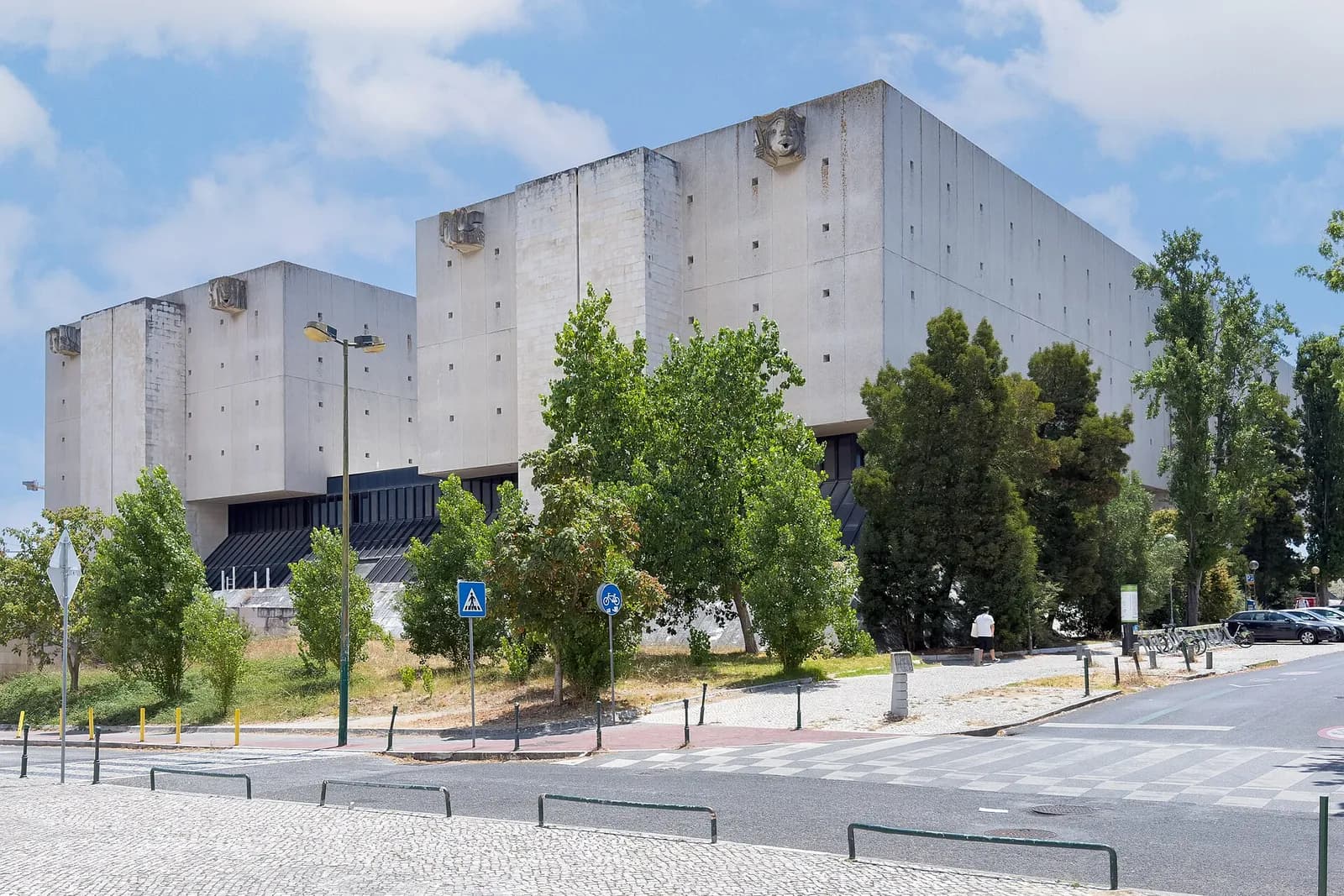
- The Torre do Tombo, Portugal's national archive, at the Cidade Universitária in Lisbon. Since 2013 the street between the archive and the Faculdade de Letras, where Oliveira Marques studied and first taught, has carried his name. Kent Wang, CC BY 4.0, via Wikimedia Commons.
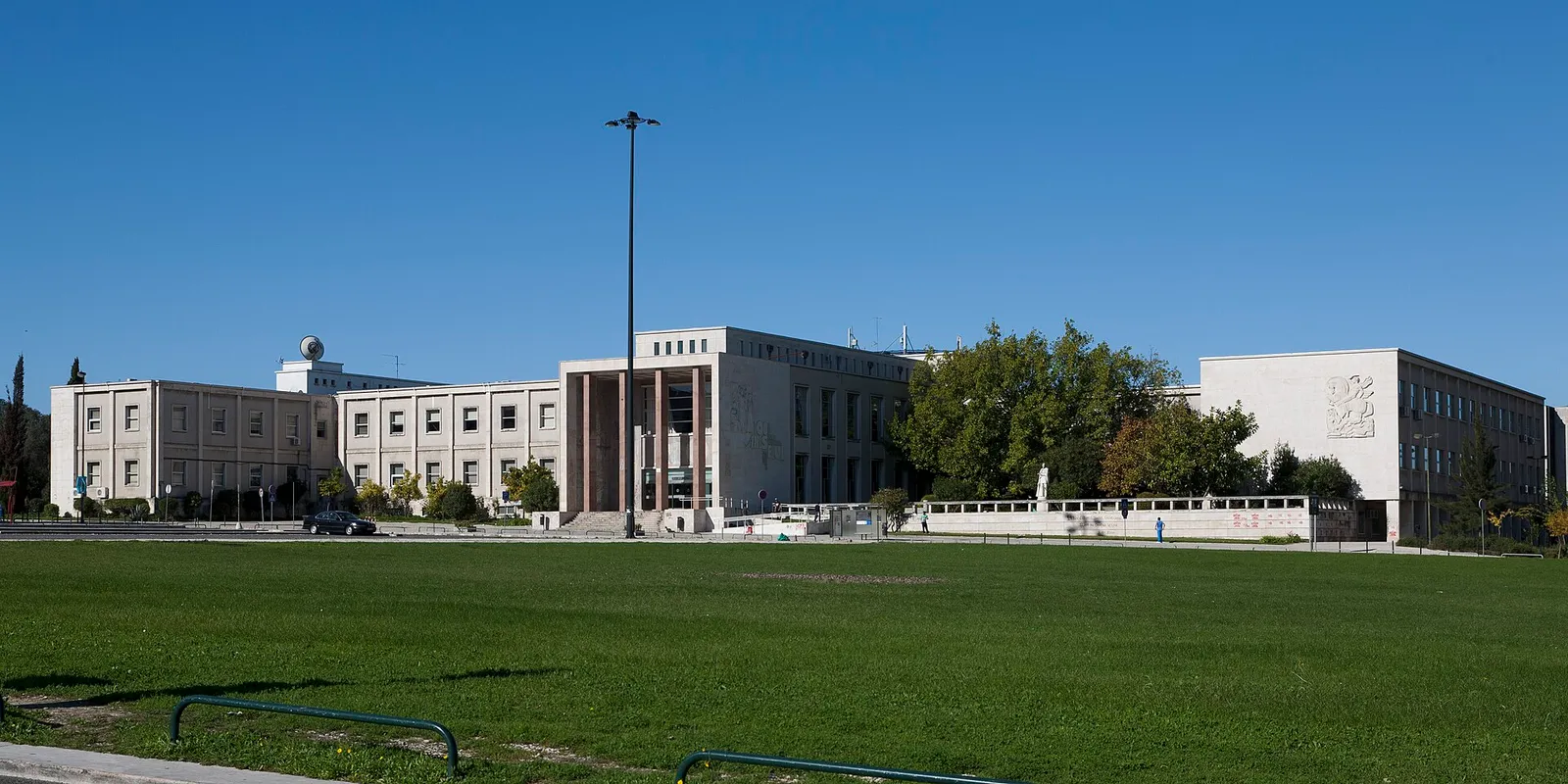
- The Faculty of Letters of the University of Lisbon at the Cidade Universitária, in 2012. Oliveira Marques studied at the faculty and taught there from 1957 until his resignation in 1964. Manuelvbotelho, CC BY-SA 3.0, via Wikimedia Commons.
- The Saint Vincent Panels, attributed to Nuno Gonçalves and painted in the second half of the fifteenth century, now in the Museu Nacional de Arte Antiga in Lisbon. Their crowd of friars, fishermen, knights and courtiers comes from the period his book on daily life covers. Nuno Gonçalves, Public domain, via Wikimedia Commons.
- Afonso Costa, the First Republic's dominant politician, in Geneva on 9 March 1926, during a League of Nations Assembly. Oliveira Marques worked on his archive and published several books about him in the 1970s. Agence Rol. Agence photographique (commanditaire), Public domain, via Wikimedia Commons.
- The National Library on Campo Grande, Lisbon, in 2011. Oliveira Marques was its director after the 1974 revolution. João Carvalho, CC BY-SA 3.0, via Wikimedia Commons.
- The entrance wall of the Faculty of Social and Human Sciences of the Universidade Nova de Lisboa in 2019. Oliveira Marques chaired the committee that set up the faculty from 1977 to 1980. GualdimG, CC BY-SA 4.0, via Wikimedia Commons.