

The February 1927 revolt: Porto and Lisbon rise against the dictatorship
Nine months after the coup of May 1926, soldiers, sailors and armed civilians tried to restore the Republic. Porto rose first and was shelled into surrender; Lisbon rose too late and gave in on the evening of 9 February.
At a glance
- On 3 February 1927 army units, Republican Guards and civilians rose in Porto against the military dictatorship that had overthrown Portugal's First Republic on 28 May 1926.
- Government troops under the Minister of War, Colonel Passos e Sousa, shelled the rebel-held centre of Porto from Vila Nova de Gaia, across the Douro, until the rebels surrendered in the early hours of 8 February.
- Lisbon rose only on 7 February, led by sailors and Republican Guards; after artillery and air attacks the last rebels there surrendered on the evening of 9 February.
- Estimates of the dead range from about 100 in Porto and about 90 in Lisbon to almost 200 in all, with about 1,000 wounded.
- The regime dismissed hundreds of officials, jailed or deported more than a thousand people and dissolved the units involved; the leaders who escaped founded the Paris League in exile.
A white sheet on a broom handle
At about six in the evening of 9 February 1927, a car with a white sheet tied to a broom handle drove along Rua da Escola Politécnica in Lisbon. At each barricade a rebel officer in it called out the news. The surrender was coming. There was no ammunition left. Civilians should run.
For three days sailors, Republican Guards and armed civilians had held a strip of the city from the Jardim de São Pedro de Alcântara to the Largo do Rato. That morning aircraft had bombed their positions, and from about midday the military governor's order was going up on the walls: anyone found with a weapon would be shot without trial.
Around seven (eight, in another account), Colonel Mendes dos Reis, the rebel commander in Lisbon, telephoned the government's headquarters. “I cannot continue the fight because I have no ammunition,” he said. He was waiting, he added, with Lieutenant Agatão Lança and two other officers in a grocer's shop by the Largo do Rato.
In Porto, where the rising had begun six days earlier, the rebels had already given up. The first armed attempt to bring down the dictatorship was over.
Nine months of dictatorship
On 28 May 1926 a military coup ended the First Republic, the parliamentary regime founded in 1910. The President, Bernardino Machado, handed his powers to Mendes Cabeçadas, the naval officer who had led the coup in Lisbon, on 31 May. The victors soon fell out. Cabeçadas and then General Gomes da Costa were pushed aside, and the most conservative faction won: General Óscar Carmona took charge, with General Sinel de Cordes, later finance minister, influential in the background.
Many republicans had expected a short, cleansing dictatorship followed by a return to the constitution. Instead the new rulers imposed prior censorship of the press on 22 June 1926, banned political groupings and deported people they thought dangerous. An attempted military coup in Chaves in September 1926 was quickly put down.
Over the winter a broad conspiracy took shape. It joined officers who had fought in the First World War, left-wing republican parties, the writers of the reformist review Seara Nova, and some trade unionists and anarchists. Their minimum programme was a provisional government of “competent men”, the removal of the dictators and the return of public liberties under the constitution.
The plan was for risings across the country at once, centred on Porto and Lisbon. It was an open secret. The rising was set for 23 January, then for 31 January, when Carmona and two ministers were in Porto; each time rumours put the troops on alert and the date moved. The government had already moved suspect officers away from Lisbon or confined them to fixed addresses. When the rising came, it had no surprise on its side.
Porto rises: 3 February
Before dawn on Thursday 3 February, officers of the 9th Light Infantry (Caçadores 9) roused their men in Porto. Republican Guards from the Bela Vista barracks and companies from other units joined them. They marched to the Praça da Batalha, the square at the top of the old city, and seized the military headquarters, the civil governor's office and the central post and telegraph office.
The revolutionary committee was headed by General Adalberto de Sousa Dias, a 61-year-old republican who had commanded the army division in Porto until the coup. With him were Colonel Fernando Freiria, the naval doctor Jaime de Morais, Captain Sarmento Pimentel and the army doctor and historian Jaime Cortesão, who took over the civil governor's office. The rebels arrested the civil governor, the regional army commanders, the head of the local censorship board and the ministers of Commerce and Education.
Reinforcements arrived during the day from Penafiel, Póvoa de Varzim, Guimarães, Vila Real and Amarante, whose artillery came by train to Campanhã station. Hundreds of civilians took up arms: civil servants, students, journalists, railwaymen and workers. A parish priest from Guimarães took up a machine gun and marched to Porto with the soldiers. A column from Valença arrived on 5 or 6 February.
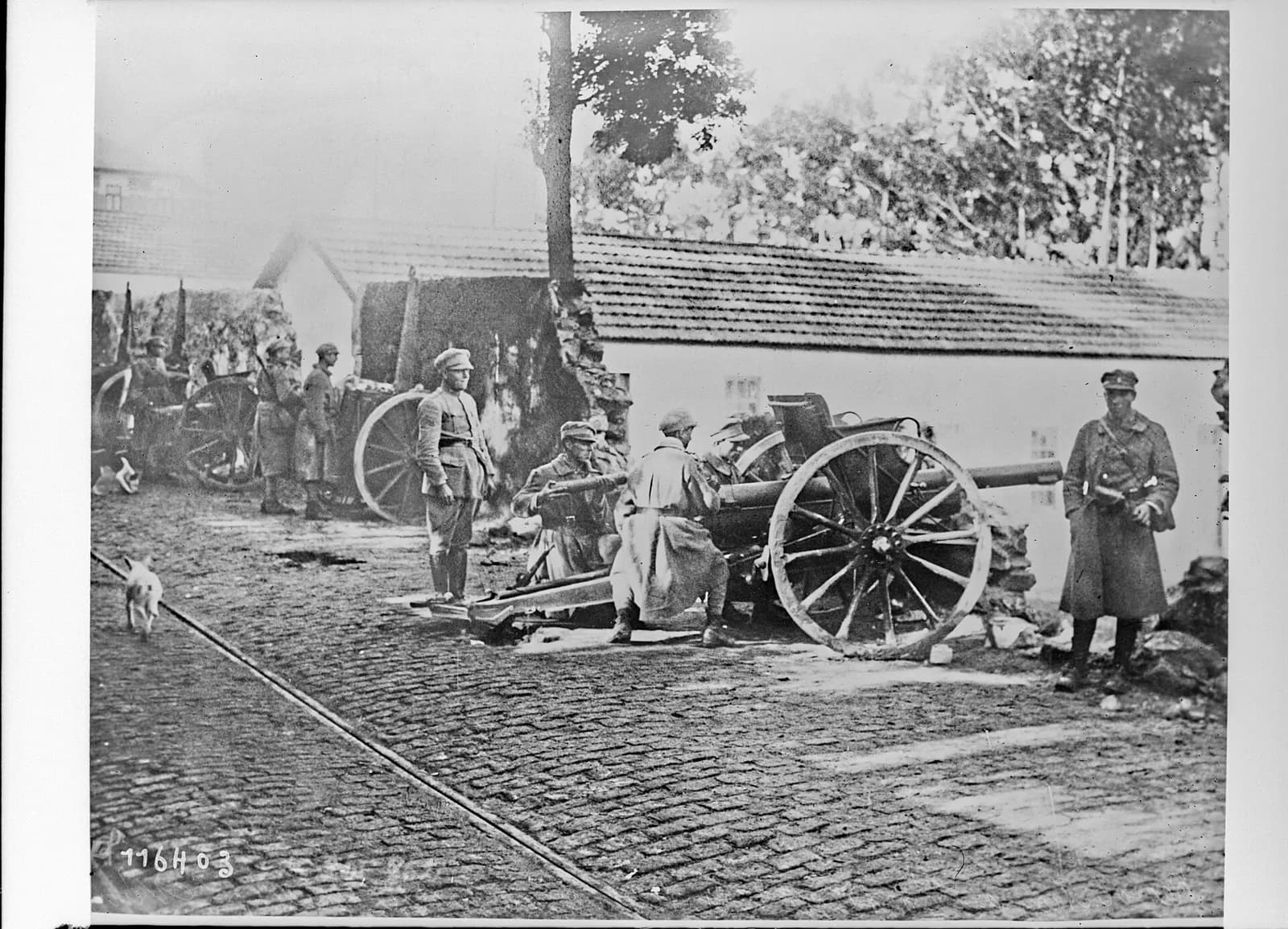
But much of the Porto garrison stayed neutral, and the rest of the country did not follow. Risings at Figueira da Foz and in the Algarve were put down within days; Lisbon stayed quiet. At eight that morning the Minister of War, Colonel Abílio Passos e Sousa, left Lisbon by train. By late afternoon he was on the Serra do Pilar, the hill in Vila Nova de Gaia that looks straight across the Douro at the centre of Porto, and the government's guns opened fire.
The siege of Porto
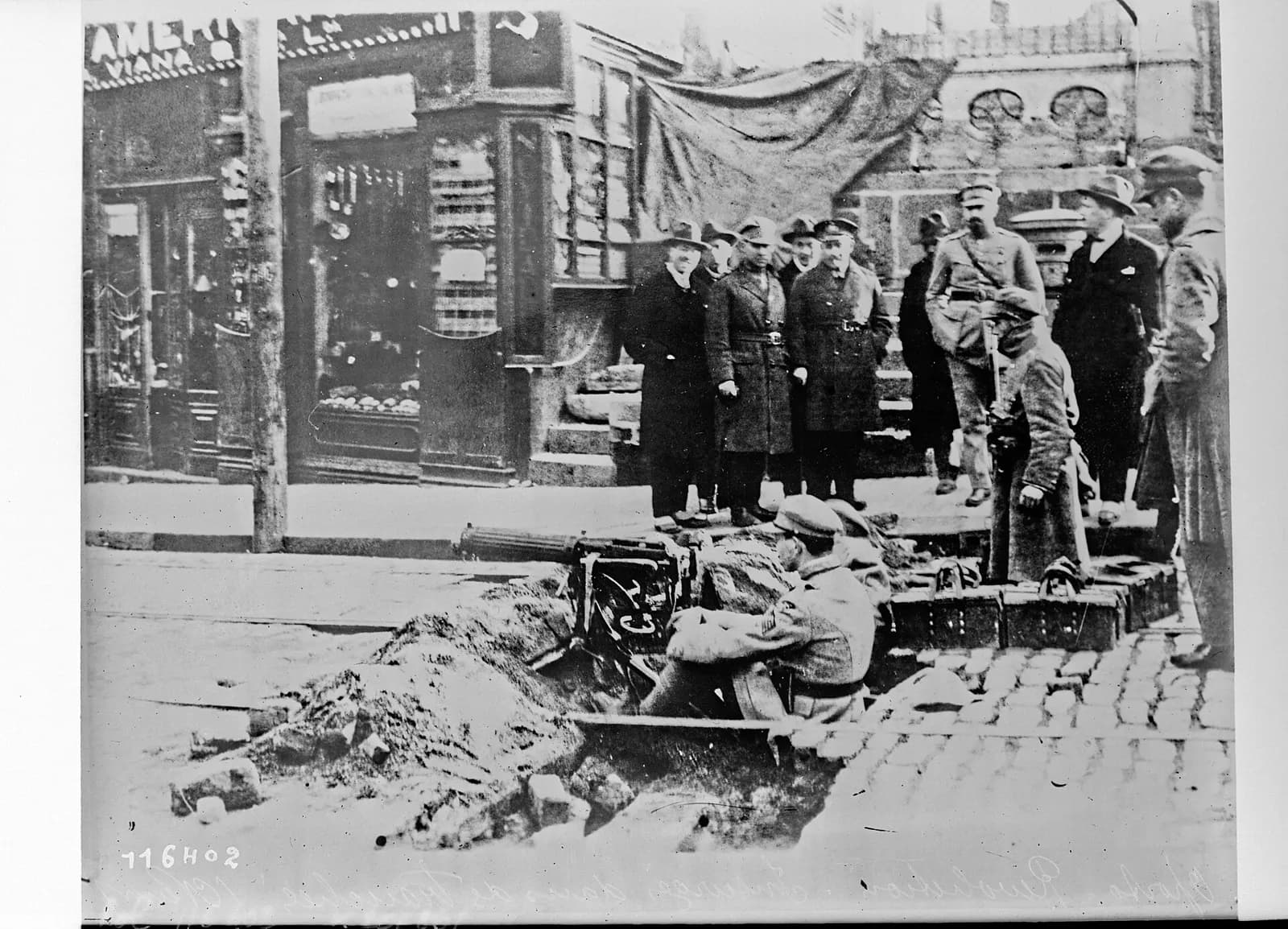
The rebels held the Batalha, the streets around it and the approaches to the Luís I bridge, behind barricades on Rua 31 de Janeiro, Santa Catarina and Santo Ildefonso. On 4 February they beat back a cavalry charge at the bridge. They could hold, but they could not advance, and they began to run short of food and ammunition.
The government ringed the city. Troops from Coimbra and Aveiro gathered in Gaia; units from Braga and Viana closed in from the north; a column came down from Bragança and Régua in the east. On 7 February the steamer Infante de Sagres brought more men from Lisbon to Leixões, the port just north of the city. Accounts of their number differ: Farinha writes of 1,200 men under General Farinha Leitão, Ventura of 600 under Colonel Farinha Beirão. Aircraft flew over Porto to intimidate the rebels and later to drop leaflets demanding their surrender.
Forces in Porto, February 1927: two estimates
men
- Rebels (soldiers and armed civilians)
- Government troops
Both historians count about 2,500 rebels; Farinha puts the government side at about 4,000 men and Ventura at about 5,000. Both are rounded estimates.
Show the data
| Rebels (soldiers and armed civilians) | Government troops | |
|---|---|---|
| Luís Farinha | 2,500 | 4,000 |
| António Ventura | 2,500 | 5,000 |
The shelling from the Serra do Pilar and the Monte da Virgem set fire to houses in the centre. Hotels, banks, cafés and fire stations were hit. Rebel guns answered, and Gaia suffered too.
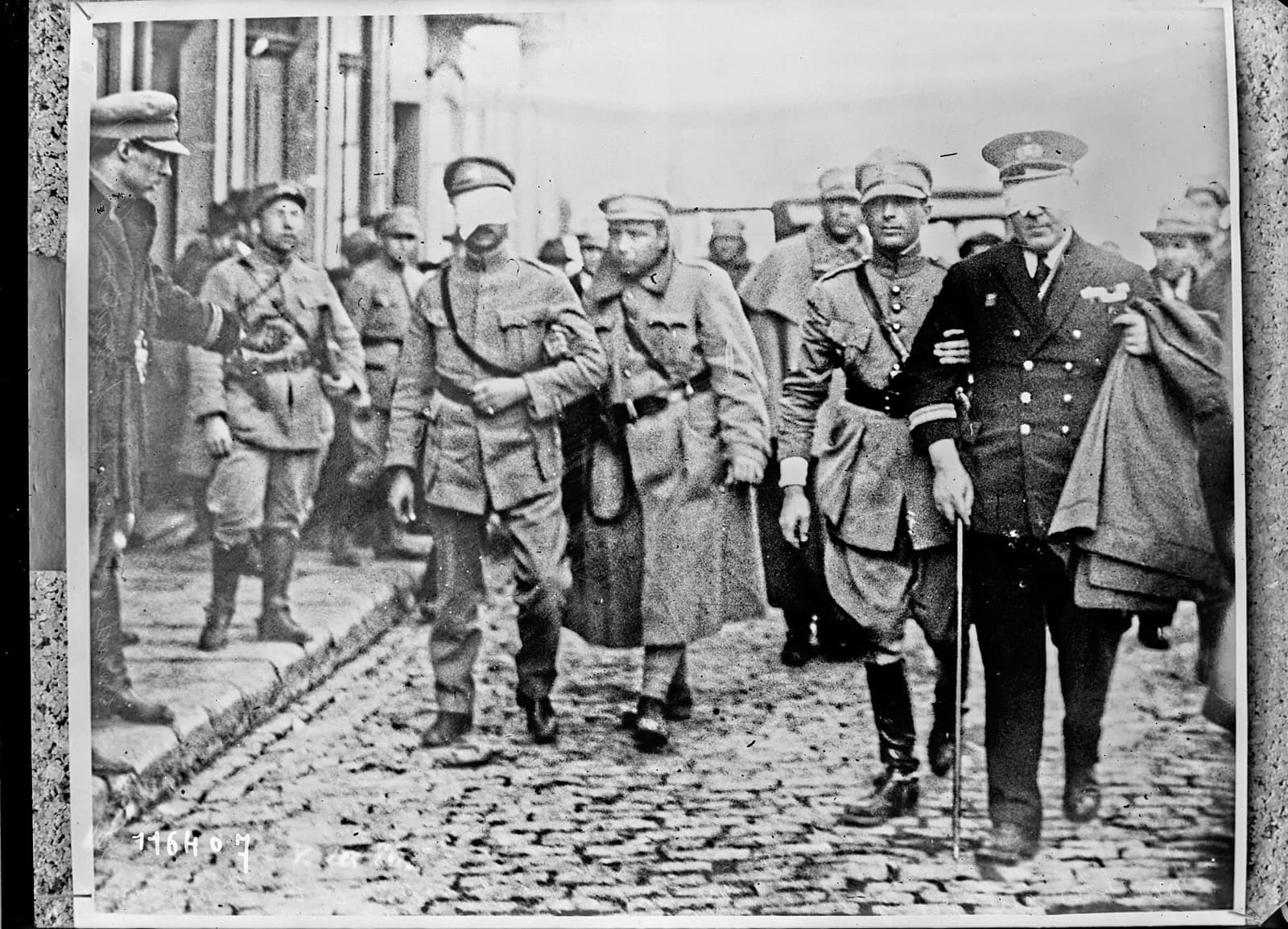
Through the Uruguayan consul the rebels asked for an armistice. Jaime de Morais, Major Inácio Severino and Captain Aresta Branco crossed to the government headquarters in Gaia, blindfolded. Passos e Sousa offered only unconditional surrender, and they went back. Sources date the talks to 5 or 6 February. Asked by reporters why the rebels would not give in, the minister said that “everyone gives orders” and that the civilians were pressing the troops not to surrender.
On 7 February government troops crossed the Douro upstream and closed the last way out of the city at Campanhã. That afternoon the rebel headquarters in the São João theatre sent the civilian volunteers home. Sousa Dias offered to surrender if only the officers were held responsible. The government would spare only corporals and privates. At 3.15 on the morning of 8 February the rebels telephoned their acceptance; the promise to spare the lower ranks, Daniel Silva notes, was not kept. At 9.30 government troops marched in over the Luís I bridge. The Diário de Lisboa and Ventura put Passos e Sousa at their head, but one 1927 account has him handing the Porto command to Colonel Craveiro Lopes the day before and leaving for Lisbon.
Lisbon: the “revolution of remorse”
Lisbon was meant to rise within hours of Porto. Instead its conspirators hesitated, partly, Jornal Mapa suggests, for fear that the revolution would fall into the hands of the street. The government declared a state of siege and a night curfew, shut down opposition papers and arrested suspects. Railwaymen of the South and Southeast line went on strike, and crowds burned copies of the government paper in the Rossio.
At about nine on the morning of 7 February some 150 sailors left their barracks at Alcântara under Lieutenant Agatão Lança, with armed civilians beside them. Companies of the Republican Guard and several police stations joined, about 600 men in all. Colonel Mendes dos Reis set up his headquarters in the Hotel Bristol at São Pedro de Alcântara. The rebels took the Navy Arsenal and the Navy and War ministries on the riverfront, and the cruiser Carvalho Araújo in the Tagus came over to them.
They never reached the Rotunda, the roundabout at the top of Avenida da Liberdade. Government artillery at the Rotunda and on the Torel hill shelled the rebel lines, and machine guns at the Mãe d'Água reservoir in Amoreiras swept the Largo do Rato. On 8 February thousands of reinforcements arrived from Amadora, Mafra and Entroncamento, some of them fresh from Porto. That day soldiers searching the home of the republican leader and war veteran Américo Olavo shot him dead.
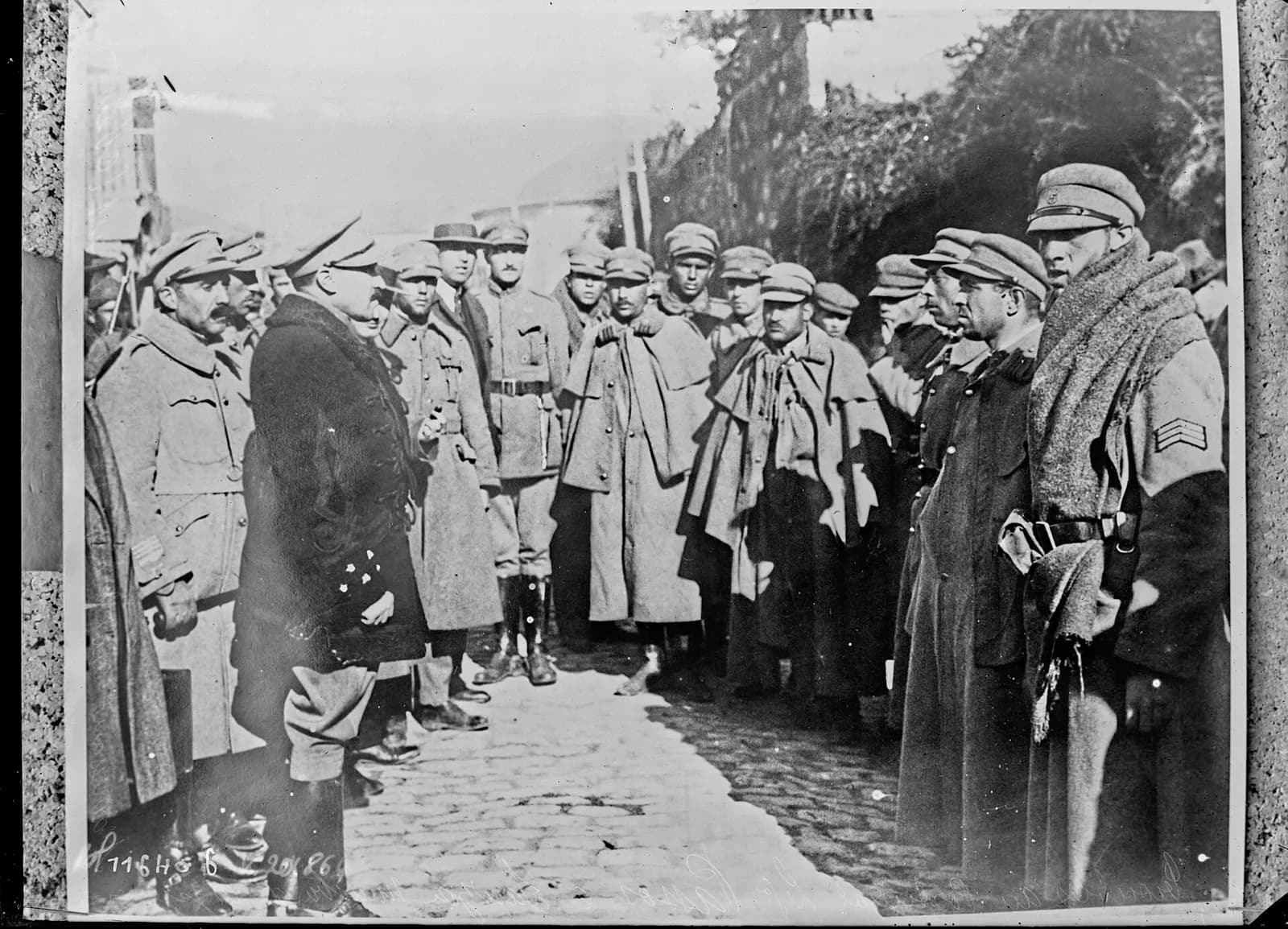
On 9 February Passos e Sousa, back from the north, took command. Guns on the Castle of São Jorge, Campolide and the Torel pounded the rebel positions, the Carvalho Araújo was attacked and surrendered, and aircraft bombed the Arsenal and the Bairro Alto. Some rebels escaped by boat across the Tagus while others covered them. That evening Mendes dos Reis made his call.
“We in Porto called that late rising in Lisbon the “revolution of remorse”. Of course the dictatorship, able to beat its enemies first one and then, once that one was beaten, the other, crushed the latecomer without mercy.”
3 February, before dawn
Caçadores 9 and the Republican Guard rise in Porto
The rebels take the Praça da Batalha, the civil governor's office and the telegraph office.
3 February, 17.00
Passos e Sousa reaches the Serra do Pilar
Government artillery in Gaia begins shelling the centre of Porto.
4 February
Rebels repel an attack at the Luís I bridge
Artillery from Amarante joins the rebels; risings in the Algarve.
5-6 February
Armistice talks fail
Rebel envoys are taken blindfolded to Gaia and offered only unconditional surrender.
7 February, morning
Sailors and Republican Guards rise in Lisbon
Barricades go up from São Pedro de Alcântara to the Largo do Rato.
8 February, 3.15
Porto surrenders
Government troops enter the city over the Luís I bridge at 9.30.
9 February, evening
Lisbon surrenders
Mendes dos Reis telephones his surrender after air and artillery attacks on the Arsenal.
Counting the dead
There is no agreed toll, and censorship limited what the papers could print. Estimates differ, and many of the dead were civilians caught in the shelling and crossfire.
| Source | Porto | Lisbon | Both cities |
|---|---|---|---|
| António Ventura (Seara Nova, 2017-18) | About 100 dead, about 500 wounded | Not given | Not given |
| Delfim Cadenas (Jornal Mapa, 2014) | More than 100 dead, about 500 wounded | About 90 dead, more than 400 wounded | Not given |
| Luís Farinha (Memória Comum) | Not given | Not given | Almost 200 dead, about 1,000 wounded |
| Rui Tavares (Público, 2025) | Dozens dead, hundreds wounded | Dozens dead, hundreds wounded | Not given |
All figures are rounded estimates; none of these authors gives a full list of names.
When the Lisbon papers reappeared on 11 February, the Diário de Notícias filled a page with the names of the dead and wounded in the city's hospitals. Civilians outnumbered soldiers three to one, and a striking number of the victims were women, most of them hit by shell fragments. A jeweller's daughter and his maid were killed by a shell as they watched the fighting from a fourth-floor window on Rua da Prata. The page also recorded 35 unidentified bodies at the morgue.
Purges, prison ships and exile
Passos e Sousa told the newspaper La Nation that the revolt was “a regrettable, but perhaps providential, incident”. It showed the regime where its enemies were. The state of siege lasted through March, and the government used it to purge the army, the police and the civil service.
Decree 13 137 of 15 February allowed the government to remove from service, on half pay, the magistrates, civil servants and army and navy officers who had taken part. Decree 13 138 of the next day dissolved the Republican Guard units involved and every political centre or organisation that had joined in. Jaime Cortesão and the writer Raul Proença lost their posts at the National Library. Unions were closed, and in April a Special Military Tribunal was set up to try political cases.
Men deported on two ships, February 1927
men
Luís Farinha gives these numbers for two ships that sailed on 19 and 22 February, without saying which left on which day. Daniel Silva names only the Infante de Sagres and puts the total deported at close to a thousand.
Show the data
| Deportees | |
|---|---|
| Infante de Sagres | 500 |
| Lourenço Marques | 570 |
The ships were bound for distant Timor and left the leaders in the Atlantic colonies on the way. Agatão Lança was put ashore in Angola; Sousa Dias, Freiria and other leaders in São Tomé. Hundreds more filled the Lisbon penitentiary and the forts of Sacavém and Elvas. About a thousand people were held in prison, and more than a thousand were deported, jailed or confined to fixed residence in the islands and colonies.
Others fled. Many crossed into Galicia, where the first exile groups formed; in March Lisbon asked Madrid to move them more than 100 kilometres from the border. Bernardino Machado, the president deposed in 1926, was expelled, after the revolt by the Presidency's account and on its eve by the Presidency Museum's, and went first to Galicia, then to France. In Paris, Cortesão and other exiles joined Afonso Costa in the League for the Defence of the Republic, the Paris League, which published its manifesto in July 1927.
“The government must adopt the measures needed to exterminate the revolutionary spirit, forcing hatreds into perpetual confinement.”
Why it still matters
Farinha calls February 1927 the only revolt that really shook the military dictatorship. Its defeat did the opposite of what the rebels wanted. The dictatorship broke up the republican networks in the army and closed opposition papers, parties and unions. Much of the surviving press now presented it as the guarantor of order.
Ten years later, at a lunch for the victors, Major Ricardo Durão called the fighting “the baptism of blood of 28 May”. In 1928 the regime brought in António de Oliveira Salazar, a Coimbra economics professor, as finance minister. In 1933 a constitution drafted under Salazar, by then prime minister, founded the Estado Novo, the authoritarian regime that lasted until 1974.
The Reviralho went on. Sousa Dias, moved from São Tomé to the Azores and then Madeira, was chosen to lead the Madeira revolt of April 1931. After it failed he was deported to Cabo Verde, where he died at Mindelo on 27 April 1934, still under fixed residence. Sarmento Pimentel, in Brazil, was still leading exiled opponents when the dictatorship fell in April 1974.
Historians are still finding new material in military and private archives. The arts faculty of the University of Porto will hold an international conference for the centenary on 25 and 26 February 2027.
FAQs
What was the February 1927 revolt in Portugal?
It was the first large armed attempt to overthrow the military dictatorship that ended the First Republic on 28 May 1926. Army units, Republican Guards and civilians rose in Porto on 3 February 1927 and in Lisbon on 7 February, demanding a return to constitutional government. Both risings were defeated.
When did the February 1927 revolt end?
Porto's rebels telephoned their surrender at 3.15 on the morning of 8 February 1927. The Lisbon rebels held out until the evening of 9 February, when Colonel Mendes dos Reis called the government to say he had no ammunition left.
How many people died in the February 1927 revolt?
There is no official figure. Estimates range from about 100 dead and 500 wounded in Porto and about 90 dead and over 400 wounded in Lisbon, to almost 200 dead and about 1,000 wounded in both cities together. Many of the victims were civilians.
Who led the February 1927 revolt?
In Porto the committee was headed by General Adalberto de Sousa Dias, with Jaime de Morais, Fernando Freiria, Sarmento Pimentel and Jaime Cortesão among others. In Lisbon the commander was Colonel Mendes dos Reis, and the sailors were led by Lieutenant Agatão Lança.
What happened to the rebels afterwards?
About a thousand were deported to the Atlantic islands and the African colonies, hundreds of officers, police and civil servants were dismissed, and the units involved were dissolved. Many leaders fled to Spain, France and Brazil; in Paris they formed the Paris League and planned new revolts.
On the timeline
Open the timelineNearby moments from dictatorship and the estado novo (1926–1974).
General Manuel Gomes da Costa launches a military uprising in Braga that spreads quickly through the army. Within days the government falls, President Bernardino Machado resigns and parliament is shut, ending almost 16 years of unstable parliamentary rule and opening the way to the military dictatorship that became Salazar's Estado Novo.
The February 1927 revolt
The February Revolt, the first serious attempt to topple the military dictatorship installed in 1926, ends with the surrender of the last rebels in Lisbon, a day after Porto, shelled from across the Douro, gave in. Estimates put the dead at about 100 in Porto and about 90 in Lisbon.
Fernando Pessoa makes his debut in 'Presença', the Coimbra magazine of the second wave of Portuguese modernism. Issue no. 5 carries his poem 'Marinha', signed under his own name, alongside 'Ambiente', a set of aphorisms signed by his heteronym Álvaro de Campos — the start of a collaboration that would run until 1934 and bring the still little-known poet to a new generation of readers.
At Lisbon's Santa Marta Hospital, the neurologist Egas Moniz obtains the first successful cerebral angiogram, injecting contrast into the carotid artery so that the brain's blood vessels show up on X-ray — a technique still at the heart of neuroradiology. His 1949 Nobel Prize, by contrast, honoured the lobotomy, a procedure now discredited.
Miguel Januário de Bragança, styled Miguel II by the Miguelist monarchists and son of the deposed absolutist King Miguel I, dies in exile in Austria. Born in 1853 and barred from Portugal by the banishment law against his branch of the family, he was the grandfather of Duarte Pio, today's Duke of Braganza.
Coming up in history
All long reads 11 February 2007Portugal’s 2007 abortion referendum: a yes vote that did not bind
 12 February 2002José Travassos and the Cinco Violinos, Sporting's forward line
 13 February 1965Operation Autumn: how the PIDE murdered General Humberto Delgado, 1965
 14 February 1797Nelson's bridge off the Algarve: the Battle of Cape St Vincent, 1797
19 sources
Archives, scholarship and reporting this article was checked against.
- 1
A resistência republicana à Ditadura (1926-1938): as redes conspiratórias do Norte (Daniel Filipe Soares da Silva, MA dissertation)Faculdade de Letras da Universidade do Porto, 2025
- 2
A Revolta de 3 de Fevereiro de 1927 (texts by Luís Farinha)Memória Comum, Movimento Cívico Não Apaguem a Memória
- 3
- 4
- 5
- 6
Recordando a Revolta de Fevereiro de 1927 no Porto contra a Ditadura Militar (António Ventura)Seara Nova, no. 1741, 2017-18 (online 18 February 2019)
- 7
A Revolta de Fevereiro de 1927 (Delfim Cadenas)Jornal Mapa, 28 February 2014
- 8
Uprising of February 1927Museu do Aljube – Resistência e Liberdade, 2 February 2025
- 9
Bernardino Machado [1915-1917]Presidency of the Portuguese Republic
- 10
Representações da revolta de fevereiro de 1927 em órgãos de imprensa do Porto e de Lisboa (Daniel Filipe Soares da Silva)Omni Tempore, Encontros da Primavera 2023, 9 (2024), pp. 121-145, Universidade do Porto
- 11
- 12As revoltas de Fevereiro de 1927 e o nascimento da ditadura mais longa da Europa Ocidental (Rui Tavares, Academia P course)Público, 29 October 2025
- 13
- 14
- 15
Bernardino Machado (biography)Museu da Presidência da República
- 16
- 17
O Estado Novo (1933-1974)Assembleia da República
- 18
International conference “The February 1927 Uprising and Resistance to Dictatorships”, 25-26 February 2027CITCEM, Faculdade de Letras da Universidade do Porto
- 19
Image credits
- Rebel envoys are led blindfolded through government lines during the siege of Porto, February 1927. The French agency caption names Jaime de Morais (right, in naval uniform) and “Captain” Severino and says they “come to surrender”; Portuguese accounts say the envoys went to Gaia to ask for an armistice and were offered only unconditional surrender. Agence Rol, Public domain, via Wikimedia Commons.
- A machine-gun post in a trench dug across a Porto street, February 1927. The French agency caption describes the men as insurgents; the rebels dug trenches and barricades in the streets around the Praça da Batalha. Agence Rol, Public domain, via Wikimedia Commons.
- Government field guns at the Monte da Virgem in Vila Nova de Gaia, across the Douro from Porto, February 1927. From here and the Serra do Pilar the artillery shelled the rebel-held centre of the city. Agence Rol, Public domain, via Wikimedia Commons.
- Colonel Abílio Passos e Sousa, the Minister of War, speaking to government troops in February 1927, according to the French agency that distributed the picture. He directed the siege of Porto and then the fighting in Lisbon. Agence Rol, Public domain, via Wikimedia Commons.
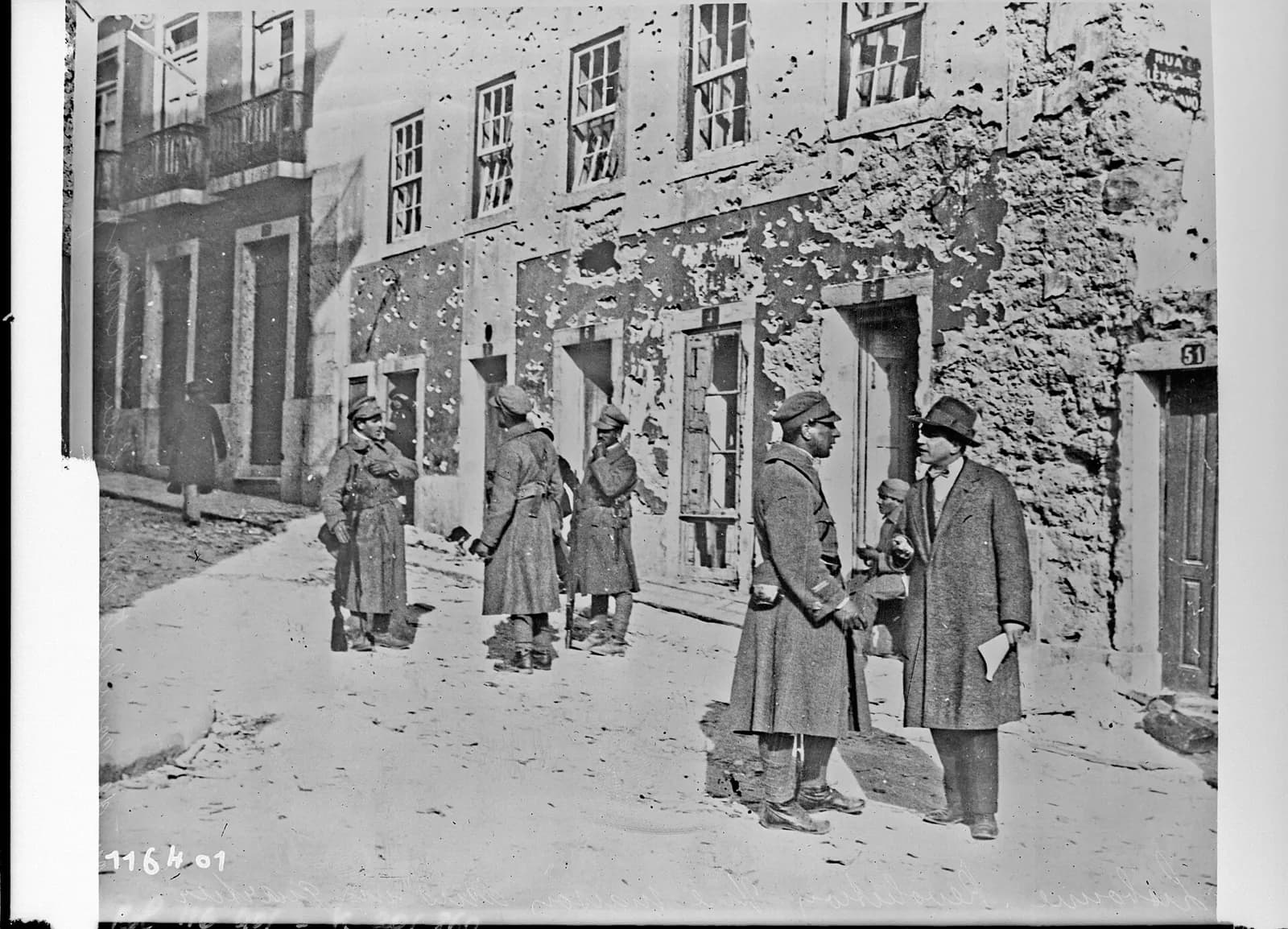
- A house pitted by gunfire in one of the Lisbon districts where the fighting took place, photographed after the revolt, February 1927. Agence Rol, Public domain, via Wikimedia Commons.