

Álvaro Cunhal: prisoner, escapee and Portugal's communist leader
He spent eleven unbroken years in Salazar's prisons and escaped from one of the most secure of them. After the 1974 revolution many on the left revered him, and many of his opponents feared him.
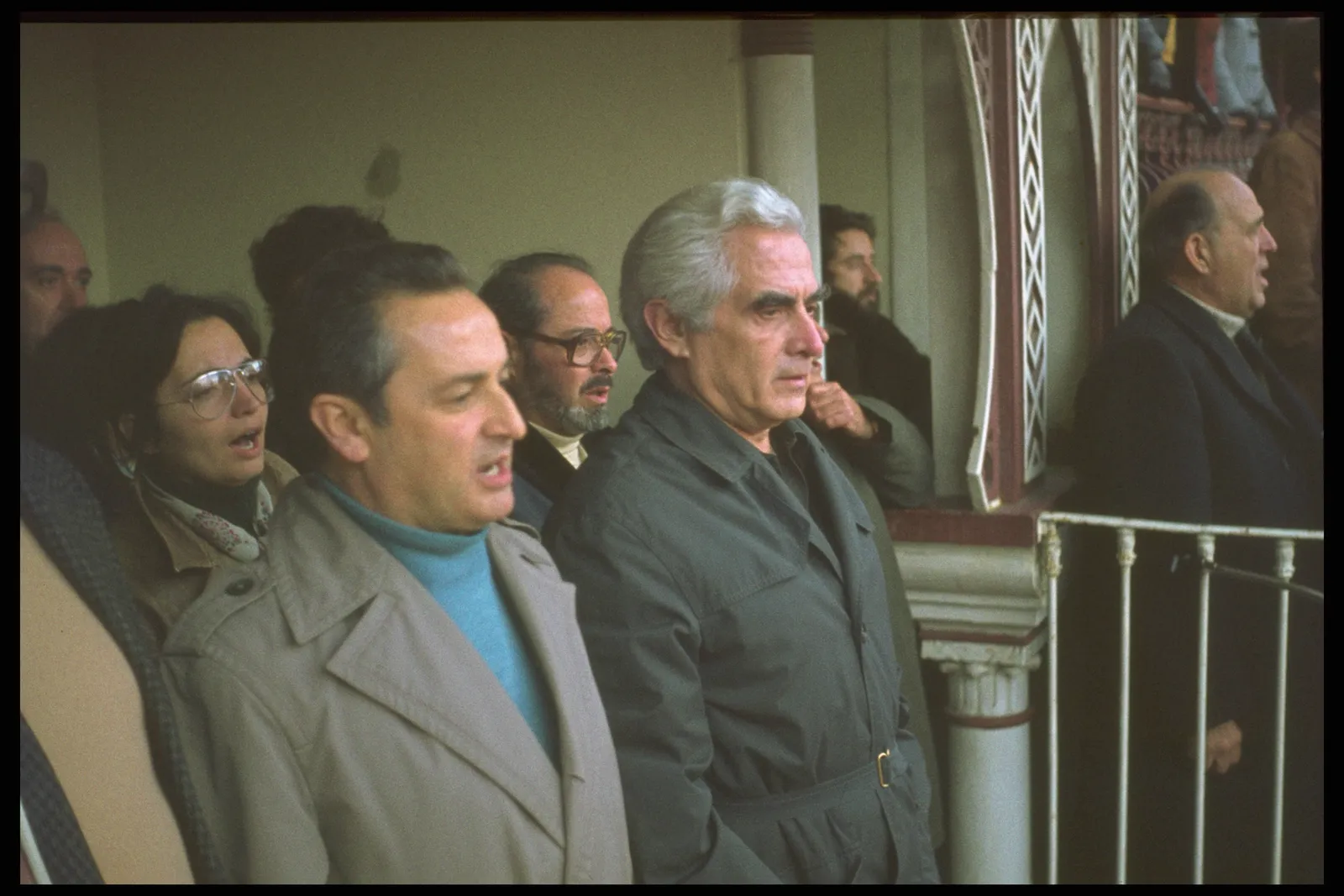
At a glance
- Álvaro Cunhal was born in the parish of Sé Nova, Coimbra, on 10 November 1913, joined the clandestine Portuguese Communist Party (PCP) in 1931 and went underground in 1935.
- Salazar's police arrested him in 1937, 1940 and 1949. After the last arrest he spent eleven years in prison, about eight of them in complete isolation.
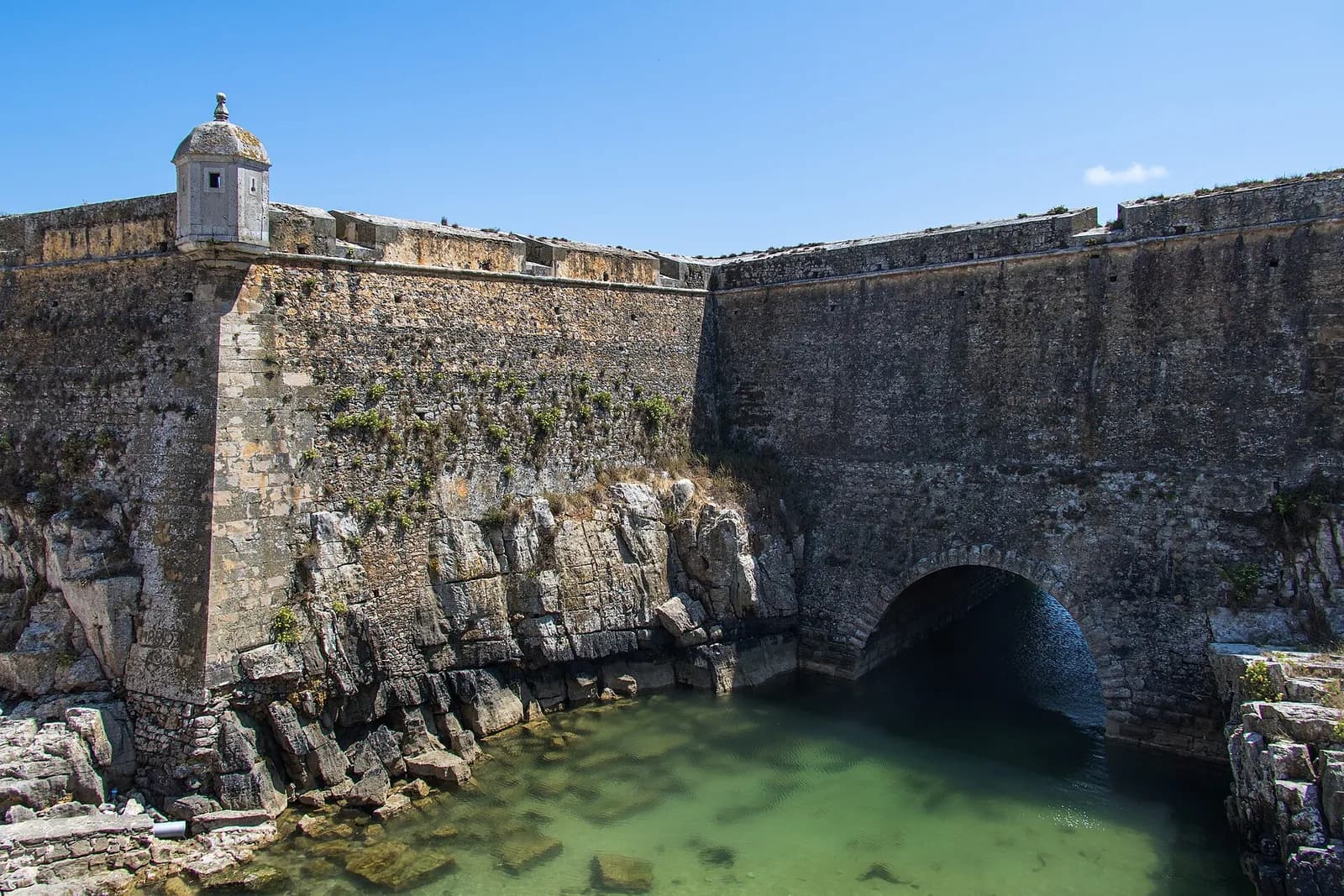
- On 3 January 1960 he and nine other communist prisoners climbed down the walls of Peniche fortress on a rope and got away in waiting cars.
- He led the PCP as secretary-general from March 1961 to 1992 and sat in the first four governments after the revolution of 25 April 1974. His opponents accused him of wanting a communist dictatorship, which he denied; historians still disagree.
- As “Manuel Tiago” he wrote novels and stories, beginning with Até Amanhã, Camaradas in 1974. He died in Lisbon on 13 June 2005, and a crowd of tens or hundreds of thousands, depending on the source, followed his funeral.
A car with its boot open
On 3 January 1960 a car stopped in the square in front of the fortress at Peniche, a fishing town on the Atlantic coast north of Lisbon. The driver was the actor Rogério Paulo, and the boot of the car was open. Inside the walls, ten political prisoners had been waiting for exactly that signal.
One by one they climbed down the fortress walls on a rope. In the outer moat they got over another wall, and in the town three cars were waiting to drive them away. A guard who was in on the plan took part in the escape. The sources differ on whether he was a prison warder or a soldier of the Republican National Guard (GNR), the gendarmerie that patrolled the fortress perimeter.
The best-known of the ten was Álvaro Cunhal, aged 46. He had been in prison for nearly eleven years, most of that time alone in a cell. Within fifteen months of the escape he was secretary-general of the Portuguese Communist Party, a post he held for the next three decades.
From Coimbra to the underground
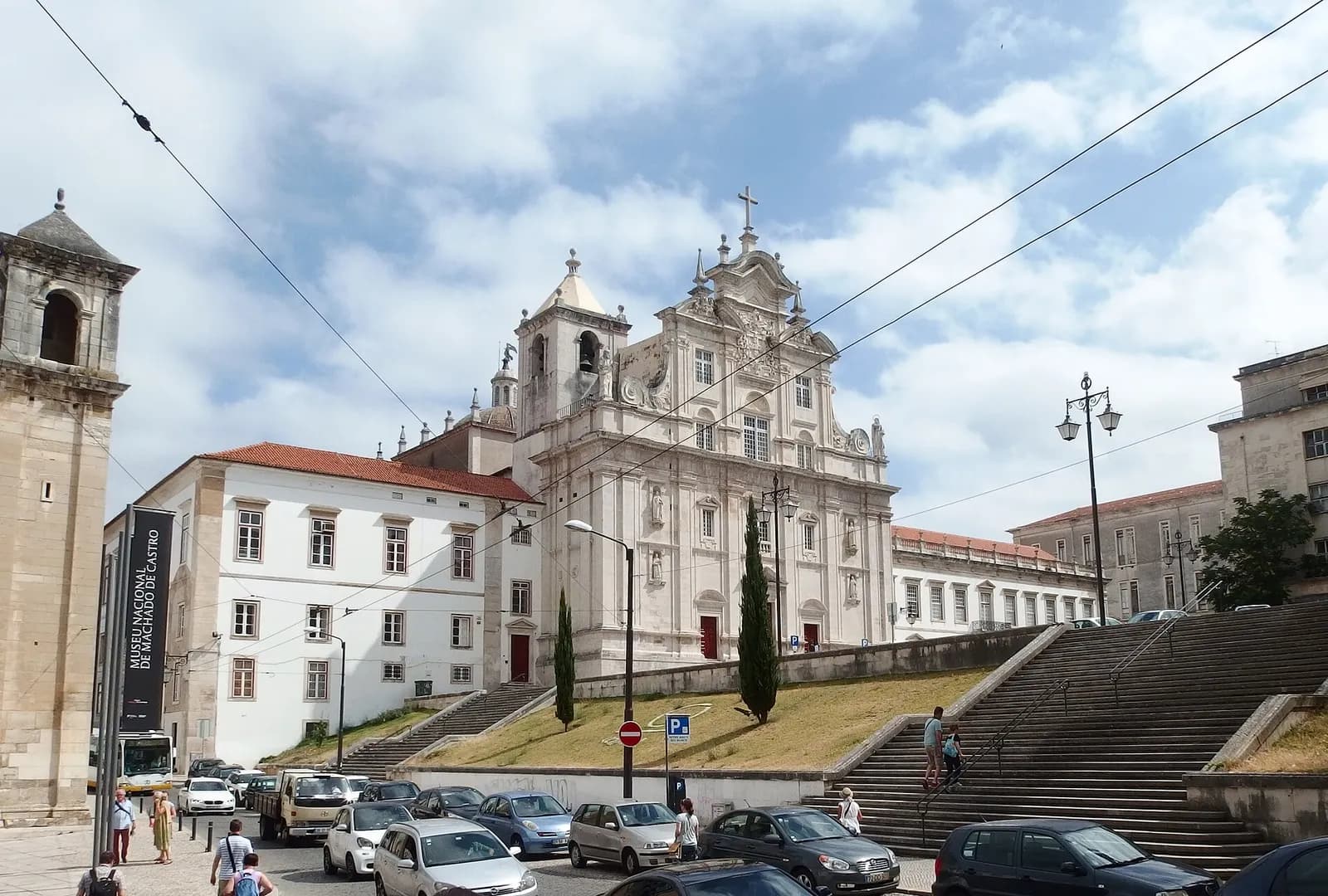
Álvaro Barreirinhas Cunhal was born on 10 November 1913 in the parish of Sé Nova, in the university city of Coimbra, the son of Avelino and Mercedes Cunhal. He spent part of his childhood in Seia, in the foothills of the Serra da Estrela, and moved with his family to Lisbon at the age of eleven. There he went to two state secondary schools, first the Liceu Pedro Nunes and then the Liceu Camões.
In 1931 he entered the Law Faculty in Lisbon and joined the Communist Party the same year. In 1934 the students elected him as their representative on the University Senate. In 1935 he became secretary-general of the Federation of Portuguese Communist Youth, travelled to Moscow for a congress of the Communist Youth International and joined the party's corps of full-time clandestine militants.
Three arrests
The police first caught him in June 1937. He was taken to the Aljube prison in Lisbon and then to Peniche. According to the Diário de Notícias he was freed about a year later and made to do his military service in the Penamacor Disciplinary Company, a punishment unit. In May 1940 he was arrested again. That year he sat his final law examination at the faculty under police escort and passed with 16 out of 20.
His party says he was tortured after both arrests, held for “a few months” each time and went straight back to clandestine work once freed. He took part in the reorganisation of the PCP in 1940 and 1941 and sat on its Secretariat, the small group that ran the party day to day, from 1942 to 1949.
In November 1948 Cunhal and the activist Sofia Ferreira rented a house at Casal de Santo António, in the spa town of Luso, posing as a couple called Manuel and Elvira who had come for their health. Militão Ribeiro, a party leader on the run, later joined them. At five in the morning on 25 March 1949 six PIDE agents and a group of armed GNR men raided the house and arrested all three.
Militão Ribeiro died in prison in January 1950, during a hunger strike against the conditions there. Sofia Ferreira spent three years behind bars. Cunhal would not be free again for nearly eleven years.
| Arrested | Where held | Time inside |
|---|---|---|
| June 1937 | Aljube prison, Lisbon, then Peniche | About a year (DN) or a few months (PCP); then military service in a disciplinary company |
| May 1940 | Not given in the sources; he sat his final law exam under police escort | A few months (PCP) |
| 25 March 1949, at Luso | Lisbon Penitentiary, then Peniche fortress from 1958 | Nearly 11 years, about 8 of them in complete isolation, until his escape on 3 January 1960 |
The PCP gives a few months for each of the first two arrests; the Diário de Notícias says he was freed about a year after the first. Neither gives exact release dates.
Eleven years inside
He was tried about a year after his arrest. On 2 May 1950 he used his statement to the court to accuse the dictatorship and defend his party. He also described the solitary confinement he had been kept in since his arrest.
“Since my imprisonment, March 25th, 1949, more than a year ago, I have been illegally submitted to rigorous isolation. … It is not at all exaggerated to say this regime is a new form of torture.”
Convicted, he served his sentence in the Lisbon Penitentiary and was moved to Peniche in 1958. By the PCP's count he spent about eight of his eleven years in complete isolation. In 1953 writers and artists abroad campaigned for his release, and the Chilean poet Pablo Neruda wrote the poem “Lámpara marina” for him.
In prison he drew and wrote fiction. The drawings he made there were later published as Desenhos da Prisão (Prison Drawings). His first novel, Até Amanhã, Camaradas (“Until Tomorrow, Comrades”), about the life of clandestine communists, was written during his imprisonment, though it did not appear until 1974.
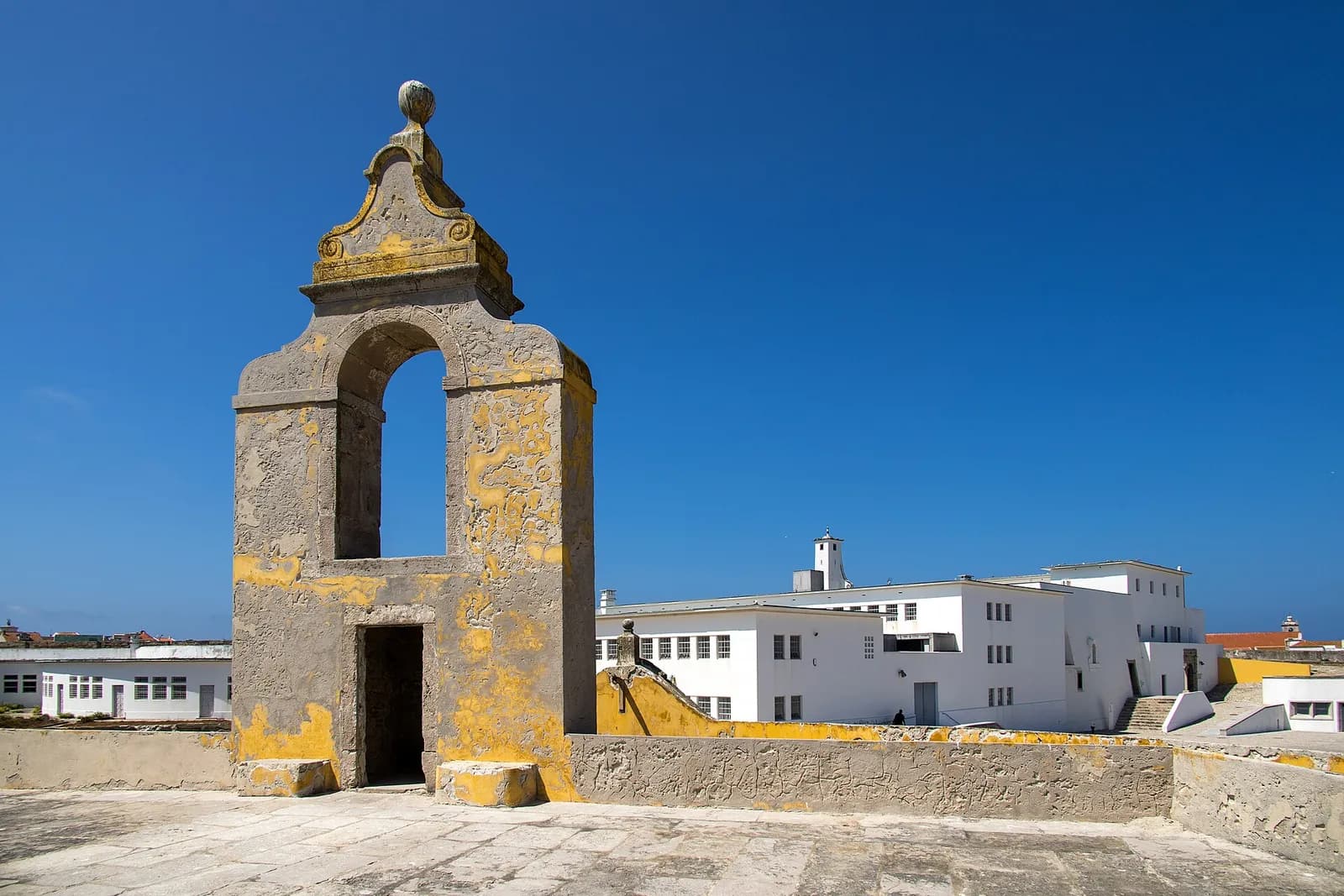
Peniche was one of the regime's high-security prisons. From 1953 it rebuilt the old fortress as a modern prison modelled on American high-security jails, with three cell blocks. The top floor of Block C held the inmates the regime considered most dangerous, kept apart from everyone else. It was from there that the ten men escaped in 1960.
Guards from the prison service watched the cell blocks, the GNR watched the perimeter, and PIDE agents kept the gate. The visiting room, rebuilt in 1968, was laid out to prevent any physical contact, and prisoners and families had to speak loudly enough for the guards to hear every word. A prisoner who broke the rules could lose his visits or his exercise, or be sent to the punishment cell in the round fort that inmates called the Segredo.
Inside, Cunhal sat on the escape committee with Jaime Serra and Joaquim Gomes. Outside, the party leaders Pires Jorge and António Dias Lourenço organised the operation, helped by Octávio Pato, Rui Perdigão and Rogério Paulo. The other escapees were Carlos Costa, Francisco Miguel, José Carlos, Guilherme Carvalho, Pedro Soares, Rogério de Carvalho and Francisco Martins Rodrigues.
The escape made headlines around the world. The regime hunted for the fugitives and tightened security in its prisons. Inside the PCP, according to a party publication quoted by the historian José Pacheco Pereira, membership and the print run of the clandestine newspaper Avante! both doubled between late 1959 and late 1961.
Secretary-general in exile
By his biographer José Pacheco Pereira's account, Cunhal spent about eighteen months in hiding in Portugal after the escape, moving between safe houses; the Diário de Notícias says about two years. His daughter was born at the end of 1960. In March 1961 he was elected secretary-general, and soon afterwards, as the police closed in on the party leadership again, he left for exile, which was at first meant to be temporary.
He lived in the Soviet Union until 1966 and then in France. Through the Sino-Soviet split of the 1960s he sided firmly with Moscow.
In April 1964 he presented Rumo à Vitória (“The Road to Victory”), the programme that set out the party's tasks in what it called the democratic and national revolution. Against those in the party who hoped for a peaceful transition from the dictatorship, it argued for bringing the regime down by a national armed uprising. In the 1960s, observes João Arsénio Nunes, a historian reviewing Pacheco Pereira's biography, nobody foresaw a revolution made by mid-ranking officers, but the PCP came closest.
In August 1968 Warsaw Pact troops crushed the Prague Spring, Alexander Dubček's attempt to liberalise communist Czechoslovakia. The French, Italian and Spanish communist parties were reluctant to back the invasion. The PCP's paper Avante! had written warmly of Dubček's reforms, but Cunhal backed Moscow, and several party members in Prague, Geneva and Paris broke with the leadership in protest.
10 November 1913
Born in the parish of Sé Nova, Coimbra
1931
Enters the Lisbon Law Faculty and joins the PCP
1935
Secretary-general of the Communist Youth; goes underground
June 1937
First arrest
May 1940
Second arrest; sits his law exam under police escort
25 March 1949
Arrested at Luso with Militão Ribeiro and Sofia Ferreira
3 January 1960
Escapes from Peniche with nine other prisoners
March 1961
Elected secretary-general of the PCP
30 April 1974
Returns to Portugal after the 25 April revolution
6 November 1975
Televised debate with Mário Soares
1992
Steps down as secretary-general at the PCP's 14th Congress
13 June 2005
Dies in Lisbon; funeral on 15 June
Revolution, and the fear of a new dictatorship
On 25 April 1974 the Armed Forces Movement (MFA), a group of junior officers, overthrew the Estado Novo. Two days later the political prisoners in Peniche walked free. Cunhal came home from exile on 30 April, after nearly forty years of underground life and prison. A crowd met him at the airport, and he spoke from the top of a tank; Mário Soares later wrote that, standing between a soldier and a sailor, Cunhal reminded him of Lenin.
He became minister without portfolio in the first four provisional governments. In the election for the Constituent Assembly on 25 April 1975, the first free election with universal suffrage in Portuguese history, the PCP won 12.5 per cent of the vote. The Socialists of Mário Soares won 37.9 per cent.
The Socialist leadership accused the PCP of wanting to impose a communist dictatorship, and the quarrel came to a head over the Lisbon daily República. On 19 May 1975 a committee of its printers and office staff, communist and far-left in outlook, declared the paper's Socialist-leaning editors dismissed. That day the Italian journalist Oriana Fallaci was interviewing Soares, who told her the editors had been held captive by communist printers.
Fallaci then interviewed Cunhal, and the magazine L'Europeo published the conversation on 13 June. In it Cunhal called the Socialists hysterical and said of the República workers: “They did very well.” He was also quoted as saying: “I promise you there will be no parliament in Portugal.” Both lines are translated from the Italian of Fallaci's published text.
The PCP issued a statement saying some of his words had been distorted. Domingos Lopes, who worked in Cunhal's ministerial office in 1974 and 1975 and left the party in 2009, said in 2020 that Fallaci had misreported him: in his view Cunhal meant that Portugal would not be a Western-style democracy but a different kind, built on a large public sector and land reform.
On 10 July the Socialists walked out of the provisional government, citing the República affair. The Fifth Government, sworn in on 8 August under Vasco Gonçalves, an officer the PCP trusted, had the formal backing only of the PCP and its ally the MDP/CDE. Cunhal told his Central Committee two days later that it was likely to fail and could drag the party down with it.
Through the summer and autumn PCP offices in the north were attacked and set on fire, and rallies of the centre-right PPD in the south were broken up with stones and gunfire. Cunhal blamed the Socialists for fanning the anti-communism behind the arson. Much of the argument was carried on abroad: in 1975 politicians and officers often made their most striking statements to foreign newspapers, and the República affair was followed closely in France and Italy.
Historians still disagree about what Cunhal was trying to do. The British historian Kenneth Maxwell wrote that in the summer of 1975 the communists made the last serious attempt to seize power in Western Europe, and Carlos Gaspar that the PCP wanted power but was forced back by the balance of forces. Raquel Varela, who worked through the party's documents of the period, argues that it fought the Socialists hard for posts in the state, the army and the press but never attempted a putsch.
“Olhe que não”: the debate of 6 November 1975
Early November 1975 brought bomb attacks and almost daily rumours of coups. On the night of Thursday 6 November, Cunhal and Soares faced each other in the RTP studios at Lumiar, moderated by the journalists Joaquim Letria and José Carlos Megre. They had already debated once, in July on French television, but that broadcast was seen only in France.
- Date
- Thursday 6 November 1975, ending at about 1.30 am
- Place
- RTP studios, Lumiar, Lisbon
- Moderators
- Joaquim Letria and José Carlos Megre
- Length
- 3 hours, 40 minutes and 52 seconds
- Audience
- About 3 million on television and radio, by a Jornal de Notícias estimate of the time
About half an hour in, Soares told Cunhal that what the Communist Party had shown in recent months was that it wanted to turn Portugal into a dictatorship. Cunhal replied: “Olhe que não, olhe que não” (“Not so, not so”). The phrase entered Portuguese political vocabulary.
“A revolution is made by someone and, naturally, against someone.”
Soares, discussing a possible pact between their parties, said it would earn him a Lenin medal and leave Portugal with a dictatorship. The newspaper A Luta reported that the streets emptied and only two of Lisbon's twenty cinemas had normal audiences that night.
Nineteen days later, on 25 November 1975, a revolt by paratroopers was put down, and with it the most radical phase of the revolution ended. The PCP denied any part in planning a coup. When the Constituent Assembly met on 2 December, every party except the small MDP/CDE accused it, while the far-left UDP attacked it from the other side for abandoning the paratroopers.
A party of opposition
Cunhal never held government office again. He was elected to the Constituent Assembly in 1975 and to the Assembly of the Republic at every election from 1976 to 1987, and sat on the Council of State, the President's advisory body, from 1982 to 1992. Under his leadership the PCP and its electoral allies won between 12 and 19 per cent of the vote until the late 1980s, then fell to under 9 per cent in 1991.
Vote share of the PCP and its allies in Assembly elections, 1975 to 1991
% of votes cast
From 1979 the PCP ran in coalitions with smaller allies (APU, then CDU). Figures from Richard Robinson's table in Análise Social (1996); Correio da Manhã gives the same figures except 16.7 per cent for 1980. The 1975 vote was for the Constituent Assembly.
Show the data
| PCP (1975, 1976), APU (1979 to 1985), CDU (1987, 1991) | |
|---|---|
| 1975 | 12.5 |
| 1976 | 14.4 |
| 1979 | 18.8 |
| 1980 | 16.8 |
| 1983 | 18.1 |
| 1985 | 15.5 |
| 1987 | 12.1 |
| 1991 | 8.8 |
The party claimed 115,000 members in 1976 and 200,753 in 1983, half of whom paid no dues. Cunhal kept it closely aligned with the Soviet Union. At the 14th Congress in 1992 he stepped down as secretary-general and became president of the party's National Council; when that body was abolished in 1996 he stayed on the Central Committee.
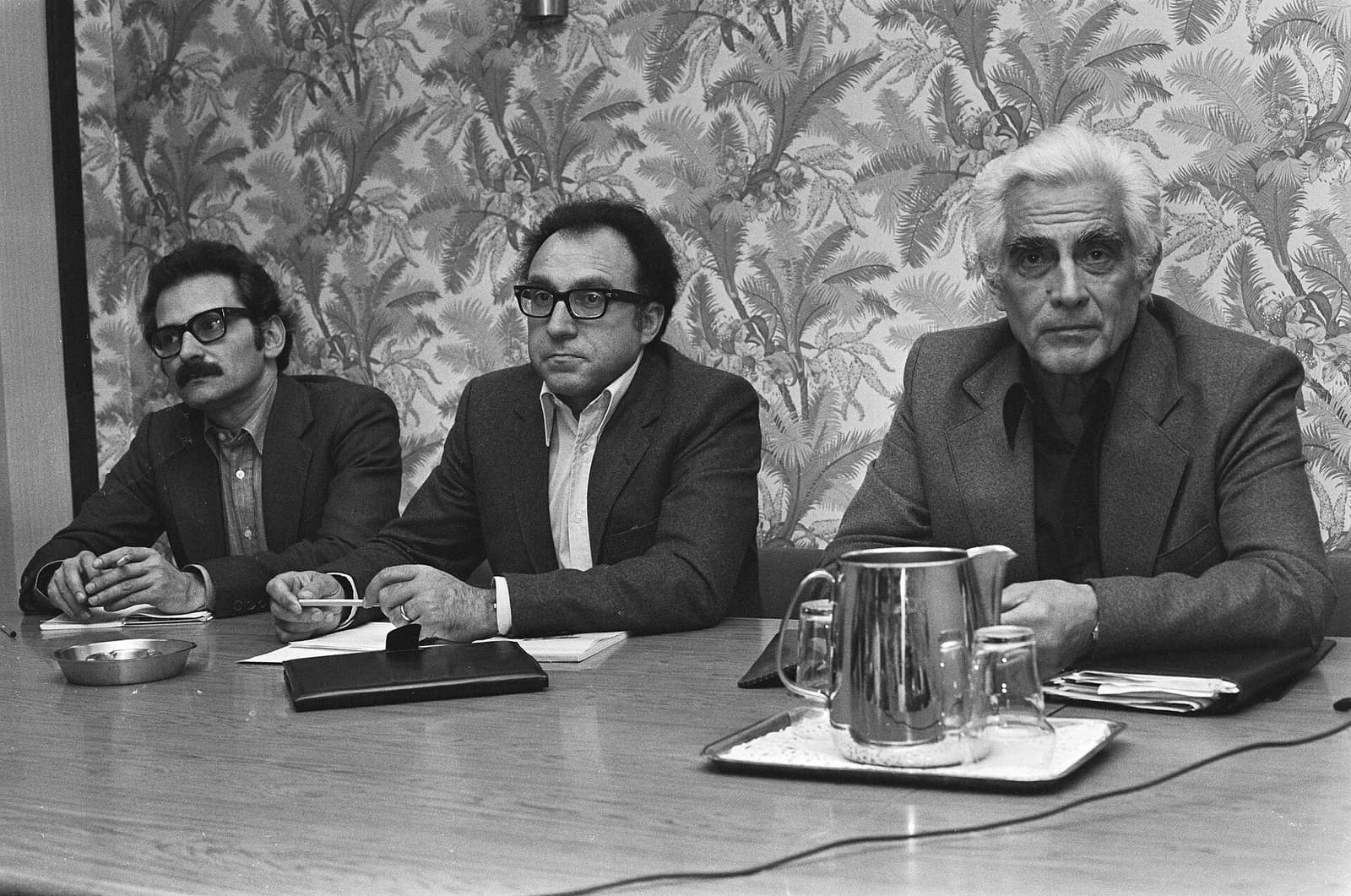
He also published essays on aesthetics, collected in A Arte, o Artista e a Sociedade (Art, the Artist and Society), drawings and paintings, and a translation of Shakespeare's King Lear. His political books range from a study of class struggle in medieval Portugal to his own account of the revolution.
Death, funeral and memory
Cunhal died on 13 June 2005, aged 91, already very frail. Two days later his coffin was carried through Lisbon to the Alto de São João cemetery in a cortege that lasted more than two hours. The PCP put the crowd at hundreds of thousands; the newspaper Observador, looking back ten years later, wrote of tens of thousands.
On the day he died, Mário Soares, his great opponent of 1975, wrote of him:
“He was a man of steel, who would rather break than bend. Brave, of unshakeable convictions, personally selfless to the point of sacrifice, faithful to the ideals he had always held. … He never changed.”
His admirers remember the student who chose a life of hiding, prison and exile, and the prisoner who described his torture to the court that tried him. His critics remember the leader who backed the Soviet Union over Czechoslovakia and whose party, in 1975, seemed to many to be reaching for power that the voters had not given it.
Peniche fortress, where he was held twice, is now the Museu Nacional Resistência e Liberdade. It opened officially on 27 April 2024, fifty years to the day after the last 36 political prisoners walked out. A steel memorial there carries the names of about 3,000 people who passed through the prison.
FAQs
When and where was Álvaro Cunhal born?
On 10 November 1913, in the parish of Sé Nova in Coimbra. He spent part of his childhood in Seia and moved to Lisbon with his family at the age of eleven.
How did Cunhal escape from Peniche?
On 3 January 1960 he and nine other communist prisoners, helped by a guard, climbed down the fortress walls on a rope after a car parked outside with its boot open gave the signal. Cars waiting in the town drove them away. The escape had been organised from outside by the party leaders Pires Jorge and António Dias Lourenço.
Did Cunhal want a communist dictatorship in 1975?
His opponents, led by Mário Soares, said so, citing the República affair and an interview with Oriana Fallaci in which Cunhal was quoted as promising there would be no parliament. The PCP said the interview distorted his words, Cunhal rejected the charge in the 1975 debate, and the party denied any part in the 25 November uprising. Historians are divided: Kenneth Maxwell saw a serious communist bid for power in the summer of 1975, while Raquel Varela argues that the PCP never attempted a putsch.
Who was Manuel Tiago?
Manuel Tiago was the pen name under which Cunhal published novels and stories, starting with Até Amanhã, Camaradas in 1974 and Cinco Dias, Cinco Noites in 1975. Both were later adapted for the screen.
How long did Cunhal lead the Portuguese Communist Party?
He was elected secretary-general in March 1961 and stepped down at the party's 14th Congress in 1992, after 31 years. He then chaired its National Council until 1996.
On the timeline
Open the timelineNearby moments from the first republic (1910–1926).
Portugal makes its Olympic debut as the Stockholm Games open. In the 100-metre heats that day the 18-year-old sprinter António Stromp, a founder member of Sporting, becomes the first Portuguese athlete to compete at an Olympics. The young Republic sent just six competitors, in athletics, fencing and Greco-Roman wrestling.
Francisco Lázaro, a Lisbon carpenter and Portugal's flag-bearer at its first Olympic Games, dies in Stockholm the morning after collapsing near the 30-km mark of the marathon in searing heat. He had coated his body in suet against sunburn, which stopped him sweating; he is the first athlete to die as a result of competing at the modern Olympics.
Afonso Costa, the fiery lawyer behind the 1911 law separating Church and State, forms his first government and also takes the finance ministry. His budgets closed with rare surpluses, but his anticlericalism and his push to deny the vote to illiterate citizens made him the most divisive figure of the First Republic.
Álvaro Cunhal, born 1913
Álvaro Cunhal is born in Coimbra. Secretary-general of the Portuguese Communist Party from 1961 to 1992, he was one of the most determined opponents of the Estado Novo and remained a towering figure of the Portuguese left until his death in 2005.
Bernardino Machado becomes prime minister of the young Portuguese Republic. A Coimbra professor and veteran republican, he was later twice elected President of the Republic, and was forced from office both times by military coups, in 1917 and again in 1926.
Birth of Francisco da Costa Gomes in Chaves. Career soldier, Chief of Staff and a key figure in the 25 de Abril 1974 revolution, he would serve as President of the Republic from September 1974 to July 1976, steering Portugal through decolonisation and the most turbulent months of the transition to democracy.
Meeting in special session, the Portuguese Congress unanimously authorises the government to intervene in the First World War as Britain's ally whenever it judges necessary, a step on the road to the Portuguese Expeditionary Corps being sent to Flanders in 1917.
Coming up in history
All long reads 12 November 1991Santa Cruz, 12 November 1991: the Dili massacre the world saw
 13 November 1460Henry the Navigator dies at Sagres, 13 November 1460
 14 November 1887Amadeo de Souza-Cardoso: Portugal's lost modernist, born 1887
 15 November 1924Lost in the fog: Sacadura Cabral's last flight, 15 November 1924
22 sources
Archives, scholarship and reporting this article was checked against.
- 1
Elementos biográficos de Álvaro CunhalComissão das Comemorações do Centenário de Álvaro Cunhal, Partido Comunista Português (2014)
- 2Álvaro Cunhal (profile)Diário de Notícias, 25 April 2009
- 3
Peniche EscapeMuseu do Aljube Resistência e Liberdade
- 4
Review of José Pacheco Pereira, Álvaro Cunhal. Uma Biografia Política. O Secretário-geral (1960-1968), vol. 4 (João Arsénio Nunes)Análise Social, 222 (2017), pp. 186-192; ISCTE repository
- 5
Dove va il Portogallo? As repercussões do “caso República” em Itália (Marco Gomes)In A revolução de 1974-75: repercussão na imprensa internacional e memória(s), Instituto de História Contemporânea, 2014; Universidade de Coimbra repository
- 6“Olhe que não, olhe que não”: Soares e Cunhal mediram forças nos ecrãs há 50 anosRTP Notícias, November 2025
- 7
Do CDS ao CDS-PP: o Partido do Centro Democrático Social e o seu papel na política portuguesa (Richard A. H. Robinson)Análise Social, vol. XXXI (138), 1996, pp. 951-973
- 8
A palavra como arma: literatura e resistência nos contos de Manuel Tiago/Álvaro Cunhal (Ana Margarida Ramos)Forma Breve, Universidade de Aveiro
- 9Há 60 anos, Cunhal e nove camaradas fugiam de PenicheDiário de Notícias, 3 January 2020
- 10
Prisão políticaMuseu Nacional Resistência e Liberdade, Peniche
- 11
- 12
Museu Nacional Resistência e LiberdadeMuseus e Monumentos de Portugal
- 13
Álvaro Cunhal: biografia e obrasMarxists Internet Archive (Portuguese section)
- 14
- 15Pacheco Pereira: “Cunhal e Fidel quebraram o isolamento dos soviéticos” em 1968Diário de Notícias, 21 August 2018
- 16País despediu Cunhal há dez anosObservador, 13 June 2015
- 17
- 18Cunhal acreditou que revolução não tinha marcha-atrás e desvalorizou o PSDiário de Notícias, 2 February 2020
- 19As 3 horas, 40 minutos e 52 segundos mais importantes da vida de Soares (Miguel Pinheiro)Observador, January 2017
- 20PCP ficou isolado na Constituinte no rescaldo das “horas dramáticas” do 25 de NovembroLusa, in Observador, 24 November 2024
- 21Esquerda nunca baixou dos 37,9% e direita dos 34% em 17 votaçõesCorreio da Manhã, 8 March 2024
- 22
Image credits
- Álvaro Cunhal (centre, grey-haired) with Octávio Pato, the PCP's candidate for President, at a rally in the Campo Pequeno bullring in Lisbon in 1976. Sixteen years earlier Pato had helped organise Cunhal's escape from Peniche from the outside. Ct1aic, CC BY-SA 3.0, via Wikimedia Commons.
- The sea walls of Peniche fortress, photographed in 2026. The regime ran a political prison inside the fortress from 1934 until 1974. Alexkom000, CC BY 4.0, via Wikimedia Commons.
- The Sé Nova, Coimbra's New Cathedral, which gives its name to the parish where Cunhal was born in 1913. Photographed in 2017. Palickap, CC BY-SA 4.0, via Wikimedia Commons.
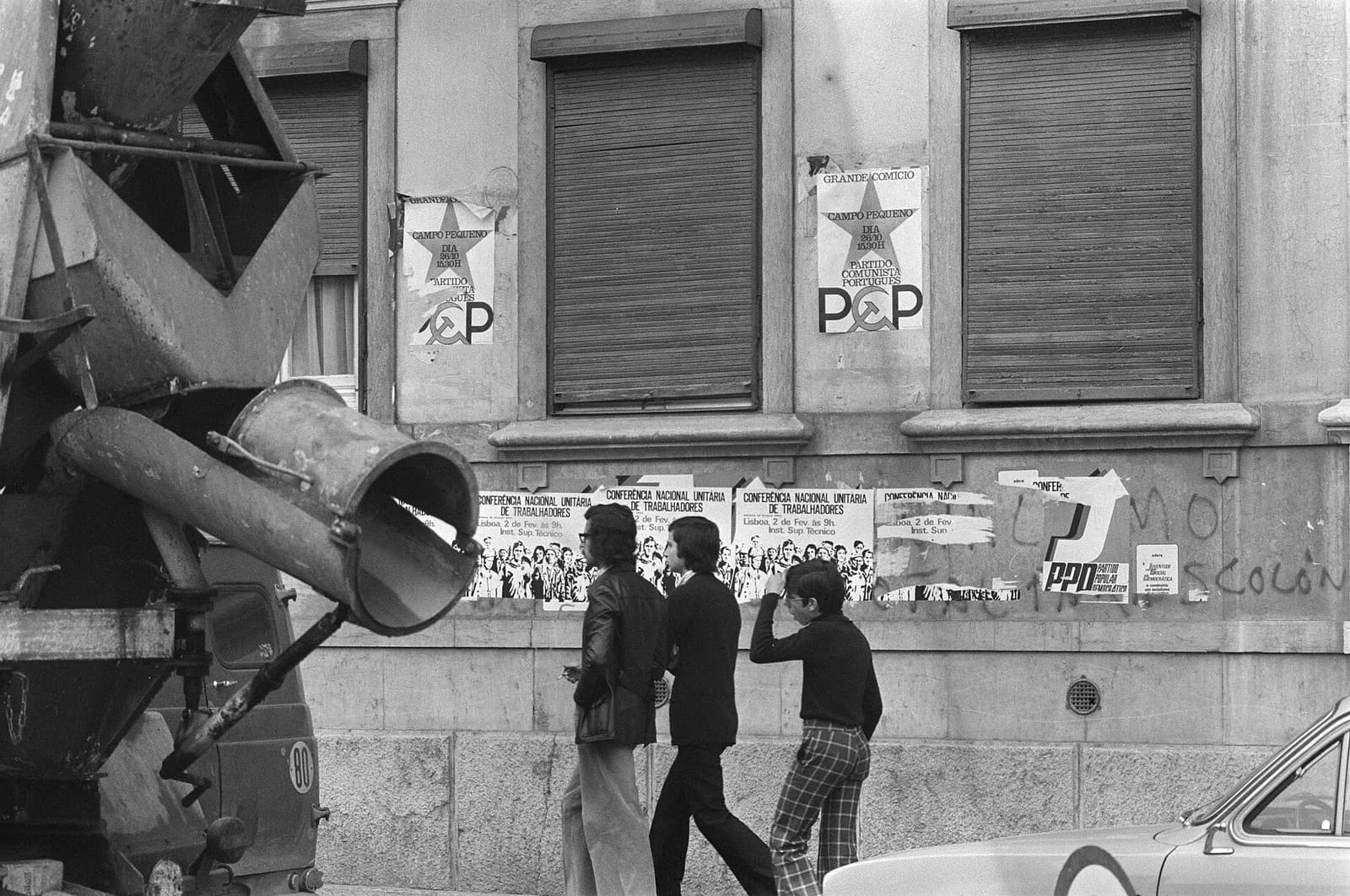
- Political posters on a Lisbon street, photographed on 11 February 1975: two for a PCP rally at the Campo Pequeno bullring on 26 October, others for a workers' conference and for the centre-right PPD. Rob Mieremet / Anefo, CC0, via Wikimedia Commons.
- Cunhal (right) at a press conference in the Krasnapolsky hotel, Amsterdam, on 17 April 1980, with the PCP leaders Albano Nunes (left) and Domingos Abrantes. Fernando Pereira / Anefo, CC0, via Wikimedia Commons.
- An old turret on the ramparts of Peniche fortress, with the white buildings of the former political prison behind it, photographed in 2026. Alexkom000, CC BY 4.0, via Wikimedia Commons.