

Queen Estefânia's death in 1859 and the hospital it left Lisbon
A German princess reached Lisbon in May 1858 and wrote home about foundlings, orphans and a hospital for sick children. Fourteen months later she was dead, and her grieving husband set out to build it.
At a glance
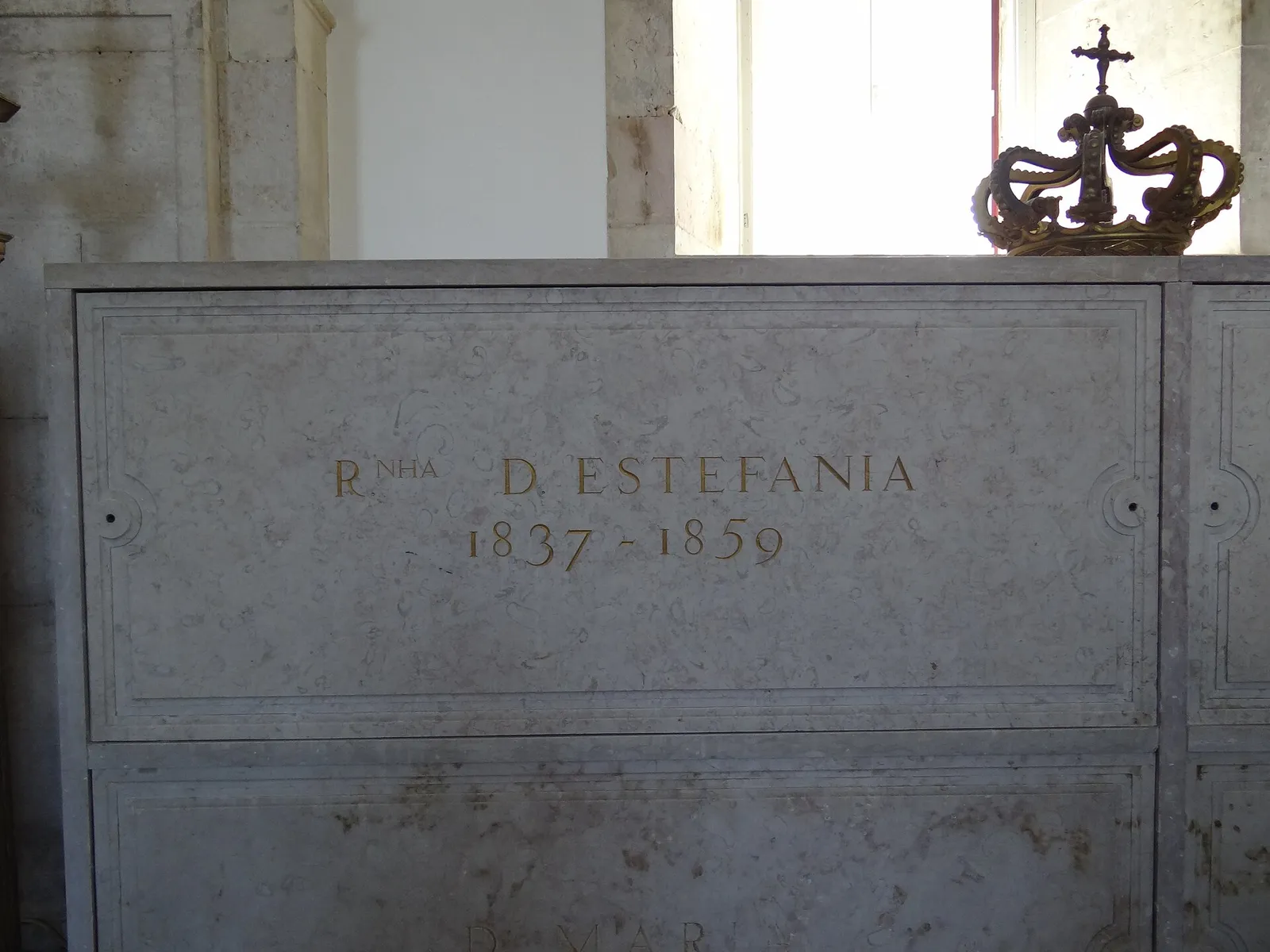
- Queen Estefânia, born Princess Stephanie of Hohenzollern-Sigmaringen on 15 July 1837, died of diphtheria at the Necessidades Palace in Lisbon at about one in the morning of 17 July 1859, two days after her 22nd birthday.
- She had married King Pedro V by proxy in Berlin on 29 April 1858 and in person in Lisbon on 18 May 1858, so she was queen in Portugal for 14 months.
- Her illness began as a sore throat on 9 July, the day after a hot outing to watch artillery trials at Vendas Novas; by 13 July her doctors' bulletins called it diphtheritic.
- In July 1858 she had written that she and Pedro meant to found a hospital for children with 132,000 francs given by Lisbon's merchants. After her death the king commissioned one, on a plan Florence Nightingale called the only children's hospital plan that met all her conditions.
- Pedro V died in 1861. His brother Luís I opened the hospital on 17 July 1877, the 18th anniversary of her death. In 2017 the Hospital de Dona Estefânia marked 140 years as a children's hospital.
One in the morning at the Necessidades
By the evening of Saturday 16 July 1859 Lisbon feared the queen was dying. Since midday word had spread through the city that she was worse. The theatres were ordered to close, most shops shut, and priests in the cathedral and other churches hurried to say prayers for her recovery. A correspondent for a Porto paper wrote that the city looked like a desert.
Inside the Necessidades Palace, the king's residence in Lisbon, Queen Estefânia made her confession between eight and nine that night and received the last sacraments. Preparations were made for an operation. Some said it was attempted; others that the doctors decided it could not save her.
She died at about one in the morning of Sunday 17 July. The bulletin signed by her three doctors, the Baron da Silveira, Bernardino António Gomes and Manuel Carlos Teixeira, put it in the medical language of the day: a sharp rise in fever, failing strength, and the rapid progress of other signs of “diphtheritic intoxication”. She was 22, and had been in Portugal for 14 months.
When King Pedro V was told, he collapsed. The same correspondent reported that he lay in a frightening faint, a kind of spasm, until the early hours of the next morning. He was 21.
A princess from the Danube and a serious young king
Stephanie of Hohenzollern-Sigmaringen was born on 15 July 1837 in the small castle of Krauchenwies, near Sigmaringen in south-west Germany. Her family ruled Hohenzollern-Sigmaringen, a small principality on the upper Danube, until her father, Prince Karl Anton, handed it to the King of Prussia in 1849. From 1852 they lived in Düsseldorf, where he held a high military post. She grew up there a devout Catholic, close to the city's Ursuline nuns, learning Italian and English on top of fluent French, drawing, and visiting the sick and the poor.
Pedro V was born in Lisbon on 16 September 1837, the eldest son of Queen Maria II and Fernando of Saxe-Coburg-Gotha. He became king in 1853 when his mother died in childbirth, and ruled in his own right from 1855, after his father's regency. He was studious, austere and often gloomy, and his first years on the throne were years of cholera and then yellow fever in Lisbon.
The match was made in London. Queen Victoria and Prince Albert, whom the young king addressed in his letters as aunt and uncle, pointed him towards Stephanie, and Albert acted as go-between with her father. Pedro's biographer Júlio de Vilhena concluded that his own father, King Fernando, opposed it. In a draft letter Pedro wrote that the quarrel soured his home life for a long time, but that instead of “what is commonly called a brilliant match” God had found him “a good match, which is worth much more”.
Parliament voted the future queen's allowance in June 1857 and her hand was formally requested in December. The two had never met. On 29 April 1858 they were married by proxy in the Catholic church of St Hedwig in Berlin, with her brother Leopold standing in for the groom and the Bishop of Breslau officiating.
Fourteen months in Lisbon
The new queen travelled by way of Belgium and England, where Albert met her and she spent four days at Buckingham Palace. At Plymouth she boarded the Portuguese corvette Bartolomeu Dias, escorted by British warships. Rough seas drove the ship into A Coruña, and she was seasick until the day of arrival, when the coast of Portugal came into view: Mafra, Sintra, Pena, Cabo da Roca, then Lisbon rising on its hills.
The corvette entered the Tagus on the afternoon of 17 May 1858. At Belém her brother-in-law Luís brought a note: Pedro would come within the hour. Stephanie described the meeting in a letter to her mother.
“We said nothing to each other, shook hands, he kissed me on the forehead, I cried, he had tears in his eyes, we went on looking at each other for a long time without saying anything, but understanding each other.”
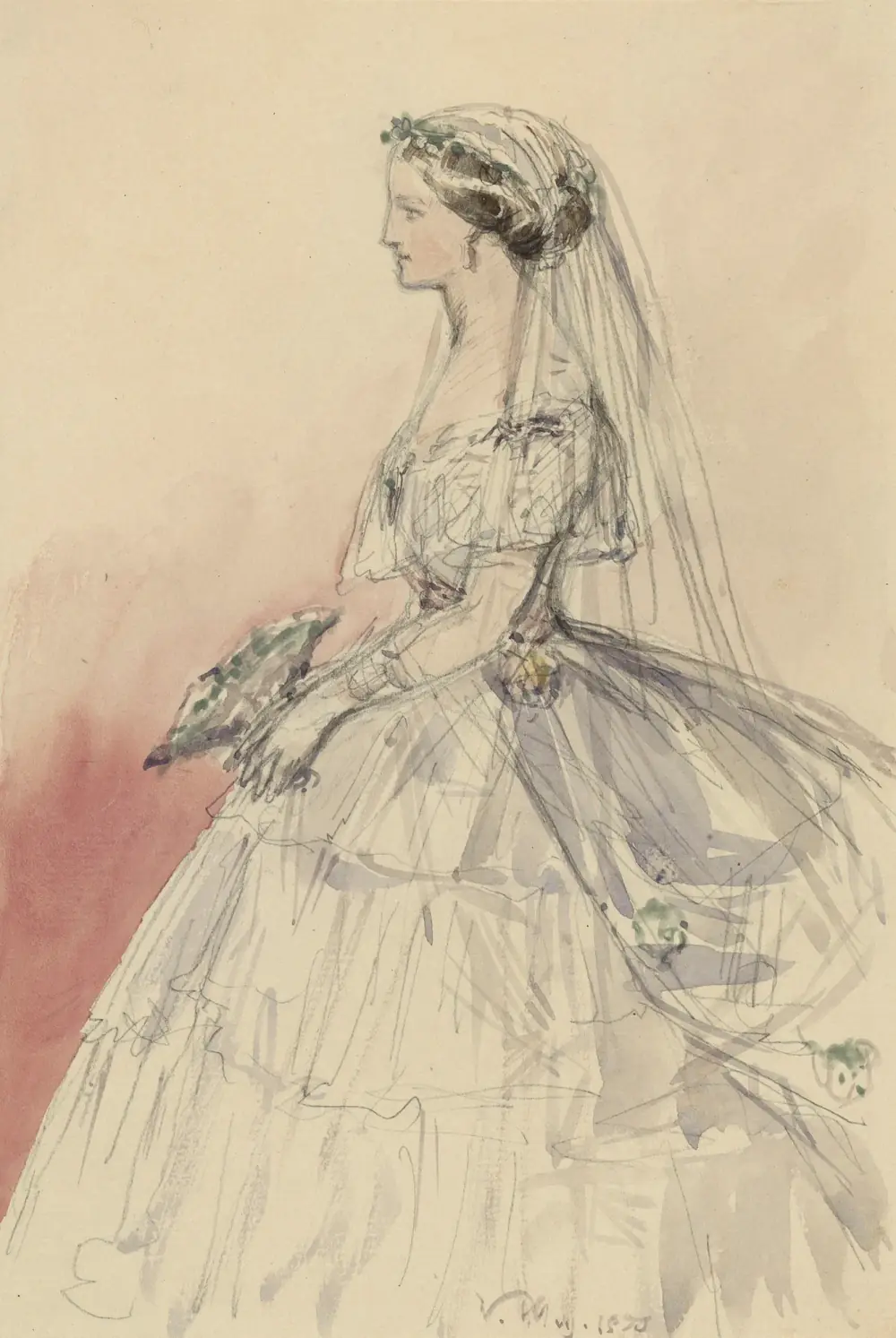
The next morning, 18 May, she came ashore at the Praça do Comércio in white lace with myrtle and orange blossom, wearing a diadem of about 4,000 diamonds that Pedro had ordered from Portuguese jewellers. The crowd broke into the pavilions to see her. In the church of São Domingos the Cardinal Patriarch confirmed the marriage. Replying to the city council that day, Pedro spoke of a city that death had been emptying only months before.
From Portugal Estefânia, as the Portuguese called her, wrote long letters to her mother. She found Pedro's expression “good and deep”: he spoke little and always said less than he thought. He wrote to Queen Victoria that if he had to describe Estefânia he would call her an angel, except that the word had become too common to carry everything he felt.
Foundlings, orphans and a plan for a hospital
Within weeks of the wedding the couple visited the Misericórdia of Lisbon, the charity that took in abandoned babies through a revolving wheel in its wall. Estefânia told her mother, without giving a source, that in the Lisbon district alone they numbered 11,000 a year. As they were leaving, the woman who kept the wheel brought them a baby who had just been left there. The king and queen stood as godparents that evening in the house chapel, and the girl was named Maria. Estefânia arranged to pay for her upbringing.
She admired the Misericórdia's order and cleanliness but thought it fed bodies and neglected souls. Her hopes rested on the French Sisters of Charity, who ran the orphanage Pedro had founded at Ajuda for children orphaned by the yellow fever. When a newspaper claimed the 300 children in their care were dirty and badly fed, and that royal visits were stage-managed, she and Pedro turned up unannounced on a Saturday evening and, she wrote, found everything in order.
In the same letter, written in Lisbon in July 1858, she told her mother what she meant to do with a wedding present.
“On the occasion of our marriage the merchants of Lisbon have placed at my disposal a sum of 132,000 francs, with which we want to found a hospital for children, which we will also put under the direction of the Sisters of Charity.”
Her letters return again and again to the poor. On an outing near Mafra in 1858 she and her party entered a peasant's hut incognito: one door, no windows, a bare earth floor, rain and wind coming through the cracks. Beyond the material misery, she wrote, there were “no priests, no schools” to civilise and educate such poor souls.
Back at Mafra in the spring of 1859 she twice spent two hours in the school Pedro paid for, visited the village hospital and found a girls' school badly lacking: first of all, she wrote, women teachers had to be trained.
The Sisters of Charity were the most divisive part of her plan. According to Isabel Stilwell, author of a novel about the queen, Pedro wrote to Prince Albert that Estefânia had wanted the Sisters to run the hospital, but that he would not do it because it would divide society. The French Sisters left Portugal in 1862.
Nine days in July
On Friday 8 July 1859 the king and queen went to Vendas Novas, in the Alentejo, to watch trials of a newly bought rifled cannon. She was already unwell when she set out, a Lisbon correspondent wrote. She walked a kilometre and a half across open ground under what he called an African sun, and during the firing she grew so ill that she had to lie down in the palace at Vendas Novas on the greatcoats of some of the generals.
From Saturday 9 July she had what the doctors called an angina, a severe sore throat. Their first bulletin, dated the day before and published in the government gazette on 13 July, said only that it was following a regular course. That same day it took on a “diphtheritic form” and spread into her airways.
Friday 8 July
Vendas Novas
Artillery trials in the heat; she is taken ill and has to lie down.
Saturday 9 July
Sore throat
The date the bulletins give for the start of the angina.
Wednesday 13 July
First bulletin published
Dated the 12th, it reports an angina following a regular course. On the 13th the illness takes a diphtheritic form and reaches the airways, with some relief from midday.
Thursday 14 July
Moderate symptoms
Diphtheritic throat symptoms persist at moderate intensity.
Friday 15 July
Her 22nd birthday
Throat symptoms and a remittent fever.
Saturday 16 July
Turn for the worse
Sharp rise in fever in the afternoon; theatres and shops close; she receives the last sacraments between 8 and 9 pm.
Sunday 17 July, about 1 am
Death
She dies at the Necessidades Palace.
Wednesday 20 July
Burial
Her body is laid in São Vicente de Fora, dressed in white with a wreath of white flowers.
Thursday 21 July
The king's letter
Pedro V thanks the nation through the head of government; it is printed the next day.
| Account | What it says |
|---|---|
| Medical bulletins (Diário do Governo, July 1859) | An angina from Saturday 9 July, diphtheritic from 13 July; death at about 1 am on 17 July |
| Lisbon correspondent of O Porto e a Carta (17 July 1859) | Already unwell when she left for Vendas Novas; worse after a long walk in the sun |
| Marquise of Rio Maior, as told to Joaquim Leitão | Caught it on the Vendas Novas trip, was not diagnosed, and died within 24 hours |
| Francisco António Martins Bastos, Memórias (1863) | Blames mainly a later outing to Trafaria |
| Katharina Diez (German biography) | Fell ill after a boat trip to see a new warship |
Júlio de Vilhena, who compared these versions in 1922, rejected the boat trip and the 24 hours: the doctors had named the illness, and nine days passed between the trip on 8 July and the death on 17 July.
“A heart for the earth”
The whole Lisbon press shared the king's grief. A Nação, the paper of the legitimists, who still wanted the exiled Miguel's line on the throne, declared “a holy truce”. In A Revolução de Setembro the journalist António Rodrigues Sampaio signed an article that began with the king's palace.
“Death entered the King's palace and chose the victim dearest to his heart. Yesterday a marriage bed, today a tomb. Yesterday love and hope, today grief and longing.”
On 20 July her coffin was taken to the monastery of São Vicente de Fora, burial place of the Bragança kings. Her body had been dressed in a white court gown trimmed with silver lace, with white satin shoes, white gloves and a wreath of white flowers. The next day Pedro wrote to the Duke of Terceira, head of the government, asking him to thank everyone who had remembered “that among them there is someone who has suffered and suffers much”.
“To do my duty I have more than enough in the example of the wife I lost when I was only beginning to appreciate the treasure I had been given. She was a heart for the earth and a spirit for heaven.”
He kept working. In October he gave the prizes at the Polytechnic School, and in November, opening parliament, he spoke of the “piercing grief” of recalling the event with which God had chosen to put his life in mourning. The historian Paulo Drumond Braga has studied his letters to Prince Albert and to Estefânia's mother and brother; a review of his chapter describes the mourning they record as ending in the building of the children's hospital.
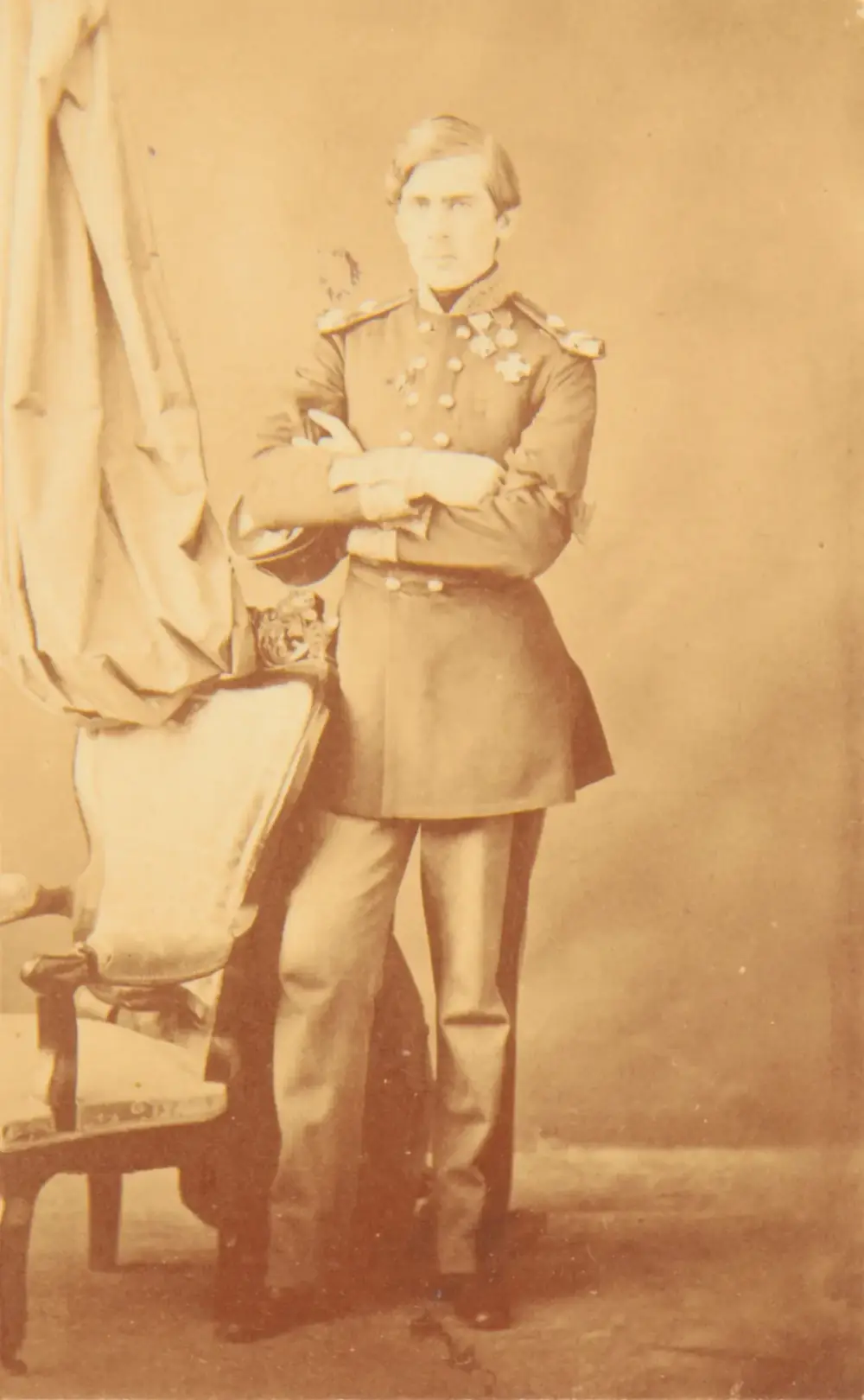
Pedro V never remarried. In the autumn of 1861 fever went through the royal family. The king died on 11 November 1861, aged 24, of what his doctors called typhoid, and whether he had been poisoned was still being argued sixty years later. His brother succeeded him as Luís I.
A hospital for the children of Lisbon
Within months Pedro had turned her plan into his own project. He chose a site on royal land, the Quinta Velha, north of the grounds of the Bemposta palace, and asked his English relations for a design. Prince Albert entrusted it to Albert Jenkins Humbert, the architect who was then working for the British royal family, and followed every stage. Florence Nightingale, famous since the Crimean War and the author of Notes on Hospitals, corresponded with Humbert about the plan.
In Lisbon a commission followed the work. It was chaired by Bernardino António Gomes, professor at the Lisbon Medical-Surgical School and one of the three doctors who had signed the queen's bulletins, and its members included the Count da Ponte, the court official who had signed the record of her burial clothes, and General Filipe Folque, head of the national geodetic survey.
Nightingale gave the Lisbon plan several pages of the 1863 edition of her book, with a plate. It was a smaller version of the Lariboisière hospital in Paris, the model of the new pavilion system: long wards in separate wings, each lit by nine windows on either side, around a central court with the chapel on its axis.
“The only plan of a children's hospital which realizes all the various conditions laid down, is that to be erected at Lisbon. This plan possesses peculiar interest, on account of its being the embodiment of a desire of the late King of Portugal, to commemorate his lost queen.”
- Architect
- Albert Jenkins Humbert, chosen by Prince Albert; plans drawn 1859 to 1860
- Layout
- Arranged along a parallelogram 135 by 75 feet, surrounded by an open corridor and terrace
- Wards
- Four wards of 32 beds in two two-storey pavilions, plus four small wards of 8 beds
- Air per bed
- 2,160 cubic feet (about 61 cubic metres) in wards 30 feet wide and 18 feet high
- Baths
- Two child-sized baths with hot and cold water in each large ward
- Site
- The Quinta Velha, royal land north of the Bemposta palace
Building was slow and expensive. In 1864 the deputy Casal Ribeiro asked parliament for 20 contos de réis, 20 million réis, to continue the works of “the Estephania hospital, founded at the Quinta da Bemposta by King Pedro V”, explaining that the plan had been sent from England through Prince Albert. Critics complained of opulence at a time when Lisbon was short of hospital beds, and in 1872 and 1873 officials considered turning it into a general hospital for 158 adults.
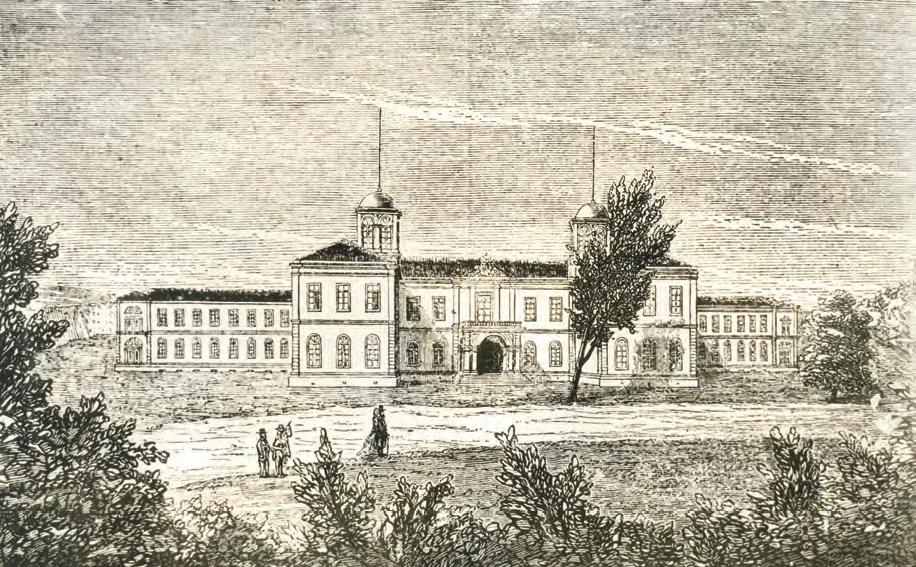
King Luís I opened the hospital on 17 July 1877, the 18th anniversary of Estefânia's death. It was not yet the children's hospital she had imagined. When Luís handed it over to the state he required that one ward be kept for children, and for decades the rest took women, so that Lisbon called it the hospital of women and children.
The children took it over slowly. A decree of 9 July 1918 created separate medical and surgical children's services there under Jaime Salazar de Sousa, later the first professor of paediatrics at Lisbon's medical faculty. A new pavilion, the Dom Pedro V building, opened in 1936, and a remodelling inaugurated on 15 October 1962 raised the main building to three floors with beds for 395 children.
Beds at the Dona Estefânia hospital, as planned and proposed
beds
The 1860 figure is calculated from Nightingale's description of Humbert's plan: four large wards of 32 beds and four small wards of 8. The 1872–73 figure is the number of adult patients officials proposed to admit; the 1960–62 figure is the remodelled hospital's capacity for children, including 20 private rooms (a 2017 lecture summary by Maria Teresa Neto mentions 380 beds).
Show the data
| Beds | |
|---|---|
| 1860 plan | 160 |
| 1872–73 adult-hospital proposal | 158 |
| 1960–62 remodelling | 395 |
Why it still matters
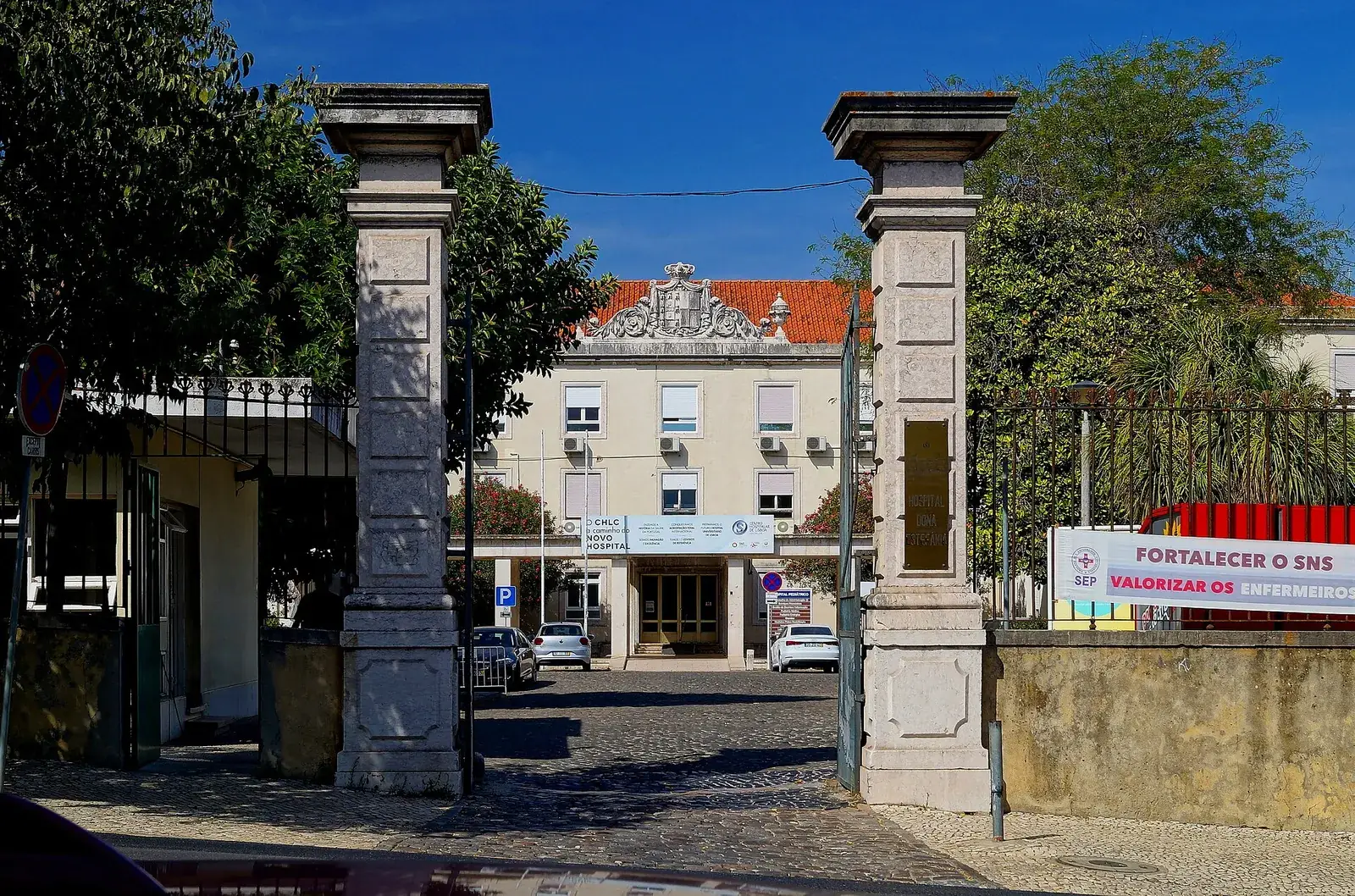
The hospital became the centre of Portuguese paediatrics. The paediatrician Maria Teresa Neto calls it the country's first children's hospital, where the teaching of paediatrics began and the Portuguese Society of Paediatrics was born. The Portuguese Society of Paediatric Surgeons was founded in its buildings on 29 June 1974, and by 2005 more than half of the country's paediatric surgeons had trained there.
One of its best-known patients was a girl from the hills near Fátima: Jacinta Marto, one of the three shepherd children of the 1917 apparitions, was admitted on 2 February 1920 and died there on 20 February, aged 9.
From 1969 the hospital also housed a maternity unit, closed in 1995; a new one opened in the Dom Pedro V building in 2001 and closed in 2012. In 2017, in a lecture for its 140th anniversary, Maria Teresa Neto described it as in danger of extinction.
FAQs
What did Queen Estefânia of Portugal die of?
Diphtheria. Her doctors' bulletins record a severe sore throat from 9 July 1859 that became diphtheritic by 13 July and spread to her airways. She died at the Necessidades Palace in Lisbon at about 1 am on 17 July 1859, aged 22.
How long were Pedro V and Estefânia married?
About fourteen and a half months from the proxy wedding in Berlin on 29 April 1858, and just under 14 months from the ceremony in Lisbon on 18 May 1858. They had no children, and Pedro V never remarried before his own death in November 1861.
Why is the Hospital de Dona Estefânia named after her?
In July 1858 Estefânia wrote that she and Pedro meant to found a children's hospital with money given by Lisbon's merchants. After her death Pedro V commissioned one on royal land at Bemposta. It opened on 17 July 1877, the anniversary of her death, and carries her name.
Did Florence Nightingale design the Lisbon children's hospital?
No. The architect was Albert Jenkins Humbert, chosen by Prince Albert. Nightingale corresponded with Humbert about the plan and in 1863 described it as the only children's hospital plan that met all the conditions she had laid down.
Where is Queen Estefânia buried?
In the royal pantheon of the Bragança dynasty at the monastery of São Vicente de Fora in Lisbon, where her body was taken on 20 July 1859.
On the timeline
Open the timelineNearby moments from regeneration and the last kings (1851–1910).
Birth in Caldas da Rainha of José Malhoa, a leading painter of Portuguese naturalism. His 'O Fado' (1910), showing a guitarist singing to his lover in a humble Lisbon room, became a defining image of the genre. Caldas da Rainha's art museum bears his name.
King Pedro V rides the inaugural train of Portugal's first railway, a 36-kilometre line from Lisbon to Carregado. It was the first stretch of what became the Linha do Norte, which would eventually link the capital with Porto.
The painter Columbano Bordalo Pinheiro is born in Cacilhas, younger brother of the caricaturist Rafael. His group portrait of the 'Grupo do Leão' and his sombre portraits of Antero de Quental and Teófilo Braga made him the leading portraitist of his generation; he later directed the National Museum of Contemporary Art and helped design the republican flag.
The death of Queen Estefânia
Death in Lisbon of Queen Estefânia, the German-born wife of King Pedro V, from diphtheria two days after her 22nd birthday and 14 months after her wedding. In 1858 she had planned a hospital for sick children; the grieving king commissioned one, and the Hospital de Dona Estefânia, opened in 1877, still bears her name.
Portugal and the Tokugawa Shogunate sign a Treaty of Peace, Amity and Commerce in Edo (present-day Tokyo), establishing formal diplomatic relations and reopening trade more than two centuries after the Portuguese were expelled from Japan in 1639.
King Pedro V dies of typhoid fever at the Necessidades Palace in Lisbon, aged just 24, after a reign of eight years. Two of his brothers, the infantes Fernando and João, also died that year, plunging the country into mourning.
The future King Carlos I of Portugal is born at the Ajuda Palace in Lisbon, son of Luís I and Maria Pia of Savoy. A noted oceanographer, he reigned from 1889 until his assassination in Lisbon in 1908.
Coming up in history
All long reads 19 July 1717Portugal's ships against the Ottoman fleet at Matapan, 19 July 1717
 20 July 2012José Hermano Saraiva: the minister who became Portugal's TV historian
 22 July 1684Josefa de Óbidos: the woman who ran a painter's business in Baroque Portugal
 23 July 1833Cova da Piedade, 1833: the fight that handed Lisbon to the liberals
17 sources
Archives, scholarship and reporting this article was checked against.
- 1
Cartas inéditas da Rainha D. Estefânia, prefaced and annotated by Júlio de VilhenaAcademia das Sciências de Lisboa, Imprensa da Universidade, Coimbra, 1922 (digitised by Internet Archive)
- 2
- 3
- 4
Hospital de D. Estefânia, Rua Jacinto Marto, Lisboa (Helena Gonçalves Pinto)Arquitecturas da Saúde: história da arquitectura hospitalar portuguesa na época contemporânea, 2014
- 5
Florence Nightingale e o Hospital Pediátrico de Lisboa (Óscar Ramos Ferreira and others)História da Enfermagem: Revista Eletrônica 14 (2023), e01
- 6
O Hospital de Dona Estefânia (1877-2017), summary of a lecture by Maria Teresa NetoOrdem dos Médicos, Núcleo de História da Medicina, Boletim Informativo no. 30, October 2017
- 7
11 de Novembro de 1861: Morte de D. Pedro V (bibliografia temática)Arquivo Nacional Torre do Tombo, 2011
- 8
Conheça o nosso rei alemão, avesso a beatos, mas que nos trouxe a árvore de Natal (J. Plácido Júnior, with Maria Antónia Lopes)Visão, 24 December 2021
- 9
Crónica Constitucional de Lisboa, no. 127, Saturday 31 May 1834, p. 4: decree extinguishing the houses of the regular orders, and editorialCEPESE, Universidade do Porto (DigiGov digitised official gazette)
- 10O hospital a que deu nome, o casamento de 14 meses e as teses sobre a virgindade: as histórias de Dona Estefânia (Sâmia Fiates)Observador, 1 June 2025
- 11
Diphtheria (fact sheet)World Health Organization
- 12
São Vicente de Fora na História: documentos do Arquivo Histórico do Patriarcado de LisboaAgência Ecclesia, 13 July 2010
- 13
Review of Reis, aristocratas e burgueses: o mundo das cartas privadas, ed. Isabel Drumond Braga and Paulo Drumond Braga (2024)Revista de História da Sociedade e da Cultura 25-2 (2025), Universidade de Coimbra
- 14
D. Fernando II (Reis Consortes de Portugal), Maria Antónia Lopes: cover text, contents and introductionCírculo de Leitores, 2013; Estudo Geral, Universidade de Coimbra
- 15
Aquele Saxe-Coburgo-Gotha a quem chamamos o Rei Artista (Mário Beja Santos), review of Maria Antónia Lopes's biographyArtciencia.com, no. 22-23 (2017-2018)
- 16
O Hospital de Dona Estefânia e a História da Cirurgia Pediátrica em Portugal (António Gentil Martins)Acta Pediátrica Portuguesa 36 (2005), pp. 165-169
- 17
Fátima: aparições, pastorinhos e santuário (information booklet, PDF)Santuário de Fátima
Image credits
- Queen Estefânia's tomb in the royal pantheon of the Braganzas at the monastery of São Vicente de Fora, Lisbon, photographed in 2024. She was buried there on 20 July 1859, three days after her death. Antoine Rex, CC0, via Wikimedia Commons.
- Stephanie in her wedding dress, a watercolour sketch made in 1858 by Victoria, Princess Royal, Queen Victoria's eldest daughter, now in the Royal Collection. Victoria, Princess Royal, Public domain, via Wikimedia Commons.
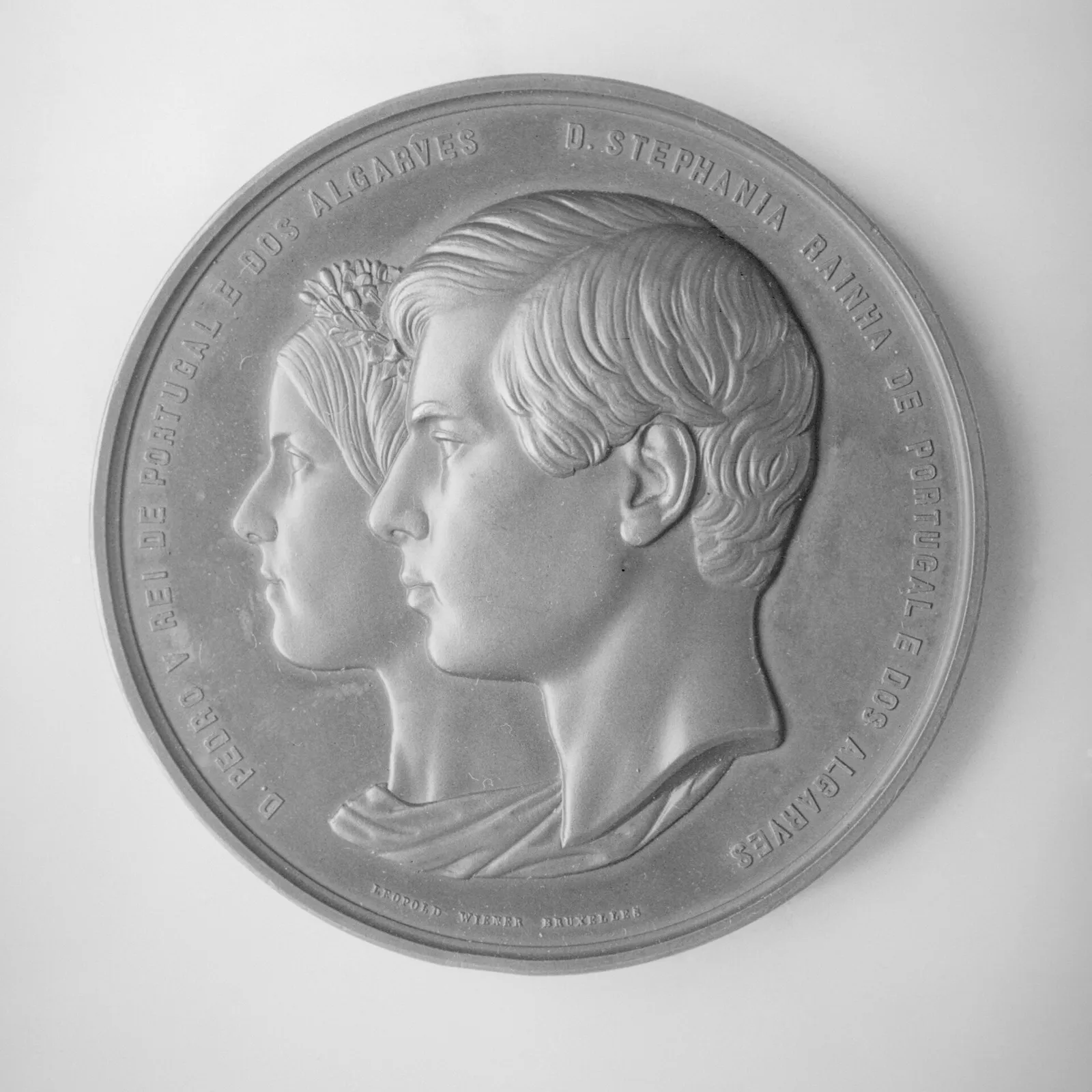
- Medal for the marriage of Pedro V and Estefânia, struck in 1858 by Léopold Wiener of Brussels. Metropolitan Museum of Art, New York. Léopold Wiener, CC0, via Wikimedia Commons.
- Pedro V in a photograph of 1860, the year after Estefânia's death, now in the Royal Collection. Unidentified photographer, Public domain, via Wikimedia Commons.
- The hospital of Dona Estefânia as first built, in a nineteenth-century engraving. The main building had two floors until the remodelling of 1960 to 1962. Unknown author, Public domain, via Wikimedia Commons.
- The entrance to the Hospital de Dona Estefânia in Lisbon, photographed in 2020. P.G. de Mendonça, CC BY-SA 4.0, via Wikimedia Commons.