

Tomás António Gonzaga, poet of Marília de Dirceu
A Coimbra-trained royal judge wrote the most widely read love poems of the Portuguese eighteenth century, was arrested days before his wedding and spent his last years on the Island of Mozambique.
At a glance
- Tomás António Gonzaga was born in Porto on 11 August 1744, the son of a Brazilian-born magistrate, and trained in law at Coimbra.
- From December 1782 he was ouvidor, the senior crown judge, of Vila Rica (today Ouro Preto), the capital of the gold captaincy of Minas Gerais.
- His love poems to Maria Doroteia Joaquina de Seixas, published in Lisbon from 1792 as Marília de Dirceu, went through dozens of editions in the nineteenth century.
- Arrested on 23 May 1789 over the Inconfidência Mineira, a plot he always denied joining, he was sentenced in 1792 and his exile was cut to ten years in Mozambique.
- He married on the Island of Mozambique in 1793 and died there, most sources say in February 1810; remains identified as his were brought back to Brazil in 1936 and lie in Ouro Preto.
A wedding dress in Vila Rica
In the months before his arrest in 1789, by his own account, a former royal judge in the Brazilian gold town of Vila Rica took up needlework. Tomás António Gonzaga, then 44, was embroidering a dress for his own wedding. Men later accused of plotting a revolt were staying in his house. If they had talked of it in the room where he sat, he later told his interrogators, he would not have joined in: he was busy with the embroidery and never got up from it except to eat.
His bride was Maria Doroteia Joaquina de Seixas, from one of the leading families of the captaincy. He had asked the queen for a licence to marry. When it was slow to arrive, the governor, the Visconde de Barbacena, promised to grant permission himself if the royal licence did not come, and preparations began.
Barbacena ordered his arrest on 21 May 1789, the date the biographer Rodrigues Lapa gave for the arrest itself. The editors of the trial records put it on the morning of 23 May, when the governor's aide-de-camp, Lieutenant-Colonel Francisco Antônio Rebelo, came for him; Gonzaga later said he was still in bed.
On the road out of town the prisoner was taken past the governor's residence at Cachoeira do Campo, where Barbacena signed, at his request, a statement that he had stayed on in Vila Rica because of his coming marriage. From there he was sent on to Rio de Janeiro and a cell in the fortress on the Ilha das Cobras.
He never saw Maria Doroteia again.
The poems he wrote to her under the pastoral names Dirceu and Marília made him one of the most widely read poets in the Portuguese language, and the trial that followed made him part of the founding story of Brazil.
From Porto to Coimbra
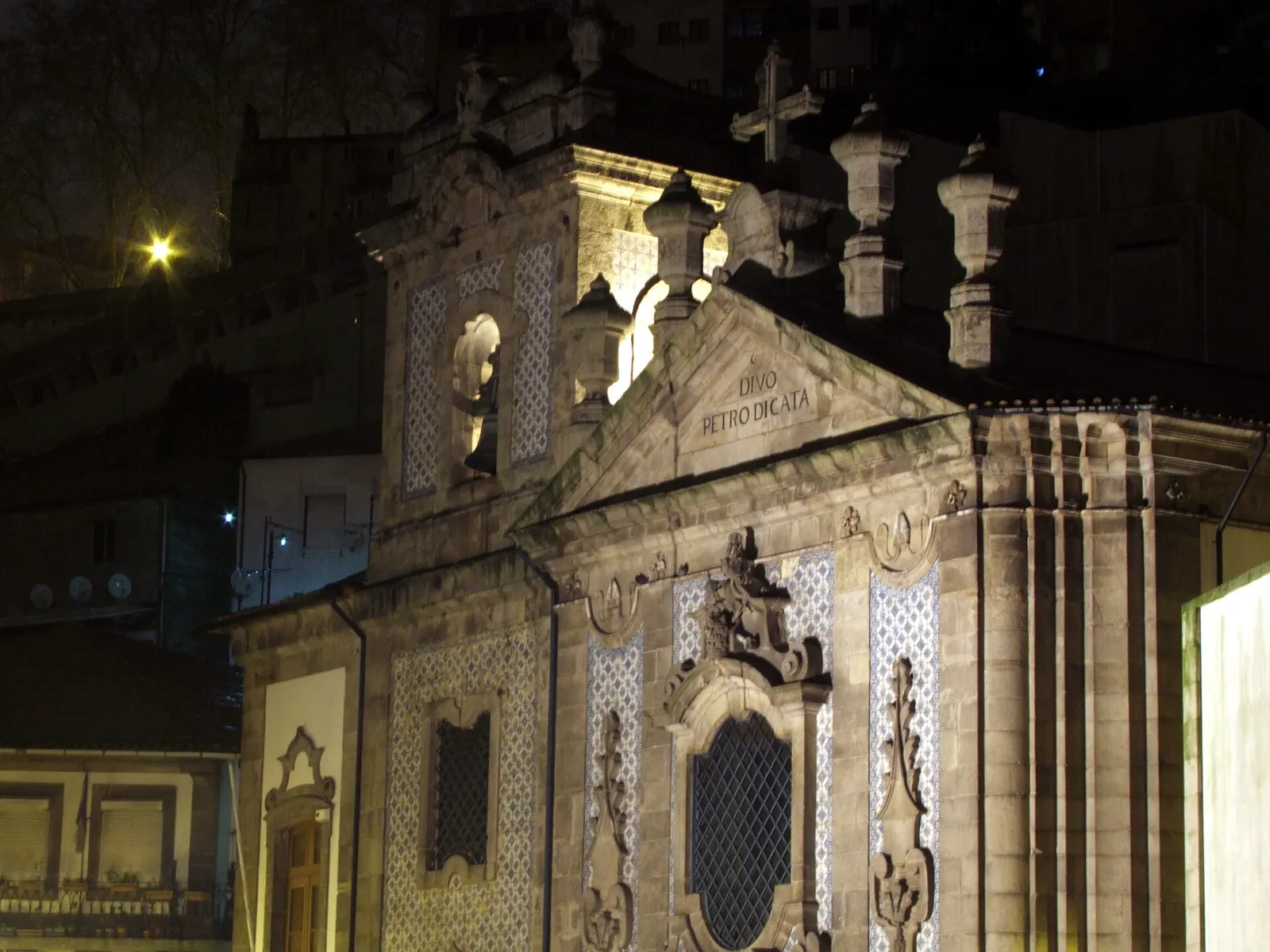
Gonzaga was born in Porto on 11 August 1744. His father, João Bernardo Gonzaga, was a magistrate born in Brazil who served as a judge in Porto and married there; his mother, Tomásia Isabel Clark, was of English descent. In 1793 Gonzaga himself swore that he was a native of Porto, baptised in the city's parish of São Pedro.
He spent part of his childhood in Brazil, in Recife and Bahia, where his father held judicial posts, and went to the Jesuit school in Bahia. As a young man he returned to Portugal, took his law degree at Coimbra in 1768, at the age of 24, and wrote a Tratado de Direito Natural, a treatise on natural law, as his thesis when he applied for a teaching chair there.
His career followed the ladder of the Portuguese magistracy. From 1778 to 1781 he was juiz de fora, a crown-appointed town judge, in Beja in the Alentejo. On 27 February 1782 Queen Maria I named him ouvidor of the comarca of Vila Rica in Minas Gerais.
Judge in the gold captaincy
Gonzaga sailed from Lisbon on the Diana on 4 August 1782 with José Caetano César Manitti, named on the same decree as ouvidor of Sabará, and was sworn in at Vila Rica on 12 December. An ouvidor-geral was the judge with the widest civil and criminal jurisdiction in a comarca, appointed for three years at a time, who also inspected the conduct of town councils and lesser judges.
Vila Rica, today Ouro Preto, was the capital of Minas Gerais, the inland captaincy whose gold mines paid the crown its royal fifth. The governor in Gonzaga's first years was Luís da Cunha Meneses. A set of thirteen satirical verse letters, the Cartas Chilenas, mocks a governor called Fanfarrão Minésio, who stands for Cunha Meneses. They were printed in full only in 1863 and are now attributed to Gonzaga.
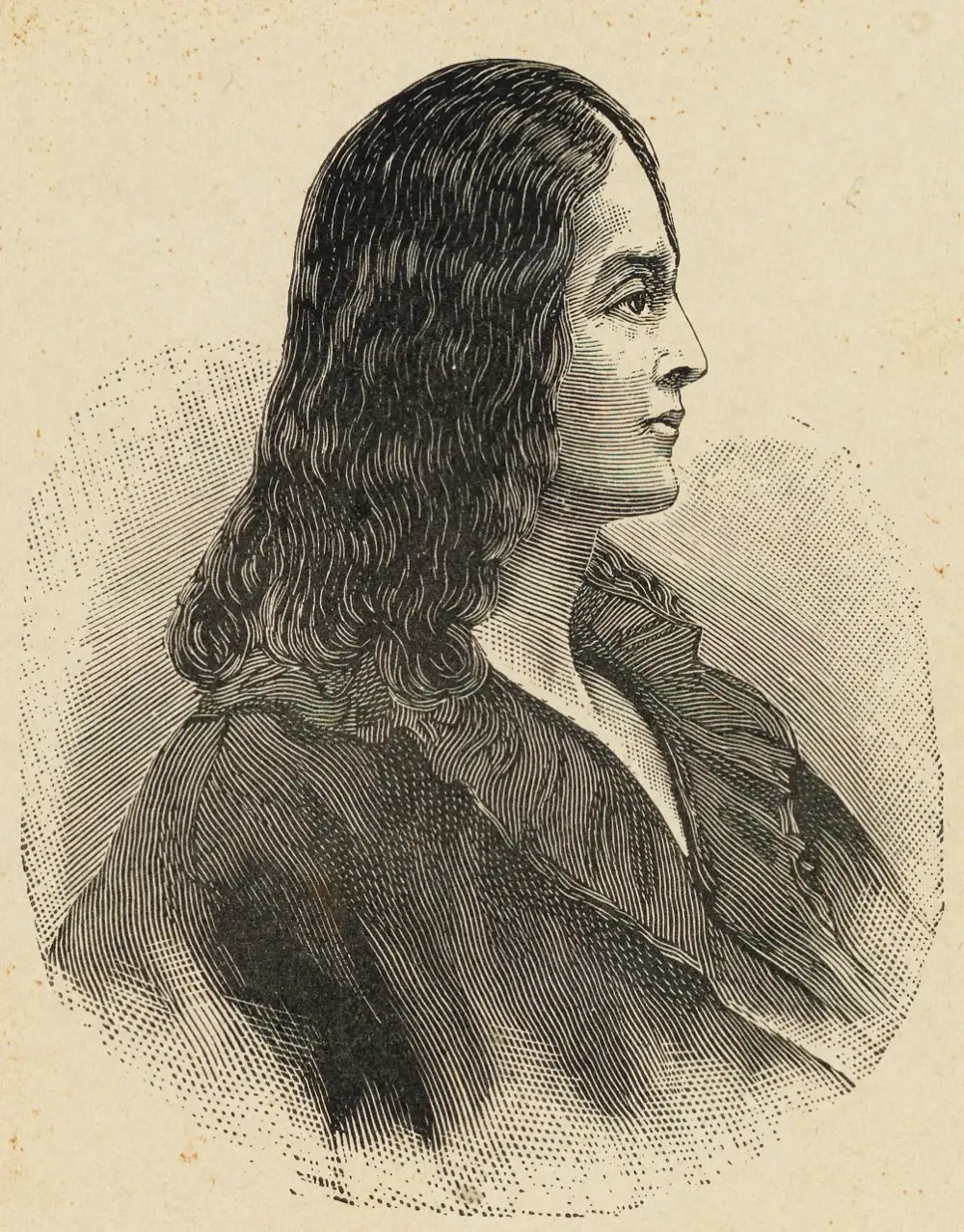
In 1786 Gonzaga was promoted to desembargador of the Relação da Bahia, the high court in Salvador. Barbacena was appointed governor the same year but took office only on 11 July 1788. Gonzaga's term as ouvidor ended, yet he stayed on in Vila Rica, waiting, he said, for the queen's licence to marry.
Dirceu and Marília
Maria Doroteia was baptised in Vila Rica's parish church of Nossa Senhora do Pilar on 8 November 1767, so she was about 23 years younger than her suitor. They probably knew each other from 1783. Her family had agreed to the match, and in his statements to his interrogators Gonzaga described the royal licence he was waiting for.
In the poems he is Dirceu, a shepherd in the manner of the Arcadian poets of his day, and she is Marília. In 1788 he sent a manuscript of the first part, 33 liras, to Lisbon with the merchant captain Francisco de Araújo Pereira, the same man who carried his request for a licence to marry.
“Already, Marília, already my fair hair, the hair that rings my brow, is turning white; and this same whitening hair is falling, and little of it now remains.”
The plot in Minas
The Inconfidência Mineira took its name from inconfidência, disloyalty to the sovereign. Its trigger was the derrama, a levy to recover the gold the captaincy owed the crown. A group of local notables, priests and officers, among them the poet Inácio José de Alvarenga Peixoto and the cavalry ensign Joaquim José da Silva Xavier, known as Tiradentes, talked of rising when it was imposed and turning Minas into a free state.
On 14 March 1789 Barbacena suspended the derrama. The next day Colonel Joaquim Silvério dos Reis, a former tax contractor, came to his residence and denounced the conspiracy. He put the denunciation in writing later, in a letter dated 11 April but in fact written eight days after that. A few days after the suspension Gonzaga called on the governor to congratulate him, remarking that the measure had been very useful because things were looking very bad.
15 March 1789
Silvério dos Reis denounces the plot to Barbacena at Cachoeira do Campo
7 May 1789
The viceroy opens an inquiry (devassa) in Rio de Janeiro
10 May 1789
Tiradentes is arrested in a house in Rio de Janeiro
23 May 1789
Gonzaga is arrested in Vila Rica and sent to Rio
12 June 1789
Barbacena opens a second inquiry in Minas Gerais
17 November 1789
First interrogation of Gonzaga, Ilha das Cobras fortress
24 December 1790
Judges of the special court (Alçada) arrive from Lisbon
18 April 1792
Sentence: eleven condemned to death; Gonzaga to perpetual exile
21 April 1792
Tiradentes is hanged in Rio de Janeiro
2 May 1792
Gonzaga's exile reduced to ten years in Mozambique
25 May 1792
Gonzaga sails for Mozambique on the Princesa de Portugal
Gonzaga denied everything. He blamed his arrest on personal enemies, such as the informer Basílio de Brito Malheiro, and listed reasons why he could not be a rebel. He was a son of Portugal, with property there and a father who was a senior appeal judge; a post was waiting for him in Bahia; he would not risk a civil war against his bride's relatives, who were all military men; and the local men would never have recruited an outsider with no property and no military skill.
“He did not consider criminal a mere conversation held for the pleasure of argument, in which he saw no concealment of a crime.”
He did admit that Alvarenga had told him of a discussion about whether Minas could become a state, and that he had answered it could, given its gold and diamonds. One of his fellow poets fared worse in custody: Cláudio Manuel da Costa was found hanged in his cell in the Casa dos Contos in Vila Rica on 4 July 1789. His death was recorded as suicide; a 1999 Museu da Inconfidência publication says it is now accepted that he was murdered.
The sentence of 18 April 1792
The case went to an Alçada, a special court sent from Lisbon under the chancellor Sebastião Xavier de Vasconcelos Coutinho. One of its judges, António Dinis da Cruz e Silva, was himself an Arcadian poet. The court was installed in Rio on 17 January 1791, and on 18 April 1792 it sentenced eleven men to death on the gallows, Tiradentes among them.
Gonzaga was not one of the eleven.
The judges noted that the other defendants had widely spoken of Gonzaga as the head of the plot, the man best able to lead it and set up the new republic, but also that Tiradentes and Father Carlos Correia de Toledo denied he had joined it and that Alvarenga had withdrawn his claim. They held that he had pressed the crown's intendant to demand the levy for the whole debt, which they read as a way to stir up the people.
“Nevertheless the defendant cannot be considered free of guilt, because of the strong indications that result against him.”
He was condemned to exile for life in a fortified post in Angola known as the Pedras, with half his property confiscated and death on the gallows if he ever returned to Brazil. A royal letter of 15 October 1790, read out only after the sentence, then commuted every death penalty except that of Tiradentes. He was hanged on 21 April 1792 in the Campo de São Domingos in Rio; his head was sent to Vila Rica and his quartered body displayed along the road to Minas.
Gonzaga and the others who had not been condemned to death were told of the sentence on 24 April. Their lawyer, José de Oliveira Fagundes, appealed, and Gonzaga, the best defended of them, wrote part of his own defence. On 2 May the court let the sentence stand but reduced his exile to ten years in Mozambique, and moved several others there too. The last appeals were rejected on 9 May.
| Defendant | Sentence of 18 April 1792 | After the royal letter and appeals |
|---|---|---|
| Joaquim José da Silva Xavier (Tiradentes) | Death on the gallows, body quartered | Upheld; hanged 21 April 1792 |
| Inácio José de Alvarenga Peixoto | Death on the gallows | Exile for life in Angola (Dande, changed on 2 May to Ambaca) |
| Tomás António Gonzaga | Exile for life, the Pedras (Angola) | Ten years, Praça de Moçambique |
| Vicente Vieira da Mota | Exile for life, Angocha | Ten years, Rio de Sena |
| José Aires Gomes | Exile for life, Ambaca | Eight years, Inhambane |
| João da Costa Rodrigues | Exile for life, Novo Redondo | Ten years, Mosoril |
| Vitoriano Gonçalves Veloso | Flogging, three turns round the gallows, exile for life in Angola | Ten years, Cabeceira Grande |
Place names as printed in the 1976–1977 edition of the trial records. Those exiled for life by the first sentence also lost half their property.
A book published while its author was a convict
Marília de Dirceu first appeared in Lisbon in 1792, the year of the sentence, signed only with the initials T. A. G. Accounts differ on the printer: the Tipografia Nunesiana or the Impressão Régia. The Gazeta de Lisboa announced it on 10 November 1792, when its author was already in exile, and even his best-documented biography does not explain how the convict got it into print.
The second part, 32 liras written mostly in prison, reached Lisbon with Francisco Gregório Pires Monteiro Bandeira, the former gold intendant of Vila Rica and Gonzaga's friend, and was printed in 1799. A third part of 1800 was a forgery. A genuine third part, put together from his papers after his death, came out from the Impressão Régia in 1812.
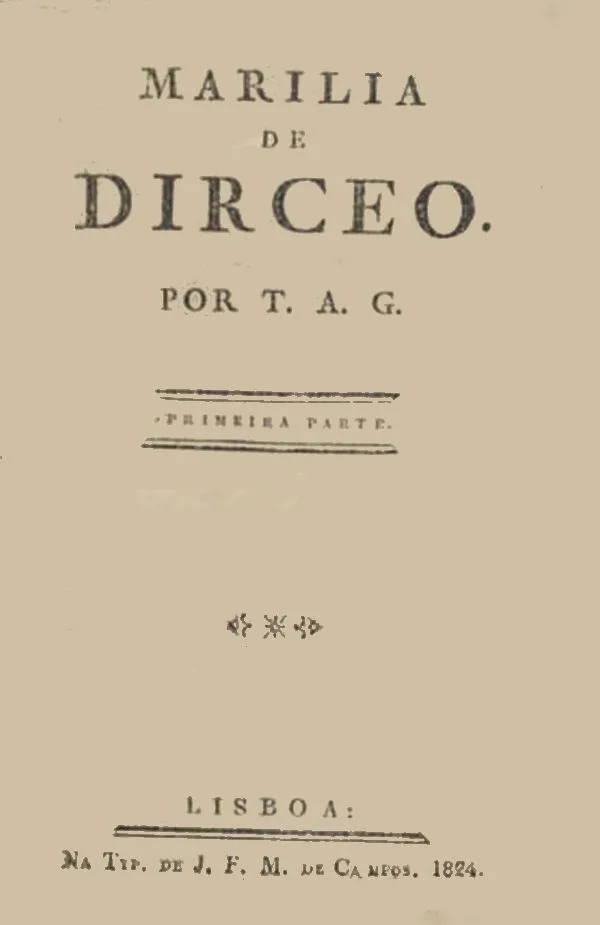
By 1805 there were five editions. The historian Haroldo Paranhos claimed that in the nineteenth century only Os Lusíadas, Camões's epic, was printed more often among works in Portuguese, a claim Furtado notes has never been proved.
Editions of Marília de Dirceu counted by four bibliographers
editions
Each count covers a different period and uses different rules for what counts as a new edition. Furtado calls the 69 of Simões dos Reis improbable and the 25 of Gaudie Ley cautious.
Show the data
| Editions counted | |
|---|---|
| Gaudie Ley (to 1928) | 25 |
| Paranhos (1792–1885) | 33 |
| Simões dos Reis (to 1934) | 69 |
| Carvalho da Silva (to 1967) | 35 |
The book also travelled. A French prose translation appeared in Paris in 1825, an Italian one in Turin in 1844 and a Latin one in Rio in 1868. In 1825 Alexander Pushkin made a Russian version of one lira from the French, which may make Gonzaga the first poet writing in Portuguese to be put into Russian.
Exile on the Island of Mozambique
Gonzaga went aboard the Nossa Senhora da Conceição e Princesa de Portugal in Rio on 23 May 1792 with other convicts of the plot bound for Mozambique, and the ship sailed on 25 May. The Island of Mozambique, off the northern coast, was then the capital of the colony.
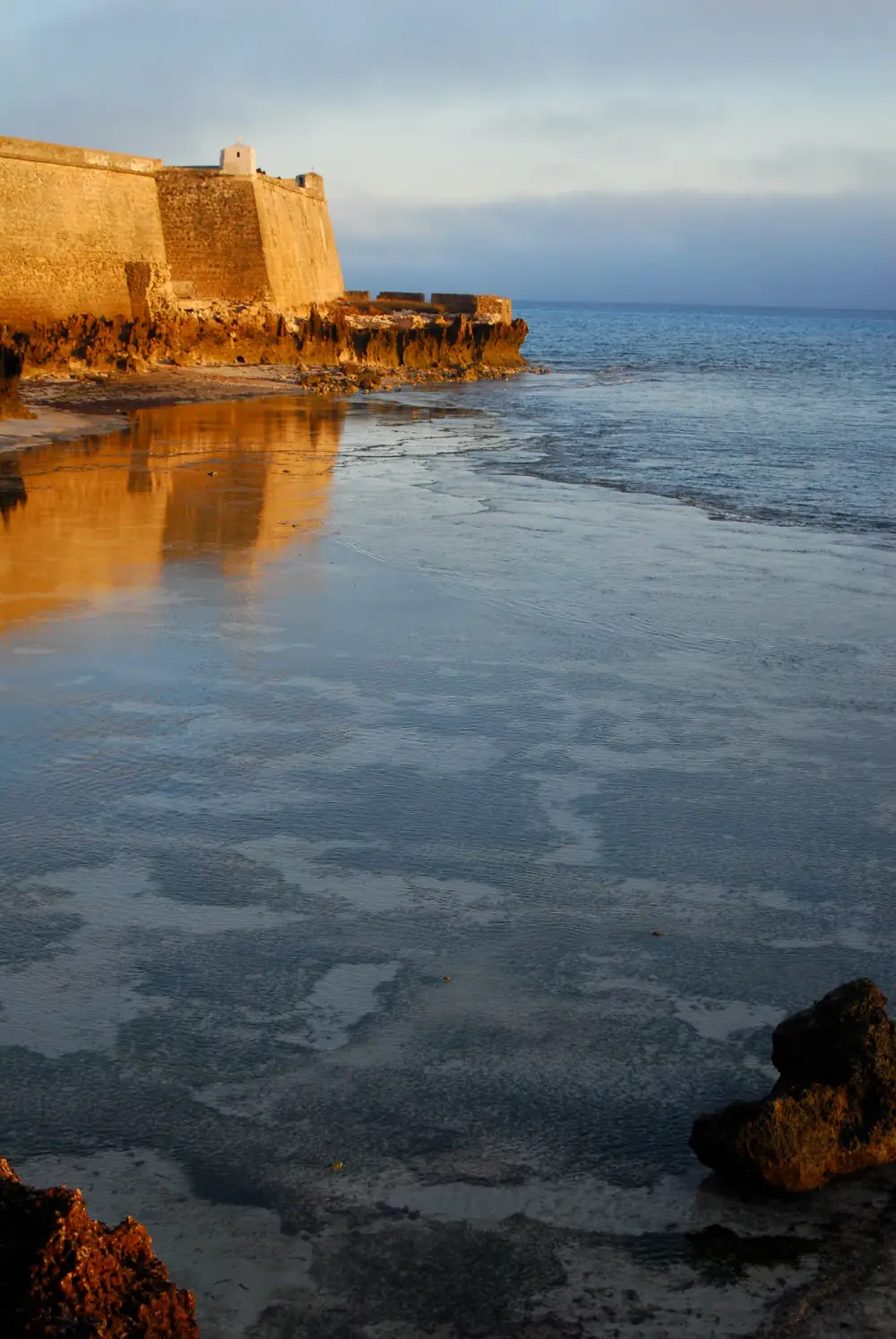
In a version told by the Mozambican writer Mia Couto, the exile arrived ill, was taken in by a prosperous merchant and nursed back to health by the merchant's daughter, Juliana de Sousa Mascarenhas. They married in 1793, and the house became a meeting place for the island's educated men, where Gonzaga read his poems. Irwin Stern describes her instead as a rich widow.
Before the wedding, on 9 May 1793, he made a sworn statement for the marriage proceedings. He gave his age as 38, ten years less than his real age of 48, and declared that he had never promised marriage to anyone. That statement freed Maria Doroteia from any engagement.
The couple had two children, Ana and Alexandre Mascarenhas Gonzaga, whose descendants the priest Antero Gomes da Silva traced in the island's parish registers, publishing his findings in 1968. Gonzaga himself, by Irwin Stern's account, died as the colony's customs judge.
The date of his death is not settled: an unknown day in February 1810 by Furtado's account and most reference works, February 1807 by the Academia Brasileira de Letras.
Marília, the museum and two countries
Maria Doroteia never married. She died in Ouro Preto on 11 February 1853, aged 85.
A Rio fashion and miscellany paper, the Marmota Fluminense, printed a tribute by her cousin, the poet Beatriz Francisca de Assis Brandão, that cast her as one of two unhappy lovers. The English traveller Richard Burton, by contrast, repeated local talk that she had had children by a Captain Teixeira de Queiroga. Her will names two heirs, one of them Anacleto Teixeira de Queiroga, whom Burton called her son; no document settles whether he was.
The Romantics turned the lovers into a legend. João Maximiano Mafra's painting of 1843 showed Gonzaga in prison as a Byronic youth, Robert Southey repeated a story that he went mad in exile, and Castro Alves wrote a drama, Gonzaga, ou a Revolução de Minas. In 1926 the town of Marília in São Paulo state took its name from the book.
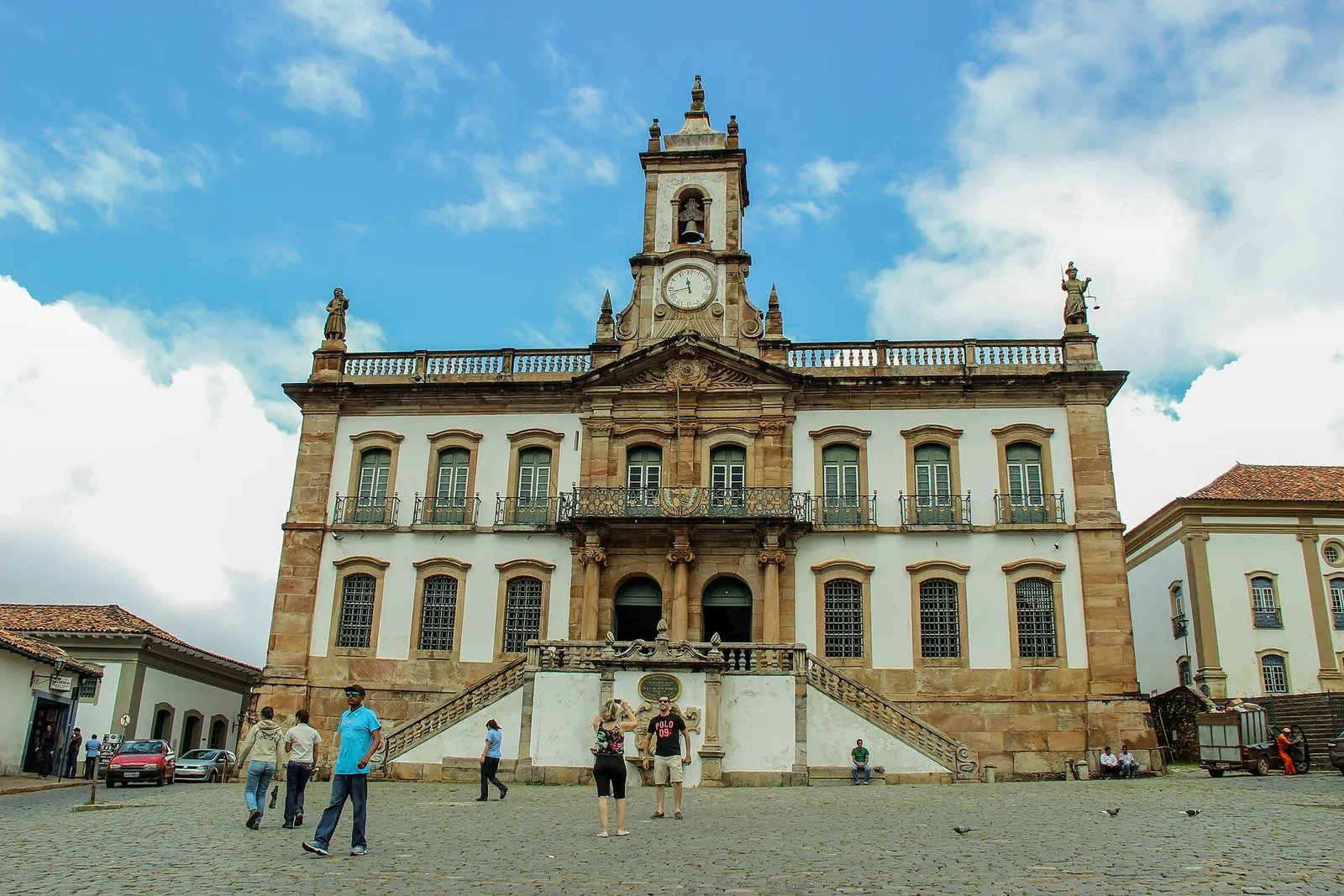
Under Getúlio Vargas, Brazil brought back from Africa in 1936 the remains of those exiled conspirators that could be found, and Vargas took over the old town hall and jail of Ouro Preto to house them. The Museu da Inconfidência was organised there in 1944. When three more sets of remains were added in 2011, Gonzaga was one of 13 conspirators already buried in its Panteão.
Gonzaga is patron of chair 37 of the Academia Brasileira de Letras, and Brazilian schools teach him as a founder of their literature. He was nonetheless a Portuguese subject born in Porto, educated at Coimbra, first published in Lisbon and tried by a court sent from Lisbon, and scholars on both sides of the Atlantic call him Luso-Brazilian.
FAQs
Was Tomás António Gonzaga Portuguese or Brazilian?
He was born in Porto on 11 August 1744 to a Brazilian-born father and a mother of English descent, studied at Coimbra and served as a Portuguese crown judge. He spent his childhood and most of his adult life in Brazil and then Mozambique, and Brazilian literature counts him among its founders.
Did Gonzaga take part in the Inconfidência Mineira?
He always denied it. Several co-defendants spoke of him as a leader, but Tiradentes and Father Carlos Correia de Toledo denied he was involved and Alvarenga withdrew his statement. The court held that strong indications pointed to his guilt and sentenced him to exile rather than death.
Who was Marília?
Marília was the pastoral name for Maria Doroteia Joaquina de Seixas, baptised in Vila Rica in 1767, whom Gonzaga was about to marry when he was arrested in May 1789. She never married and died in Ouro Preto on 11 February 1853.
When and where did Gonzaga die?
He died on the Island of Mozambique, where he had served his exile since 1792. Most sources give February 1810; the Academia Brasileira de Letras gives February 1807.
Where is Gonzaga buried?
Remains of the exiled conspirators were brought from Africa to Brazil in 1936, and Gonzaga is listed among those buried in the Panteão dos Inconfidentes of the Museu da Inconfidência in Ouro Preto.
On the timeline
Open the timelineNearby moments from restoration and the gold of brazil (1640–1750).
Diogo Inácio de Pina Manique is born in Lisbon. As Intendant-General of Police under Queen Maria I he introduced public street lighting and modern policing to Lisbon and founded the Casa Pia in 1780 to educate orphaned and abandoned children.
Maria Francisca, the future Maria I, is born in Lisbon. She became Portugal's first undisputed queen regnant in 1777, but after a mental collapse in 1792 (George III's doctor, Francis Willis, was summoned from England to treat her) her son João governed in her name, becoming formal regent in 1799.
The playwright António José da Silva, known as 'o Judeu', is sentenced as a relapsed Judaiser at an auto-da-fé in Lisbon's São Domingos church, then garrotted and his body burned. Born in Rio de Janeiro, he wrote comic operas for puppets that were staged with great success at the Bairro Alto theatre.
Tomás António Gonzaga
Tomás António Gonzaga, poet of 'Marília de Dirceu', is born in Porto. Convicted in 1792 over Brazil's Inconfidência Mineira, a plot he always denied joining, he was exiled to Mozambique and died there, probably in 1810.
Coming up in history
All long reads
12 sources
Archives, scholarship and reporting this article was checked against.
- 1
Autos de Devassa da Inconfidência Mineira, vol. 1 (introduction, chronology and glossary by Tarquínio J. B. de Oliveira and Herculano Gomes Mathias)Câmara dos Deputados and Governo do Estado de Minas Gerais, Brasília and Belo Horizonte, 1976 (digital copy, Escola Judicial of the Tribunal de Justiça de Minas Gerais)
- 2
- 3
- 4
A sorte deste mundo: percursos de Marília de Dirceu no século XIX (Joaci Pereira Furtado)Leitura: Teoria & Prática, vol. 36, no. 72 (2018), pp. 73-83
- 5
Luz e sombra numa lira de Dirceu (José Américo Miranda)O Eixo e a Roda, vol. 31, no. 2 (2022), Universidade Federal de Minas Gerais
- 6
- 7
Tomás Antônio Gonzaga: biografiaAcademia Brasileira de Letras
- 8
Gonzaga, Tomás Antônio (1744-1810) (Irwin Stern)Encyclopedia of Latin American History and Culture, via Encyclopedia.com
- 9
Xavier, Joaquim José da Silva (1746-1792)Arquivo Nacional (Brazil), O Arquivo Nacional e a História Luso-Brasileira, glossary
- 10
Projeto de reformulação da exposição permanente do Museu da Inconfidência (Rui Mourão)Oficina do Inconfidência, year 1, no. 0 (December 1999), Museu da Inconfidência
- 11
Uma almadia entre as duas margens da língua (Luís Antônio Jorge)Pós, Revista do Programa de Pós-Graduação em Arquitetura e Urbanismo da FAUUSP, vol. 18, no. 29 (2011)
- 12
Restos mortais de três inconfidentes ganham lugar no Panteão da Inconfidência em Ouro PretoAcessa.com, 15 April 2011
Image credits
- The church of São Pedro de Miragaia in Porto, photographed at night in February 2010. In 1793 Gonzaga swore that he had been baptised in a parish of São Pedro in his native Porto. JotaCartas, CC BY-SA 3.0, via Wikimedia Commons.
- Gonzaga as imagined on a nineteenth-century school card from the series Pantheon Escolar Brazileiro, published in Rio de Janeiro. Like João Maximiano Mafra's lost painting of 1843, which its artist admitted was invented, it shows a dark-haired young romantic; Gonzaga's own verse speaks of fair hair turning white. Unknown author, Public domain, via Wikimedia Commons.
- Title page of the first part of Marília de Dirceu in a Lisbon edition of 1824. Like the first edition of 1792, it gives the author only as T. A. G. Tomás Antonio Gonzaga (1744–1810), Public domain, via Wikimedia Commons.
- The fortress of São Sebastião on the Island of Mozambique, photographed in August 2009. The island, then the colony's capital, was where Gonzaga served his exile and died. F Mira from Lisbon, Portugal, CC BY-SA 2.0, via Wikimedia Commons.
- The former Casa de Câmara e Cadeia, the town hall and jail of Vila Rica, now the Museu da Inconfidência, on Praça Tiradentes in Ouro Preto, photographed in March 2015. Renan William Candido, CC BY-SA 4.0, via Wikimedia Commons.