

Mariana Alcoforado, the nun of Beja and the Portuguese Letters
An old nun died in her Beja convent in 1723 with no word in her obituary about France. For half a century Paris had been reading five love letters said to be by a Portuguese nun. Only in 1810 was she identified as Mariana Alcoforado, and scholars still argue over who wrote them.
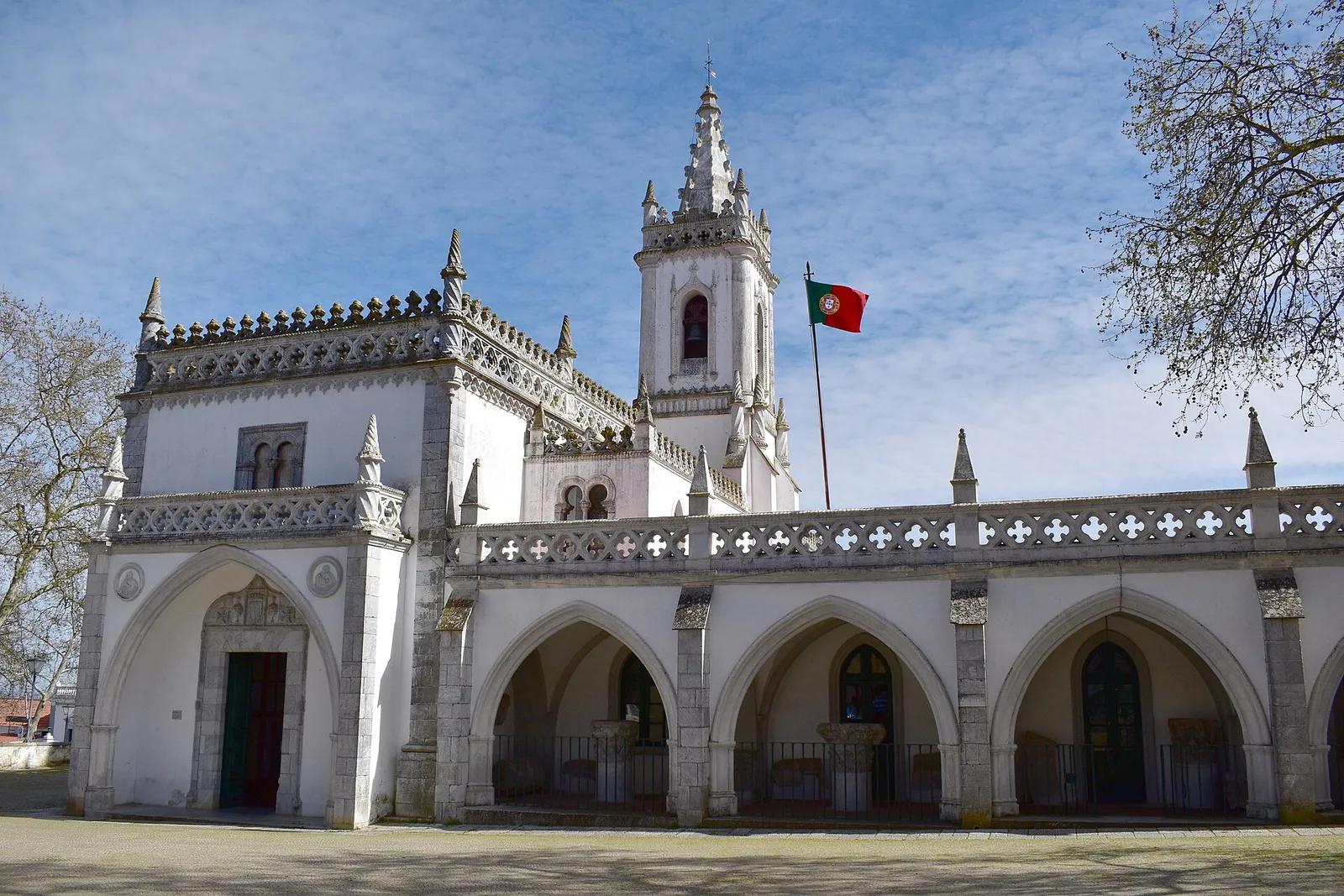
At a glance
- Mariana Alcoforado, baptised in Beja on 22 April 1640, died in the city's Convent of Our Lady of the Conception, a house of Poor Clares, on 28 July 1723, aged 83.
- In January 1669 the Paris bookseller Claude Barbin published five anonymous love letters from a Portuguese nun to a French officer, presented as a translation. By one count they were reprinted 81 times before 1800.
- A Cologne edition of 1669 named the officer as the Chevalier de Chamilly, who served in the Alentejo from about 1664 to 1667; a handwritten note made public in 1810 named the nun as Mariana Alcoforado of Beja.
- In 1926 F. C. Green published a 1668 privilege entry listing the letters among works “de Guilleragues”. Since Deloffre and Rougeot's edition of 1962, most scholars credit Guilleragues, though some Portuguese writers still defend Mariana.
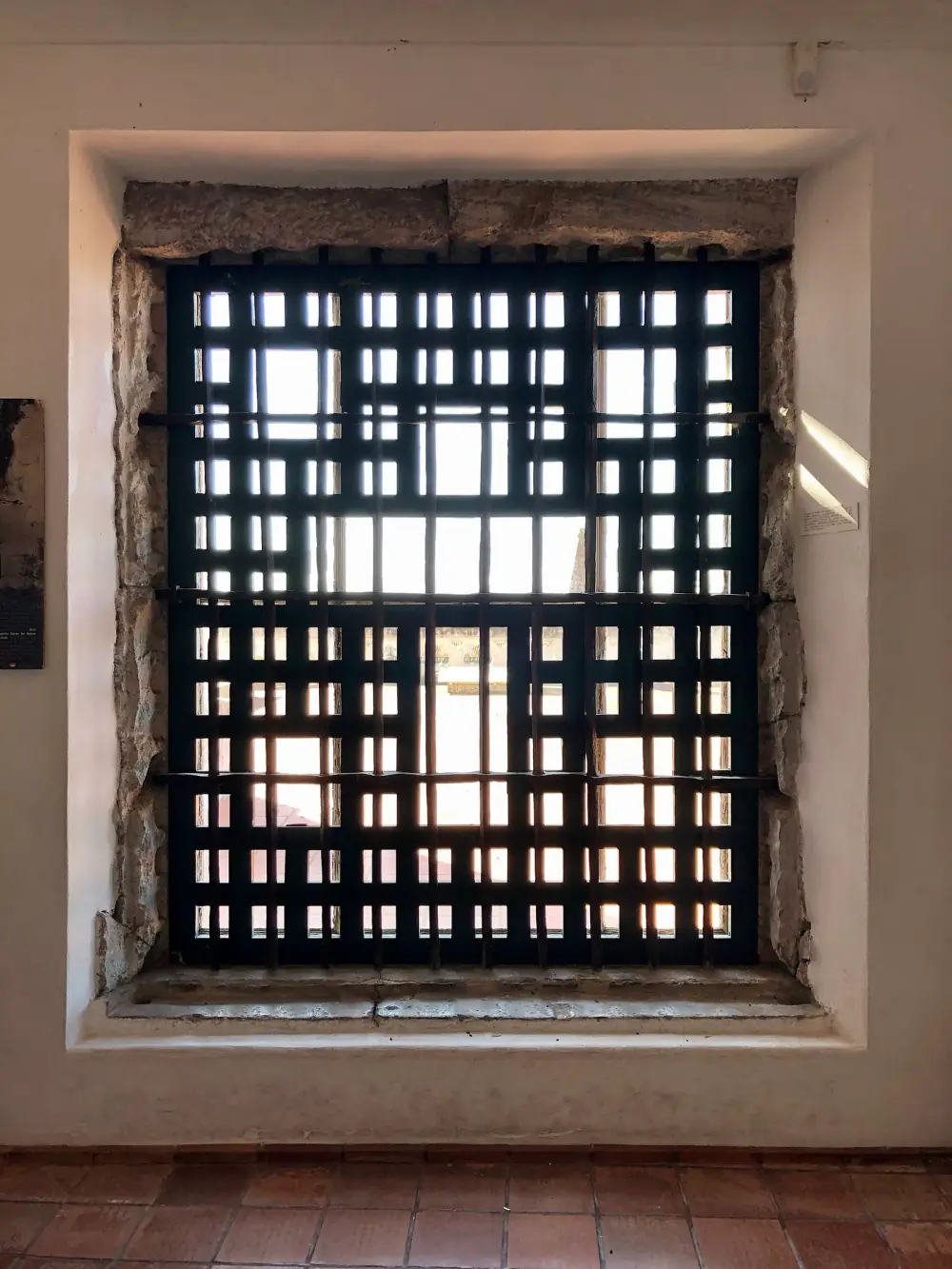
- The convent is now the Museu Rainha Dona Leonor, which shows the barred “Mértola window”. The museum closed for works in 2023 and was still closed in November 2025.
A death in the Conceição, 1723
In March 1723 an old nun in the Convent of Our Lady of the Conception in Beja signed the quarterly accounts of her house for the last time. Mariana Alcoforado, baptised in 1640, had lived behind its walls since she was a girl. She died there on Wednesday 28 July 1723, aged 83.
The convent's scribe, Antónia Sofia Baptista de Almeida, wrote up her life in the book of deceased nuns the same day. She gave Mariana's age as 87, four years too many, and remembered her as a model of regular observance.
“She was very exemplary, and none had fault to find with her, for she was very kind to all. For thirty years she did rigid penance and suffered great infirmities with much conformity, desiring to have more to suffer.”
Nothing in the entry mentions France, a soldier or a book. Yet for 54 years Paris booksellers had been selling the Lettres portugaises, five passionate letters from a nun who signs herself Marianne to the French officer who had left her. The first ends with a plea: “Love me always and make me suffer still more.” Luciano Cordeiro, the Portuguese scholar who found the obituary in the 1880s, set those words beside its “desiring to have more to suffer”.
Whether the nun who died in Beja wrote those letters has been argued over since 1810. Most literary historians now credit them to a French courtier, Gabriel-Joseph de Lavergne de Guilleragues. Many Portuguese readers have never accepted that.
A garrison town in a long war
Portugal was at war with Spain from 1640, when a revolt in Lisbon made the Duke of Braganza king as João IV and ended sixty years of rule by the kings of Spain. Most of the fighting was on the Alentejo frontier, and Beja, a walled city on the plain behind it, was a garrison town full of soldiers of many nations.
In 1659 France made peace with Spain at the Treaty of the Pyrenees and formally abandoned Portugal. It went on helping in secret. Cardinal Mazarin let French officers left idle by the peace enlist in Portuguese service, and the most important of them, the general Frederick Herman von Schomberg, arrived in 1660 to reorganise the army.
French cavalry spent much of 1665 to 1667 around Beja, and the town did not like it. In June 1667 the Infante Pedro, the king's brother and future king, answered the councillors' complaints about the “oppression” the French cavalry was still inflicting on their people. Two companies were moved to Cuba, 18 kilometres away, and the council went on protesting.
The war ended with a peace signed in Madrid on 5 January 1668 and concluded in Lisbon on 13 February, in which Spain recognised Portuguese independence.
Mariana of Beja
Mariana was baptised in Beja's church of Santa Maria on 22 April 1640, seven months before the revolt that put João IV on the throne. Her father, Francisco da Costa Alcoforado, was a landowner and knight of the Order of Christ who held administrative and political commissions in the first years of the new reign. Her mother was Leonor Mendes.
She entered the Conceição at about 11 and professed as a nun at 16. According to António Belard da Fonseca, a later director of the Beja museum, her father had three of the private rooms built in 1651 for his daughters. Beja's museum says her dowry was large enough to pay for tiles, gilded woodwork and paintings that can still be seen.
Her mother died at the end of 1663 or early in 1664, and Mariana took charge of her youngest sister, Maria, who was brought into the convent at three and later took the name Peregrina Maria. In her will of 2 November 1676, made at the convent grille before she professed, Maria left Mariana an income and a legacy for “the many obligations” she owed her for having raised her “from a girl of three”.
22 April 1640
Baptised in Beja
At the church of Santa Maria.
c. 1651
Enters the Conceição
Aged about 11; her father builds rooms for his daughters.
c. 1656
Professes as a nun
At 16, the age the rule allowed.
1663 or 1664
Mother dies
Mariana brings up her three-year-old sister Maria inside the convent.
1665 to 1667
French cavalry at Beja
Chamilly serves in the campaigns based on the town.
4 January 1669
Lettres portugaises printed
Claude Barbin finishes the first edition in Paris.
2 November 1676
Sister's will
Maria thanks Mariana for raising her.
30 July 1709
Abbess election
Mariana loses by 48 votes to 58.
March 1723
Last signature
On the convent's quarterly accounts.
28 July 1723
Death
Aged 83; the obituary says 87.
Little else of her survives. On 30 July 1709, aged 69, she stood for abbess and lost by 48 votes to 58 to Joana Velosa de Bulhão, a nun nine years younger. Beja's museum says she served as the convent's scribe and as its vicaress. Cordeiro, writing in the 1880s, found no trace of her in senior office while her younger sister became scribe and abbess, and he thought that silence significant.
Five letters, printed in Paris
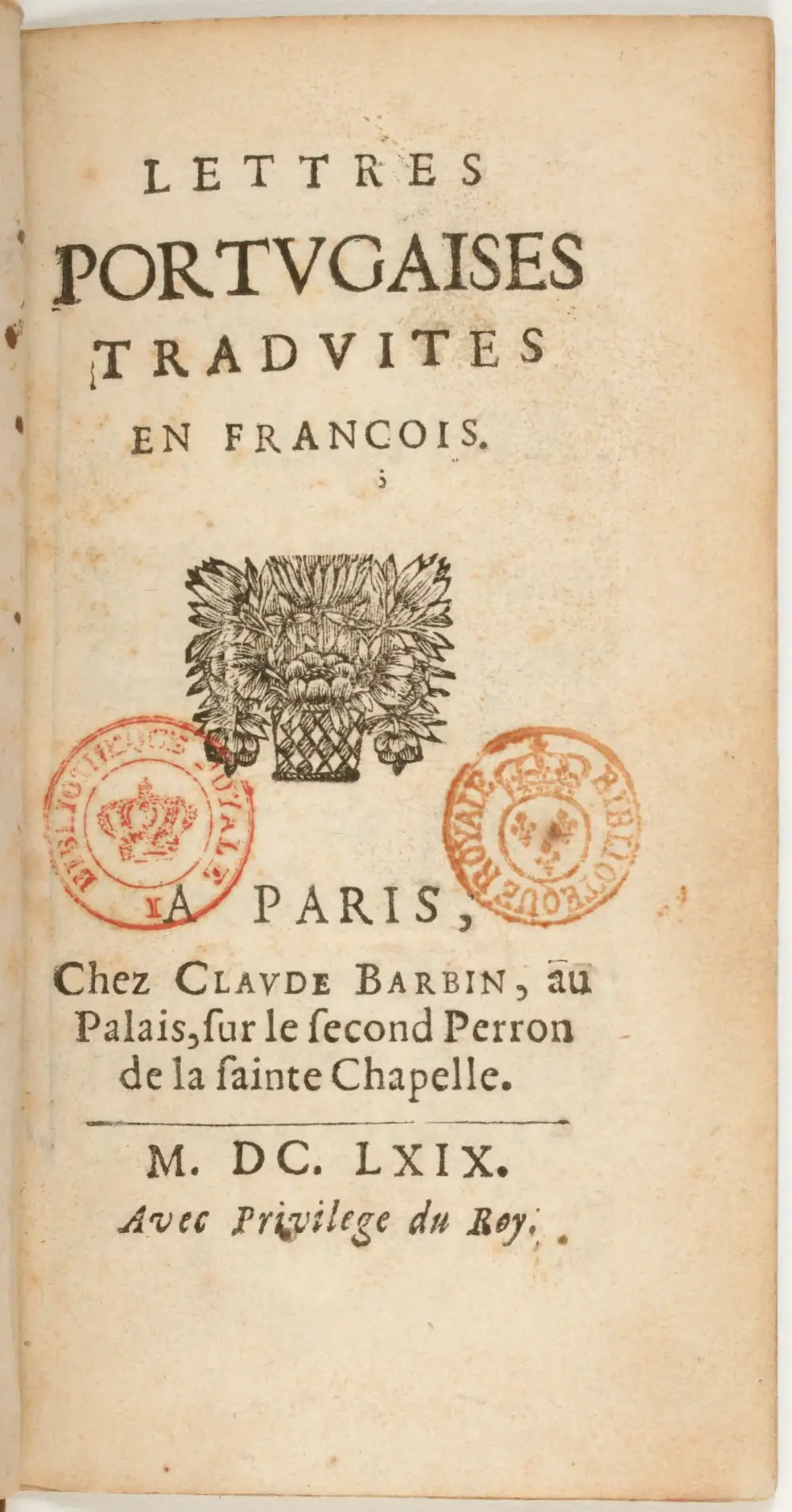
On 4 January 1669 Claude Barbin, a bookseller on the steps of the Sainte-Chapelle in the Palais in Paris, finished printing a small anonymous book: Lettres portugaises traduites en françois, Portuguese letters translated into French. In a note to the reader he said he had taken great pains to recover a correct copy of the translation of five letters written to a gentleman of quality serving in Portugal, and that he knew the name neither of the man they were written to nor of the translator.
There is hardly a plot. A nun writes after her lover has sailed for France. She hopes, accuses, forgives and despairs. She mentions her brother, who gave her the chance to send the first letter, the officer's lieutenant, a fellow nun called Dona Brites and being made portress, one of the nuns who kept the convent door. In the fifth letter she sends back his portrait, the bracelets he gave her and all but two of his letters, and says she will write no more.
“Do but think, my love, how much thou wert wanting in foresight. Ah! unfortunate, thou wert betrayed, and thou didst betray me with illusive hopes.”
“Dona Brites pestered me these past days to make me leave my room and, thinking to amuse me, she took me for a walk on the balcony from which one sees Mértola. I followed her, and was at once struck by a cruel memory that made me weep for the rest of the day.”
The book sold at once. Barbin reprinted it, and editions came out the same year in Amsterdam and Cologne. The Cologne printer, using the false name Pierre du Marteau, retitled it as love letters from a Portuguese nun to the Chevalier de C. and added that the man was “Monsieur le Chevalier de Chamilly” and the translator one “Cuilleraque”.
Sequels followed within the year: a “second part” of seven letters, said to be by a lady of society, and then the officer's “Replies”. Madame de Sévigné could call an over-tender letter “une Portugaise”. By one count there were 81 reprints before 1800; the Portuguese collector Godofredo Ferreira counted 130 editions in eight languages by 1923.
Chamilly, the officer who left
Noël Bouton, Count of Saint-Léger and later Marquis of Chamilly, was born in Burgundy in 1636 into a family of minor nobles who had backed the Prince of Condé in the civil wars of the Fronde. He fought in Flanders under Turenne, became a captain in Cardinal Mazarin's cavalry regiment in 1658 and reached Portugal at the end of 1663 or early in 1664.
Cordeiro placed him at the siege of Valencia de Alcántara and the battle of Castelo Rodrigo in 1664 and at the battle of Montes Claros on 17 June 1665. He was made colonel in 1665. In 1667 Louis XIV gave him the same rank in the French army, so that he could leave Portuguese service when he chose. He left Beja at the end of that year, apparently without asking the Portuguese government for leave, and by early February 1668 he was with Louis XIV's army invading Franche-Comté, the Spanish-ruled province next to Burgundy.
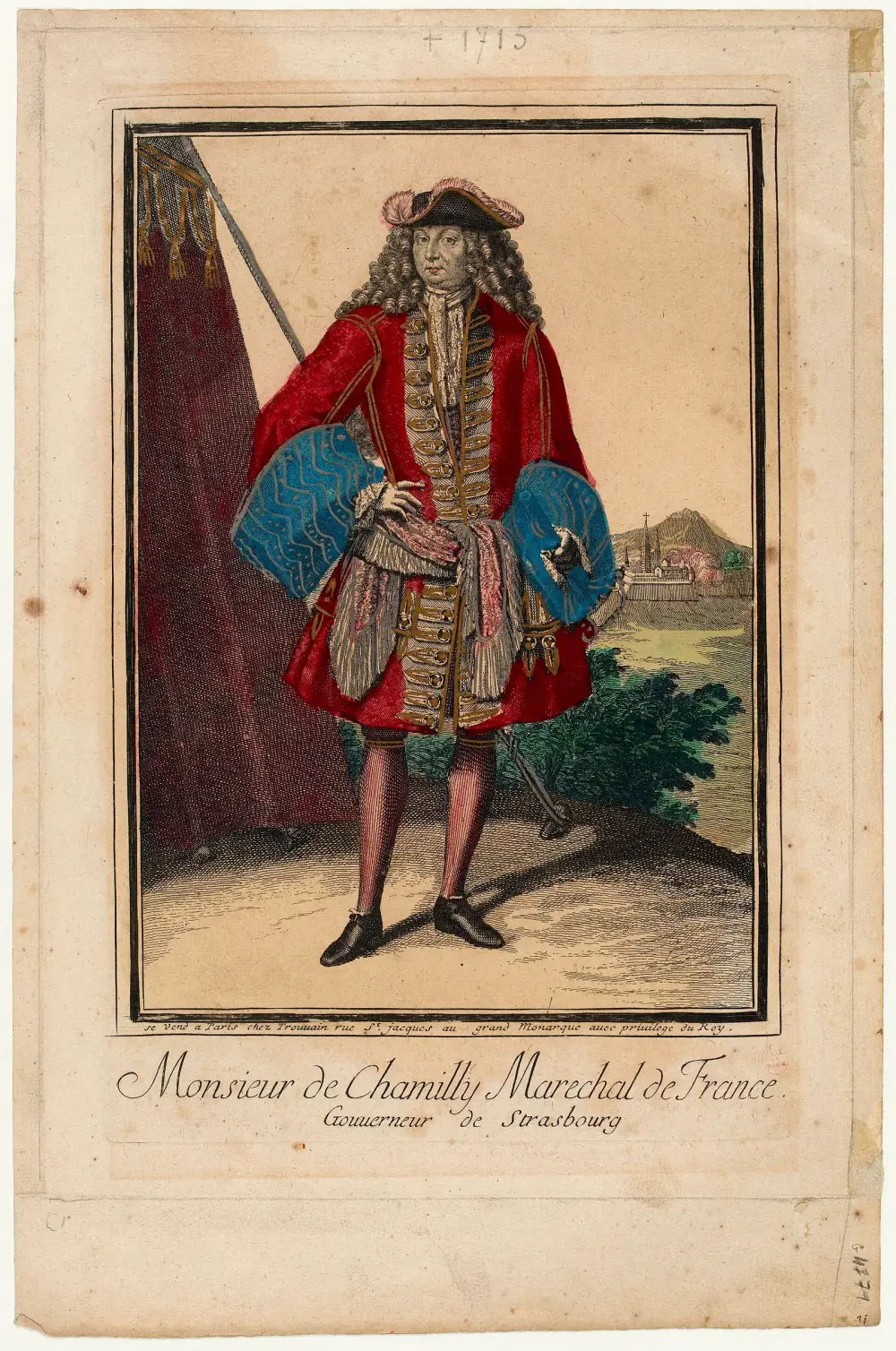
His later career went well. He held the fortress of Grave, in the Dutch Republic, against the Prince of Orange in 1674, was made a Marshal of France in 1703 and died in Paris in 1715. The memoirist Saint-Simon, who knew him, could not match the man to the book.
“To see him and hear him, one could never have persuaded oneself that he had inspired a love as boundless as the one that is the soul of those famous Portuguese Letters, nor that he had written the replies to this nun that one sees there.”
The argument over who wrote them
For more than 140 years the nun had no surname. Then in 1810 the French scholar Boissonade told readers of the Journal de l'Empire that his copy of the first edition carried a handwritten note, old and in his view trustworthy.
“The nun who wrote these letters was called Mariana Alcoforada, a nun at Beja, between Estremadura and Andalusia. The gentleman to whom these letters were written was the Count of Chamilly, then called the Count of Saint-Léger.”
Portuguese writers took up the trail. In 1876 the novelist Camilo Castelo Branco found in old genealogies two daughters of Francisco da Costa Alcoforado in the Conceição, though he did not believe either had written the letters. Luciano Cordeiro went to the archives in Beja. In Soror Marianna, a freira portugueza (1888, enlarged in 1891) he printed her baptism and her obituary and argued that the French was a translation of lost Portuguese originals.
In 1926 F. C. Green, writing in The Modern Language Review, published an entry from the Paris booksellers' register of privileges, the royal licences to print, kept in the Bibliothèque nationale. On 17 November 1668 a five-year privilege granted on 28 October had been registered for a book called “Les Valentins lettres portugaises Epigrammes et Madrigaux de Guilleragues”.
Guilleragues, born in Bordeaux in 1628, was a courtier known for his songs and wit. He had been secretary to the Prince of Conti and became the king's private secretary, director of the Gazette in 1675 and ambassador to the Ottoman court, dying in Istanbul in 1685. His Valentins, a set of madrigals and epigrams, appeared in 1669. The poet Boileau called him a man “who knows both how to speak and how to keep silent”.
In 1962 Frédéric Deloffre and Jacques Rougeot published the Lettres portugaises in the Classiques Garnier as Guilleragues's work. Besides the privilege, they argued from style and literary sources, placing the letters where Latin love elegy met the French moralists of the salons, and pointed to phrases close to the Valentins. They did not deny that Mariana and Chamilly existed, but for them the letters were a fiction written directly in French, which is what the Larousse encyclopedia now says.
“For three centuries they were admired for what they were not: a work without a past, without references, without an author, a meteor from nowhere.”
The case for Mariana rests on details her defenders think no Parisian could have known. António Belard da Fonseca answered Deloffre in 1966. The nun writes of “ma chambre”, her room, not a cell, and the Conceição did have private rooms. Brites, a popular form of Beatriz, was an uncommon name in Portugal, but common in a convent founded by an Infanta Beatriz, where Cordeiro had counted about eight nuns so called. And the register entry, he argued, lumped several works together without proving one man wrote them all.
Between the camps, the Brazilian critic Vitor Ramos suggested in 1966 that Mariana and Chamilly, and probably their affair and some letters, were real, and that Guilleragues heard the story in Paris and made a book of it. An account published in 1672 even claimed that a Jesuit had snatched the nun's original letters from Chamilly on a voyage and thrown them into the sea. M. de Jong, the Dutch scholar who surveyed the dispute in 1968, came to much the same view: Guilleragues should count as the author unless a Portuguese original turns up.
| Year | Who | Claim |
|---|---|---|
| 1669 | Claude Barbin, Paris | A translation of five Portuguese letters; translator and recipient unknown |
| 1669 | Cologne edition (“Pierre du Marteau”) | Written to the Chevalier de Chamilly, translated by “Cuilleraque” |
| 1810 | Boissonade | An old note names the writer as Mariana Alcoforada, nun at Beja |
| 1876 | Camilo Castelo Branco | A Mariana Alcoforado lived in the Conceição, but did not write the letters |
| 1888 | Luciano Cordeiro | Her baptism and obituary found; the letters are a translation of her own |
| 1926 | F. C. Green | The 1668 privilege lists the letters among works “de Guilleragues” |
| 1935 | Gonçalves Rodrigues | Guilleragues wrote them, perhaps prompted by real letters from Portuguese lovers |
| 1962 | Frédéric Deloffre and Jacques Rougeot | Guilleragues wrote them in French as a work of fiction |
| 1966 | António Belard da Fonseca | Local details only a Beja nun could know; the privilege proves nothing |
| 1966 | Vitor Ramos | A real affair, reworked into literature by Guilleragues |
| 2023 | José António Falcão | A “convert” to the letters' historical truth |
Jean-Jacques Rousseau, in his Letter to d'Alembert on the theatre, said he would bet anything in the world that a man had written them.
Three centuries of Portuguese letters
The letters reached English in 1678, when Roger L'Estrange published Five love-letters from a nun to a cavalier, and a Portuguese “retranslation” by the exiled poet Filinto Elísio came out in Paris in 1819. Rainer Maria Rilke later put them into German for the Insel publishing house in Leipzig. M. de Jong counted the letters, and their many imitators, among the reasons the novel in letters flourished in the eighteenth century.
In 1972 three writers, Maria Isabel Barreno, Maria Teresa Horta and Maria Velho da Costa, borrowed Mariana's form for Novas Cartas Portuguesas (New Portuguese Letters), a book about women in the Portugal of their own day, still ruled by the Estado Novo dictatorship. The regime banned it as pornographic and an offence to public morals, and the “Three Marias” were put on trial. The case ended without a conviction on 7 May 1974, twelve days after the Carnation Revolution.
“Mariana Alcoforado represented disobedience, transgression and enclosure, the enclosure there was in Portugal for women.”
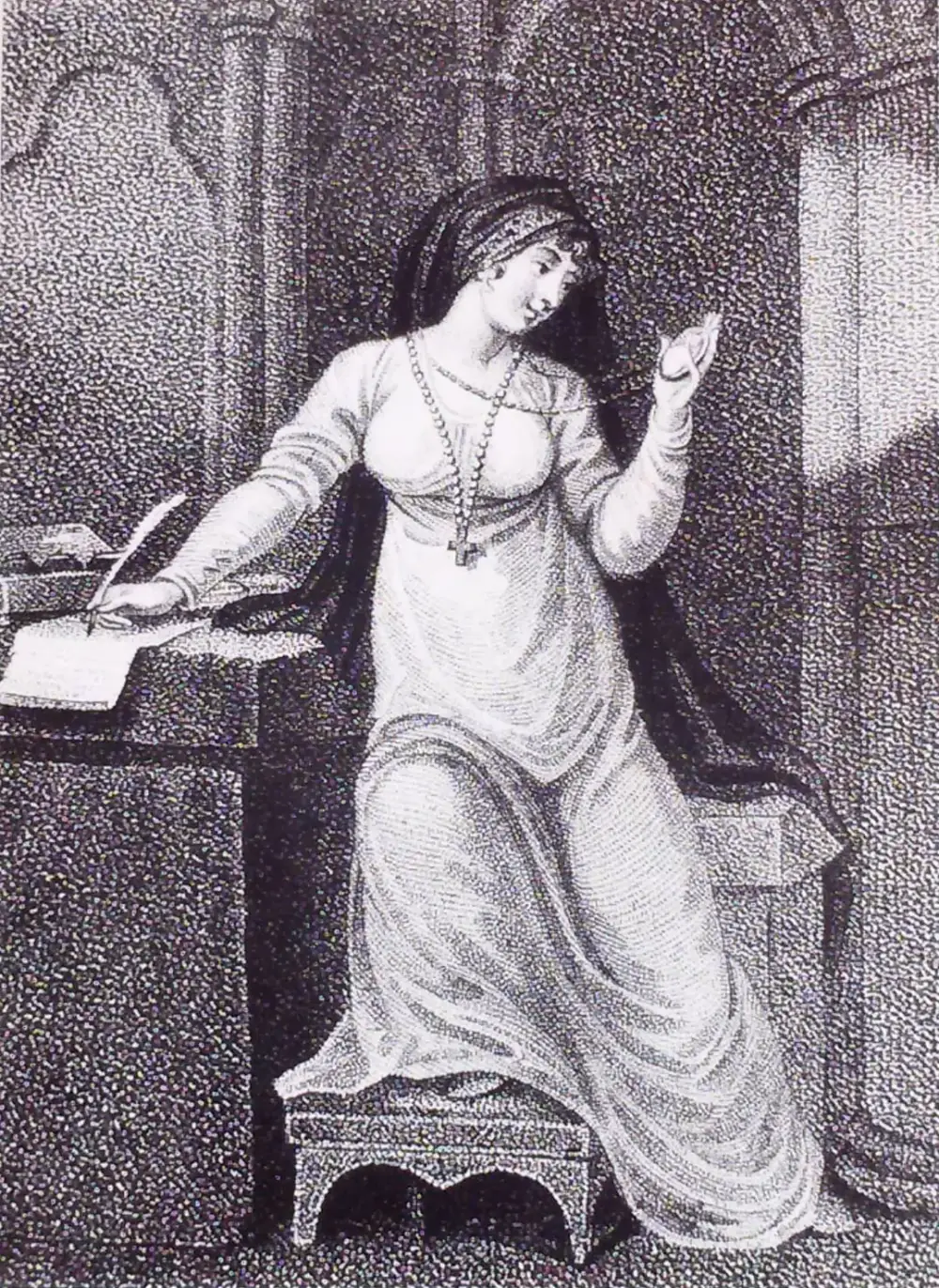
She still draws artists. In November 2020 the soprano Carla Caramujo sang Mariana at the Gulbenkian in Lisbon in Cartas Portuguesas, a one-woman opera by the Brazilian composer João Guilherme Ripper first staged in São Paulo. For the tercentenary of her death, the Lisbon publisher E-Primatur brought out a new translation in October 2023 with a study by the Alentejo historian José António Falcão, who says he began a sceptic and ended a “convert”.
Why it still matters
No Portuguese original has ever been found, and no letter in Mariana's hand to Chamilly, so the argument is unlikely to end without a new document. What is not in doubt is that a nun called Mariana Alcoforado lived and died in Beja, that a French officer named Chamilly served there in the 1660s, and that the little Paris book linked to them had appeared in 130 editions by 1923, by Godofredo Ferreira's count.
Beja still celebrates her. In 2019 it marked 350 years of the letters with an exhibition, 100 Passos, which showed her baptismal record in public for the first time, and the city supported the tercentenary edition of 2023.
- Baptised
- 22 April 1640, Santa Maria, Beja
- Died
- 28 July 1723, Convent of the Conception, Beja, aged 83
- First edition
- Paris, Claude Barbin, printing finished 4 January 1669
- The officer
- Noël Bouton de Chamilly (1636 to 1715), in Portugal about 1664 to 1667
- Likely author
- Gabriel-Joseph de Lavergne de Guilleragues (1628 to 1685), per most scholars
- The convent today
- Museu Rainha Dona Leonor, national monument since 1922
FAQs
Did Mariana Alcoforado write the Letters of a Portuguese Nun?
Most scholars think not, though it cannot be proved either way. Since F. C. Green found the 1668 privilege entry naming Guilleragues in 1926, and Deloffre and Rougeot's edition of 1962, most scholars treat the letters as a French work by Guilleragues. Defenders of Mariana point to details of the Beja convent in the text, and some critics think a real affair and real letters lie behind the book.
Was Mariana Alcoforado a real person?
Yes. Luciano Cordeiro found her baptism in Beja on 22 April 1640 and her obituary in the Convent of the Conception, dated 28 July 1723. Convent records also show her losing an election for abbess in 1709.
Who was the French officer in the letters?
A Cologne edition of 1669 named him as the Chevalier de Chamilly: Noël Bouton, later Marquis of Chamilly (1636 to 1715), who served with the French troops in the Portuguese army from about 1664 to 1667 and became a Marshal of France in 1703.
What are the Novas Cartas Portuguesas?
A 1972 book by Maria Isabel Barreno, Maria Teresa Horta and Maria Velho da Costa that borrowed the form of the Portuguese Nun's letters to write about women in Portugal. The Estado Novo banned it and put its authors on trial; the case ended without a conviction on 7 May 1974.
Where can I see Mariana Alcoforado's convent?
In Beja, where the former Convent of Our Lady of the Conception is the Museu Rainha Dona Leonor. Its barred “Mértola window” is linked by tradition to Mariana. The museum was closed for works from 2023, so check before visiting.
On the timeline
Open the timelineNearby moments from restoration and the gold of brazil (1640–1750).
Birth in Lisbon of the Infanta Maria Bárbara, daughter of João V. A gifted keyboard player, she was taught by the Neapolitan composer Domenico Scarlatti, who followed her to Spain when she married the future Fernando VI in 1729 and remained her music master for the rest of his life. She became Queen of Spain in 1746.
Battle of Cape Matapan. A Portuguese squadron under Lopo Furtado de Mendonça, Count of Rio Grande, fights alongside the Venetian fleet and its allies, among them Malta, against the Ottoman navy off the southern tip of the Peloponnese. Sent in answer to Pope Clement XI's appeals, the squadron held the rear of the allied line, where Portuguese accounts place the heaviest fighting, and the pope sent it a letter of thanks.
The first stone of the Palace-Convent of Mafra is laid in the presence of King João V, in fulfilment of a vow he had made for children. Paid for with Brazilian gold and raised by tens of thousands of workers, the vast Baroque complex was consecrated in 1730 and later inspired Saramago's 'Memorial do Convento'.
Mariana Alcoforado, the Portuguese Nun
Death at the Convent of the Conception in Beja of Sister Mariana Alcoforado, 83, the nun long named as the author of the 'Letters of a Portuguese Nun', five anguished love letters to a French officer published in Paris in 1669. Most scholars now credit them to the French courtier Guilleragues, though some still defend her authorship.
On his forty-first birthday, João V attends the consecration of the basilica of the Palace-Convent of Mafra, begun in 1717 in fulfilment of a vow he had made for children; the ceremonies lasted eight days. The vast building was paid for with gold from Brazil.
Birth in Coimbra of Joaquim Machado de Castro, Portugal's leading sculptor of the 18th century. His masterpiece, the equestrian statue of King José I, cast in brass in a single pour and unveiled on 6 June 1775, still presides over the rebuilt Praça do Comércio — the symbolic centrepiece of Pombal's Lisbon after the earthquake.
In the early hours, lightning strikes the castle keep of Campo Maior in the Alentejo, used as a powder magazine holding 5,743 arrobas (about 84 tonnes) of gunpowder. By the governor's count the blast kills 256 people and brings down 836 of the town's 1,076 houses.
Coming up in history
All long reads
17 sources
Archives, scholarship and reporting this article was checked against.
- 1
Soror Marianna, a freira portugueza (Luciano Cordeiro), 2nd editionLivraria Ferin, Lisbon, 1891; Internet Archive
- 2
De ‘Lettres Portugaises’ gezien door Portugese bril (M. de Jong)Forum der Letteren, 1968, pp. 225-239; DBNL
- 3
The Letters of a Portuguese Nun (Marianna Alcoforado), translated by Edgar PrestageDavid Nutt, London, 1893; Project Gutenberg eBook 57403
- 4
- 5
Guilleragues et les Lettres portugaises, ou de l'œuvre à l'auteur (Frédéric Deloffre)Littératures classiques, no. 15 (1991), pp. 259-270; Persée
- 6As Cartas Portuguesas de amor que inspiraram Rilke fazem 350 anosDiário de Notícias, 3 January 2019
- 7
Noël Bouton, comte de ChamillyEncyclopédie Larousse
- 8
- 9
- 10‘Cartas portuguesas’ reeditadas para dar vida à freira bejense que sofreu de amor (Leonídio Paulo Ferreira)Diário de Notícias, 2 January 2024
- 11
Batalha de Montes Claros (versão desenvolvida)Fundação Batalha de Aljubarrota, Centro de Interpretação da Batalha de Aljubarrota
- 12
Tratado de Paz de 1668 entre Portugal e EspanhaArquivo Nacional Torre do Tombo
- 13
Portugiesische Briefe: die Briefe der Marianna Alcoforado, übertragen von Rainer Maria RilkeInsel-Verlag, Leipzig; Projekt Gutenberg
- 14Morreu Maria Isabel Barreno, feroz defensora dos direitos das mulheresObservador, 3 September 2016
- 15Morre Isabel Barreno, uma das Três Marias que mudaram PortugalDiário de Notícias, 4 September 2016
- 16
Contrato para empreitada no Convento de Nossa Senhora da Conceição assinadoGoverno de Portugal, 24 November 2021
- 17Torre de Belém e nove museus encerrados para obras a sete meses do fim do PRRCorreio da Manhã (Lusa), 16 November 2025
Image credits
- The church of the former Convent of Our Lady of the Conception in Beja, where Mariana Alcoforado lived from girlhood until her death in 1723. The building is now the Museu Rainha Dona Leonor. Photographed in March 2020. Bextrel, CC BY-SA 4.0, via Wikimedia Commons.
- Title page of the first edition, printed in Paris by Claude Barbin in 1669 “with the king's privilege”. The red stamps are those of the French royal library. Gabriel de Guilleragues, Public domain, via Wikimedia Commons.
- “Monsieur de Chamilly, Marshal of France, Governor of Strasbourg”: a hand-coloured etching by Antoine Trouvain, sold at his Paris shop. The title places it after Chamilly became a marshal in 1703; Trouvain died in 1708. Antoine Trouvain, CC0, via Wikimedia Commons.
- An imagined Mariana at her desk, holding up her lover's portrait: the frontispiece of W. R. Bowles's English translation, published in London in 1808, drawn by Craig and engraved by Mackenzie. Craig (drawing), Mackenzie (engraving), Public domain, via Wikimedia Commons.
- The barred window known as the Janela de Mértola in the old convent at Beja, photographed in 2021. Tradition says Mariana first saw Chamilly from here; the name comes from the city's Mértola gate. Martchitchis, CC BY-SA 4.0, via Wikimedia Commons.