

Cum ad nihil magis: the papal bull that founded the Portuguese Inquisition
King João III spent years, and Portugal's New Christians spent fortunes, fighting over one papal document. The bull Paul III signed on 23 May 1536 created a tribunal that lasted 285 years.
At a glance
- On 23 May 1536 Pope Paul III signed the bull Cum ad nihil magis, which set up the Inquisition in Portugal at the request of King João III. It was proclaimed in Évora cathedral on 22 October 1536.
- The crown had first asked Rome for an inquisition in 1515. New Christians, the descendants of Jews baptised by force in 1497, lobbied and paid in Rome to stop it, and a first bull of 1531 was suspended in 1532.
- The tribunal began in Évora and moved to Lisbon in 1537. Short-lived tribunals opened in 1541; from 1565 the kingdom had three, at Lisbon, Évora and Coimbra, and from 1560 there was one in Goa.
- Francisco Bethencourt counts 45,317 sentenced trials in the four tribunals. Between 1536 and 1674 alone, his figures give at least 1,618 people relaxed, that is, handed over to the secular authorities for burning.
- The liberal Cortes abolished the Inquisition unanimously on 31 March 1821. Its trial records survive in the Torre do Tombo, and those of the Lisbon tribunal are online.
A bull read aloud in Évora
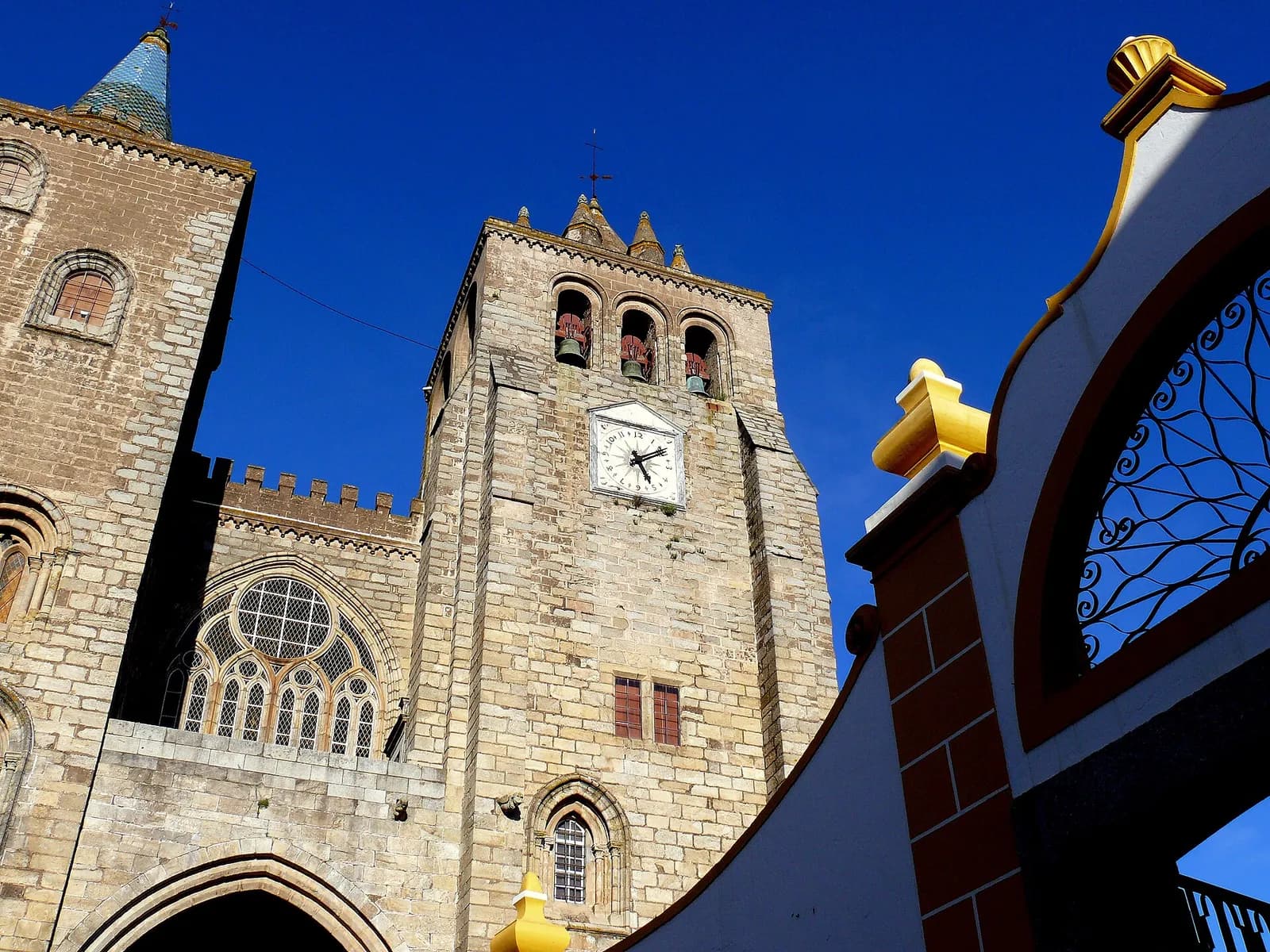
In October 1536 the court of King João III was living in Évora, in the Alentejo, and on the 22nd the cathedral filled for a ceremony. Before the king, a cardinal, the canons, the clergy and people from the city and the country around, a papal bull was read out. It created the Holy Office of the Inquisition in Portugal, a church tribunal to judge heresy, under an inquisitor-general, the friar Diogo da Silva, bishop of Ceuta.
The reading opened an edict of grace. For 30 days, anyone who had fallen into heresy could come forward, confess and be treated mildly. When the time ran out, the inquisitor-general published a monitório, a detailed list of the offences people were now bound to denounce. On 22 November the tribunal began work in his lodgings, hearing witnesses against a New Christian woman, Madalena de Oliveira. The first trials followed in January 1537.
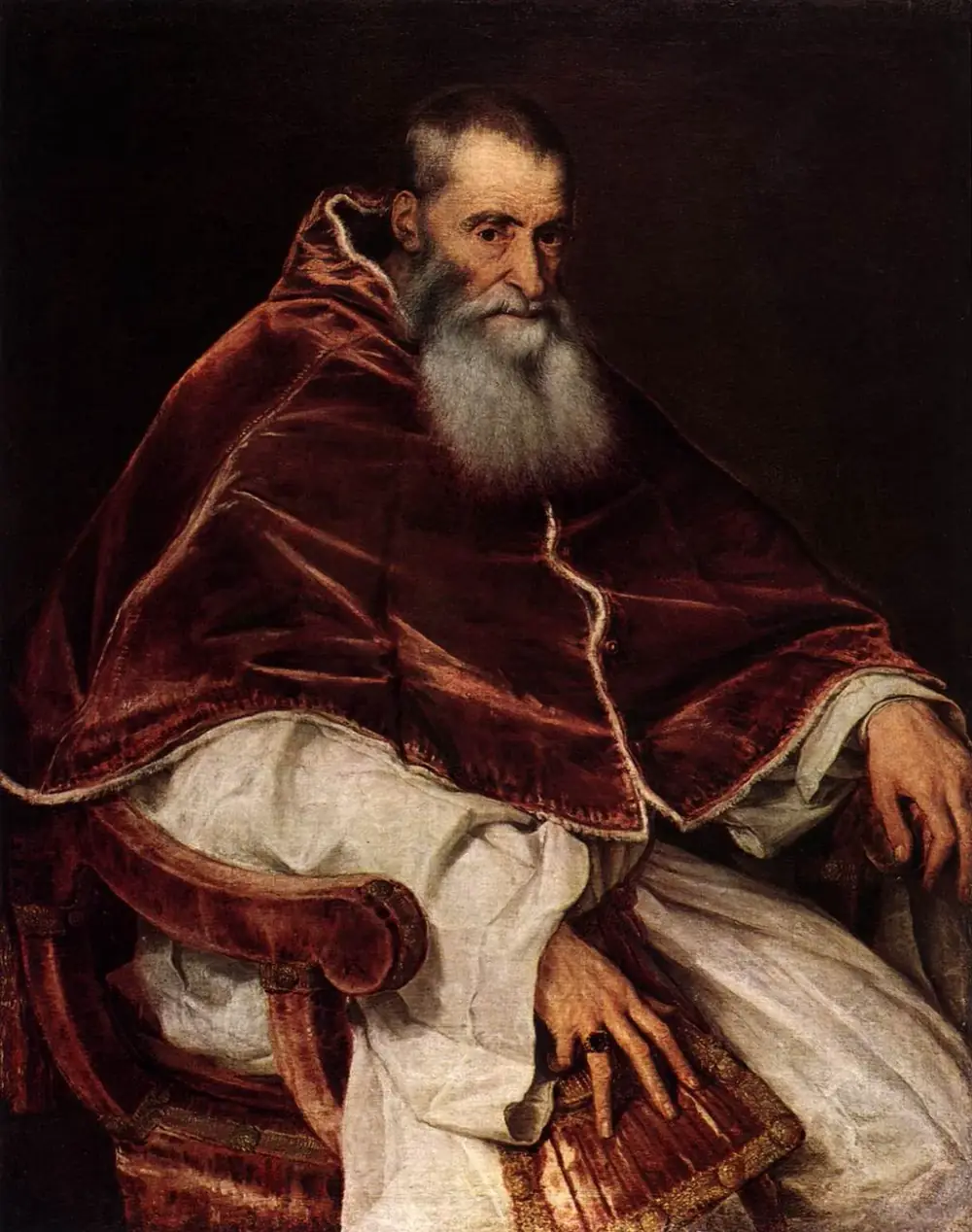
Paul III had signed the bull in Rome five months earlier, on 23 May 1536. It is known by its opening words, Cum ad nihil magis, “since to nothing more”. Winning it had taken the Portuguese crown more than twenty years, the help of the Holy Roman Emperor and a great deal of money, spent by both sides.
The tribunal it founded lasted until 1821. Its main target from the first day was the New Christians, Portuguese subjects accused of secretly keeping the Jewish faith of their forebears.
A kingdom of forced converts
In December 1496 King Manuel I ordered the Jews and Muslims of Portugal to leave, a condition of his marriage to a daughter of the Catholic Monarchs of Spain. When the deadline ran out at the end of October 1497, Jews waiting to sail were told they were now the king's slaves. The order was withdrawn, and they were baptised by force instead. Lisboeta tells that story in a separate article.
Manuel protected the converts with laws, but he also asked Rome for an inquisition. In 1515 he told his ambassador, Miguel da Silva, to request one from Pope Leo X on the Spanish model, partly to keep the inquisitors of Castile out of Portuguese affairs. Nothing came of it.
His son João III became king in December 1521, not yet 20. Castile and Aragon already had a permanent Inquisition with an inquisitor-general and a supreme council, and João III wanted the same: a tribunal on the Castilian model, able to keep witnesses' names secret and to seize the property of those it condemned.
Twenty years of bargaining in Rome
The first attempt nearly worked. On 17 December 1531 Pope Clement VII issued a bull naming the king's confessor, the friar Diogo da Silva, inquisitor for Portugal and its lands. It began with the same words, Cum ad nihil magis, and gave him wide powers against converts who went back to Jewish rites, against Lutherans and against sorcerers.
Then the crown overplayed its hand. A law of 14 June 1532 barred New Christians from selling their property or taking their wealth out of the kingdom. Proclaimed at Setúbal, it reached Elvas on the border within two days and the Minho within three. To the converts, Herculano wrote, Portugal suddenly looked like a vast prison.
They sent an agent to Rome with money behind him: Duarte da Paz, a New Christian whom the king had used on difficult missions before. His arguments about the forced baptisms of 1497 weighed with Clement VII, and on 17 October 1532 the pope suspended the Inquisition. On 7 April 1533 he granted the New Christians a general pardon for past offences against the faith.
For three more years the two sides bid against each other. Clement VII died in 1534, and his successor, Paul III, issued a further pardon on 12 October 1535. The converts' leaders offered money in proportion to the favours Rome granted them. On the king's side, the ambassador Álvaro Mendes and Cardinal Pucci, Portugal's protector at the papal court, went as far as promising money to the pope himself, a promise not kept once the Inquisition was won. Herculano, who rebuilt the negotiations from the envoys' letters in the nineteenth century, judged that in the Rome of the day only gold poured out by the handful could outweigh what the emperor wanted.
The emperor settled it. Charles V, Holy Roman Emperor and João III's brother-in-law, met Portuguese envoys in Naples at the start of 1536 and promised to press the pope for an inquisition on the Castilian model. He was in Rome from 5 to 18 April. Paul III, who depended on him, gave way, against his own judgement in Herculano's reading.
Duarte da Paz was in no state to fight the last round. Early in 1536, just after an audience with the pope, an unknown attacker stabbed him fourteen times. He survived because he wore armour under his clothes, and he accused João III, who denied it. In Lisbon, meanwhile, the departing papal nuncio pressed the New Christians to pay what Paz had promised in Rome. They refused, said their agent had acted without authority and accused him of robbing them.
1515
Manuel I asks Pope Leo X for an inquisition
17 December 1531
Clement VII's bull
Names the friar Diogo da Silva inquisitor for Portugal.
14 June 1532
Law against New Christians
They may not sell their property or take their wealth abroad.
17 October 1532
Clement VII suspends the Inquisition
7 April 1533
General pardon for the New Christians
12 October 1535
Paul III's pardon
5–18 April 1536
Charles V in Rome
23 May 1536
Bull Cum ad nihil magis signed
Mid-July 1536
The bull leaves Rome for Portugal
5 October 1536
Diogo da Silva accepts the post of inquisitor-general
22 October 1536
The bull is proclaimed in Évora cathedral
What the bull of 23 May allowed
“Some converted from the Hebrew unbelief to the Christian faith, called New Christians, are returning to the rite of the Jews which they had left; and others, who never professed the Hebrew sect but were born of parents already Christian, observe that rite; and others follow the Lutheran and Mohammedan and other condemned heresies and errors, and do not fear to commit sorceries that plainly savour of heresy.”
The bull named three inquisitors-general, the bishops of Coimbra, Lamego and Ceuta, and let the king add a fourth churchman. Cardinal Antonio Pucci, Portugal's protector at the papal court, explained to João III that the pope meant only the bishop of Ceuta, Diogo da Silva, to act. The other names were a formality.
Rome also built in brakes. For the first three years, trials were to follow the ordinary procedure of the royal courts for theft and murder, in which the accused learned the witnesses' names. For ten years there would be no confiscations; the property of anyone executed would go to the heirs. Bishops could take part in the trials of their own flock. A general council would hear appeals.
- Signed
- 23 May 1536, in Rome, by Pope Paul III
- Addressed to
- The bishops of Coimbra, Lamego and Ceuta
- First inquisitor-general
- Diogo da Silva, bishop of Ceuta (accepted 5 October 1536)
- Proclaimed
- 22 October 1536, Évora cathedral
- Limits
- Ordinary procedure for 3 years; no confiscations for 10 years
- Original
- Torre do Tombo, Lisbon (Bulas, maço 9, no. 15)
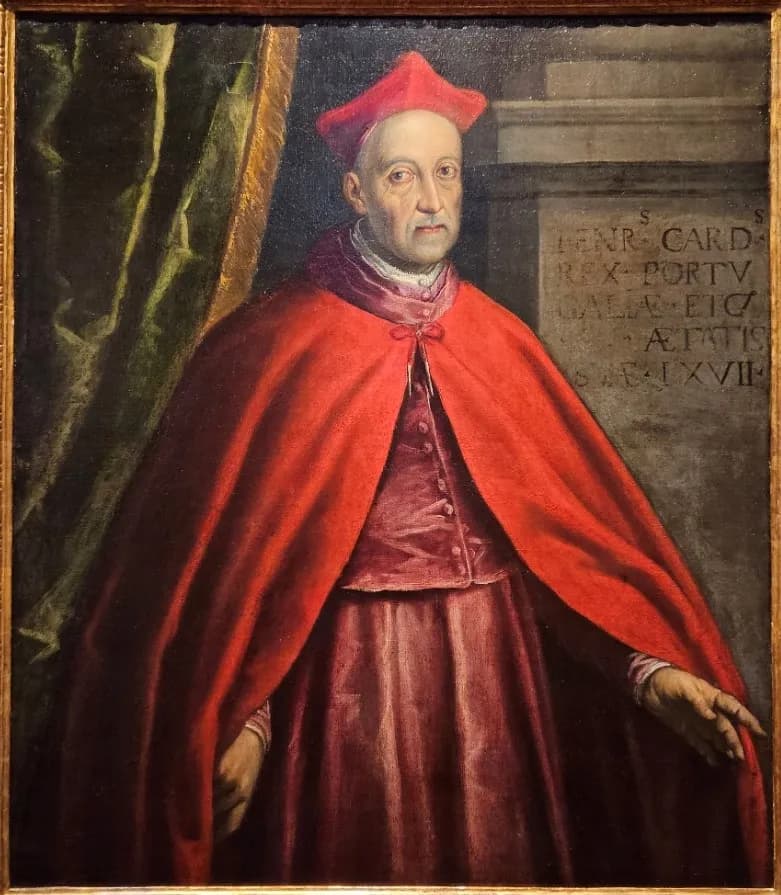
The brakes did not hold. In 1539 the king made his brother Henrique, archbishop of Braga, inquisitor-general, over protests the New Christians lodged in Rome; he took office on 3 July. In July 1547 the bull Meditatio cordis gave the Portuguese Inquisition what the crown had wanted from the start: more independence from Rome, secret trials, and all the inquisitors' powers gathered in Henrique.
Henrique, made a cardinal in 1545, went on to be papal legate from 1553, regent from 1562 to 1568 and, from 1578 until his death in January 1580, king.
Tribunals and the first autos-da-fé
The tribunal did not stay in Évora. Between late August and early September 1537 it moved to Lisbon, where a single inquisitor, João de Melo, heard cases until two more joined him in November 1540, and by early 1538 it was using the Estaus palace on the Rossio. Later Inquisition records said the Lisbon tribunal was founded in July 1539; the historian Daniel Giebels has shown it was working there from 1537.
In 1541 the king had tribunals set up at Coimbra, Porto and Lamego, and Évora got its own again; Tomar followed. All but Évora closed between 1543 and 1547, leaving Lisbon and Évora. Coimbra's tribunal reopened in 1565, and from then until 1821 the kingdom had three: Lisbon, Évora and Coimbra. Lisbon's district also took in Brazil, the Atlantic islands and West Africa. Brazil never had a tribunal of its own; it received visiting inquisitors and sent suspects to Lisbon.
| Tribunal | Opened | Closed | Notes |
|---|---|---|---|
| Évora | October 1536; own tribunal again from 1541 | 1821 | First seat, while the court was in Évora |
| Lisbon | 1537, moved from Évora | 1821 | Also covered Brazil, the Atlantic islands and West Africa |
| Coimbra | October 1541; reopened 1565 | Mid-1540s; finally 1821 | First district: the dioceses of Coimbra and Guarda |
| Porto, Lamego, Tomar | 1541–1542 | Mid-1540s | Short-lived |
| Goa | Ordered March 1560 | 1774; again 1778–1812 | Portuguese Asia and East Africa |
Dates for the early tribunals vary by source. Souza (2021) gives Lisbon and Évora as 1536–1821 and Coimbra as 1541–1821; Giebels (2019) shows the Évora tribunal moving to Lisbon in 1537 and Évora's own tribunal starting in 1541, and dates the closure of Coimbra, Porto, Lamego and Tomar to between 1543 and 1547. Capela (2021), following Marcocci and Paiva, dates Coimbra's reopening to 1565.
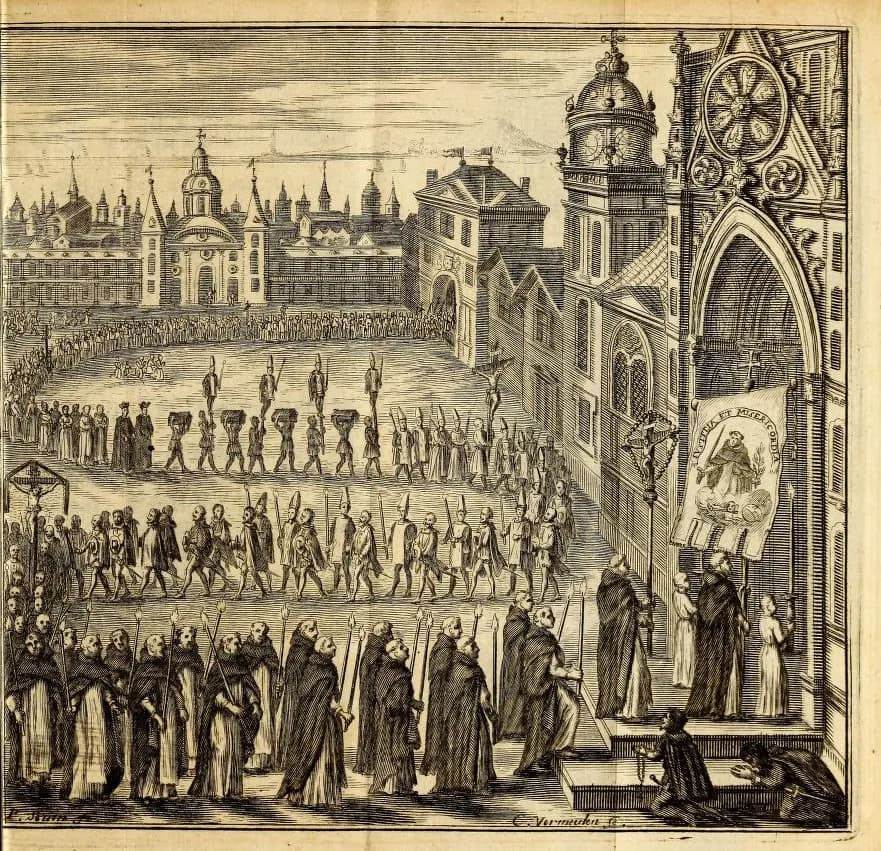
The Inquisition's public face was the auto-da-fé, the “act of faith”: a procession, a sermon and the reading of sentences, with penitents abjuring their errors before a crowd. Those condemned to die were handed, or relaxed, to the secular justice, because canon law did not allow the Church to sentence anyone to death. In Lisbon the burnings took place apart from the ceremony, at the Terreiro do Trigo.
Portugal's first auto-da-fé was held on the Ribeira, the riverside square in front of the royal palace in Lisbon, in September 1540, before João III, prelates and nobles. Twenty-three people were sentenced, and none is recorded as relaxed. Sources differ on the day: Isaías da Rosa Pereira's calendar of autos gives 20 September, while Giebels, drawing on later Inquisition records, gives the 26th.
The burnings were not long in coming. At Évora's auto of 23 September 1543, six people were relaxed in person. At Lisbon's of 14 October 1544, twenty were sentenced to be relaxed, and one woman was allowed to repent and be reconciled at the last moment.
Overseas, Henrique ordered a tribunal for Goa on 2 March 1560, and its first two inquisitors, Aleixo Dias Falcão and Francisco Marques Botelho, arrived that December. It was the first Inquisition tribunal outside Europe, with a district from Sofala in East Africa to Macau and Timor. The largest group of those it convicted, 44 per cent, were accused of keeping Hindu practices; crypto-Islam and crypto-Judaism came next. Lisboeta's article on Francis Xavier covers how it came about.
How many were tried, and how many died
No one knows exactly. Files were lost, and some autos left no list. What survives in the Torre do Tombo, Portugal's national archive, is still enormous: Pereira put it at about 40,000 trial files in 1978. Historians also count different things, trials opened, people sentenced or names on the lists of autos, so their totals differ.
The most widely used count is Francisco Bethencourt's: 45,317 sentenced trials in the four tribunals, 10,017 of them in Lisbon, 10,388 in Coimbra, 11,245 in Évora and 13,667 in Goa. Counts for Goa differ: an inventory compiled in 1774 listed 16,176 trials, while José Pedro Paiva, citing a later book by Bethencourt, gives about 15,000 trials between 1561 and 1812 and more than 200 death sentences.
Sentenced trials by tribunal, in Francisco Bethencourt's count
trials
Bethencourt (1994, p. 275), as quoted by Assis (2018); total 45,317. For Goa, the inventory of 1774 gives 16,176 trials, and Paiva (2017) about 15,000 for 1561–1812.
Show the data
| Sentenced trials | |
|---|---|
| Lisbon | 10,017 |
| Coimbra | 10,388 |
| Évora | 11,245 |
| Goa | 13,667 |
The pace rose and fell. On Bethencourt's yearly averages per tribunal, each sentenced about 37 people a year before 1605 and 81 a year between 1606 and 1674, then fewer, down to 23 a year in the 1750s and 1760s. He found the Portuguese averages higher than the Spanish and Italian ones in every period, while warning that the Spanish and Italian records have large gaps.
People sentenced a year, on average, per tribunal
people a year
Francisco Bethencourt's yearly averages for the tribunals of Lisbon, Évora, Coimbra and Goa (2000, p. 312), as quoted by Souza (2021). Trials were suspended between 1674 and 1681.
Show the data
| Yearly average per tribunal | |
|---|---|
| 1536–1605 | 37 |
| 1606–1674 | 81 |
| 1675–1750 | 35 |
| 1751–1767 | 23 |
Deaths are harder still. Pereira and his students went through every surviving list of sixteenth-century autos for the mainland tribunals. They counted 83 autos, 5,323 people sentenced, 325 relaxed in person and 132 relaxed in effigy, burned as a figure in their absence. Bethencourt's figures for the four tribunals give 755 people relaxed between 1536 and 1605, about one in thirteen of those sentenced, and 863 between 1606 and 1674, a count that leaves out Goa, whose relaxations for those years he could not establish.
| Period | People sentenced | Relaxed to the secular justice |
|---|---|---|
| 1536–1605 | More than 10,000 | 755 (about 7.4%) |
| 1606–1674 | 22,481 | 863, not counting Goa |
| 1681–1750 | 10,551 | About 3.7% |
| 1751–1767 | Just over 1,590 | About 3.6% |
Francisco Bethencourt's figures (2000), as quoted by Souza (2021), who calls the relaxed those condemned to death; she does not say whether people burned in effigy are included. Bethencourt could not count Goa's relaxations for 1606–1684. For the sixteenth century alone, Pereira (1978) counted 325 people relaxed in person and 132 in effigy at the tribunals of Lisbon, Évora, Coimbra, Porto and Tomar.
| Tribunal | Autos | Penitents | Relaxed in person | Relaxed in effigy |
|---|---|---|---|---|
| Évora | 38 | 2,282 | 173 | 26 |
| Coimbra | 21 | 1,765 | 65 | 69 |
| Lisbon | 21 | 1,199 | 79 | 15 |
| Porto | 1 | 60 | 4 | 21 |
| Tomar | 2 | 17 | 4 | 1 |
| Total | 83 | 5,323 | 325 | 132 |
Pereira (1978), from all the lists of autos in the national library, the Torre do Tombo, Évora and Coimbra. The Coimbra figures begin in 1567, and the lists for Lisbon's autos of 1541, 1548 and 1559 are incomplete.
Most of the accused were New Christians charged with Judaising. Torture, by the rope or the rack, was used in about 11 per cent of trials, and 83 per cent of those tortured were New Christians accused of Judaism.
Pardon, suspension and abolition
The New Christians kept appealing to Rome, and sometimes won. In 1605 Pope Clement VIII granted a general pardon that freed 155 prisoners, 70 men and 85 women, from the Inquisition's cells. In 1674 Clement X suspended the Portuguese Inquisition's trials outright, and its powers were not restored until 1681, under Innocent XI. Giuseppe Marcocci and José Pedro Paiva, authors of the standard modern history, call the suspension its greatest defeat after the pardon of 1604–1605.
Under the Marquis of Pombal, chief minister of King José I, the tribunal survived but was made subordinate to the crown. A law of 25 May 1773 ended the legal distinction between Old and New Christians. New rules in force from 14 August 1774 ended secret procedure and restricted torture, and banned public and private autos-da-fé except in special cases. People who insisted they had cast spells were to be judged mad and sent to the cells for the insane in Lisbon's Royal Hospital of All Saints.
Goa's tribunal was closed in 1774, reopened in 1778 and abolished for good in 1812. At home, the liberal revolution of August 1820 sealed the Inquisition's fate. In February 1821 a deputy in the new Cortes, Francisco Simões Margiocchi, proposed a decree to abolish it. On 31 March the Cortes approved it unanimously, on the grounds that the tribunal was incompatible with constitutional government, and the decree was published on 5 April.
“The General Council of the Holy Office, the Inquisitions, the courts of the Fisc and all their dependencies are abolished in the Kingdom of Portugal.”
The same decree sent the tribunal's books, manuscripts and finished trials to the Public Library of Lisbon. The last inquisitor-general, José Joaquim da Cunha de Azeredo Coutinho, appointed in 1818, had to leave the Estaus palace on the Rossio, which had been the Inquisition's official seat since 1584.
22 October 1536
Bull proclaimed in Évora
1537
Tribunal moves to Lisbon
September 1540
First auto-da-fé, on Lisbon's Ribeira
1541
Tribunals at Coimbra, Évora, Porto and Lamego; Tomar soon after
1543–1547
All but Lisbon and Évora close
July 1547
Bull Meditatio cordis frees the tribunal from Rome's restrictions
1560
Goa tribunal founded
1565
Coimbra's tribunal reopens
1605
General pardon frees 155 prisoners
1674–1681
Trials suspended by the pope
25 May 1773
Old and New Christian distinction abolished
14 August 1774
Pombal's new rules in force
1812
Goa tribunal abolished
31 March 1821
Cortes vote unanimously to abolish the Inquisition
What it left behind
The paper the Inquisition kept is now one of the richest sources on Portugal and its empire. In 2007 the Torre do Tombo began putting the Lisbon tribunal's records online, more than 19,000 documents, nine in ten of them trials, and from 2011 it added the General Council's files on the people who applied to serve the tribunal.
Apology came late. In 2000 the Cardinal Patriarch of Lisbon, José Policarpo, took on the Church's shame for the Inquisition's persecution in front of the church of São Domingos, beside the Rossio, where many autos had been held; a monument marks the spot. One of the tribunal's best-known victims, the playwright António José da Silva, “o Judeu”, executed in Lisbon in 1739, has his own Lisboeta article.
Historians are still studying how it began. For the 490th anniversary, an international seminar on the founding of the inquisitions met in Évora from 21 to 23 October 2026, in the building where the Inquisition of Évora once sat.
FAQs
When was the Portuguese Inquisition founded?
Pope Paul III signed the bull Cum ad nihil magis on 23 May 1536 at the request of King João III. It was proclaimed in Évora cathedral on 22 October 1536, and the tribunal began hearing witnesses on 22 November. An earlier bull of 17 December 1531 had been suspended in 1532.
How many people did the Portuguese Inquisition execute?
There is no exact figure. For the sixteenth century, a count of every surviving list found 325 people relaxed in person and 132 in effigy at the mainland tribunals. Francisco Bethencourt's figures give 755 people relaxed between 1536 and 1605 and 863 between 1606 and 1674, not counting Goa in the later period, with lower rates afterwards. For Goa, José Pedro Paiva gives more than 200 death sentences between 1561 and 1812.
Whom did the Portuguese Inquisition target?
Above all New Christians, the descendants of Jews baptised by force in 1497, accused of secretly practising Judaism. It also tried people for Islam, Protestantism, bigamy, sodomy and witchcraft. In Goa, the largest group of those convicted were converts accused of keeping Hindu practices.
When was the Inquisition abolished in Portugal?
The liberal Cortes voted unanimously to abolish it on 31 March 1821, and the decree was published on 5 April 1821. The Goa tribunal had been abolished in 1812.
On the timeline
Open the timelineNearby moments from the age of discoveries (1415–1580).
A powerful earthquake strikes Lisbon and the Tagus valley before dawn, bringing down more than 1,500 of the city's houses as the river draws back and surges. When friars in Santarém preached that it was God's wrath and New Christians fled in fear, the playwright Gil Vicente rebuked them.
In a chapel on the hill of Montmartre in Paris, Ignatius of Loyola and six companions — among them Simão Rodrigues, a young Portuguese nobleman from Vouzela — take vows of poverty and chastity, forming the nucleus of the Society of Jesus. Rodrigues went on to establish the Jesuits in Portugal, the springboard for their missions across the Portuguese empire.
The Treaty of Baçaim (Bassein) is signed aboard the galleon São Mateus in Bassein harbour. Through his envoy, Sultan Bahadur of Gujarat cedes Bassein with its lands, islands and seas, among them the islands of Bombay, to make peace with Portugal while under Mughal pressure. Bombay later passed to England in Catherine of Braganza's dowry and is today the heart of Mumbai.
The Inquisition comes to Portugal
Pope Paul III issues the bull 'Cum ad nihil magis', establishing the Inquisition in Portugal at the insistence of King João III; the tribunal would shape Portuguese religious and cultural life for nearly three centuries.
Francis Xavier sails from Lisbon on his 35th birthday aboard the 'Santiago', sent east by João III as one of the first Jesuit missionaries to Portuguese Asia. He reached Goa 13 months later and went on to Malacca and Japan; his body still lies in Goa's Basilica of Bom Jesus.
Portuguese musketeers under Cristóvão da Gama, Vasco's son, storm a hillfort held by forces of the Adal Sultanate at the Battle of Baçente in northern Ethiopia, part of Portugal's military alliance with the Christian Ethiopian Empire.
By his comrade Castanhoso's date (others give 29 or 31 August), the Adal imam Ahmad Grañ overruns the camp of Cristóvão da Gama, Vasco da Gama's son, at Wofla in the Ethiopian highlands. Found wounded and hiding next morning, Gama is beheaded by the imam. Survivors of his 400 men helped defeat the imam, who was killed, the following year.
Coming up in history
All long reads 25 May 1942José Mário Branco, the Porto singer who fled a war and came back to sing
 26 May 1834The Convention of Evoramonte: how Portugal's war of two brothers ended
 27 May 1987Madjer's back-heel: FC Porto beat Bayern to win the 1987 European Cup
 28 May 1926The coup of 28 May 1926: how a rising in Braga ended the First Republic
14 sources
Archives, scholarship and reporting this article was checked against.
- 1
História da origem e estabelecimento da Inquisição em Portugal, vol. 2 (Alexandre Herculano)Internet Archive (digitised copy of the Lisbon edition of 1879)
- 2
- 3
Notas sobre a Inquisição portuguesa: história e historiografiaGrayce Mayre Bonfim Souza, Politeia: História e Sociedade (Uesb), v. 20, n. 1, 2021
- 4
Quando foi criada a Inquisição de Lisboa? Explorando hipóteses (Daniel Giebels)Revista de História da Sociedade e da Cultura 19 (2019), Universidade de Coimbra
- 5
Notas sobre a Inquisição em Portugal no século XVI (Isaías da Rosa Pereira)Lusitania Sacra 10 (1978), pp. 259–300, Centro de Estudos de História Eclesiástica (Universidade Católica Portuguesa repository)
- 6
Roteiro da Inquisição em Lisboa: uma possibilidade cultural?João Miguel Cabral Borges Capela, master's dissertation, Iscte – Instituto Universitário de Lisboa, 2021
- 7
- 8
The Inquisition Tribunal in Goa: why and for what purpose? (José Pedro Paiva)Journal of Early Modern History 21 (2017), 565–593; open copy in Estudo Geral, Universidade de Coimbra
- 9
Inquisição de Goa (fonds in the Biblioteca Nacional, Rio de Janeiro)Western Sephardic Diaspora Roadmap, DHLab, NOVA FCSH
- 10
O processo inquisitorial do jesuíta Gabriel Malagrida: aspectos históricos e jurídicos (Guilherme Marchiori de Assis)Ciclo de Palestras do Grupo de Estudos Modernidade Ibérica, Universidade Federal do Espírito Santo, 2018
- 11
Memorial to the Victims of the 1506 Massacre - LisbonCaminhos da Fé / Paths of Faith (Turismo de Portugal)
- 12
António José da Silva «O Judeu»: Cronologia da vida e obraBiblioteca Nacional de Portugal
- 13
Seminário Internacional História das Inquisições: Fundações, Adaptações e Enraizamento (séculos XV–XIX)CIDEHUS, Universidade de Évora
- 14
Centro de Arte e Cultura (antigo Palácio da Inquisição)Câmara Municipal de Évora
Image credits
- The west front of Évora cathedral, photographed in 2007. On 22 October 1536 the papal bull that founded the Portuguese Inquisition was proclaimed here, before King João III and his court. Joaomartinho63, CC BY-SA 3.0, via Wikimedia Commons.
- Pope Paul III, painted by Titian in 1543, seven years after he signed the bull. The portrait is in the Museo di Capodimonte, Naples. Titian, Public domain, via Wikimedia Commons.
- Cardinal Henrique, inquisitor-general from 1539 and king from 1578, in a portrait of about 1600 attributed to Domenico Tintoretto, in the Museu Nacional de Arte Antiga, Lisbon. The inscription calls him cardinal and king of Portugal, aged 67. GualdimG, CC BY-SA 4.0, via Wikimedia Commons.
- A procession of the Goa Inquisition entering a church, engraved by Cornelis Vermeulen for Dellon's Relation de l'Inquisition de Goa, published in Paris in 1688. Cornelis Vermeulen, Public domain, via Wikimedia Commons.
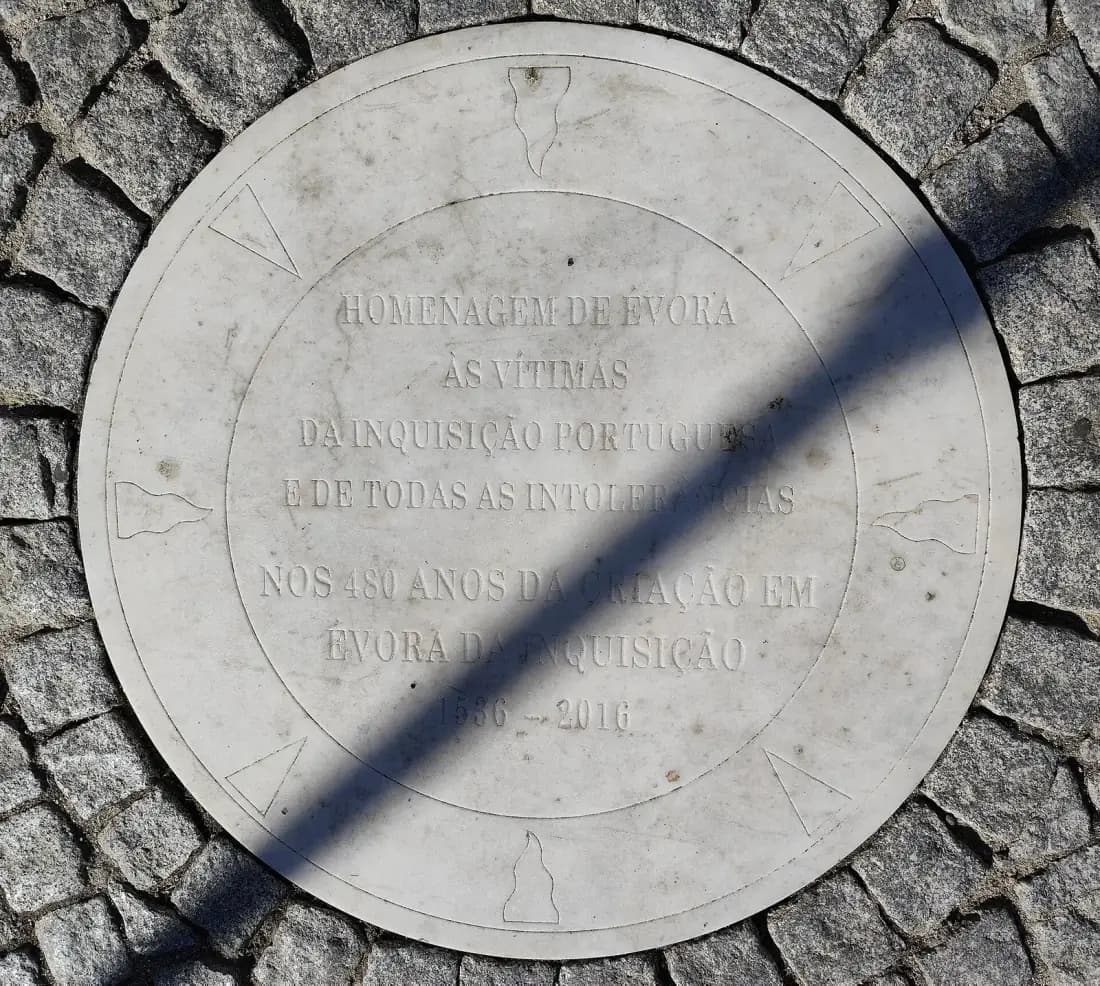
- A plaque in the pavement in Évora, photographed in 2025. Its inscription reads: Évora's tribute to the victims of the Portuguese Inquisition and of all intolerance, on the 480th anniversary of the creation of the Inquisition in Évora, 1536–2016. Gerd Fahrenhorst, CC BY 4.0, via Wikimedia Commons.