

The Treaty of Alcañices, 1297: how Dinis won Riba-Côa
With Castile ruled by a child and torn by civil war, King Dinis marched in, took the castles beyond the Côa, then made a peace sealed by two royal betrothals. Most of the places it gave Portugal are Portuguese still; Olivença is the large exception.
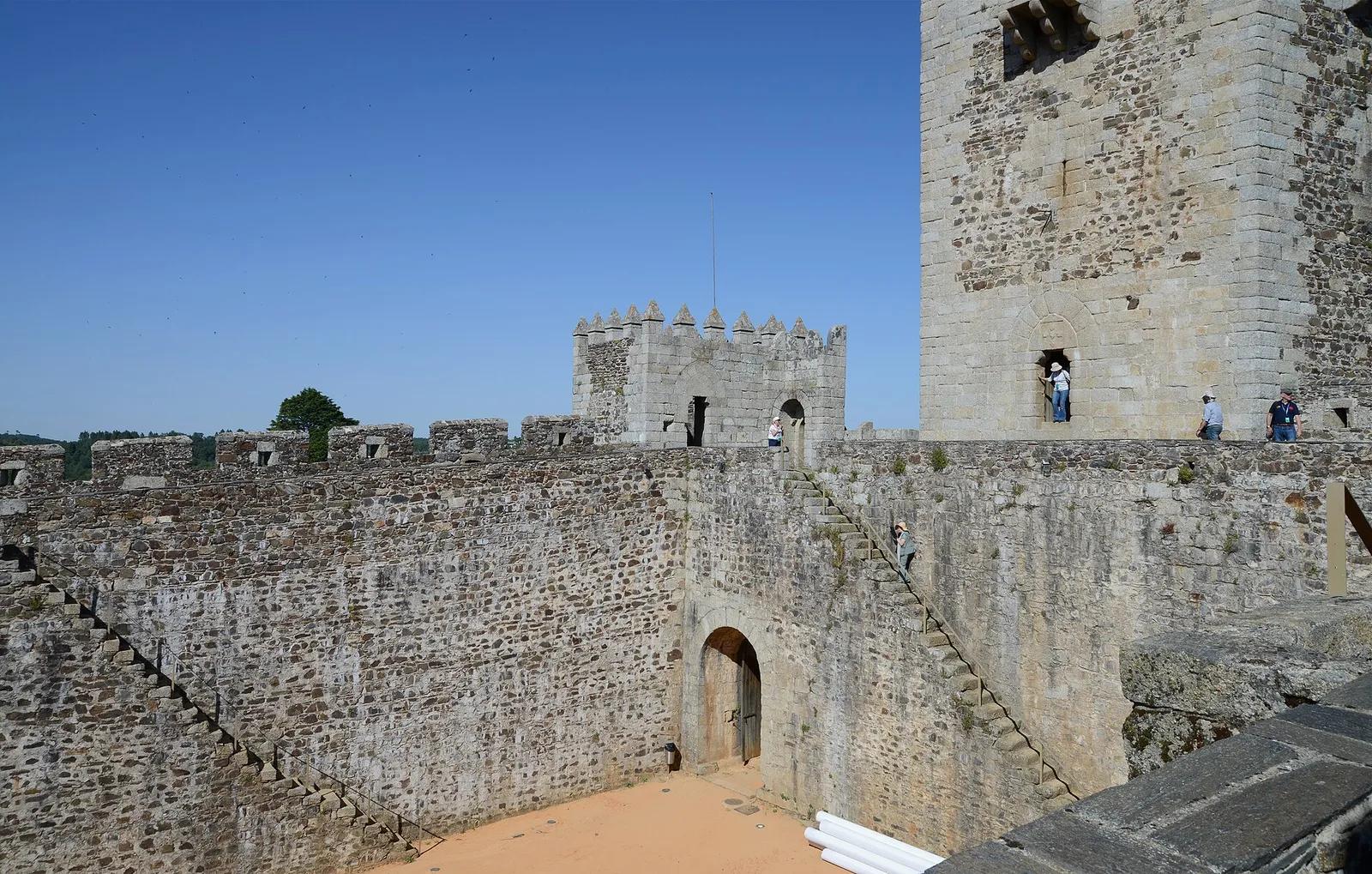
At a glance
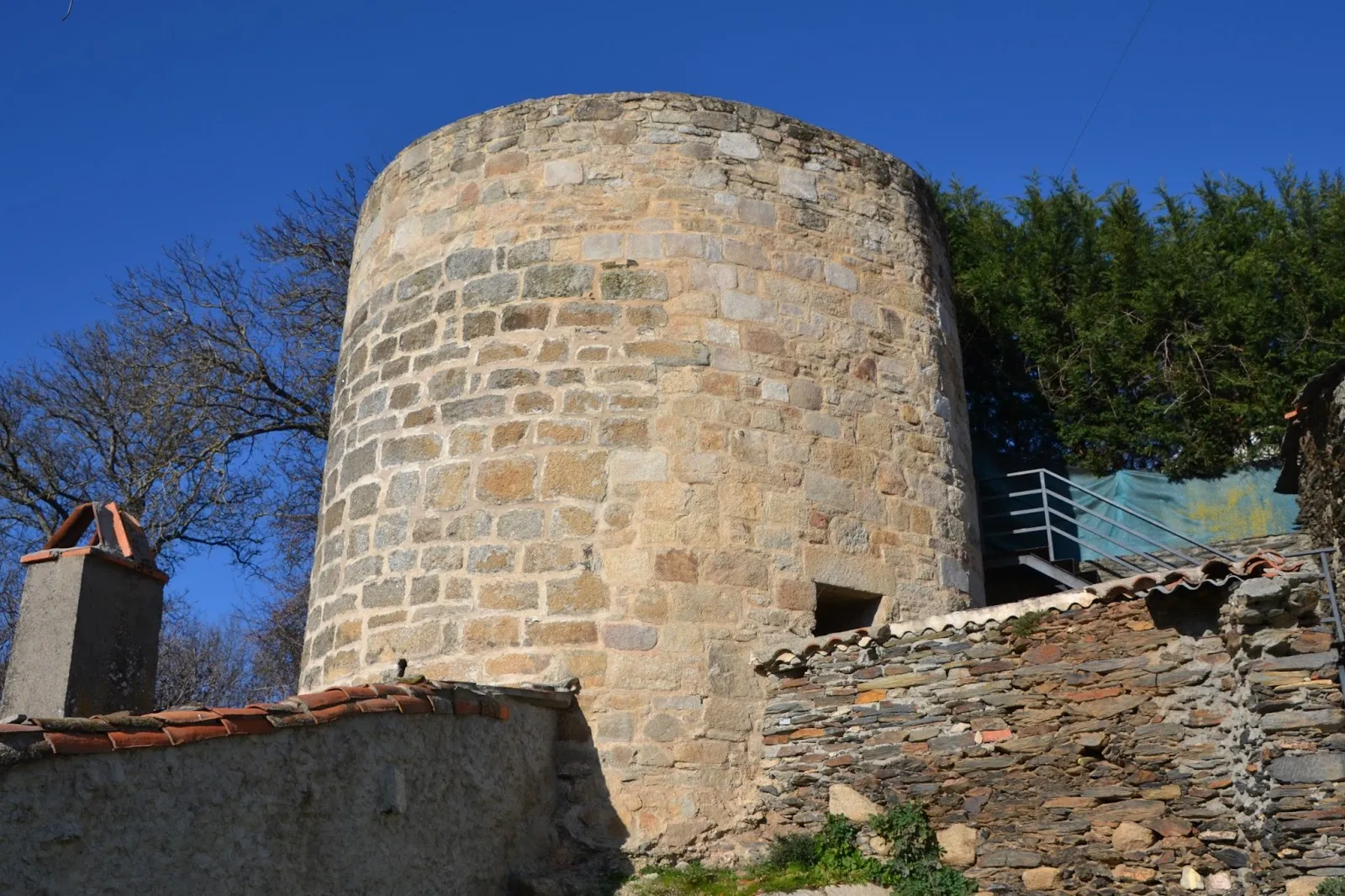
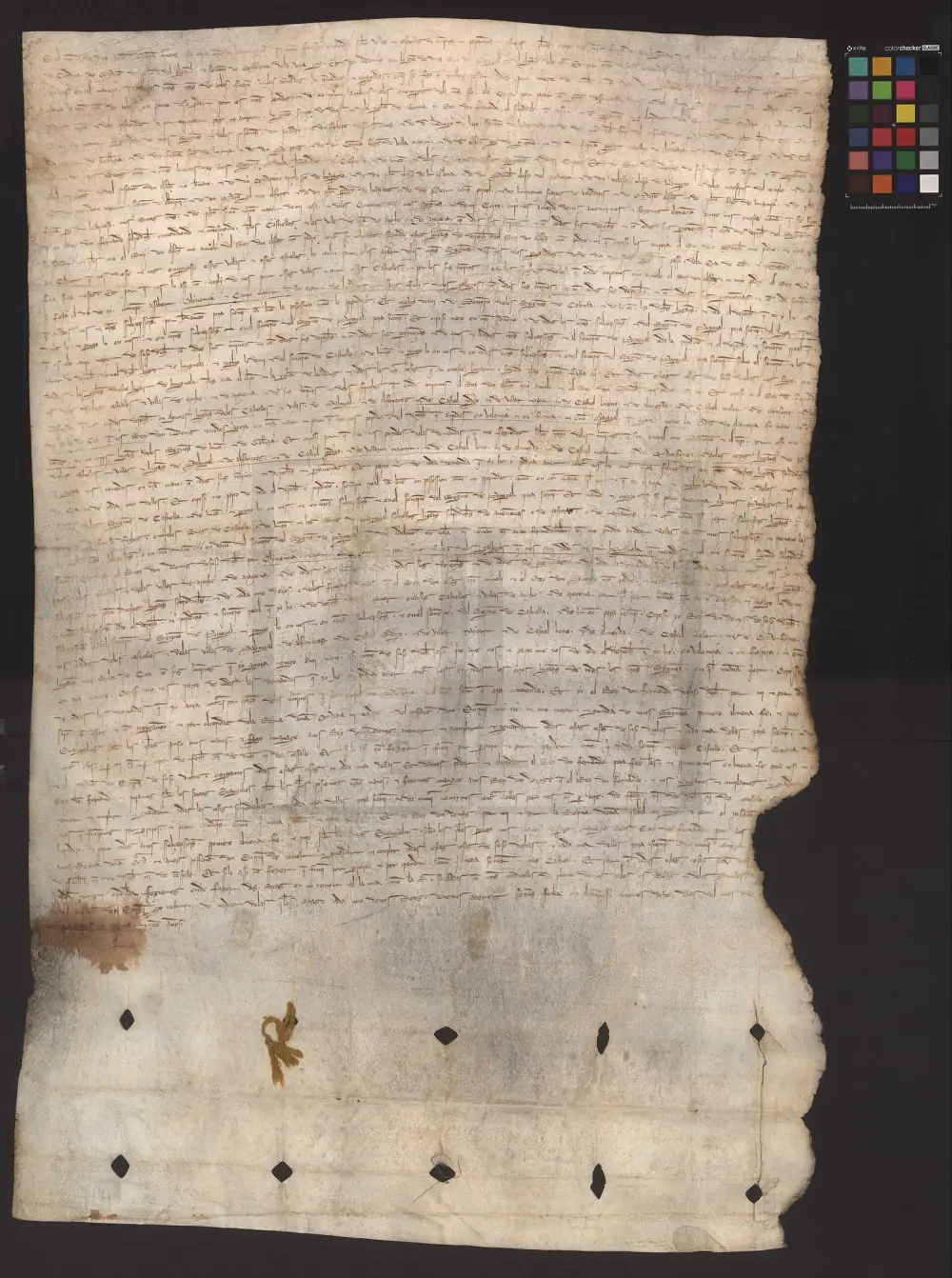
- On Thursday 12 September 1297, at Alcañices, a Leonese border town now in the Spanish province of Zamora, King Dinis of Portugal and Fernando IV of Castile and León, aged 11, signed a treaty of peace and frontiers.
- Castile recognised Portuguese rule over Riba-Côa, the castles between the Côa and Águeda rivers that Dinis had seized in 1296, and gave him Olivença, Campo Maior, Ouguela and San Felices de los Gallegos in place of Aroche and Aracena, towns it had promised him and never handed over.
- In return Dinis gave up his claims to Aroche and Aracena and a few lesser rights in Castile and León, and promised to stop backing the rebels who wanted to carve up Castile.
- The treaty confirmed two royal betrothals: Dinis's daughter Constança, 7, to Fernando IV, and his heir Afonso, 6, to Fernando's sister Beatriz. The weddings took place in 1302 and 1309.
- Most of the line drawn in 1297 is still the Portugal–Spain border. San Felices was lost in the fourteenth century, and Olivença has been held by Spain since 1801, which Portugal has never accepted.
A Thursday at Alcañices
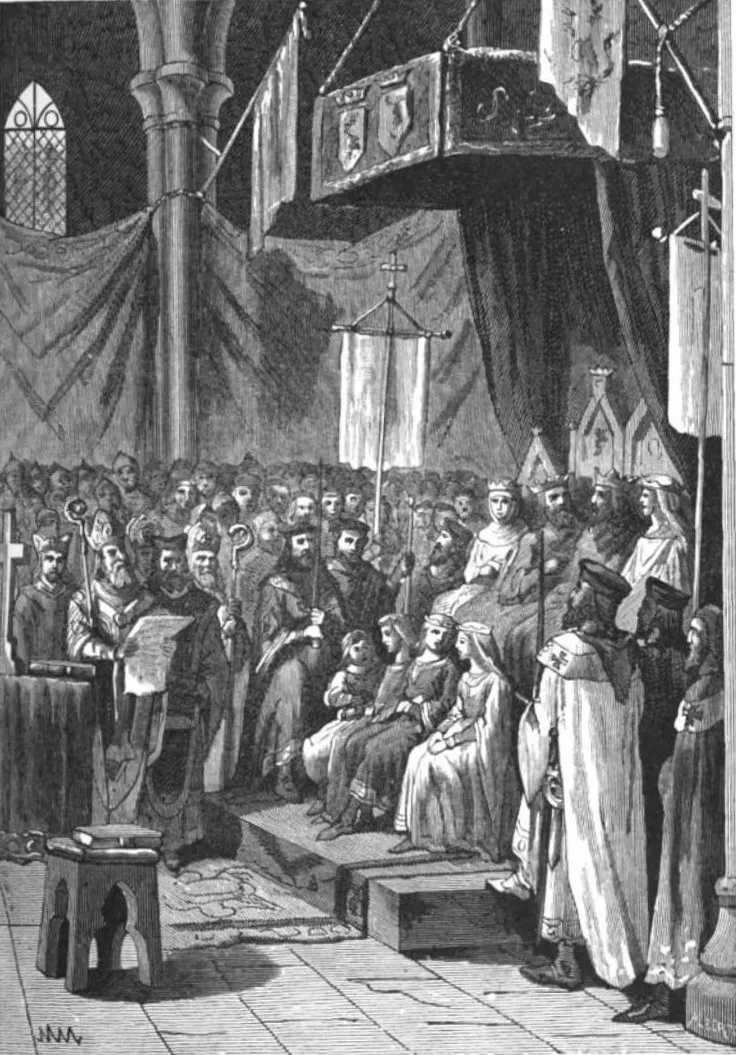
On Thursday 12 September 1297, at Alcañices, a small town on the Leonese side of the frontier in what is now the Spanish province of Zamora, two kings agreed a long charter. It was written out twice, one copy for each king, and sealed with the lead seals of both kings and with the seals of the two queens and the Infante Enrique.
Fernando IV, king of Castile and León, was eleven years old. He swore for himself and his successors that if he ever went back on the agreement he should be held a perjurer and a traitor, “like one who kills his lord or betrays a castle”.
Dinis of Portugal, aged 35, swore the same.
The boy king had come with his mother, Queen María de Molina, and his great-uncle and guardian, the Infante Enrique. Dinis had brought his queen, Isabel of Aragon, and their seven-year-old daughter, Constança, but left his heir, Afonso, aged six, behind at Trancoso, in Portugal. The two children who mattered most at Alcañices were Constança, who was to marry the boy king, and his little sister Beatriz, who was to marry Afonso and would travel back to Portugal with Dinis.
The charter opened with an admission that both sides had a great deal to be sorry for.
“There arose between us many wars and killings and excesses, in such a way that of the lands of us both many were robbed and burned and laid waste.”
A kingdom with a boy king
Since 1230, when León and Castile were united for good, Portugal's only land neighbour had been far larger than Portugal itself, and Portugal could gain ground from it only when it was weak. In April 1295 it became very weak. Sancho IV of Castile died at Toledo on 25 April, leaving his crown to a nine-year-old son.
The boy's right to it was open to challenge. Sancho IV and María de Molina were related within the degrees the Church forbade and had married without a papal dispensation, so in the eyes of the Church their children were illegitimate. Sancho's brother, the Infante Juan, claimed the kingdom of León. Alfonso de la Cerda, the son of Sancho's dead elder brother, claimed Castile itself, with the backing of James II of Aragon. The great nobles took sides. The Cortes of Valladolid named the Infante Enrique, the old brother of Alfonso X, as the king's guardian, at María de Molina's urging.
Dinis was family on every side. His mother, Beatriz, was a daughter of Alfonso X, which made him a first cousin of the boy king. His wife Isabel was James II's sister. In 1291, at Ciudad Rodrigo, Sancho IV and Dinis had agreed that the young Fernando would one day marry Constança, then a baby of 20 months, and Castile had pledged frontier castles to guarantee it.
Promises at Guarda and Ciudad Rodrigo
Dinis moved quickly. He received the Infante Juan at Guarda and confirmed his claim to León, and Castile's regents sent the Infante Enrique to buy his neutrality. On 6 September 1295, at Guarda, Enrique agreed to hand Serpa and Moura to Portugal by 10 October, and Aroche and Aracena, or places of the same value, within eighteen months, admitting that these towns had been taken from Portugal “without reason”.
In October María de Molina came to Ciudad Rodrigo with her son and Enrique to seal the bargain. Dinis recognised Fernando IV as king and promised to help him “against all the men in the world”, and Moura and Serpa passed to Portugal, with Mourão and Noudar. Aroche and Aracena were put off to a window between September 1296 and March 1297, which Dinis took as a delaying tactic.
Dinis, for his part, had promised to drop the Infante Juan. He did not.
Forty leagues into León
On 21 January 1296, at Bordalba, a village near Ariza in Aragon, Castile's enemies divided the kingdom among themselves on paper. Alfonso de la Cerda was to have Toledo, Córdoba and Jaén; the Infante Juan, León, Galicia and Seville; James II, the kingdom of Murcia. Dinis joined the league. That summer James II overran Alicante, Elche, Orihuela and Murcia, and Juan had himself crowned king in the city of León.
The Portuguese army crossed the frontier from Guarda by way of Ciudad Rodrigo and Ledesma. Accounts differ on when: Baquero Moreno says September 1296, the Seville historian Manuel González Jiménez early summer. Rui de Pina, writing two centuries later, has Dinis's men storm a castle called Torres and kill every enemy they found there, then march forty leagues through Castile, waging what he calls cruel war, as far as Simancas, two leagues from Valladolid, where Fernando IV was staying. Many expected him to lay siege to the boy king.
He did not. María de Molina sent word that if he went on, the marriage was off.
“Tell the king of Portugal … that he may be certain and sure that King Fernando, my son, will never marry his daughter.”
The Castilian chronicle gives another reason. While Dinis was at Simancas, it says, “a man came to him who said that if he went at once to Castel Rodrigo, and to Sabugal, and Alfaiates, they would hand them over to him”. With winter coming and afraid that the Castilians would cut off his crossing of the Douro, Dinis turned back by way of Medina del Campo and made for Riba-Côa.
There he took every castle. How is disputed: by siege and assault in Pina, partly by surrender in the seventeenth-century chronicler Francisco Brandão, peacefully according to Amaral and Garcia.
Portuguese chroniclers justified the conquest by the treachery of Don Sancho, lord of Ledesma and Riba-Côa, who had become Dinis's vassal and taken his money, then refused to fight for him. García Fernández thinks that argument was made after the event, and that enlarging his frontier with León was the real purpose of the campaign. In November 1296 he also paid the Infante Juan 315,000 maravedís for the town and castle of Coria.
Castles for a crown's peace
The war lasted, by Pina's count, a year and three months, with raids by both sides along the frontier and prisoners sold as slaves. In the spring of 1297 a message reached María de Molina at Valladolid. João Afonso de Albuquerque, a Portuguese nobleman whom Dinis had made a count, had spoken of the marriage of the king and Constança: if the queen agreed, Dinis would stop the war and help her son against all the men in the world.
Cortes summoned to Zamora agreed to make peace on Dinis's terms, and envoys went to him at Coimbra. On 28 August Fernando IV wrote to Dinis proposing a swap that involved the castles he had occupied in Riba-Côa. Dinis asked for Olivença, Ouguela, Campo Maior and San Felices de los Gallegos as his daughter's dowry. García Fernández, following the Castilian chronicle, says the queen agreed less for the marriage than because Dinis would give up Aroche and Aracena.
“She held that it was good to end the war with Portugal once and for all, and in this she found two gains: the one, that it took him out of her way, and the other, that it made him break the pact he had made with the king of Aragon, and with the Infante Juan, who called himself king of León …”
- Signed
- Alcañices, Thursday 12 September 1297
- Kings
- Dinis of Portugal, 35; Fernando IV of Castile and León, 11
- Also consenting
- María de Molina, the Infante Enrique, Queen Isabel and Dinis's brother Afonso, with bishops and nobles of both kingdoms
- Copies
- Two identical charters, one for each king
- Portuguese copy
- Torre do Tombo, Lisbon (Gaveta XVIII, maço 9, no. 13)
- Dynastic terms
- Constança to marry Fernando IV; Afonso to marry Beatriz of Castile
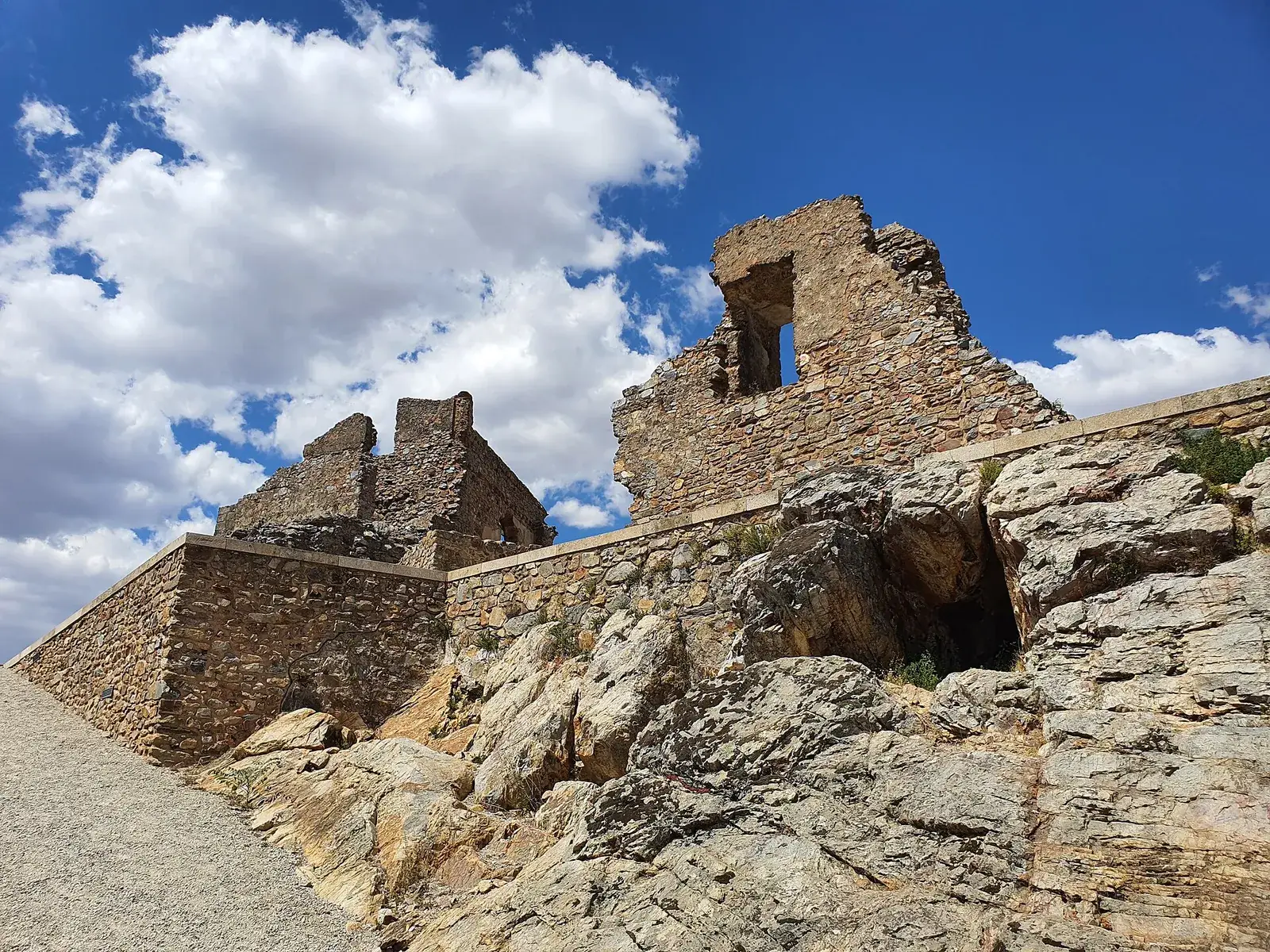
The charter set out the exchange in two parts. In the south, Fernando IV acknowledged that Aroche and Aracena belonged to Portugal by right and, because he had not handed them over, gave Dinis Olivença, Campo Maior, San Felices and Ouguela instead. In the north, he admitted that Dinis had rights in some of the places of Sabugal, Alfaiates, Castelo Rodrigo and the rest of Riba-Côa, and gave up all claim to them “for ever”.
Dinis renounced Aroche and Aracena, his rights in three places held by the military order of Alcántara and at Ayamonte, and all his other claims in León and Galicia. Luís Carlos Amaral and João Carlos Garcia, of the University of Porto, judge the deal much better for Portugal: Dinis gave up only rights, and in the case of the Alcántara lands, they write, very doubtful ones.
| Place | Where | Under the treaty | Afterwards |
|---|---|---|---|
| Sabugal, Alfaiates, Castelo Rodrigo, Vilar Maior, Castelo Bom, Almeida, Castelo Melhor, Monforte and the rest of Riba-Côa | Between the Côa and the Águeda | Castile gives up all claim | Portuguese ever since |
| Olivença | Left bank of the Guadiana, near Badajoz | Ceded to Portugal for ever, in exchange for Aroche and Aracena | Held by Spain since 1801; Portugal does not recognise it as Spanish |
| Campo Maior | Near Badajoz | Ceded to Portugal, same exchange | Portuguese; taken over on 30 October 1297 |
| Ouguela | Next to Campo Maior | Put under Portuguese rule; church lands left to the bishop of Badajoz | Portuguese; taken over on 30 October 1297 |
| San Felices de los Gallegos | Kingdom of León, east of the Águeda | Ceded to Portugal, same exchange | Lost to Castile in the fourteenth century |
| Aroche and Aracena | Sierra Morena, east of the Guadiana | Dinis gives up his claim | Castilian, now Spanish |
| Valencia de Alcántara, Herrera and Esparragal | Lands of the order of Alcántara | Dinis gives up his rights | Castilian, now Spanish |
| Ayamonte | Mouth of the Guadiana | Dinis gives up his rights | Castilian, now Spanish |
Place names follow Rui de Pina's Portuguese version of the treaty and the summaries by Baquero Moreno and Amaral and Garcia. Moura, Serpa, Mourão and Noudar, east of the Guadiana, had already been handed over in October 1295. Pina says San Felices passed to Dinis's illegitimate son Afonso Sanches, who traded it to a Castilian noble, so that it left Portuguese hands.
Four children and two weddings
The betrothals were the treaty's other half, and for Castile its main purpose. The match between Fernando and Constança, agreed in 1291 and again in 1295, was confirmed a third time. In Pina's account, Fernando took Constança as his wife there and then, by a vow in the present tense, and swore, with his mother, never to leave her except by death, because they still had no papal dispensation.
Constança went to Castile with María de Molina, “a little girl, and under age”, as the Castilian chronicle put it, to be brought up there. Beatriz went the other way. She had probably been born at Toro, in 1293, and she came to Portugal at the end of 1297 to be raised by Dinis and Isabel. Soon after Alcañices, Dinis gave her, as her marriage settlement, the lordship of Évora, Vila Viçosa, Vila Real and Gaia with Vila Nova, worth 6,000 libras a year in old Portuguese money.
The four children in the marriage deal, and their ages on 12 September 1297
years
Ages worked out from the birth dates: Fernando IV, 6 December 1285 (he came of age at 16 on 6 December 1301); Constança, 3 January 1290; Afonso, 8 February 1291. Beatriz's exact birth date is not known: she was probably born in 1293, so was three or four; Baquero Moreno says she was not yet four.
Show the data
| Age | |
|---|---|
| Fernando IV | 11 |
| Constança | 7 |
| Afonso | 6 |
| Beatriz | 3 |
The Church's permission took four years. Fernando IV and Dinis were first cousins, both grandsons of Alfonso X, so the bride was the groom's cousin's daughter. Pope Boniface VIII finally issued the bulls in September 1301: one, dated at Anagni on 6 September, legitimised Fernando and his brothers and sisters, and another allowed the marriage. Fernando was declared of age on 6 December 1301, and the wedding took place at Valladolid in January 1302, when he was 16 and Constança 12.
Afonso and Beatriz married in 1309, probably at Lisbon, in May. Their son Pedro would be king of Portugal, and their daughter Maria would become queen of Castile by marrying Constança's son, Alfonso XI.
Three hundred knights and an old grudge
Dinis got his territory almost at once. On 30 October 1297 his men formally took possession of Campo Maior and Ouguela, and he set about strengthening his frontier: the castles of Sabugal, Vilar Maior and Sortelha were built up or reinforced in his reign. Castile got less than it hoped for. Dinis sent 300 knights under João Afonso de Albuquerque to help Fernando IV against the rebels, but García Fernández finds he never fully kept his promises until 1301.
In 1298 the Cortes of Valladolid asked him to come in person to help the king. He came as far as Toro, where he proposed that the Infante Juan be recognised as king of Galicia for life. María de Molina refused, and Dinis went home and waited at Sabugal through August and early September. At home his own brother Afonso, who had hoped to gain land from the treaty and got none, rose against him and was brought to heel in 1299.
Relations improved after 1300. In August 1304, at Torrellas on the border of Aragon, Dinis, with the Infante Juan and the bishop of Zaragoza, gave the judgment that ended the war between Castile and Aragon over Murcia. Fernando IV never forgot what his father-in-law had taken during his minority, and in 1312 he was still pressing claims to Moura, Serpa, Riba-Côa, Olivença and Campo Maior. He died suddenly at Jaén that September, aged 26.
15 September 1291
Treaty of Ciudad Rodrigo
Sancho IV and Dinis agree that Fernando will marry Constança.
25 April 1295
Death of Sancho IV
Fernando IV becomes king at nine.
6 September 1295
Pact of Guarda
The Infante Enrique promises Serpa, Moura, Aroche and Aracena.
20 October 1295
Moura and Serpa
Fernando IV orders the castles handed over to Portugal.
21 January 1296
Pact of Bordalba
Castile's enemies agree to divide the kingdom.
1296
Dinis invades
He reaches Simancas, turns back and takes Riba-Côa.
12 September 1297
Treaty of Alcañices
30 October 1297
Campo Maior and Ouguela
Portugal takes formal possession.
January 1302
Wedding at Valladolid
Fernando IV marries Constança.
8 August 1304
Judgment of Torrellas
Dinis helps settle the war between Castile and Aragon.
1309
Afonso marries Beatriz
17 December 1327
Treaty of Coimbra
Afonso IV and Alfonso XI ratify the agreements made by their fathers.
Constança outlived her husband by just over a year. She had borne him a daughter, Leonor, and in August 1311 a son, Alfonso, who became king of Castile before he was two. She died at Sahagún on 18 November 1313, aged 23. On 17 December 1327, at Coimbra, her brother, now Afonso IV of Portugal, and envoys of her son Alfonso XI ratified everything their fathers had agreed.
The frontier that endured
Most of the line agreed in 1297 is still the border between Portugal and Spain. Amaral and Garcia note that, with small changes, the frontier of the Beiras, Portugal's central inland provinces, settled where Alcañices put it. Riba-Côa's castles, strengthened by Dinis, guarded what became one of the main invasion routes into Portugal over the following centuries.
The geographer Orlando Ribeiro wrote in the 1950s that the Portuguese frontier, fixed in its broad lines at the end of the Reconquest, was “the oldest political boundary in Europe”, and that the peace of Alcañices had set the line south of the Douro that, with small changes, reached his own day. Lisbon's Castelo de São Jorge, in its account of Dinis, still calls the Alcañices border the oldest and most stable in Europe.
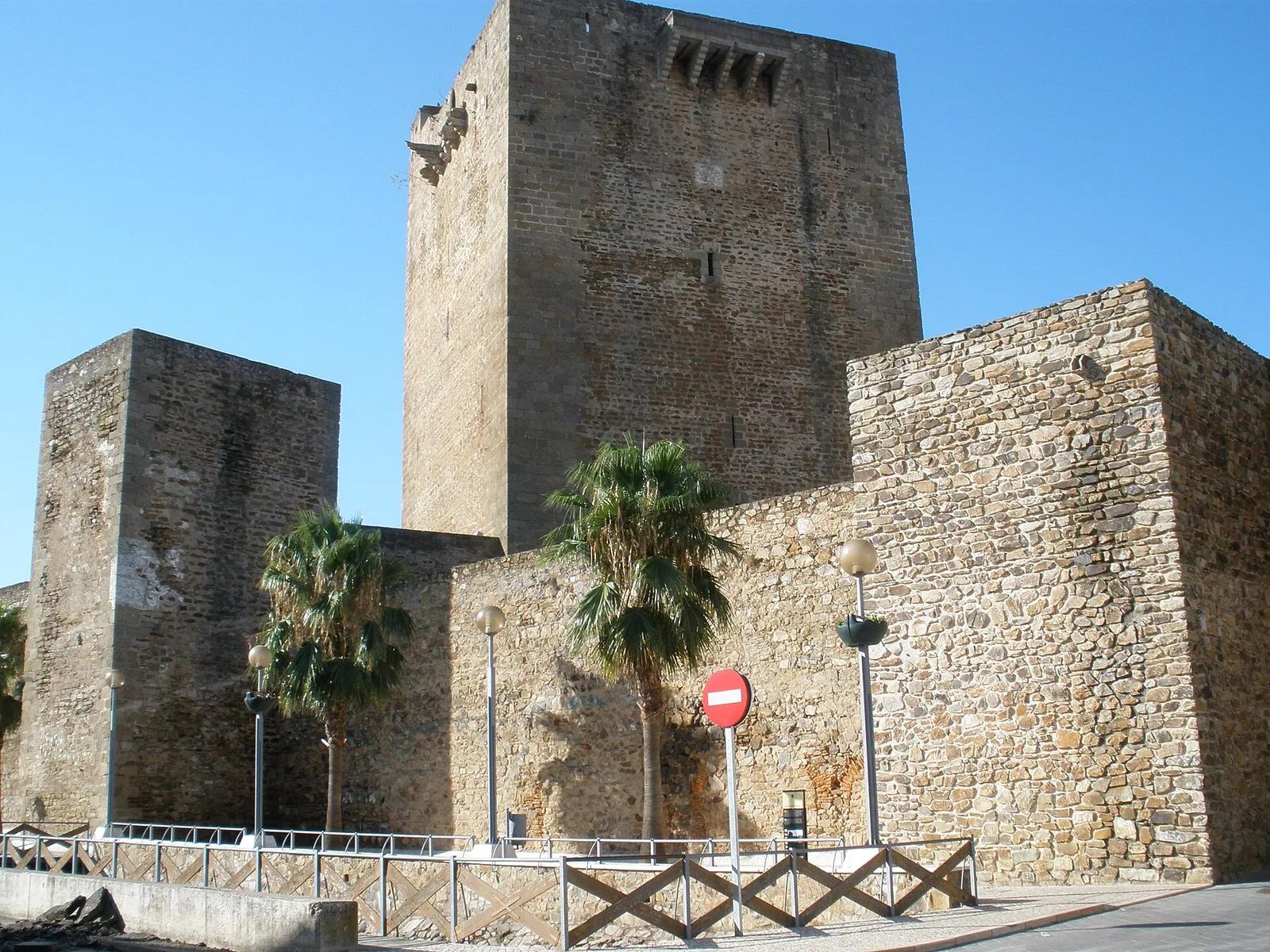
There were also losses. San Felices de los Gallegos, east of the Águeda, did not stay Portuguese for long. Olivença had a stormier history. Dinis gave it its first charter in 1298 and walls with 14 towers. Amaral and Garcia, citing a study by Júlia Galego, note that it was out of Portuguese hands from 1337 to 1371 and again from 1657 to 1668, and its only bridge to the rest of Portugal, built under Manuel I, was blown up in 1709.
Spain took Olivença in the War of the Oranges and kept it under the Treaty of Badajoz of 1801. The Congress of Vienna called for its return in 1815, and Spain acceded to that act in 1817 but never handed it back. Portugal has never recognised Spanish sovereignty, the border along the town's district has never been marked, and in recent years many of its people have taken Portuguese nationality as well as Spanish.
FAQs
What was the Treaty of Alcañices?
A peace and frontier treaty signed at Alcañices, near today's Spain–Portugal border in the province of Zamora, on 12 September 1297, between King Dinis of Portugal and Fernando IV of Castile and León, then aged 11 and acting with his mother, María de Molina, and his guardian, the Infante Enrique. It settled who held the disputed frontier towns and confirmed two royal marriages.
What did Portugal gain at Alcañices?
Castile recognised Portuguese rule over Riba-Côa, including Sabugal, Alfaiates, Castelo Rodrigo, Vilar Maior, Castelo Bom, Almeida, Castelo Melhor and Monforte, and ceded Olivença, Campo Maior, Ouguela and San Felices de los Gallegos. Dinis gave up his claims to Aroche, Aracena, Valencia de Alcántara, Herrera, Esparragal and Ayamonte.
Is the Portugal–Spain border the oldest in Europe?
It is often called that. Most of it has run in the same place since the thirteenth century, and the stretch around Riba-Côa dates from Alcañices in 1297. But Olivença changed hands in 1801, San Felices was lost earlier, and two University of Porto scholars argue that the idea of 1297 as the final shaping of Portugal took hold only in the twentieth century.
Why is Olivença Spanish if the treaty gave it to Portugal?
Spain took Olivença in the War of the Oranges and kept it under the Treaty of Badajoz of 1801. The Congress of Vienna called for its return in 1815, but Spain never handed it back. Portugal has never recognised Spanish sovereignty over the town.
Whom did the royal children marry?
Dinis's daughter Constança married Fernando IV of Castile at Valladolid in January 1302 and was the mother of Alfonso XI. Dinis's heir, the future Afonso IV, married Fernando's sister Beatriz in 1309; their son became Pedro I of Portugal.
On the timeline
Open the timelineNearby moments from the burgundian kings (1249–1383).
At Trancoso, two days after their wedding blessing there, King Dinis grants the town to his young bride, Isabel of Aragon, married to him by proxy in Barcelona that February. Isabel goes on to become the 'Rainha Santa' of Coimbra, the saintly queen of the legend of the miracle of the roses.
King Dinis signs 'Scientiae thesaurus mirabilis', founding the Estudo Geral that becomes the University of Coimbra — one of the oldest universities in continuous operation. It actually began life in Lisbon and shuttled between the two cities before settling for good in Coimbra in 1537.
The future Afonso IV is born in Lisbon, son of King Dinis and Isabel of Aragon, the 'Rainha Santa'. Known as 'the Brave', a name tradition ties to the victory at Salado in 1340, he is remembered just as much for the killing of Inês de Castro, his son Pedro's beloved, by his order or with his consent, in 1355.
The Treaty of Alcañices
By the Treaty of Alcañices, King Dinis of Portugal and the boy king Fernando IV of Castile settle the disputed stretches of their frontier and seal a peace; apart from Olivença, most of the line still stands.
Pope Clement V dissolves the Knights Templar with the bull 'Vox in excelso'. No Templar is known to have been arrested in Portugal, where King Dinis has already claimed their castles for the Crown; in 1319 they pass to the new Order of Christ, whose red cross would later billow on the sails of the caravels.
King Dinis signs a contract with the Genoese mariner Manuel Pessanha, making him hereditary Admiral of the Kingdom and obliging him to bring twenty men 'skilled in the sea' to command the royal galleys — the charter regarded as the founding act of the Portuguese Navy.
Afonso IV of Portugal and his son-in-law Alfonso XI of Castile rout the Marinid army of Abu al-Hasan and the forces of Granada at the Battle of Salado near Tarifa, ending the last major Moroccan invasion of the Iberian Peninsula.
Coming up in history
All long reads
16 sources
Archives, scholarship and reporting this article was checked against.
- 1
Chronica d'el-rei D. Diniz, vol. I (Rui de Pina)Bibliotheca de Clássicos Portuguezes, Lisbon, 1907 (Internet Archive)
- 2
La política internacional de Portugal y Castilla en el contexto peninsular del Tratado de Alcañices (1267–1297)Manuel García Fernández, Revista da Faculdade de Letras: História, Universidade do Porto, series II, vol. 15 (1998), pp. 901–943
- 3
- 4
- 5
Constanza de Portugal, reina de Castilla (1290–1313) (César González Mínguez)Homage volume to Julio Valdeón Baruque, pp. 479–502 (copy on medievalistas.es)
- 6
Carta de arras da rainha D. Beatriz (1309–1359) (Vanda Lourenço)Estudios Humanísticos. Historia, no. 7 (2008), pp. 349–358, Universidad de León
- 7
D. Dinis: nota biográfica e cantigasCantigas Medievais Galego-Portuguesas, Instituto de Estudos Medievais, FCSH, Universidade NOVA de Lisboa
- 8
Datas importantesConfraria da Rainha Santa Isabel, Coimbra
- 9
Sabugal: Roteiro TurísticoCâmara Municipal do Sabugal (2023)
- 10Nuno Melo defende que Olivença “é portuguesa”Observador (Lusa)
- 11
King DenisCastelo de São Jorge (EGEAC, Lisbon City Council)
- 12
El incordio ibérico: Oliven(z/ç)a, el lobby ultranacionalista portugués y la frontera irredenta (c. 1936–1968) (Carlos Píriz)Rubrica Contemporanea, vol. XI, no. 22 (2022), Universitat Autònoma de Barcelona
- 13
Olivença, filha da Espanha e neta de Portugal (Petra Svobodová)Romanica Olomucensia 28.1 (2016), pp. 93–105, Palacký University Olomouc
- 14
Traité de Vienne (1815), articles 105 à 107Wikisource (transcription of the French text of the Final Act)
- 15Madrid defende Olivença espanhola e promoção da sua singularidadeDiário de Notícias (Lusa), 16 September 2024
- 16
Donjon, Castelo RodrigoAldeias Históricas de Portugal
Image credits
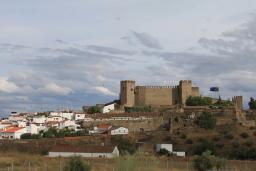
- The castle of Sabugal, one of the Riba-Côa strongholds that Dinis took in 1296 and kept under the Treaty of Alcañices, photographed in 2016. Its keep has five sides. Alvesgaspar, CC BY-SA 4.0, via Wikimedia Commons.
- One of the surviving towers of the castle of Alcañices, the border town in the province of Zamora where the treaty was signed, photographed in 2012. Tajotep, CC BY-SA 4.0, via Wikimedia Commons.
- Ruins on the hilltop of Castelo Rodrigo, photographed in 2022. The castle was one of the Riba-Côa strongholds named in the treaty. Hugo Ferreira, CC BY-SA 4.0, via Wikimedia Commons.
- The Portuguese copy of the Treaty of Alcañices, dated 12 September 1297, in the Torre do Tombo, Lisbon. The slits along the foot held the pendant seals; only a scrap of cord survives. Unknown author, Public domain, via Wikimedia Commons.
- The signing at Alcañices as imagined by Manuel de Macedo for Bernardino Pinheiro's Historia de Portugal (Lisbon, 1877). The artist put the betrothed children in front of the royal party, though Rui de Pina says Dinis's son Afonso stayed behind in Portugal. Manuel Maria de Macedo, Public domain, via Wikimedia Commons.
- The castle and keep of Olivença, Olivenza in Spanish, photographed in 2009. Ceded to Portugal at Alcañices, the town has been governed by Spain since 1801. Axel Cotón Gutiérrez, CC BY-SA 4.0, via Wikimedia Commons.