Rossio Protest Ruling Sends 1974 Demonstration Law to High Court
A Lisbon court ruling that allowed housing activist Renata Cambra to maintain an overnight tent in Praça do Rossio has sent Portugal's 1974 protest decree to the Constitutional Court (Tribunal Constitucional). The public prosecutor (Ministério Público) is required to appeal after the judge found that the 52-year-old law imposing automatic curfews on protests violates the constitution. The Ministry of Internal Administration (Ministério da Administração Interna or MAI) confirmed it will not challenge the decision permitting Cambra's tent through 24 November, while the Public Security Police (Polícia de Segurança Pública or PSP) agreed to comply.

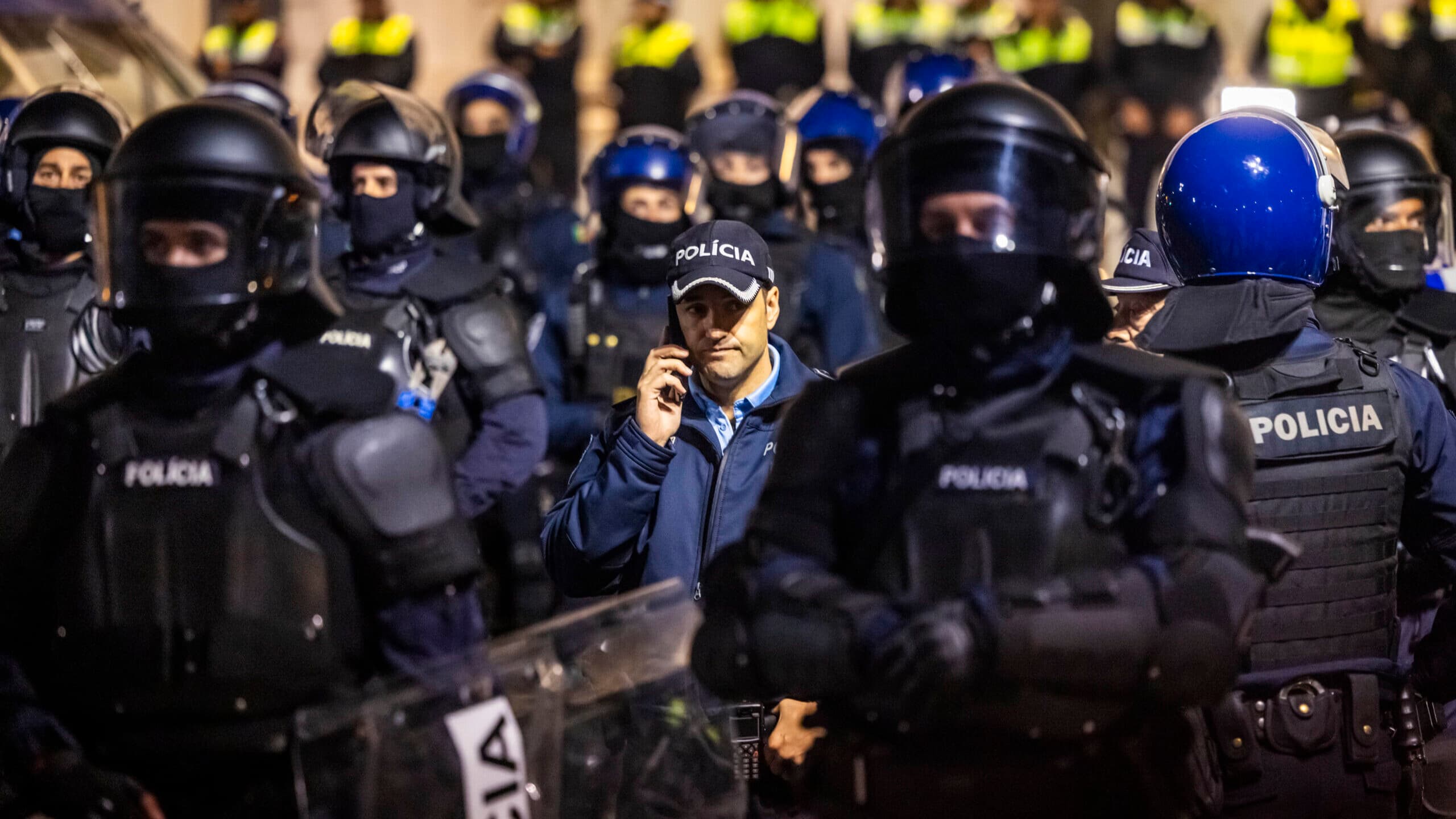
The PSP (Polícia de Segurança Pública) is Portugal's national civilian police force, founded in 1867. Responsible for defending Republican democracy and safeguarding internal security and citizens' rights, the PSP polices major cities—Lisbon, Porto, Faro—and large urban areas, covering only 4% of Portugal's territory but roughly half the population. Led by a National Director under the Ministry of Internal Affairs, its approximately 21,500 officers handle preventive policing, crime investigation, public order, airport security, diplomatic protection, private security regulation, firearms licensing, and border control (since 2023).
PSP vs. GNR: The PSP is civilian with police-focused training and urban jurisdiction, while the GNR (Guarda Nacional Republicana) is military (gendarmerie) with military training, covering 96% of Portugal's rural and suburban territory. Both share core public safety missions but differ fundamentally in nature, training, and geographic responsibility.
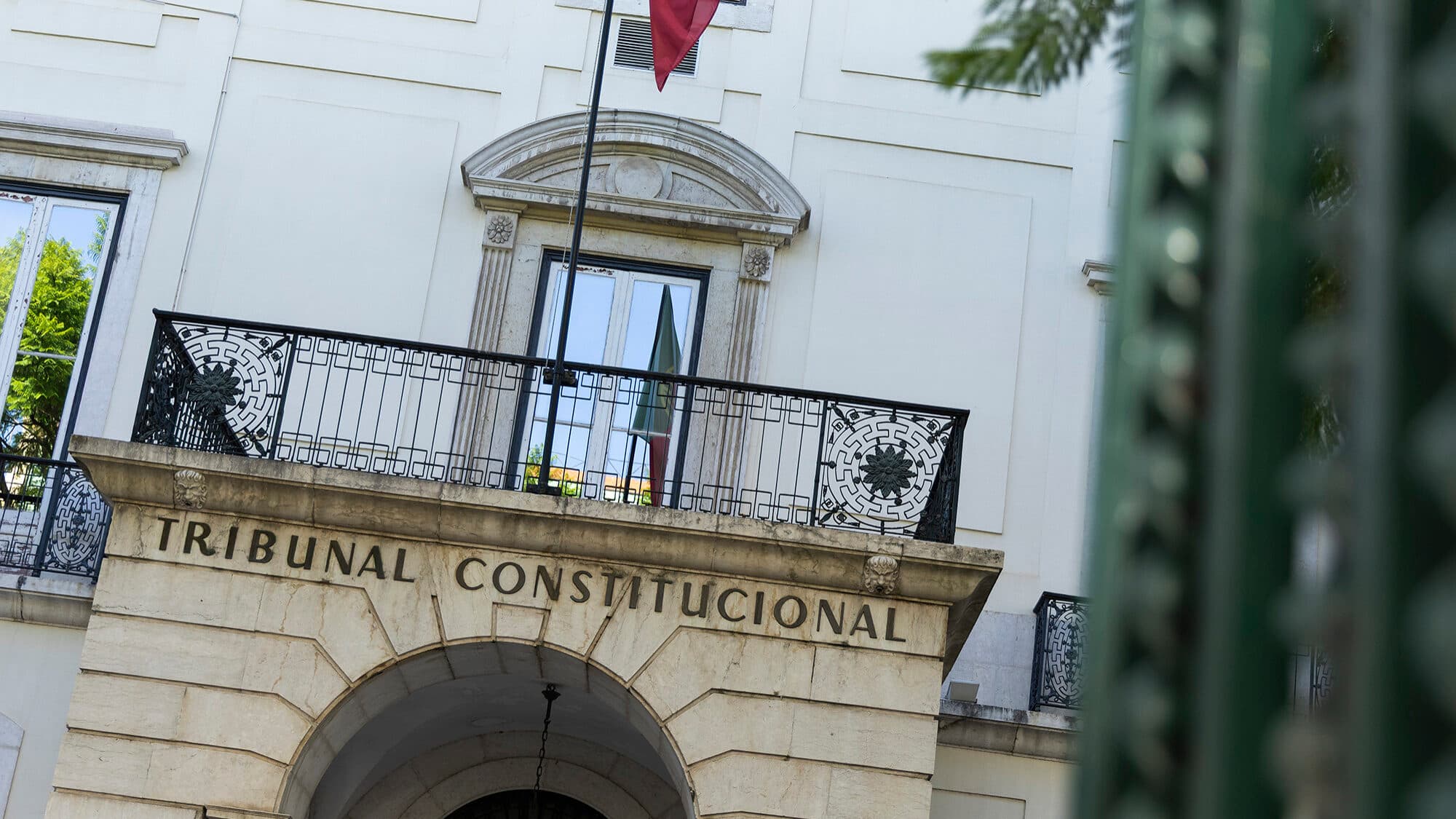
The Constitutional Court (Tribunal Constitucional) is Portugal's highest court for constitutional review. Its primary role is to assess whether laws, decrees, and government actions comply with the Portuguese Constitution, and it has the power to strike down or suspend unconstitutional measures.
The court consists of 13 judges — 10 appointed by the Assembly of the Republic and 3 co-opted by the other judges. It also oversees the legality of political parties and their finances, verifies election results, and rules on the constitutionality of referendums.
The Constitutional Court is frequently in the news when opposition parties, the President, or the Ombudsman refer controversial legislation for review — such as labor reforms, housing laws, or immigration policy changes. Its rulings are final and binding.