European prosecutors investigate construction contracts from Neves' tenure
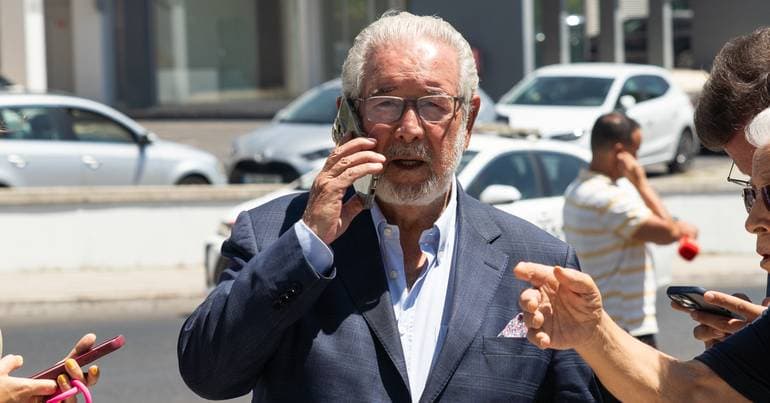
The European Public Prosecutor's Office has requested documents from the Judiciary Police (Polícia Judiciária or PJ) regarding construction contracts awarded to the firm Construbarcelos while the current Minister of Internal Administration, Luís Neves, served as the national director of the PJ. The investigation follows reports that the PJ, under Neves, transferred a trailer containing hazardous drug-production solvents to a private facility after security concerns were raised at a Navy site. Government officials stated they do not intervene in the day-to-day management of such entities.
Update: European prosecutors investigate construction contracts from Neves' tenure
New reports indicate that the European Public Prosecutor's Office is reviewing renovation projects at the PJ headquarters in Guarda, a 4.33 million euro initiative partially funded by the Recovery and Resilience Plan (Plano de Recuperação e Resiliência or PRR). Investigations reveal that over 40% of the funding for contracts awarded by the PJ to Construbarcelos during Luís Neves' tenure came from European sources, with the firm's owner reportedly maintaining personal ties to the minister.
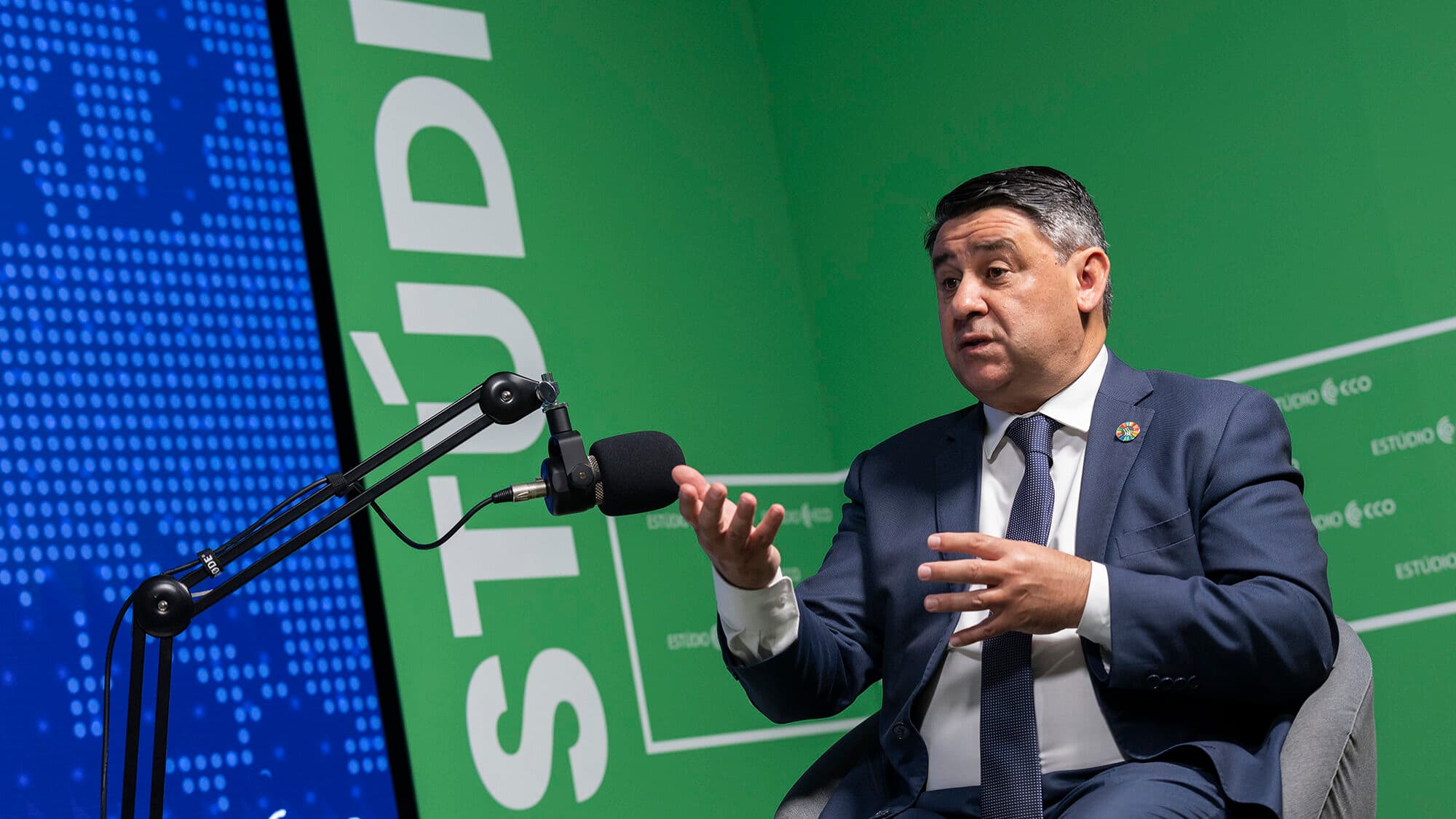
Luís Neves will take office on Monday as Minister of Internal Administration. He graduated in law and has worked at the Judicial Police since 1995, where he served as coordinator of a national unit and developed a long career in criminal investigation.

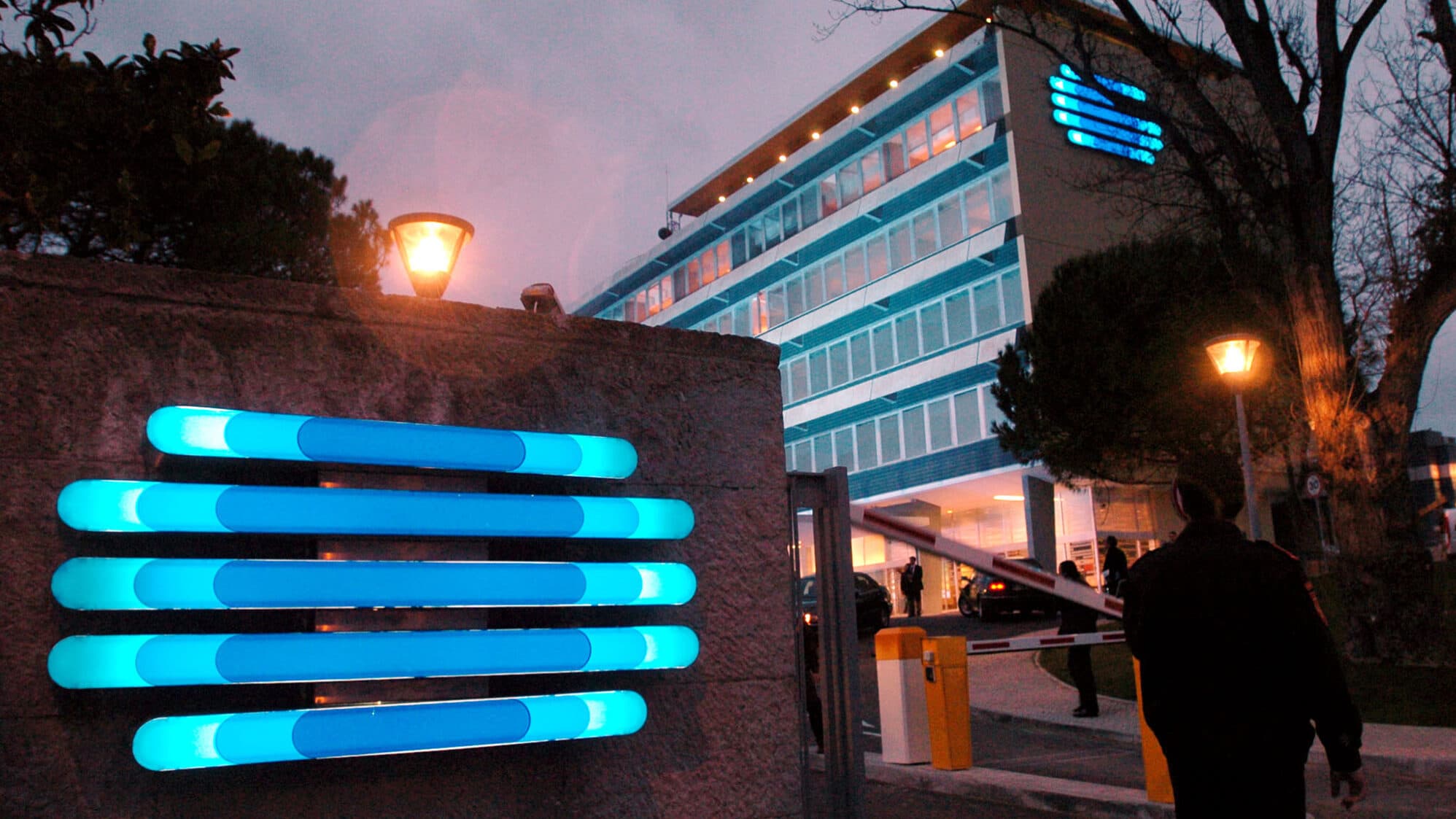
The PJ (Polícia Judiciária) is Portugal's national criminal investigation police agency, founded in 1945. Operating under the Ministry of Justice and supervised by the Public Ministry (prosecutors), the PJ is a "higher criminal police body" specializing in serious and complex crimes. Mission: The PJ assists judicial and prosecuting authorities by investigating terrorism, organized crime, homicide, kidnapping, drug trafficking, corruption, cybercrime, financial crime, and money laundering. It conducts forensic examinations, operates Portugal's Interpol and Europol liaison offices, and maintains specialized units including the National Counterterrorism Unit and National Anti-Corruption Unit. Difference from PSP/GNR: While PSP (civilian urban police) and GNR (military rural police) focus on preventive policing, public order, and investigating minor crimes, the PJ exclusively handles serious crime investigation requiring specialized technical and scientific expertise. PSP and GNR report to the Ministry of Internal Affairs; PJ reports to the Ministry of Justice. PJ officers receive higher pay and prestige but face greater operational risk.
The PRR (Plano de Recuperação e Resiliência) is Portugal's national program under the EU's NextGenerationEU recovery fund, worth approximately €22.2 billion — roughly €16.6 billion in grants plus €5.6 billion in loans. Approved in 2021, it funds reforms and investments across housing, digital transition, climate action, healthcare, and public administration.
Payments from the European Commission are tied to specific milestones and targets. Missed deadlines or incomplete reforms can delay disbursements, affecting public works, infrastructure projects, and social programs that depend on PRR funding.
The PRR is one of the largest investment programs in Portugal's recent history and touches areas from affordable housing construction to hospital modernization, school renovation, and green energy transition. Progress is monitored by the European Commission through regular reviews.