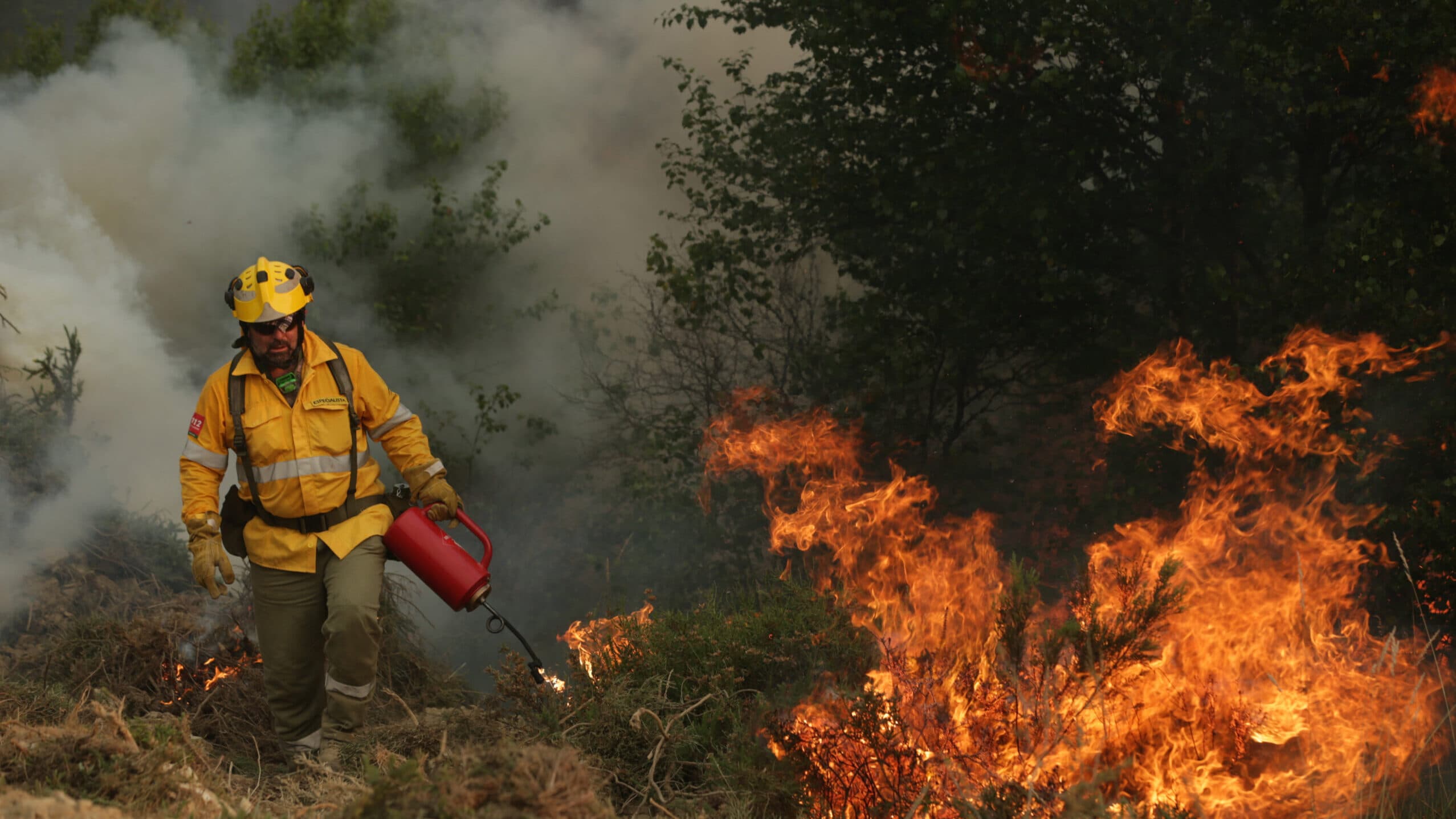
Covilhã invests in reservoirs to fight fires
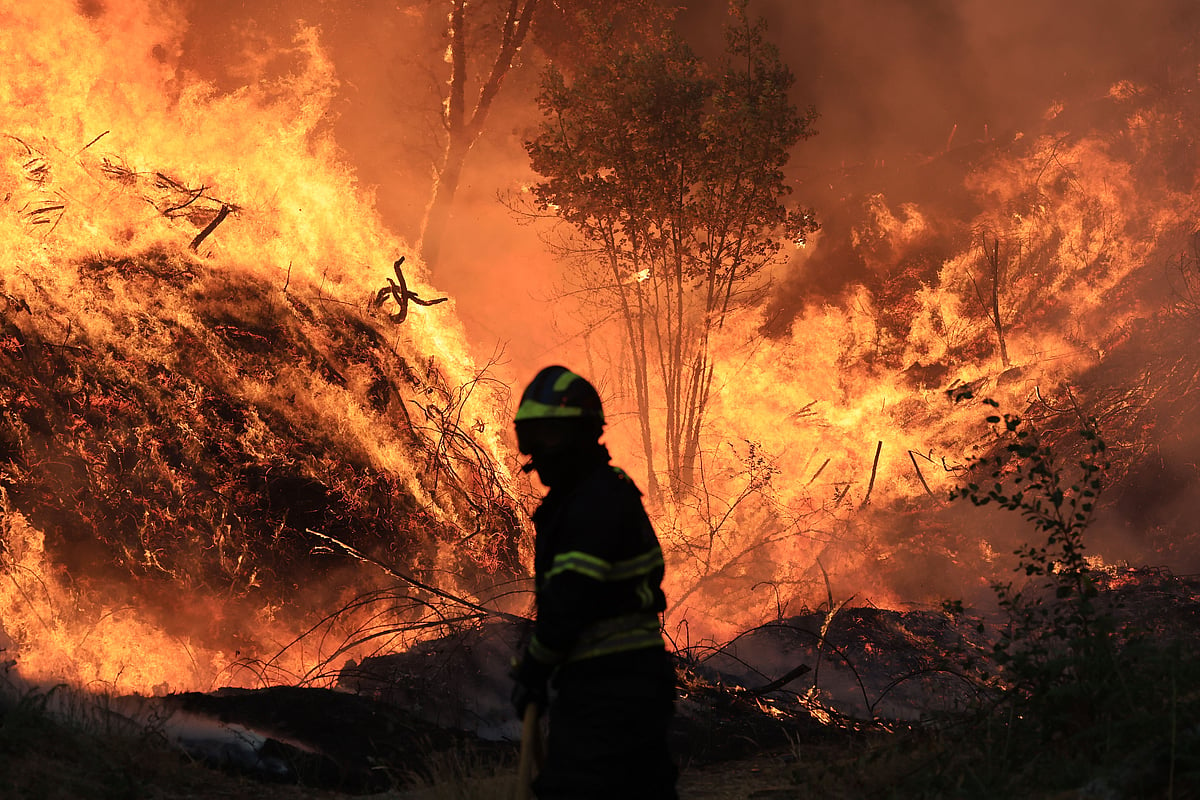
The three reservoirs supporting firefighting efforts have a capacity of 400,000 litres of water and represent a total investment of 120,000 euros.

Latest news and stories about sustainability in government in Portugal for expats and residents.
The three reservoirs supporting firefighting efforts have a capacity of 400,000 litres of water and represent a total investment of 120,000 euros.

The removal of the 47 trees planted on the avenue was suspended in April 2025, leading the Left Bloc to question the City Council regarding a “public and definitive decision” for the protection of the plants.

A recommendation from the Left Bloc (BE) was approved for the council to provide information regarding the decision on the fate of the 47 jacaranda trees.

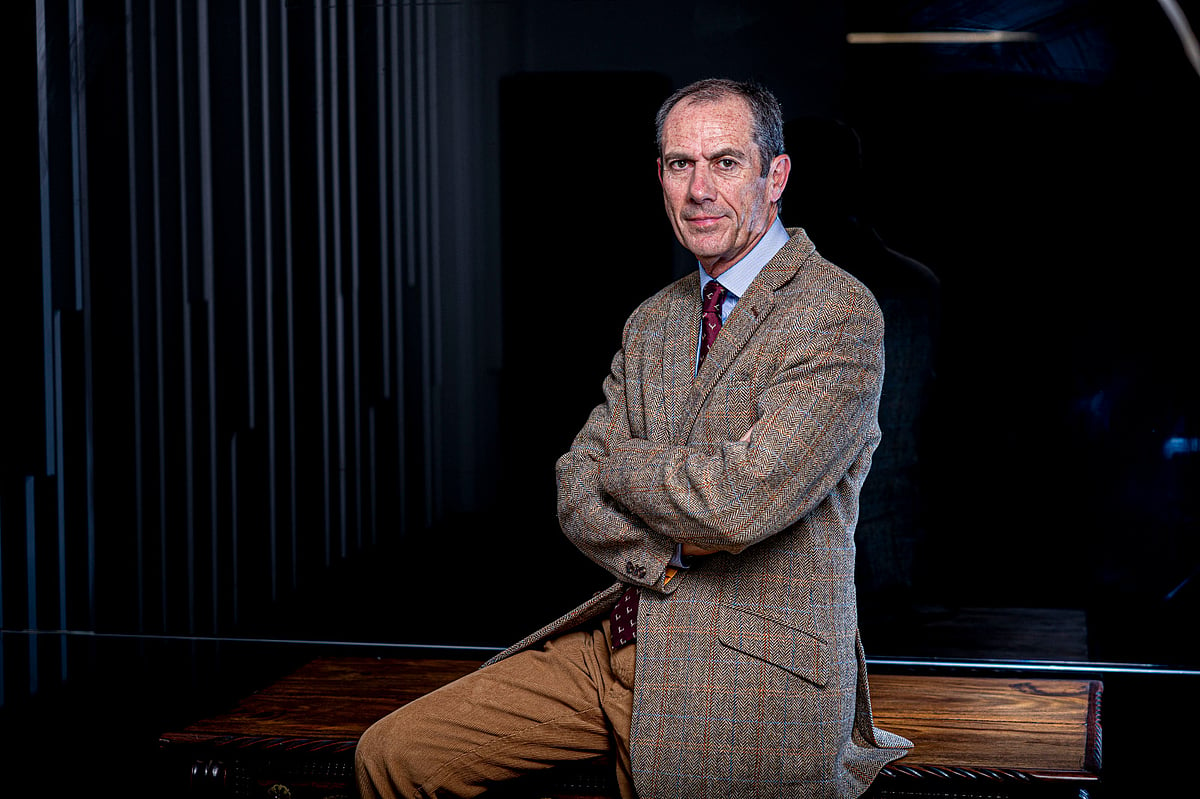
Miguel Ribeiro Henriques has been named the new coordinator of the mission structure for renewable energy projects (Estrutura de Missão para o Licenciamento de Projetos de Energias Renováveis 2030 or EMER 2030). He replaces Fábio Teixeira, whose appointment was rescinded following public criticism regarding his lack of experience in the energy sector. The agency is responsible for accelerating the licensing of green energy initiatives through 2030.

The Portuguese Environment Agency (Agência Portuguesa do Ambiente or APA) has announced a ‑111 million plan to repair coastal damage caused by winter storms. Approximately ‑15 million will be spent before the start of the bathing season (época balnear) in May to restore beach access and infrastructure. Beachgoers should note that nearly half of the planned repairs focus on improving safe access to the shoreline.
APA is the Portuguese Environment Agency (Agência Portuguesa do Ambiente), the national authority that evaluates environmental impacts, enforces environmental law and issues licences or opinions on projects. Its opinions—such as the recent unfavourable view on the Lagoa Salgada mine—carry weight in permitting decisions and can delay or block projects that threaten water or other natural resources.

The government has allocated 15 million euros for urgent beach restoration following significant coastline damage caused by recent severe weather, with total repair costs estimated at 200 million euros.

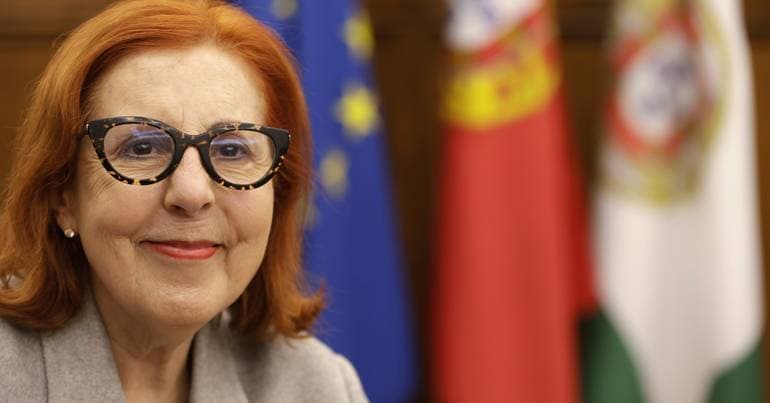
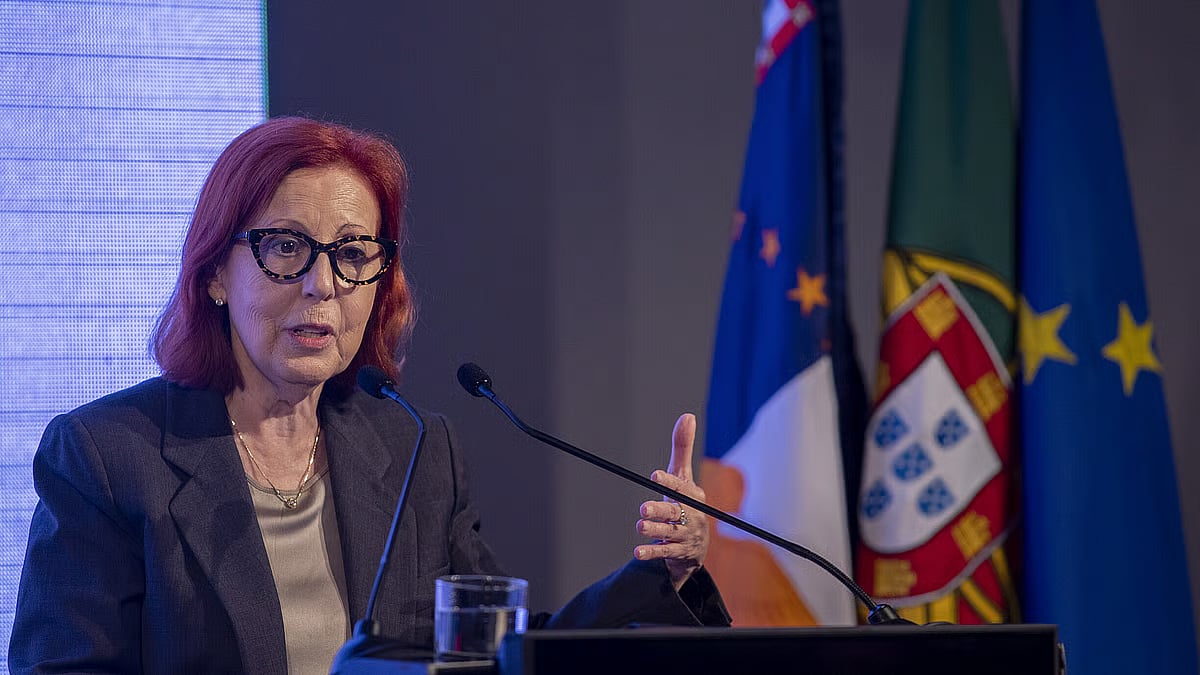
Minister of Environment and Energy Maria da Graça Carvalho has ruled out nuclear energy for Portugal, asserting that the nation's high potential for solar, wind, and hydroelectric power makes renewables the only logical path for energy independence and competitiveness.

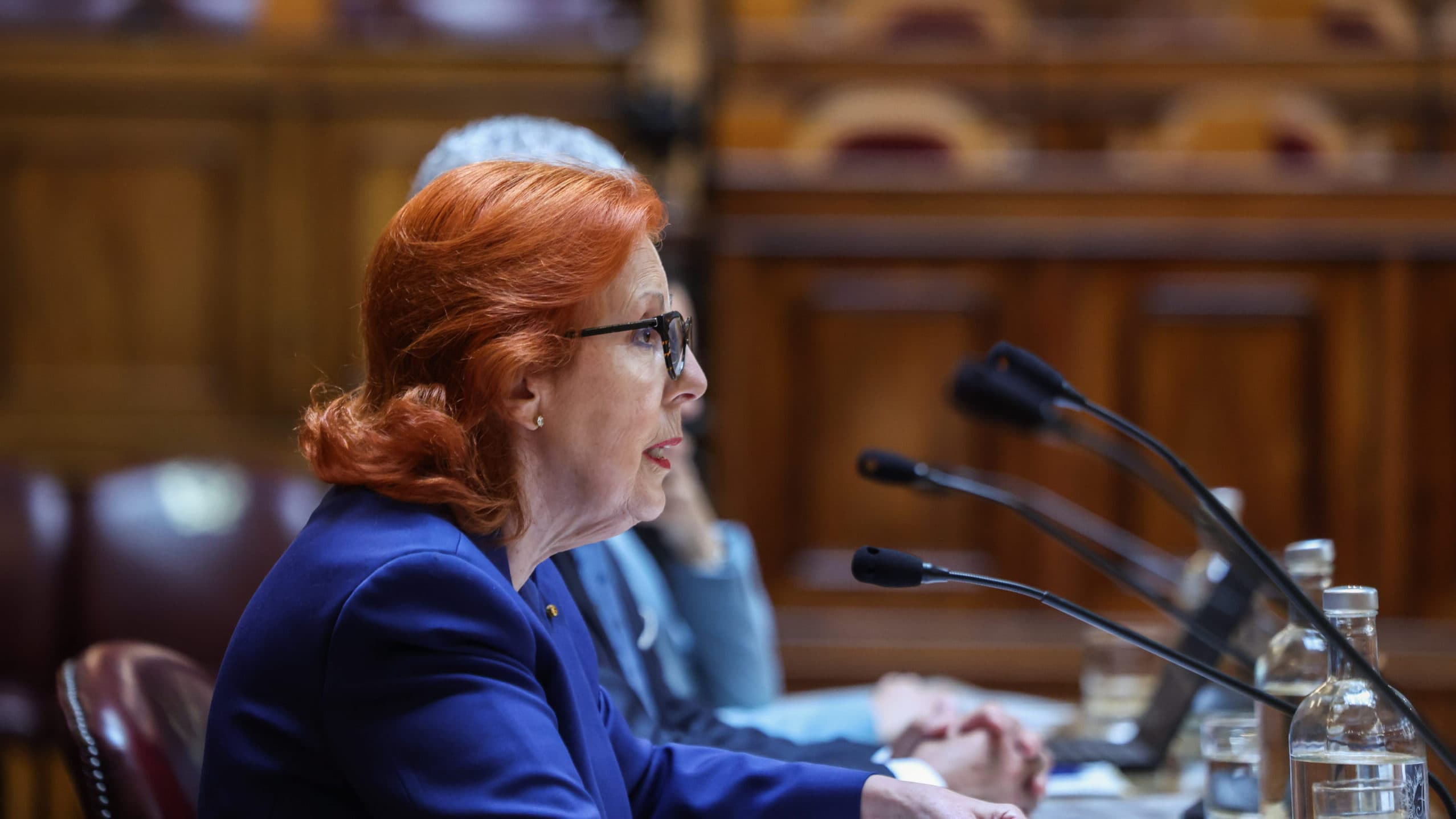
Minister of Environment and Energy Maria da Graça Carvalho stated that fuel prices (preços dos combustíveis) could decrease next week if international Brent crude prices remain low through Friday. The government is monitoring the impact of the Middle East conflict on energy costs and is prepared to offer tax relief via the tax on petroleum products (Imposto sobre os Produtos Petrolíferos or ISP). Drivers should note that a discount applies if prices rise by more than 10 cents.
Update: Portugal to release 10% of strategic oil reserves
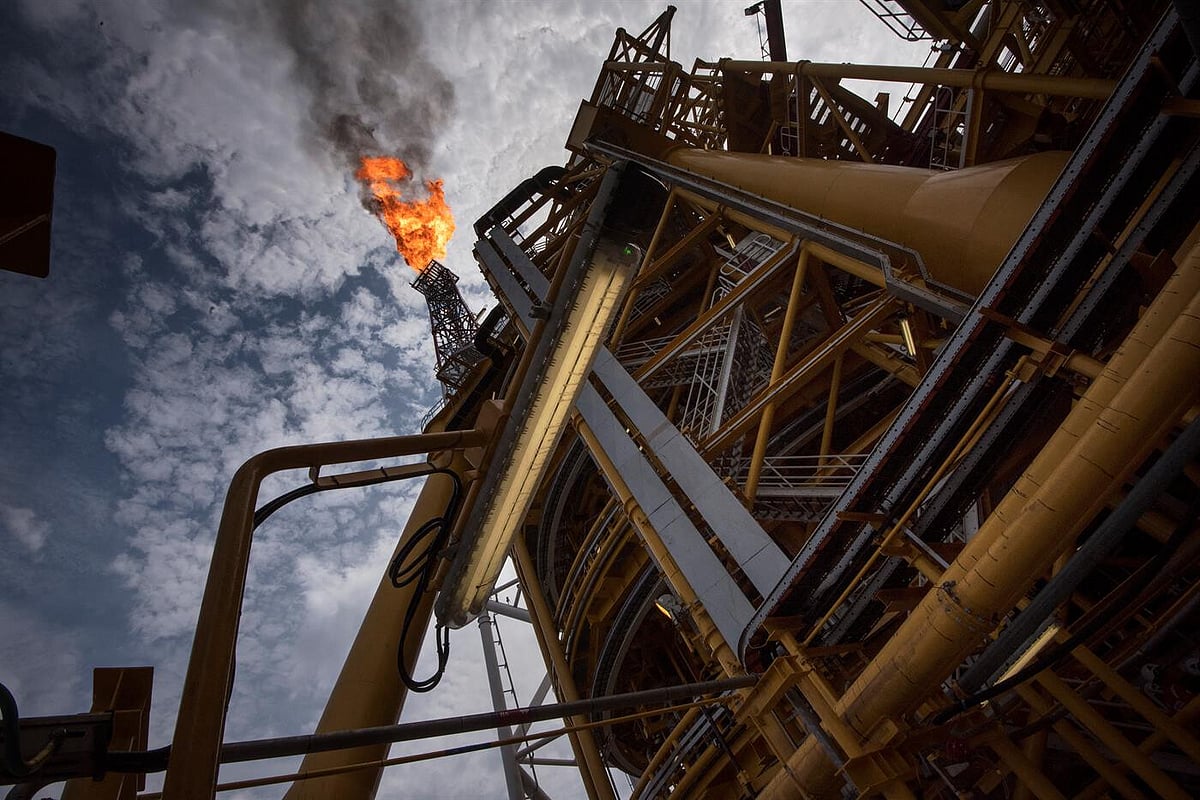
Prime Minister Luís Montenegro announced that Portugal will release two million barrels of oil—roughly 10% of its strategic reserves—to help stabilize fuel prices. This move follows an International Energy Agency agreement to release 400 million barrels globally due to supply risks in the Strait of Hormuz.

Maria da Graça Carvalho, the Energy Minister, is a Portuguese engineer and politician affiliated with the Social Democratic Party (PSD) who has served as a Member of the European Parliament and held government roles connected to science and higher education policy. Her work on research and EU policy can affect funding and regulation that matter to professionals and students living in Portugal.
The ISP is Portugal's excise tax on fuels — the Tax on Petroleum and Energy Products (Imposto sobre Produtos Petrolíferos e Energéticos) — charged as a unit rate per litre on petrol, diesel and other fuels. The government sets and can temporarily cut those unit rates; a recent decision to reduce the rate for road diesel on the mainland aims to lower pump prices and reduce transport costs for drivers and businesses, though it also lowers tax revenue.

Luís Filipe Montenegro Cardoso de Morais Esteves (born February 16, 1973, in Porto) is a Portuguese lawyer and center‑right politician who has served as Prime Minister of Portugal since April 2, 2024. A long‑time member of the Social Democratic Party (PSD), he is the leading figure of the post‑Troika generation of Portuguese conservatives. Montenegro was elected to the Assembly of the Republic in 2002 for the Aveiro district and remained an MP for 16 years, becoming PSD parliamentary leader from 2011 to 2017 during the bailout and austerity period under Prime Minister Pedro Passos Coelho. He was a prominent defender of strict austerity measures, arguing in 2014 that “the life of the people is no better, but the life of the country is a lot better,” a phrase that has followed his public image since. After an unsuccessful leadership bid against Rui Rio in 2020, Montenegro won the PSD leadership in 2022. He then forged the centre‑right Democratic Alliance (PSD–CDS‑PP and allies), which won a plurality of seats in the 2024 legislative election. Refusing to partner with the far‑right Chega, which he has called “often xenophobic, racist, populist and excessively demagogic,” he formed a minority government as head of the XXIV Constitutional Government on April 2, 2024. His first government fell in March 2025 after a no‑confidence vote linked to a conflict‑of‑interest affair, but fresh elections saw the Democratic Alliance increase its seat share, allowing Montenegro to return as prime minister leading the XXV Constitutional Government. His importance to Portugal lies in attempting to re‑center the traditional centre‑right after the crisis years, defending liberal‑conservative economics and EU alignment while drawing a sharp line against formal cooperation with the radical right, thus shaping how Portuguese democracy manages its new multi‑party era.

The article discusses the growing concerns about sustainability in the workplace, emphasizing the need to balance organizational development, economic growth, environmental protection, and community well-being. It highlights the challenges posed by an aging workforce in Portugal, where recruitment difficulties and talent retention issues are becoming more pronounced. The article also addresses gender disparities in the workforce, particularly the prevalence of part-time work among women and the implications for productivity and career opportunities. It calls for a demographic analysis within organizations to adapt health support and public policies that promote sustainable practices, benefiting individuals, organizations, and society as a whole.

The association Zero has highlighted Portugal's excessive vulnerability to international oil market fluctuations, urging for enhanced electrification and strengthening of public transport to mitigate fossil fuel consumption and its economic impacts. They emphasize that this dependence contributes to inflation and economic competitiveness issues, particularly in light of rising fuel prices linked to geopolitical conflicts. Zero advocates for a structural reduction in oil reliance through improved public transport and vehicle electrification, rather than temporary tax relief measures. They also point out that the transport sector is a significant contributor to national greenhouse gas emissions, primarily relying on imported fossil fuels, and call for urgent action to address these challenges.

Portugal and Spain are forging an alliance to address climate change and enhance economic cooperation. At a recent summit, they focused on eliminating barriers for cross-border businesses while prioritizing sustainability initiatives.

Tourism is a vital part of the Portuguese economy, but it must adapt to new challenges such as increasing value, diversifying markets, and managing visitor flows effectively. Lídia Monteiro from Turismo de Portugal emphasizes the need for strategic growth in a competitive global landscape.

The energy transition is a critical issue that must be prioritized in economic, industrial, and climate policy discussions. It is essential for sustainable development and addressing climate change.

On February 21, the Zero Association for Sustainable Land Systems called for the reoccupation of vacant buildings to create affordable housing under the National Building Renovation Plan (PNRE). They emphasized the need for clearer targets, social safeguards, and better coordination with existing national policies to ensure the plan meets its climate and social objectives. The association warned that without these measures, the plan could lead to negative outcomes such as rent increases and displacement of vulnerable tenants. They also highlighted the importance of transparency in financing and the need for mechanisms to support low-income households.

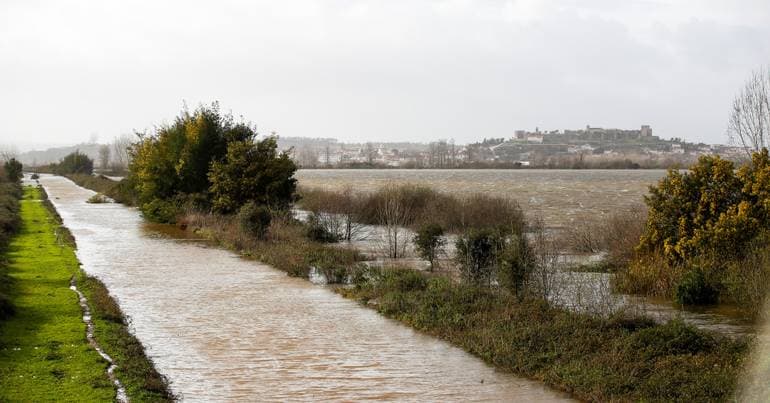
Weather phenomena do not conclude with the receding of water; their impacts persist in the lives of individuals, exacerbating existing inequalities.

Economist João Rodrigues dos Santos warns that the €2.5 million package announced by the Prime Minister to support populations and businesses affected by Storm Kristin is likely insufficient. He argues the sum will fall short of actual needs and calls for larger, targeted structural investment in climate adaptation and resilience — prioritising long-term public safety, sustainable infrastructure and policy measures rather than one-off relief.

Former Secretary of State for the Environment Joaquim Poças Martins warns that a distinctive dike system in Portugal — described as unique nationwide — was designed for a different climatic baseline and may not cope with the growing intensity and frequency of extreme events such as droughts and floods. He argues the infrastructure and current management practices are not prepared for today’s severe weather patterns, raising questions about public safety, long-term resilience and whether such a project would be approved under modern standards. The assessment points to the need for policy review, risk reassessment and investment in adaptive measures.
![This [dike] system is unique in Portugal, perhaps it wouldn't be built today](/_next/image?url=https%3A%2F%2Fimg.iol.pt%2Fimage%2Fid%2F698efe22d34e6a48f4467fff%2F200.jpg&w=3840&q=75)
The sustainability of health systems necessitates proactive government measures that extend beyond immediate responses, addressing structural challenges and acknowledging health as a vital infrastructure for the nation.

The upcoming presidential election on February 8 presents significant challenges for the elected candidate, including addressing the impacts of climate change, such as severe storms, and making critical decisions regarding labor law reforms.

Miguel Miranda emphasizes the importance of proactive climate risk management, arguing that it requires significant investment in infrastructure changes, such as burying electrical networks and restricting construction in flood-prone areas. He advocates for Portugal to reassess its priorities and make tough decisions to prevent reactive measures after disasters occur.

The Socialist Party (PS) has asked that Agriculture Minister José Manuel Fernandes be summoned to the Assembly of the Republic after a video surfaced in which he appears to urge environmental authorities to 'not comply with the law'. PS says the comments constitute 'illegitimate pressure' on environmental bodies, reflect a dangerous government denialist stance and raise concerns that legislative or regulatory changes might be pursued to legitimise contested projects.

The Government has received the first environmental report for the proposed new Lisbon airport, submitted by ANA – Airports of Portugal. The Ministry of Infrastructure said the next step is delivery of a technical report by 16 July, which will detail the project’s principal environmental impacts and justify the choice of location within the Campo de Tiro de Alcochete perimeter. The final environmental impact study is expected to be submitted to the Portuguese Environment Agency in the third quarter, marking a new phase in the planning and regulatory review of the airport project.

The government has committed €110 million to support lithium extraction projects despite strong public opposition. Environmental groups describe the funding as a 'blank cheque' paid for by taxpayers, arguing it risks local ecosystems and undermines sustainability claims. The injection of public funds raises wider questions about fiscal priorities, state backing for critical minerals, regulatory oversight and democratic legitimacy amid popular resistance.

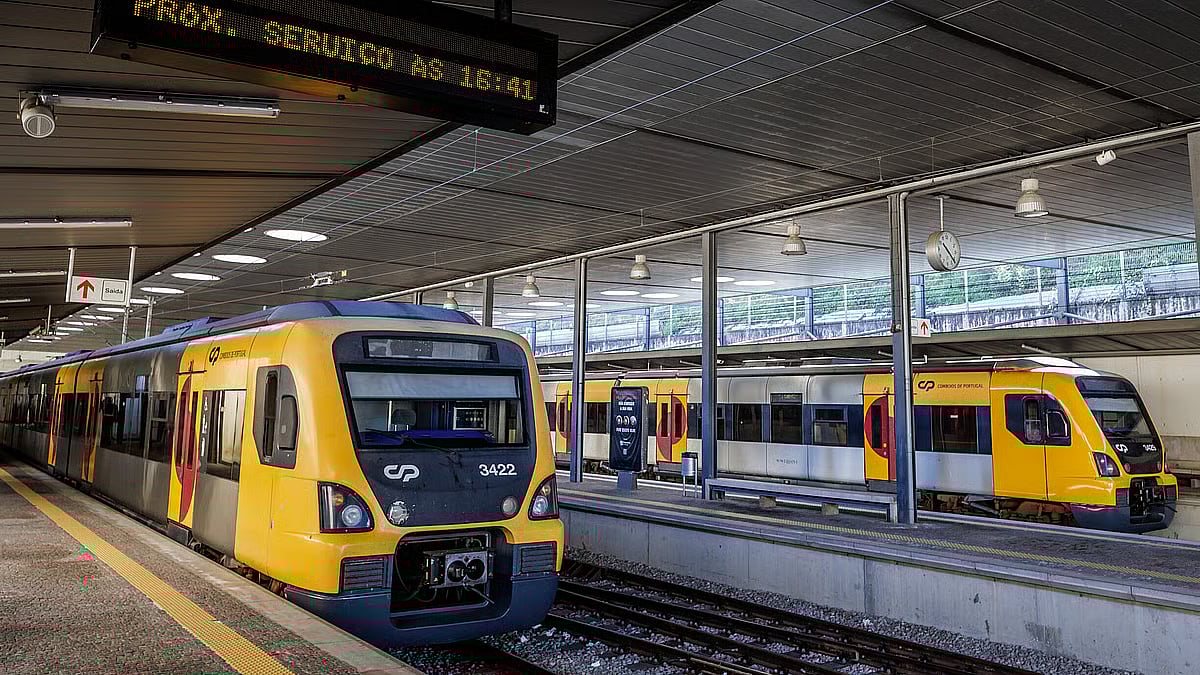
The Socialist Party (PS) parliamentary group will table an amendment this Wednesday to allow the previous and new electric mobility regimes — the latter published in August — to operate in parallel. Socialist deputy Pedro (quoted) says the proposal lets 'whoever wants to remain with the previous model stay' and those who prefer the new framework move to it, effectively offering regulated choice rather than a forced transition. Analytically, the move aims to protect operators and consumers from disruptive change and preserve investment and service continuity, but it also risks prolonging regulatory complexity and creating uncertainty for long-term EV policy and market signalling.

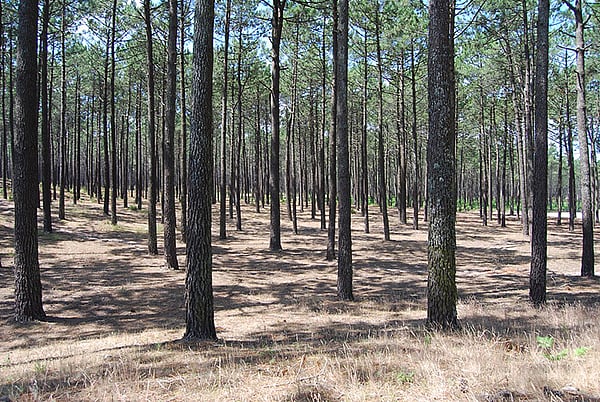
A chronicle of a forest turned upside down, caught between carbon and calamity. Opinion by Pedro Portugal

China has condemned the European Union’s new import-control mechanism targeting polluting products as discriminatory and unfair, and has pledged to take “necessary measures” in response. The move highlights a growing regulatory clash between trade and sustainability goals: while the EU says it seeks to curb pollution embedded in imports, affected exporters view the rules as protectionist. The dispute could prompt diplomatic friction, potential retaliatory actions or legal challenges and create uncertainty for supply chains and companies navigating diverging environmental standards.