Portugal reaches new high in science spending, still far from the 3% target
Portugal has recorded its highest level of investment in science and research, although it remains significantly below the European Union's 3% of GDP goal.
Público

Latest news and stories about research in finance in Portugal for expats and residents.
Portugal has recorded its highest level of investment in science and research, although it remains significantly below the European Union's 3% of GDP goal.
Portugal achieved a record 368 European patent applications in 2025, marking a 6.1% growth driven primarily by advancements in computer technology and contributions from national universities and companies.

Collaborative Laboratories (CoLAB) and Technology and Innovation Centres (CTI) can now apply for a 45 million euro tender from Compete 2030 aimed at bringing scientific knowledge closer to the business sector. Applications opened on 12 August and close at 17:00 on 15 October, according to notice COMPETE2030-2026-7. The European Fund...
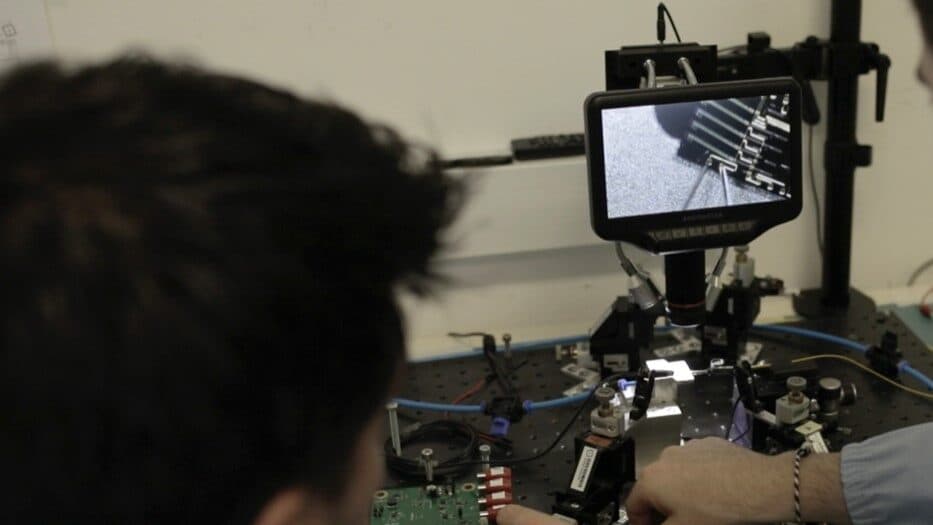
Portugal invested more than one billion euros in research and development for 2025, marking the third highest growth rate within the European Union.

The country invested 5.584 billion euros in science in 2025, according to provisional data just released. The growth in science investment is almost exclusively supported by companies.
The Portuguese government aims to promote the commercialisation of research and innovation within the maritime sector.
Home News Portugal research reaches milestone for European industrial autonomy Portugal research reaches milestone for European industrial autonomy N9VE has begun producing rare earth oxides with a purity level exceeding 99.

A Portuguese consortium led by Controlar and Graphenest has launched the Astral project to develop stealth technology in Europe, aimed at reducing equipment detectability with 1.86 million euros in funding. The dual-use technology is intended for both civil and defence sectors, with potential involvement from the Portuguese Air Force in final testing. The project aims to create a flexible, graphene-based material to replace bulky foam linings in anechoic chambers, reducing European dependence on US-sourced industrial secrets in critical sectors like autonomous mobility and telecommunications.

The Portuguese consortium led by Controlar and Graphenest has launched the Astral project to develop, for the first time in Europe, stealth technology that makes equipment less detectable, with funding of 1.86 million euros. The technology has dual-use applications, meaning it can be used for both the civil and defence sectors.

Portugal has 41 collaborative laboratories (CoLABs) from north to south of the country, and last year they generated 75 million euros in added value, according to the socio-economic impact study of Collaborative Laboratories in Portugal, presented this Thursday at the Porto Business School. Of these 75 million euros, 36 million are directly attributed, the...

The year 2026 concludes the largest investment package in applied research projects ever carried out in the country. It amounts to nearly 8 billion euros in investment. Opinion by Lino Fernandes.

Portugal has been one of the countries that has best used these funds to make scientific excellence an engine of economic growth. Opinion by Arlindo Oliveira

To remain competitive, Europe and Portugal must prioritise research and innovation. This imperative is highlighted in the Draghi report on the future of European competitiveness.

The creation of the Agency for Research and Innovation (AI²) aims to bridge the historical gap between scientific production and business innovation in Portugal. By merging the functions of the Foundation for Science and Technology (FCT) and the National Innovation Agency (ANI), the state seeks a more integrated approach to research policy. The article argues that tax incentives for R&D, such as SIFIDE, are essential tools in this new model, acting as a bridge that encourages collaboration between companies and research institutions, thereby transforming scientific knowledge into economic and social value.

The Government has approved nearly 20 million euros in funding for supercomputing, including an investment in specialised computing capacity for artificial intelligence (AI). The expenditure concerns two strategic projects by the Foundation for Science and Technology (FCT) over the coming years: the Deucalion supercomputer and the MareNostrum supercomputer.

Three Portuguese applied research programmes in the field of agriculture are finalists in the 3rd edition of the Innovation Awards Roullier, promoted by the French giant specialising in plant and animal nutrition, which awards funding of up to 300,000 euros to the best international innovation project. The winners will be announced on 2 April at a...
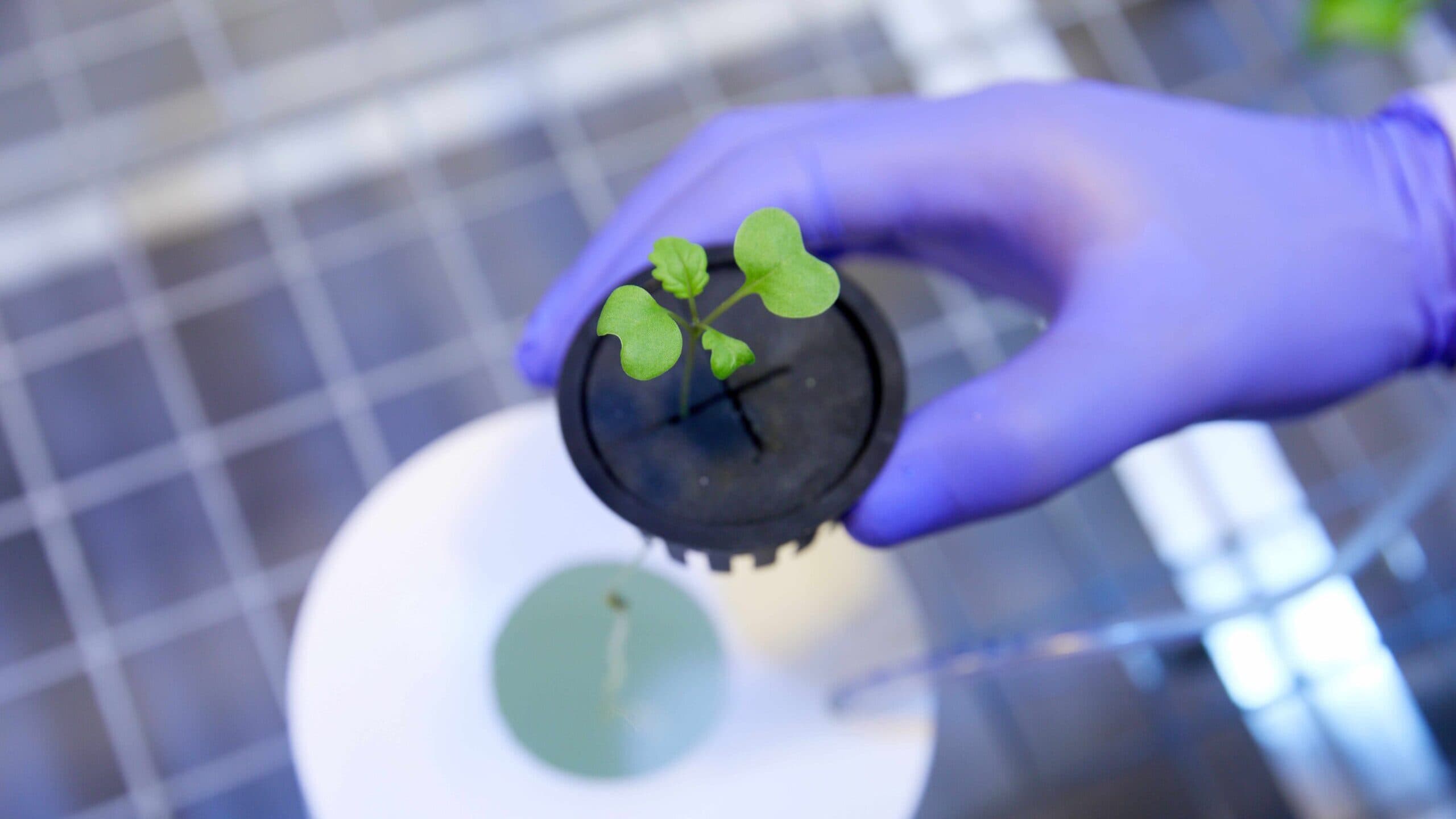
The North region accounts for 39% of national applications. OPRIMEE, NOS Inovação, and INESC Porto are the three main Portuguese applicants.
Computer technology and health lead Portuguese innovation. OPRIMEE, NOS Inovação, and INESC Porto are the largest applicants. The north of the country accounts for 39% of the applications.