

Patent applications soar 43% in Portugal
Patent applications in Portugal have surged by 43%, highlighting a significant rise in invention requests despite ongoing challenges in private R&D investment.
ECO

Latest news and stories about innovation in finance in Portugal for expats and residents.
Patent applications in Portugal have surged by 43%, highlighting a significant rise in invention requests despite ongoing challenges in private R&D investment.
Portugal possesses a distinct set of advantages that make it an appealing destination for international business hubs and startup companies.

The launch of a major competition during the summer months reflects a bureaucratic approach that fails to align with the practical needs and operational realities of businesses.

Portugal achieved a record 368 European patent applications in 2025, marking a 6.1% growth driven primarily by advancements in computer technology and contributions from national universities and companies.

The Portuguese textile industry is comprehensive, sustainable, and technologically advanced, states António Braz Costa, director-general of Citeve, the technological centre that supports the sector in multiple areas, during a conversation on the Expresso podcast “League of Innovators”.

Defense needs, above all, companies capable of transforming specialized knowledge into reliable solutions. And this is where many Portuguese SMEs can make a difference, stated the Chief of Staff of the Air Force, General Sérgio Pereira, during the 'Portugal–Finland on Defense and Innovation' dinner-debate promoted by AEMinho and Sterling Prime Consulting, which took place...

The growth of data infrastructure and artificial intelligence is positioning Portugal as a competitive player in the global technology sector.

The Health from Portugal project is set for full implementation, with projections indicating an increase in export value to 1.054 billion euros by 2027.

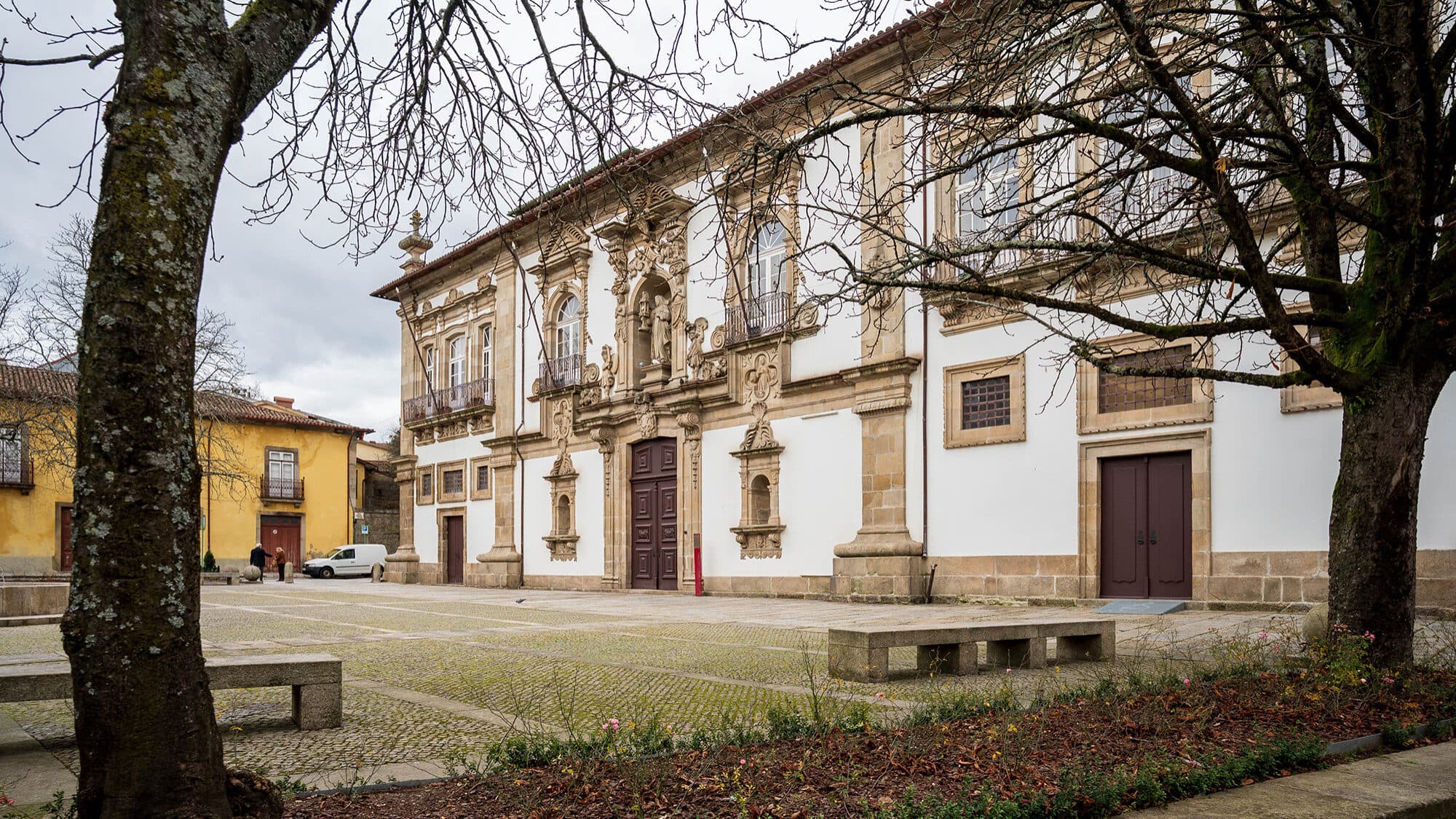
In a municipality where over 40% of employment is concentrated in the manufacturing industry, Guimarães seeks to diversify its business fabric, making it more competitive while strengthening its capacity for innovation and internationalisation. The local authority's focus is on boosting productivity and raising salary levels. “Innovation is truly key to our future. It is the element...”
The International Organisation of Vine and Wine (OIV) has officially endorsed a new analytical procedure submitted by Portugal to verify the geographical origin of wines by measuring strontium isotopes.

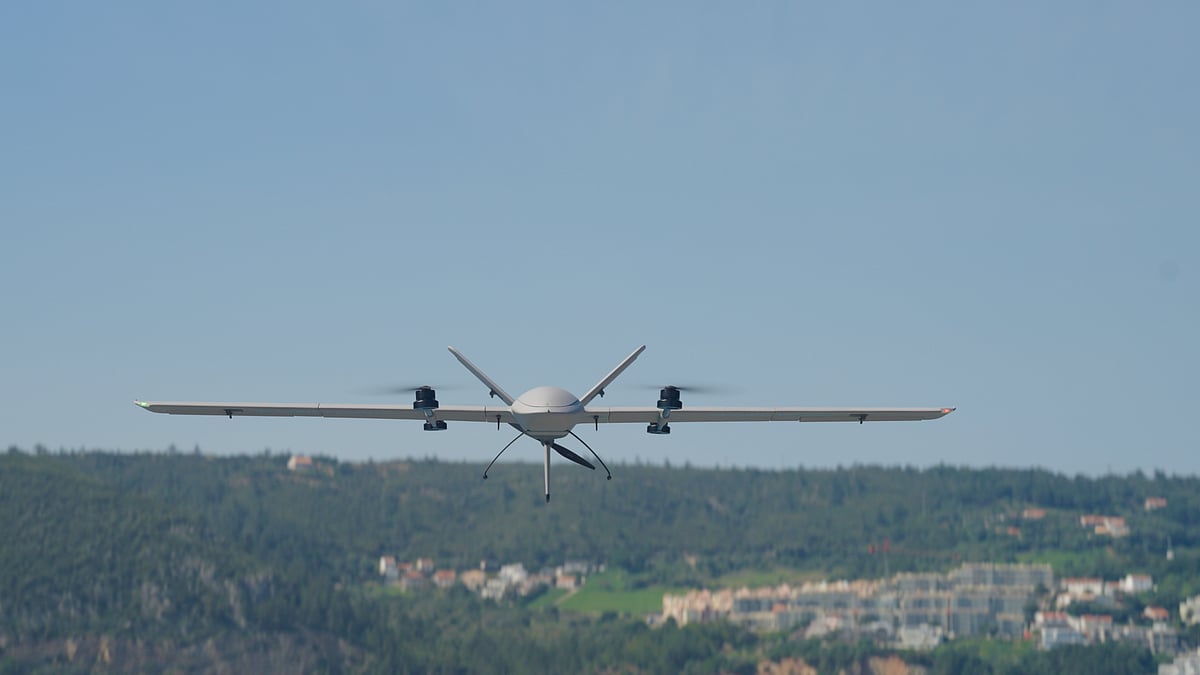
Portuguese firm Tekever – Portugal’s seventh unicorn company after a funding round pushed its valuation past one billion pounds/ euros/ dollars, and which specialises in drones equipped with artificial intelligence The post Portuguese unicorn Tekever sells drones to U.S. Special Operations appeared first on Portugal Resident.

According to Tekever, the acquisition represents another step in its long-term commitment to the United States and the American special operations community.

Tekever, a Portuguese technology firm specialising in AI-powered drones, has secured a deal with the United States Special Operations Command (USSOCOM) to supply unmanned aerial systems. The financial terms were not disclosed. The equipment passed a rigorous testing phase involving extensive flight campaigns. Due to operational confidentiality, details regarding the number of units and specific models remain undisclosed. These drones are designed for intelligence, surveillance, and reconnaissance missions in complex environments, utilising AI-driven software. CEO Ricardo Mendes stated that this contract is a significant milestone in their ongoing relationship with US elite forces. Tekever operates globally with over 1,500 staff and has recently expanded into Germany with a new headquarters in Munich.

Originating from Alentejo and presented in London, the lightest wine bottle on the market aims to reduce the carbon footprint associated with wine production and transport.

In Olhão and Castro Marim, the blue crab is being studied for commercial purposes

Over the last ten years, Portugal has demonstrated a remarkable capacity to attract investment, create new innovation hubs, establish itself as a destination for international talent, and modernise traditional sectors of the economy. But the question that should define the next decade is not whether Portugal can grow. It is whether Portugal can scale up. In an increasingly global context...

The Algarve-based company Frusoal, which is the largest citrus producer organisation in the country, has invested 515,000 euros in creating a research and development (R&D) centre to combat pests and diseases, find new uses for by-products, and study cultivation methods and practices for more sustainable agriculture.

An analysis of Portugal's shortcomings and challenges in adapting to the age of artificial intelligence as part of the 10th-anniversary coverage of Jornal Económico.

Lagoa hosts more than 1,200 tourism and restaurant entrepreneurs this Thursday and Friday for the AHRESP congress. The congress is held under the motto 'The Art of Knowledge — Where intuition meets the algorithm', with part of the debate intertwined with the challenges of artificial intelligence in the industry.

Beyond Vision, a leading manufacturer of unmanned aerial systems, has secured over 28 million euros in funding to scale industrial production, accelerate AI-driven innovation, and expand its footprint in the global defence and security sectors. The funding round was co-led by Índico Capital Partners and Lince Capital. The company, which is an official NATO supplier, aims to leverage this capital to meet rising international demand for its autonomous vehicle technology.
Portugal holds the 15th position in Europe regarding the number of patent applications filed by research-based spin-off companies.

Europe is far behind the US and China in developing artificial intelligence models. However, the strategy should not be to spend vast financial resources to get ahead in the race, but rather to invest in creating the best applications for using existing models, argues Sofia Marta, country manager at Google.
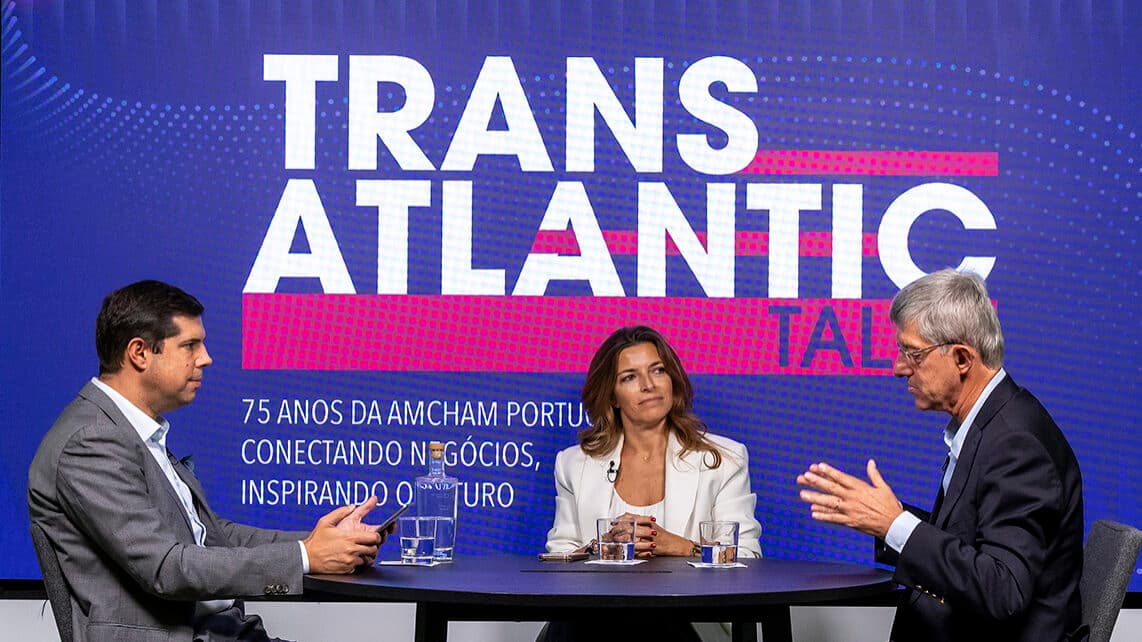
Is it possible to remove alcohol from wine without removing its identity? And are 5 or 10 euro wines good or just cheap? With wine consumption declining worldwide, is it worth replacing vineyards with almond or olive groves? António Maria Soares Franco, co-CEO of José Maria da Fonseca, one of the oldest national companies in the sector, appeared on the 'League of Innovators'

Artificial intelligence could democratise knowledge, but it could also concentrate wealth. Opinions diverged among speakers at the ‘Business as Unusual’ conference, hosted by the BCSD with Expresso as media partner.

The goal is to make the work of certified accountants easier. Additionally, Elon Musk announces that he will distribute shares to children in the US.

National patent applications increased by 36.8% between January and September 2026, compared to the same period last year, totalling 1,093 requests. The figures were highlighted during the celebrations of the 50th anniversary of the INPI, which was created in 1976 during the early years of Portuguese democracy. The conference 'Half a Century of History. Thinking...' was held.
No organisation can, on its own, gather all the knowledge necessary to keep up with the speed of technological change. In the insurance sector, this realisation is no longer theoretical. Population ageing, new climate risks, cybersecurity, mobility, and the demand for more accessible, faster, and personalised healthcare services present challenges that are no longer...

The Portuguese economy faces major challenges, and reindustrialisation must be a priority. 30 years after Michael Porter's diagnostic, the central issue remains: the economic model must be reinvented or competitiveness will continue to decline. Portugal lacks a collective understanding that dynamic competitiveness, based on balanced territorial strategies, is the only way forward. A new industrial paradigm must focus on innovation and knowledge to foster social and territorial integration. Addressing the deindustrialisation of the last 30 years requires a focus on systemic renewal and leveraging market value through innovation and artificial intelligence. Ultimately, a 'New Industrial Portugal' requires clear strategic priorities to ensure sustainable development and social cohesion.
