Portugal loses crypto-asset operators as new European rules come into force
The implementation of new European regulations has led to a reduction in the number of crypto-asset operators active in Portugal.
Expresso

Latest news and stories about european policy in europe in Portugal for expats and residents.
The implementation of new European regulations has led to a reduction in the number of crypto-asset operators active in Portugal.
The Draghi Report's ambitions force Europe to confront uncomfortable realities: it is falling significantly behind global competitors. The analysis argues that the ‘race’ has been underway for years and that closing the gap requires urgent, active policy choices — including structural reforms, targeted investment and a renewed focus on competitiveness across the single market.

For too long, Europe has grown accustomed to living in a comfortable world. The United States guaranteed much of its security, Russia provided cheap energy, and China produced much of what Europeans consumed at a low cost. Today, the geopolitical landscape has shifted, and the war in Ukraine has starkly demonstrated that European peace is not a given. Europe must now address its dependencies in energy, defence, and technology—particularly in Artificial Intelligence—to regain its autonomy. This does not mean isolation, but rather the capacity to make its own choices. Portugal, as part of this union, must also recognise that its sovereignty is strengthened by contributing to a more robust Europe, while addressing the political challenges posed by citizens' concerns over security, the cost of living, and competitiveness.

The event brought together 40 young Portuguese people and figures from national and European politics

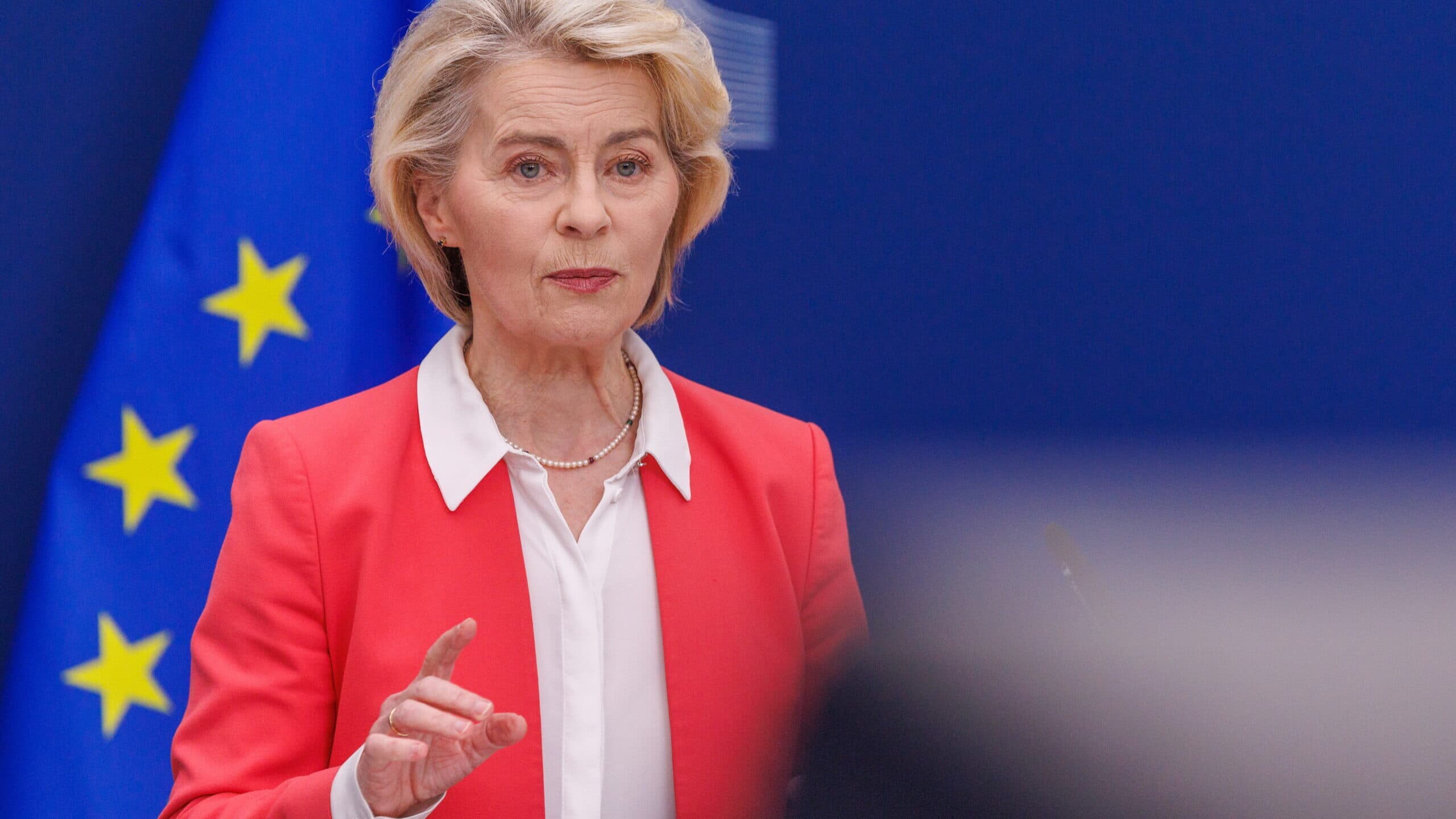
It is not only in defence that Europe must unite. In Space “we must act as one Europe”, appealed Ursula von der Leyen at the International Space Summit in Paris. In the proposal for the next European multiannual framework, Europe proposed 131 billion euros for defence and security.
More money for new European priorities without increasing the bill for member states. This is the difficult equation for the next European Union budget.

An analysis by the European Council on Foreign Relations states that Europeans still dream, but have no hope in their political leaders. 'A trajectory instead of big dreams' is needed to convince the 'uncertain'.

At this stage of capitalism, the next goal is the destruction of the European welfare state, which has already begun

The EU’s top diplomat, Kaja Kallas, wanted a group of heavyweight former leaders to come up with fresh ideas to address Europe’s defense gaps. Instead, the initiative was killed before it even launched. Zoya Sheftalovich and Ian Wishart look at why some capitals pushed back — and what the episode says about Kallas’ authority and ...
Kaja Kallas argues that electoral results must be respected. She notes that Russian threats are moving closer to Europe, confirming this idea with an incident at Leipzig airport.

The French president challenged the president of the European Commission, Ursula von der Leyen, to present a European legislative text that prohibits access to social media for all minors under 15. Emmanuel Macron states that this measure aims to protect all children in the European Union.
Europe relies too heavily on creating new laws to solve economic challenges, while failing to enforce them. A growing number of foreign operators on digital platforms systematically bypass European safety, environmental, and technical standards, creating unfair competition. The author argues that the EU must shift from merely legislating to actively enforcing its rules, holding digital platforms accountable for the products sold through them, and ensuring that compliance is not optional for non-EU entities.

The 'European Degree' counters the current measure that requires requesting equivalencies to be able to work in one's field of training in another European country.
António Costa uses a football metaphor to argue that Europe must have “champions” to boost the bloc's competitiveness. The President of the European Council argued that it is necessary to mobilise the talent of the 27 European nations. Sport was the formula used to convey the message that Europe needs to be...
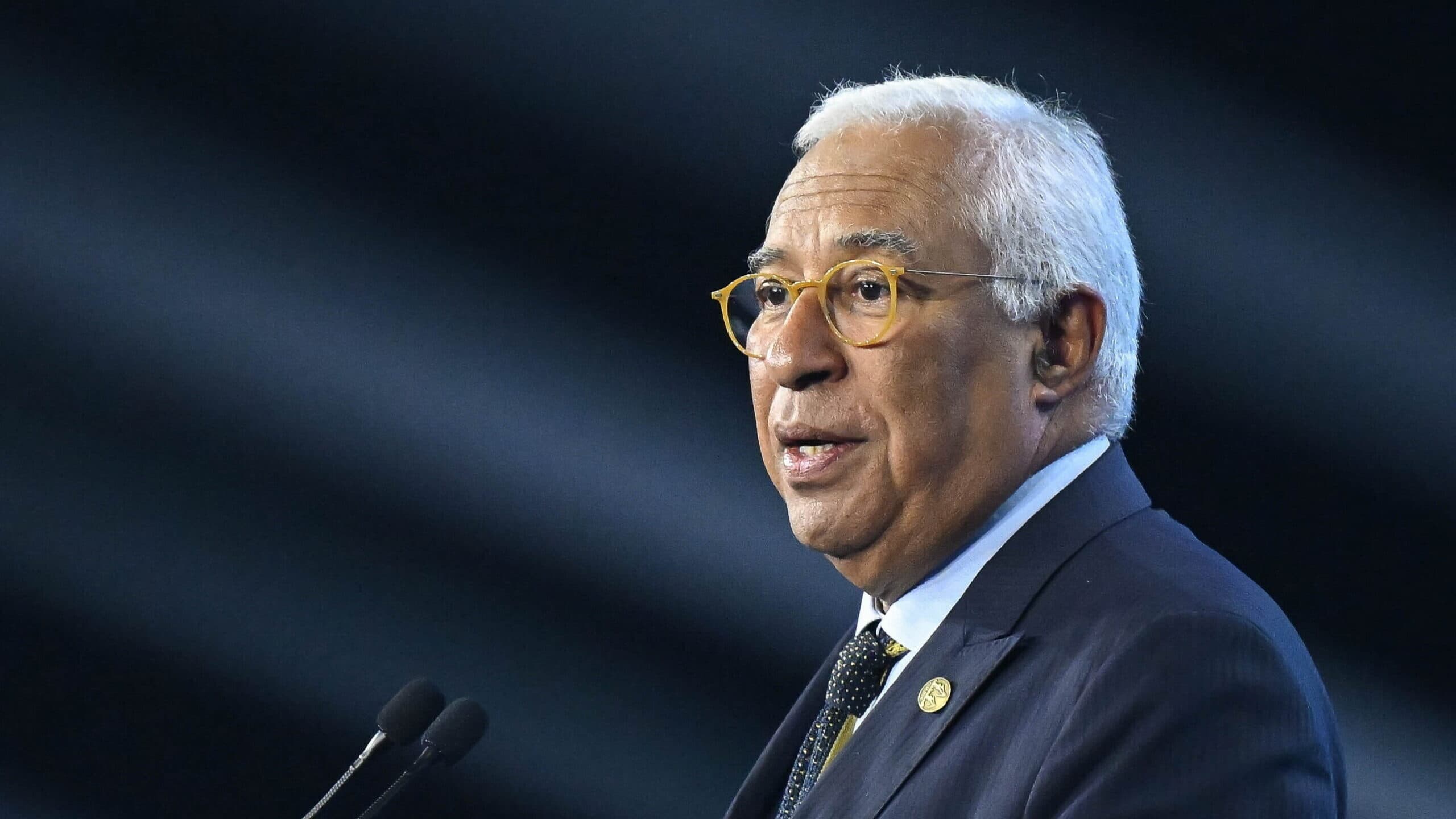
Germany accuses Russia of being behind the attempted drone attack at Leipzig airport and is preparing new measures against Moscow. Berlin announced the closure of the Russian consulate in Bonn and new restrictions, while Costa and other European leaders advocate for a joint response.
The European Union (EU) High Representative for Foreign Affairs, Kaja Kallas, will create a high-level group composed of former political and military leaders to reflect on the future of European defence. The new body is expected to be launched next week and will include figures from the European Union, the United Kingdom, and Ukraine.
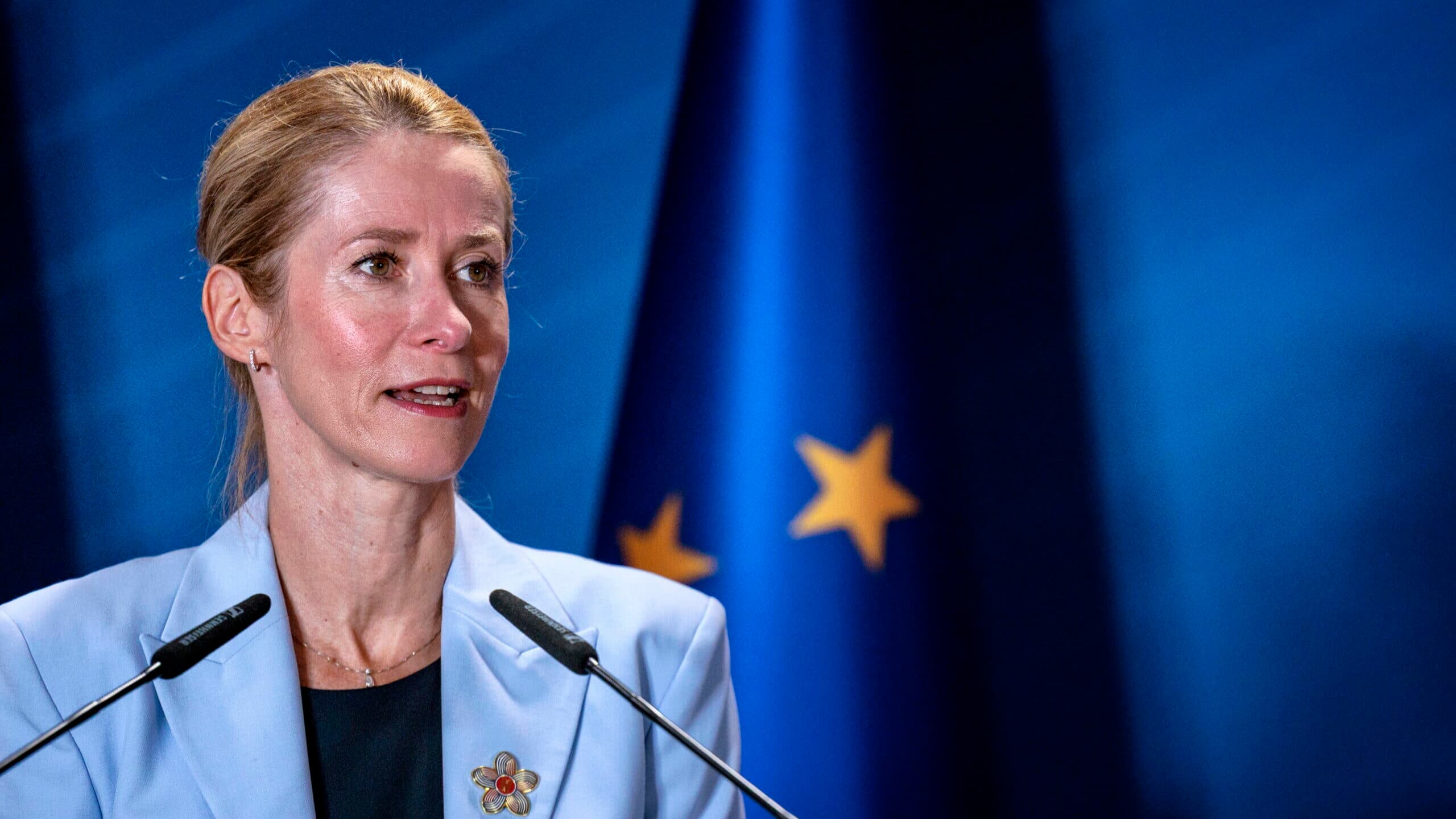
The European Parliament is holding a public hearing in Brussels this Wednesday, September 2, regarding the impact of artificial intelligence (AI) on cultural and creative sectors. Led by Portuguese MEP Hélder Sousa Silva, the initiative aims to gather input from over thirty organizations across the European cultural and digital ecosystem to inform future regulations that protect cultural activities. The hearing covers four thematic blocks: music, audiovisual, publishing and media, and digital platforms, with a focus on transparency, content labeling, and ensuring innovation does not compromise the rights of creators.
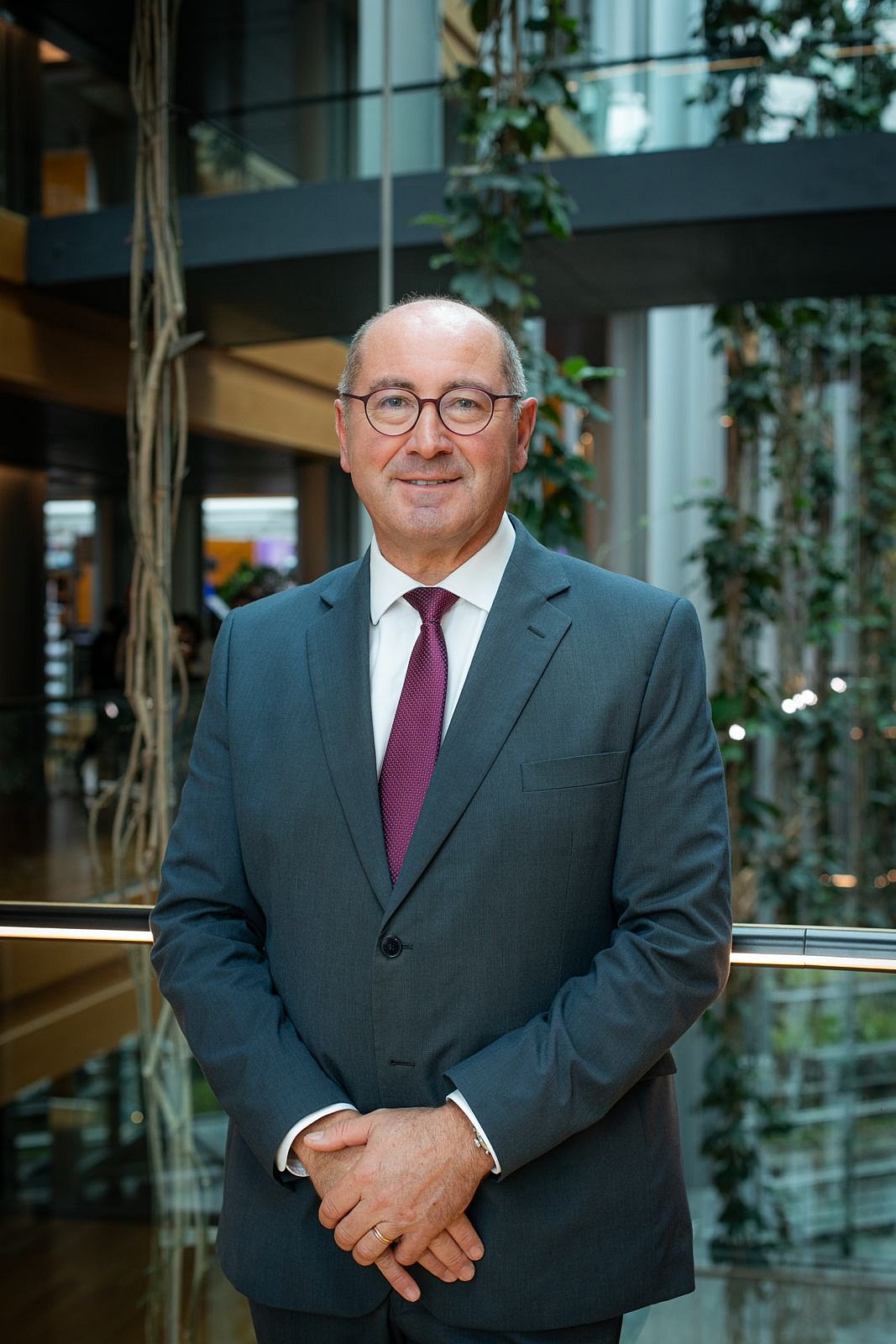
For Helena Ferro Gouveia, Europe should not forgo its alliance with Washington due to defensive dependence and shared values. She also highlights Russia's hybrid attacks against European soil.
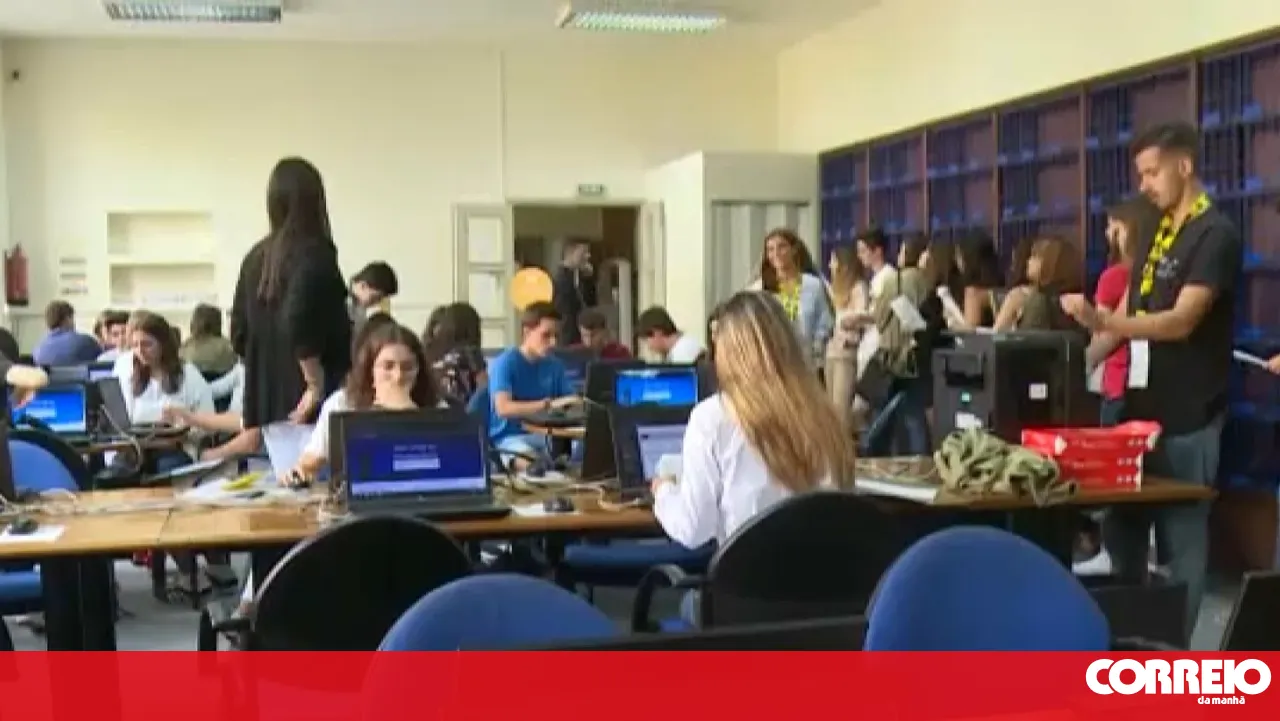
Federica Mogherini, former High Representative of the European Union, warned young Portuguese students that the rules-based international order is being systematically dismantled. Speaking at the SummerCEmp event in Lousã, she argued that rising populism and extremism threaten multilateralism, potentially leading to a world governed by the law of the strongest. Mogherini emphasized the importance of the upcoming European electoral cycle and political engagement, while also questioning the current effectiveness of the UN and the future of EU integration.
The President of the European Council said today he hopes that negotiations on the next long-term EU budget, for 2028-2034, will not last five days and four nights, as happened in 2020. 'Almost seven years ago, we spent five days and four nights [in negotiations]. I assume that, this year, everyone wants to conclude the [European] Council...'
According to the July monthly report from the European Digital Media Observatory (EDMO), which lists the five fake stories that circulated most in Europe.

Portugal advocates for a tax on the extraordinary profits of oil companies and wants the Irish Presidency of the European Union to open a debate on a new European mechanism to tax these gains.
Lieutenant General Marco Serronha analyses whether Europe has the capacity to support the Ukrainian war effort for another winter.
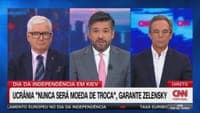
Miguel Baumgartner admits that Europe must invest more in Ukraine's defence to help the country protect itself. The international relations expert admits that Iran emerges stronger from American pressure.
The alternative is not between multicultural naivety and primary ethnocentrism. The alternative is between an adult democracy, capable of discussing its limits, or an infantilised democracy.
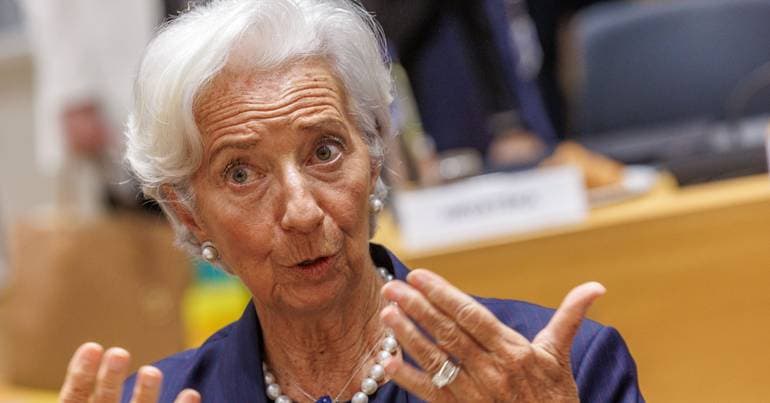
Christine Lagarde recalls that Europe was, to a large extent, left on the sidelines of the first digital revolution. “We cannot afford to repeat that experience with AI,” states the ECB leader.
Despite requests from Brussels, Portugal and Spain refuse to change the railway network to European gauge.
António José Telo says that Russia's ghost fleet could soon become a focus of geopolitical tension. He further underlines that Putin is testing how far he can act on the European continent.
The article explores the tension between ideology and 'Reason of State' in modern politics, using the current diplomatic friction between Pedro Sánchez's Spain and Giorgia Meloni's Italy regarding immigration and border control as a case study. It highlights how ideological divides over national identity and borders are fragmenting the European Union, noting that even social-democratic leaders like Denmark's Mette Frederiksen have aligned with Meloni on issues of European identity, contrasting this with the prevailing ideological discourse in Portugal.
The Italian Prime Minister is currently the most influential figure in the European Union. Her government has surprised everyone. A book helps to understand her and dispels the myth of the 'far-right witch'.