Porto Mayor Vows Relentless Response to Housing Encampment
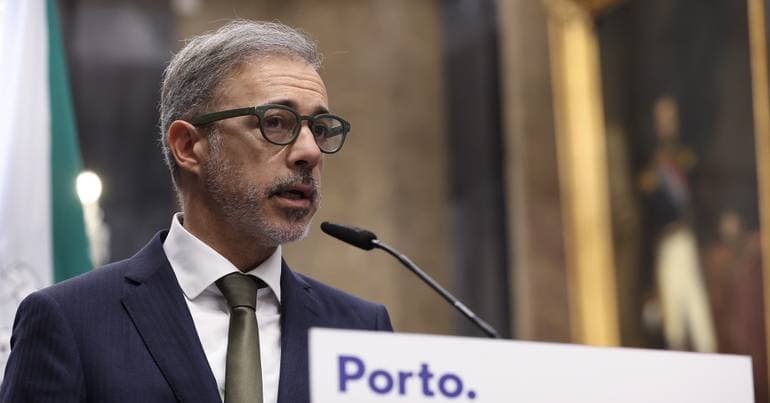
Porto Mayor Pedro Duarte pledged that the city council (Câmara Municipal do Porto) will be relentless against any attempts to pitch tents in Praça D. João I, where activists established an encampment to protest housing unaffordability. Duarte asserted that the central square is not a campsite and warned that public demonstration rights cannot infringe upon broader civic freedom. He also criticized organizers, arguing that parts of the protest have goals unrelated to housing and seek to provoke disruption.
Update: Protesters Pitch Dozens of Tents Defying Porto Mayor
Protesters defied the mayor on Wednesday night, pitching more than 40 tents in Praça D. João I under the observation of the Public Security Police (Polícia de Segurança Pública or PSP). Demonstrators characterized the renewed camp as an act of political despair rather than leisure, maintaining that protests must disrupt civic leaders to highlight the housing crisis.
Pedro Duarte is the Mayor of Porto, elected in the most recent local elections. He leads the city's municipal government and is responsible for implementing local policies, such as the recent initiative to provide free public transport for residents.

The PSP (Polícia de Segurança Pública) is Portugal's national civilian police force, founded in 1867. Responsible for defending Republican democracy and safeguarding internal security and citizens' rights, the PSP polices major cities—Lisbon, Porto, Faro—and large urban areas, covering only 4% of Portugal's territory but roughly half the population. Led by a National Director under the Ministry of Internal Affairs, its approximately 21,500 officers handle preventive policing, crime investigation, public order, airport security, diplomatic protection, private security regulation, firearms licensing, and border control (since 2023).
PSP vs. GNR: The PSP is civilian with police-focused training and urban jurisdiction, while the GNR (Guarda Nacional Republicana) is military (gendarmerie) with military training, covering 96% of Portugal's rural and suburban territory. Both share core public safety missions but differ fundamentally in nature, training, and geographic responsibility.