Latest news and stories about government policy in work in Portugal for expats and residents.
The first tranche of Defence loans from the European Commission is expected to arrive in Portugal in March. The European Council still needs to give the green light, but overall the country could access €5.8 billion.
Government seeks shorter timeframes between the opening of recruitment competitions and the start of training.

“I appeal to those who know that democracy is strong when we are together, when we look one another in the eye, when we do not invent false divisions and, by contrast, create solutions for the country,” the Bloco member urged at the closing dinner.

Brussels has approved the SAFE programme for Portugal, but the decision raises uncertainties about the potential impacts and future prospects for the country's national defence industries.

The admiral believes he can win the presidential election because he says he has no party ties. Also in this newspaper, Catarina Martins accuses the Minister of Labour of being a problem for the country rather than a solution.

Banco de Fomento already has nearly 95% of applications approved in the defence and reindustrialisation areas under the new Financial Instrument for Innovation and Competitiveness (IFIC). The approvals are expected to be announced at the end of the month, the bank’s CEO said on Friday. “We are now formalising these approvals, namely the indicators ...”

On the final day of the campaign, Catarina Martins visited the EMEF workshops in Guifões, saying she believes the role of the Head of State also includes having “a plan for the country's economy”.

Catarina Martins accuses the Labour Minister of being 'a problem for the country', criticising her performance and policies.

The move aims to tackle the shortage of labour in the archipelago.

Some salary bonuses exempt from IRS, such as productivity and performance bonuses, will not cause the tax rate to increase, the Tax Authority clarified. However, there are exceptions.

Experts warn that in certain Portuguese municipalities the population and workforce would shrink so drastically without immigrants that essential services and local economies — including health and social care, agriculture, construction and municipal services — could break down, leaving communities unable to function normally.

The plenary meeting of the social concertation may only take place after the second round of the elections, in February.

During the campaign he emphasised contact with workers and supporters and presented himself as the candidate who does not give up, despite pressure to move closer to the left.

The Constitution was António Filipe's banner in this campaign, during which he focused on contact with workers and supporters and presented himself as the candidate who does not give up, despite pressures for a left‑wing convergence.
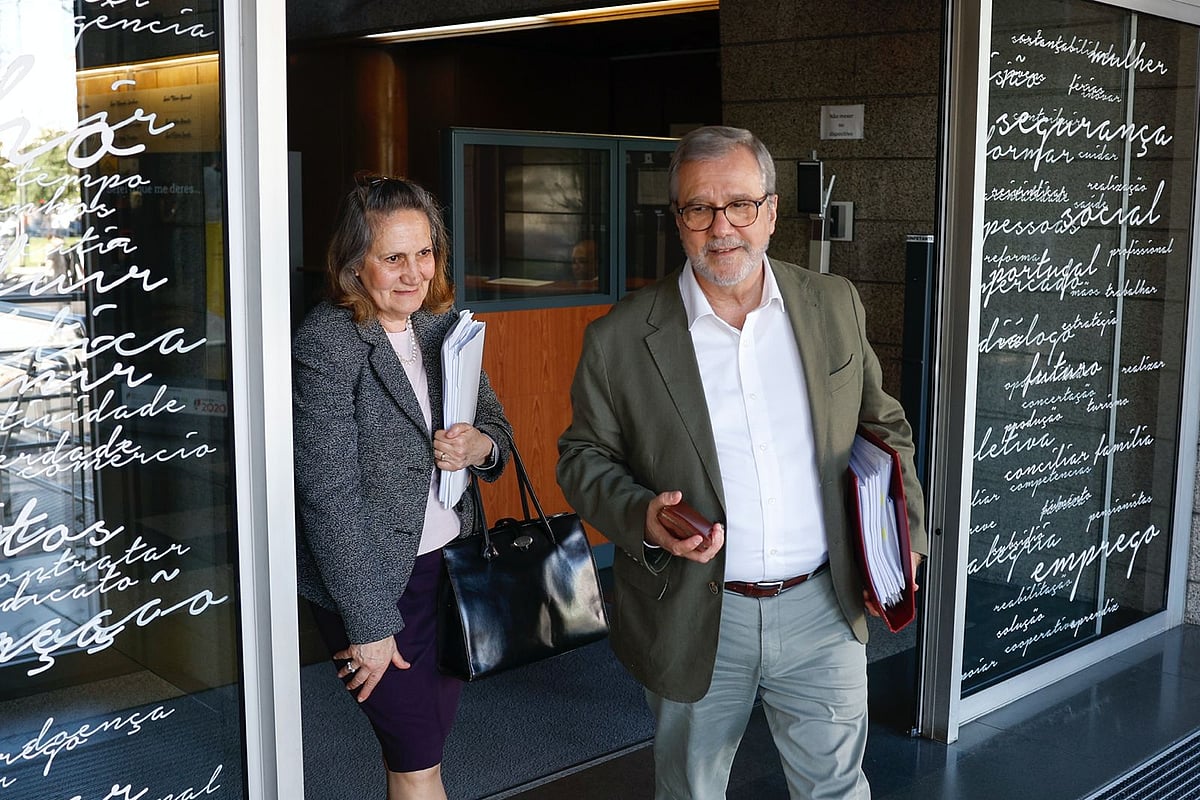
The CGTP trade-union confederation expects a large demonstration in Lisbon on Tuesday, starting at Praça Luís de Camões and heading to the Prime Minister's Office (São Bento), where it plans to deliver a petition with tens of thousands of signatures demanding withdrawal of the government's labour package. The protest happens on the eve of a requested meeting at São Bento with the Prime Minister and the Labour Minister, underlining continued union pressure after last December’s strike. For expats who work in affected areas, expect central-Lisbon disruption around 14:30 and possible concentrated media attention on any government response that could influence labour-policy timing.
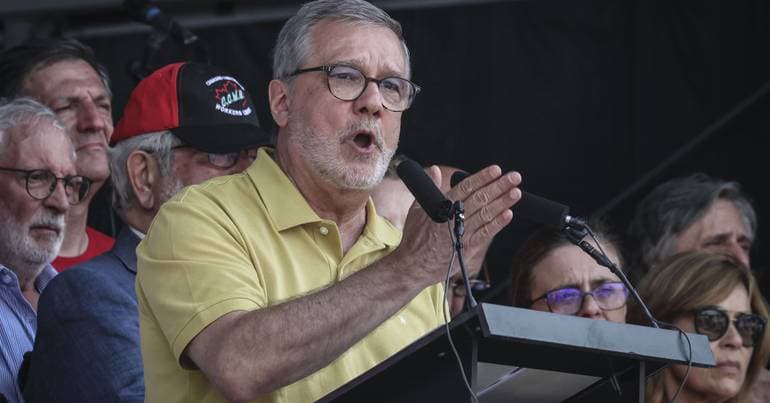
Update: Multiple outlets reported that presidential candidates Catarina Martins and António Filipe attended the CGTP demonstration in Lisbon, joining the rally against the government's labour package and increasing political visibility at the event.
CGTP is the General Confederation of the Portuguese Workers (Confederação Geral dos Trabalhadores Portugueses – Intersindical Nacional), Portugal’s largest trade-union federation that organises strikes and national demonstrations. For expats, CGTP actions (like the Lisbon protest) can disrupt public transport, public services and workplaces and may involve petitions with tens of thousands of signatures.
São Bento refers to São Bento Palace (Palácio de São Bento), the historic building in Lisbon that houses the Assembly of the Republic (Portugal’s parliament) and is often used in the media as a shorthand for the national government. For expats, protests directed at São Bento signal demonstrations at the seat of political power and can cause road closures and increased police presence in central Lisbon.

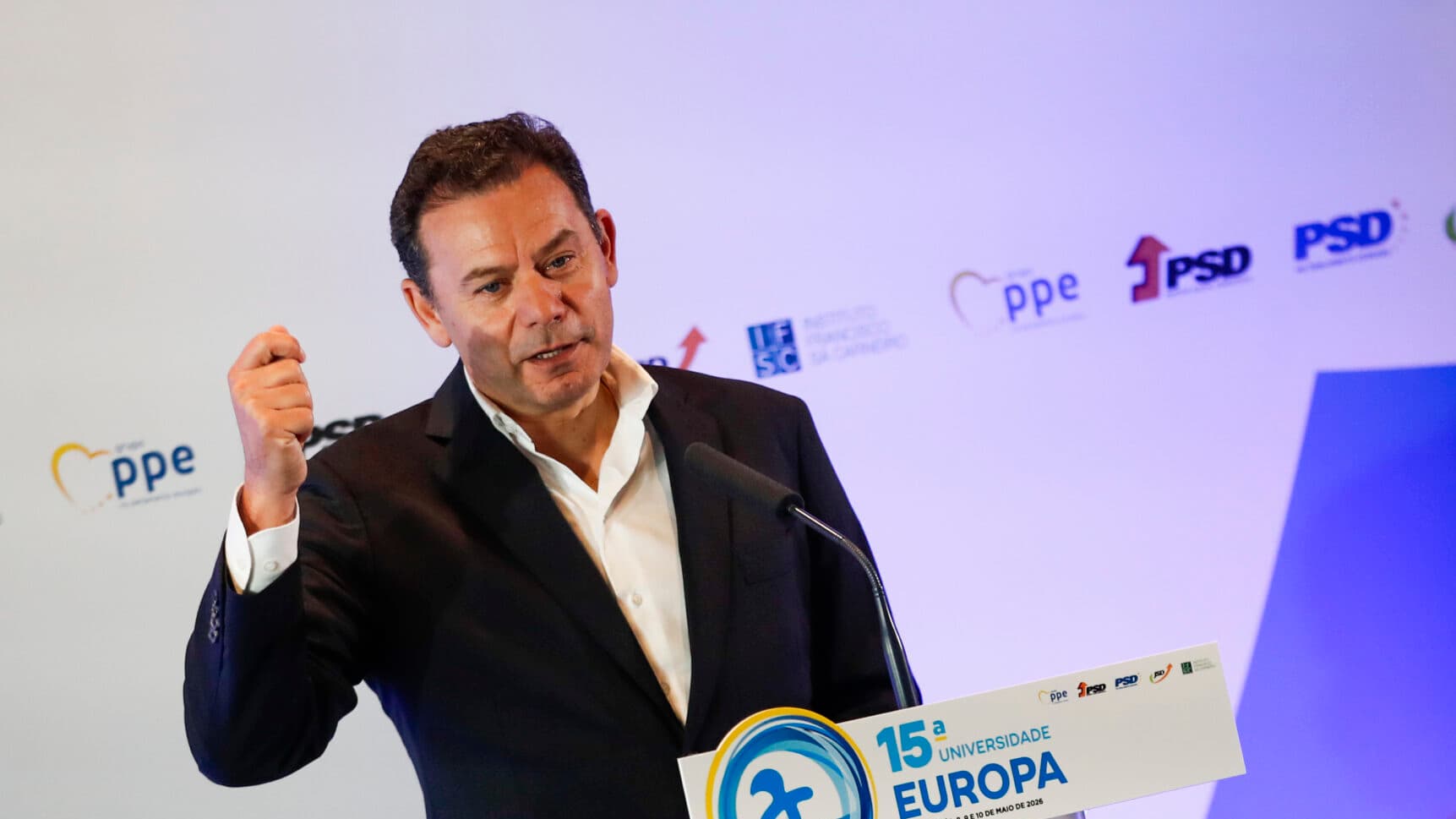
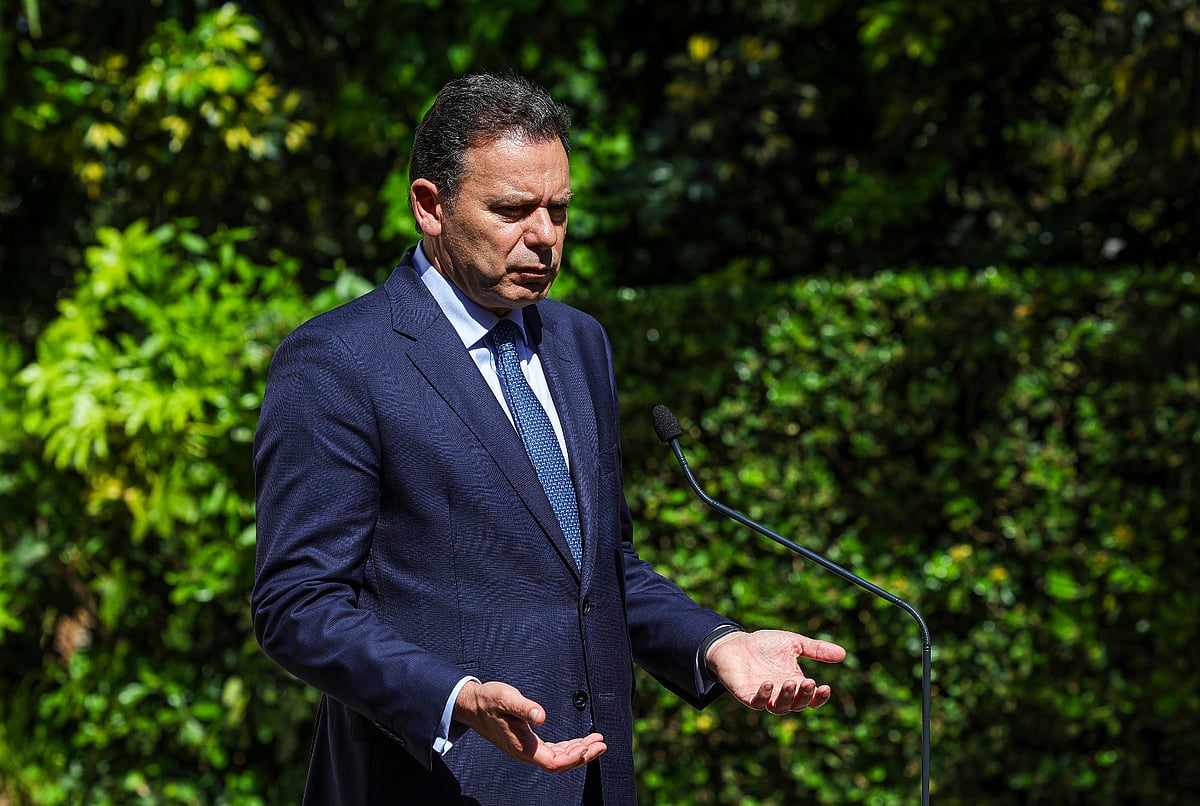
Luís Filipe Montenegro Cardoso de Morais Esteves (born February 16, 1973, in Porto) is a Portuguese lawyer and center‑right politician who has served as Prime Minister of Portugal since April 2, 2024. A long‑time member of the Social Democratic Party (PSD), he is the leading figure of the post‑Troika generation of Portuguese conservatives. Montenegro was elected to the Assembly of the Republic in 2002 for the Aveiro district and remained an MP for 16 years, becoming PSD parliamentary leader from 2011 to 2017 during the bailout and austerity period under Prime Minister Pedro Passos Coelho. He was a prominent defender of strict austerity measures, arguing in 2014 that “the life of the people is no better, but the life of the country is a lot better,” a phrase that has followed his public image since. After an unsuccessful leadership bid against Rui Rio in 2020, Montenegro won the PSD leadership in 2022. He then forged the centre‑right Democratic Alliance (PSD–CDS‑PP and allies), which won a plurality of seats in the 2024 legislative election. Refusing to partner with the far‑right Chega, which he has called “often xenophobic, racist, populist and excessively demagogic,” he formed a minority government as head of the XXIV Constitutional Government on April 2, 2024. His first government fell in March 2025 after a no‑confidence vote linked to a conflict‑of‑interest affair, but fresh elections saw the Democratic Alliance increase its seat share, allowing Montenegro to return as prime minister leading the XXV Constitutional Government. His importance to Portugal lies in attempting to re‑center the traditional centre‑right after the crisis years, defending liberal‑conservative economics and EU alignment while drawing a sharp line against formal cooperation with the radical right, thus shaping how Portuguese democracy manages its new multi‑party era.
Rosário Palma Ramalho is Portugal’s Minister of Labour, responsible for labour policy, workplace regulation and negotiations with trade unions. Her statements today about the CGTP withdrawing from labour reform talks matter because they affect negotiation dynamics and can influence strikes or demonstrations that may disrupt public services and workplaces.

Catarina Soares Martins (born September 7, 1973, in Porto) is a former actress and theatre co-founder who became Portugal's most prominent left-wing leader. First elected to parliament in 2009 representing the Left Bloc (BE), she rose to party coordinator in 2012 and sole national coordinator in 2014, holding the position for 11 years—the longest tenure in BE history. Under her leadership, BE achieved its best-ever result in 2015 with 19 MPs and 10% of votes, becoming critical parliamentary support for Prime Minister António Costa's Socialist government, shifting policy leftward on labour rights, pensions, and public services. After BE's collapse to 5 MPs in 2022, Martins stepped down as leader in May 2023 and left parliament.
Current role:
In 2024, she was elected to the European Parliament, where she advocates for social justice, climate action, and human rights. Her significance lies in consolidating BE as a stable parliamentary force and normalizing leftist government cooperation in Portugal.

Compete will launch a clean-up operation to revoke PT2030 support for projects that were approved but have not started implementation within three months. The review aims to free up EU funding tied to non-executed projects; affected business owners should expect revocation letters beginning in February. The move signals a stricter enforcement of grant timelines and should prompt beneficiaries either to commence work promptly or risk losing allocated support, allowing funds to be reallocated to active projects.

The government has signed a formal negotiation agreement with the National Federation of Doctors (FNAM) and said it will continue seeking consensus with health professionals. The move opens structured talks aimed at resolving labour and service delivery issues in the medical sector, signalling a willingness to engage on healthcare policy and doctors’ demands rather than imposing unilateral measures.

The latest episode of the weekly podcast 'Ao trabalho!' examines lingering uncertainty over tuition fee refunds and the implications for pay awards that recognise qualifications. Finance Minister Joaquim Miranda Sarmento’s response on the pay-award question is discussed alongside fast-moving items on labour policy, employment law and the state budget, with analysis of what these developments mean for workers and expats. The short, under-five-minute episode aims to distil key takeaways and policy consequences for those following workplace rights and public spending.

Data from the Ministry of Labour, provided to ECO, shows companies have withdrawn more than €120 million from the Labour Compensation Fund (FCT), with the bulk of disbursements used to finance worker training. Employers can still claim roughly €517 million from the fund before the deadline at the end of the year, signalling significant ongoing demand and potential pressure on FCT resources. The pattern of withdrawals highlights how firms are reallocating statutory employer liabilities towards upskilling and may have implications for labour policy and fund sustainability.

The 11-candidate presidential debate, held in two instalments across three topics, was overshadowed by a sustained personal clash between PSD’s Marques Mendes and independent candidate Henrique Gouveia e Melo. Mendes publicly rejected allegations of impropriety — insisting “I am not a facilitator of business deals” — and branded parts of the admiral’s conduct as “vulgarity,” a dispute that punctuated exchanges throughout the evening. Amid this confrontation, Jorge Pinto’s near withdrawal and his declaration that he would not stand in the way of a potential Seguro victory illustrated how interpersonal attacks and tactical moves risked eclipsing substantive policy debate.

This analytical piece urges readers to adopt an optimistic stance for the new year and to move past complaints about the recent increase in the retirement age. It explains that demographic shifts and the strain on social security systems underpin the policy change, outlines labour and legal implications for workers — including expatriates — and argues that better communication, phased implementation, retraining and age-friendly workplace measures would protect wellbeing while ensuring fiscal sustainability.

Prime Minister Luís Montenegro uses his customary 1 January Jornal de Notícias article to renew a call for labour reform, urging a ‘winning mentality’ and changes to employment law and regulation. Framed as necessary for competitiveness and job creation, the piece signals his policy priorities and aims to steer public and political debate toward deregulation and legal adjustments. It functions both as a policy pitch and as political positioning ahead of upcoming labour‑market discussions.

The government will introduce compulsory Physical Education for 1st‑cycle pupils in public schools from the next school year, affecting around 330,000 children. The Budget Law commits to hiring the teachers needed to deliver the measure but does not specify how much will be invested or the number of weekly hours to be allocated. The lack of detail raises implementation questions — recruitment timelines, teacher training, regional distribution, and fiscal impact — and creates uncertainty about curriculum time and equity of provision across schools.

Zohran Mamdani was sworn in as New York City council president moments after midnight at the symbolic Old City Hall subway station. The unconventional timing and venue underscore a populist, reformist image and signal a break with ritualised civic spaces. Meanwhile in Portugal, opposition leader Luís Montenegro publicly defended a proposed labour reform as necessary to secure ‘decent wages’, framing it as a balance between worker protections and market flexibility. The two developments illustrate how political actors use symbolism and policy narratives to shape public perceptions: Mamdani’s inauguration emphasises accessibility and grassroots politics, while Montenegro’s defence seeks to pre-empt concerns about economic impact and social equity.
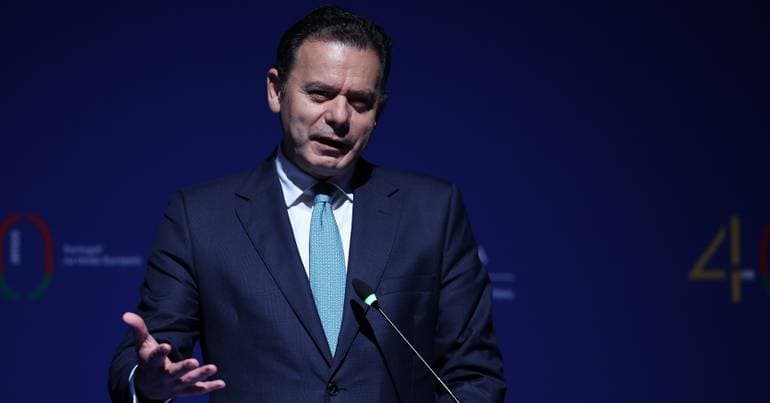
The Prime Minister has defended a government labour reform aimed at guaranteeing ‘decent wages’ by promoting better jobs and stronger pay protections, framing the measure as central to improving employment quality. Separately, António José Seguro urged an urgent restoration of social cohesion in Portugal, stressing that community rebuilding is necessary alongside policy reforms to address economic and social challenges.



Portugal Resident •