Labour reform: Government approves proposal and it moves to the Assembly of the Republic
The government meets in the Council of Ministers to approve the bill for the revision of labour legislation. Montenegro expects dialogue with Chega and the PS.

Latest news and stories about legal reforms in work in Portugal for expats and residents.
The government meets in the Council of Ministers to approve the bill for the revision of labour legislation. Montenegro expects dialogue with Chega and the PS.

A strike by public prosecution magistrates led to court closures across the country, with participation rates estimated between 75% and 80%. The protest, driven by demands for better working conditions and staffing, forced the postponement of the Operation Babel ruling until May 8th.

The Minister of Labour, Solidarity and Social Security, Rosário Palma Ramalho, announced that negotiations regarding labour law reforms have reached a constructive level after eight months of discussions. The government is now waiting for the General Union of Workers (União Geral de Trabalhadores or UGT) and business confederations to consult their internal bodies before finalizing the proposal.

The General Union of Workers (UGT – União Geral de Trabalhadores) is one of Portugal’s two main national trade union confederations. Founded in Lisbon on 28 October 1978, it was created as a social‑democratic alternative to the more communist‑aligned CGTP after the 1974 Revolution, grouping unions close to the Socialist Party and moderate centre‑right currents.
UGT represents around 400,000 workers and is affiliated to the European Trade Union Confederation and International Trade Union Confederation, giving Portuguese labour a voice at EU and global level. Its principles stress union independence from the state, employers, churches and parties, internal democracy and active worker participation.
Historically, UGT’s hallmark has been “propositive” social dialogue: it is usually more willing than CGTP to sign tripartite agreements on wages, labour law and social policy with governments and employers, shaping minimum wage increases, working‑time rules and social protection reforms. This makes UGT a key centrist actor in Portugal’s industrial relations, often mediating between left and right while defending collective bargaining and incremental improvements to labour rights.

Minister of Labour Maria do Rosário Palma Ramalho is meeting this Monday with business confederations and the General Workers' Union (União Geral de Trabalhadores or UGT) to discuss labour law reforms. This marks the 53rd meeting between the government and social partners as they attempt to reach an agreement on contract and dismissal regulations. The UGT is expected to analyze the proposed changes during its upcoming national secretariat meeting.

The General Union of Workers (UGT – União Geral de Trabalhadores) is one of Portugal’s two main national trade union confederations. Founded in Lisbon on 28 October 1978, it was created as a social‑democratic alternative to the more communist‑aligned CGTP after the 1974 Revolution, grouping unions close to the Socialist Party and moderate centre‑right currents.
UGT represents around 400,000 workers and is affiliated to the European Trade Union Confederation and International Trade Union Confederation, giving Portuguese labour a voice at EU and global level. Its principles stress union independence from the state, employers, churches and parties, internal democracy and active worker participation.
Historically, UGT’s hallmark has been “propositive” social dialogue: it is usually more willing than CGTP to sign tripartite agreements on wages, labour law and social policy with governments and employers, shaping minimum wage increases, working‑time rules and social protection reforms. This makes UGT a key centrist actor in Portugal’s industrial relations, often mediating between left and right while defending collective bargaining and incremental improvements to labour rights.

President António José Seguro expressed hope for a balanced agreement on labour legislation (legislação laboral) between the government and social partners. Speaking in Santarém, the President also advocated for the modernization of the Armed Forces (Forças Armadas) to meet international commitments, provided it does not compromise social welfare spending. Workers should note that the government has proposed extending the duration of certain employment contracts as part of the negotiations.
Update: Protests and political opposition mount against new labour package
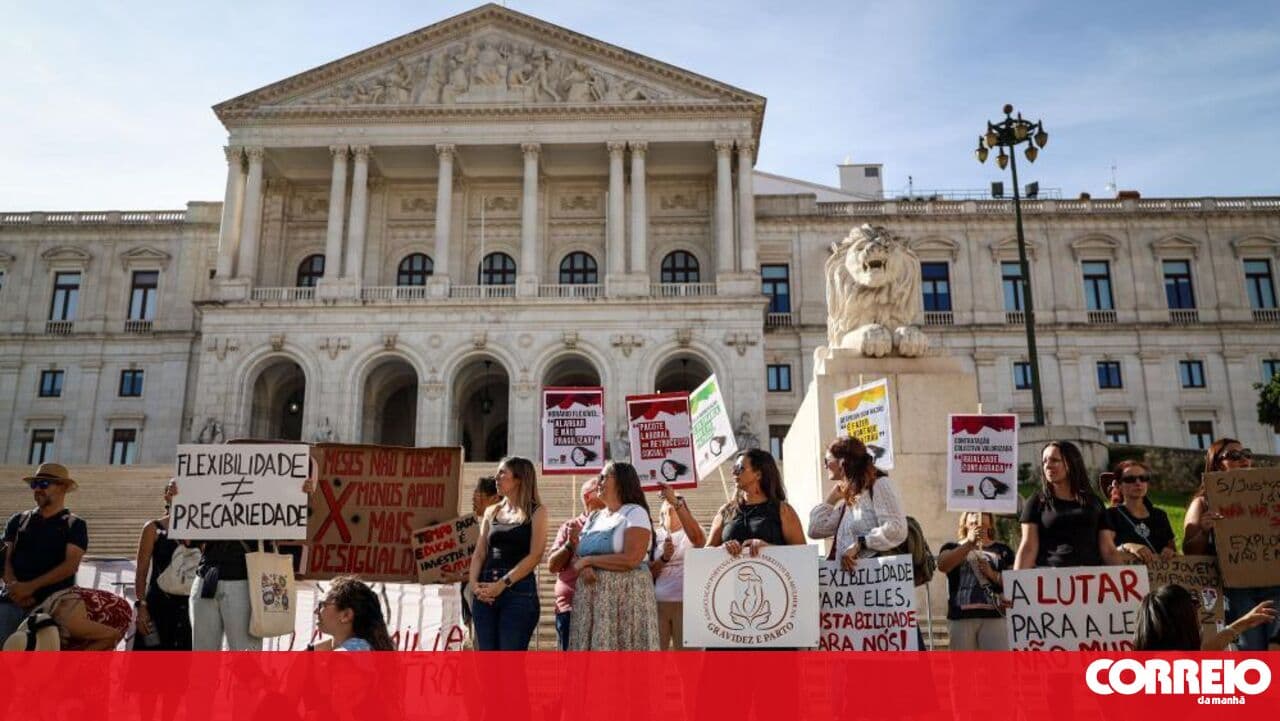
Hundreds of protesters, led by the Interjovem wing of the CGTP union, marched in Lisbon to oppose the government's proposed labour changes. Former Minister of Labour Ana Mendes Godinho also called for the Socialist Party (Partido Socialista or PS) to be uncompromising against the package, which she described as an attack on workers.

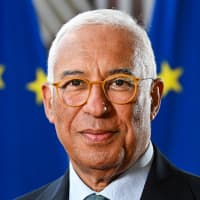
António José Martins Seguro (born March 11, 1962, in Penamacor) is a lawyer, political scientist, and the current President of the Portuguese Republic, inaugurated on March 9, 2026 after winning the two-round presidential election in January–February 2026.
Career: He led Socialist Youth (1990–1994), served as MEP (1999–2001), was Minister Adjunct to PM António Guterres (2001–2002), and led the PS parliamentary group (2004–2005). Elected PS Secretary-General in 2011 with 68%, he led the opposition during Portugal's bailout era. In 2014, António Costa defeated him in party primaries by a landslide, prompting Seguro's resignation and a decade-long retreat from politics. He returned in 2025, launching the movement UPortugal and announcing his presidential candidacy in June. He received official PS backing in October 2025 and won the presidency in February 2026.
Political philosophy: Seguro positions himself as representing a "modern and moderate" left, advocating financial responsibility while opposing austerity. As President, he has emphasized institutional trust, efficient governance, and a collaborative relationship with the government while maintaining rigorous constitutional oversight.
A banked hours scheme (banco de horas) is a flexible working time arrangement under Portuguese labor law that allows employees to accumulate overtime hours and use them later as time off, rather than receiving immediate overtime pay.
Under the Portuguese Labour Code, banked hours can be established through collective agreements or, in some cases, individual agreements. The scheme allows employers to vary working hours based on demand — requiring longer hours during peak periods and compensating with shorter hours or days off later.
Banked hours schemes are a frequent topic in labor reform negotiations, with unions (particularly CGTP) pushing for tighter limits and greater worker protections, while employers argue for more flexibility. Proposed reforms have included extending eligibility to parents of young children and adjusting the cap on banked hours.

Socialist Party (PS)
Portugal's other traditional major party suffered a historic collapse in the 2025 election, dropping from 78 to 58 seats and falling to third place for the first time in democratic history. The party was led by Pedro Nuno Santos from January 2024 until his resignation following the May 2025 defeat. José Luís Carneiro, a 53-year-old former Minister of Internal Administration known for his moderate positioning within the party, was elected unopposed as the new Secretary-General with 95% of votes in June 2025. The Socialist Party governed Portugal from 2015 to 2024, including an absolute majority from 2022 to 2024 under António Costa, who resigned in November 2023 amid a corruption investigation. The PS previously led the innovative "Geringonça" (contraption) coalition government from 2015-2019, a minority government supported by the Left Bloc and Portuguese Communist Party that reversed austerity measures and presided over economic recovery.
The government has withdrawn a proposal to increase mandatory annual leave (férias) from 22 to 25 days following negotiations with social partners. The revised labor law reform also maintains current rules that exclude automatic reinstatement for workers after unfair dismissals, a decision criticized by the General Confederation of Portuguese Workers (União Geral de Trabalhadores or UGT). Employees should note that the standard holiday entitlement will remain at the current legal minimum for the foreseeable future.

The General Union of Workers (UGT – União Geral de Trabalhadores) is one of Portugal’s two main national trade union confederations. Founded in Lisbon on 28 October 1978, it was created as a social‑democratic alternative to the more communist‑aligned CGTP after the 1974 Revolution, grouping unions close to the Socialist Party and moderate centre‑right currents.
UGT represents around 400,000 workers and is affiliated to the European Trade Union Confederation and International Trade Union Confederation, giving Portuguese labour a voice at EU and global level. Its principles stress union independence from the state, employers, churches and parties, internal democracy and active worker participation.
Historically, UGT’s hallmark has been “propositive” social dialogue: it is usually more willing than CGTP to sign tripartite agreements on wages, labour law and social policy with governments and employers, shaping minimum wage increases, working‑time rules and social protection reforms. This makes UGT a key centrist actor in Portugal’s industrial relations, often mediating between left and right while defending collective bargaining and incremental improvements to labour rights.

The government and social partners reported progress in negotiations over a new labour package, though a final agreement has not yet been reached. The Business Confederation of Portugal (Confederação Empresarial de Portugal or CIP) and the General Workers' Union (União Geral de Trabalhadores or UGT) noted increased flexibility, while the General Confederation of Portuguese Workers (Confederação Geral dos Trabalhadores Portugueses or CGTP) protested after being excluded from the meeting. Employers are pushing for measures to increase productivity, while the government warns that “nothing is agreed until everything is agreed.” Workers and business owners should monitor these negotiations for changes to overtime pay and contract rules.
CIP is the Confederation of Portuguese Business (Confederação Empresarial de Portugal), the main employers’ association that represents companies and sector groups in Portugal. It lobbies government on economic and labour policy and its statements are watched by investors, employers and workers when debates arise over funding rules and labour reforms.

The General Union of Workers (UGT – União Geral de Trabalhadores) is one of Portugal’s two main national trade union confederations. Founded in Lisbon on 28 October 1978, it was created as a social‑democratic alternative to the more communist‑aligned CGTP after the 1974 Revolution, grouping unions close to the Socialist Party and moderate centre‑right currents.
UGT represents around 400,000 workers and is affiliated to the European Trade Union Confederation and International Trade Union Confederation, giving Portuguese labour a voice at EU and global level. Its principles stress union independence from the state, employers, churches and parties, internal democracy and active worker participation.
Historically, UGT’s hallmark has been “propositive” social dialogue: it is usually more willing than CGTP to sign tripartite agreements on wages, labour law and social policy with governments and employers, shaping minimum wage increases, working‑time rules and social protection reforms. This makes UGT a key centrist actor in Portugal’s industrial relations, often mediating between left and right while defending collective bargaining and incremental improvements to labour rights.
CGTP (Confederação Geral dos Trabalhadores Portugueses – Intersindical Nacional) regularly publishes studies and proposals on labor market conditions, wages, working time, and employment rights. These reports are used to support the union confederation's negotiating positions with the government and employers.
CGTP studies typically cover topics such as minimum wage adequacy, working hours reform, collective bargaining trends, social security sustainability, and the impact of proposed labor law changes on workers. The confederation uses this research to advocate for positions in tripartite social dialogue (Concertação Social) alongside the UGT union confederation and employer groups.
These publications are significant because they often shape public debate ahead of labor reforms and can influence the pace and direction of legislative changes.

The Minister of Labour meets again today with the UGT and the four business confederations regarding changes to labour law, following the appeal made by the President of the Republic after the 'rupture' announced by the employers.
Negotiations for the labour law (lei laboral) revision resume today between the government, employer confederations, and the General Workers' Union (União Geral de Trabalhadores or UGT). Prime Minister Luís Montenegro stated that over 70 norms have been agreed upon, though key disagreements remain over the individual bank of hours (banco de horas) and rules regarding unlawful dismissal. Workers should note that the General Confederation of Portuguese Workers (Confederação Geral dos Trabalhadores Portugueses or CGTP) plans to attend despite not being officially invited.

The General Union of Workers (UGT – União Geral de Trabalhadores) is one of Portugal’s two main national trade union confederations. Founded in Lisbon on 28 October 1978, it was created as a social‑democratic alternative to the more communist‑aligned CGTP after the 1974 Revolution, grouping unions close to the Socialist Party and moderate centre‑right currents.
UGT represents around 400,000 workers and is affiliated to the European Trade Union Confederation and International Trade Union Confederation, giving Portuguese labour a voice at EU and global level. Its principles stress union independence from the state, employers, churches and parties, internal democracy and active worker participation.
Historically, UGT’s hallmark has been “propositive” social dialogue: it is usually more willing than CGTP to sign tripartite agreements on wages, labour law and social policy with governments and employers, shaping minimum wage increases, working‑time rules and social protection reforms. This makes UGT a key centrist actor in Portugal’s industrial relations, often mediating between left and right while defending collective bargaining and incremental improvements to labour rights.
CGTP (Confederação Geral dos Trabalhadores Portugueses – Intersindical Nacional) regularly publishes studies and proposals on labor market conditions, wages, working time, and employment rights. These reports are used to support the union confederation's negotiating positions with the government and employers.
CGTP studies typically cover topics such as minimum wage adequacy, working hours reform, collective bargaining trends, social security sustainability, and the impact of proposed labor law changes on workers. The confederation uses this research to advocate for positions in tripartite social dialogue (Concertação Social) alongside the UGT union confederation and employer groups.
These publications are significant because they often shape public debate ahead of labor reforms and can influence the pace and direction of legislative changes.

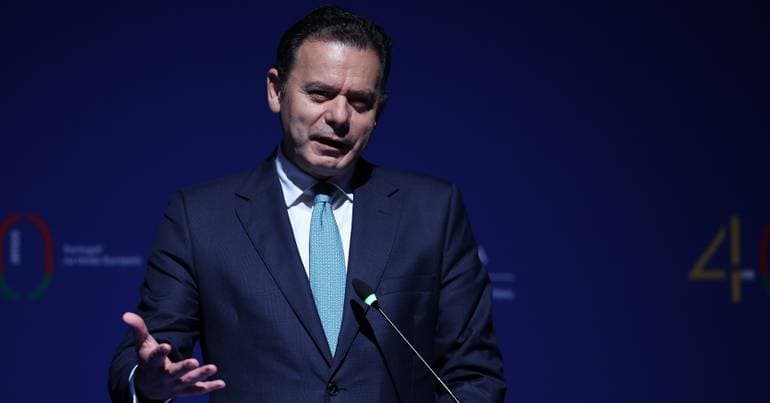
Luís Filipe Montenegro Cardoso de Morais Esteves (born February 16, 1973, in Porto) is a Portuguese lawyer and center‑right politician who has served as Prime Minister of Portugal since April 2, 2024. A long‑time member of the Social Democratic Party (PSD), he is the leading figure of the post‑Troika generation of Portuguese conservatives. Montenegro was elected to the Assembly of the Republic in 2002 for the Aveiro district and remained an MP for 16 years, becoming PSD parliamentary leader from 2011 to 2017 during the bailout and austerity period under Prime Minister Pedro Passos Coelho. He was a prominent defender of strict austerity measures, arguing in 2014 that “the life of the people is no better, but the life of the country is a lot better,” a phrase that has followed his public image since. After an unsuccessful leadership bid against Rui Rio in 2020, Montenegro won the PSD leadership in 2022. He then forged the centre‑right Democratic Alliance (PSD–CDS‑PP and allies), which won a plurality of seats in the 2024 legislative election. Refusing to partner with the far‑right Chega, which he has called “often xenophobic, racist, populist and excessively demagogic,” he formed a minority government as head of the XXIV Constitutional Government on April 2, 2024. His first government fell in March 2025 after a no‑confidence vote linked to a conflict‑of‑interest affair, but fresh elections saw the Democratic Alliance increase its seat share, allowing Montenegro to return as prime minister leading the XXV Constitutional Government. His importance to Portugal lies in attempting to re‑center the traditional centre‑right after the crisis years, defending liberal‑conservative economics and EU alignment while drawing a sharp line against formal cooperation with the radical right, thus shaping how Portuguese democracy manages its new multi‑party era.

The last meeting ended without an agreement and with mutual accusations of intransigence.
Update: Government schedules fresh labour law talks for Monday
Minister of Labour Rosário Palma Ramalho has summoned the General Confederation of Portuguese Workers (União Geral de Trabalhadores or UGT) and business leaders to a meeting on Monday, March 16. The government aims to exhaust all possibilities for an agreement rather than prolonging the discussion indefinitely.
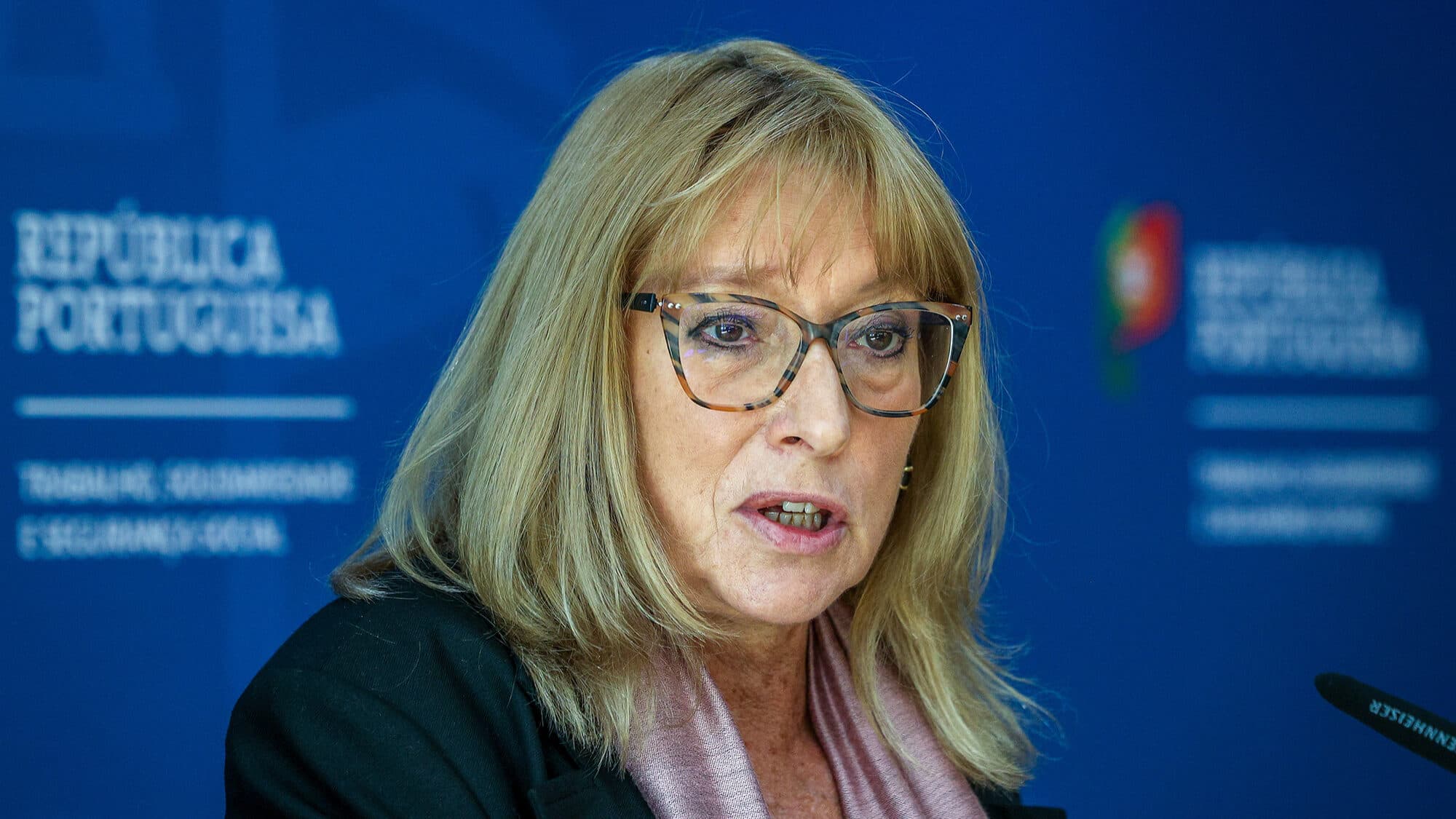
Rosário Maria Ribeiro da Costa Palma Ramalho is a distinguished labor law academic who was appointed Minister of Labour in the XXV Constitutional Government under Luís Montenegro. She is one of Portugal's leading experts on employment law, having authored major textbooks and legal commentaries on the Portuguese Labour Code.
As minister, she leads negotiations with trade unions (CGTP, UGT) and employer confederations on labor reform, including changes to dismissal rules, working time flexibility, and collective bargaining. Her academic background gives her unusual technical authority in a portfolio that is typically politically charged.

The General Union of Workers (UGT – União Geral de Trabalhadores) is one of Portugal’s two main national trade union confederations. Founded in Lisbon on 28 October 1978, it was created as a social‑democratic alternative to the more communist‑aligned CGTP after the 1974 Revolution, grouping unions close to the Socialist Party and moderate centre‑right currents.
UGT represents around 400,000 workers and is affiliated to the European Trade Union Confederation and International Trade Union Confederation, giving Portuguese labour a voice at EU and global level. Its principles stress union independence from the state, employers, churches and parties, internal democracy and active worker participation.
Historically, UGT’s hallmark has been “propositive” social dialogue: it is usually more willing than CGTP to sign tripartite agreements on wages, labour law and social policy with governments and employers, shaping minimum wage increases, working‑time rules and social protection reforms. This makes UGT a key centrist actor in Portugal’s industrial relations, often mediating between left and right while defending collective bargaining and incremental improvements to labour rights.

President António José Seguro and Parliament President José Pedro Aguiar-Branco have urged the government and social partners to resume negotiations on the new labour law (legislação laboral). While employer confederations recently stated conditions for an agreement were lacking, the government and some unions have expressed openness to further talks. The proposed reforms, known as the Trabalho XXI draft bill, have faced significant hurdles over issues like outsourcing and the right to disconnect. Workers should note that Socialist Party (Partido Socialista) leader José Luís Carneiro has criticized the current proposals as a “choice for inhumanity.”
Update: Business groups and UGT agree to resume labour talks
President Seguro has successfully revived negotiations after business confederations previously declared them over. The Confederation of Tourism (Confederação do Turismo de Portugal or CTP) and the Confederation of Commerce and Services (Confederação do Comércio e Serviços de Portugal or CCP) confirmed their availability to return to the table. The General Union of Workers (União Geral de Trabalhadores or UGT) also clarified it never intended to leave the discussions.

Socialist Party (PS)
Portugal's other traditional major party suffered a historic collapse in the 2025 election, dropping from 78 to 58 seats and falling to third place for the first time in democratic history. The party was led by Pedro Nuno Santos from January 2024 until his resignation following the May 2025 defeat. José Luís Carneiro, a 53-year-old former Minister of Internal Administration known for his moderate positioning within the party, was elected unopposed as the new Secretary-General with 95% of votes in June 2025. The Socialist Party governed Portugal from 2015 to 2024, including an absolute majority from 2022 to 2024 under António Costa, who resigned in November 2023 amid a corruption investigation. The PS previously led the innovative "Geringonça" (contraption) coalition government from 2015-2019, a minority government supported by the Left Bloc and Portuguese Communist Party that reversed austerity measures and presided over economic recovery.

José Pedro Aguiar‑Branco is the President of the Assembly of the Republic, who in this story requested that the Committee on Constitutional Affairs examine the constitutional conformity of government measures in a proposed bill. He is using his parliamentary role to trigger a formal review of changes affecting confession rules and the rights of the defence.

The General Union of Workers (UGT – União Geral de Trabalhadores) is one of Portugal’s two main national trade union confederations. Founded in Lisbon on 28 October 1978, it was created as a social‑democratic alternative to the more communist‑aligned CGTP after the 1974 Revolution, grouping unions close to the Socialist Party and moderate centre‑right currents.
UGT represents around 400,000 workers and is affiliated to the European Trade Union Confederation and International Trade Union Confederation, giving Portuguese labour a voice at EU and global level. Its principles stress union independence from the state, employers, churches and parties, internal democracy and active worker participation.
Historically, UGT’s hallmark has been “propositive” social dialogue: it is usually more willing than CGTP to sign tripartite agreements on wages, labour law and social policy with governments and employers, shaping minimum wage increases, working‑time rules and social protection reforms. This makes UGT a key centrist actor in Portugal’s industrial relations, often mediating between left and right while defending collective bargaining and incremental improvements to labour rights.
Negotiations for a new labour reform package ended without an agreement between the government, the General Workers' Union (União Geral de Trabalhadores or UGT), and employer confederations. The Business Confederation of Portugal (Confederação Empresarial de Portugal or CIP) stated that 12 points remain unresolved after seven months of debate, including last-minute demands that hindered a consensus. While the government blamed the UGT for being “intransigent,” the union argued the proposals were structurally inadequate and failed to meet necessary conditions. Workers should note that current labour laws remain in place as the future of the reform package is now uncertain.
Update: Opposition leader criticizes government's "lack of humility"
The Secretary-General of the Socialist Party (Partido Socialista or PS), José Luís Carneiro, accused the government of a “lack of democratic humility” following the collapse of labor negotiations. Carneiro argued that the failure to reach an agreement with social partners harms the country's competitiveness and urged Prime Minister Luís Montenegro to resume dialogue on more acceptable terms.

The General Union of Workers (UGT – União Geral de Trabalhadores) is one of Portugal’s two main national trade union confederations. Founded in Lisbon on 28 October 1978, it was created as a social‑democratic alternative to the more communist‑aligned CGTP after the 1974 Revolution, grouping unions close to the Socialist Party and moderate centre‑right currents.
UGT represents around 400,000 workers and is affiliated to the European Trade Union Confederation and International Trade Union Confederation, giving Portuguese labour a voice at EU and global level. Its principles stress union independence from the state, employers, churches and parties, internal democracy and active worker participation.
Historically, UGT’s hallmark has been “propositive” social dialogue: it is usually more willing than CGTP to sign tripartite agreements on wages, labour law and social policy with governments and employers, shaping minimum wage increases, working‑time rules and social protection reforms. This makes UGT a key centrist actor in Portugal’s industrial relations, often mediating between left and right while defending collective bargaining and incremental improvements to labour rights.
CIP is the Confederation of Portuguese Business (Confederação Empresarial de Portugal), the main employers’ association that represents companies and sector groups in Portugal. It lobbies government on economic and labour policy and its statements are watched by investors, employers and workers when debates arise over funding rules and labour reforms.

Socialist Party (PS)
Portugal's other traditional major party suffered a historic collapse in the 2025 election, dropping from 78 to 58 seats and falling to third place for the first time in democratic history. The party was led by Pedro Nuno Santos from January 2024 until his resignation following the May 2025 defeat. José Luís Carneiro, a 53-year-old former Minister of Internal Administration known for his moderate positioning within the party, was elected unopposed as the new Secretary-General with 95% of votes in June 2025. The Socialist Party governed Portugal from 2015 to 2024, including an absolute majority from 2022 to 2024 under António Costa, who resigned in November 2023 amid a corruption investigation. The PS previously led the innovative "Geringonça" (contraption) coalition government from 2015-2019, a minority government supported by the Left Bloc and Portuguese Communist Party that reversed austerity measures and presided over economic recovery.

Rosário Palma Ramalho has called employers' leaders and trade union representatives to a meeting at the Ministry of Labour (Ministério do Trabalho) on Wednesday to continue technical discussions aimed at changing labour law, Expresso reports. The meeting follows a series of talks intended to find agreement on amendments that could affect working conditions and employer obligations. Employers and workers should watch for outcomes that might affect contracts, collective bargaining and workplace rules.
Rosário Maria Ribeiro da Costa Palma Ramalho is a distinguished labor law academic who was appointed Minister of Labour in the XXV Constitutional Government under Luís Montenegro. She is one of Portugal's leading experts on employment law, having authored major textbooks and legal commentaries on the Portuguese Labour Code.
As minister, she leads negotiations with trade unions (CGTP, UGT) and employer confederations on labor reform, including changes to dismissal rules, working time flexibility, and collective bargaining. Her academic background gives her unusual technical authority in a portfolio that is typically politically charged.
The Ministry of Labour (Ministério do Trabalho) is the government department responsible for employment policy, labour law, collective bargaining and workplace inspections. It organises talks between employers and unions and can convene negotiations or propose changes to labour rules, so its meetings affect workers and employers directly.