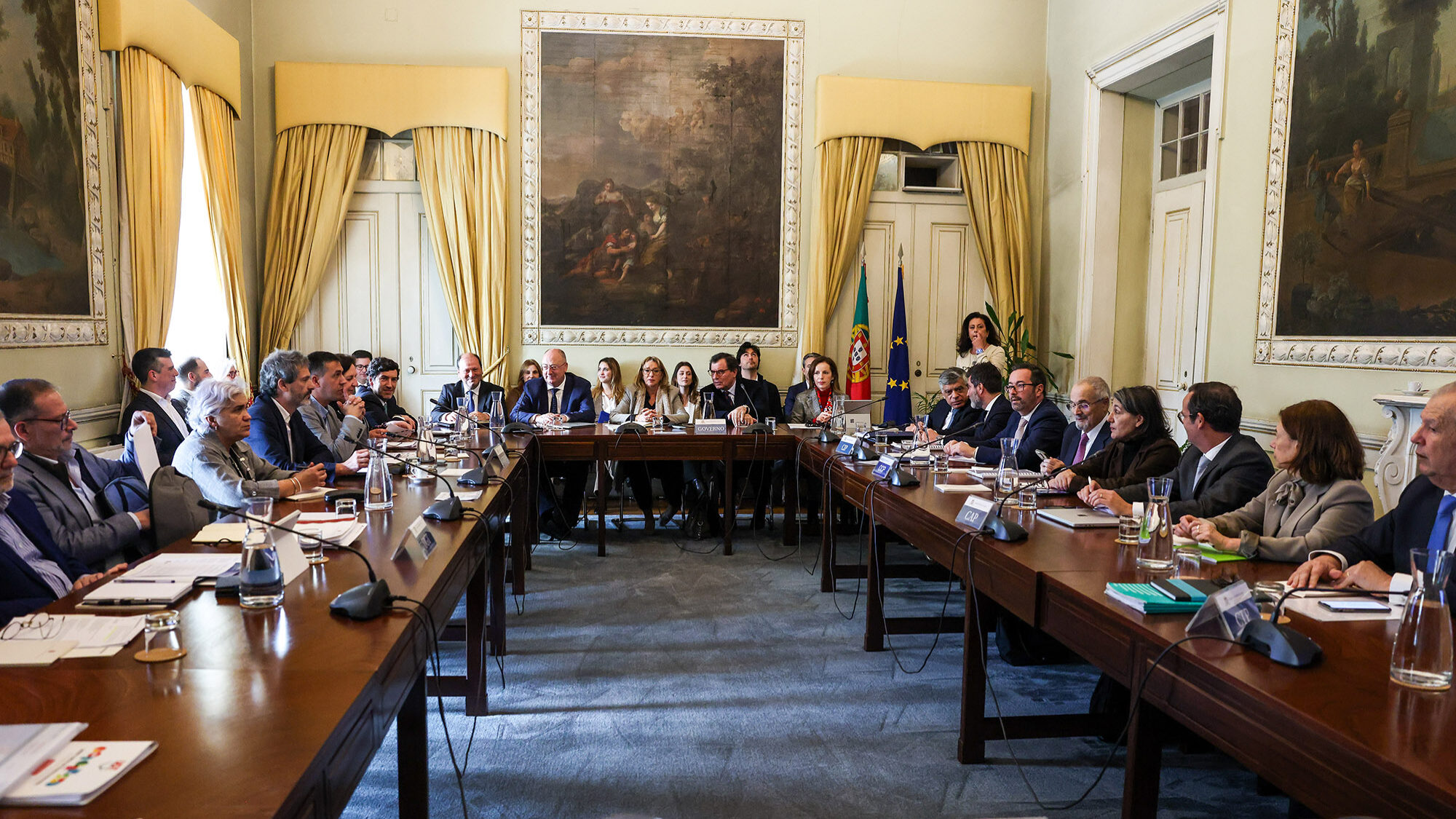
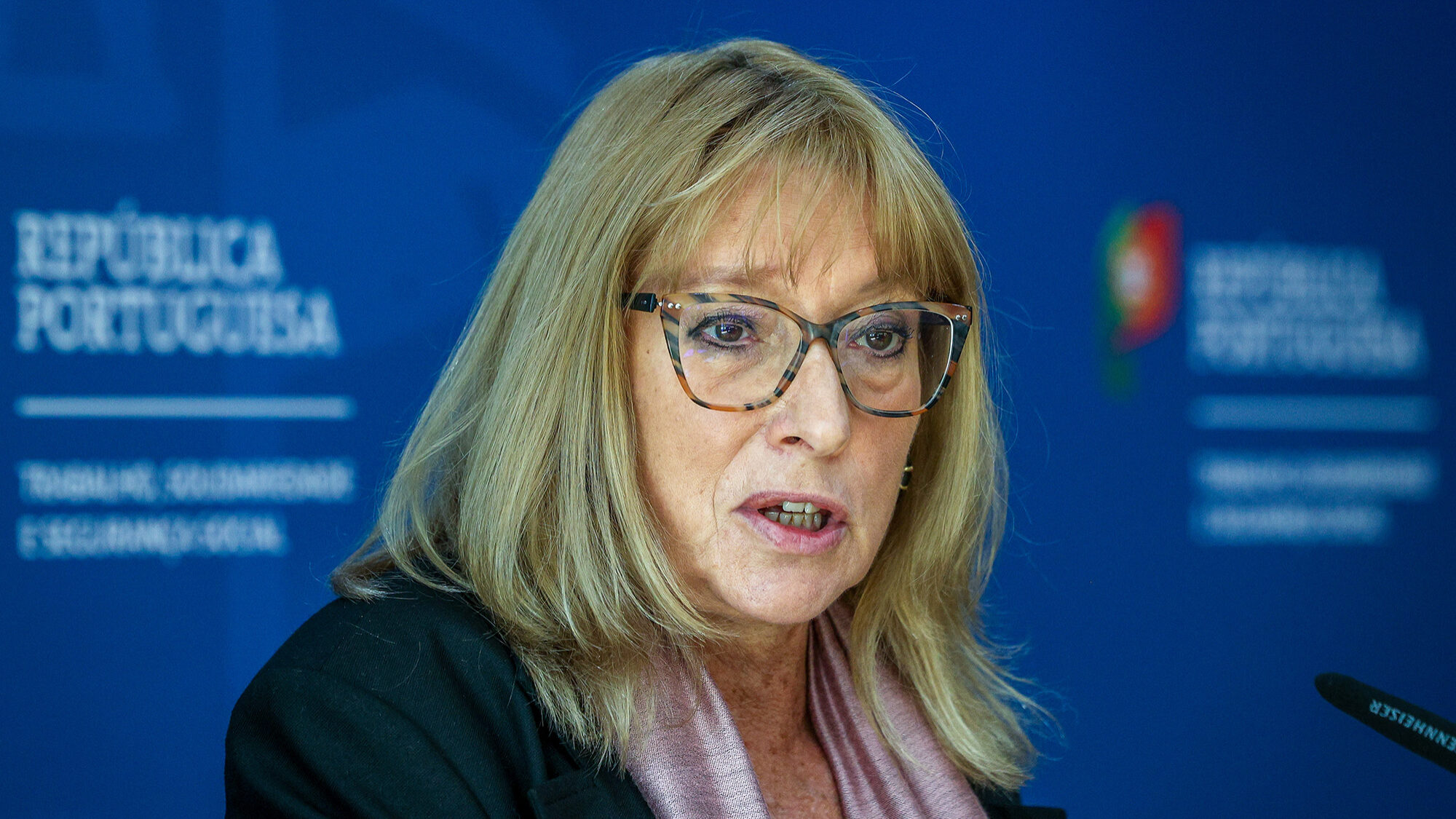
Labour Minister Maria do Rosário Palma Ramalho has explained the exclusion of the CGTP from recent discussions on new labour legislation, claiming they chose not to negotiate. The CGTP refutes this, asserting they have proposed measures to address workers' rights and precarious employment. They criticize the government's approach, suggesting it favors employers and undermines social dialogue. Key proposals from the CGTP include reducing the workweek, increasing vacation days, and improving job security for vulnerable workers.
Why doesn't the Government talk to the CGTP?
Friday, 20 February 2026RSS

Context & Explainers
- Minister of Labour, Solidarity and Social Security (2024–present)
- Party: Independent (appointed by AD government)
- Background: Professor of Labour Law, University of Lisbon
Rosário Maria Ribeiro da Costa Palma Ramalho is a distinguished labor law academic who was appointed Minister of Labour in the XXV Constitutional Government under Luís Montenegro. She is one of Portugal's leading experts on employment law, having authored major textbooks and legal commentaries on the Portuguese Labour Code.
As minister, she leads negotiations with trade unions (CGTP, UGT) and employer confederations on labor reform, including changes to dismissal rules, working time flexibility, and collective bargaining. Her academic background gives her unusual technical authority in a portfolio that is typically politically charged.
A banked hours scheme (banco de horas) is a flexible working time arrangement under Portuguese labor law that allows employees to accumulate overtime hours and use them later as time off, rather than receiving immediate overtime pay.
Under the Portuguese Labour Code, banked hours can be established through collective agreements or, in some cases, individual agreements. The scheme allows employers to vary working hours based on demand — requiring longer hours during peak periods and compensating with shorter hours or days off later.
Banked hours schemes are a frequent topic in labor reform negotiations, with unions (particularly CGTP) pushing for tighter limits and greater worker protections, while employers argue for more flexibility. Proposed reforms have included extending eligibility to parents of young children and adjusting the cap on banked hours.
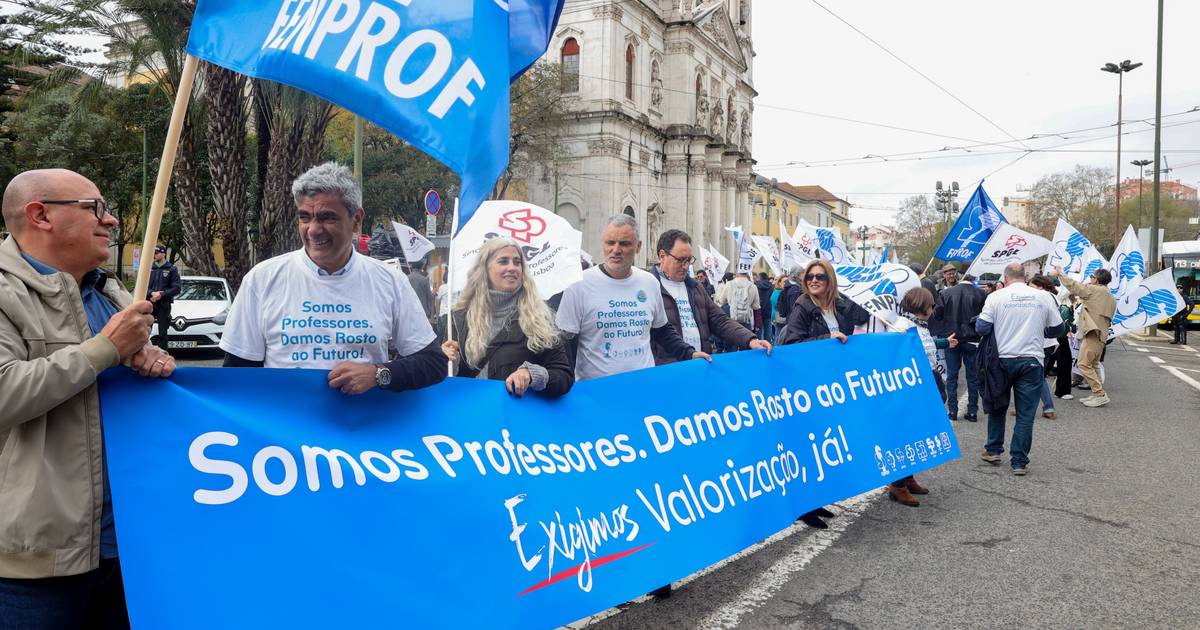
A general strike is a coordinated, large-scale work stoppage across multiple sectors called by trade unions to press political or labour demands. The December 11, 2025 strike — the first in 13 years — disrupted transport, schools and many public services, and illustrated that strikes can cause major short-term interruptions while employees and public-service rules determine who can legally take part.

The General Confederation of the Portuguese Workers (CGTP – Confederação Geral dos Trabalhadores Portugueses) is Portugal’s largest trade-union confederation, grouping most unions in manufacturing, public services and many other sectors.
Founded clandestinely in 1970 as “Intersindical” under the dictatorship, it emerged publicly after the 1974 Carnation Revolution and was legalised in 1975. It has been central to virtually all major labour struggles since then, from defending collective bargaining and the 40‑hour week to leading general strikes against austerity and labour‑law rollbacks.
CGTP is historically close to the Portuguese Communist Party and has a class‑struggle, anti‑neoliberal profile, strongly critical of EU and government policies seen as undermining workers’ rights. It favours grassroots mobilisation and strikes over compromise, often refusing national social‑pact deals that the more centrist UGT is willing to sign.
In today’s Portugal, CGTP remains a key actor in wage bargaining, labour‑law debates and national protests; together with UGT it called the first joint general strike in years in December 2025, signalling its continuing capacity to organise mass action.
AI Summary AvailableLabour minister says CGTP declined to negotiateRead the synthesized summary with context and explainers
View full article on dn.pt