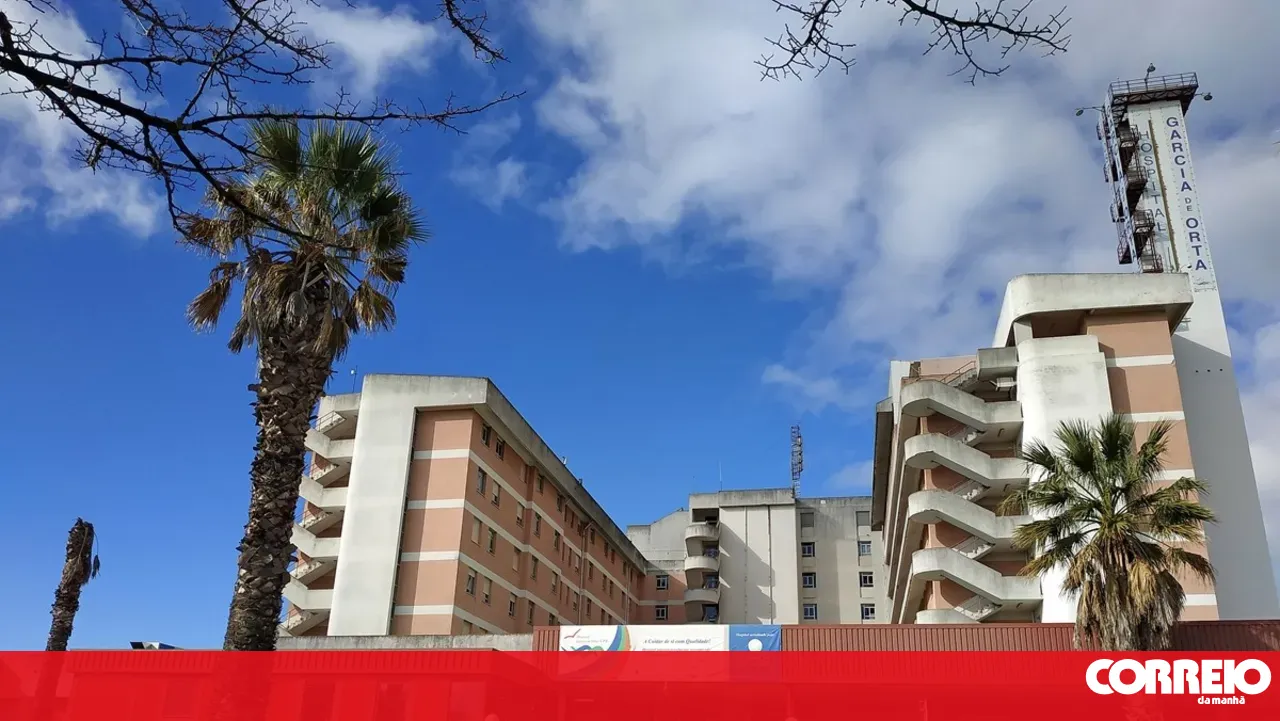
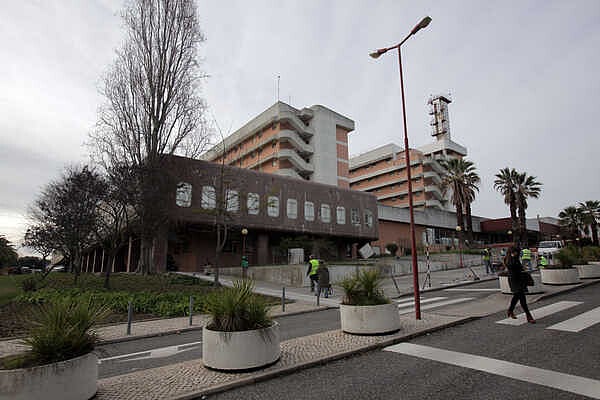
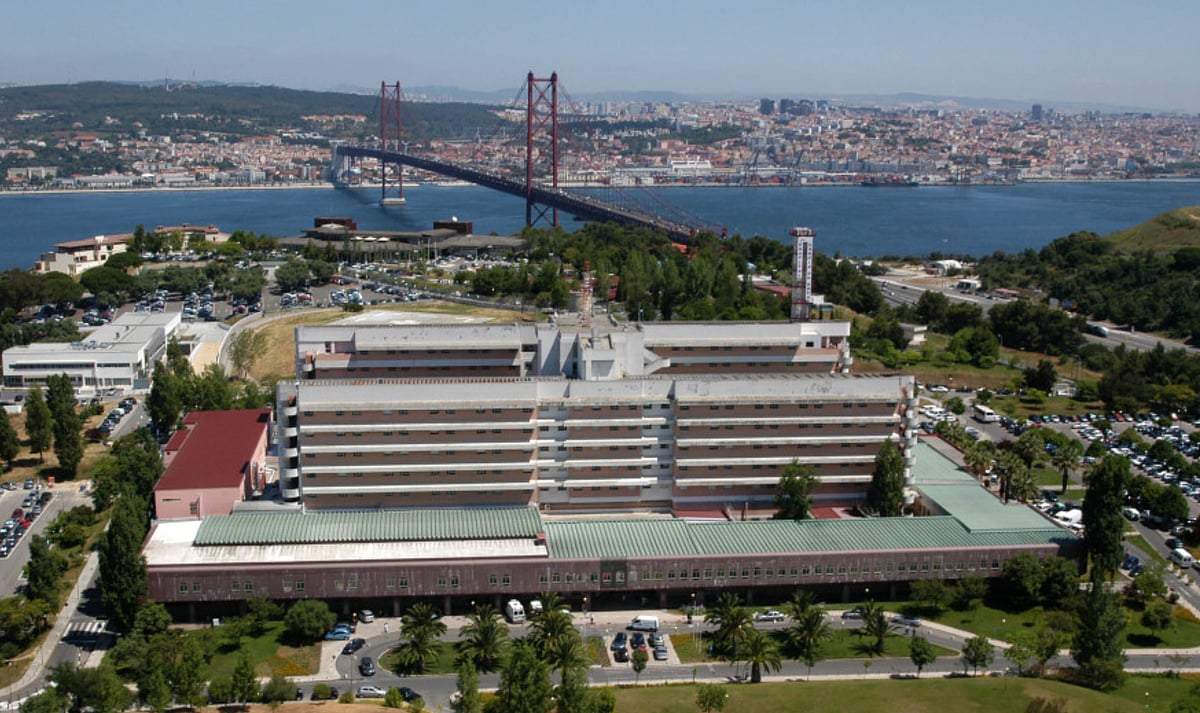
Almada: Garcia de Orta Hospital is refusing new pregnant patients
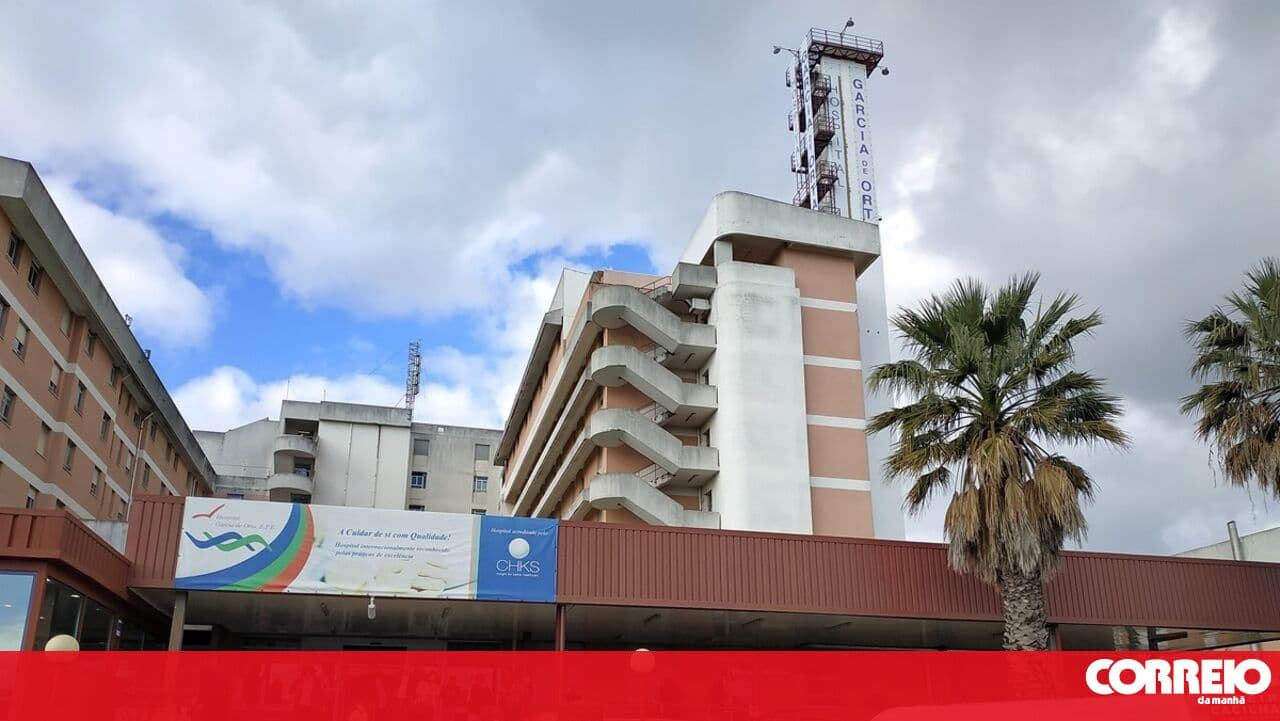
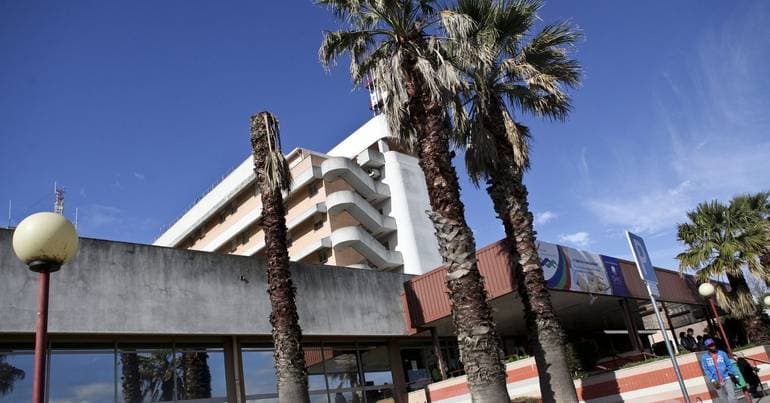
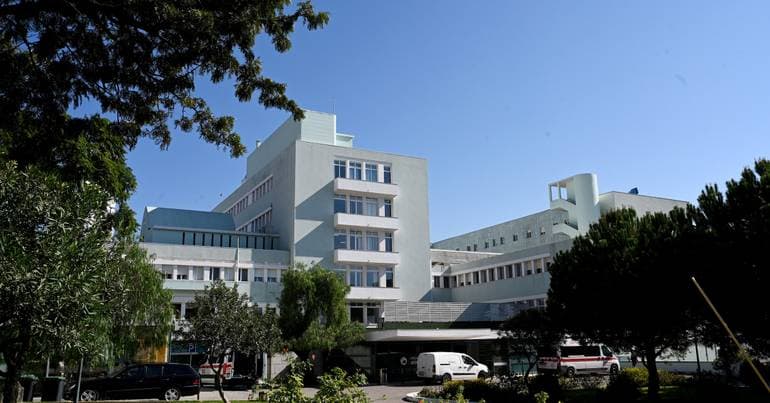
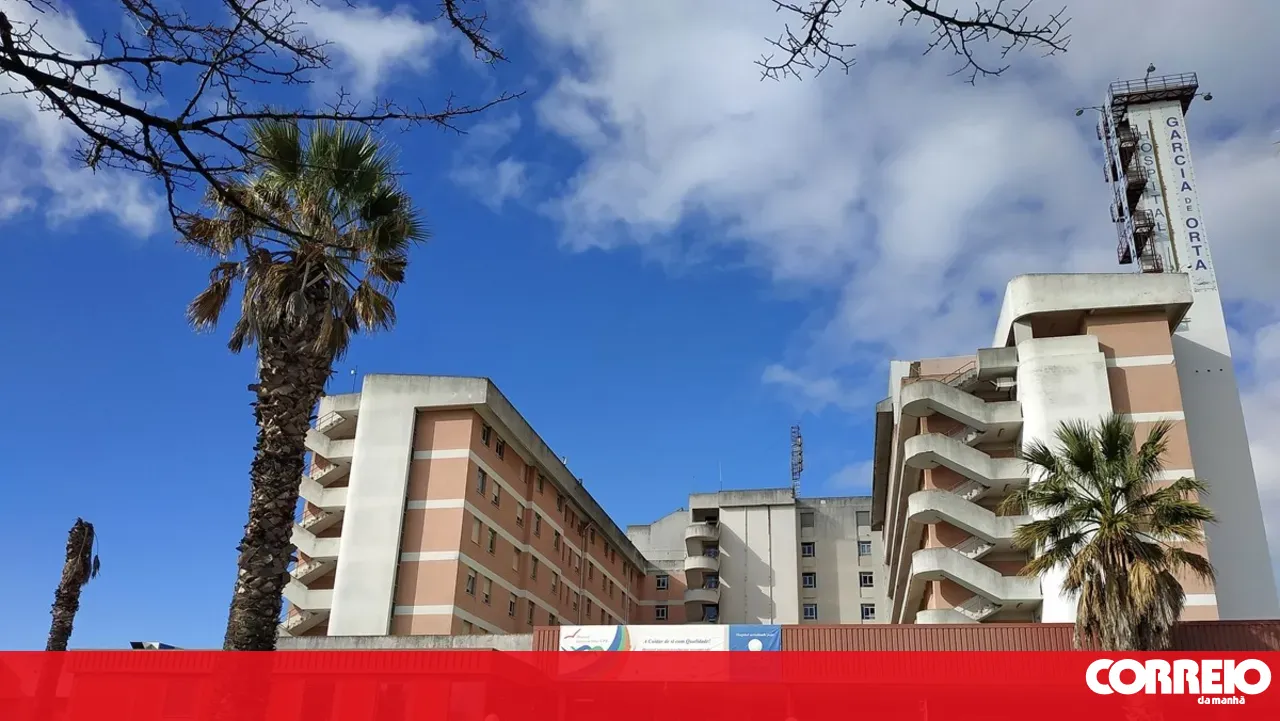
The Garcia de Orta Hospital in Almada has suspended admissions for new pregnant patients due to a critical shortage of medical staff in the obstetric emergency department.

Latest news and stories about patient care in Setúbal, Portugal for expats and residents.
The Garcia de Orta Hospital in Almada has suspended admissions for new pregnant patients due to a critical shortage of medical staff in the obstetric emergency department.

The Garcia de Orta Hospital in Almada faced temporary emergency department closures due to staffing roster issues and an influx of births, while separate concerns arise over the closure of a Family Health Unit in Alverca due to facility maintenance failures.

Dozens of citizens gathered at a public forum in Setúbal, organized by the PCP, to protest against the current state of the NHS, citing critical shortages of doctors and the risk of service collapses.

The Garcia de Orta Hospital faces potential overcrowding and staffing shortages as it becomes a regional hub following the permanent closure of the Barreiro obstetrics emergency department.

A professional network is advocating for fair funding in continuing care units to address critical staffing shortages, with formal recommendations due to the government by June.

Mayors in Barreiro are opposing the closure of the obstetrics and gynaecology emergency unit, citing that over 16,000 births have occurred there between 2014 and 2024. They find the decision to close the unit incomprehensible, especially in light of ongoing healthcare challenges, such as ambulances being held for hours at other emergency departments due to high patient volumes.

An elderly woman tragically passed away in the emergency room of Gracia de Orta Hospital in Almada while waiting for medical attention after being triaged and moved to the clinical observation area.

A 35-year-old woman gave birth at home in Almada before an ambulance could be dispatched, despite being classified as a priority-two emergency involving bleeding and severe pain. The call for The post Baby born at home after Almada emergency call waits 30 minutes for ambulance appeared first on Portugal Resident.

The incident occurred on Wednesday in Almada. An ambulance was only dispatched half an hour after the initial call.

A woman in Almada gave birth to a baby girl at home due to a lack of available ambulances and resources from the National Institute of Medical Emergency (INEM), the Union of Pre-Hospital Emergency Technicians (STEPH) reported today. The incident occurred on Wednesday in the Torrão neighbourhood after an initial call at 12:09, but an ambulance was only dispatched half an hour later. STEPH official Rui Lázaro criticised the INEM's alleged decision to remove 100 ambulances from service, a claim the institute's management has denied. The pregnant woman, who was experiencing haemorrhaging and severe pain, was triaged as priority 2, but no ambulances were available in the area at the time. The baby, named Vitória, was born at home with the help of neighbours before the ambulance arrived. Both mother and child were eventually taken to the Alfredo da Costa Maternity Hospital in Lisbon. The union argues that this case highlights systemic failures, while the INEM maintains that it is not dismantling its emergency services but rather integrating them more effectively with hospital care.

The Portuguese Medical Association (Ordem dos Médicos) has warned that the new National System for Access to Consultations and Surgeries (SINACC) could lead to an 'artificial clearing' of waiting lists, potentially excluding up to 300,000 patients. Following a visit to the Almada Local Health Unit, Association President Carlos Cortes stated that the system has significant flaws regarding medical procedures and confirmed that a document with correction proposals will be submitted next week. The Ministry of Health is collaborating with the Association to rectify these errors before the system's full implementation. Additionally, Cortes addressed concerns regarding obstetric emergency closures in August and highlighted a critical shortage of anesthesiologists at the Garcia de Orta Hospital.

The Executive Director of the SNS acknowledged today that there have been some constraints in the regional Obstetrics and Gynaecology emergency departments of the Setúbal Peninsula and Loures, but assured that they have never closed and have maintained their response capacity.
The executive director was responding in this way to reports of some constraints observed in recent days.

Chronic pain does not only affect the body. Psychologist Cristina Catana, with over 30 years of experience, observes daily how it can also isolate, reactivate traumas, and compromise one's sense of life.

The Regional Obstetrics Emergency Department at Garcia de Orta Hospital in Almada has experienced service issues again but guarantees it has never closed its doors since it began operations in April.

Doctors warn that the change could discourage the performance of additional surgeries and compromise the recovery of waiting lists.

Regional emergency rosters were “at the limit” and failures have been recorded since Sunday. CODU is redirecting pregnant women to Lisbon. The gathering was intended to ensure emergency departments remain open at all times.

Scheduled appointments and nursing treatments planned for the afternoon have been rescheduled.

The PCP secretary-general criticised Ana Paula Martins for “inaugurating the CUF Hospital in Barreiro, Setúbal district, after having ordered the closure of the paediatric emergency department”

The administrator gives a positive assessment of the regional obstetrics emergency department and has five doctors who may be hired. However, he acknowledges that the ULS faces “numerous constraints” regarding human resources.

Two inquiries opened by the IGAS into deaths recorded in January are stalled: one is awaiting an autopsy report, the other is waiting for a medical document.

The call to the emergency dispatch centre was made at 14:45 and the Medical Emergency and Resuscitation Vehicle only arrived at the scene at 15:52, more than an hour later.

The Setúbal Peninsula recorded the highest rate of access constraints to obstetric and gynaecological emergency services, with limitations on 76.2% of days, significantly above the national average of 15.3%. Data from the Health Regulatory Authority (ERS) highlights that while the region has a high ratio of delivery rooms, it suffers from reduced effective medical capacity. The report also notes a concerning increase in births occurring in ambulances due to frequent service closures.

It records the highest access constraints, with 76.2% of days experiencing limitations, well above the national average of 15.3%

The Health Regulatory Authority, which analysed the period between October 2024 and November 2025, states that constraints resulting from provider limitations “are reflected in effective restrictions on access”.

Opposing what they consider to be the disinvestment being made by the Government in the National Health Service, a new manifesto from 12 public service user committees of the Setúbal Peninsula will reach the Minister of Health's desk this Friday.
The gynaecology/obstetrics team is 80% composed of professionals from the Almada and Barreiro hospitals and continues to rely on temporary doctors.

A 16-year-old youth opened fire at a school, causing the deaths of three students and a teacher. Additionally, the clinical director of the ULS Almada and Seixal provides a positive assessment of the launch of the regional emergency department.

Twelve public service user organisations have signed a manifesto criticising the closure of the gynaecology and obstetrics emergency department in Barreiro, Setúbal district, which they intend to deliver to the Minister of Health on Friday.
User committees from the Setúbal Peninsula have been demanding the construction of the Seixal hospital, the reactivation of the Montijo hospital, and the construction of primary healthcare units needed by the populations in all municipalities.