Letters to the editor
A section of a newspaper or publication featuring letters sent by readers to the editor.

Latest news and stories about healthcare in Setúbal, Portugal for expats and residents.
A section of a newspaper or publication featuring letters sent by readers to the editor.

A woman in Palmela has died after waiting over an hour for emergency medical assistance, highlighting critical concerns regarding the availability and maintenance of emergency vehicles.

Dozens of citizens gathered at a public forum in Setúbal, organized by the PCP, to protest against the current state of the NHS, citing critical shortages of doctors and the risk of service collapses.

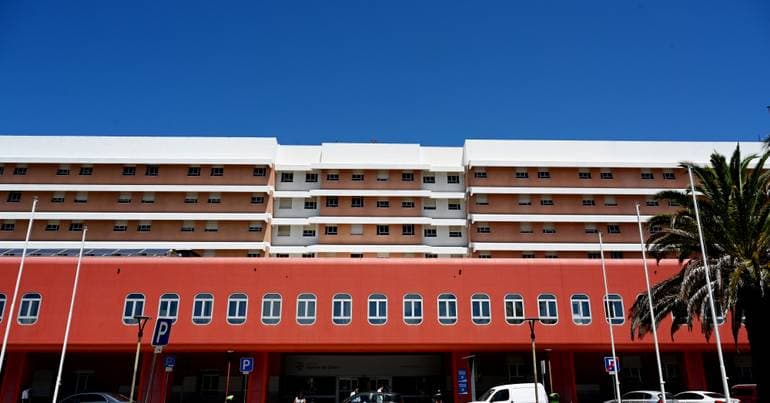
A new regional gynaecology and obstetrics emergency service has launched on the Setúbal Peninsula, operating across the Garcia de Orta and São Bernardo hospitals while relying on a mix of permanent and temporary medical staff.

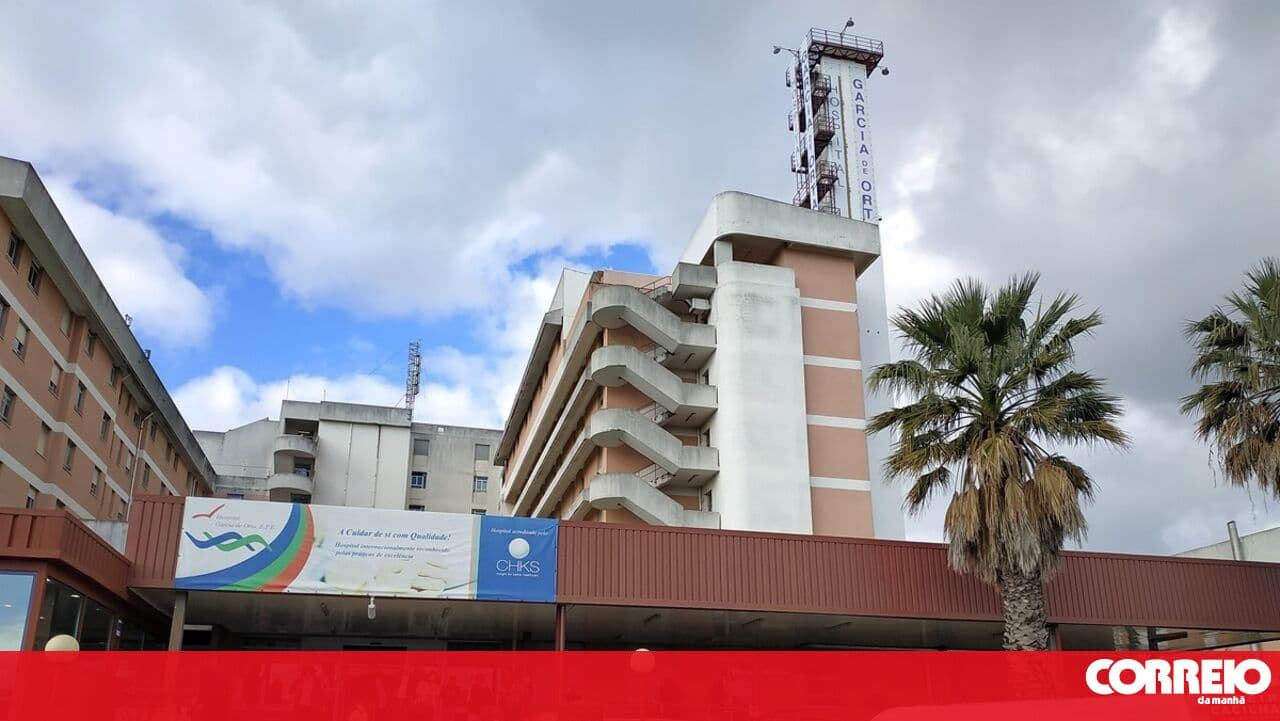
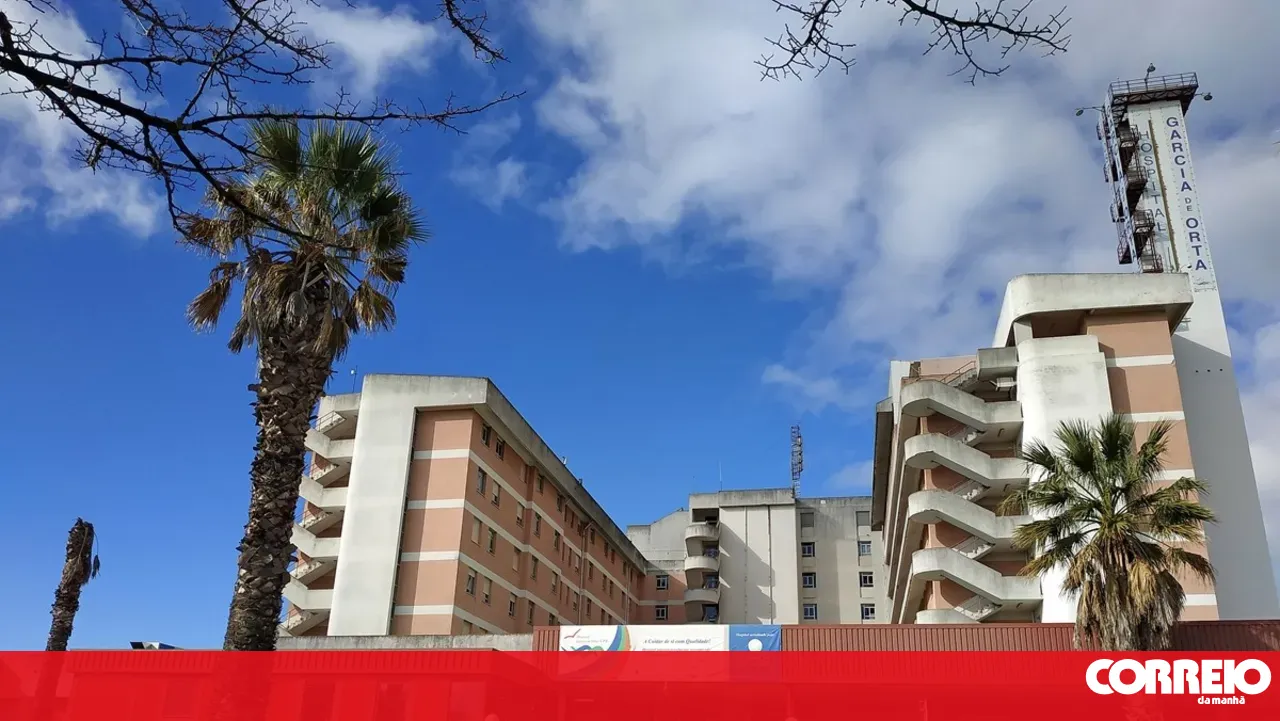
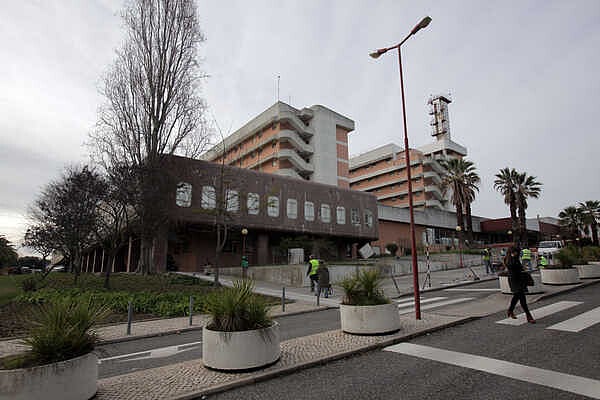
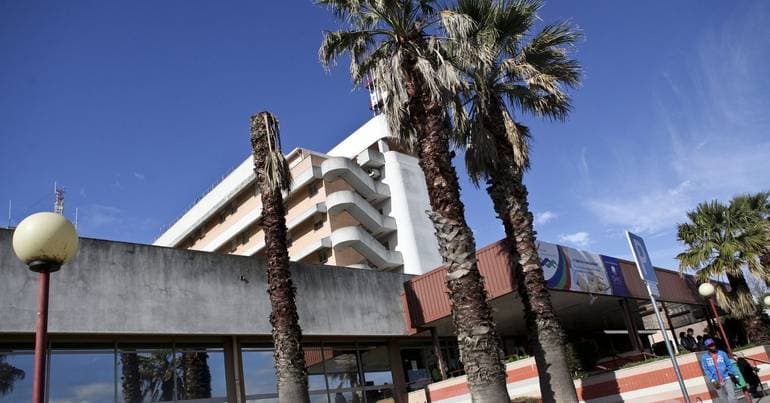
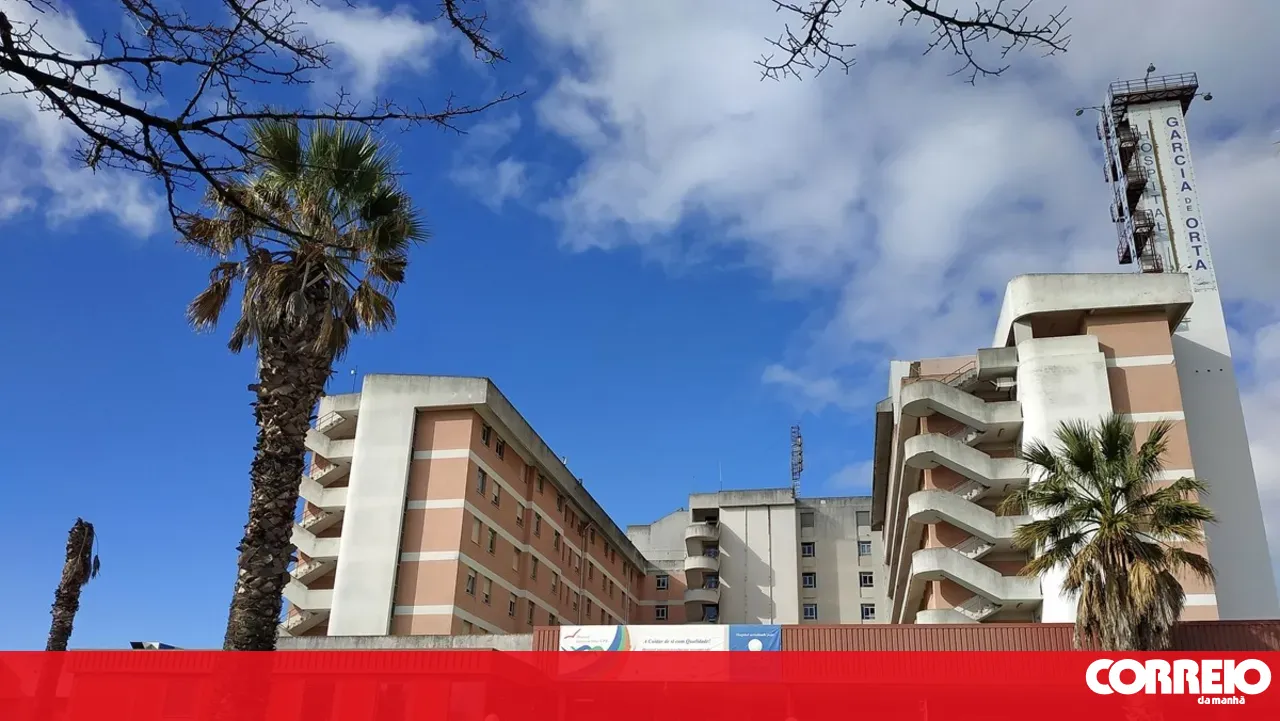
The Garcia de Orta Hospital faces potential overcrowding and staffing shortages as it becomes a regional hub following the permanent closure of the Barreiro obstetrics emergency department.

A professional network is advocating for fair funding in continuing care units to address critical staffing shortages, with formal recommendations due to the government by June.

Mayors in Barreiro are opposing the closure of the obstetrics and gynaecology emergency unit, citing that over 16,000 births have occurred there between 2014 and 2024. They find the decision to close the unit incomprehensible, especially in light of ongoing healthcare challenges, such as ambulances being held for hours at other emergency departments due to high patient volumes.

An elderly woman tragically passed away in the emergency room of Gracia de Orta Hospital in Almada while waiting for medical attention after being triaged and moved to the clinical observation area.

The strike participation figures demonstrate the nurses' discontent, the union stated, highlighting in particular the discrimination felt regarding the payment of retroactive career progression salary adjustments.

The Setúbal Peninsula Regional Emergency Department is handling more daily visits than the region's three emergency units combined last year.

There are dozens of medical emergency vehicles that are out of service due to a lack of personnel.
The Pre-Hospital Emergency Technicians Union (STEPH) warns that several vehicles are inoperable due to breakdowns and are not being replaced.

The union reports several delays in emergency response and a lack of reserve vehicles at INEM.

The STEPH warns of dozens of ambulances in workshops without replacements. On Wednesday, the only INEM ambulance in Setúbal broke down — and the one requested from Pombal did as well.

The care home, where 13 elderly people were staying, was operating without any license and lacked adequate hygiene and safety conditions.

The ULSAS Fertility Centre, which has recorded pregnancy rates per embryo transfer of over 40%, is the only public centre south of the Tagus authorised to provide medically assisted reproduction techniques.

Setúbal Hospital is experiencing constraints in its obstetrics emergency department.

The Setúbal Peninsula recorded the highest rate of access constraints to obstetric and gynaecological emergency services, with limitations on 76.2% of days, significantly above the national average of 15.3%. Data from the Health Regulatory Authority (ERS) highlights that while the region has a high ratio of delivery rooms, it suffers from reduced effective medical capacity. The report also notes a concerning increase in births occurring in ambulances due to frequent service closures.

The use of Obstetrics and Gynaecology emergency services is highest in the Centre, Greater Lisbon, and Algarve regions, while the Setúbal Peninsula records the greatest access constraints, with 76.2% of days experiencing limitations, well above the national average of 15.3%.
It records the highest access constraints, with 76.2% of days experiencing limitations, well above the national average of 15.3%

Regarding total closures, the Setúbal Peninsula stands out again, with emergency services closed on 34.9% of days.

The Health Regulatory Authority, which analysed the period between October 2024 and November 2025, states that constraints resulting from provider limitations “are reflected in effective restrictions on access”.

A public rally in Setúbal brought together dozens of people demanding more doctors and services in the NHS. The party warned of emergency department closures and 20,000 patients without a family doctor in the municipality alone.

Opposing what they consider to be the disinvestment being made by the Government in the National Health Service, a new manifesto from 12 public service user committees of the Setúbal Peninsula will reach the Minister of Health's desk this Friday.
The gynaecology/obstetrics team is 80% composed of professionals from the Almada and Barreiro hospitals and continues to rely on temporary doctors.

ASPE warns of the transfer of specialists without formal notification and accuses the NHS of effectively closing the Barreiro obstetric emergency department, contradicting statements made by the Minister of Health.

According to the association, these reassignments are already included in the April rosters, without any individual notification or formal framework having taken place.

Ferreira stated that the Barreiro municipality does not accept this decision and will continue to make efforts to reverse it.

The Nossa Senhora do Rosário Hospital closed its gynaecology and obstetrics emergency department this Wednesday. The local council refuses to accept the move and promises to reverse the Government's decision.

The service extends across two sites: one at Garcia de Orta Hospital in Almada, and another at São Bernardo Hospital in Setúbal.