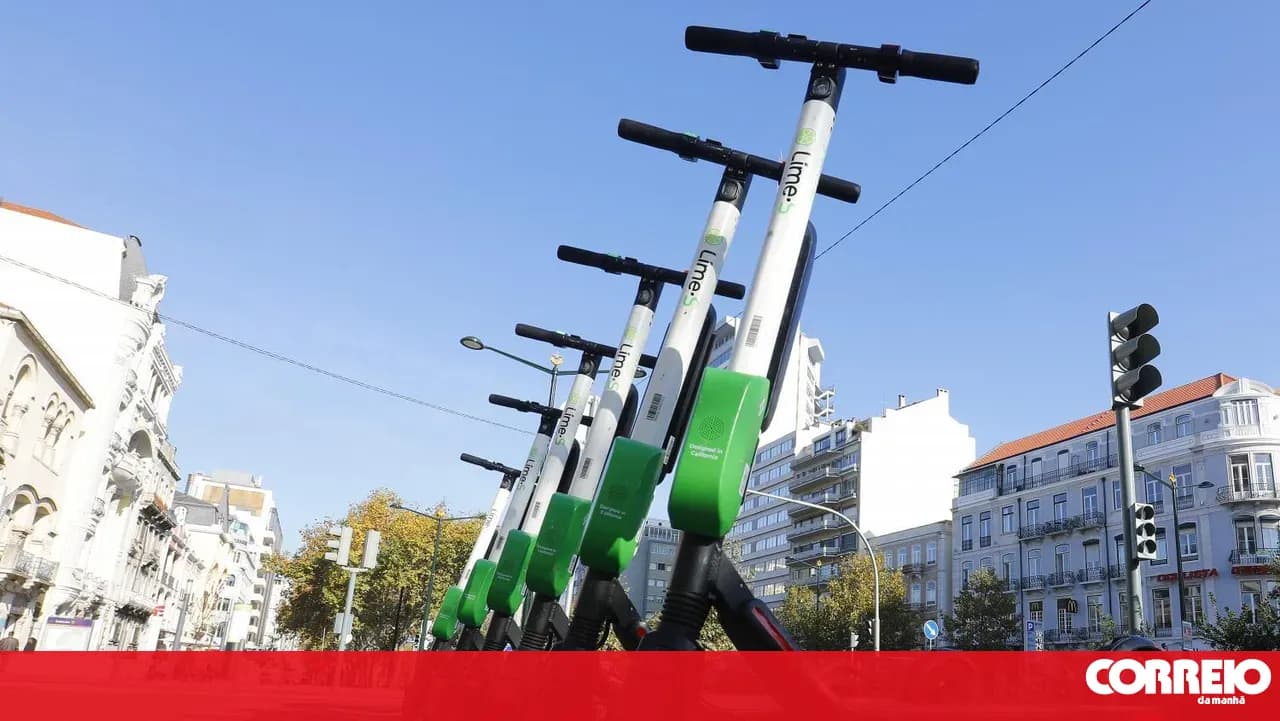
Lisbon Approves Shared Electric Scooter Ban with 60-Day Deadline
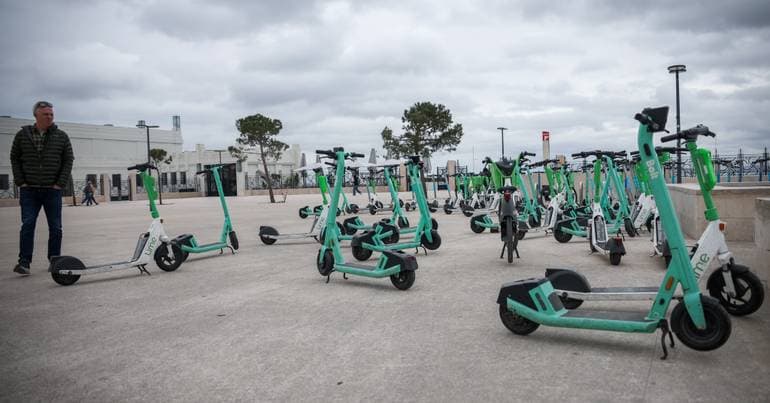
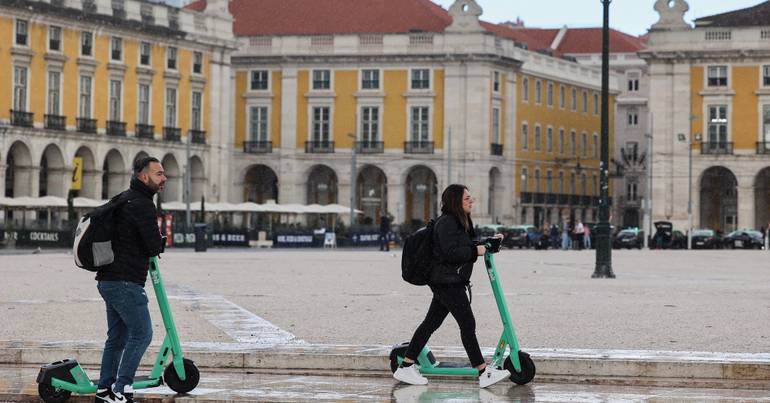
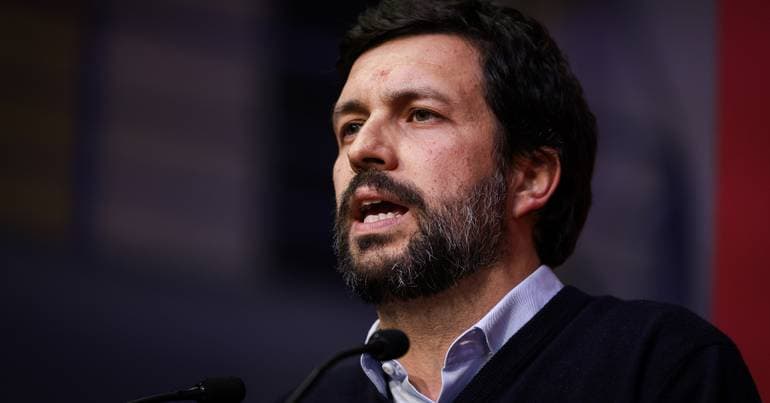
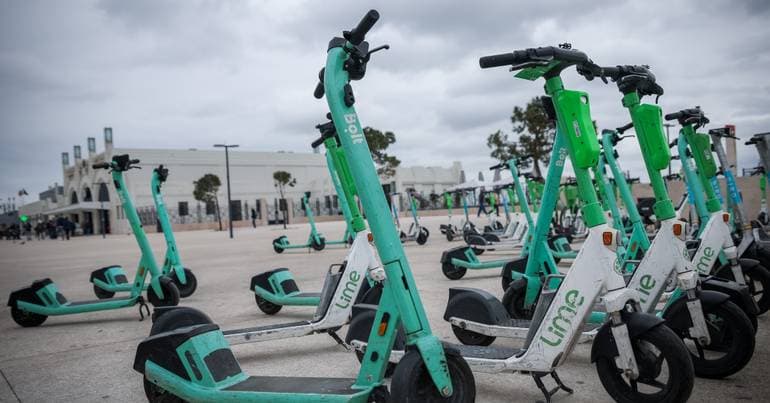
Lisbon City Council approved a proposal on Wednesday to suspend all shared electric scooters across the capital, giving operators 60 days to remove their vehicles. The initiative, introduced following mounting complaints over dangerous riding and blocked pedestrian walkways, passed with backing from Lisbon Mayor Carlos Moedas and his ruling coalition.
The Socialist Party (Partido Socialista), Left Bloc (Bloco de Esquerda), and Portuguese Communist Party (Partido Comunista Português) abstained, while Livre and the Liberal Initiative (Iniciativa Liberal) voted against. Moedas argued the suspension is necessary to restore safety and clear public space while the city drafts a municipal regulation, pointing to similar bans in Paris, Madrid, and Brussels.

Carlos Manuel Félix Moedas (born August 10, 1970, in Beja) is a civil engineer, economist, and center-right politician who has served as Mayor of Lisbon since October 2021. He earned degrees in civil engineering from Instituto Superior Técnico and an MBA from Harvard, working at Goldman Sachs and founding his own investment firm before entering politics. During Portugal's 2011-14 bailout, he served as Secretary of State coordinating Troika-mandated structural reforms. From 2014-19, he was European Commissioner for Research, Science and Innovation, managing €77 billion in research funding and designing the €100 billion Horizon Europe program. Moedas narrowly won Lisbon's mayoralty in 2021 with 34.3%, defeating Socialist incumbent Fernando Medina. Governing initially with a minority coalition, he implemented free public transport for youth and elderly residents, launched the "Unicorn Factory Lisboa" innovation hub attracting 82 tech companies and 16,000 jobs, and won Lisbon the 2023 European Capital of Innovation award. He was re-elected in October 2025 with 41.7%, securing eight of nine council seats. His significance lies in shifting Lisbon's political trajectory rightward after decades of Socialist governance, positioning the capital as a European tech hub while prioritizing housing development, carbon neutrality by 2030, and innovation-driven economic growth.

- Leader: Currently vacant (Mariana Mortágua resigned October 2025)
- Ideology: Democratic socialism, eco-socialism, feminism
- Founded: 1999
The Left Bloc (Bloco de Esquerda, BE) is a Portuguese left-wing party founded in 1999 as a coalition of far-left movements (UDP, PSR, and Política XXI). It positioned itself as a modern, progressive alternative to the traditional left, attracting younger urban voters with campaigns on social justice, LGBTQ+ rights, drug policy reform, housing, and labor protections.
The party's peak influence came during the 2015–2019 Geringonça ("contraption") government, when it supported António Costa's PS minority administration alongside the PCP. This arrangement reversed austerity measures and presided over economic recovery, giving BE significant policy leverage.
Since then, the party has suffered a sharp electoral decline — from 19 seats in 2015 to just 1 seat in the May 2025 election, its worst result in history. Leader Mariana Mortágua resigned in October 2025 after failing to reverse the slide. The party is currently undergoing a leadership contest and internal debate about its future direction, squeezed between the PS on one side and Livre on the other.
- Leader: Mariana Leitão (since July 2025)
- Ideology: Classical liberalism, economic libertarianism
Founded in 2017, the Liberal Initiative advocates for reduced state intervention, tax simplification, labor market liberalization, and secular liberalism under the motto "Less State, More Freedom". The party gained its first parliamentary seat in 2019 and now holds 9 seats. Mariana Leitão, 42, became the party's first female leader in July 2025 after Rui Rocha resigned following disappointing 2025 election results. Leitão previously served as parliamentary leader and has been announced as the party's candidate for the 2026 presidential election. The party explicitly rejects alliances with both far-left and far-right parties, positioning itself as the "only alternative" that won't negotiate with extremes.