ULisboa RedeMOV Conference “Pedestrian accessibility in the City of Lisbon: a spatial model based on factors affecting walkability”

Latest news and stories about urban mobility in Portugal for expats and residents.

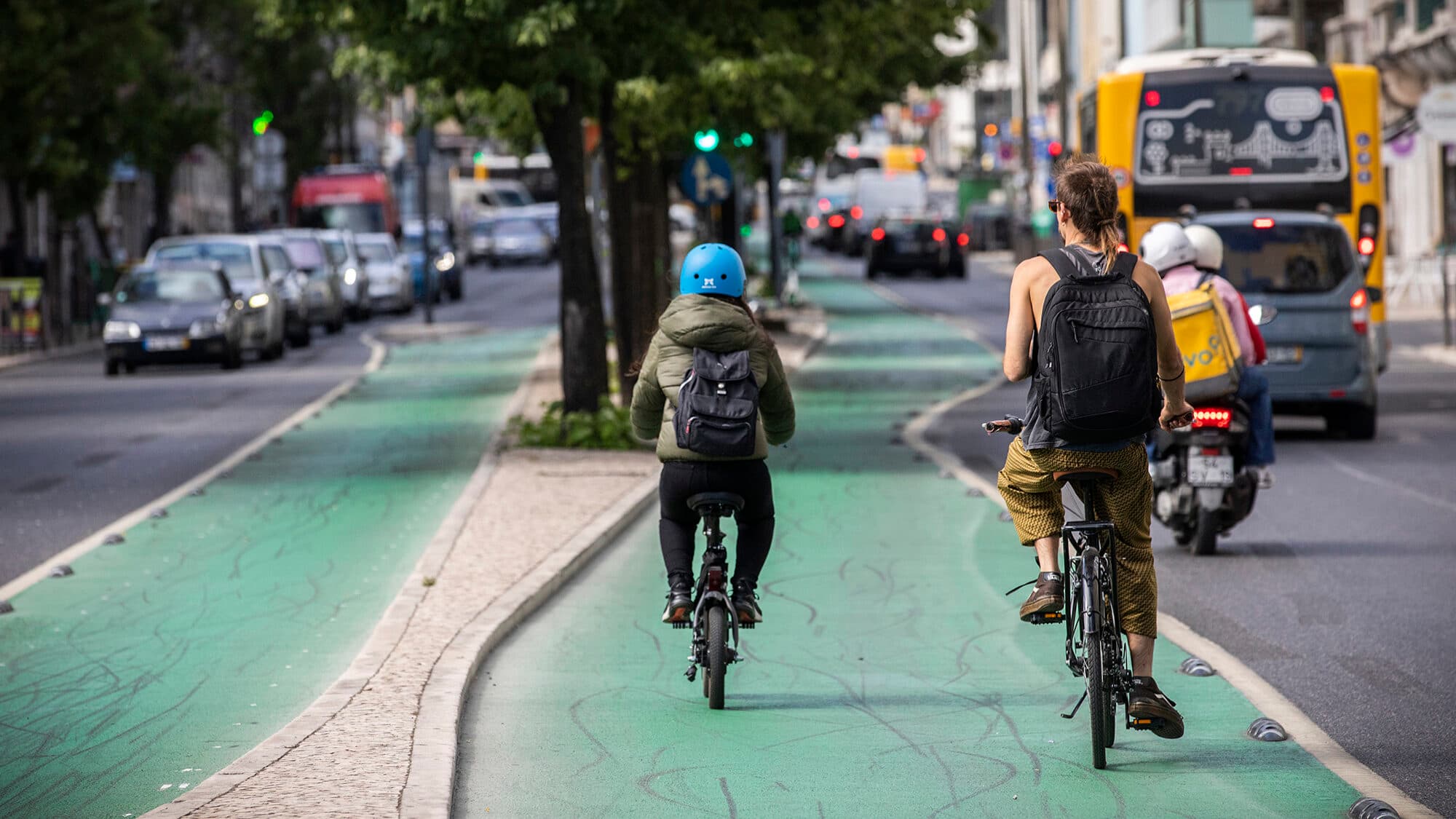
The president of the Estrada Viva Association says that “most accidents involving bicycles are falls and minor injuries,” whereas, on the other hand, “whenever there is a collision with a car, the consequences are extremely serious.”

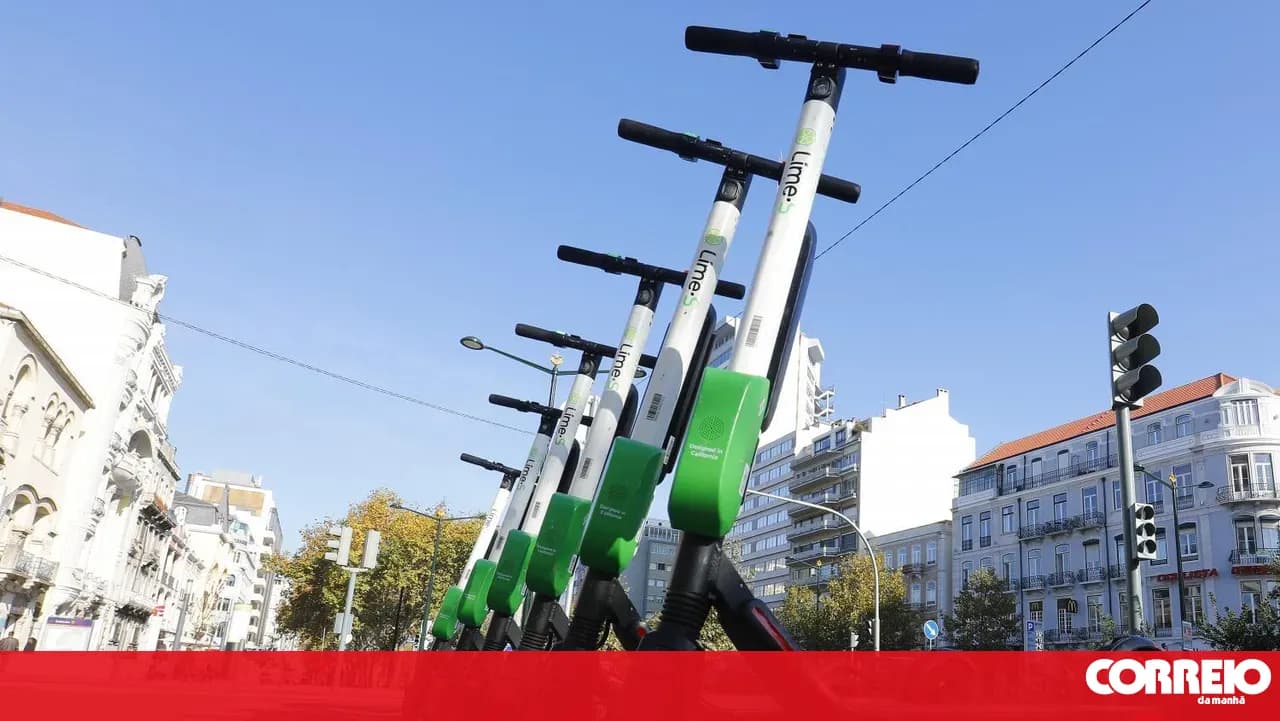
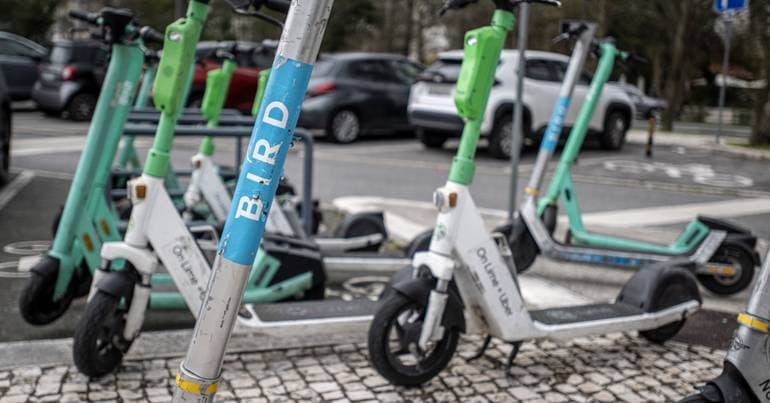
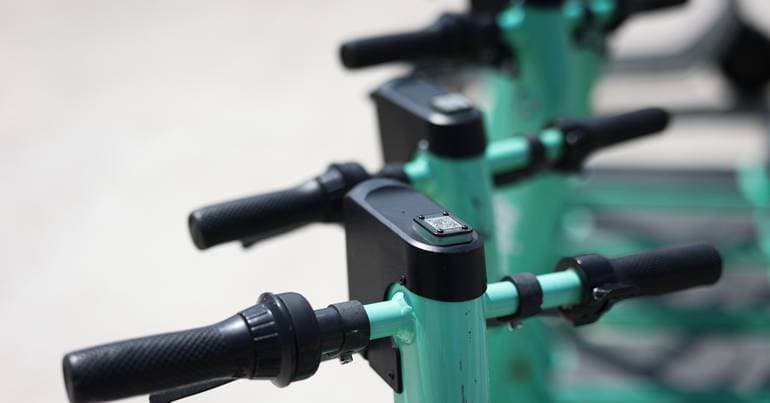
The removal of the bollards that delimited a cycle lane in the city was completed this week. The Vice-President of Gaia City Council announced a possible end to the use of e-scooters.

The removal of the bollards that delimited the cycle lane was completed this week, at which time the city council also announced the end of a tender for the provision of e-scooters to the public.

The Socialist proposal follows the death of a 25-year-old woman on Saturday in an accident involving an electric scooter.

The PS proposal was approved unanimously. The study aims to understand the accident rate associated with these vehicles and consider measures to reinforce safety.

People over 66 find a wider and more diverse range of people than those in the working-age groups. In short, retirement may not close doors, but rather open them.

Around six thousand users travel on the metrobus daily. The free trial phase continues until April 19 to optimise schedules and public information. Users highlight the comfort, speed, and reliability of the service.

The European urban landscape has undergone a historic shift this week. With the arrival of robotaxis in Zagreb and the start of Waymo's trials in London, autonomous driving has moved from a futuristic promise to a daily reality on the continent's roads. On Wednesday, 8 April, Zagreb officially became the first city in Europe to offer a commercial robotaxi service. The project is the result of a strategic partnership between Verne (a company from the Croatian Rimac group), Pony.ai, and Uber. The service already allows the public to book trips via an app, initially covering a 90-square-kilometre area, including the capital's airport. With promotional launch fares of 1.99 euros, the vehicles—which currently still have a safety operator on board—aim to demonstrate that full autonomy is the solution to congestion and road safety. Meanwhile, on British soil, Waymo (a subsidiary of Alphabet, the owner of Google) began its pilot tests this month. London will serve as the stage for the tech company's largest expansion outside the United States. Using the Jaguar I-PACE equipped with LiDAR sensors and state-of-the-art radar, Waymo plans a full commercial launch for September 2026. The challenge is significant: navigating the narrow streets and unpredictable traffic of the London City. If successful, Waymo hopes to transform mobility in the British capital, offering a predictable and safe alternative to traditional services like Uber. Safety is the central argument: machines do not suffer from fatigue or distraction. However, the debate over privacy and data collection in autonomous cabins continues to divide opinion, promising to be the next major regulatory topic in Europe.

The changes now approved aim to “expand the capacity and potential in legal terms” of the company.

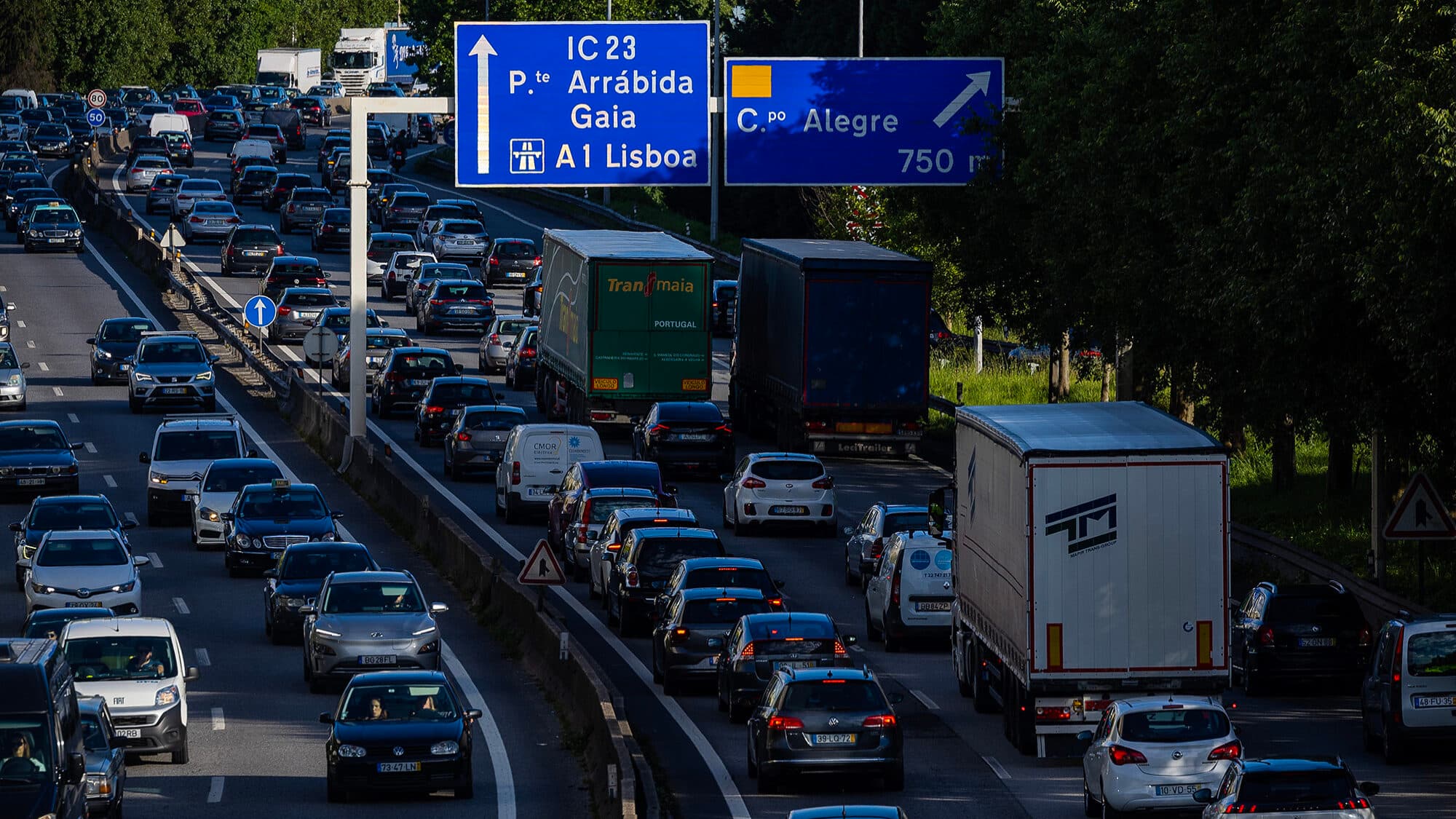
In Europe, Portugal is one of the countries most dependent on cars for urban mobility. According to the European Commission, the automobile is the most used means of transport by residents in Lisbon and Braga.

Artificial Intelligence is transforming how cities function, from traffic lights to bicycles, and from public transport to autonomous vehicles. Jorge da Silva Cunha, General Manager of Yunex Traffic in Portugal, explains how this technology can make urban life safer, more efficient, and more sustainable. Listen here to the Expresso mobility podcast, Mobi Boom, hosted by Luís Costa Branco.
Tuk-tuks continue to be a 'headache' in São Vicente one year after new rules were introduced. Residents of São Vicente complain about the noise and chaos caused by the tourist vehicles.

Bolt enters 2026 with a positive outlook for the Portuguese market, noting that demand for ride-hailing services continues to outpace the supply of vehicles. Mário de Morais, General Manager of Bolt Portugal, argues that despite concerns about congestion, there is still a shortage of TVDE vehicles to meet urban needs. The company is now focusing on becoming a comprehensive mobility platform, aiming to integrate public transport and intercity train and bus tickets into its app, while also exploring future pilot projects for autonomous vehicles.
The City Council stated that the system includes “automatic license plate recognition cameras, bollards, traffic lights, intercoms, and a digital user management platform.”

Starting April 14, vehicle traffic will be restricted on Rua das Carmelitas, Rua da Galeria de Paris, Rua do Conde de Vizela, Rua da Fábrica, Rua de Santa Teresa, and Rua de Avis.

The local authority already has four Restricted Vehicle Access Zones in effect.

Rui Lopo, the new president of Carris, says the company is evaluating which historical lines to reactivate. Priority will be given to those where the tracks remain on the ground. The bus network will undergo frequent changes.

Not all cyclists are the same, but pedestrians remain the weakest link. They used to dodge cars on the pavements, and now they have to move aside to avoid being hit by bicycles.

The city council had begun dismantling the dedicated lane in November, but MUBi - Association for Urban Mobility by Bicycle took legal action.

The City Council signed an agreement to regulate TVDE circulation, including restricted zones and specific areas for passenger pick-up and drop-off.

Lisbon City Council and ride-hailing platforms are set to sign an agreement to limit circulation in tourist areas and bus lanes.

Mobilidade argues that it is “absolutely essential” to ensure measures that allow for the reduction of travel times on public transport.

Lisbon City Council, Uber, and Bolt have signed an agreement defining prohibited locations for passenger pick-ups and drop-offs. Similar zones to taxi ranks are also being introduced. The operators reject the criticism that this is a “severe attack” and believe it is “the best for everyone.”
Examples of “red zones” already defined by the Lisbon municipal authority include the central axes of Avenida da Liberdade, Avenida da República, Avenida D. João II, and Avenida Padre Cruz, the streets of São Pedro de Alcântara, Ouro, and Belém, as well as some narrow arteries in historic areas.

Lisbon City Council and ride-hailing platforms are set to sign an agreement to limit circulation in tourist areas and bus lanes.

Lisbon City Council and platforms Bolt and Uber are signing a commitment agreement this Thursday that will create red zones in the city where it will no longer be possible to start or end ride-hailing trips, as well as blue zones, which will operate similarly to taxi ranks.

A French company has developed a system of electric boats and bicycles to replace lorries in city centres. ULS debuted in Strasbourg, is set to start in Paris, and aims to operate in Lisbon.

This electric scooter features two powerful motors, ensuring better traction and the ability to tackle steep inclines. However, it still suffers from the usual problems.

The public transport network in the Lisbon Metropolitan Area has long been the subject of numerous complaints and protests, particularly on social media. Issues include delays, the disappearance of scheduled services, and overcrowding on buses and trains, with the rail link between Setúbal and Lisbon being a particular point of concern. Data from the Upper Project shows that Lisbon's public transport usage is below the EU capital average, with only 22% of trips made via public transport. The article questions why there is no effective real-time information system to alert passengers of service changes and suggests that more reliable information at bus stops and better coordination between transport operators would greatly improve the user experience.