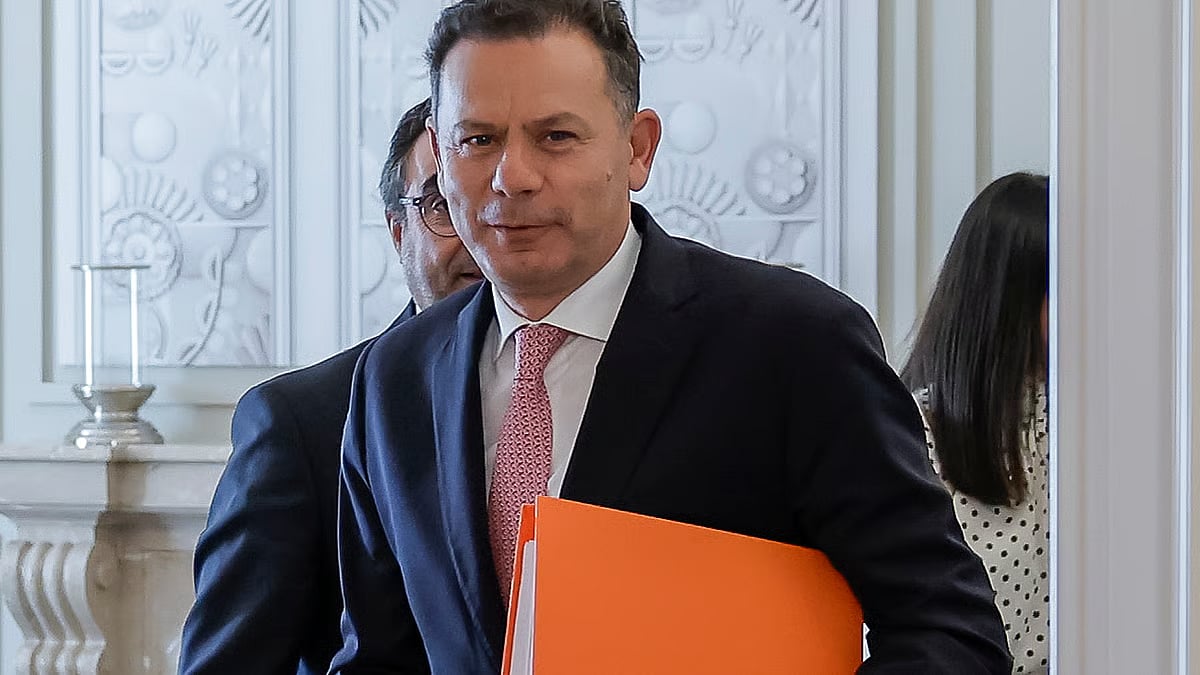
Floene warns that “excessive limitation” of investment could weigh on electricity and gas costs
Floene, Portugal's largest gas distributor, warns that restricting future infrastructure investment could lead to higher energy costs for consumers.

Latest news and stories about energy costs in infrastructure in Portugal for expats and residents.
Floene, Portugal's largest gas distributor, warns that restricting future infrastructure investment could lead to higher energy costs for consumers.

Public electric vehicle charging costs significantly exceed domestic rates, with 10 kWh often costing over 4 euros compared to the 14-20 cents per kWh typically found in home contracts.

Dynamic electricity tariffs in Portugal allow consumers to pay wholesale market prices, but the volatility of these rates can lead to significantly higher costs during peak periods compared to standard fixed-rate contracts.

The electricity sector's tariff debt is expected to fall by 529 million euros in 2027 to 552 million euros, the lowest level since 2010 and about half of what was projected for 2026, according to ERSE.

The Portuguese government has set a maximum expenditure limit of 229.9 million euros (excluding VAT) for public energy procurement for the coming year. Managed by the ESPAP to ensure competitive pricing, the budget covers electricity (151.9 million euros), road fuels (45 million euros), and natural gas (33 million euros) across hundreds of public entities. The initiative, led by Prime Minister Luís Montenegro, aims to save 46 million euros through centralised procurement, with costs funded by each entity's existing budget.

Eurostat data indicates that Portugal has the 11th highest electricity price among 34 European countries when adjusted for purchasing power, corroborating the statement made by Ventura at the Chega party's rentrée.

ERSE has approved a change to the time periods for electricity tariffs. Customers with bi-hourly and tri-hourly contracts will see the hours for cheaper prices shift.


Due to an increase in fees and taxes, the price of electricity in the European Union rose in the second half of 2025. Portugal ranked 11th among countries with the highest prices.