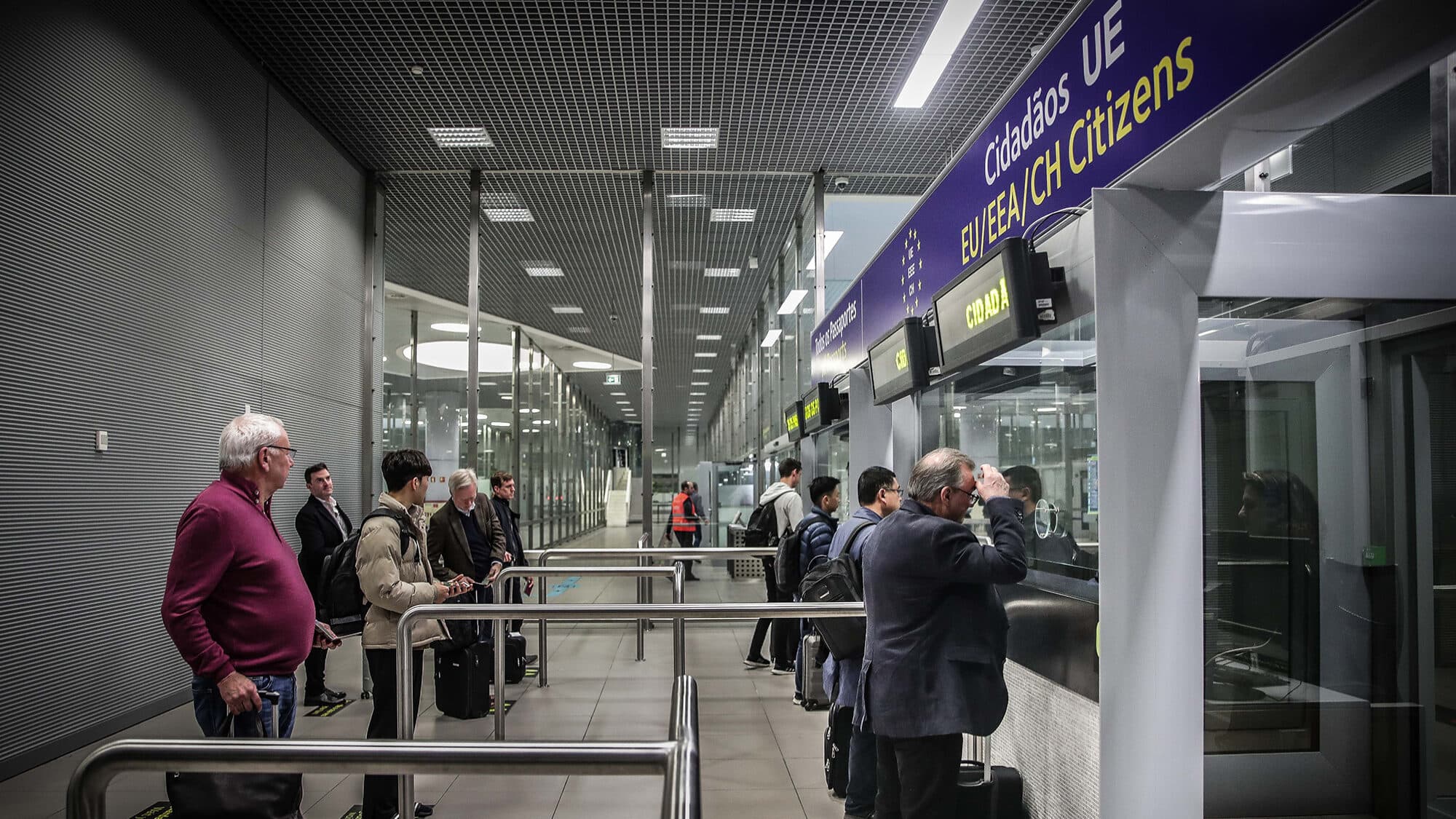
The Secretary of State for Infrastructure, Hugo Espírito Santo, stated that border control delays at Portuguese airports are part of a broader European problem rather than a national failure. This contradicts the European Commission, which maintains that processing times for the new Entry/Exit System (Sistema de Entrada/Saída or EES) should be minimal.
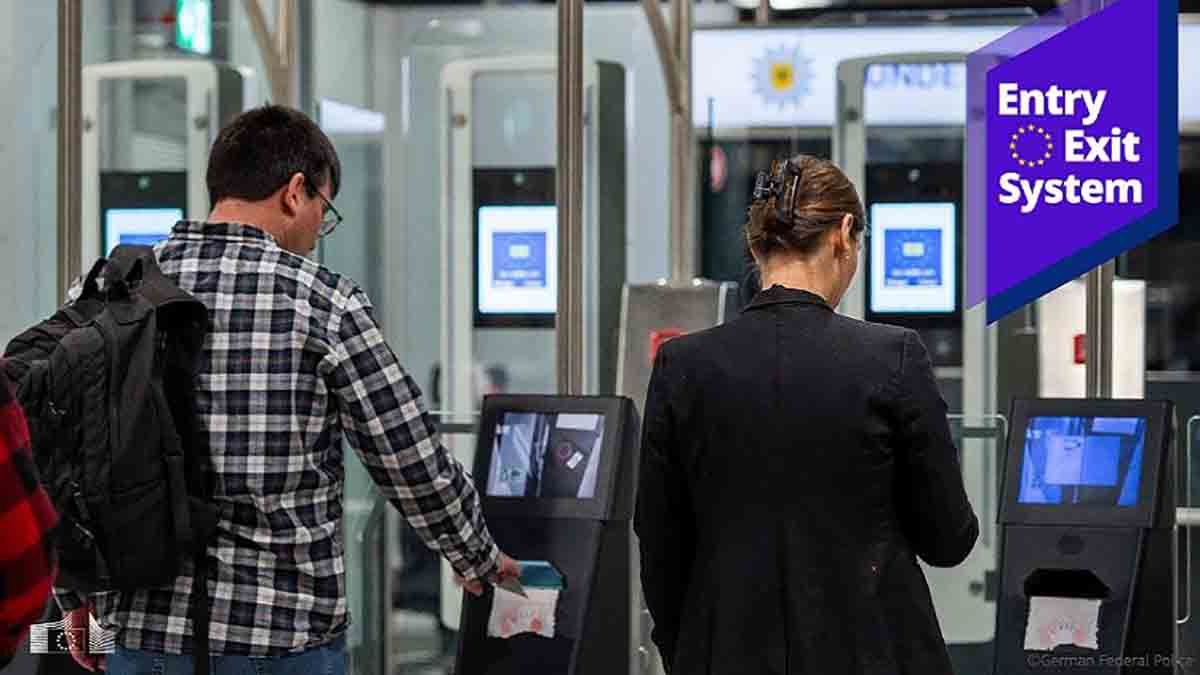
The Entry/Exit System (Sistema de Entrada/Saída or EES) is an automated IT system for registering travelers from non-EU countries, both short-stay visa holders and visa-exempt travelers, each time they cross an EU external border. It replaces the manual stamping of passports and is designed to improve security and identify overstayers within the Schengen Area.
An analysis of the logistical failures and administrative challenges surrounding the implementation of the EU's Entry/Exit System at Portuguese borders, focusing on the impact on travelers and the resulting airport disruptions.
Ryanair has formally requested that the Portuguese government suspend the implementation of the Entry/Exit System (EES) during the peak summer season to prevent significant airport delays and border control bottlenecks.
Portugal has joined eight other European countries in asking the European Commission to extend the emergency provision allowing countries to temporarily suspend the European Union’s Entry/Exit System (EES) if technical The post Portugal joins eight countries in calling for right to suspend EU border system beyond September appeared first on Portugal Resident.
Home News Minister says chaos in Portugal airports is under control Minister says chaos in Portugal airports is under control The Portugal News reported that on 14 June, border control was running smoothly compared with previous complaints about the EES in Portugal. By Bruno G.
With the summer season approaching, easyJet has urged the Portuguese government to manage the new Entry/Exit System (EES) with flexibility to prevent excessive queues at national airports. José Lopes, the airline's director in Portugal, warned that current border control delays are causing passengers to miss flights and discouraging future travel. He called for the acceleration of planned reinforcements, including the deployment of additional police officers, and suggested that the system should be temporarily suspended during peak times to avoid extreme congestion. Meanwhile, easyJet continues to strengthen its presence in Faro, aiming to reduce seasonality and maintain year-round operations in the Algarve, despite challenges such as rising fuel costs.
Minister of Internal Administration Luís Neves expressed optimism regarding the implementation of the EU's Entry/Exit System (EES) at Portuguese airports. Citing increased staffing, more e-gates, and improved physical infrastructure, the minister believes the measures will prevent the long queues seen since the system's rollout in October 2025. While acknowledging minor technical glitches and past construction-related delays, Neves stated that the government is working on better signage and passenger support to streamline the process during the busy summer tourist season.
Prime Minister Luís Montenegro has admitted the government could once again suspend the collection of biometric data as part of the European Entry/Exit System (EES) at Portuguese airports if long The post Airport queues: Government “unhappy” with EES, threatens suspension appeared first on Portugal Resident.
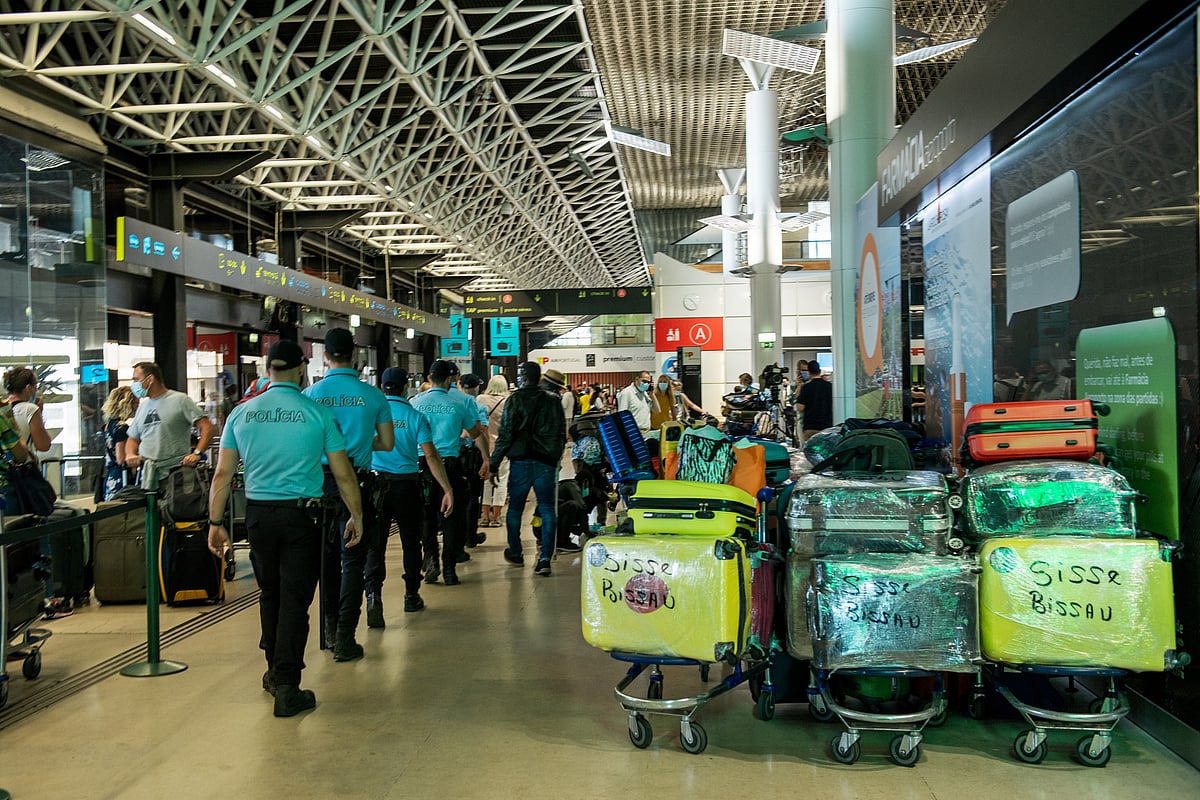
The Government refused this Monday, May 18, to suspend the implementation of the new European border control system at airports during the summer, although it admits that biometric data collection may be interrupted for limited periods. On Sunday morning, border control recorded waiting times of over two hours at Porto airport and an hour and a half at Lisbon and Faro airports, justified by the PSP due to technical and IT issues associated with a high flow of passengers from outside the Schengen area. On Saturday, there were also delays of over an hour at the Lisbon airport departure area due to technical/IT difficulties. The PSP admits waiting times of over two hours at Porto airport border control. On April 11 and 12, biometric collection at departures in Lisbon, Porto, and Faro airports had already been suspended due to excessive waiting times for passengers to board, the PSP indicated at the time. On May 8, the airline Ryanair once again appealed to the Portuguese Government to suspend the application of the Entry/Exit System (EES), intended for the control of passengers from outside the Schengen area, until September to avoid constraints at national airports during the peak summer season. Questioned this Monday by Lusa, the Ministry of Internal Administration stated that Portugal maintains its commitment to ensure the operation of the EES in accordance with European Union law, with no suspension of this system planned. Despite this, it noted that the applicable European framework allows, in exceptional and duly limited circumstances, the adoption of operational measures, such as the suspension of biometric collection (facial image and fingerprints) at certain border crossing points when traffic intensity may generate excessive waiting times. This operational management is the responsibility of the PSP and, during temporary suspensions, border control complies with all defined security protocols, with biometric collection being resumed as soon as reference parameters are met, the ministry explained. The EES, which replaced passport stamping with the digital registration of photographs and fingerprints of non-EU passengers, began operating progressively on October 12, 2025, in Portugal and other Schengen countries, and since then, waiting times have worsened, especially at Lisbon airport. At the end of December 2025, the Government announced contingency measures at Humberto Delgado Airport in Lisbon to reduce waiting times in the arrivals area, namely the three-month suspension of the EES, which has since resumed operation.
It is an appeal to ensure that next summer is not a nightmare for travellers passing through national airports. Ryanair has sent a letter to national authorities requesting the suspension of the new Entry/Exit System (EES) at airports to avoid the build-up of queues that...
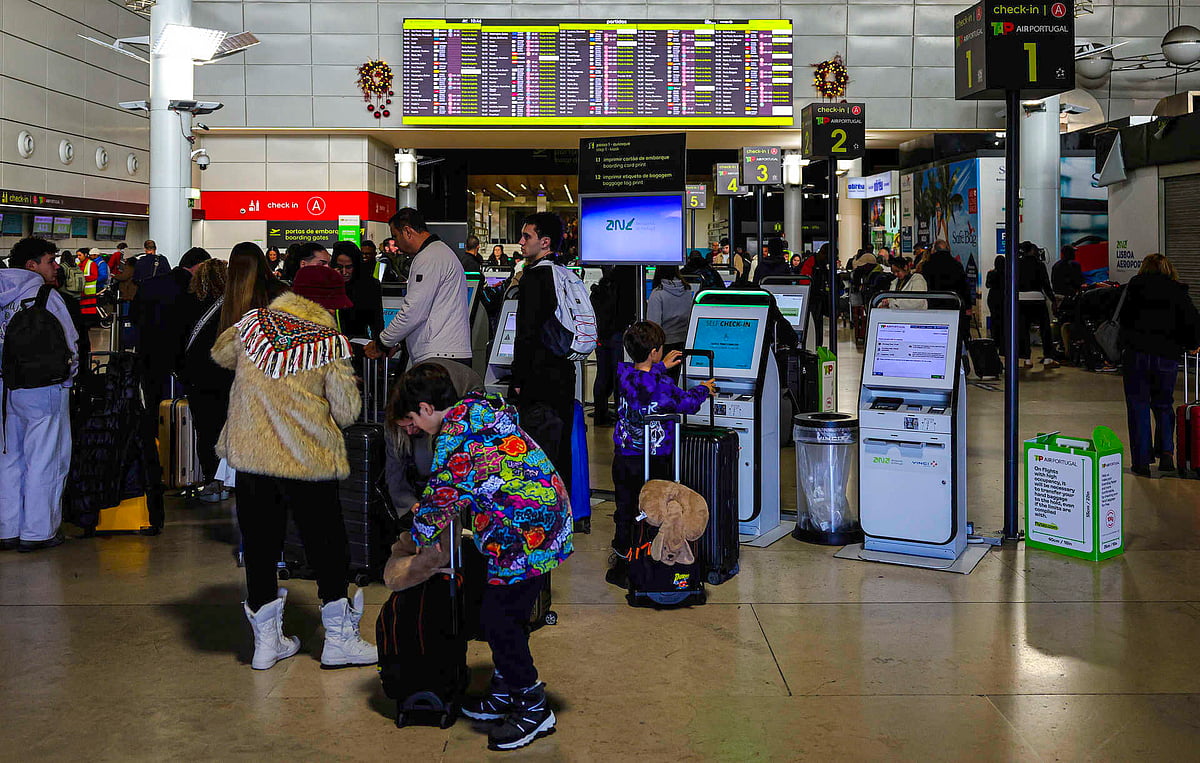
Lisbon Airport faces a critical test this Easter weekend as authorities implement a contingency plan to manage border control, following recent reports of long queues and chaos for passengers arriving from outside the Schengen Area. The Ministry of Internal Administration has reinforced staff and introduced self-service kiosks to support the gradual rollout of the Entry/Exit System (EES), though unions argue that the airport's infrastructure remains structurally inadequate to handle the current volume of non-EU travellers.
At the end of December, the Government announced contingency measures at Humberto Delgado Airport in Lisbon to reduce waiting times in the arrivals area, namely the three-month suspension of the EES, which has now returned to full operation.
Portugal has introduced a new European mobile app, “Travel to Europe,” aimed at reducing border control queues at Lisbon airport. The app allows travelers from third countries to pre-register their personal and travel information up to 72 hours before arrival, helping to expedite border checks. Initially available only at Lisbon, the system is part of efforts to address delays caused by the European Entry/Exit System (EES), which faced processing issues. Despite the app being optional, it aims to streamline in-person border procedures. Recent assessments highlighted serious deficiencies in Lisbon's border security, prompting urgent measures including a temporary suspension of the EES and increased security personnel to manage queues and improve control.
After all the affirmations that hideous queues at border control gates at Lisbon airport had ‘nothing to do with the new European Entry/ Exit System (EES), the system is to The post EU border control system to be ‘reactivated on Monday’ at Lisbon airport – and then suspended again appeared first on Portugal Resident.
The suspension of the Entry/Exit System (EES) in the Schengen area and the reinforcement of human resources at border control in Humberto Delgado Airport have significantly reduced passengers' maximum waiting times, RENA — Association of Airlines in Portugal — president told ECO. “At the moment we are...”