The municipal council of Loulé has formally acquired 60 housing units for public rental in a €15.1 million investment backed largely by national recovery funds. The public deed was signed The post Loulé buys 60 homes for public housing in €15.1 million deal appeared first on Portugal Resident.
Update: Public deed signed and financing confirmed
The public deed has been signed, formalising the €15.1 million purchase, with the cost largely covered by national recovery funds to secure 60 units for public rental in Loulé.
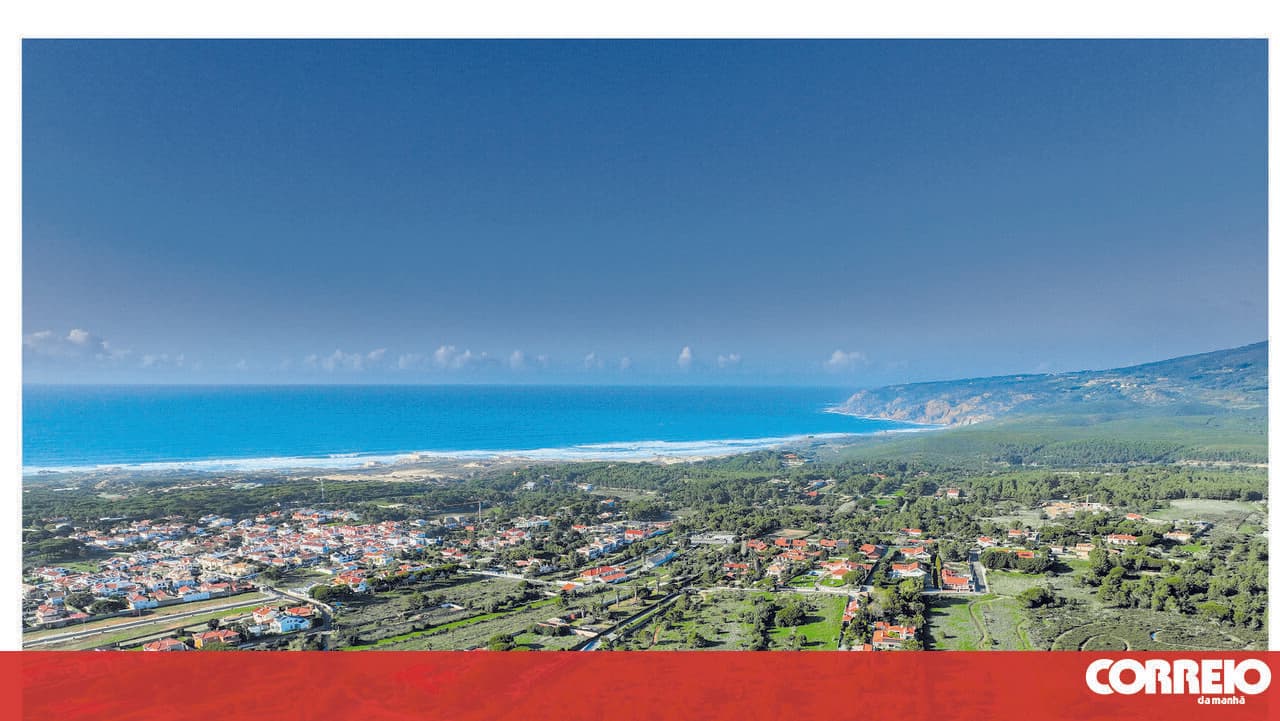
Cascais City Council has exercised its right of first refusal to buy 32 plots near Quinta da Marinha for €30 million, blocking a sale the owner had negotiated with two private firms. The council approved a loan to finance the acquisition, raising issues about use of public funds to secure strategic, high-value land in one of the municipality’s most expensive areas and the implications for local planning and market dynamics.
Soaring housing costs are forcing households to share single properties, with extremes of up to six families under one roof, while many workers are taking on additional employment — including third jobs — to meet rent and mortgage bills. The situation points to a shortage of affordable accommodation, rising pressure on the local property market and public services, and wider impacts on health, education and the labour market.
In Lisbon, Vitória lives with her boyfriend and her daughter in a three-bedroom flat shared with another family — a mother who has two daughters. In Porto, Gabriela sleeps in the same room as her two 16-year-old daughters. There are increasing cases of families sharing homes.
Housing prices have risen to levels that many describe as obscene, driven by a mix of constrained local supply, strong demand, low borrowing costs and investor activity. The resulting price inflation has undermined affordability, altered living choices and intensified regional disparities in property markets. Policy responses and planning changes will be central to cool inflation and expand accommodation options in affected areas.
Nuno Leal, co‑CEO of Doutor Finanças, says the tax measures in the government’s housing plan — due to be debated in Parliament on Friday — should help increase supply in the market. He concedes the package tends to favour property owners and landlords but considers it “relatively balanced”, noting the measures are centred on those who hold property while aiming to ease supply constraints. The assessment focuses on likely effects on rental supply and owner incentives rather than specific legislative detail.
In February, the European Commission chose Lisbon to present its plan to address the housing crisis, a problem driven by a lack of affordable properties and soaring costs for both purchase and rent. While Brussels aims to boost construction and regulate short-term rentals, these goals face significant hurdles, including labour shortages in an anti-immigration political climate and pressure from the tourism industry. Meanwhile, the financial burden on citizens is intensifying: Euribor rates are rising, and 2025 data shows a record 17.6% increase in housing prices, with transaction values reaching 41.2 billion euros. Despite these costs, demand remains high, particularly in Greater Lisbon. European Commissioner Dan Jorgensen has declared that having a home is a human right, yet without decisive political action, there is a growing risk that homeownership will become a privilege reserved for the few.
Increasing housing supply and facilitating access through direct support or tax incentives were the goals set by the AD government when it presented its 'Construir Portugal' strategy in May 2024. Nearly two years later, the measures have not been able to stem the continuous rise in house prices, which climbed nearly 18% in the third quarter of 2025 year-on-year. The average price per square metre nationwide reached 3,000 euros, rising to 4,500 euros in Lisbon, which is a major source of dissatisfaction for the Portuguese people. Repeatedly breaking records, real estate inflation has been the combined effect of a deficit in new construction and available properties, a very rapid and constant increase in demand—driven by tourism, immigration, digital nomads, and golden visas—and a lack of units on the market at controlled prices. To address the supply shortage, the government aims to accelerate the Recovery and Resilience Plan (PRR) to build 25,000 homes and finally release public buildings for affordable housing. Another change involves revising the Land Law to allow rustic land to be used for sustainable housing, such as affordable rentals or controlled-cost housing. More disruptive measures include support for young people and the middle class to buy homes, such as IMT and Stamp Duty exemptions for those under 35 buying their first home up to 316,000 euros, alongside a public guarantee for 100% bank financing. Regarding foreign investment, the government introduced 'cooling measures' by increasing IMT to 7.5% for non-residents to curb speculative demand, while offering exemptions for those who become tax residents and commit to moderate-rent leases. In the rental sector, the government led by Luís Montenegro revoked forced leasing of vacant homes, reduced construction VAT to 6%, and lowered the IRS tax rate on rental income to 10% for landlords offering moderate rents. However, the 'moderate rent' cap was set at 2,300 euros per month, a figure considered high for the middle class. Additionally, restrictions on local accommodation licensing were revoked, and new measures were announced to facilitate the market entry of properties in undivided inheritance processes.
The increasing cost of housing in major Portuguese cities has made home ownership a distant goal for many, as the effort required now surpasses half of their earnings.
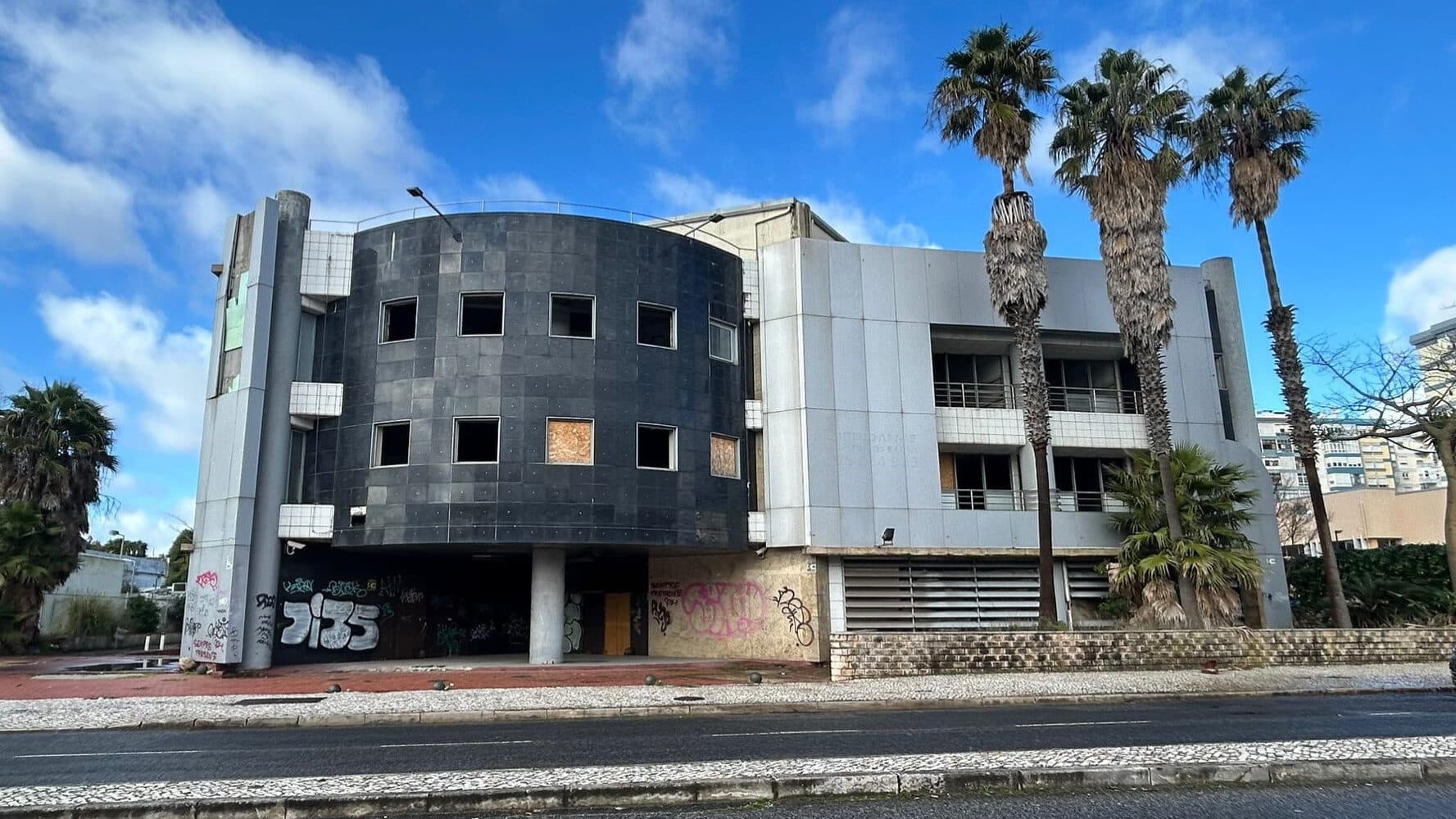
The well-known building where the former Lusitana brewery operated for several years, located at Avenida do Forte 9 in Carnaxide, and currently vacant, has just been sold by the Portuguese family office Lusoproa to a private investor. It was in early 2023 that the developer owned by the Batista family had bought it from M7 ...
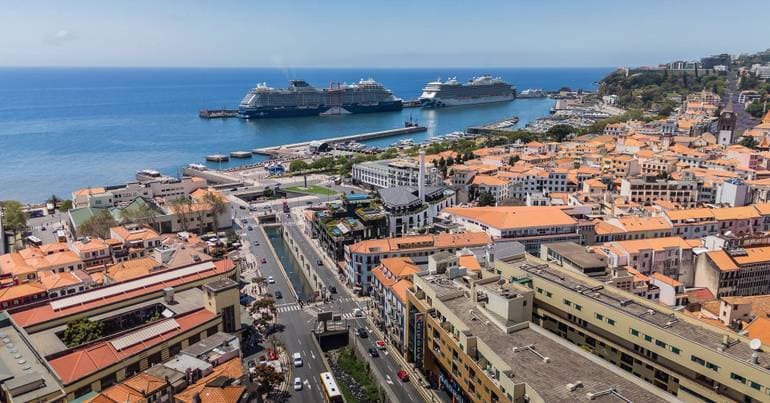
More than 12,000 people are expected to disembark from the ships, which should generate around €24,000 in revenue for the municipality from the tourist tax. Tourists spend an average of €60 per day.
The Algarve rounded off the 2025 tourism year with a bang, celebrating record revenue, a boost from the domestic market and a historically low dependence on seasonal tourism. According to The post Algarve closes 2025 with record tourism results appeared first on Portugal Resident.
There is an entire generation of Portuguese who will never have a home. This is not alarmism or exaggeration. It’s mathematics. And mathematics, unlike politicians, doesn’t deceive.
The Mayor of Lisbon calls for the creation of a specific plan to resolve the housing crisis, warning that municipal councils will be left without financial capacity after the programme ends.
Carlos Moedas justified the proposal, emphasising that “many councils, after June, are left with either national support or their own capital, but they do not have the capacity for such large amounts”.
Tourist accommodation recorded 32.5 million guests and 82.1 million overnight stays in 2025, increases of 3.0% and 2.2% compared with 2024, with overnight stays by residents accelerating and reducing dependence on foreign markets.
Rents are increasing at a higher rate than property sales, worsening market imbalances — reducing affordability, putting pressure on tenants, widening the gap between rental and purchase markets, and prompting investor shifts and potential policy responses.
European institutions in Brussels acknowledged that Portugal is among the EU member states most affected by the ongoing housing crisis, signalling significant challenges around housing affordability and supply.
The president of the Azores Local Accommodation Association (ALA) said on Wednesday that business owners are 'very concerned' about Ryanair's announced withdrawal from the regional market, given the investment made. João Pinheiro recalled, in remarks to Lusa, that, if the exit of the Irish carrier is confirmed, it will be 'the first year in which the Azores ...'
Parents whose wages and opportunities are tied to certain inland municipalities cannot always afford the cost of rooms or food in urban and coastal areas. Editorial by Sónia Sapage
Travel and accommodation costs penalise the choices of students from inland regions. Medicine remains among the most socially selective programmes. And almost half of graduates are enrolled at institutions in Lisbon and Porto, a study on regional inequalities and mobility in higher education finds.
Portugal Ventures invested €1.5 million in Feel Sampa, a company of the Feel Group, which operates in short- and medium-term accommodation (flex living), coworking space management (flex working), soft-landing services and incubation. With this capital injection it will accelerate its growth in Brazil. “This investment will allow Feel Sampa ...”,"detected_language":"pt-PT"}Sorry, I forgot to follow the exact JSON structure. Please disregard the previous message. Here is the corrected JSON-only response.