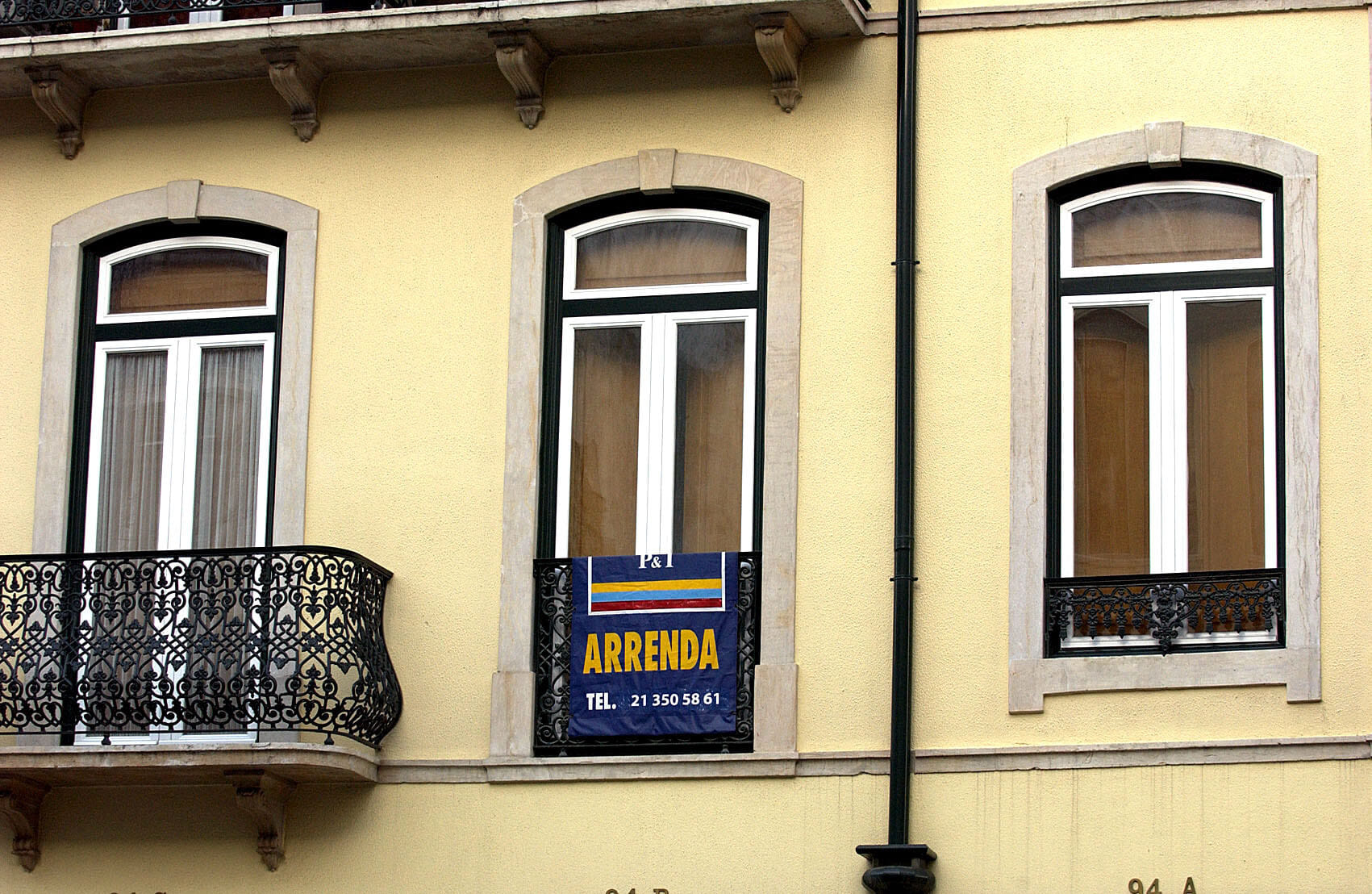
Increasing housing supply and facilitating access through direct support or tax incentives were the goals set by the AD government when it presented its 'Construir Portugal' strategy in May 2024. Nearly two years later, the measures have not been able to stem the continuous rise in house prices, which climbed nearly 18% in the third quarter of 2025 year-on-year. The average price per square metre nationwide reached 3,000 euros, rising to 4,500 euros in Lisbon, which is a major source of dissatisfaction for the Portuguese people. Repeatedly breaking records, real estate inflation has been the combined effect of a deficit in new construction and available properties, a very rapid and constant increase in demand—driven by tourism, immigration, digital nomads, and golden visas—and a lack of units on the market at controlled prices. To address the supply shortage, the government aims to accelerate the Recovery and Resilience Plan (PRR) to build 25,000 homes and finally release public buildings for affordable housing. Another change involves revising the Land Law to allow rustic land to be used for sustainable housing, such as affordable rentals or controlled-cost housing. More disruptive measures include support for young people and the middle class to buy homes, such as IMT and Stamp Duty exemptions for those under 35 buying their first home up to 316,000 euros, alongside a public guarantee for 100% bank financing. Regarding foreign investment, the government introduced 'cooling measures' by increasing IMT to 7.5% for non-residents to curb speculative demand, while offering exemptions for those who become tax residents and commit to moderate-rent leases. In the rental sector, the government led by Luís Montenegro revoked forced leasing of vacant homes, reduced construction VAT to 6%, and lowered the IRS tax rate on rental income to 10% for landlords offering moderate rents. However, the 'moderate rent' cap was set at 2,300 euros per month, a figure considered high for the middle class. Additionally, restrictions on local accommodation licensing were revoked, and new measures were announced to facilitate the market entry of properties in undivided inheritance processes.
Housing package failed to curb 18% rise in house prices
Saturday, 21 March 2026RSS
Context & Explainers
Local accommodation (alojamento local) means short-term tourist rentals—private apartments, houses or rooms rented for days or weeks—that must be registered and licensed with municipal authorities. Municipalities can suspend or cancel licences (Lisbon cancelled about 6,700 licences in early 2026), so travellers and hosts should check a listing's registration and local rules before booking or offering stays.