Exports of military-use goods accounted for less than 1% of total foreign sales in 2025, with drone sales growing significantly to represent 21% of this category, according to a study by the Banco de Portugal. The study, included in the March Economic Bulletin released this Wednesday, notes that Portuguese exports of goods with military applications...
Exports of dual-use military goods accounted for less than 1% of total foreign sales in 2025, with the sale of drones growing significantly to represent 21% of these, according to a study by the Banco de Portugal.
Analysis from the Bank of Portugal shows that exports of goods with military applications are rising, with drones and Ukraine gaining importance. However, the share of these types of goods remains below 1%.
Portuguese exports of goods with military use rose by approximately 77% between 2022 and 2025, although their weight in total foreign sales remains residual. This is the conclusion of the Banco de Portugal, which in an analysis published this Wednesday notes that the United States continues to represent the main destination, with a weight...
The weight of Portuguese military goods exports is small, but it is growing noticeably, reveals a study by the Bank of Portugal. Drone exports are experiencing “very rapid growth”.
Exports from the pine sector grew by 2% to 2.5 billion euros in 2025 compared to the previous year, accounting for approximately 40% of forest sector exports. The pine sector represented 3.2% of national exports, as highlighted this Tuesday by Centro PINUS, based on International Trade data.
Home News Portuguese exports affected by the conflict in the Middle East Portuguese exports affected by the conflict in the Middle East According to the Jornal de Negócios, there are Portuguese companies, such as Silampos, that have hundreds of thousands of euros worth of goods to ship that canno
The uncertainty caused by the back-and-forth on US tariffs on foreign products impacted Portuguese exports of goods to the United States last year. Portugal was the seventh country in the European Union with the largest decline in the sale of goods to the land of 'Uncle Sam', although it remained the 15th...
Exports of goods fell by 14.1% in January 2026, while imports decreased by 2.5%, according to data released this Thursday, the 12th, by the National Statistics Institute (INE). The trade deficit for goods worsened by 778 million compared to January 2025, reaching 2.5 billion. INE notes that industrial supplies saw a sharp contraction (-27.5%), largely linked to lower exports of chemical products to Germany, mostly related to contract work transactions without transfer of ownership. Exports of fuels and lubricants fell by 33.5%, with a reduction in both volume (-25.5%) and prices (-10.7%). The agency suggests this trend may be associated with the shutdown of units at the national refinery in the final months of 2025. Excluding fuels and lubricants, exports fell by 12.9%, after rising 0.9% in December. Among the main destinations, significant declines in sales to Germany (-44.3%) and Spain (-7.4%) stand out, associated with the aforementioned segments. In imports, the decrease in industrial supplies was 11.6%, especially due to lower imports of chemical products from Ireland in transactions without transfer of ownership. Regarding supplier countries, imports from Ireland fell by 85.9%, while those from the Netherlands increased by 38.9%, influenced by industrial supplies. INE also updated the map of trading partners based on preliminary 2025 data; in the top export destinations, Angola replaced Morocco. In the list of suppliers, there were no changes in the top ten, only shifts in position — for example, China rose to fifth place and Ireland to eighth.
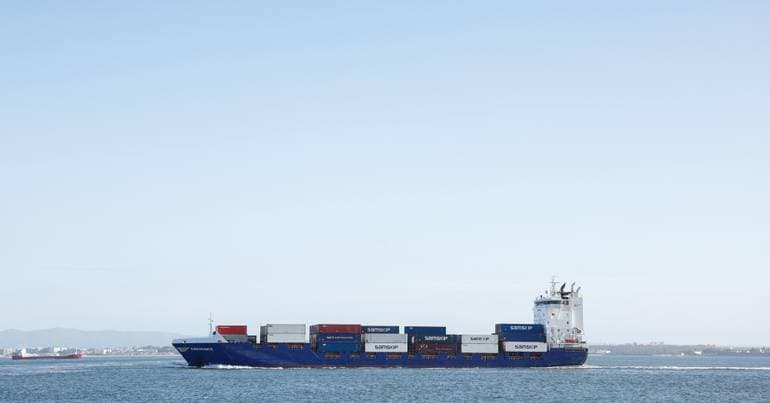
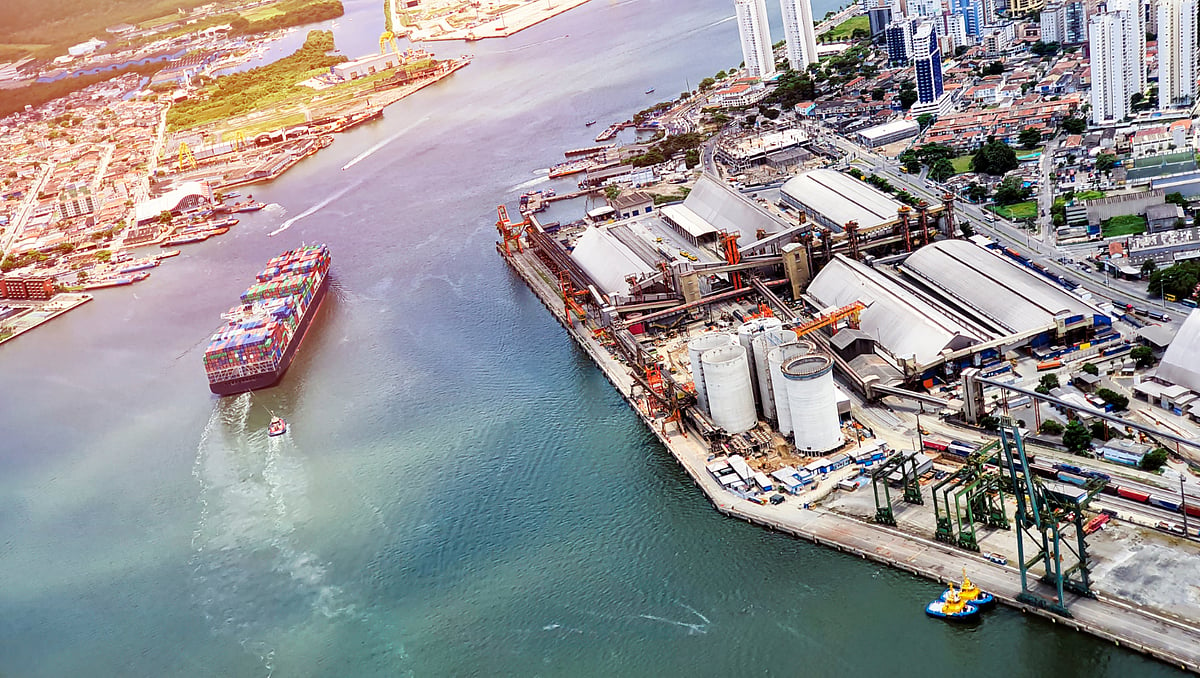
Sea freight is already feeling the effects of the war in the Middle East, especially regarding prices. However, the Portuguese Freight Forwarders Association fears further consequences: longer transport times and disruptions in the availability of ships and containers. It is a snowball effect affecting everyone: importers and exporters.
Portugal has maintained a trade surplus in technology for nearly 15 years, consistently exporting more tech products than it imports. This trend highlights the country's growing strength in the technology sector, reflecting increased competitiveness and innovation. The sustained surplus underscores Portugal's evolving economic landscape, emphasizing its role as a notable player in the global tech market.
Portuguese exports to the United States could fall by between 6 and 7.5 per cent due to tariff increases imposed by Donald Trump. This would represent an annual negative impact of €370 million.
Storm Kristin left many companies destroyed or partially damaged. With production halted—either because conditions are unsuitable due to the severe weather or because of power cuts—sectors such as moulds and automotive components cannot supply the major multinationals they work for or customers abroad.
PLMJ advised PMH, a Portuguese company specialising in the development and manufacture of medical devices, on an investment by ActiveCap's ActiveCap II fund through an equity injection into PMH. This capital increase will support financing PMH's international expansion; PMH currently exports 70% of its production.
The Portuguese Business Confederation (CIP) considers the trade agreement between the European Union (EU) and India a significant step to reduce dependence on traditional partners and to strengthen Portugal’s presence in high‑growth economies.
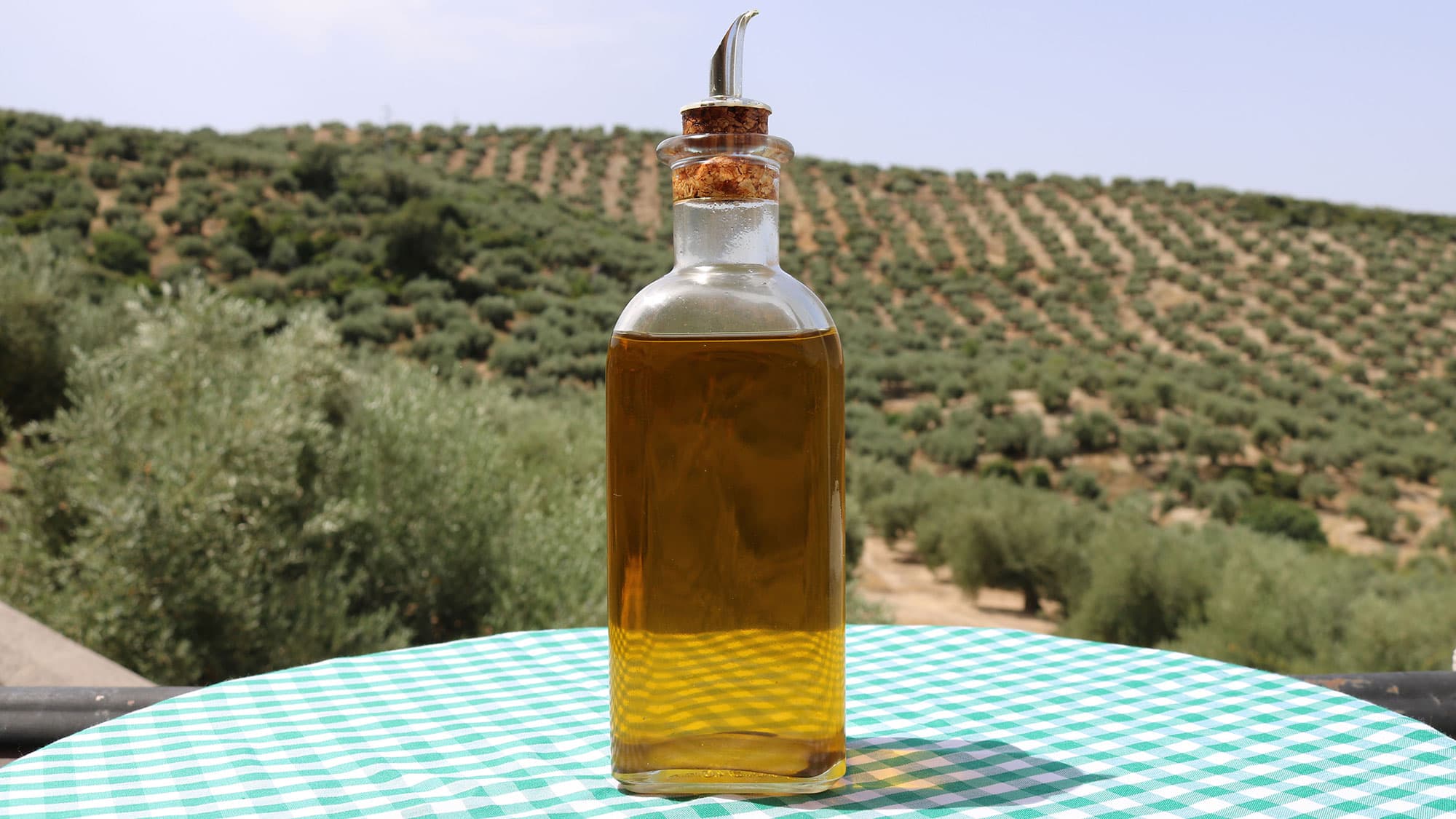
The EU–India trade agreement creates a “rare opportunity” to expand Portuguese agri‑food exports, with olive oil singled out as the main beneficiary. The Federation of Portuguese Agri‑food Industries said there are “absolutely favourable conditions for olive oil exports” and described the pact as an unprecedented chance for the sector. To convert the opportunity into sustained growth, industry representatives stress the need for investment in production capacity, market development and compliance with buyer standards, while monitoring regulatory and logistical challenges that could affect competitiveness.
Domestic companies anticipate a 5.1% increase in exports this year, particularly in machinery and food and beverage products, according to a survey carried out by the National Institute of Statistics (INE).
This agreement — dubbed 'the mother of all agreements' — is expected to double the EU's exports to India by 2032 and save around €4 billion a year in duties. It can and should form part of a broader European Union strategy in the Trump-centred era.
A new free trade agreement with South American partners is set to boost Portuguese exports of wine and olive oil by reducing tariffs and opening distribution channels. The deal also creates new market access for Portuguese cheese, presenting export opportunities for dairy producers. However, the agreement could put pressure on domestic beef, pork and poultry sectors, which may face increased competition and potential job and price impacts. Policymakers and industry groups will need targeted measures to support vulnerable meat producers while maximising gains for high-value agri-food exporters.
Official data show exports from Portuguese-speaking (Lusophone) countries to China fell 4% in the first 11 months of 2025 compared with the same period in 2024. The decline signals cooling Chinese demand and possible shifts in commodity prices or trade composition that weigh on economies exposed to Chinese markets. Policymakers and exporters will be watching full-year figures and country-level performance for signs of a sustained trend and potential policy or market responses.