Latest news and stories about exports in Portugal for expats and residents.
This page has only 2 stories and is not indexed by search engines.
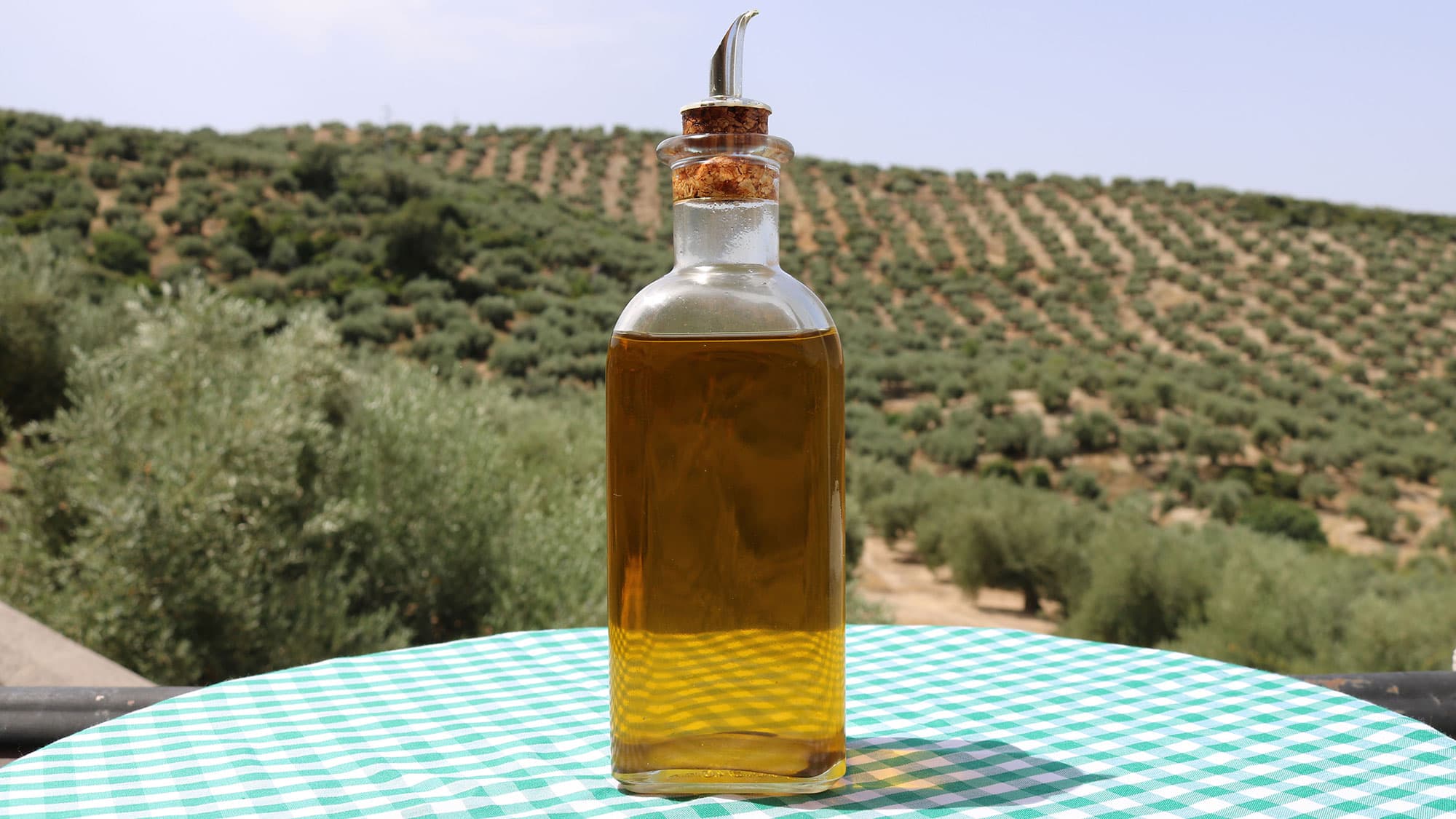
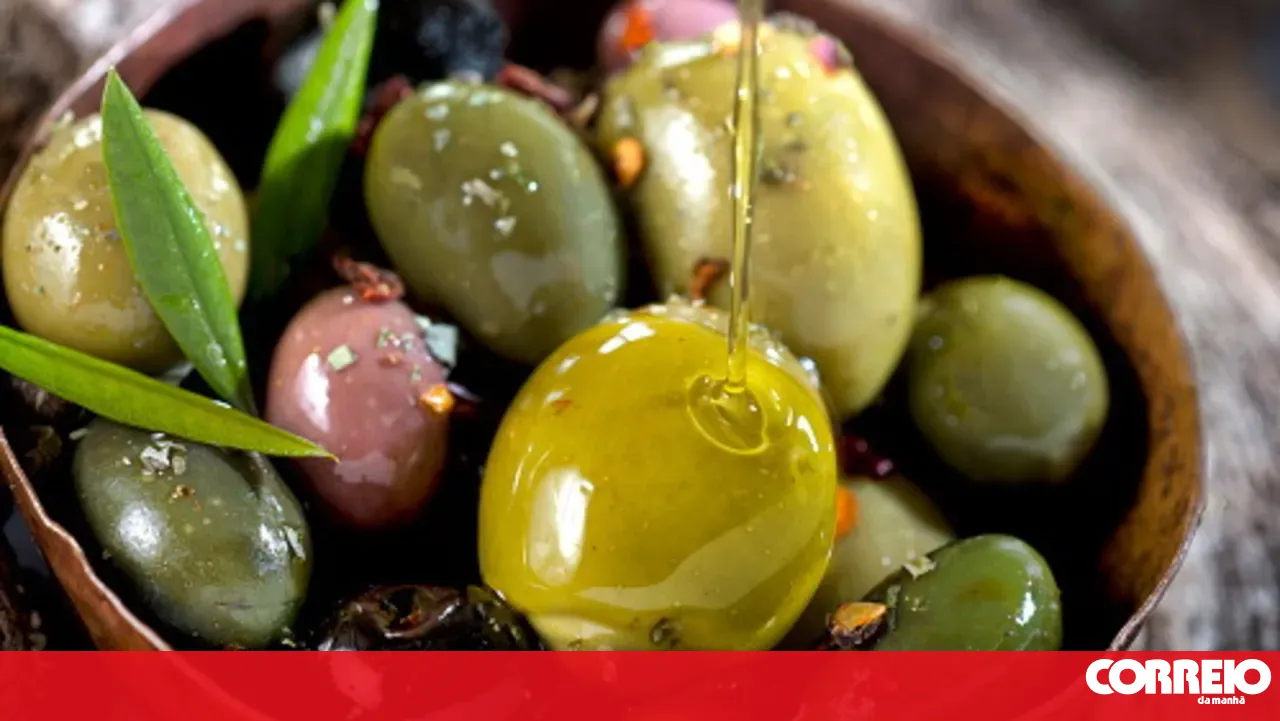
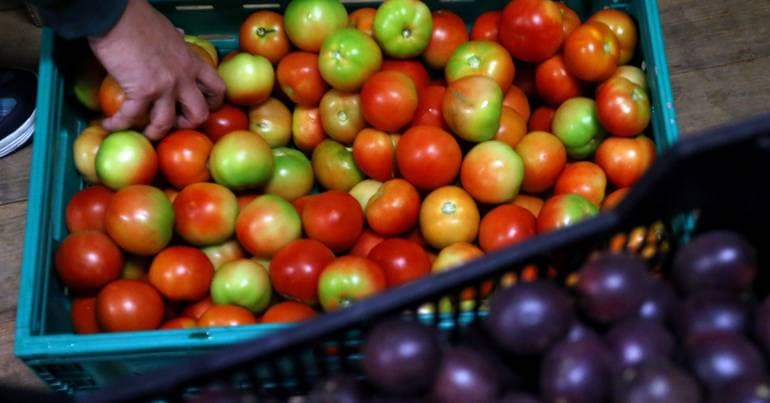
A new free trade agreement with South American partners is set to boost Portuguese exports of wine and olive oil by reducing tariffs and opening distribution channels. The deal also creates new market access for Portuguese cheese, presenting export opportunities for dairy producers. However, the agreement could put pressure on domestic beef, pork and poultry sectors, which may face increased competition and potential job and price impacts. Policymakers and industry groups will need targeted measures to support vulnerable meat producers while maximising gains for high-value agri-food exporters.

The US president threatened to apply tariffs of 10% on goods exported by eight European countries in February and 25% from June. But he cannot impose tariffs on individual EU member states.

Economist Filipe Grilo explains that the EU–Mercosur agreement is expected to start producing economic effects only from October, after several stages of ratification. Portugal could benefit from exports of wine, olive oil and aeronautical components, although some European agricultural sectors will face increased competition.

The agreement will finally be signed this weekend. The European Union and Mercosur are finalising a free-trade area covering more than 700 million consumers. Portugal has products poised to enter this market.

Portuguese exports to the four Mercosur countries amount to just 1.3% of the country’s total, with Brazil alone representing 95% of that small share. With a market of nearly 300 million people, Portuguese business leaders view the bloc as largely unexplored terrain offering significant scope for export diversification, new investments and deeper trade ties — particularly beyond Brazil — but realising this opportunity will require targeted commercial strategies and stronger economic engagement across Mercosur members.

Supporters of the agreement say it is essential to boost exports, but farmers in some countries fear its effects.

José Manuel Fernandes says that, given the geopolitical situation, the agreement is essential and that it offers benefits for many Portuguese products.

Official data show exports from Portuguese-speaking (Lusophone) countries to China fell 4% in the first 11 months of 2025 compared with the same period in 2024. The decline signals cooling Chinese demand and possible shifts in commodity prices or trade composition that weigh on economies exposed to Chinese markets. Policymakers and exporters will be watching full-year figures and country-level performance for signs of a sustained trend and potential policy or market responses.
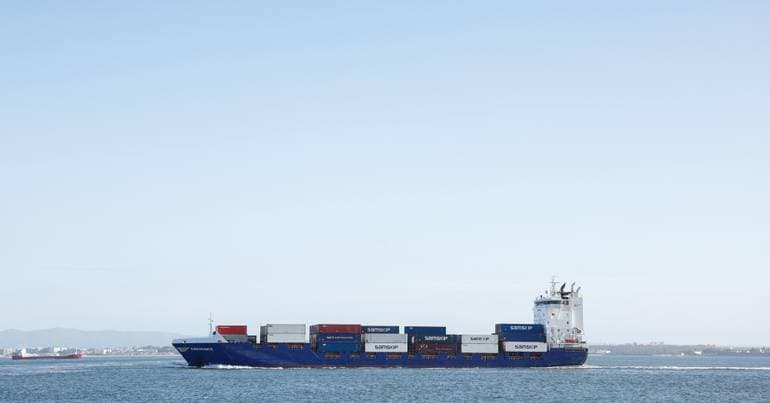
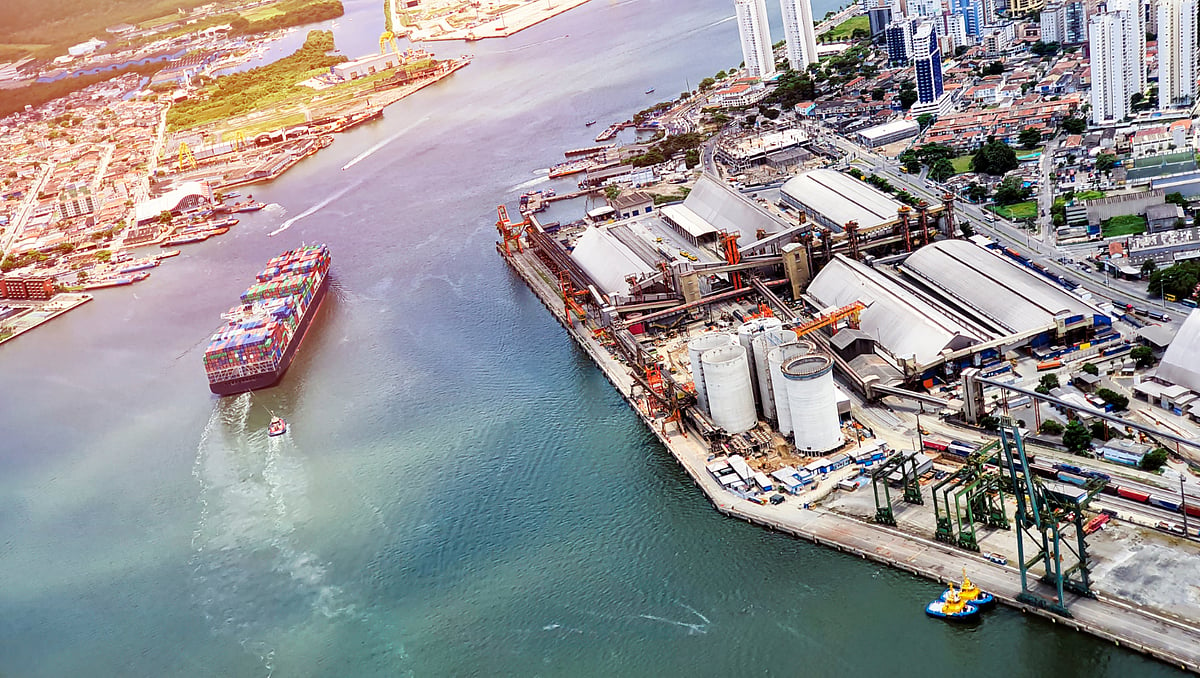
The complaint comes from the Portuguese Freight Forwarders Association. Concessionaire Yilport will halt acceptance of containers for export from this Wednesday.