Latest news and stories about government policy in education in Portugal for expats and residents.
Faced with high housing prices, these teachers turned to the housing programme run by Oeiras City Council, which has supported 78 teachers since 2019. They describe what it's like to live in a residence.

On a day packed with campaign events, the presidential candidate renewed his appeal for votes from both the left and the right, positioning himself as the solution against 'extremisms'. 'The campaign ends today, but our work does not,' he told supporters.
Of the 222 schools surveyed, 57% have teachers who agreed to postpone their retirement. The regional distribution does not correspond to the areas where the teacher shortage is most pronounced, warns MEP.

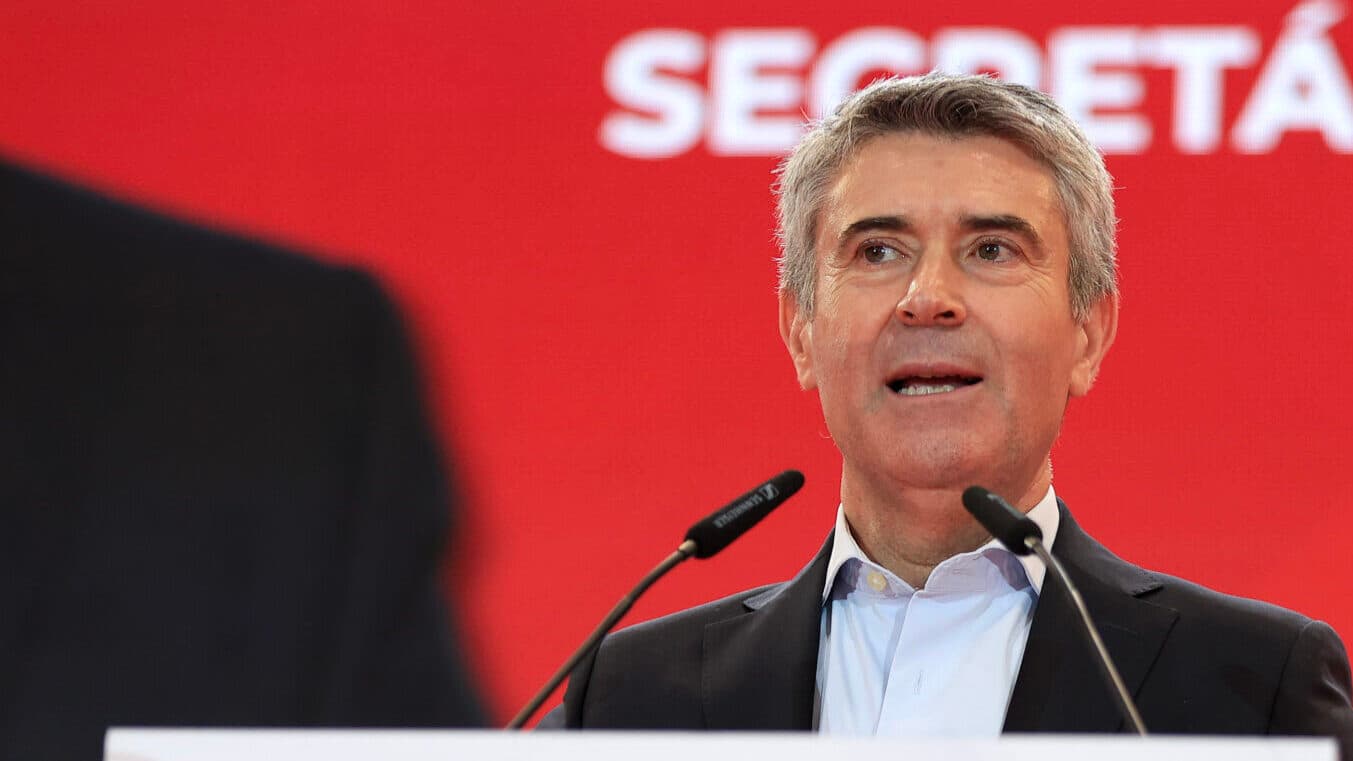
Seguro asks voters to support sending the health sector and state schools to a second round (run-off).

It seems the minister has embraced the new trend of academic capitalism which, according to some authors, combines the scientific pursuit of truth with the economic maximisation of profits. Opinion piece by Alberto Amaral

The unfortunate decision by the Ministry of Education (MECI) affects thousands of pupils across hundreds of schools, undermining a process that has been developing for decades and that requires continuity to produce lasting effects.

The overall state of Portuguese science should concern us all, at a time when the future funding and organisation of national science is being debated. Opinion by João Ramalho-Santos

The former leader of BE (Left Bloc) recalled that the 'geringonça' lowered tuition fees and cut transport prices. Catarina says she did “all of that against the right and against Seguro's collaboration with Passos”.

Teresa Almeida was validated by 70% of local councillors in indirect elections. Education and health are due to be transferred to the CCDRs in 2026, while a revision of the PROT will unify 52 municipalities into a single instrument.

An image taken from Roblox read: “Kill babies with a knife.” Groups lure young people and children into committing crimes or violence against people and animals. Portugal's Polícia Judiciária (PJ) launches a campaign.

The national director of the Polícia Judiciária (PJ) and the Minister of Justice warned, during the presentation of the PJ's new campaign “Hate 'online' kills 'offline'”, about the danger of radicalisation and 'online' hate content. The comments were made in connection with the conference “Preventing the Online Radicalisation of Children and Young People”, which is taking place today at the PJ building, ...

Portugal’s government and PJ criminal police have issued fresh warnings about the dangers of online radicalisation and hate content, particularly among children and young people, during the launch of a The post Authorities sound alarm over online radicalisation of young people appeared first on Portugal Resident.

More than six thousand people have signed a petition calling for increased funding for specialist arts schools, warning that the educational pathway of thousands of students may be at risk.

The director of the PJ emphasises that “radicalisation is the personal transformation process of children and young people that leads to violent extremism” and reports that cases have already been identified in Portugal.

Launch in Lisbon brings together national and international experts to discuss digital literacy and the prevention of hate speech. The video campaign will be distributed via social media.

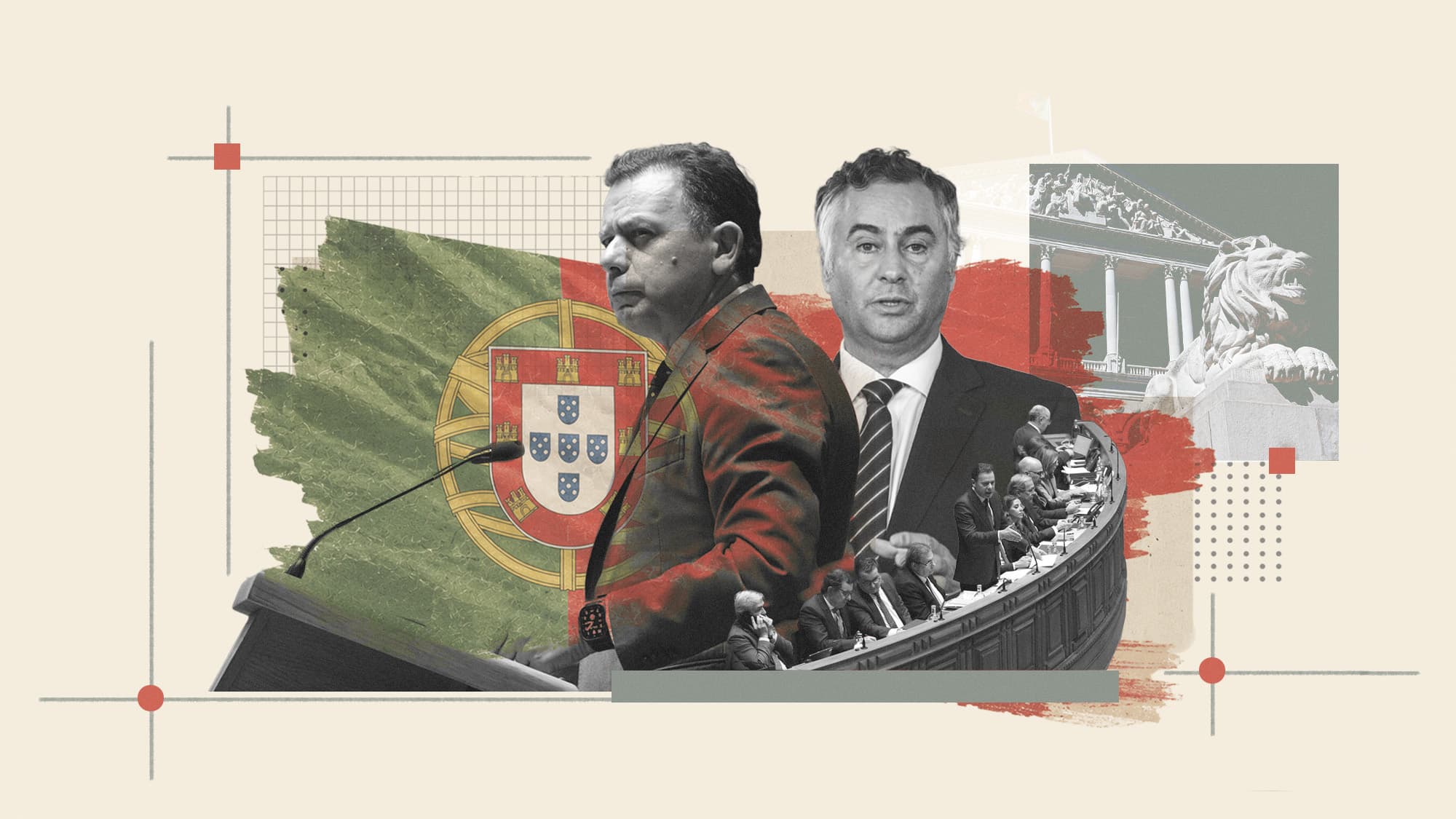
European Commissioner for Defence and Space Andrius Kubilius conducted his first official visit to Portugal, meeting Defence Minister Nuno Melo and Education Minister Fernando Alexandre to discuss defence and space policy. He signalled that SAFE funds could reach the Portuguese government in the coming weeks or months, prompting analytical questions about budget timing, allocation between defence and civil space programmes, and coordination between national ministries and EU institutions. The visit underlined the need for clear planning to integrate incoming EU funding with Portugal’s defence and space policy priorities.

The Ministry tells us, without shame, that the payment of our salary will no longer depend solely on actual work, instead becoming hostage to the export of data to a central 'Big Brother'.

Portugal is going through “a moment of deserved and much-needed stability” that allows the Government to plan “a better future for the Portuguese,” said Minister of State and Finance Joaquim Miranda Sarmento on Monday during the conference of the Supervisory Authority for Insurance and Pension Funds (ASF) in Lisbon. According to the minister, after ...

The PJ says the aim is “to alert children and young people, as well as parents and educators, to certain realities that exist online.” Meanwhile, Trump says that leaders of Iran contacted him to negotiate.

Marco Lisi, professor and researcher at Nova University Lisbon, is the guest on this episode of P24.

Portugal’s Judicial Police (PJ) has launched a first-of-its-kind campaign to tackle online radicalisation among young people, aiming to alert schools and families to warning signs, raise awareness, prevent recruitment and disrupt extremist influence across digital platforms. The initiative is framed as a preventive, educational and investigative effort combining outreach to educators and parents with targeted policing online. Separately, The Guardian reports heightened international tensions as former US President Trump is reported to be considering military options against Iran following a violent crackdown, underscoring how domestic efforts to shield youth from radicalisation sit alongside broader geopolitical risks.

The latest episode of the weekly podcast 'Ao trabalho!' examines lingering uncertainty over tuition fee refunds and the implications for pay awards that recognise qualifications. Finance Minister Joaquim Miranda Sarmento’s response on the pay-award question is discussed alongside fast-moving items on labour policy, employment law and the state budget, with analysis of what these developments mean for workers and expats. The short, under-five-minute episode aims to distil key takeaways and policy consequences for those following workplace rights and public spending.

The government will introduce compulsory Physical Education for 1st‑cycle pupils in public schools from the next school year, affecting around 330,000 children. The Budget Law commits to hiring the teachers needed to deliver the measure but does not specify how much will be invested or the number of weekly hours to be allocated. The lack of detail raises implementation questions — recruitment timelines, teacher training, regional distribution, and fiscal impact — and creates uncertainty about curriculum time and equity of provision across schools.

Presidential candidate António José Seguro says Portugal urgently needs to restore a sense of community and expects a “peaceful change” in 2026. His remarks frame the election as a moment for social cohesion rather than confrontation. At the same time, opposition figure Luís Montenegro is pitching a concrete programme of reforms focused on health, education and housing — signalling a policy-driven contest in which property and public services will be central issues.