Transforming polytechnics into universities
The link between a climate catastrophe and the structural reorganization of the higher education system is, to say the least, difficult to explain. Opinion by Miguel Copetto.

Latest news and stories about higher education in education in Portugal for expats and residents.
The link between a climate catastrophe and the structural reorganization of the higher education system is, to say the least, difficult to explain. Opinion by Miguel Copetto.

The article reports that André Ventura, leader of the Portuguese political party Chega, criticized recent criticisms and attacks from associations and universities regarding the party’s presence at the Futurália event. Ventura described these reactions as a lack of democratic sense and accused them of attempting censorship. He specifically mentioned institutions like the Institute of Social Sciences at the University of Lisbon and the Faculty of Social Sciences at Nova University of Lisbon, condemning their calls for the organization to censor or exclude Chega’s representation. Ventura views these actions as an infringement on democratic principles and free political expression in Portugal.

Two higher education institutions have requested clarification from the Futurália education fair concerning the presence of a stand belonging to the political party Chega.

The decision by the Lisbon Administrative Circle Court was published this month and determines the repetition of “all acts of the electoral procedure” held last year.

The former Minister of Finance will spend three weeks teaching in the United States before dedicating himself exclusively to his career at ISEG.

The project, in its current wording, does not fully ensure compliance with the requirements of the General Data Protection Regulation.

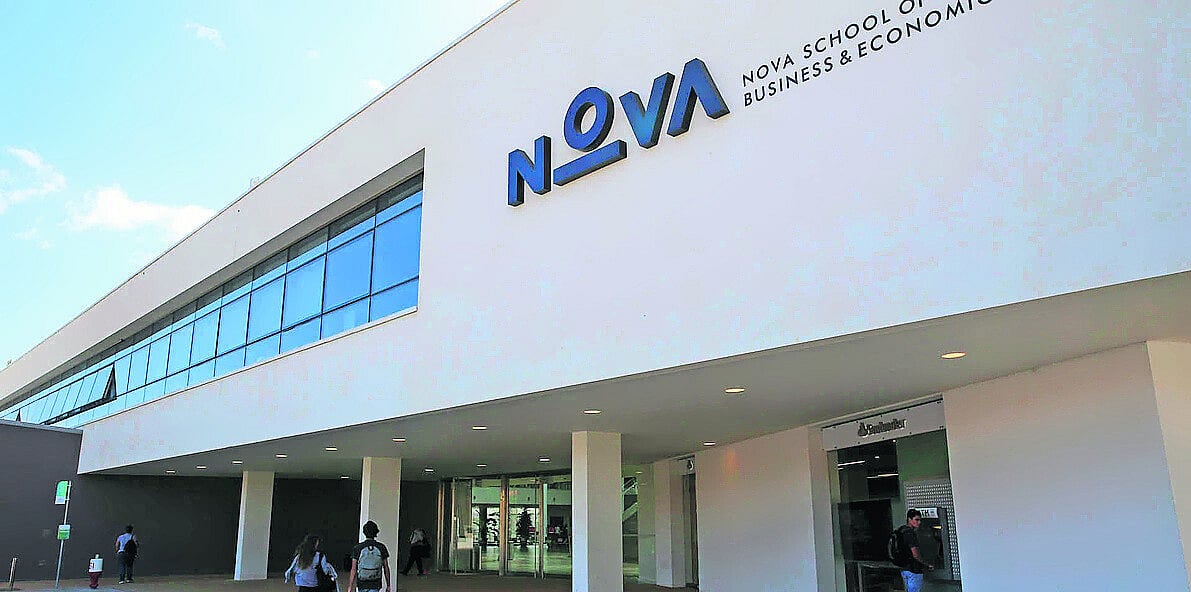
Elections for the general council of the Universidade Nova de Lisboa remain unscheduled. The expectation was that the process would have begun at the end of last year, but 2026 is already nearly three months in and, so far, no steps have been taken in that direction. The current president guarantees that she will call for the elections “shortly,” while...

One of the candidates was excluded from the university's rectoral race and contested the decision. Now, the court has ruled that the election must be repeated and the candidate admitted.

For decades we were told that architecture was a man's world. The classrooms show a different reality. A column by Daniela Silva

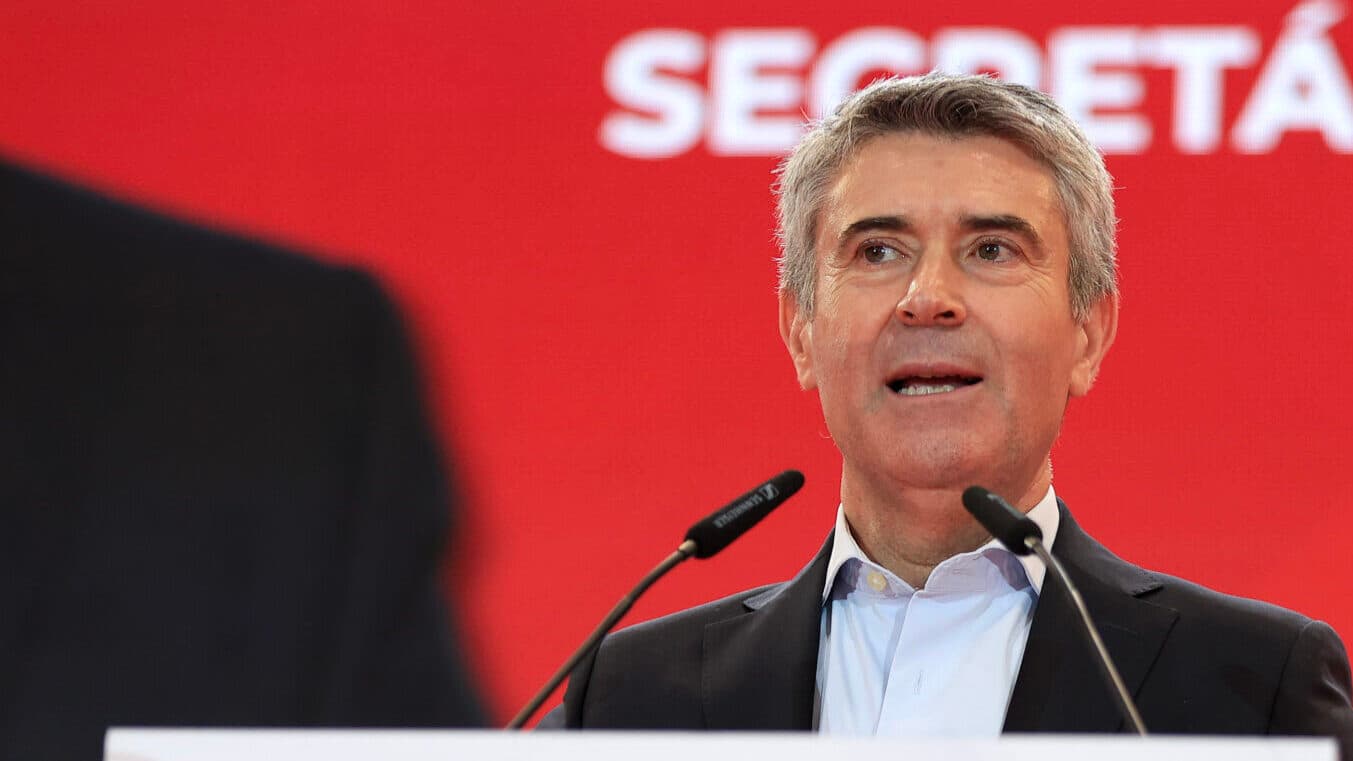
The University of Coimbra is hosting a special event on March 18th to commemorate 40 years of Portugal's accession to the European Union. The event features a conference by José Pedro Aguiar-Branco, focusing on Portugal's parliamentary role in European integration. Additionally, a new memorandum will be signed between the university and Erasmus Student Network Coimbra to support international students. The session aims to foster dialogue on Portugal’s EU journey and strengthen academic and cultural ties. Attendance requires prior registration.

UNL statutes required rector candidates to be full professors, but the requirement 'exceeds the scope' of the law, says the Lisbon Administrative Court. The election will be repeated and UNL will have to pay €30,000.

The election for the rector of the Universidade Nova de Lisboa (UNL) must be repeated. The Administrative Court decided that the candidacy of Professor Pedro Maló must be admitted, despite him not being a full professor or coordinating researcher as required by the statutes, forcing the institution to repeat 'all acts of the electoral procedure', starting from the publication of the...

The University of Minho's investment in double degrees exemplifies a significant shift in higher education, indicating that the academic system is capable of meaningful change. This initiative reflects a holistic approach to education, adapting to market demands and enhancing student integration.

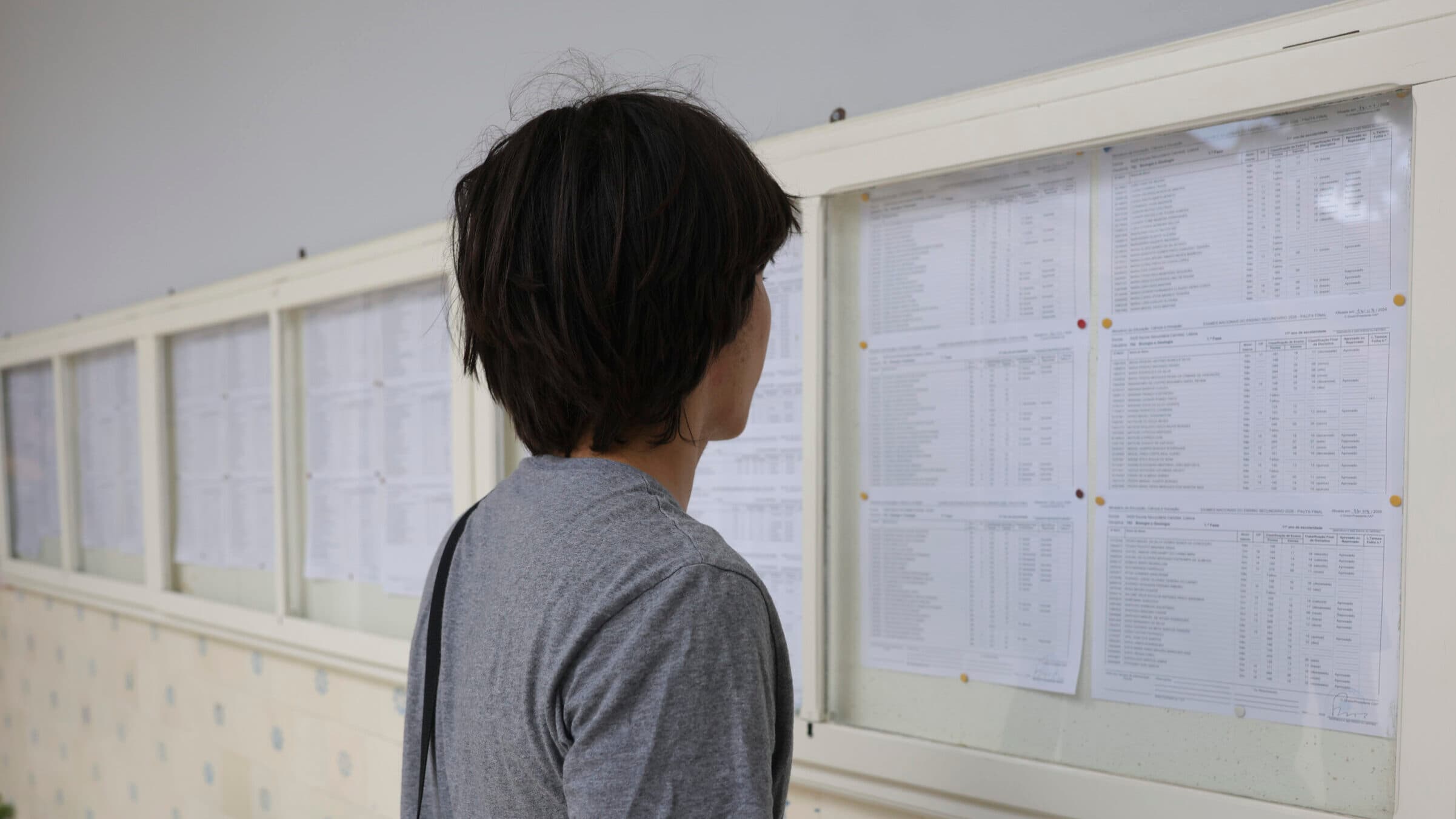
Secondary school students have a two-week window to register for national exams, which began on 6 March and will close on 19 March. The provisional calendar for the higher education access competition has been released, with applications starting on 20 July. Students must register online and take mandatory exams in Portuguese along with two additional subjects. The first phase of national exams will occur from 16 to 26 June, while the national admission competition will take place in three phases from 20 July to 24 September.

A recent study highlights the persistent regional inequalities affecting students from rural areas in accessing higher education in Portugal. Distance is identified as a significant barrier, particularly for those with fewer resources. The research, conducted by the Reflection Centre of the Belmiro de Azevedo Foundation, reveals that students from metropolitan areas are more sensitive to distance due to the availability of nearby institutions, while rural students face relocation regardless of distance. Recommendations include differentiated mobility support, scholarships for travel and accommodation, and strengthening higher education in rural areas to connect with local economies. The study emphasizes the need for a coherent territorial strategy to address these inequalities and support students effectively.
This article provides an overview of available vacancies and newly introduced courses in higher education institutions.

Portugal now boasts two MBA programs ranked among the top 100 globally, as reported by the Financial Times. The Lisbon MBA Católica|Nova has solidified its position as the leading program in the country, while the International MBA from Porto Business School makes its first appearance in the rankings at 96th place.

This year, students have 56,790 places available in the national access competition and local competitions for higher education. Institutions may require only one exam for admission, providing a streamlined process for applicants. This guide outlines the necessary exams and changes in policy for those seeking to enter higher education.

The Lisbon MBA Católica/Nova SBE has gained international recognition, with 80% of its students and 50% of its faculty being foreign. It ranks first in Portugal and 24th in Europe according to the Financial Times Global MBA 2026 ranking. The programme, a collaboration between Católica Lisbon, Nova SBE, and MIT Sloan, emphasizes diversity and has a 53% female participation rate. It is noted for its strong international course experience and has participants from 18 different nationalities.

The upcoming academic year 2026/27 will see a significant increase in public higher education places, with a total of 78,283 available, marking an increase of 1,465 from the previous year. Notably, the University of Trás-os-Montes will debut a new Medicine course, contributing to an overall increase of 62 places in this field, while the University of Coimbra will add 22. Additionally, the Basic Education sector will see a 12% rise in places, with 147 new spots, as part of efforts to enhance teacher training through increased funding. The total number of integrated degree places across public and private institutions will reach 107,598, reflecting a broader diversification of access routes to higher education.
The Director of Nova SBE criticises the rector’s decision to revert faculty names to Portuguese, arguing that in a global competition for talent overly centralised control or restrictions on institutional decision‑making undermine agility, performance and international appeal. He warns that language and branding choices are strategic levers for attracting students, faculty and partners, and that narrowing those options risks harming Nova SBE’s and Portugal’s ambition to become a global reference in higher education. The piece analyses the trade‑offs between local identity and internationalisation and calls for governance that preserves autonomy and responsiveness to global market demands.
Rogério Casanova argues that not all functional academic writing—such as recommendation letters or election manifestos—needs to be crafted by highly skilled humans. He advocates for more explicit manifestos and institutional policies governing the use of AI in universities, allowing routine and low-value writing to be delegated to tools while preserving human oversight where it matters. The column frames such manifestos as pragmatic, ethical guides to protect quality, fairness and accountability in higher education’s adoption of AI.

Ivo Vieira, CEO of Lusospace — Portugal’s first homegrown space company — explains on the podcast 'O Futuro do Futuro' how the country’s Aerospace Engineering courses continue to post record-breaking averages and how that strong educational pipeline is producing talent the national space sector can recruit across roles, not only engineers. He stresses that the quality of graduates makes recruitment easier for emerging Portuguese space firms, signalling a maturing ecosystem linking higher education and industry needs.

NOVA IMS (NOVA School of Information Management) is the information management and data science faculty of NOVA University Lisbon. It specialises in data science, information management and business analytics through taught programmes, applied research and industry partnerships. The school emphasises quantitative methods, practical analytics skills and interdisciplinary approaches to prepare graduates for roles in data-driven organisations and to support research and consulting activity across public and private sectors.