The de-philosophy of Portuguese medicine
Fortunately, the urgency of a medical 're-humanisation' is already shaping the future beyond our borders at universities of excellence.

Latest news and stories about healthcare in education in Portugal for expats and residents.
Fortunately, the urgency of a medical 're-humanisation' is already shaping the future beyond our borders at universities of excellence.

The article highlights recent developments in Portugal, including the government's ongoing promises to requalify schools, which have been in place since 2023 but are expected to see no progress in the upcoming year. It also reports on the Portuguese President promulgating a free cultural ticket for accompanying persons of individuals with disabilities. Additionally, the Security Social has deployed over 200 technicians to support 1,537 displaced individuals. The political scene includes the PS party's intention to summon the Secretary of State regarding the appointment of a nurse to a renewable energy structure. Internationally, European Commission President Ursula von der Leyen advocates for reactivating the EU's mutual defense clause. The article also mentions Portugal's recognition in global events, such as Erdogan awarding Guterres the Ataturk Peace Prize for his work with refugees and Gaza.

With the 'Environments that Nourish' project, the Mendes Gonçalves Foundation aims to improve early childhood nutrition, promote healthier dining spaces, and influence public policy.

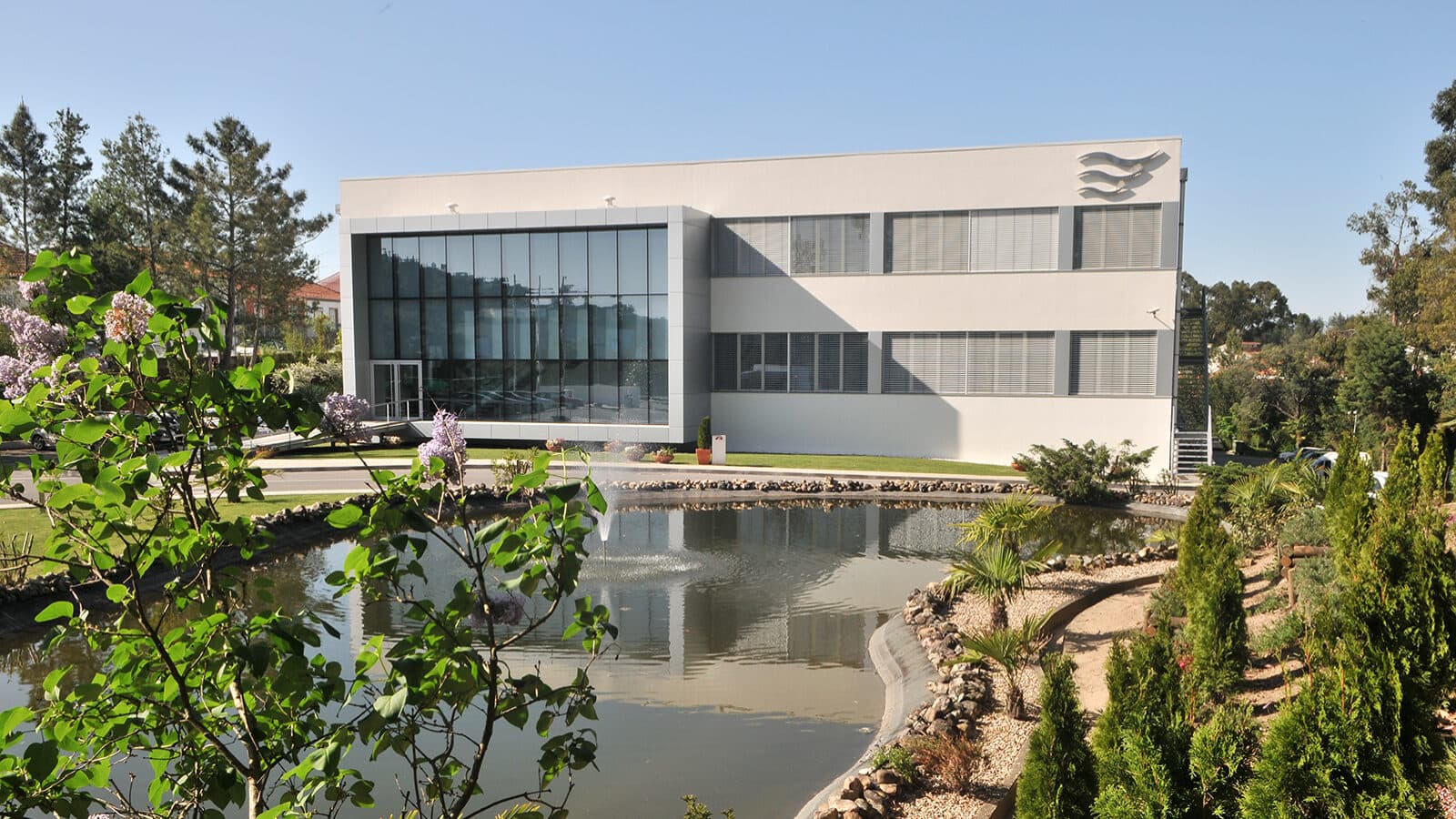
Scheduled for April, the new unit brings together the University of Coimbra and international companies in a consortium led by the Portuguese pharmaceutical company.

The workers' demands from the National Health Service, including the situation of INEM, will be discussed. Additionally, there are students without computers in classrooms “due to the Government's delay.”

The proposed change could worsen the problem of the shortage of 'clinical teachers' and impact 'healthcare provision', says Carlos Robalo Cordeiro.

The investment will be applied in sectors such as health, education, improvement of the judicial and public finance systems, combating poverty, and energy transition.

This article provides an overview of Portugal's social sustainability as part of the SGI 2024 report. Key points include: 1. Overall Ranking: Portugal is positioned at 20th place globally in social sustainability, indicating moderate performance among OECD and EU countries. 2. Education: The country faces challenges with low educational attainment, teacher shortages, and declining student performance, despite policies aimed at improving access and quality. 3. Poverty and Social Support: Rising housing costs and insufficient social transfers contribute to persistent poverty, especially among children and the elderly. While social benefits exist, issues like homelessness and high non-take-up rates remain. 4. Healthcare: Portugal has a resilient health system with universal access, but faces strains from staff shortages, aging infrastructure, and regional disparities. Efforts are underway to modernize through digital investments. 5. Gender Equality: The government has a comprehensive strategy promoting gender equality, but challenges like the widening gender pay gap persist. 6. Migration: Portugal has progressive policies supporting migrant integration, with high rankings in migrant inclusion and citizenship rights, though enforcement and social attitudes still face hurdles. 7. Family and Children: Policies support parental leave and childcare, but shortages in daycare places and demographic aging pose ongoing issues. 8. Pensions: The pension system aims to prevent old-age poverty but faces long-term sustainability challenges due to demographic shifts and rising expenditures. 9. Social Inclusion and Basic Needs: Efforts to ensure equitable access to essential services are ongoing, but rising homelessness and disparities in service quality highlight gaps. 10. International Development: Portugal’s foreign aid and capacity-building efforts in low- and middle-income countries are modest, with a focus on Portuguese-speaking nations, but overall contributions remain limited. In summary, Portugal demonstrates strong commitments in areas like migrant inclusion and gender equality, but faces significant challenges in education, housing, and health system sustainability that impact its social development.

This article discusses the benefits of the Portugal Golden Visa program, focusing on healthcare and education. It highlights that Golden Visa holders and their dependents have access to Portugal's public healthcare system (SNS), which is known for its quality and affordability. The article also covers education benefits, including access to both public and private schools, as well as opportunities for higher education. It also compares the benefits of the Portugal Golden Visa to similar programs in other EU countries.

This article discusses the necessity for nursing education, research, and health service organization to adapt to the multicultural realities of society. It emphasizes the importance of aligning these aspects with the diverse needs of patients to improve healthcare outcomes.

Home News Portugal to train more health professionals Portugal to train more health professionals The two health schools at the University of Porto ( U.

The old Cerco School, previously inaccessible due to drug-related issues, is being repurposed into a local health unit, marking a significant shift towards improving community health and safety.

The hospital states that the Ministry of Education and Science reduced one teacher due to 'lack of resources'.

António José Seguro outlines his objectives for the upcoming presidential elections, focusing on reducing poverty, ensuring healthcare for all, and guaranteeing the right to housing.
Institutions, however, continue to train the doctors who work at the institute that ensures pre-hospital emergency care.

Findings could help doctors and researchers better understand cognitive development in early childhood.

The Spanish Kidney Foundation led the work published in the journal “Clinical Kidney Journal”.

The president of the National Association of Medical Students emphasises that “a few years ago” there were too few vacancies for the number of newly qualified doctors. Currently the problem is the opposite: vacancies now tend to remain unfilled.

The first residency programme in Emergency and Urgent Medicine in Portugal began this Thursday.

After more than 200 days without further treatment, the animals remained disease-free and showed no signs of toxicity associated with the therapy.

NOVA Medical School has become part of the inaugural UNESCO Chair focused on Health Education and 'bem‑viver' — a holistic concept of living well — aiming to promote education, research and policies that enhance health and quality of life.

A new study from the Karolinska Institute strengthens evidence that Epstein–Barr virus (EBV), the common cause of glandular fever, can trigger an immune response that damages the brain and may contribute to the development of multiple sclerosis (MS). The research supports the hypothesis that EBV infection is a key environmental driver of MS, a chronic inflammatory neurological disease affecting nearly three million people worldwide, in which the immune system attacks the central nervous system.
Researchers have shown that a dried drop of fingertip blood—collected via a simple finger-prick—can reveal biomarkers associated with Alzheimer’s disease, offering a less invasive, more accessible route to early diagnosis. Improving and validating blood-based tests remains a key research challenge to ensure sensitivity, specificity and clinical applicability compared with current invasive or costly methods.

Presidential candidate António José Seguro says Portugal urgently needs to restore a sense of community and expects a “peaceful change” in 2026. His remarks frame the election as a moment for social cohesion rather than confrontation. At the same time, opposition figure Luís Montenegro is pitching a concrete programme of reforms focused on health, education and housing — signalling a policy-driven contest in which property and public services will be central issues.