Latest news and stories about expat rights in education in Portugal for expats and residents.
This page has only 2 stories and is not indexed by search engines.
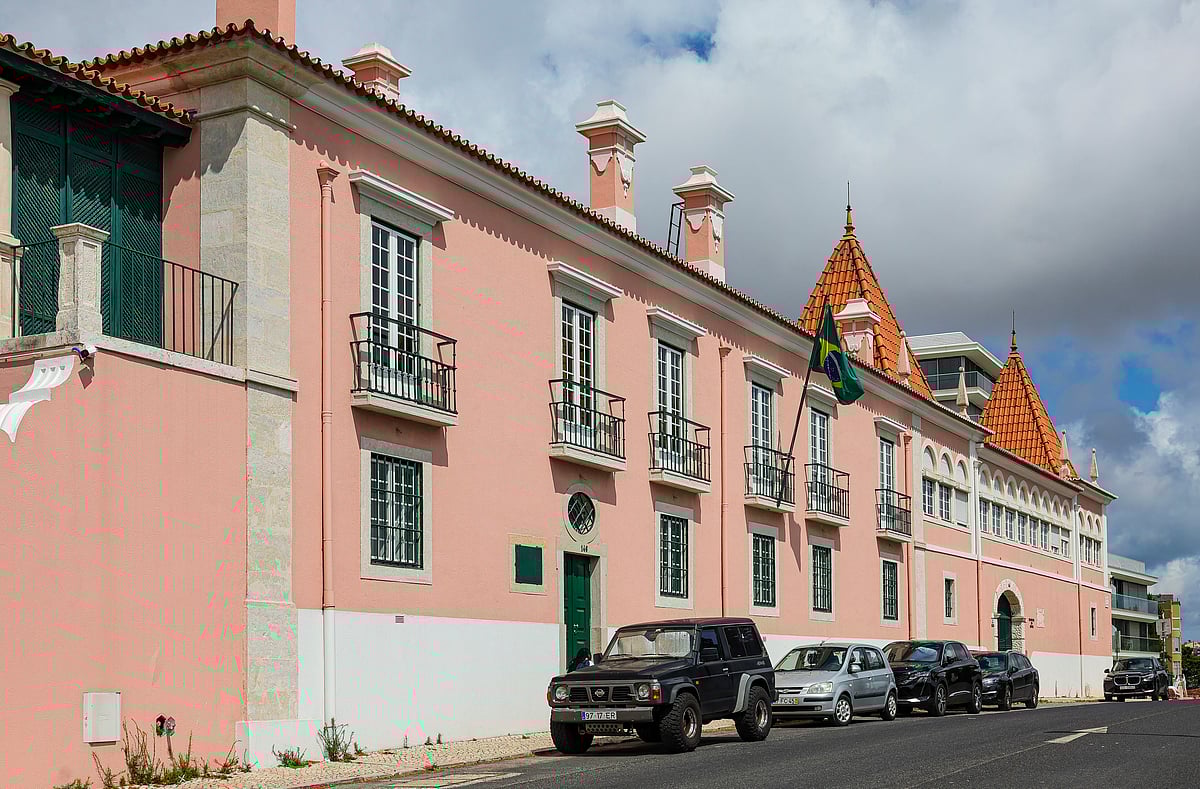
Casa do Brasil de Braga has been launched as a new association to provide support and services to immigrants in Braga, aiming to facilitate integration and address community needs. The initiative represents a coordinated local response to immigrant challenges by offering a dedicated organisational structure for assistance, outreach and advocacy. Monitoring its service offerings, partnerships and uptake will be important to assess its effectiveness in strengthening social inclusion and community cohesion in Braga.

The latest episode of the weekly podcast 'Ao trabalho!' examines lingering uncertainty over tuition fee refunds and the implications for pay awards that recognise qualifications. Finance Minister Joaquim Miranda Sarmento’s response on the pay-award question is discussed alongside fast-moving items on labour policy, employment law and the state budget, with analysis of what these developments mean for workers and expats. The short, under-five-minute episode aims to distil key takeaways and policy consequences for those following workplace rights and public spending.

An investigation in schools in Lisbon, Sintra and Amadora warns of a high incidence of discriminatory behaviour. Around one third of cases involve teachers.

A study published the figures on Wednesday.

Young people born in 2007 or 2008 and resident in Portugal will be able to collect their €30 voucher from the first days of January 2026.
Higher education institutions are at odds regarding the provision of accommodation for students who are not on scholarships.

A survey reveals that the vast majority already rely on teachers without pedagogical training, with 39% of schools having unfilled positions in the first term.

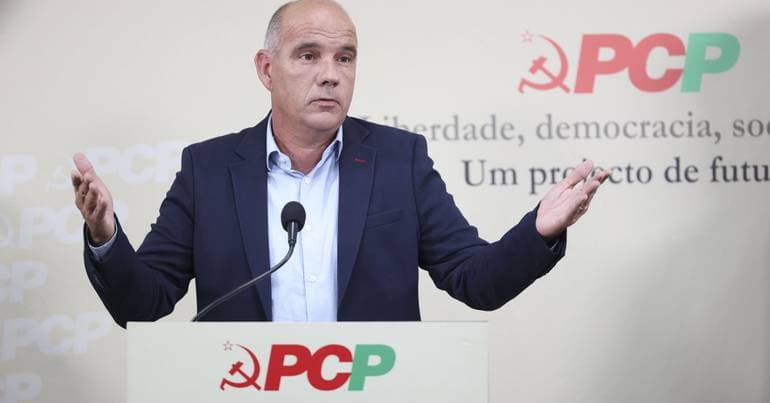
Rejecting any possibility of negotiation regarding the current labour proposal, Paulo Raimundo highlighted the precariousness of researchers and scholarship holders during a visit to the Instituto Superior Técnico.

Fernando Alexandre stated that the fact that residences are mainly occupied by students with fewer resources may contribute to the degradation of the spaces. Pedro Nuno Santos is calling for his resignation.

This figure is above the EU average of 14%. The data from the European Statistical Office refers to 2024 and considers formal education or vocational training for young people aged 15 to 34.

They complain that the current formula allows candidates with better scores in the PNA to be surpassed by colleagues with lower scores, solely due to a statistical “normalisation” of course averages.

The Education Minister states that the strikes affecting schools are due to non-teaching staff. Fernando Alexandre acknowledges, however, that the professionals have valid reasons for complaint.
More than 2,400 people have already signed the petition protesting the changes to the criteria for access to medical residency.

The appeal gathered nearly 1400 signatures. Parent associations will be heard in the parliamentary Education committee.

The education minister reports that there has been minimal participation in the school strike.

The directors of the General Directorate of Education Administration (DGAE) have resigned following the dismissal of a Brazilian teacher due to missing documentation.

The Portuguese Virgínia Brás Gomes was an expert on the UN Committee on Economic, Social and Cultural Rights.
On the second day of the public sector workers' strike, participation was high at 9:00 AM this Friday, with 75% in education and 90% in university and polytechnic cafeterias, according to a union source. "It's still early for more concrete data, but at this moment we are at 75% in education, with many schools ...

The public sector strike continues for a second day, with the union reporting a 75% participation rate among education workers.
The day after the general strike, new disruptions in the public sector are primarily affecting the Health and Education sectors.
The president of SITOPAS also states that 90% of university and polytechnic cafeterias are closed.

The Ministry of Education, Science and Innovation has not yet provided any data on the impact of the general strike on schools. Education unions report strong participation.

The CGTP union reports significant participation in the general strike, which has led to school closures and disruptions in transport and health services.

Fernando Alexandre highlights measures such as cultural and linguistic mediators, which were not considered in the CNE report, and assures that they are achieving “very positive results.”