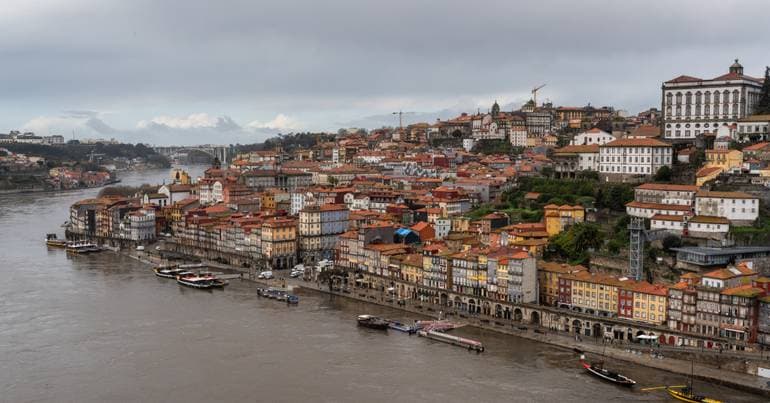
Getting hotter: how the weather is changing in Portugal
An analytical look at Portugal's shifting climate patterns, the increasing frequency of extreme heatwaves, and the immediate meteorological shifts impacting the region.
Expresso

Latest news and stories about climate change in daily life in Portugal for expats and residents.
An analytical look at Portugal's shifting climate patterns, the increasing frequency of extreme heatwaves, and the immediate meteorological shifts impacting the region.
A 2025 climate assessment found the year was the third warmest on record, driven chiefly by the accumulation of greenhouse gases in the atmosphere and by exceptionally high sea‑surface temperatures across the oceans, highlighting ongoing anthropogenic warming and implications for climate resilience and sustainability.

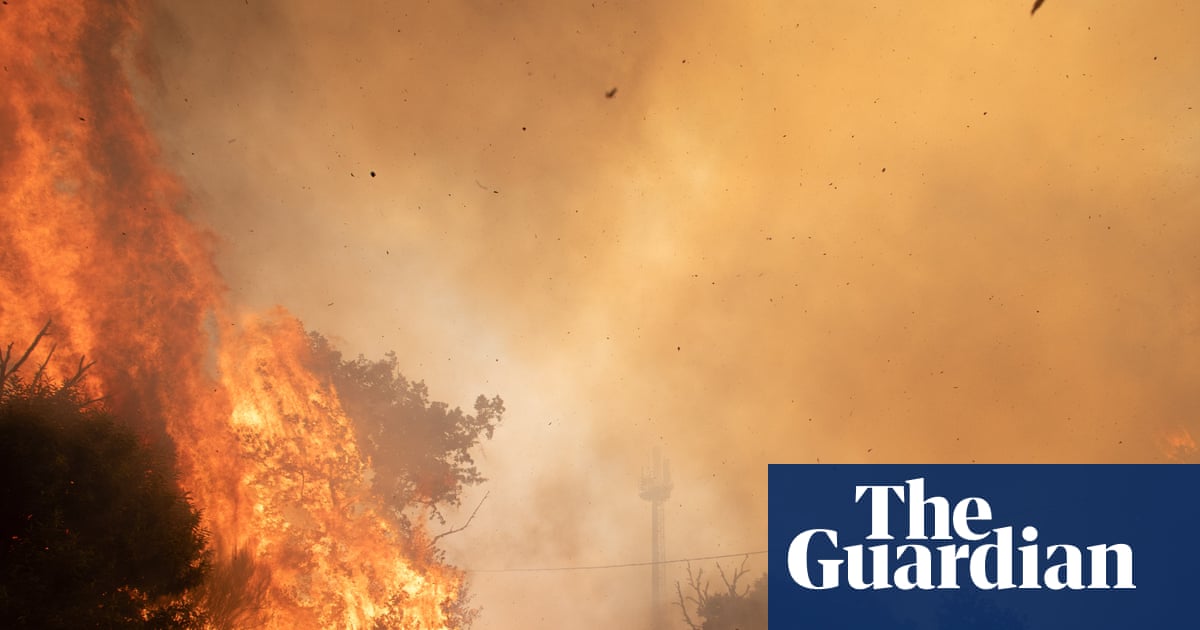
The continent is experiencing some of its largest wildfires and highest temperatures ever recorded. Residents are fleeing, leaders are struggling to respond, and, according to a climate expert, 'it will get worse'.

Skip to main content Skip to navigation ! A firefighter holds a hose facing a massive wildfire engulfing trees under thick orange smoke The headline news for Europe has been one climate disaster after another for weeks.
It is a response to extreme heat, but it also creates new problems: it increases energy consumption and can worsen temperatures on the streets. Air conditioning has become a cultural issue that even surprises Americans in Europe.

After years of watching distant rural and forest landscapes burn, this year the inhabitants of some European cities actually feared the worst. Is fire changing?

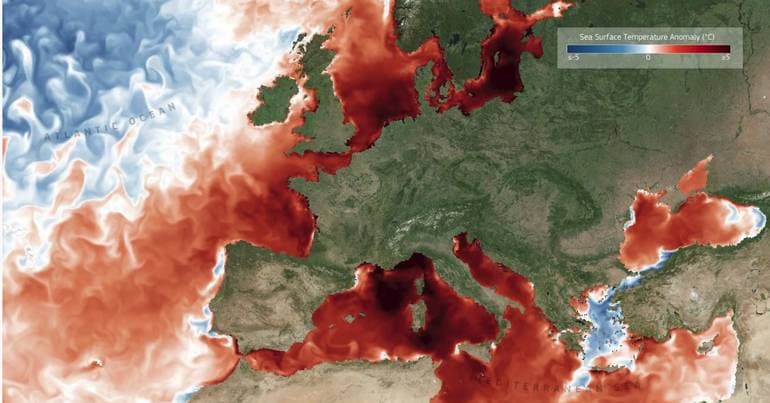
It might feel good for swimming, but this marine heat is not good news for scientists. Summer here continues to be erratic: hot, cold, and hot again. And the Danube is drying up.

Home News Calls expanding climate shelters in Portugal due to intensifying heatwaves Calls expanding climate shelters in Portugal due to intensifying heatwaves Environmental organisations across Portugal are calling for urgent action to help cities cope with increasingly severe heatwaves, warning

Home News The “El Niño” weather phenomenon has already begun and will last until 2027 The “El Niño” weather phenomenon has already begun and will last until 2027 Temperatures in the Pacific Ocean are already in the “El Niño” phase and are expected to continue until the beginning of 2027, with a f
For Lisbon, the analysis indicates an annual loss of 40 hours of sleep due to heat, 10% of which, four hours, is caused by climate change.

While many cities around the world are announcing drastic and urgent measures to combat the extreme heat that has already arrived, in Lisbon trees are literally falling from the sky, old and mistreated. Opinion by Emília Tavares
One of the marine heatwaves was classified as strong

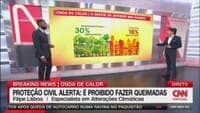
From every home, one should be able to see at least three trees, maintain 30% tree canopy cover in the residential area, and live less than 300 metres from a quality green space.
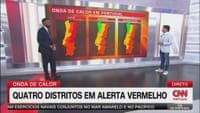
The heatwave is expected to lose intensity starting Wednesday, but sea temperatures remain above normal. Climate change expert Filipe Lisboa warns that this accumulated heat could influence future heat episodes throughout the summer.
Reflecting on the recent extreme heat in Porto, the author discusses how rising temperatures and climate change are challenging the city's traditionally mild, 'British-like' weather. The text highlights the dangers of urban heat islands and advocates for the '3-30-300' rule—a scientific approach to urban planning that integrates more trees and green spaces to improve public health and climate resilience, noting that Portugal currently lags behind in meeting these standards.

Filipe Lisboa, an expert in Climate Change, explains how heatwaves have become increasingly intense.

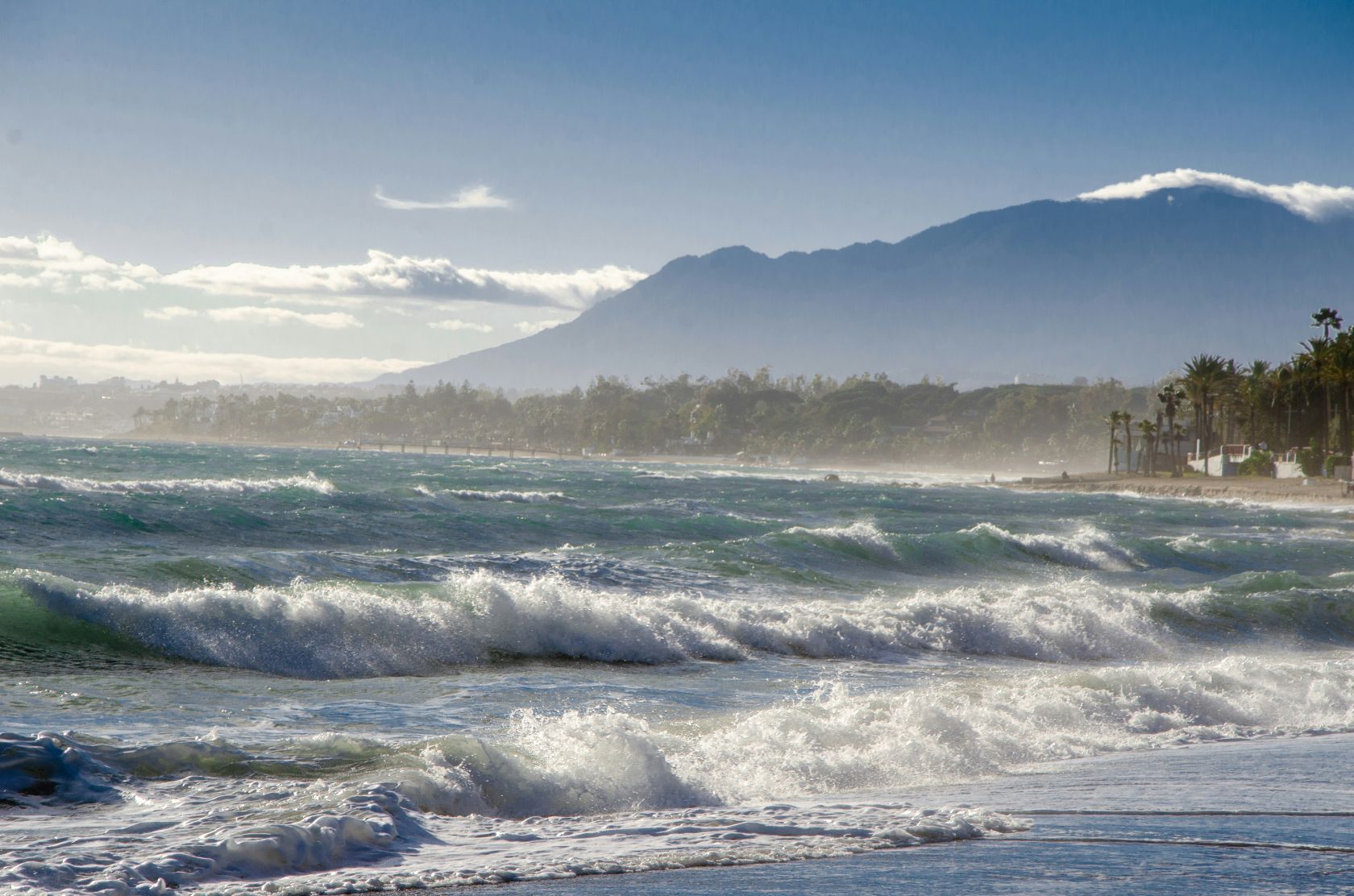
The Mediterranean has areas up to 6ºC above normal and the oceans have broken a new record. More heat in the sea means warmer nights, more humidity, more intense storms and more heat domes.
Despite the high temperatures, residents of communities in the interior of Mértola on the left bank of the Guadiana have plenty of water thanks to the storms in January and February.

The Portuguese mainland experienced a total of six heatwave events.
José Luís Moreira da Silva arrived at Esporão in 2015 as an oenologist and took over as CEO of the Roquette family company in January of this year, but spreadsheets do not cloud his view of the field: the commitment to organic farming is here to stay, regardless of low customer uptake; climate change must be taken seriously, with responses including a return to older, more resilient grape varieties and changing the orientation of vineyards to protect bunches from the harsher sun; and the experimentation with new techniques will continue.

Filipe Lisboa, a climate change expert, explains what a heatwave is and the importance of trees in the response.
Portugal has previously been spared the worst of the heat in Europe — but it is not immune: the Atlantic 'fan' may help, but global warming will not leave anyone unscathed. It is the difference between weather and climate.
Several effects are expected given the worsening of the situation
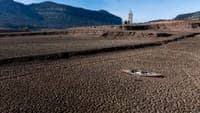
As Portugal endures another spell of extreme temperatures, experts are warning that the country’s cities need more trees, parks and permeable surfaces – and less asphalt – if they are The post More trees, less asphalt: How Portugal’s cities can beat the heat appeared first on Portugal Resident.

Climatologist Pedro Garrett says that extreme heat will increasingly become part of our reality. The expert argues that it is necessary to adapt cities and better protect the most vulnerable people.

The first half of this year was the second warmest on record for ocean temperatures.
In recent years, summer days have ceased to be synonymous only with longer days and have started to bring extreme and dangerous weather phenomena. A conversation with journalist Filomena Martins.

Porto City Council announced that the city is among the five finalists, standing out for its water management and adaptation to climate change.