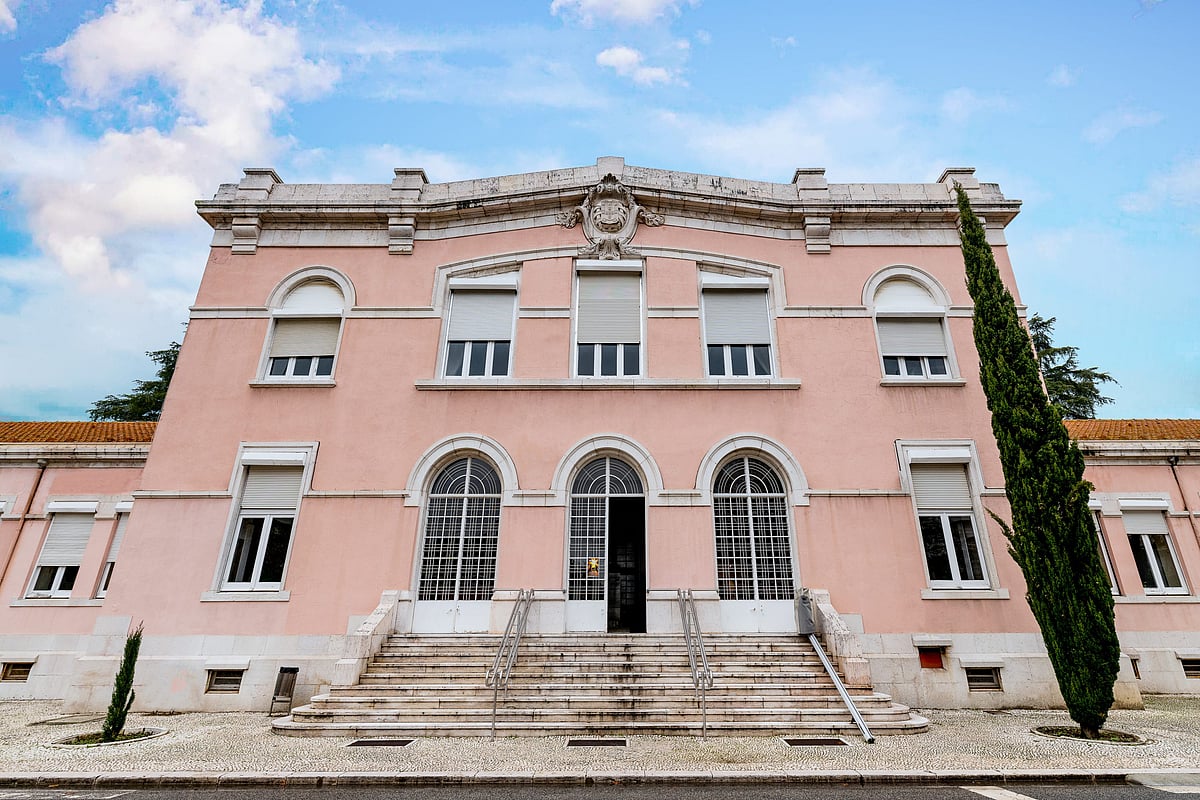
Parliamentary inquiry into Luís Neves to proceed
The President of the Assembly of the Republic, José Pedro Aguiar-Branco, has approved a parliamentary commission of inquiry into the tenure of Luís Neves as national director of the Judiciary Police (Polícia Judiciária or PJ). The Chega party, led by André Ventura, accepted the conditions imposed by Aguiar-Branco, which limit the scope of the inquiry to nine specific topics.
Update: Public Prosecutor searches PJ headquarters in illegal wiretapping probe
The Public Prosecutor's Office (Ministério Público or MP) conducted searches at the national headquarters of the PJ and the Technology Prevention and Support Unit (Unidade de Prevenção e Apoio Tecnológico or UPAT) on Wednesday. The investigation targets current national director Carlos Cabreiro regarding allegations of illegal environmental wiretapping during the 2015 Football Leaks case.
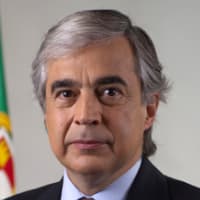
José Pedro Aguiar‑Branco is the President of the Assembly of the Republic, who in this story requested that the Committee on Constitutional Affairs examine the constitutional conformity of government measures in a proposed bill. He is using his parliamentary role to trigger a formal review of changes affecting confession rules and the rights of the defence.

André Ventura, born January 15, 1983, is a lawyer, academic, and Portugal's most prominent far-right leader. He founded Chega ("Enough") in 2019 after his PSD mayoral campaign attacked the Romani community. Chega surged from 1.3% in 2019 to 22.8% in May 2025, becoming parliament's second-largest party and making Ventura Leader of the Opposition.
His platform emphasizes immigration restrictions, law-and-order policies, constitutional reform, and contains inflammatory anti-Romani rhetoric that has triggered multiple discrimination convictions and investigations. Politically classified as far-right by international media, Ventura cultivates alliances with European far-right figures including Marine Le Pen and Santiago Abascal.

The PJ (Polícia Judiciária) is Portugal's national criminal investigation police agency, founded in 1945. Operating under the Ministry of Justice and supervised by the Public Ministry (prosecutors), the PJ is a "higher criminal police body" specializing in serious and complex crimes. Mission: The PJ assists judicial and prosecuting authorities by investigating terrorism, organized crime, homicide, kidnapping, drug trafficking, corruption, cybercrime, financial crime, and money laundering. It conducts forensic examinations, operates Portugal's Interpol and Europol liaison offices, and maintains specialized units including the National Counterterrorism Unit and National Anti-Corruption Unit. Difference from PSP/GNR: While PSP (civilian urban police) and GNR (military rural police) focus on preventive policing, public order, and investigating minor crimes, the PJ exclusively handles serious crime investigation requiring specialized technical and scientific expertise. PSP and GNR report to the Ministry of Internal Affairs; PJ reports to the Ministry of Justice. PJ officers receive higher pay and prestige but face greater operational risk.
Carlos Cabreiro is the national director of the Judiciary Police (Polícia Judiciária or PJ), the agency responsible for investigating serious crimes in Portugal. He has held this leadership role since April 2024, succeeding Luís Neves.
The Ministério Público (Public Prosecution Service) is Portugal's independent state prosecution body, responsible for leading criminal investigations, bringing charges, and representing the public interest in court.
The MP operates autonomously from the government and the police, though it directs criminal investigations carried out by the Polícia Judiciária, PSP, and GNR. It is led by the Procurador-Geral da República (Attorney General), who is appointed by the President on the government's proposal.
The MP gets involved in high-profile cases including corruption, financial crime, and incidents of potential institutional negligence. It also defends the legality of government actions and protects citizens' fundamental rights through the courts.