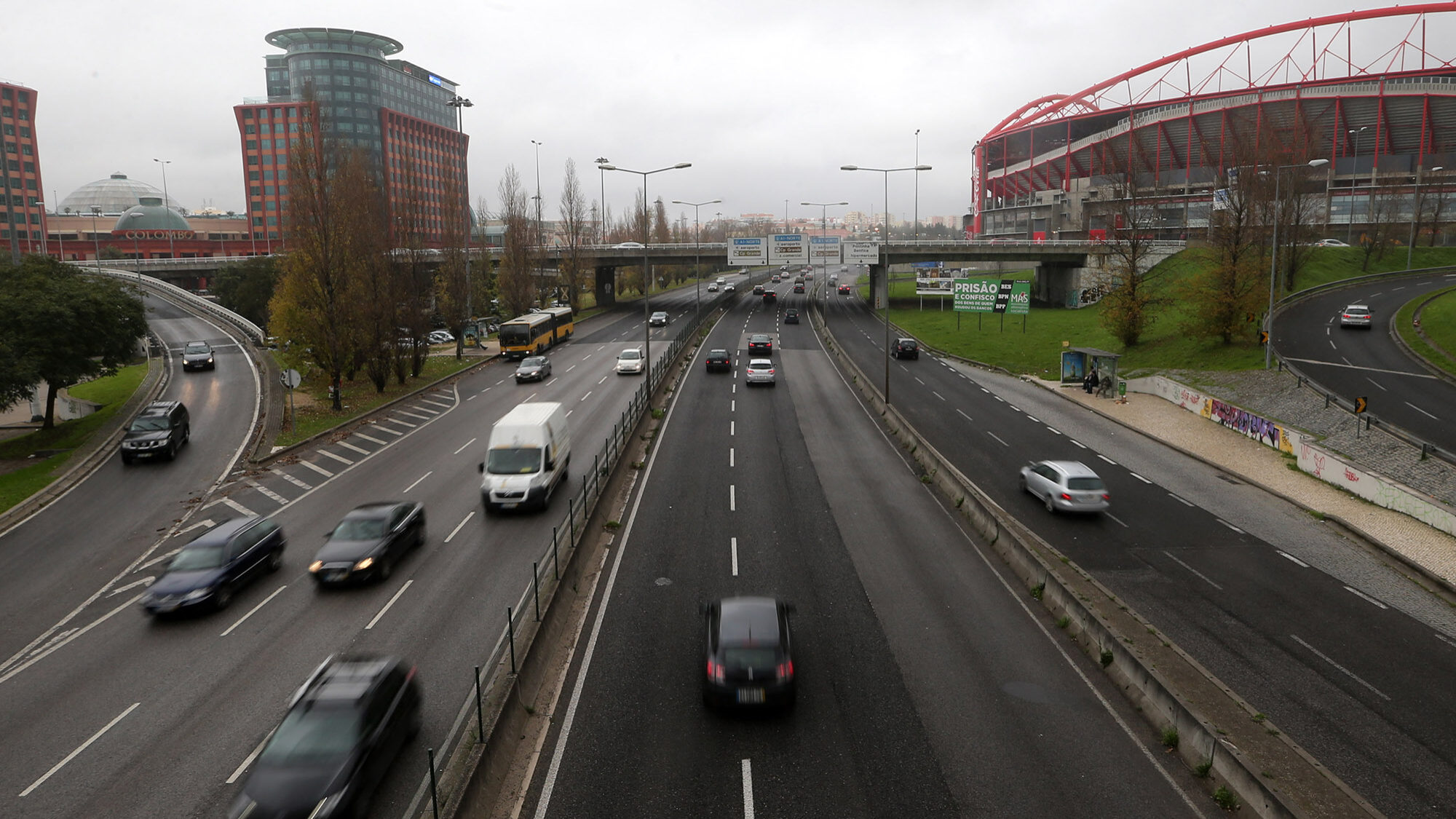
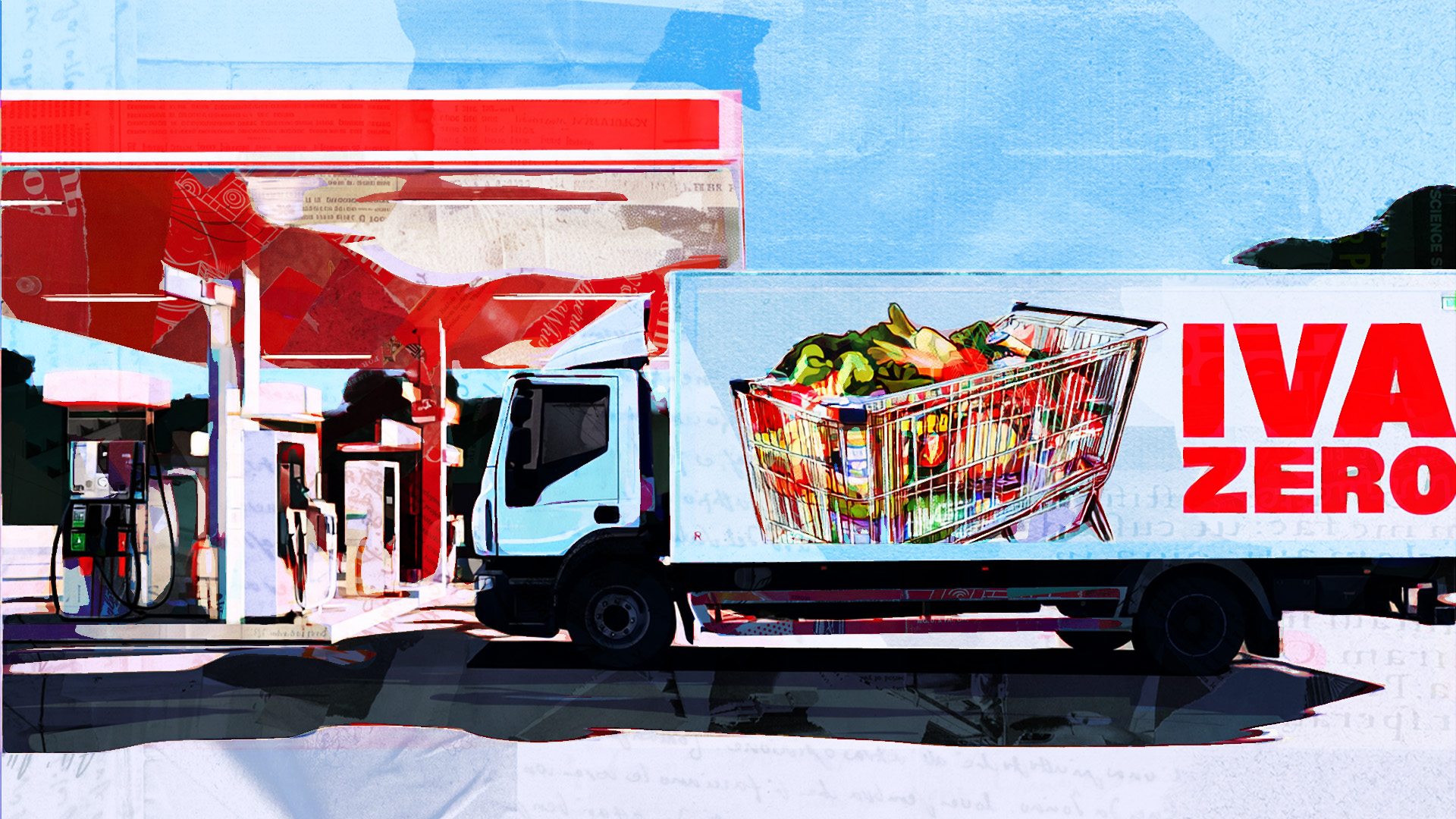
Since the beginning of the month, following the American and Israeli operation in Iran, fuel prices in Portugal have soared, with an average increase of 30% for diesel and 15% for petrol. This escalation, which only has a recent parallel in the 2022 crisis triggered by the invasion of Ukraine, is already generating negative impacts on the economy and will have much more serious repercussions in the long term, especially if there is no quick solution to the Strait of Hormuz issue. One of the most discussed effects in recent days is the significant increase in the cost of the food basket. According to Deco, basic daily products have reached their highest value since this assessment began, to which other worrying signs are added, such as the foreseeable increase in gas for family consumption. It is no coincidence that the Bank of Portugal has already turned on the yellow light in its monthly Economic Bulletin, cooling the growth forecast to 1.8% and signaling rising inflation for the end of this year, very close to 3%. This assessment was closed on March 13 and ignores the most severe effects of the instability in the Middle East. Faced with this alarming scenario and well-founded concerns about the rising cost of living, the Government has hidden itself. Or rather, it has taken refuge in the automatic ISP review formula, which, according to available data, is having an absolutely marginal effect on moderating fuel increases. Furthermore, it does not in the slightest affect the State's fiscal voracity, which continues to take almost 60% of what the Portuguese consume at petrol pumps. Meanwhile, right next door, the Spanish government forced the shock that circumstances imposed: it gave up 11% of direct VAT revenue on all energy products (fuel, gas, and electricity) and robustly cut the Spanish equivalent of the ISP. With this, just this week, it has already lowered the average price of a litre of petrol by about 30 cents and diesel by 15 cents. Unsuspected of being a supporter of Sánchez, I acknowledge the ability our Iberian neighbours had to react energetically and proportionally to an adverse external situation. Here, we are marking time or waiting for circumstances to change, always with the State protected and the bill being paid by companies and families.
Life is expensive and the Government is marking time
Friday, 27 March 2026RSS

Context & Explainers
The National Association of Fuel Retailers (Associação Nacional de Revendedores de Combustíveis or ANAREC) represents gas station owners and fuel distribution businesses in Portugal. The group often explains why pump prices may stay high even when global oil prices drop, citing factors like operating costs and the tax on petroleum products (Imposto sobre Produtos Petrolíferos). For residents, ANAREC provides context on how international market changes and local taxes influence the final price at the pump.
AI Summary AvailableFuel prices may drop Monday despite Middle East uncertaintyRead the synthesized summary with context and explainers
View full article on Diário de Notícias