Instagram, WhatsApp and Facebook are down
Meta platforms including Instagram, WhatsApp, and Facebook are experiencing widespread service outages across multiple countries, including Portugal, with no official statement released yet.
cmjornal.pt

Latest news and stories about social media in technology in Portugal for expats and residents.
Meta platforms including Instagram, WhatsApp, and Facebook are experiencing widespread service outages across multiple countries, including Portugal, with no official statement released yet.
The PSD will submit a bill proposing age verification at social media account creation to enforce a ban on under-13s and restrict access for under-16s. The measure, described as sensible and largely inevitable in an editorial, aims to protect children and reduce pressures such as the pursuit of likes, though it raises practical enforcement and privacy concerns about verification methods.

The association also contests the possibility of Meta accessing their content for free for commercial purposes

Over half of the promotional posts analysed by #Pub on social media were not properly disclosed. To combat the lack of transparency in influencer marketing, the non-profit project has launched a platform that uses artificial intelligence (AI) to detect potential violations on Instagram and TikTok, alert influencers, and facilitate reporting.

For three consecutive years, Portuguese users have preferred this platform over others.

A report reveals a discrepancy between the platform with the highest user base in Portugal and the platform perceived as the most trustworthy by the local population.

For the third year in a row, Instagram is once again the social network most used by the Portuguese, cited by 32.2% of respondents. The rest of the ranking also remains unchanged, with WhatsApp in second place (25.6%) and Facebook in third (21.7%). The data comes from the latest edition of the study 'The Portuguese and ...'

The Auschwitz Museum makes up to 20 posts per day on the social network X, moderates a million comments, and argues with Meta over victims that never existed. Now, it has to face images of the Nazi extermination camp generated by artificial intelligence.

Social media and artificial intelligence are changing the way we receive information, form opinions, and participate in democracy. Adolfo Mesquita Nunes returns to Perguntar Não Ofende to analyse with Daniel Oliveira the power of algorithms, political polarisation, and the risks of handing over increasingly important decisions to technology.

Researchers analysed the content of 53 TikTok videos published between September and November 2025.

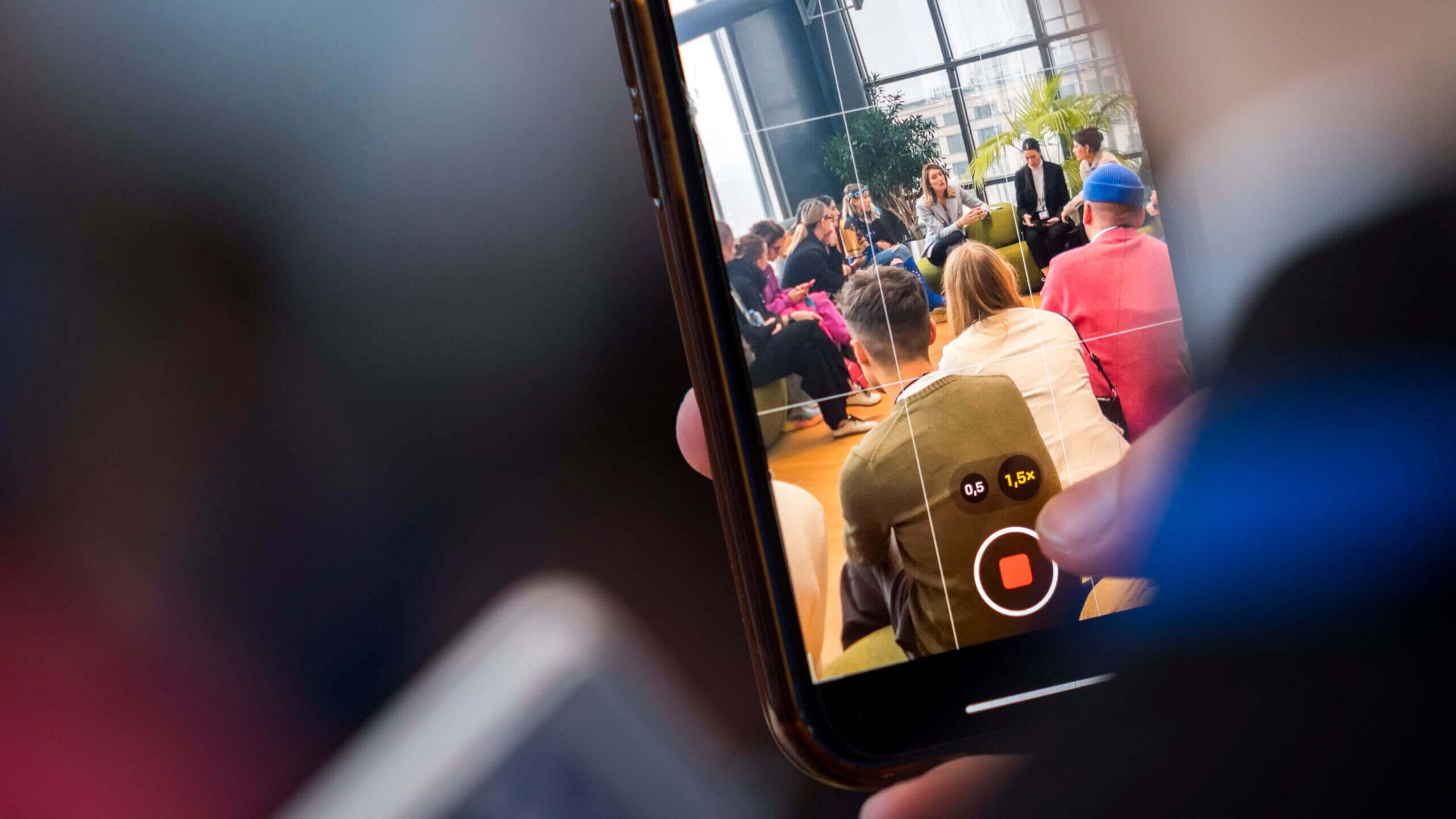
The attention war has reached the corridors of European institutions. By opening the doors of its buildings to content creators, Brussels seeks to break the institutional bubble and reach an audience that no longer consumes information solely through traditional media. At the same time, several pieces of legislation are being prepared within the European framework that...
The video platform had already paid 350 million to the US Department of Justice in a settlement for violating federal child privacy laws. Portugal is following the global example and attempting to combat youth addiction to these types of platforms and social networks.

The platform highlights the growing role of the social network in product and brand discovery.
Almost eight in ten Portuguese social media users (77%) have already used generative artificial intelligence tools, such as ChatGPT, Gemini, or Copilot. Usage is regular for nearly 40% and occasional for 38%, reveals the 16th edition of the study 'The Portuguese and Social Media' by Marktest, which analyses for the first time...

The social media platform TikTok has recorded 4.5 million monthly active users within the Portuguese market.
The social media platform TikTok reaches 4.5 million active monthly users within the Portuguese market.
The social media platform TikTok has reached a milestone of 4.5 million active monthly users within the Portuguese market.

The measure also provides for restricting access up to the age of 15.

For João Cotrim Figueiredo, the battle should focus on the design of these products and apply regulation to them.

The President of the European Commission has been advocating for European intervention to limit children's exposure to social media and ensure greater protection for minors in the digital environment.
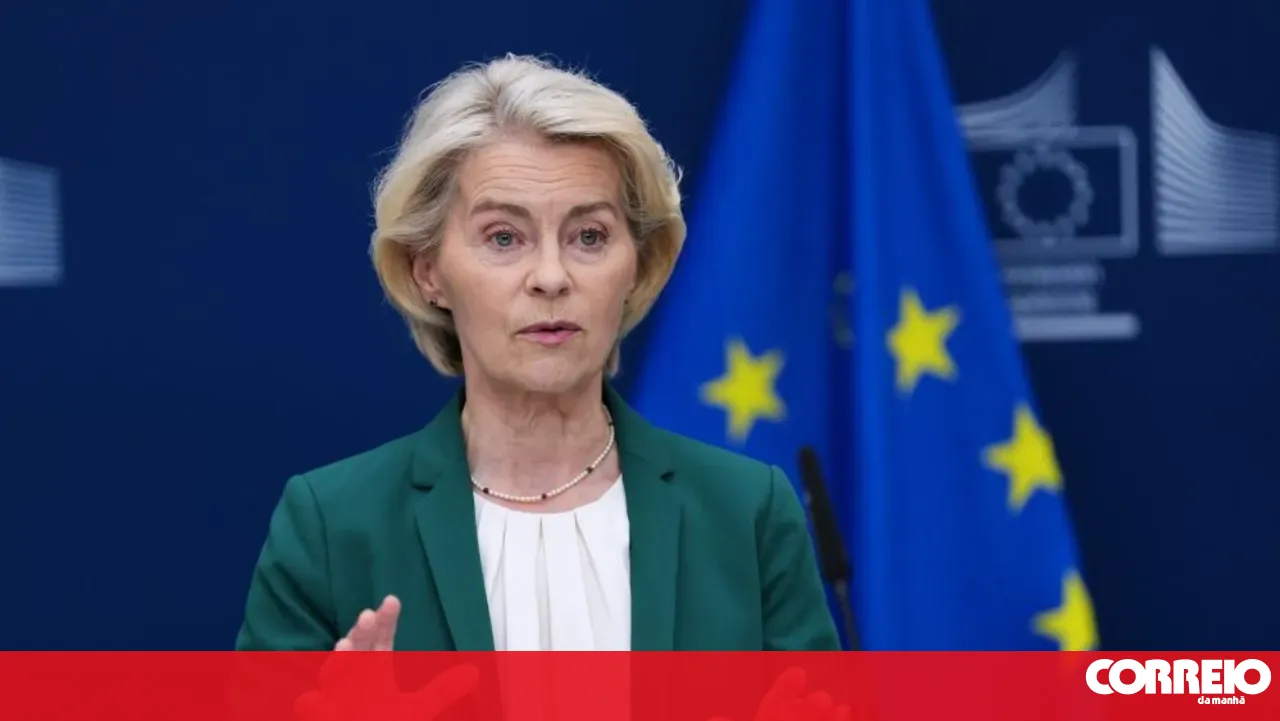
We forced manufacturers of toys and electrical equipment to incorporate safety into the product itself. In the digital ecosystem, the principle should be exactly the same.
Portugal is one of the European countries where young people most frequently turn to Artificial Intelligence to vent and seek advice. On social media, the exposure of younger people to hate speech, conspiracy theories, and violent content is increasing.
The internet has brought significant advancements, but it has also blurred the lines between freedom and anarchy, particularly on platforms like Discord. In Brazil, the Attorney General's Office has filed a public civil action seeking R$ 500 million in damages and stricter safety measures following reports of severe abuse and a tragic suicide case. Meanwhile, in Portugal, the platform made headlines after a judicial clerk was arrested for leaking sensitive, protected legal information. While the debate over regulation intensifies—partly influenced by political figures like Janja—the consensus remains that regulation is necessary to protect vulnerable users, though it must be distinguished from the radical bans seen in autocratic regimes.
Following the judicial agreement reached by Meta in the United States, the European Commission is demanding equivalent protections for minors and continues to keep Instagram and Facebook under investigation.
The fines and regulations imposed on Meta, owner of Facebook and Instagram, could be decisive

Bernardo Caldas, an expert in Artificial Intelligence, analyses the agreement Meta signed following accusations from 29 US states, which forces the company to pay 14 billion euros and make changes to its application rules regarding young people.

Academic argues that well-intentioned restrictions push minors into unregulated online spaces.

Tito Morais, co-founder of the “Agarrados à Net” project, analyses the Meta case, a company taken to court in the US for allegedly causing addiction among young people.