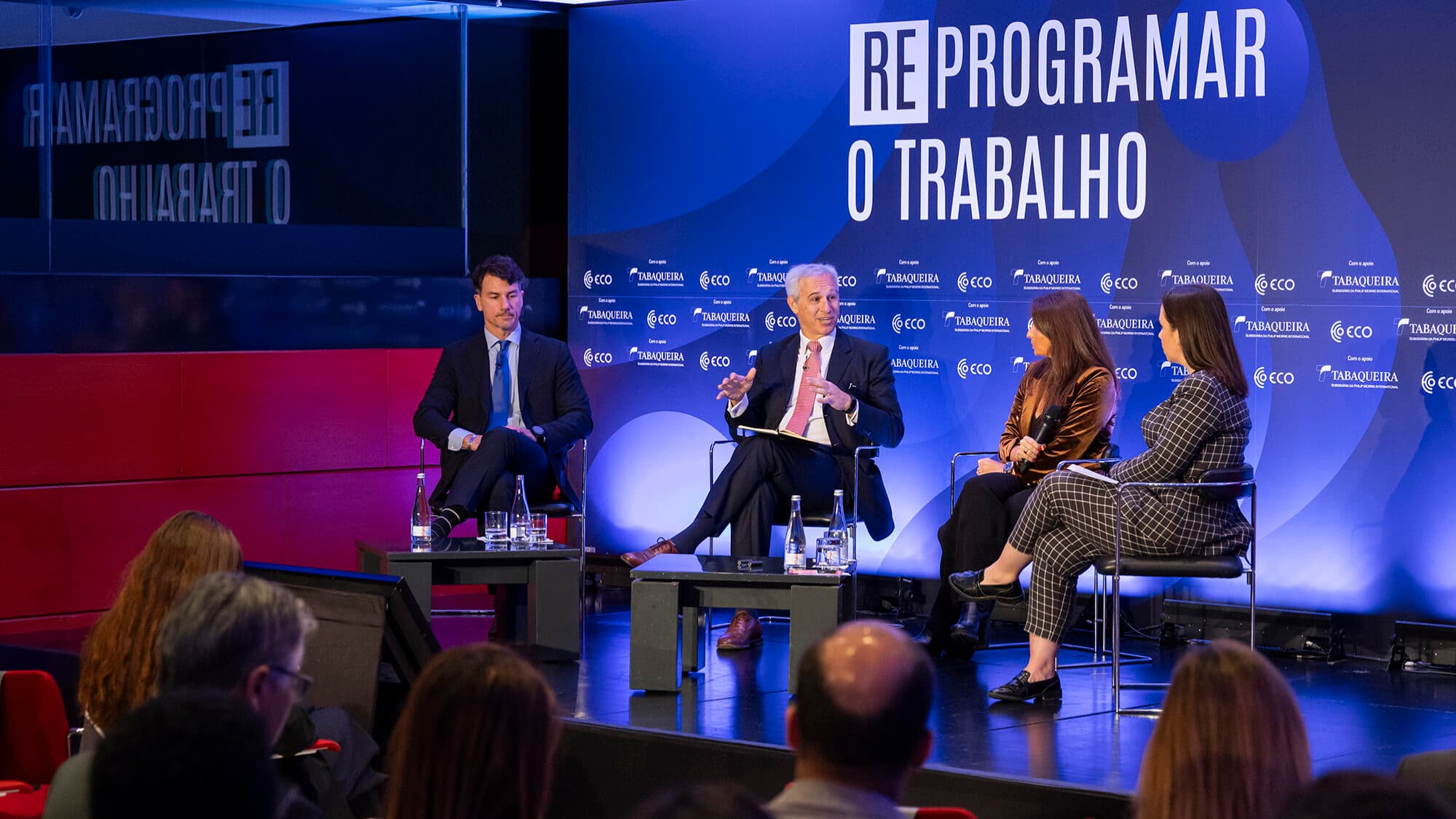
Investing in human resources training is currently considered by the business sector to be an important factor in making the most of emerging technologies. This Tuesday, the 'Reprogramming Work' conference took place at the Belém Cultural Centre, featuring a panel titled 'The Algorithm in the Office: How AI Is...'
Tally is a platform that combines technology and human oversight to simplify financial management and lower costs for small and medium-sized enterprises.
Bauer Media has chosen Portugal for its new technology centre, which will monitor all of the group's digital activity, with plans to hire 15 specialists, the CEO of the Portuguese subsidiary told Lusa today. The group announced the creation of a new technology hub in Portugal, strengthening its investment in the Portuguese market.
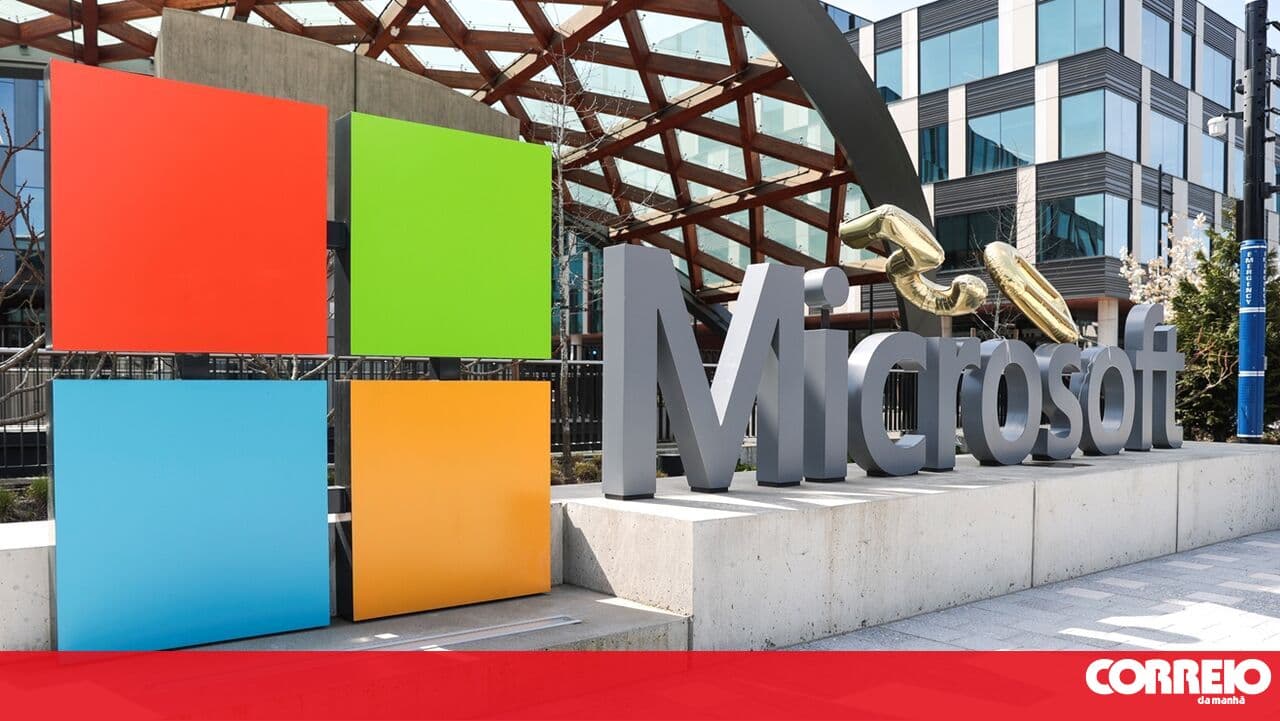
Microsoft plans to invest $10 billion over the coming years in AI infrastructure at a data center in Portugal. The investment, announced in collaboration with chip manufacturer Nvidia and other partners, aims to boost Portugal's role in advanced AI technology development.
The Polytechnic of Guarda is part of a two-year initiative that aims to produce residue-free cherries, create an Iberian observatory, and boost new businesses in the sector with 1.2 million euros in funding.
The turnover of the Portuguese tech company Opensoft rose 20% in 2025 to ten million euros, reaching its highest value ever, the company announced on Monday, the 16th. Growth was also reflected in the size of the team, which increased by more than 15% compared to the same period last year. 'The 2025 performance reflects our team's commitment to excellence and innovation; we are prepared to continue growing, consolidating our international presence, and developing increasingly advanced solutions that meet the constantly evolving needs of our clients,' said the company's CEO, Rui Cruz, in a statement. Technological innovation remained a central pillar for the company, with the R&D department exploring new technologies, including Artificial Intelligence tools. In 2025, the company invested in Portuguese-speaking African countries (PALOP), having participated in the FIC in Cape Verde as part of its expansion strategy for the PALOP, which will continue to be developed in 2026. Portuguese company Opensoft increases salaries by 10%.
The project involves “nature-based and technological solutions” to ensure sustainability, says the person in charge. 'Iberian_Cherry' will focus on new businesses and technology surrounding the cherry industry.
The Russian invasion of Ukraine in February 2022, followed by increasing geopolitical instability in the Middle East and other regions, served as a defibrillator for the defence industry.
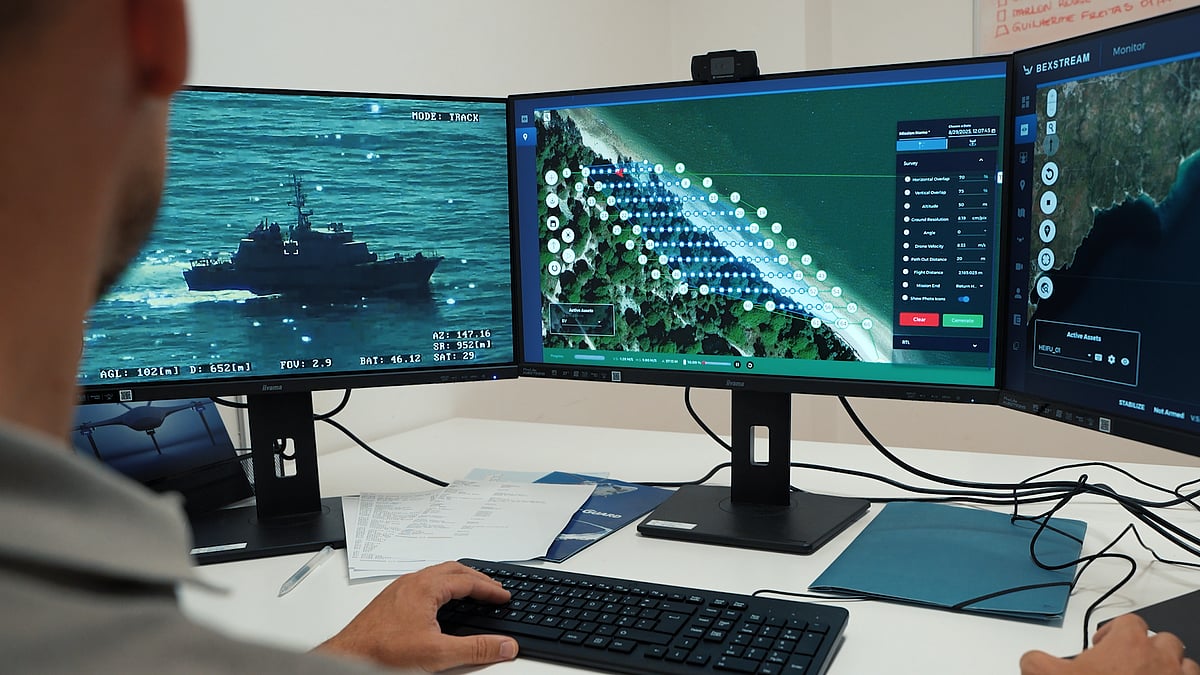
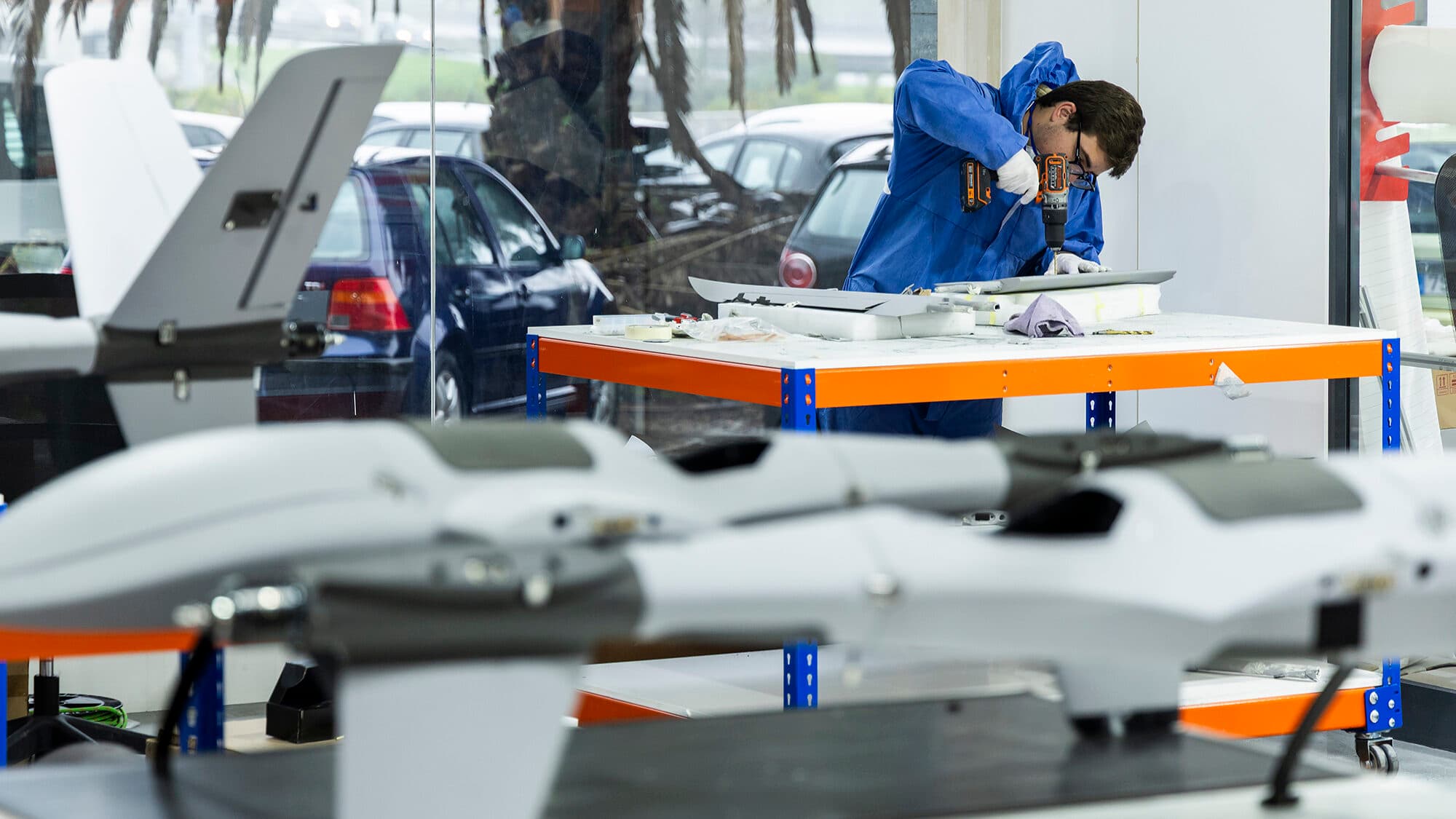
Beyond Vision, a Portuguese drone manufacturer, is expanding internationally with a focus on both civil and defence sectors. CEO Dário Pedro discusses the company's growth, its entry into the US market, and the challenges posed by strict regulations in Portugal, particularly regarding the use of drones for emergency response and civil operations.
During the Microsoft Building the Future 2026 event in Lisbon, Microsoft's Southern Europe General Manager, Kristina Tikhonova, highlighted Portugal's rapid adoption of AI. With an ecosystem generating 7.3 billion euros for the national economy—expected to rise to 9 billion with the Sines investment—Portugal is currently a 'fast follower,' with an AI adoption rate of 24.2%, well above the global average of 16%. Tikhonova discussed the importance of cultural shifts in leadership, the role of 'Frontier Firms' in achieving high ROI, and the necessity of data consistency and cybersecurity training to sustain this growth.
In addition to Sines, Abrantes will also host an artificial intelligence gigafactory, which will serve as a redundancy. Muddy Waters, which began a wave of short positions in Mota-Engil's capital in 2024, has filed a defamation lawsuit in a Texas federal court against the CEO of the Portuguese construction company, Carlos Mota dos Santos. Get to know the news...
If Spain and Portugal are successful in their joint bid for one of the European Union's five artificial intelligence (AI) gigafactories, the infrastructure could be split between the two countries, in Tarragona and Sines. However, redundancies are also planned, with infrastructure in Madrid and Abrantes, reports Jornal Económico this Friday. The publication notes...
The economic value generated in the Portuguese economy by the Microsoft ecosystem reached 7.3 billion euros last year, equivalent to 2.5% of the GDP, the tech company announced this Thursday. According to the study, this figure is projected to rise to 9 billion euros once the Sines operation reaches full capacity. The ecosystem has generated approximately 35,000 direct and indirect jobs, with an expected increase of 8,300 roles driven by AI investments. Microsoft Portugal's General Manager, Andrés Ortolá, highlighted the rapid global adoption of generative AI, while EY's Rui Faustino noted that for every euro invested in Microsoft solutions, companies can expect 9.6 euros in productivity gains over time.
The Portugal NewsRoom highlights recent developments showcasing Portugal's economic growth and innovation. Notable stories include the launch of a digital rail software lab by Stadler and Critical Software, Portugal's leadership in female representation in STEM across regions, and a positive EU trade surplus in Q4 2025. Portuguese companies like Tintex are expanding circular knit offerings, and FinTrU in Porto has been ranked fifth in Europe for impact by the Financial Times. Additionally, Portuguese footwear is gaining international recognition at fashion weeks, and the University of Porto has launched a €3 million EU-backed project. The platform emphasizes Portugal's advancements in technology, sustainability, and global market presence.
Portugal and Spain have announced a joint bid to develop an AI gigafactory, with an investment of €8 billion, aiming to enhance their technological capabilities and position in the global innovation market. The project will establish infrastructure in both countries, with Sines in Portugal as a key location, and is part of a broader strategy to strengthen Southern Europe's role in AI development. This initiative reflects a significant political and economic collaboration between the two nations, focusing on equitable resource distribution and fostering a competitive edge in the digital economy.
Labour Minister Maria do Rosário Palma Ramalho has explained the exclusion of the CGTP from recent discussions on new labour legislation, claiming they chose not to negotiate. The CGTP refutes this, asserting they have proposed measures to address workers' rights and precarious employment. They criticize the government's approach, suggesting it favors employers and undermines social dialogue. Key proposals from the CGTP include reducing the workweek, increasing vacation days, and improving job security for vulnerable workers.
Portugal is seeking to enhance its appeal to Middle Eastern investors, particularly from Qatar, by shifting its marketing strategy beyond just its favorable climate. In Doha, representatives from Startup Portugal are engaging with local entrepreneurs to promote investment opportunities in the country.
Guimarães has been chosen as the site for the presentation of Portugal’s national space strategy, a symbolic starting point for mayor Ricardo Araújo’s plan to turn the municipality — home to the Guimarães Space Hub — into an Iberian leader in the aerospace sector. Local authorities are pursuing rehabilitation of facilities, investment and economic activation to attract industry, create jobs and build a skills pipeline. Realising that ambition will require sustained funding, coordination with national and international partners, and targeted policies to translate strategy into industrial growth rather than a one‑off showcase.
Inês Lynce, chair of INESC‑ID and co‑director of the Carnegie Mellon Portugal Programme, argues Portugal must act to retain professionals skilled in generative artificial intelligence and adapt education and policy to do so. She urges a wider societal pause to define what we want from AI, calling for clearer public information, informed debate and targeted retention and training measures to align technological development with public interest.
The article analyses a surge in national defence innovation driven by a €5.8 billion SAFE loan—the largest single investment in the Armed Forces—positioning defence as a strategic area for both European and national investors. Key growth areas include drones, satellites and aircraft, with emphasis on R&D, dual‑use technologies and strengthened aerospace supply chains that can create jobs and boost exports. The piece examines how procurement reform, public‑private partnerships and targeted skills development are needed to translate investment into sustained industrial capacity and economic impact. It concludes that coherent policy and sustained funding will be essential to maximise technological and economic returns.