

Bernie Sanders is right and is aligned with the European Union
Europe is adopting a transparent and democratic framework for integrating AI into critical energy infrastructure, aligning with progressive policy goals.
publico.pt

Latest news and stories about ai policy in technology in Portugal for expats and residents.
Europe is adopting a transparent and democratic framework for integrating AI into critical energy infrastructure, aligning with progressive policy goals.
Rogério Casanova argues that not all functional academic writing—such as recommendation letters or election manifestos—needs to be crafted by highly skilled humans. He advocates for more explicit manifestos and institutional policies governing the use of AI in universities, allowing routine and low-value writing to be delegated to tools while preserving human oversight where it matters. The column frames such manifestos as pragmatic, ethical guides to protect quality, fairness and accountability in higher education’s adoption of AI.

Inês Lynce, chair of INESC‑ID and co‑director of the Carnegie Mellon Portugal Programme, argues Portugal must act to retain professionals skilled in generative artificial intelligence and adapt education and policy to do so. She urges a wider societal pause to define what we want from AI, calling for clearer public information, informed debate and targeted retention and training measures to align technological development with public interest.
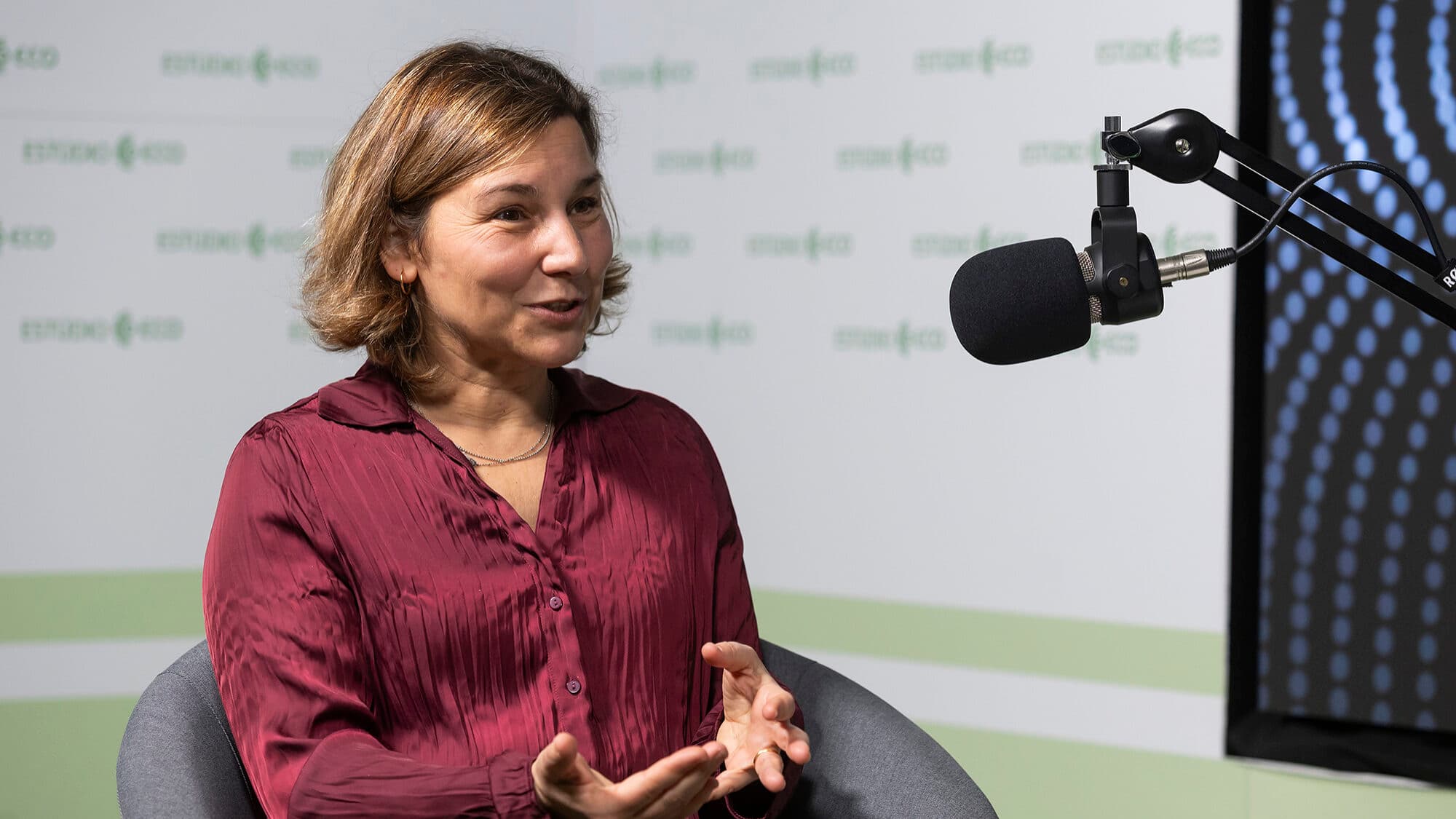
The European Commission has ensured that the EU is “at the forefront” of protecting citizens against the risks associated with artificial intelligence (AI) technology, highlighting the security safeguards adopted at the community level.
European Commission Vice-President Teresa Ribera argued today that the EU must maintain the rules it has set for large technology companies and artificial intelligence, even if they cause conflicts with other countries.

Brussels highlights the safety safeguards adopted at the community level.

The sudden moral conversion of tech leaders like Dario Amodei to state regulation is less about existential safety and more about protecting their market position. By advocating for strict government oversight and high compliance costs, these companies are effectively seeking a modern-day 'Licensing Act' to create an oligopoly, stifle open-source competition, and shield themselves from the harsh economic realities of scaling AI infrastructure.

“Global rules are really needed,” European tech commissioner says after researchers sound alarm over AI risks.

NGOs raise concerns about “independence and impartiality” of Siemens chief in EU role.

Le chatbot le plus populaire au monde est désormais soumis à la réglementation stricte de l'Europe. Cependant, le fait de le classer comme moteur de recherche ne permet pas de couvrir bon nombre de ses principales fonctionnalités.

Most generative artificial intelligence chatbots for the general public, such as ChatGPT, allow users to access content from Russian state media outlets subject to European sanctions, Reporters Without Borders (RSF) has reported. Accused of being Kremlin disinformation tools, media outlets such as Sputnik and...
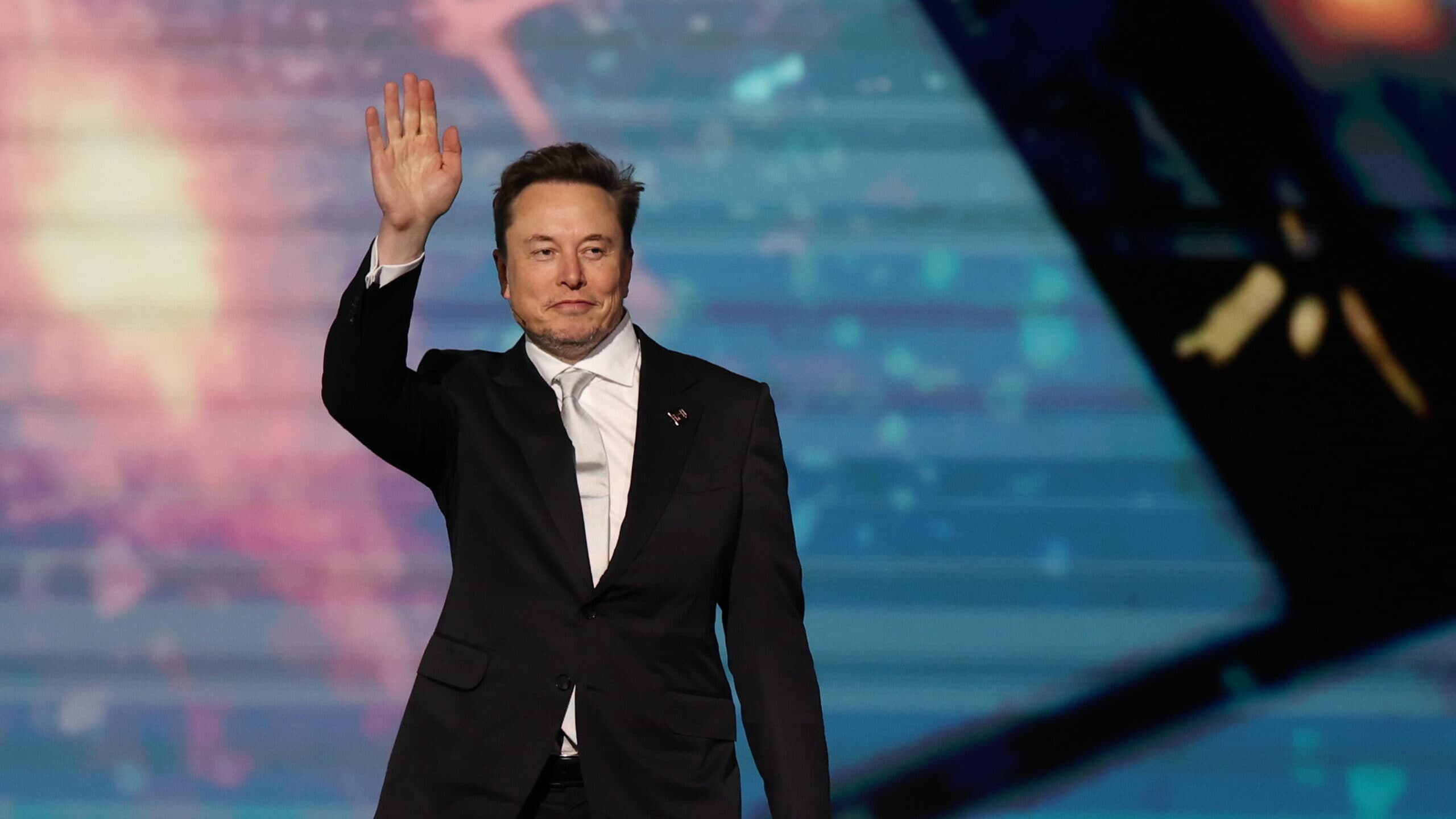
Businessman Elon Musk defended the construction of data centres this Tuesday and criticised European regulation during a G20 meeting in the city of Asheville, North Carolina, USA. Invited to participate in the G20 meeting, Musk called for caution when moving forward with the regulation of new technologies and...
Portugal finds itself caught in a geopolitical tug-of-war between the US and China over Artificial Intelligence infrastructure. Having signed a US-led declaration on AI opportunity, the country faces pressure to choose sides, effectively forcing a binary choice between American and Chinese technological alliances. While the Portuguese government pursues a 'sovereign cloud' strategy and data centre hubs, the country remains heavily dependent on foreign infrastructure, highlighting a significant gap between political rhetoric and actual technological autonomy.
European regulation vetoes systems capable of generating unauthorised nudity and content involving minors. Companies will have new deadlines for adaptation and strengthening of safeguards.
The global AI debate is currently dominated by a 'frontier' race focused on massive generative models, where the US leads. However, China is quietly pursuing an alternative strategy: positioning AI as a fundamental production input by focusing on mass adoption and diffusion across industrial, logistics, and distribution sectors. For the European Union, which is caught between US innovation and Asian scale, this pragmatic approach—prioritizing industrial integration over the pursuit of frontier models—offers a viable path to economic relevance. By shifting from a punitive regulatory stance to one that facilitates implementation through sector-specific 'sandboxes' and reducing compliance costs for SMEs, Europe could leverage its strong industrial base to become a leader in applied AI.

The European Parliament approved a ban on AI systems that generate sexually explicit images on Tuesday, June 16. The measure, which still requires formal adoption by the EU Council, prohibits systems that create child sexual abuse material or non-consensual sexual imagery. Companies have until December 2 to ensure compliance. The move follows an investigation into the AI tool Grok, which was accused of disseminating millions of sexualized images, including those of minors.

Washington's export controls on Anthropic spark renewed calls for Europe to accelerate development of its own cutting-edge AI models.

While Europe is already applying a version of AI rules, the United States is preparing its first major federal law for the sector. What is at stake and what impact could it have on the future of technology?
The code was drafted by “six independent experts, with contributions from more than 180 stakeholders”, explains the European Commission.

Following another CEIIA conference, this time featuring Siemens Portugal CEO Sofia Tenreiro, a brief reflection on the importance of technology in our economy and society. Since technology—and AI in particular—became part of our daily lives, the economy has been confronted with an increasingly competitive and global value agenda, and society with the need to make a permanent compromise between access to ever-available information and the preservation of an essential private space. Building a Technological Society is a complex challenge that cuts across all actors and requires a capital of collaborative commitment from everyone. With technology, our society has changed significantly, and the degree of freedom for people to participate has reached a dimension never before possible—information is now available at all times and serves as the basis for new strategic intelligence platforms, driving new collaboration networks and solutions for emerging problems. Technology has accelerated the capacity and pace of execution in an increasingly demanding context of competence. Despite the enormous progress made with technology, empirical signs show a less positive reading of many societies' behaviour regarding the requirements that innovation and creativity imply. Consolidating a modern Technological Society requires, first and foremost, knowing how to answer the following questions: what path should be taken for technology, and AI in particular, as central instruments of an active public intervention policy as a transversal matrix for the renewal of our society? How can companies (especially SMEs) become relevant actors in creating value and ensuring adequate standards of quality and social life in a scenario of increasing economic 'offshoring'? What is the effective role of education as an essential framework for adapting social actors to the new challenges of the knowledge society? How can we reconcile education and AI moving forward? What is the role of science as an area capable of balancing the urgency of technology with the inevitability of its necessary practical applicability to induce a structured culture of innovation? What is the effective meaning of employability and social inclusion policies as instruments for promoting a global goal of social cohesion? What should be done for all those who, due to unemployment, feel increasingly marginalised by the system? Technology is part of this new era we are living in. Never before has it been so important to have an inclusive and integrative Technological Agenda that acts as a true operator of modernity and the construction of a future that is already here today.

Anthropic is expected to provide the European Union Agency for Cybersecurity (ENISA) with access to Claude Mythos, its artificial intelligence (AI) model specialised in cybersecurity, following its introduction in the United States back in April. According to Bloomberg (paywall), citing sources close to the matter, the company led by Dario...
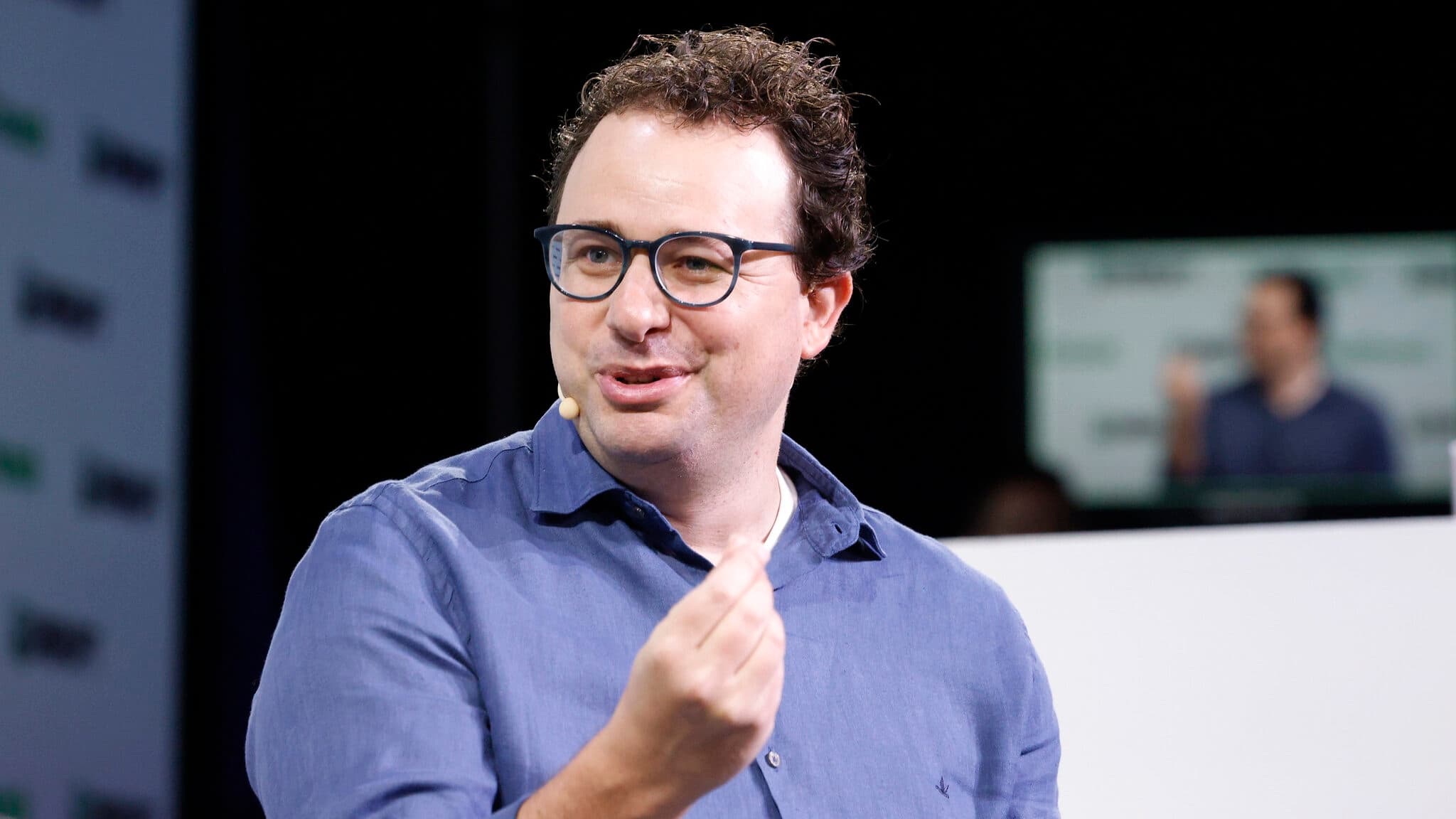
Follow updates from inside the room at POLITICO’s AI & Tech Summit in Brussels.
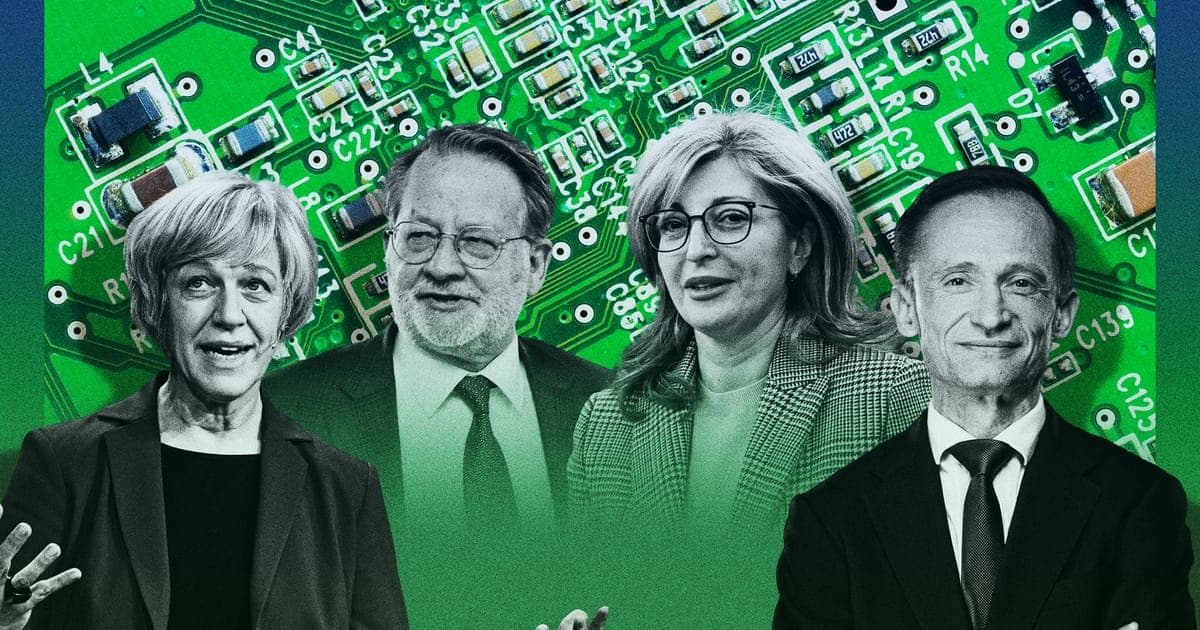
Officials debate how to define “intimate parts” in a draft ban on AI nudification tech.
MEPs approve a ban on AI 'nudification' systems. The regulation includes rules regarding the origin of audio, image, video, or text content created by AI.
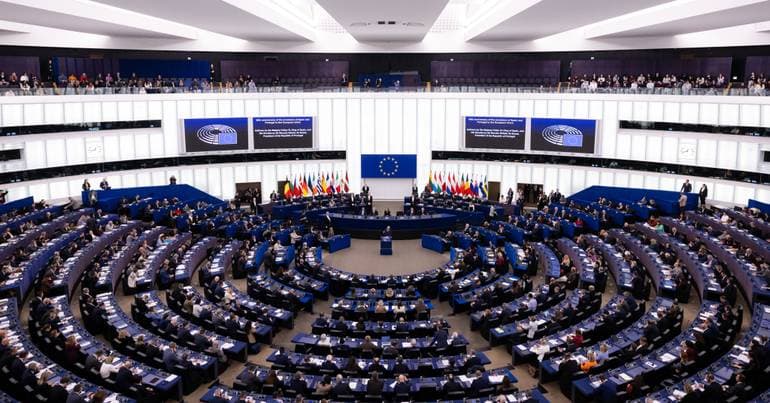
Alípio Jorge led the strategy for artificial intelligence in 2019. Now the Government's agenda is a framework with the same pillars but oriented towards the economy. 'Portugal has room to improve.'

AI is no longer a mere option: it is one of the major drivers of proactivity and a tool of economic power. The only question is whether the agenda launched by the government is up to the challenge or will be yet another well-intentioned promise.


Paulo Cunha says that, from a political perspective, the measure/framework functions as a sort of constitution for artificial intelligence.

Responsible AI requires regulation as a safeguard against potential threats to rights and ethical values. Opinion by A. Betâmio de Almeida.
